PricePlow is thrilled to announce our partnership with Apollon Nutrition, one of the most respected names in hardcore supplementation. If you've been following the supplement industry for any length of time, you know the name: clinical dosing, zero proprietary blends, and formulas designed for serious athletes who demand transparency.
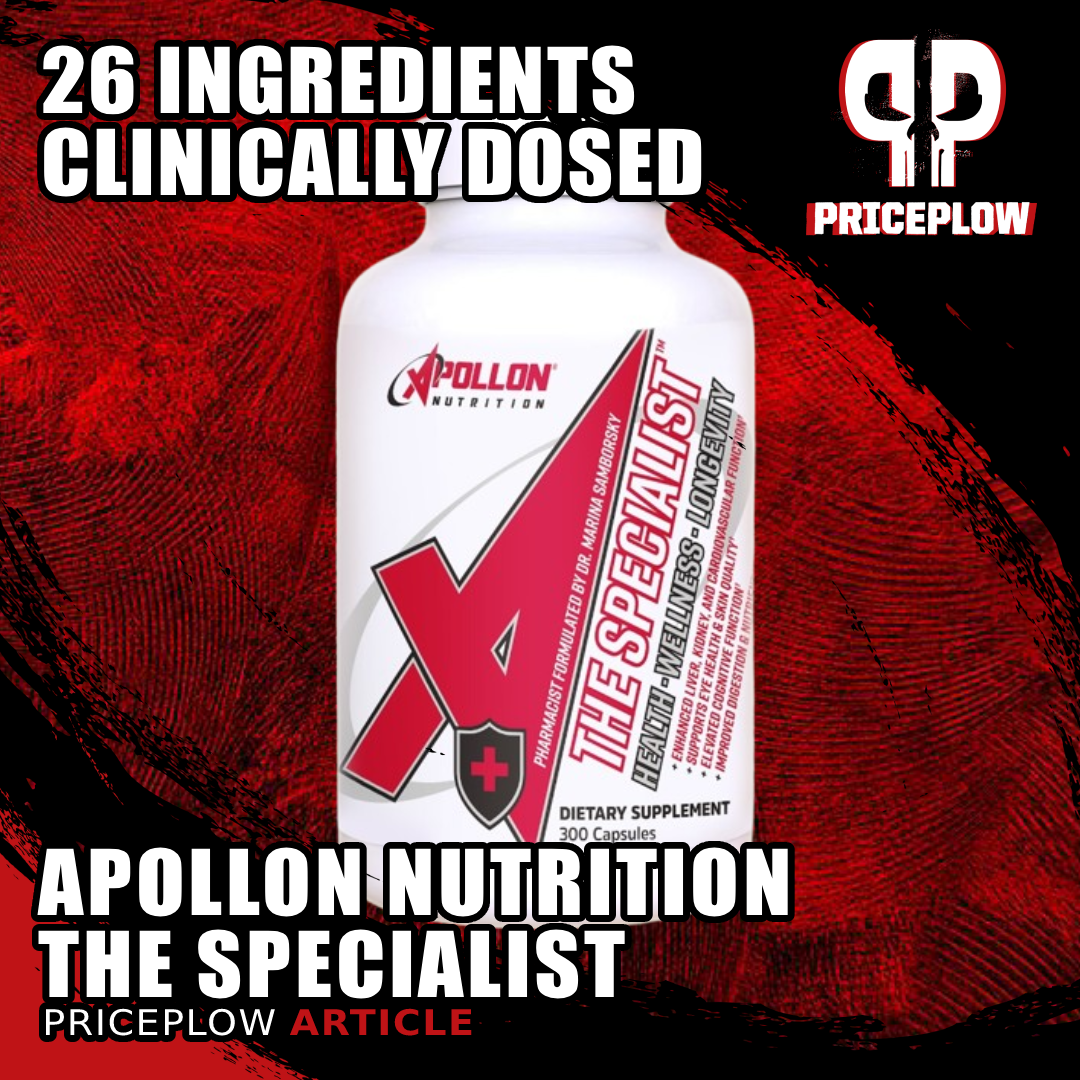
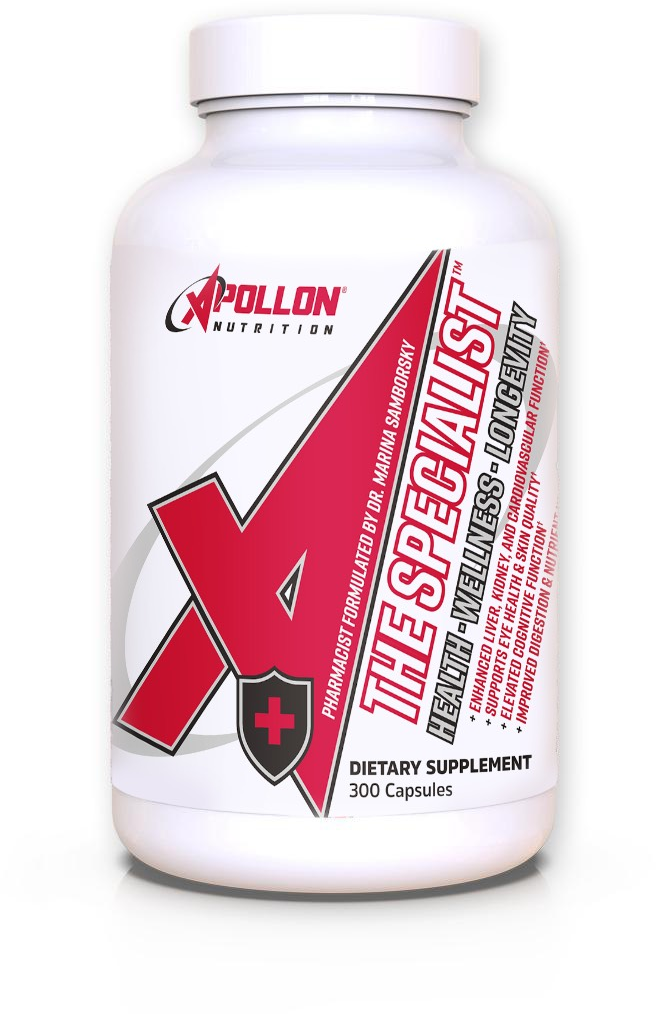
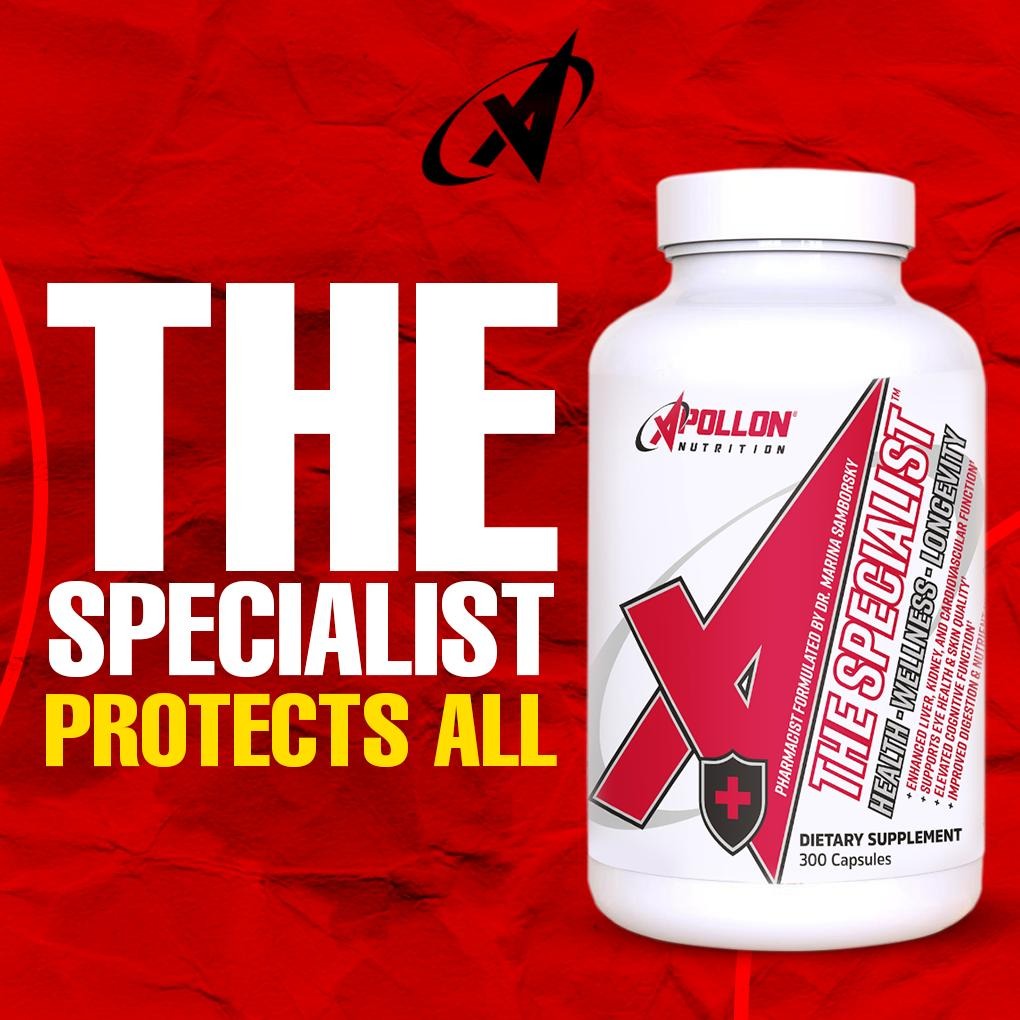
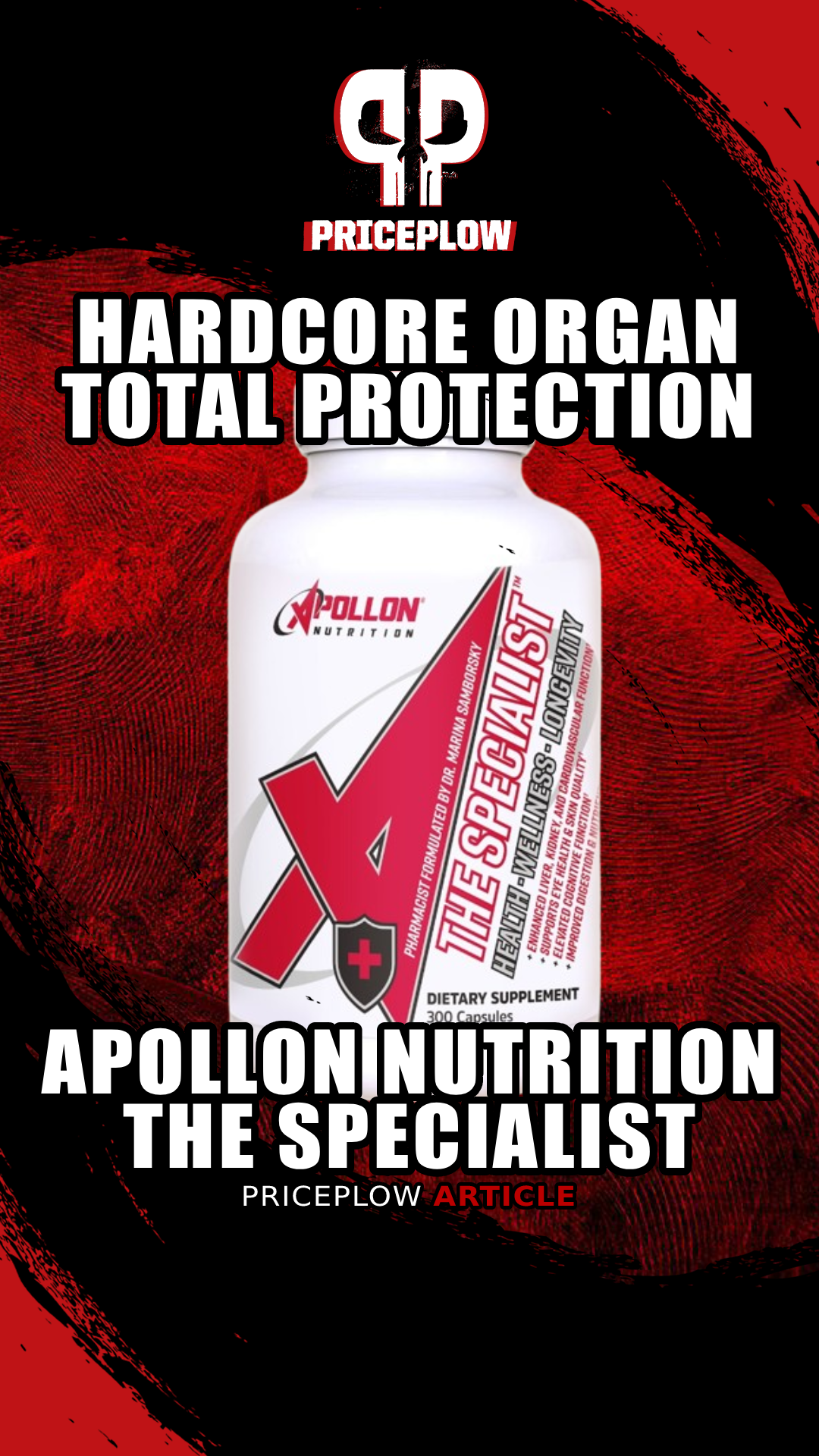
Apollon Nutrition The Specialist delivers 26 clinically-dosed ingredients for comprehensive organ support. 500mg TUDCA, 1200mg NAC, 1000mg bergamot, plus vitamins and minerals in 10 capsules daily. Pharmaceutical-grade organ protection built for serious athletes.
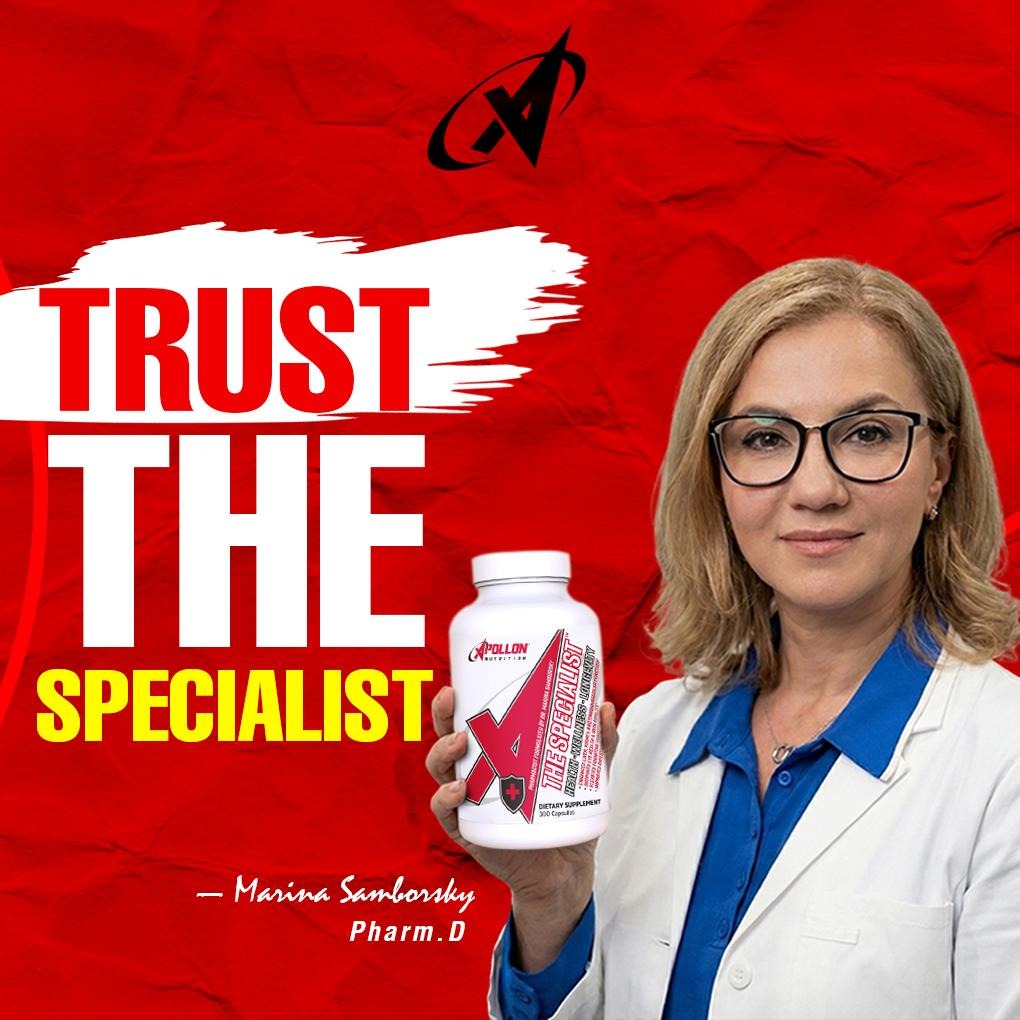
Founded by Robert "Robik" Samborsky and Dr. Marina Samborsky, PharmD, out of the legendary Apollon Gym in Edison, New Jersey (established 1975), Apollon Nutrition built its reputation on pre-workouts like Hooligan and Assassin. But the brand's evolution under CEO Karalina Malachayeva has expanded far beyond stims and pumps. Today, Apollon offers a comprehensive health and wellness line formulated with the same pharmaceutical precision that made their performance products legendary.
Meet The Specialist: A Massive Whole Body Organ Support Formula
Which brings us to The Specialist.
This is Apollon's answer to comprehensive organ protection. It's a 26-ingredient formula delivering clinical doses of TUDCA, glutathione, red yeast rice, bergamot, NAC, and nicotinamide riboside alongside a full spectrum of vitamins and minerals. The Specialist targets liver, kidney, cardiovascular, and cellular health in a single product.
If you're training hard, eating aggressively, or using compounds that stress your system, this formula was designed with you in mind. Dr. Marina Samborsky formulated The Specialist to support the organs that keep you performing at your peak.
Let's break down what's inside.
Apollon Nutrition The Specialist – Deals and Price Drop Alerts
Get Price Alerts
No spam, no scams.
Disclosure: PricePlow relies on pricing from stores with which we have a business relationship. We work hard to keep pricing current, but you may find a better offer.
Posts are sponsored in part by the retailers and/or brands listed on this page.
This area is reserved for Team PricePlow's upcoming videos.
Subscribe to our channel and sign up for notifications so you catch it when it goes live!

The Specialist Ingredients
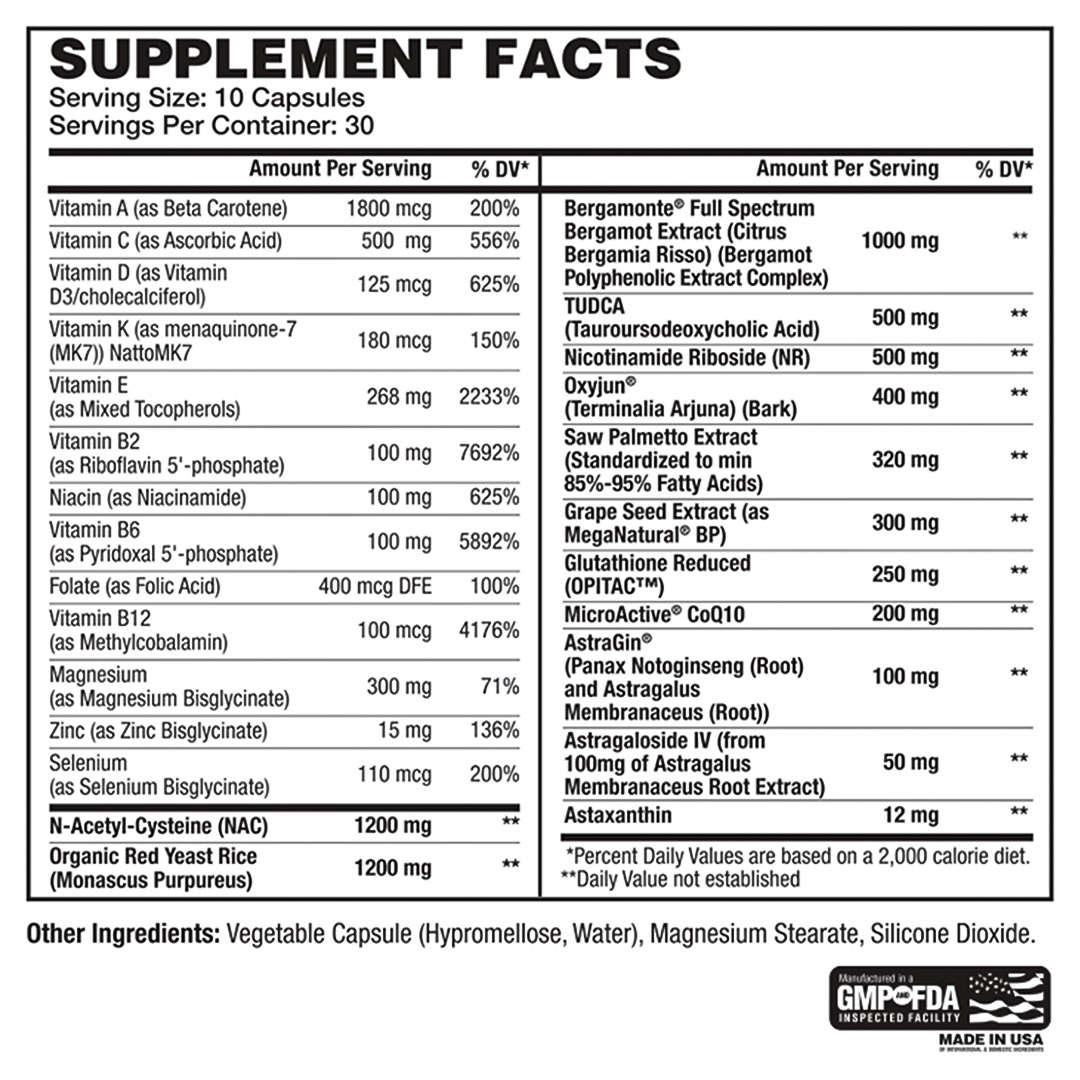
Each serving of The Specialist contains an epic 10 capsules delivering 26 active ingredients. The formula divides into two main categories: foundational vitamins and minerals (including a large dose of magnesium), followed by targeted organ support compounds.
Let's first get into the active ingredients that make The Specialist unique:
-
N-Acetyl-Cysteine (NAC) - 1200mg
The Specialist starts it off right, delivering a whopping 1200mg of N-Acetyl-Cysteine (NAC) per serving, positioning it as one of the formula's cornerstone ingredients.
NAC functions primarily as a precursor to glutathione, the body's master antioxidant and primary defense against oxidative stress.[1] By providing the rate-limiting substrate cysteine, NAC stimulates glutathione biosynthesis and helps maintain optimal cellular redox status.[2] This mechanism makes NAC essential for liver detoxification pathways, where glutathione conjugates and neutralizes toxic metabolites.
Beyond its role as a glutathione precursor, NAC acts directly as a free radical scavenger, providing dual-action antioxidant protection.[1] The compound also functions as a mucolytic agent, breaking disulfide bonds in mucus proteins to support respiratory health.
At 1200mg, The Specialist provides a clinical dose backed by decades of safety data across multiple applications. This is twice the dose of what we normally see, so you know Apollon means business with this supplement right off the bat.
-
Organic Red Yeast Rice - 1200mg
Organic Red Yeast Rice (Monascus purpureus) also comes in at 1200mg per serving, providing naturally occurring monacolins that support cardiovascular health through multiple mechanisms.

Red yeast rice's primary cardiovascular benefit stems from monacolins, which inhibit HMG-CoA reductase and reduce hepatic cholesterol synthesis.[3] This mechanism lowers LDL-cholesterol, total cholesterol, and triglycerides while supporting healthy HDL levels.[4]
Beyond monacolins, red yeast rice contains bioactive pigments that contribute to lipid management through reduced inflammatory transcription factors including TNF-α and IL-6.[4] A comprehensive meta-analysis of 53 randomized controlled trials showed favorable tolerability with reduced risk of adverse events compared to placebo.[5]
Once again, another large dose!
-
Bergamonte® Bergamot Extract - 1000mg
Bergamonte® is a specialized bergamot extract (Citrus bergamia risso) standardized to over 38% polyphenolic flavonoids, including the unique compounds brutieridin and melitidin alongside naringin, neohesperidin, and neoeriocitrin.
Bergamot's cardiovascular benefits work through multiple mechanisms. Like the red yeast rice above, brutieridin and melitidin inhibit HMG-CoA reductase, the same enzyme targeted by statins, reducing cholesterol synthesis by 30-40% in hepatic cells.[6] Naringin activates AMPK, downregulating lipogenic enzymes and improving LDL receptor expression.[7]
Clinical trials using 500-1000mg reduce total cholesterol, LDL, and triglycerides while increasing HDL over 30-180 days.[8] Bergamot flavonoids also enhance vascular health by boosting nitric oxide bioavailability and protecting endothelial function.[6]
Of course, Apollon Nutrition hits the top end of that dose range here in The Specialist.
-
TUDCA (Tauroursodeoxycholic Acid) - 500mg
TUDCA (tauroursodeoxycholic acid) at 500mg is the ingredient that puts The Specialist on the map for hardcore users.
TUDCA is a hydrophilic bile acid conjugate with potent hepatoprotective and cytoprotective properties.[9] While commonly used for treating cholestatic liver diseases, TUDCA's mechanisms extend far beyond basic liver support.[10]
TUDCA works by reducing endoplasmic reticulum (ER) stress, stabilizing the unfolded protein response, and interfering with mitochondrial apoptotic pathways.[10] At the cellular level, it stimulates bile flow, increases insertion of hepatic transporters into canalicular membranes, and provides anti-apoptotic protection to hepatocytes and other cells under metabolic stress.[9]

The 500mg dose hits clinical research thresholds, making this a legitimate therapeutic dose rather than window dressing. For athletes using compounds or supplements that stress hepatic and cellular function, TUDCA provides protection where it matters most.
-
Nicotinamide Riboside (NR) - 500mg
Nicotinamide Riboside (NR) provides 500mg per serving, targeting cellular NAD+ levels through a direct conversion pathway.
NR enters cells via nucleoside transporters and gets phosphorylated by nicotinamide riboside kinases to form nicotinamide mononucleotide (NMN), which then converts to NAD+ through NMNAT enzymes. This direct pathway can increase cellular NAD+ by up to 270% in mammalian cells.[11]
Elevated NAD+ activates sirtuins, which deacetylate and activate PGC-1α to drive mitochondrial biogenesis.[12] Animal research shows NR supplementation increases mitochondrial cristae content and expression of mitochondrial proteins like Complex V.[13]
The 500mg dose supports cellular energy production and metabolic adaptation during training stress. NR works on a different pathway than the niacinamide that's also in The Specialist, so Apollon's getting you critical NAD+ production in more ways than one.
-
Oxyjun® Terminalia Arjuna - 400mg
Oxyjun® is a standardized Terminalia arjuna bark extract, with a 400mg dose that matches the clinically-studied amounts used in multiple cardiovascular research trials.
Terminalia arjuna has been used traditionally in Ayurvedic medicine for cardiovascular support. The bark contains polyphenols and glycosides that contribute to its cardiovascular benefits through antioxidant pathways and positive inotropic effects on heart muscle.[14]
In a randomized, double-blind, placebo-controlled study, 400mg daily administration of Oxyjun for 56 days significantly increased left ventricular ejection fraction (LVEF) and reduced right ventricular myocardial performance index in exercising young adults. The same study found participants taking the extract experienced reduced perceived exertion during physical activity and increased time to exhaustion during treadmill testing.[15]
A follow-up study in a more diverse population (ages 30-70, overweight to obese) confirmed these cardiovascular benefits, showing a 6.28% increase in LVEF compared to 0.24% in placebo after 8 weeks of 400mg daily supplementation. The extract also reduced fatigue severity scores by 22.52% and decreased serum gamma-glutamyltransferase levels, a marker of vascular flexibility.[16]
The inclusion of Oxyjun® in The Specialist provides cardiovascular support through multiple mechanisms while complementing the formula's comprehensive organ protection approach.
-
Saw Palmetto Extract - 320mg
Saw Palmetto Extract (Serenoa repens) delivers 320mg standardized to 85-95% fatty acids, targeting prostate and urinary function.
The primary mechanism involves non-selective inhibition of both type I and type II 5α-reductase enzymes, which convert testosterone to dihydrotestosterone (DHT) in prostate tissue.[17] Free fatty acids (lauric and oleic acid) drive this activity, distinguishing saw palmetto from pharmaceutical 5α-reductase inhibitors that target only type II.[18] The extract also demonstrates anti-inflammatory effects by modulating proinflammatory cytokines.[17]
Clinical efficacy varies with standardization. Meta-analyses of hexanic extracts with >80% fatty acid content showed significant reductions in nocturia and improved urinary flow rates versus placebo.[19] The 85-95% fatty acid standardization matches effective formulations from clinical research -- another job well done by Apollon in this monster of a supplement.
-
MegaNatural® BP Grape Seed Extract - 300mg
MegaNatural® BP delivers 300mg of clinically validated grape seed extract standardized to 90-93% polyphenols, including proanthocyanidins and flavanols like catechin and epicatechin. Made in California from wine grape seeds, this specific ingredient goes well beyond generic extracts, as it's backed by nine human clinical trials demonstrating cardiovascular and performance benefits.
MegaNatural-BP works by enhancing endothelial function through the PI3K/Akt signaling pathway, which activates eNOS and increases nitric oxide production.[20] This improves blood vessel relaxation and blood flow, supporting healthy blood pressure levels while enhancing oxygen delivery to working muscles.
Research shows 300mg daily reduces blood pressure in pre-hypertensive individuals,[21] improves flow-mediated dilation by over 50%,[22] and enhances endurance performance in elite athletes.[23] The extract's ability to reduce cardiovascular strain during exercise while improving oxygen efficiency makes it valuable for both health and performance applications.
-
Glutathione Reduced (OPITAC™) - 250mg
Glutathione operates as the master cellular antioxidant through direct free radical scavenging and regeneration of other antioxidants like vitamins C and E.[24] The reduced form (GSH) contains a free thiol group that neutralizes reactive oxygen species (ROS), hydrogen peroxide, and lipid peroxides before these compounds damage cellular structures.[25]
Beyond antioxidant activity, glutathione drives Phase II detoxification pathways in the liver, conjugating and eliminating xenobiotics, heavy metals, and metabolic waste products.[26] Mitochondrial glutathione concentrations determine cellular energy production capacity and oxidative stress resistance.[27]
The OPITAC™ form uses optimized delivery technology addressing glutathione's historically poor oral bioavailability, maintaining the critical reduced state through the digestive process.
-
MicroActive® CoQ10 - 200mg
MicroActive® CoQ10 delivers 200mg of enhanced-absorption coenzyme Q10.
Coenzyme Q10 functions as an essential cofactor in the mitochondrial electron transport chain, where it generates approximately 90-95% of cellular ATP.[28] The compound concentrates in high-energy organs like the heart, liver, and kidneys, where its antioxidant properties protect mitochondrial proteins and DNA from oxidative damage while supporting cardiovascular function.[29] Clinical research demonstrates CoQ10 supplementation reduces cardiovascular mortality in heart failure patients and improves endothelial function.[30]

The MicroActive® delivery system addresses CoQ10's notoriously poor bioavailability through β-cyclodextrin complexation, creating a water-dispersible form that achieves 3x greater absorption than crystalline CoQ10 and 2x better absorption than standard solubilized softgels, with 24-hour sustained release that doubles serum levels within three weeks.[28]
-
AstraGin® - 100mg
AstraGin functions as a bioavailability multiplier for The Specialist's extensive ingredient list, and this is a large dose -- to be followed by even more of a like ingredient next. This patented extract works by increasing ATP production in intestinal cells while reducing inflammatory cytokines, creating optimal conditions for nutrient absorption.[31-34] Since four of the five primary intestinal absorption mechanisms require ATP, this energy boost directly enhances uptake efficiency.
Research demonstrates AstraGin's ability to increase absorption of amino acids, vitamins, creatine, and other compounds, making it the ideal complement to a comprehensive formula like this. With 25 other active ingredients in The Specialist, AstraGin ensures you're not just paying for premium ingredients but actually absorbing them.
-
Astragaloside IV - 50mg
Where AstraGin handles absorption, Astragaloside IV attacks inflammation and oxidative stress directly. This triterpenoid saponin activates Nrf2 pathways while suppressing pro-inflammatory cytokines (TNF-α, IL-6, IL-1β) that drive tissue damage.[35]
Research demonstrates Astragaloside IV's ability to protect liver and kidney function, reduce inflammation-driven cellular stress, and modulate immune responses.[35] When you're running high training volume or aggressive supplement protocols, this compound provides cellular-level protection where it matters most.
Adding standalone Astragaloside IV alongside AstraGin is uncommon but strategic: one maximizes what gets in, the other protects what's already there.
-
Astaxanthin - 12mg
Astaxanthin is one of nature's most powerful antioxidants.
This carotenoid demonstrates exceptional free radical scavenging capacity, showing 100-500 times greater antioxidant activity than α-tocopherol (vitamin E) and 10 times higher inhibitory activity than related carotenoids like β-carotene and lutein.[36] Astaxanthin's unique molecular structure spans cell membranes, protecting both lipid bilayers and mitochondrial function from oxidative damage.[36]

Clinical trials show astaxanthin reduces LDL oxidation and improves lipid profiles, with studies demonstrating increases in HDL cholesterol and reductions in total and LDL cholesterol at 12-21.6mg daily.[37] The 12mg dose aligns with commonly studied amounts and complements The Specialist's comprehensive organ support profile.[36]
Beyond cardiovascular support, astaxanthin provides benefits for eye health, skin protection, and cellular integrity.[36]
-
Vitamins & Minerals
That's not all, though!
The Specialist includes a comprehensive vitamin and mineral base at doses designed to support the elevated demands of hard training and metabolic stress:
- Magnesium (300mg as magnesium bisglycinate, 71% DV) - Muscle function, energy production, and cardiovascular support. This is a very large dose that takes up at least a few of the 10 capsules, but it's worth it!
- Zinc (15mg as zinc bisglycinate, 136% DV) - Immune function, protein synthesis, and testosterone support
- Selenium (110mcg as selenium bisglycinate, 200% DV) - Antioxidant defense and thyroid function
- Vitamin A (1800mcg as beta carotene, 200% DV) - Supports immune function and cellular health
- Vitamin C (500mg as ascorbic acid, 556% DV) - Antioxidant support and collagen synthesis
- Vitamin D (125mcg as D3/cholecalciferol, 625% DV) - Bone health, immune function, and hormonal support
- Vitamin K (180mcg as menaquinone-7/MK-7 from NattoMK7, 150% DV) - Cardiovascular and bone health
- Vitamin E (268mg as mixed tocopherols, 2233% DV) - Fat-soluble antioxidant protection
- Vitamin B2 (100mg as riboflavin 5'-phosphate, 7692% DV) - Energy metabolism and cellular function
- Niacin (100mg as niacinamide, 625% DV) - Energy production and cellular repair
- Vitamin B6 (100mg as pyridoxal 5'-phosphate, 5892% DV) - Amino acid metabolism and neurotransmitter synthesis
- Folate (400mcg DFE as folic acid, 100% DV) - DNA synthesis and methylation
- Vitamin B12 (100mcg as methylcobalamin, 4176% DV) - Methylation, energy production, and nervous system support
These use highly bioavailable forms (methylated B vitamins, bisglycinate chelates, MK-7) rather than cheap oxides or synthetic forms. They provide the baseline nutritional support needed for optimal organ function.
How to Use The Specialist
Take 10 capsules daily with food. The formula works best when taken consistently.
For those who find 10 capsules at once excessive, splitting the dose works well:
- 5 capsules with breakfast
- 5 capsules with dinner
This maintains consistent blood levels of the active ingredients throughout the day while making the serving size more manageable.
Stacks Well With The Specialist
The Specialist is designed to support overall organ health, making it compatible with virtually any supplement regimen:
- Pre-workouts and stim-based products: Provides liver and cardiovascular protection when using higher-stimulant formulas like the Hooligan pre-workout.
- Protein powders and meal replacements: Complements basic nutrition without overlapping ingredients
- Creatine and performance supplements: Supports the organs processing increased training demands
- Testosterone boosters and hormone support: Works alongside hormonal support products by protecting organ function
The Specialist fills the health and longevity gap that most sports nutrition regimens ignore. You don't need a separate multivitamin when using this formula.
Who The Specialist Is For
The Specialist targets athletes and individuals who:
- Train intensely and want comprehensive organ protection to match their training demands
- Use aggressive supplement protocols that may stress liver, kidney, or cardiovascular systems
- Prioritize longevity alongside performance, recognizing that organ health determines long-term results
- Want pharmaceutical-grade formulation backed by clinical dosing rather than underdosed "kitchen sink" formulas
- Take health seriously and understand that peak performance requires internal optimization, not just external results
If you're getting after it and want insurance for your organs, this formula was built for you.
Conclusion: Organ Protection That Matches Your Training Intensity
Apollon Nutrition's entry into comprehensive health supplementation brings the same no-compromise approach that made their pre-workouts legendary. The Specialist delivers 26 clinically-dosed ingredients targeting liver, kidney, cardiovascular, and cellular health in a single formula.
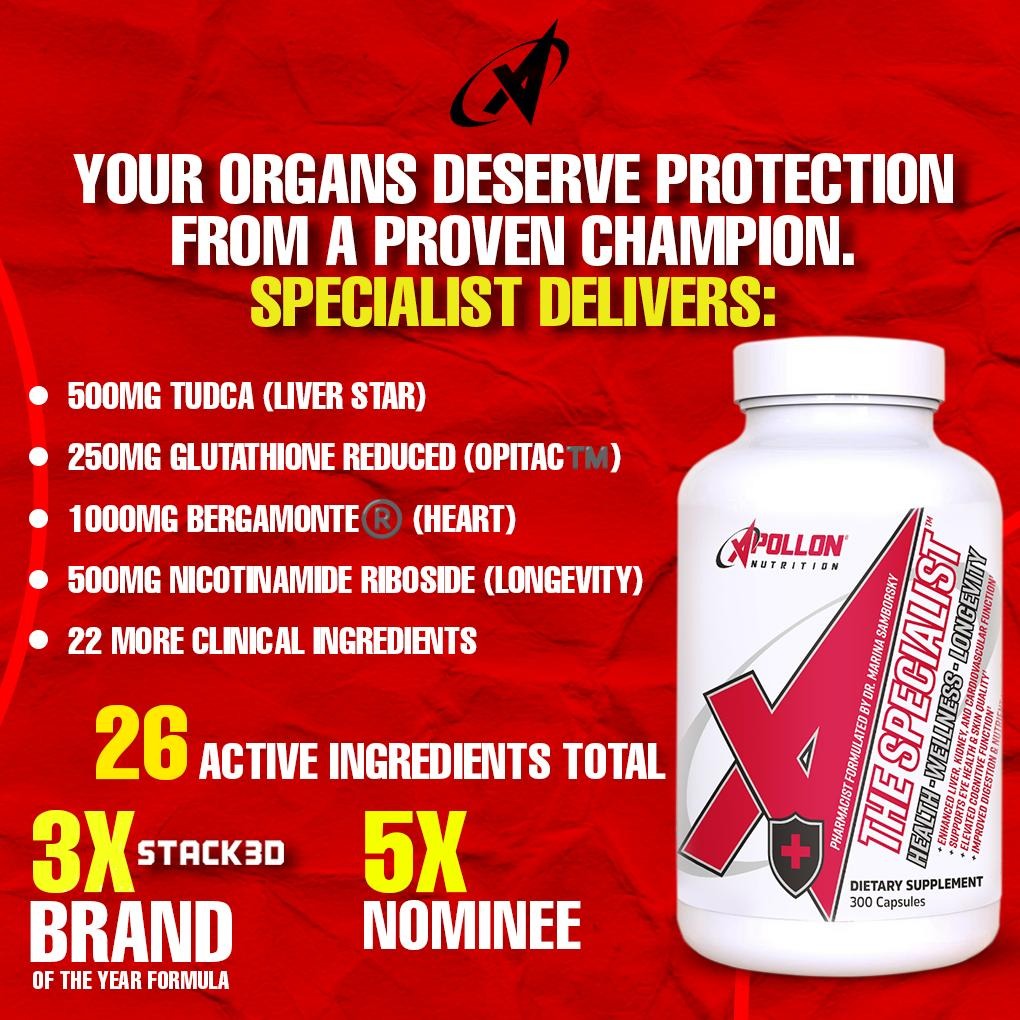
With 500mg TUDCA, 1200mg NAC, 1000mg Bergamonte®, 500mg nicotinamide riboside, and 250mg glutathione as the foundational pillars, plus 13 vitamins and minerals and an additional 8 targeted compounds, this product covers more ground than stacking three separate organ support supplements.
Dr. Marina Samborsky's pharmaceutical background ensures every ingredient and dose serves a purpose. The Specialist isn't a proprietary blend mystery. It's transparent, clinical, and built for athletes who demand the same level of intensity from their health supplements as they bring to their training.
Subscribe to Apollon Nutrition news for updates on new products, flavors, and releases from one of the industry's most respected brands. This is just the beginning of PricePlow's coverage of Apollon's comprehensive product line.
And if you're new to Apollon Nutrition, see Robert talk about "The Why" in this video below:
Apollon Nutrition The Specialist – Deals and Price Drop Alerts
Get Price Alerts
No spam, no scams.
Disclosure: PricePlow relies on pricing from stores with which we have a business relationship. We work hard to keep pricing current, but you may find a better offer.
Posts are sponsored in part by the retailers and/or brands listed on this page.


Comments and Discussion (Powered by the PricePlow Forum)