Riley Boudreau woke up from foot surgery with a problem. The morphine was wearing off, and he was scrolling through messages from Nepal. The 2015 earthquake had destroyed Ram Timalsina (his good friend and guide)'s village. Entire families were living under tarps. Monsoon season was rapidly approaching.
NuCelium isn't relying on marketing claims. Their UPLC-verified cordyceps posted the highest cordycepin levels ever recorded at the 2025 Cordy Cup -- and every commercial batch is third-party tested to match.
Mentally addled by his surgery anesthetics, Riley made a promise: "Don't worry Ram, we're going to help rebuild your house."
The next day he woke up, in pain and discomfort, to over 20 messages in his inbox from people who wanted to help him rebuild the village.
He then remembered Ram's reply "Riley, thank the gods my family is safe and has good shelter with my parents, but my neighbours need help. Can we help them first?" Then it all came back: he'd agreed to helping Ram's neighbours first, then as Ram explained the disaster and level of need further, Riley committed to rebuilding the entire village.
When the morphine cleared, reality set in. Riley had just promised to rebuild 83 houses, three schools, supply medicine, replace the broken drinking water supply, and organize blood drives across Nepal. He'd never done disaster relief. He had no funding. He just had a commitment made under anesthesia.
He followed through anyway.
That same obsession now drives Riley's approach to mushrooms, and it manifests in his startup company NuCelium. When the Canadian entrepreneur and his CoFounders Rob Swiderski and Andrew Poulton identified a massive technology gap in the legacy mushroom industry, they didn't take shortcuts. They assembled a team with 75+ years of combined mycology expertise, built a 45,000-square-foot solar-powered facility in British Columbia, and spent years optimizing cultivation methods to deliver pharmaceutical-grade potency at commercial scale.
NuCelium: Powering the World’s Most Potent Cordyceps with CordyFuel
NuCelium's results spoke for themselves at the 2025 Cordy Cup. Their novel CordyFuel ingredient registered 14.83 mg/g of cordycepin, the highest level ever recorded in the competition. Their commercial product, currently standardized to 3 mg/g and verified by third-party UPLC testing, delivers 30 times the potency found at the lower end of typical market products (which range from 0.1 to 1.0 mg/g).
NuCelium is taking this category (and others in the mushroom space) well beyond just incremental improvements -- cordyceps is just one of several mushroom ingredients they sell. This is a Canadian company setting a new benchmark for what verified, full-spectrum mushrooms can deliver.
The whole story is below, but before getting into the details, subscribe for updates on NuCelium and functional mushroom innovation:
Subscribe to PricePlow's Newsletter and Alerts on These Topics

From Robotics to Mushrooms: The Technology Gap
Before NuCelium, Riley was automating mushroom picking for commercial growers. His company, TechBrew Robotics (which later pivoted to become 4AG Robotics), built systems that used 3D sensors to predict mushroom growth and robotically pick at optimal times for the white button industry.
The deeper Riley looked at mushroom cultivation, the clearer the problem became. The industry ran on legacy knowledge passed down generation to generation. Individual growers held proprietary methods close. Technology adoption lagged decades behind other agriculture sectors. If you wanted to integrate robotics, you first had to solve fundamental cultivation inconsistencies.
Riley met Rob Swiderski and Andrew Poulton in the early 2020s. Rob had already built brands in functional beverages and hospitality, and Andrew brought 25 years of mycology experience. Andrew also brought something even more rare: an extensive personal library of historical mushroom texts, many in their original languages, holding invaluable gems on lost arts of mushroom cultivation once translated.
They decided to focus on full-spectrum functional mushrooms grown via solid-state fermentation. The technology was relatively new, and after some initial testing, Riley's team identified that it could be tweaked to have a LOT more potentially than what the current full spectrum growers were managing to produce in terms of quality and bioactive content.. The opportunity was to apply improved modern cultivation science, genetic optimization, and drive a new era of pharmaceutical-grade lab testing to create ingredients that could compete on verified potency rather than marketing claims.
Building the Team: Expertise You Can’t Fake
Andrew Poulton handles R&D at NuCelium. As co-founder, he isolated high-performing genetic strains and refined their metabolic traits to align with the company's cultivation methods. His background spans fruiting-body cultivation, full-spectrum methods, and bioreactor systems. He actively engages with cutting-edge global research while drawing on his collection of rare historical mushroom texts. When Andrew says they've identified an elite strain, he's comparing it against cultivars most growers don't know exist.
Evelyn Bailey runs production. She was raised in what was then a world-leading full-spectrum mushroom facility, starting at age 14. She spent 15 years working alongside mushroom engineers and mycologists, developing deep technical knowledge and mastery of the complex production systems required to deliver consistent results at scale.
Pablo Morales serves as VP of Food Safety and Quality Assurance bringing over 20 years of experience in mushroom cultivation. He co-founded two mushroom farms in Bolivia that achieved nationwide distribution, developing both full-spectrum powders and sustainable mycomaterials. He later worked at the world's largest organic mushroom producer and is skilled in facility design, project management, and implementing GAP, GMP, HACCP, BRC, SQF, and ISO 22000 certification systems.
David Kunz, the COO, came from directional drilling and geothermal energy consulting. He built proprietary optimization software years ahead of industry trends in his previous ventures. At NuCelium, he's applied that systems-thinking approach to standardize production, supply chain, and processes for rapid quality-focused growth.
Rob Swiderski handles commercialization and partnerships as CRO. His track record includes launching Youth Juice (a pioneering antioxidant beverage that helped shape Canada's functional beverage movement) and building Craft Beer Market into a nationally recognized hospitality brand. While riding the peak of his incredible Craft Beer Market success story, he was jolted out of sleep in the middle of the night to what he can only describe as a premonition from God, telling him he needed to heal the world with mushrooms. With absolute conviction, the next day he told his partners what he needed to do and has never looked back.
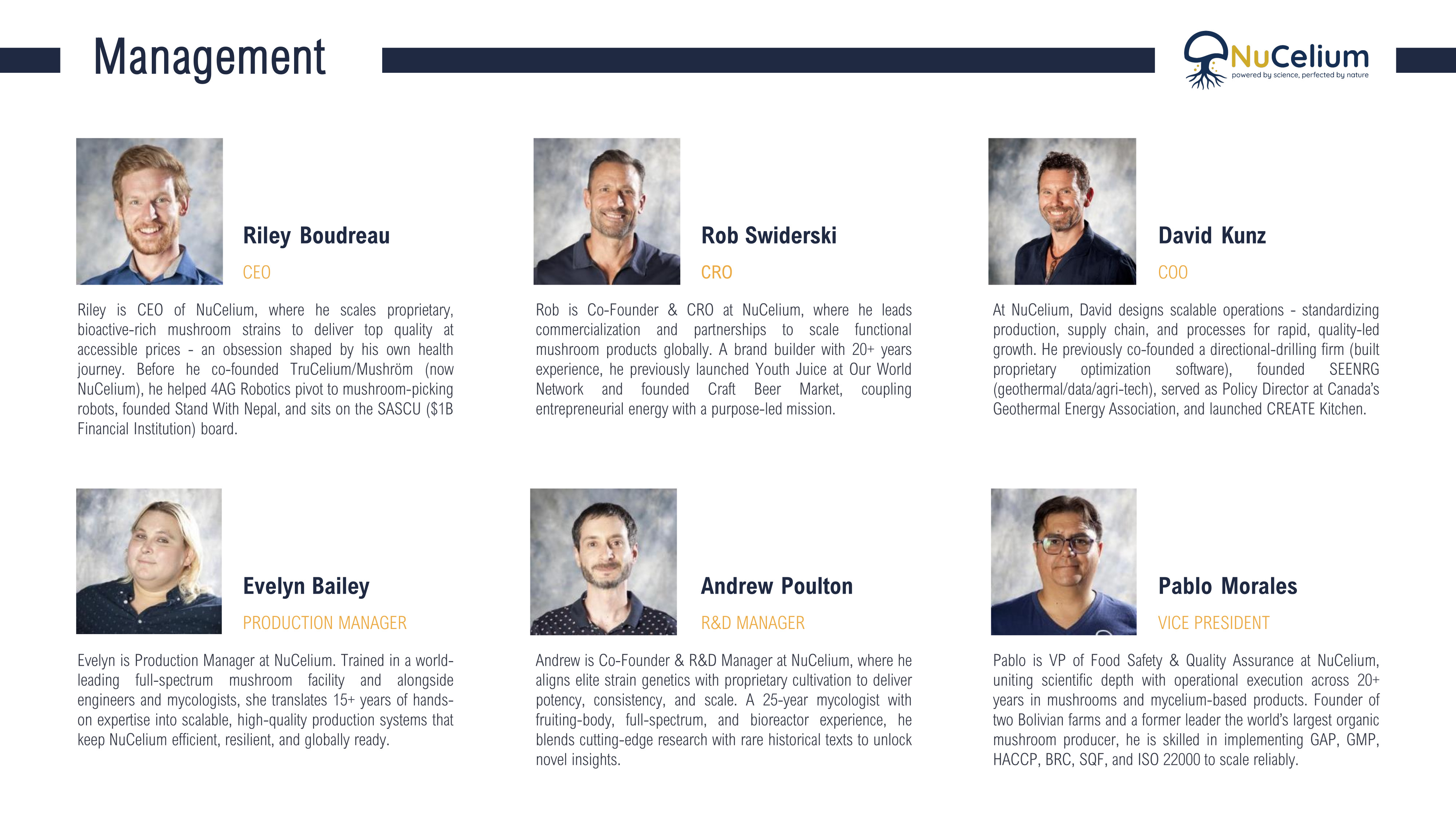
A combined 75 years of mycology experience has allowed the NuCelium team to grow full spectrum mushrooms in a way no one thought was possible.
To put it simply, this isn't a team assembled from LinkedIn searches. These are people who've already built things in mushrooms, fermentation science, and operations, and they're capturing what the rest of the mushroom industry has missed.
This leads us into how they're doing things differently with CordyFuel, which requires a bit of background into the state of affairs in terms of mushroom growth and bioactive science:
The Full-Spectrum Debate: Why NuCelium Captures Everything
The functional mushroom industry has traditionally favored fruiting-body-only ingredients. The logic seemed simple: fruiting bodies are the visible mushroom, they contain beta-glucans and triterpenoids, and they have a long history in traditional medicine.
NuCelium takes a different approach. They capture four integrated biological components:
- fruiting body,
- mycelium,
- extracellular compounds, and
- their metabolically fermented superfood matrix.
The fruiting body certainly has healthy compounds, but it was not originally chosen due to superior health benefits, instead it was harvested due to accessibility. The mycelium and extracellular compounds were often woven through decomposing materials such as manure or rotting wood, and were not readily harvestible by humans. Advances in growing technology, the training of these mushrooms to grow on alternative healthy substrates, now allows us to unlock previously unreachable potential.
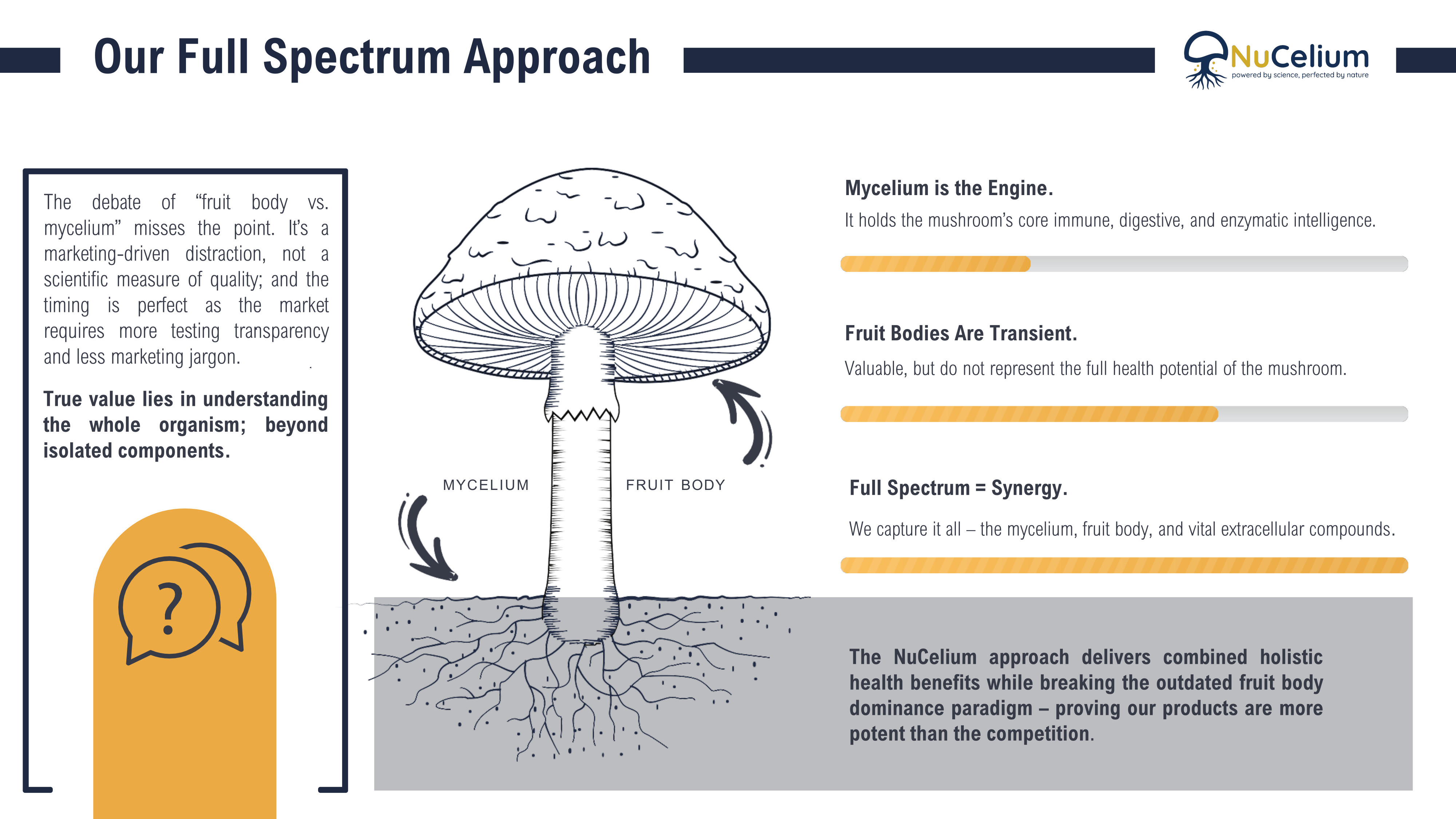
Rather than choosing sides in the fruit body vs. mycelium debate, NuCelium captures all three components -- arguing the real value lies in the whole organism.
Mycelium Matters
Mycelium is the primary living body of the fungus, and under ther right conditions can actually be immortal. Mycelium handles nutrient acquisition, enzymatic digestion, environmental sensing, threat defense, and metabolite production. Different tissues express different chemistry, and mycelium consistently delivers compounds that are absent or minimal in fruiting bodies.
This matters for clinical outcomes. Erinacines from Lion's Mane come from mycelium. The cordycepin pathways in Cordyceps militaris are mycelium-derived.[1] PSK and PSP from Turkey Tail, which have extensive clinical use in Japan, are protein-bound polysaccharides sourced from mycelium. When you exclude mycelium, you exclude entire metabolic pathways that show up in human research.
During active growth and fermentation, fungi secrete compounds into their environment: enzymes, polysaccharides, peptides, organic acids, and postbiotic metabolites. These aren't structural biomass, they're functional signaling molecules that the organism uses to interact with its ecosystem. Fruiting-body-only products typically discard this layer of chemistry entirely.
Grown on Grain?
The final component is where and how the mycelium is actually grown. This is often what critics call "mycelium on grain", which is technically inaccurate. During solid-state fermentation, mycelium colonizes and enzymatically transforms its substrate. Complex carbohydrates get hydrolyzed. Proteins and phenolics are metabolized. New fungal and fermentation-derived metabolites are formed. The remaining matrix is biochemically transformed, not raw grain. It functions as a prebiotic carrier that supports gut compatibility and metabolite absorption.
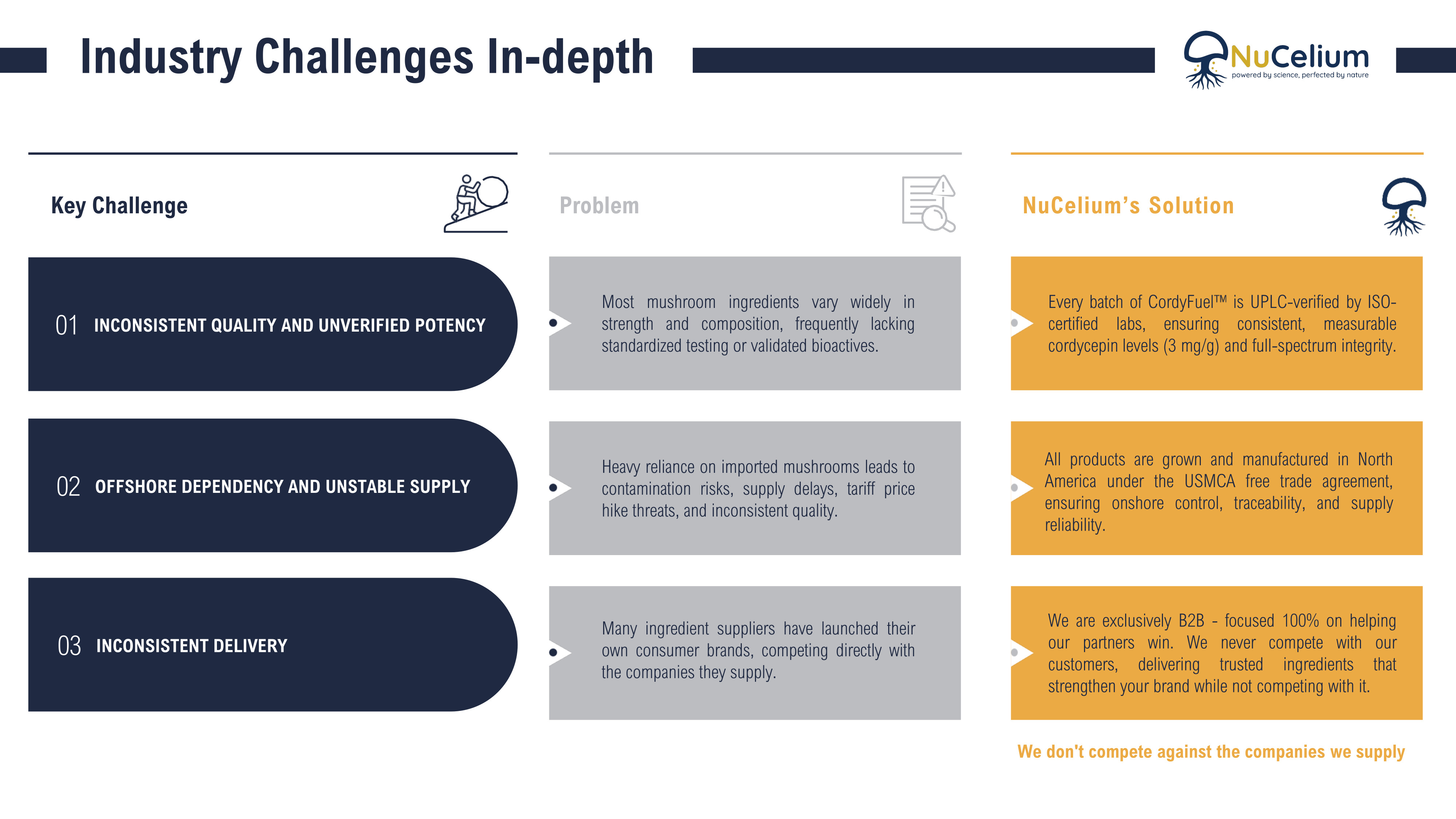
NuCelium maps three persistent industry problems -- unverified potency, offshore dependency, and supplier-brand conflicts — directly to its UPLC-verified, North American-grown, strictly B2B model.
NuCelium takes their approach one step further and grows on superfoods, already potently healthy in their own right prior to mycelial fermentation. NuCelium's primary substrate is sorghum, an ancient grain that's water-smart, regenerative, and high in prebiotic fiber. After fermentation, that substrate isn't filler, it's part of the functional system that delivers bioavailability and synergy.
On the subject of "fillers"... extracts often end up adding as much as 50% total weight of carrier compounds to maintain stability, the most commonly used being Maltodextrine. Maltodextrine is highly processed, high glycemic index, can spike blood sugar and may disrupt gut microbiota. This is a true "filler" consumers need to be aware of.
The Extract Question: Potency Without Stripping Biology
NuCelium could extract their cordyceps and hit even higher cordycepin numbers.
This isn't a philosophical stance against extraction. Extracts serve important functions in formulation, and many ingredient suppliers make excellent extracted products. NuCelium's choice reflects a different bet: that delivering extract-level potency while preserving the full bioactive profile creates better outcomes than isolating single compounds.
CordyFuel achieves 3 mg/g cordycepin standardization without extraction. That's comparable to what you'd expect from a top-quality, excessively priced, concentrated extract. But it retains the nucleosides, ergosterol derivatives, protein-bound polysaccharides, and fermentation-derived compounds that disappear when you extract for a single target molecule.
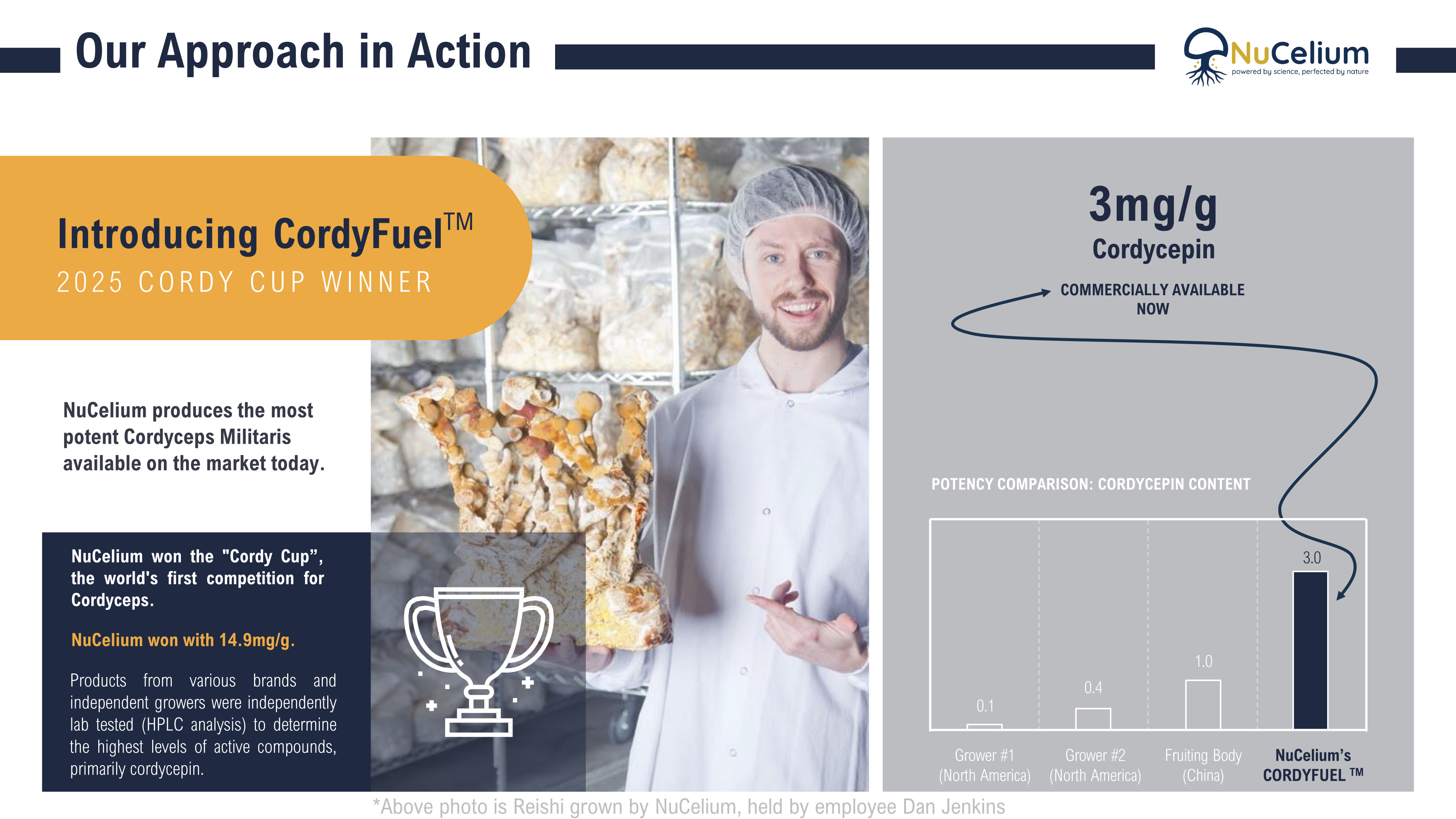
CordyFuel delivers 3 mg/g cordycepin commercially -- a figure validated by independent HPLC testing and recognized by a first-place finish at the 2025 Cordy Cup.
The concept of synergistic compounds working together isn't as well-documented in mushrooms as the "entourage effect" is in cannabis, but the biological logic holds: these compounds evolved as part of an integrated system. When you isolate a single molecule, you're betting it performs better alone than it does as part of its native biochemical context.
NuCelium's Cordy Cup win validates their approach. They're proving you can hit elite potency numbers while keeping the biology intact.
Competition Results: Third-Party Validation
The 2025 Cordy Cup was the first independent international competition measuring cordyceps potency. Hosted by Mycosymbiotics EU and led by Peter Dahlgren, the competition brought together growers and formulators from around the world to benchmark cordycepin and adenosine levels under standardized testing protocols.
NuCelium submitted their CordyFuel product and won the "Best Fruiting Body / Full-Spectrum Cordyceps" category with record-breaking results:
- Cordycepin: 14.83 mg/g (highest recorded in competition history)
- Adenosine: 4.2 mg/g
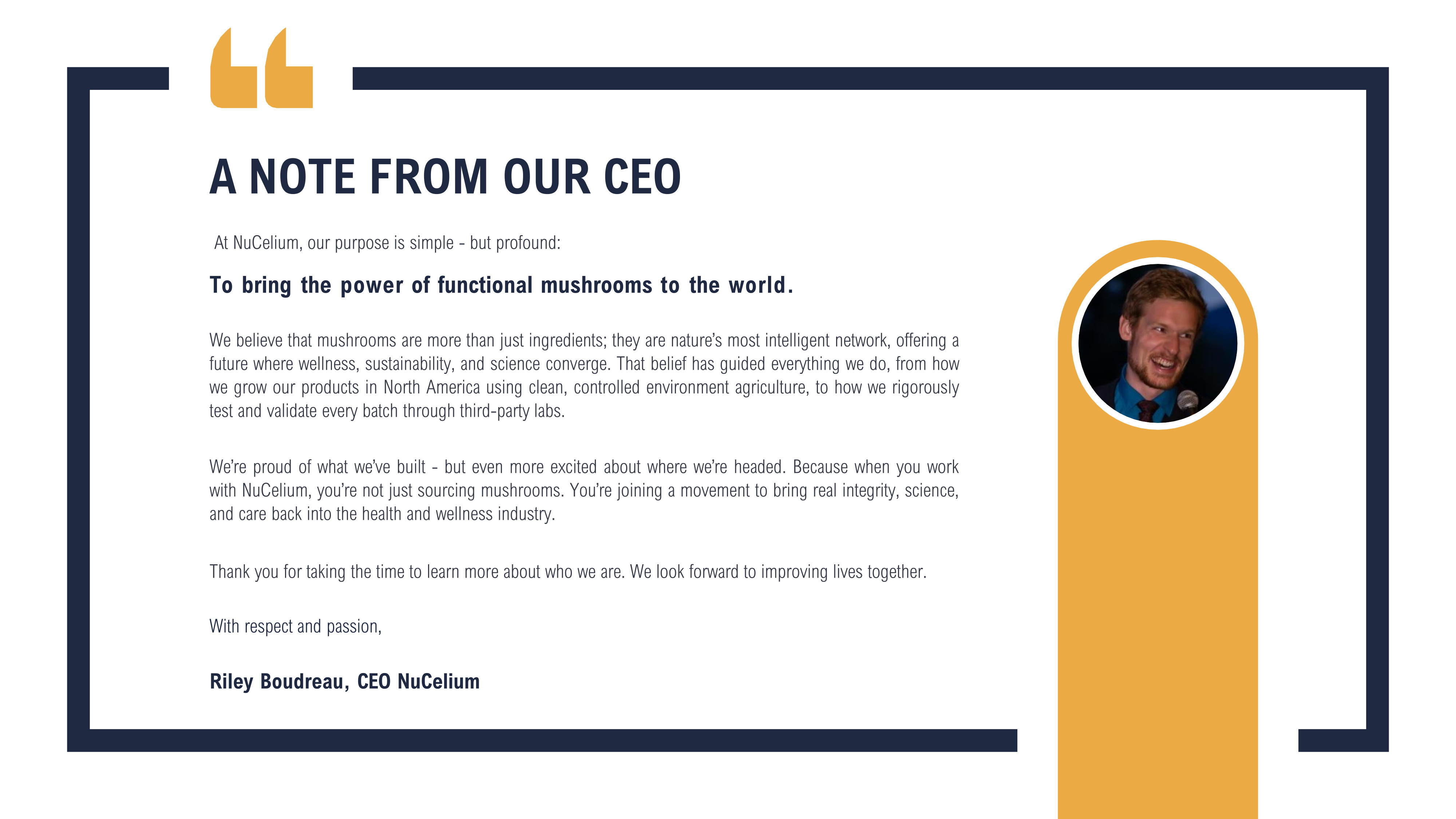
CEO Riley Boudreau outlines NuCelium's core commitment: science-backed functional mushrooms grown in North America, third-party tested every batch.
The competition averages (of the best possible samples sent in by leading growers worldwide) were 4.37 mg/g cordycepin and 1.34 mg/g adenosine. NuCelium's competition entry was more than three times the average for cordycepin.
But competition entries and commercial products are different things. Competition samples can be cherry-picked from the best batches. What matters for brands and formulators is consistent commercial standardization.
That's where NuCelium's real achievement shows: their standard commercial product is guaranteed to deliver at least 3 mg/g cordycepin, verified by ISO-certified Omnient Labs using UPLC analysis for every production batch. The 14.83 mg/g result demonstrates their past peak cultivation capability, which is a record they have since broken again. The 3 mg/g commercial standard is what customers actually receive, batch after batch.
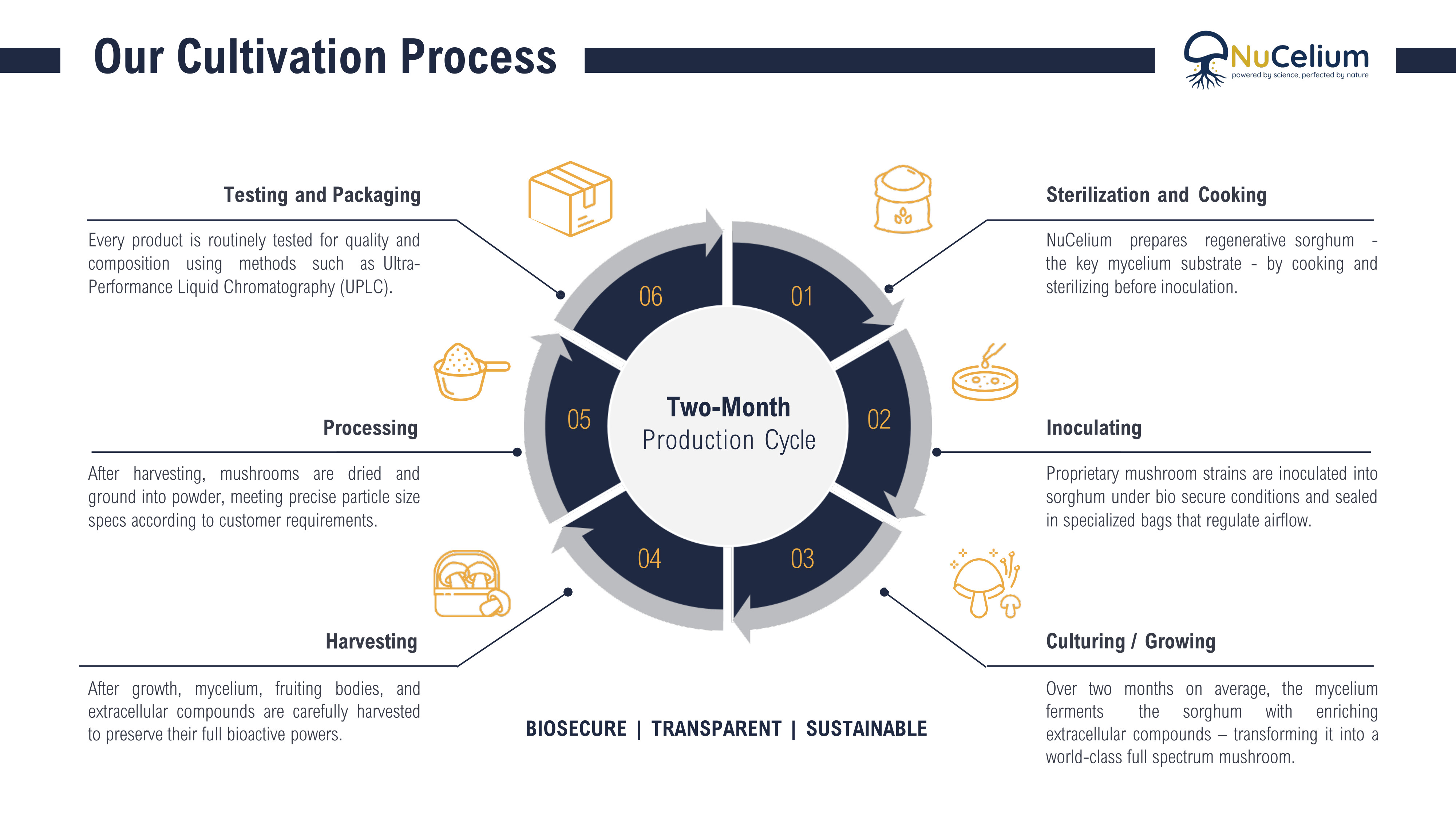
From sorghum sterilization to UPLC-tested packaging, NuCelium's two-month production cycle prioritizes biosecurity, full-spectrum integrity, and batch-level traceability.
To put that in context: most cordyceps ingredients on the market test at 0.1 to 1.0 mg/g cordycepin. Some North American growers reach 0.4 mg/g. Even Chinese fruiting-body imports typically test around 1.0 mg/g. NuCelium is standardizing at 3.0 mg/g for commercial products, up to 30 times more powerful than other extracts on the market.
Perfect Timing: Consumers are Demanding Caffeine Alternatives
And timing matters: the $27 billion energy ingredient market is undergoing a fundamental shift. Canada recently recalled 45 energy drink brands due to excessive caffeine levels linked to multiple deaths. The FDA has increased scrutiny on stimulant-heavy formulas. Major brands are reformulating to include non-stimulant alternatives as regulatory pressure mounts and consumers demand options beyond jitter-inducing caffeine overload.
Cordyceps militaris, often called "The Olympic Mushroom", offers verified caffeine-free energy through AMPK activation and mitochondrial support (described in greater detail below). CordyFuel's UPLC-verified cordycepin content provides the scientific backing brands need to make legitimate functional claims in this shifting landscape.
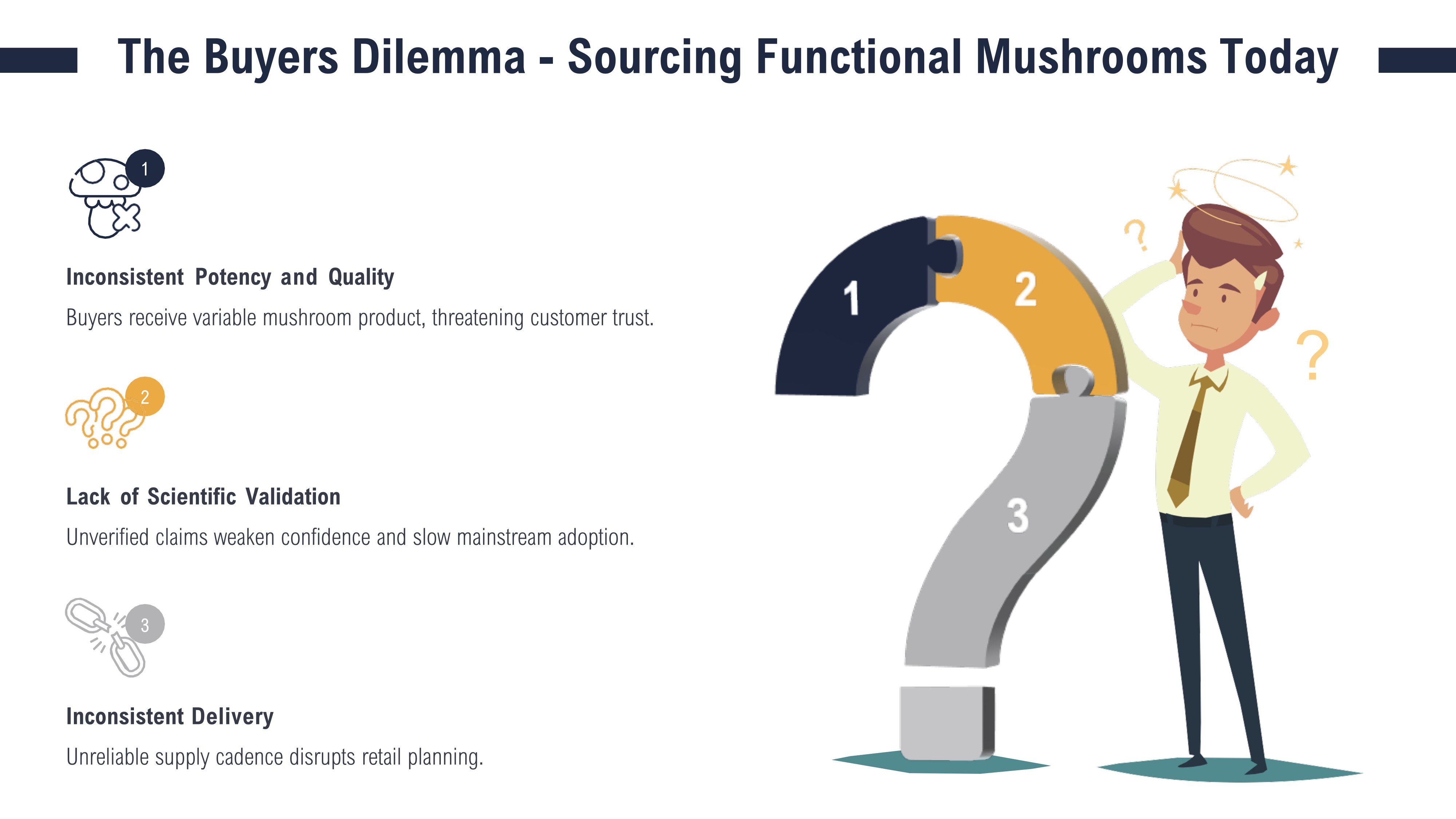
Inconsistent potency, unverified claims, and unreliable supply chains represent the three key pain points facing brands sourcing functional mushrooms today.
Competitors Can Take the Cordyceps Challenge
They're so confident in their testing that they've launched the Cordyceps Challenge: NuCelium will cover the full cost of testing competing cordyceps products at Omnient Labs, their trusted third-party facility. Send them your best cordyceps, and they'll pay for the UPLC analysis to see how it compares.
That's not marketing bravado. That's a company that knows what the numbers will show.
But what is UPLC testing? This brings us to the next standard of quality:
UPLC Testing: The New Standard
The Ultra-Performance Liquid Chromatography used when testing NuCelium's products brings a significant upgrade over the traditional methods most mushroom suppliers use. Older testing focused on vague compounds like beta-glucans and polysaccharides. These tests tell you something is there, but they don't explain why different mushroom strains affect different functions in the body.
UPLC can detect specific bioactive compounds. For cordyceps, cordycepin is the primary studied compound for improving VO2 max and improving mitochondrial health.[2] For other species, it means erinacines, ergosterol, ergothioneine, and the specific metabolites that drive function.
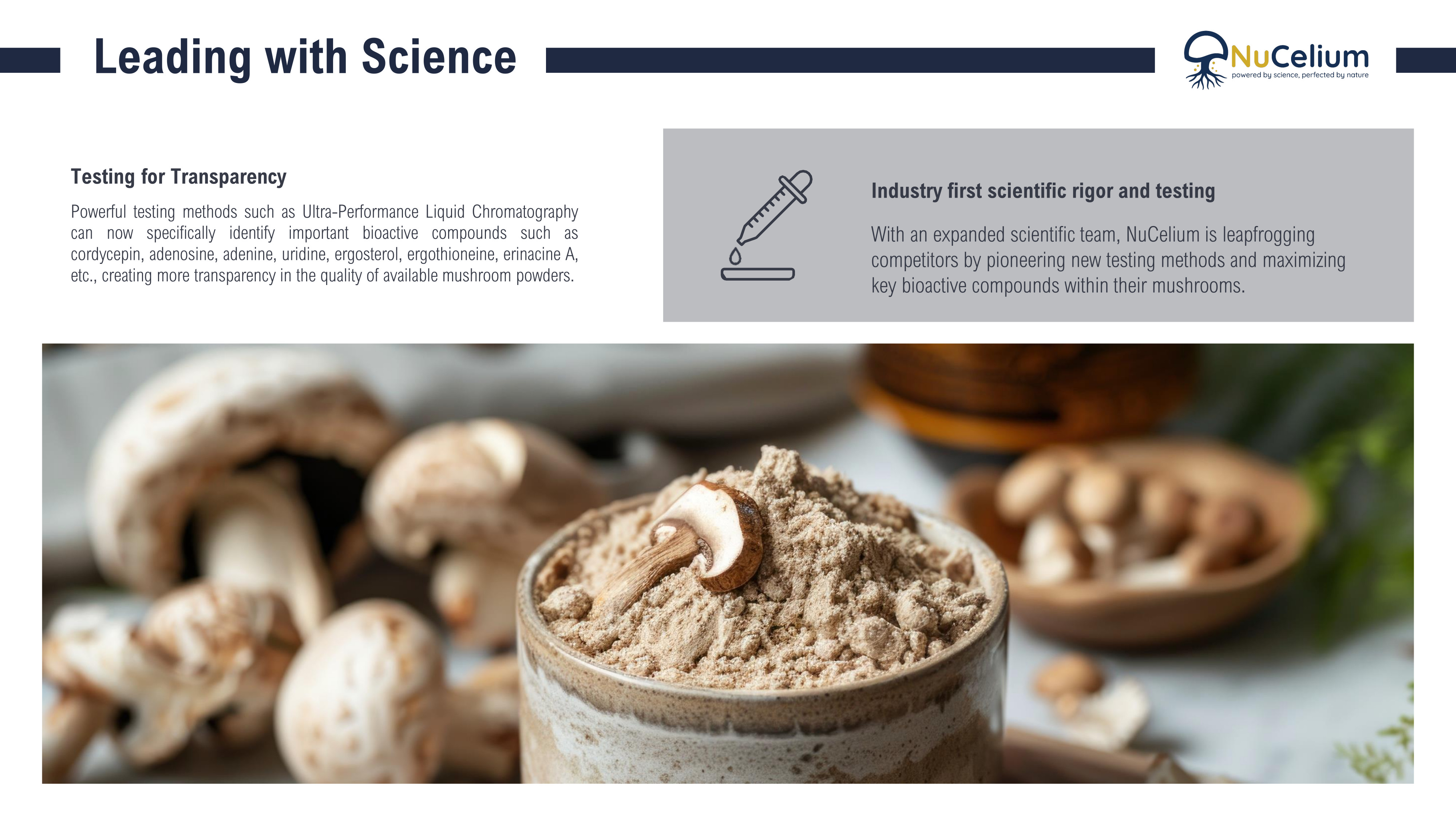
UPLC testing allows NuCelium to identify and verify specific bioactive compounds -- cordycepin, ergothioneine, erinacine A, and others -- batch by batch.
This creates real accountability. When NuCelium says CordyFuel delivers 3 mg/g cordycepin, that's pharmaceutical-grade UPLC verification from an ISO-certified third-party lab. Every batch gets tested. The results are traceable and reproducible.
The industry is moving toward this level of transparency whether suppliers want it or not. Brands are asking harder questions. Formulators want verified potency, not marketing claims. UPLC testing makes that possible.
How the Cordycepin in CordyFuel Works
Cordycepin (3'-deoxyadenosine) is the primary bioactive compound in Cordyceps militaris.[3] It activates AMP-activated protein kinase (AMPK), the master regulator of cellular energy metabolism. We often refer to AMPK as the "we need energy now" enzyme. AMPK activation increases ATP production, enhances mitochondrial function, improves oxygen utilization, and reduces fatigue markers.
Cordycepin also modulates adenosine receptors (A1, A2A, A2B, A3), supporting respiratory function, neuroprotection, and immune modulation.[4][5] It inhibits NF-κB signaling, reducing inflammatory cytokines while supporting endogenous antioxidant enzyme activity.[6]
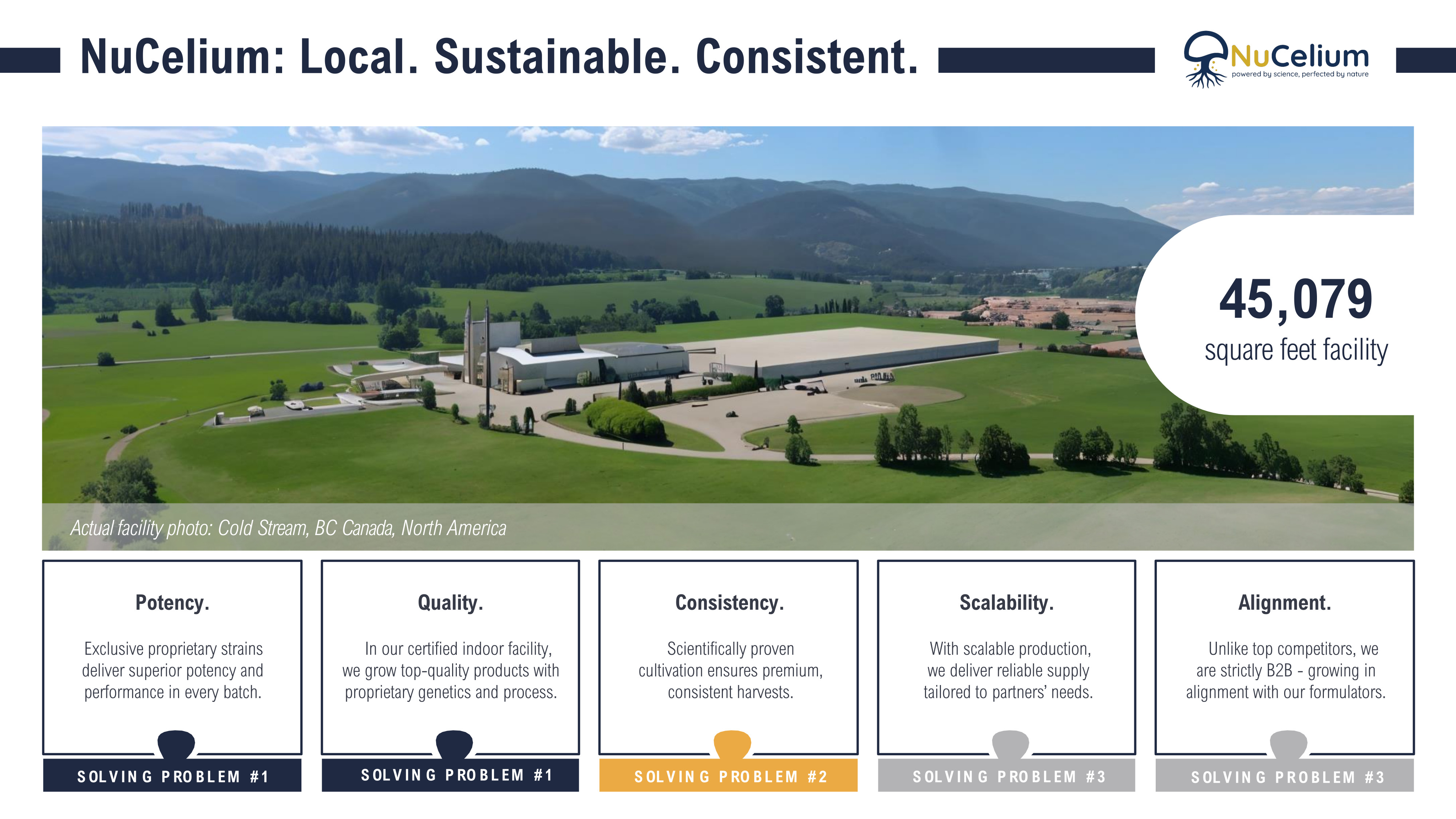
NuCelium's 45,079-square-foot controlled environment facility in Cold Stream, BC serves as the operational backbone for consistent, scalable mushroom production.
Human clinical research using Cordyceps militaris preparations delivering 2.85mg of cordycepin per day has demonstrated meaningful immune support. A 2024 randomized controlled trial found that NK (Natural Killer) cell activity increased significantly in men after just 4 weeks (p=0.049), while women showed significant NK cell improvements versus placebo after 8 weeks (p=0.005), alongside reductions in IL-1β and IL-6, all with no adverse effects on liver, kidney, or metabolic markers.[7]
Based on CordyFuel's standardization to 3 mg/g cordycepin, appropriate formulation ranges are 1 to 2 grams per day, supplying 3 to 6 mg of cordycepin. That aligns with clinical evidence while fitting typical serving sizes for beverages, powders, and capsules.
For a deeper dive on AMPK activation, mitochondrial biogenesis, and adenosine receptor mechanisms, see our CordyFuel articles coming in the future (they'll be linked at the bottom of this article when they're live).
Beyond CordyFuel: Full-Spectrum Excellence Across Eight Species
While CordyFuel has captured attention with its record-breaking cordycepin levels, NuCelium applies the same leading-edge cultivation methods and testing to a complete lineup of functional mushrooms:
- Lion's Mane (Hericium erinaceus) - NuCelium's full-spectrum Lion's Mane delivers erinacines and other mycelium-derived compounds studied for cognitive function and nerve support.
- Reishi (Ganoderma lucidum) - The "Mushroom of Immortality" grown with the same attention to triterpenoid content and immune-supporting beta-glucans that made CordyFuel a competition winner.
- Turkey Tail (Trametes versicolor) - A source of protein-bound polysaccharides (PSK/PSP precursors) with extensive clinical history in immune support applications.
- Shiitake (Lentinula edodes) - Japan's "Forest Treasure" cultivated to preserve both culinary appeal and functional bioactive compounds.
- Maitake (Grifola frondosa) - The "Dancing Mushroom" known for immune and metabolic support properties, grown to NuCelium's standardization protocols.
- Agaricus Blazei (Royal Sun/Almond Mushroom) - A Brazilian native prized for immunomodulating compounds and studied for metabolic and cardiovascular wellness support.
- Chaga (Inonotus obliquus) - The "Holy Grail of Mycology" delivering exceptional antioxidant activity through its diverse array of bioactive compounds.
- King Trumpet (Pleurotus eryngii) - A Royal Oyster mushroom cultivated for both its umami-rich profile and functional nutrition applications.
All eight species receive the same full-spectrum treatment: proprietary genetics, UPLC verification where applicable, third-party testing for purity and potency, and the Quadra-Spectrum™ approach that captures fruiting body, mycelium, extracellular compounds, and fermented matrix.
NuCelium isn't just the company that won the Cordy Cup. They're building North American infrastructure for pharmaceutical-grade functional mushrooms across the entire category, described in the next section:
North American Production and Sustainability
NuCelium's 45,000-square-foot facility in Coldstream, British Columbia operates under GMP certification with full traceability. The facility runs on solar power, featuring BC's largest rooftop solar installation. It's designed for low water and electricity use, minimizing environmental footprint while maintaining biosecure growing conditions.
The cultivation process takes an average of two months from inoculation to final powder, but sometimes takes as long as four months. NuCelium prepares sorghum substrate by cooking and sterilizing before introducing proprietary mushroom strains under biosecure conditions. The mycelium colonizes the substrate in specialized bags that regulate airflow. As it grows, the mycelium ferments the sorghum and produces extracellular compounds. After harvest, the material is dried and milled to precise particle size specifications based on customer requirements.
Every batch undergoes testing for quality and composition using UPLC and other analytical methods. Final products meet comprehensive safety standards for heavy metals (lead, arsenic, cadmium, mercury), microbiology (total plate count, yeast, mold, coliforms, E. coli, Salmonella, Staph aureus), and allergen verification.
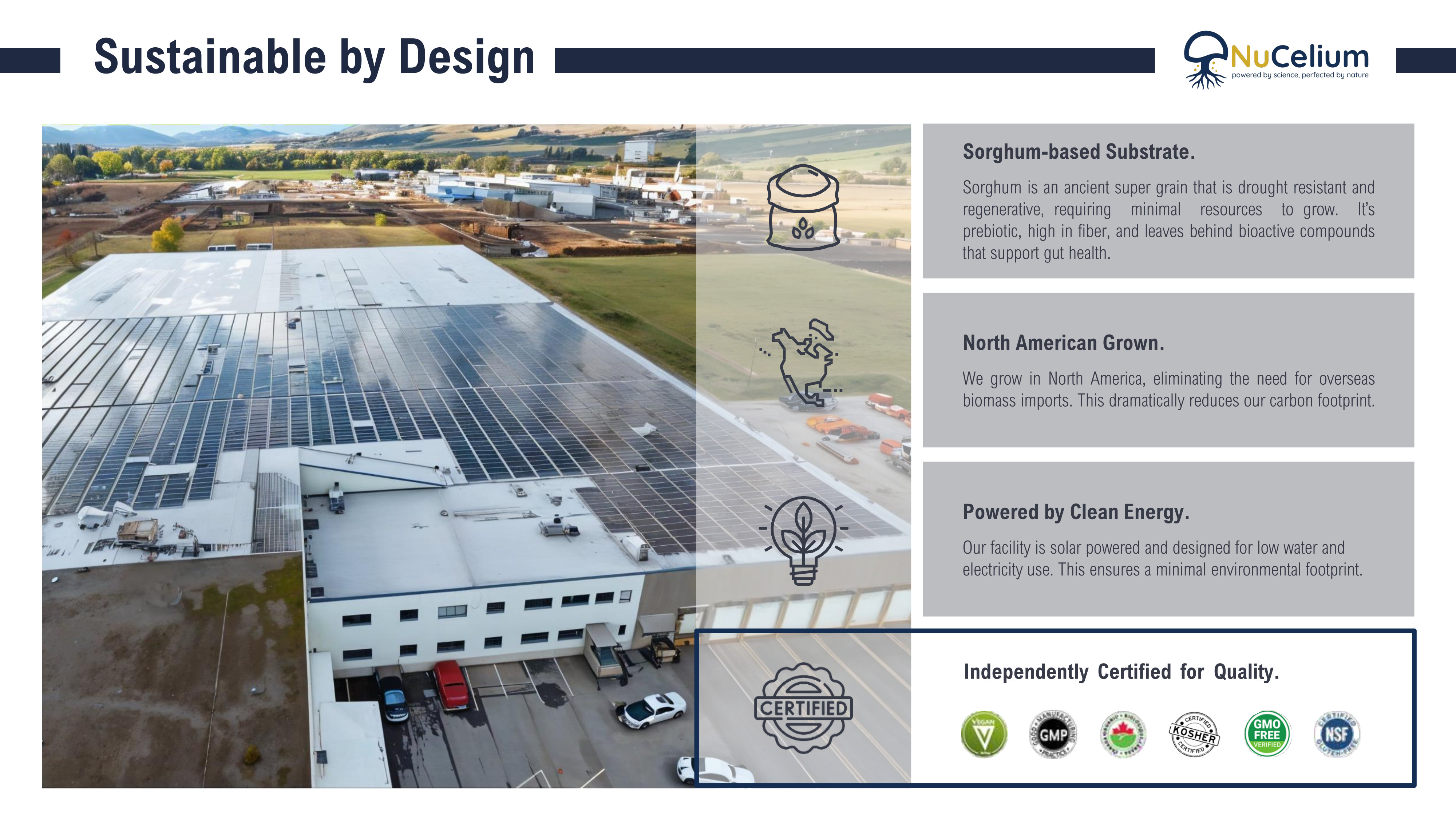
NuCelium's Cold Stream facility runs on solar power, uses drought-resistant sorghum as substrate, and holds Vegan, GMP, Kosher, GMO-Free, and NSF certifications.
The facility holds multiple certifications: Organic, Vegan, Non-GMO, GMP, Kosher, Halal, and Gluten-Free. This supports the operational standards required to serve brands that export globally and face regulatory scrutiny in multiple markets.
Growing in North America under the USMCA trade agreement eliminates tariff risks, contamination concerns from overseas supply chains, and the delivery inconsistencies that come with imported biomass. When brands need 500-5,000kg delivered on schedule, geographic proximity and regulatory alignment matter.
Why Formulators Are Paying Attention
NuCelium operates exclusively business-to-business. They will never compete with their customers by launching consumer brands. This matters more than it might seem. Several major mushroom ingredient suppliers have launched their own supplement lines, directly competing with the companies they supply, and that creates obvious conflicts of interest. When a supplier knows your formula and your pricing, then launches a competing product, trust erodes fast.
NuCelium's commitment is simple: they exist to make their partners successful. They don't want your customer list. They want to be the ingredient that helps you win.
Beyond the competitive stance, there's the technical support. NuCelium goes beyond development and shipping -- they'll provide formulation guidance and dosing recommendations based on clinical research and decades of use experience. They're helping brands understand how to use it effectively, what serving sizes make sense for different applications, and how to position the ingredient in marketing (within FDA compliance guardrails, naturally). Further, the Cordyceps Challenge discussed above demonstrates total confidence.
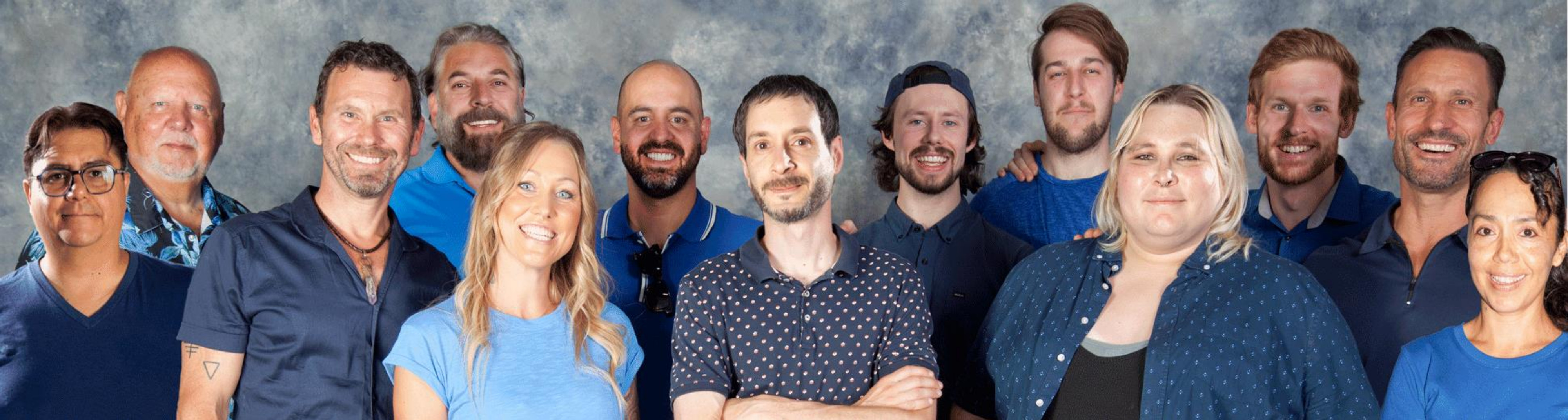
The NuCelium team behind the science, cultivation, and operations at their Cold Stream, BC facility.
Supply reliability is the operational advantage. North American production means shorter lead times, no customs delays, and no surprise tariff increases. The facility is designed for scalability. When a brand's launch succeeds and volumes triple, NuCelium can meet that demand without compromising batch-to-batch consistency.
Applications Across Categories
CordyFuel's versatility comes from its dual positioning: high enough potency for serious performance formulas, but delivered in a full-spectrum matrix that fits wellness and functional food applications.
- Sports nutrition is the obvious category. Products targeting VO₂ max improvement, endurance training, and performance recovery can use the clinical dosing guidance (1 to 2 grams per day) to design formulas that align with the research showing cordycepin's effects on AMPK activation and oxygen utilization.[2]
- Functional beverages are already moving toward mushrooms. Coffee alternatives, energy drinks, and ready-to-drink wellness products benefit from CordyFuel's caffeine-free energy support and clean label positioning. It can also be used in coffee creamer products. Combined with other ingredients in a rip pack, it stirs in readily and the full-spectrum approach avoids the isolated-compound perception that some consumers find off-putting.
- Nootropic stacks can leverage cordycepin's adenosine receptor modulation for focus and mental energy formulas. The compound works through different mechanisms than traditional stimulants, providing another tool for formulators building non-stimulant cognitive support products.
- Pet wellness products increasingly feature functional mushrooms. Dogs and cats respond to cordyceps with improved energy and vitality, and NuCelium's rigorous testing standards translate well to a category where contamination concerns run high.
- Equine supplements use cordyceps as a natural performance enhancer and immune support ingredient. The full-spectrum approach and verified potency give horse owners and trainers confidence in consistent results.
NuCelium: Setting a New Standard for Mushroom Suppliers
NuCelium is what happens when obsession meets expertise. The Cordy Cup win validates their approach, but it's the infrastructure behind that win that matters for brands: a 45,000-square-foot facility designed for scale, a team that has actually built things in the industry before, and a B2B commitment that eliminates the conflict-of-interest headaches common with other suppliers.
For formulators tired of guessing whether their cordyceps actually contain cordycepin, NuCelium offers something better: verified potency, batch-to-batch consistency, and transparency that survives third-party testing.
The functional mushroom industry has operated for years on tradition, marketing claims, and vague testing methods. Beta-glucan percentages tell you something exists. They don't tell you what it does. NuCelium's methods change that. When you can measure specific bioactive compounds, you can standardize ingredients, verify batch consistency, and design formulas based on clinical research, time and time again.
For brands and formulators interested in sampling CordyFuel or exploring formulation options, NuCelium offers technical consultations with detailed specifications, test methods, and application guidance. The facility in Coldstream, BC is open for tours if you want to see the cultivation process firsthand.
Riley Boudreau rebuilt a village on a wild-eyed promise. He's building NuCelium with the same stubborn commitment to following through. The Cordy Cup win validates their full-spectrum approach, but that was just the opening act.
We can't wait to see what gets formulated from here, and will bring more science and details as they come. Subscribe below for updates on NuCelium and functional mushroom innovation:

Comments and Discussion (Powered by the PricePlow Forum)