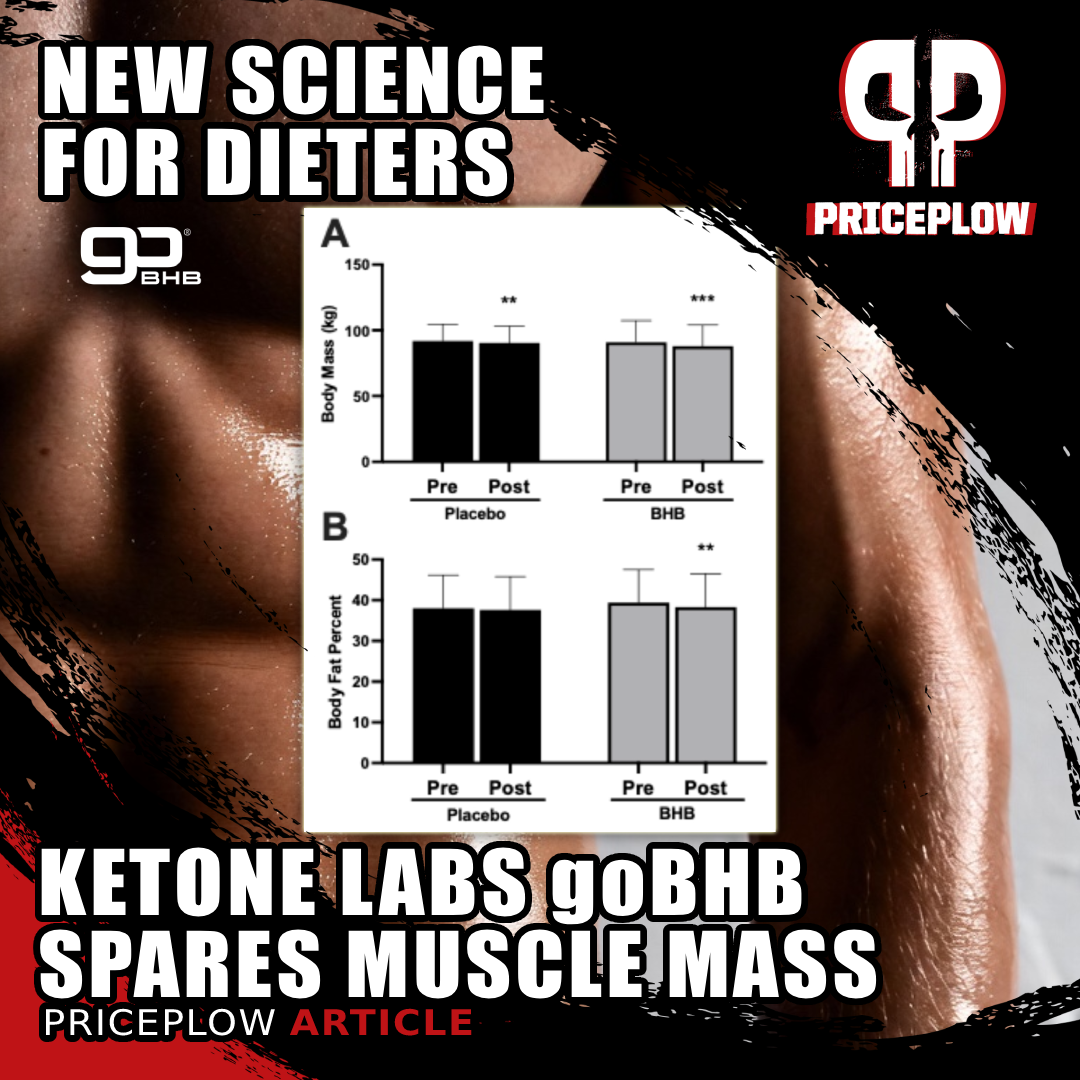
BHB supplements preserved muscle during weight loss in new 8-week study. Participants lost fat while maintaining lean mass--a critical finding for GLP-1 medication users losing up to 40% as muscle.[1]
When you cut calories to lose weight, your body doesn't just burn fat. It also breaks down muscle tissue for energy, and this metabolic trade-off often undermines long-term success, especially when not properly approached. Conventional caloric restriction can cost you 20-30% of weight lost as lean mass, slowing your metabolism and setting the stage for weight regain.
This problem becomes even more pronounced with newer weight loss drugs. GLP-1 receptor agonists like semaglutide produce dramatic weight loss, but body composition analyses reveal that up to 40% of that weight comes from lean tissue. With millions now using these medications, finding strategies to shift the balance toward fat loss while preserving muscle has become increasingly urgent.
A new 8-week randomized controlled trial, sponsored by Ketone Labs and conducted at Brigham Young University, explored whether exogenous beta-hydroxybutyrate (BHB) supplementation could improve body composition outcomes during caloric restriction. While the findings are preliminary, they suggest that BHB may help tip the scales in favor of fat loss over muscle loss.[1]
This article discusses the study's design, results, and practical implications. We also cite the other claims made above, so keep reading. But before diving all the way in, sign up for PricePlow's Ketone Labs and goBHB news alerts so that you're notified of future research:
Subscribe to PricePlow's Newsletter and Alerts on These Topics

Study Design: BHB Salts During Caloric Restriction
The trial enrolled 51 overweight and obese adults (BMI 27-35 kg/m²) and randomized them to receive either racemic BHB mineral salts or a placebo (maltodextrin) twice daily for eight weeks. Both groups followed a Zone-style diet (40% carbohydrates, 30% protein, 30% fat) providing approximately 500 calories below their estimated energy needs.
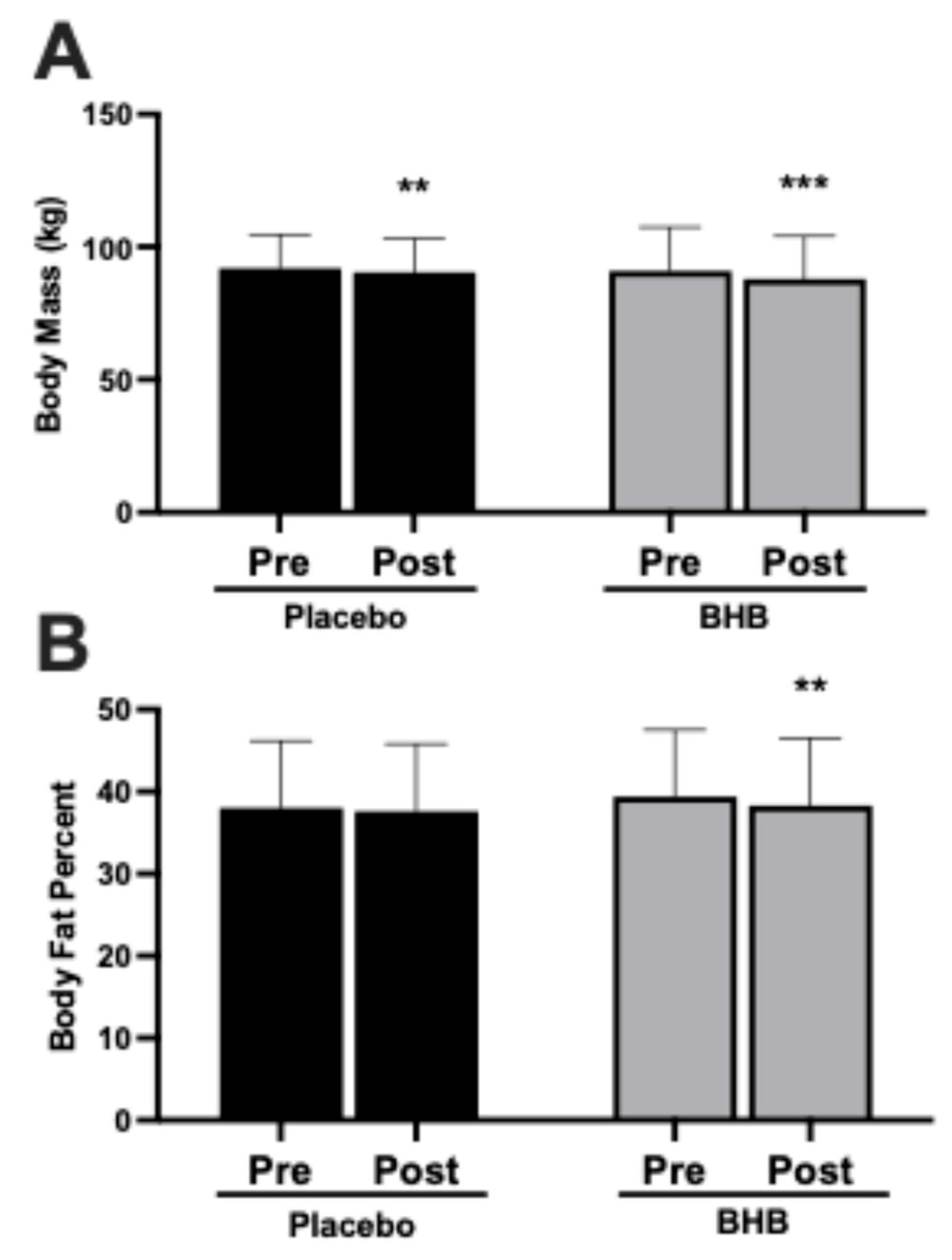
BHB users maintained body weight while significantly reducing body fat percentage, unlike the placebo group.[1]
The researchers intentionally chose this macronutrient balance to avoid triggering endogenous ketosis from carbohydrate restriction. This design isolated the effects of exogenous BHB from the metabolic changes that occur during a ketogenic diet. Participants consumed 10g of BHB salts per day: 5g in the morning and another 5g in the late afternoon, both dissolved in water.
Body composition was measured using dual-energy X-ray absorptiometry (DEXA) at baseline and week 8, alongside venous blood collection for metabolic markers and indirect calorimetry for resting metabolic rate.
Primary Findings: Fat Loss With Muscle Preservation
Both groups lost weight during the intervention (placebo: -1kg / -2.2lbs; BHB: -3kg / -6.6lbs). However, the composition of that weight loss differed meaningfully.
-
Within-group improvements in the BHB arm
Participants taking BHB showed statistically significant improvements compared to their own baseline values:
Fat mass decreased by approximately 2 kg (p < 0.05 vs. baseline). Body fat percentage improved significantly (p < 0.01 vs. baseline). Lean-to-fat mass ratio also increased (p < 0.05 vs. baseline), indicating favorable recomposition.
Critically, lean mass remained largely preserved in the BHB group, with no significant decline from baseline.[1]

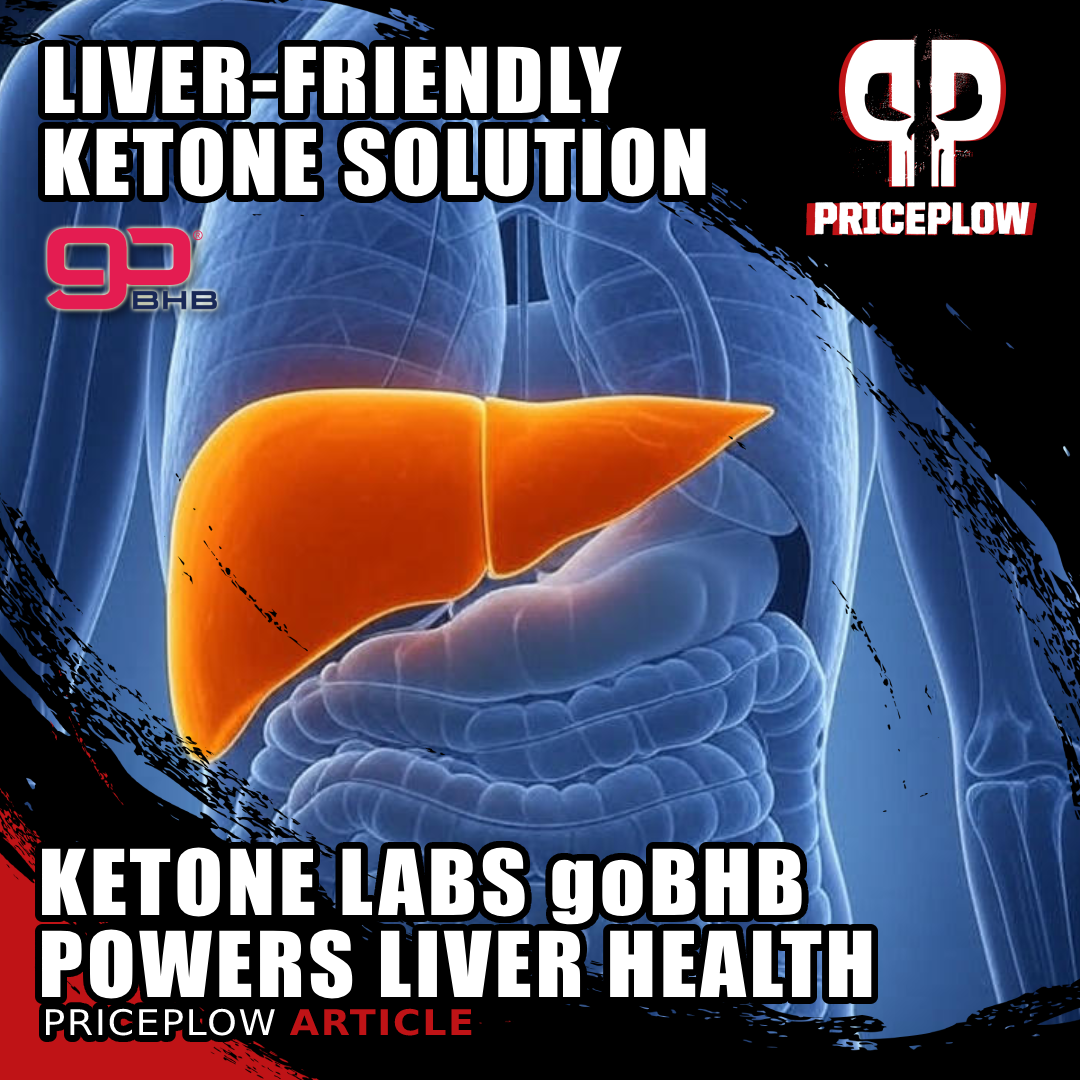
Most supplements force your liver to work overtime, but BHB ketones actually generate energy for liver cells! New research shows exogenous ketones deliver ketosis benefits without the liver damage from high-fat diets.
In contrast, the placebo group showed no significant within-group changes in fat mass, body fat percentage, or lean-to-fat ratio.
-
A note on between-group statistics
Transparency matters here: the group × time interactions (the statistical test comparing BHB to placebo over time) were not significant for these body composition variables (p > 0.05). This means we can't definitively conclude that BHB outperformed placebo based on this trial alone.
However, the consistent pattern of within-group improvements in the BHB arm (and their absence in the placebo arm) suggests a solid signal worth investigating further. The study authors appropriately describe these as "preliminary evidence" warranting larger, longer trials.
The GLP-1 Context: Why This Matters Now
The timing of this research coincides with an explosion in GLP-1 receptor agonist use. Drugs like semaglutide (Ozempic, Wegovy) and tirzepatide (Mounjaro, Zepbound) have transformed obesity treatment, producing weight losses of 15-20% or more.
But there's a cost. In the landmark STEP 1 trial, semaglutide at 2.4 mg weekly produced 14.9% total weight loss over 68 weeks. Follow-up body composition analyses revealed a 9.7% reduction in lean mass, comprising roughly 40% of total weight lost.[2]

This degree of muscle loss exceeds what's typically seen with caloric restriction alone (usually 20-30% of weight lost as lean tissue).[3] The implications extend beyond aesthetics. Losing muscle mass reduces resting metabolic rate (making weight maintenance harder), impairs physical function and strength, increases frailty risk in older adults, and creates conditions favorable for weight regain.
The study authors explicitly connect their findings to this clinical problem, noting that "BHB supplementation may shift the balance toward fat oxidation while preserving muscle". They call for future studies evaluating exogenous ketones as an adjunct to GLP-1-based therapies.
Secondary Findings: Metabolic Safety and Lipid Benefits
Beyond body composition, the trial tracked several metabolic markers to assess safety and potential secondary benefits.
-
Metabolic rate preserved
One of the most encouraging findings was the preservation of resting metabolic rate (RMR). Caloric restriction typically triggers "metabolic adaptation", where the body reduces energy expenditure to defend against weight loss. The absence of RMR decline in the BHB group suggests that lean mass preservation translated into maintained metabolic function.
-
LDL cholesterol decreased
LDL cholesterol dropped significantly within the BHB group (p < 0.05 vs. baseline). This finding is somewhat unexpected during periods of active fat loss, when cholesterol levels often rise as adipose tissue releases stored lipids into circulation.[4]
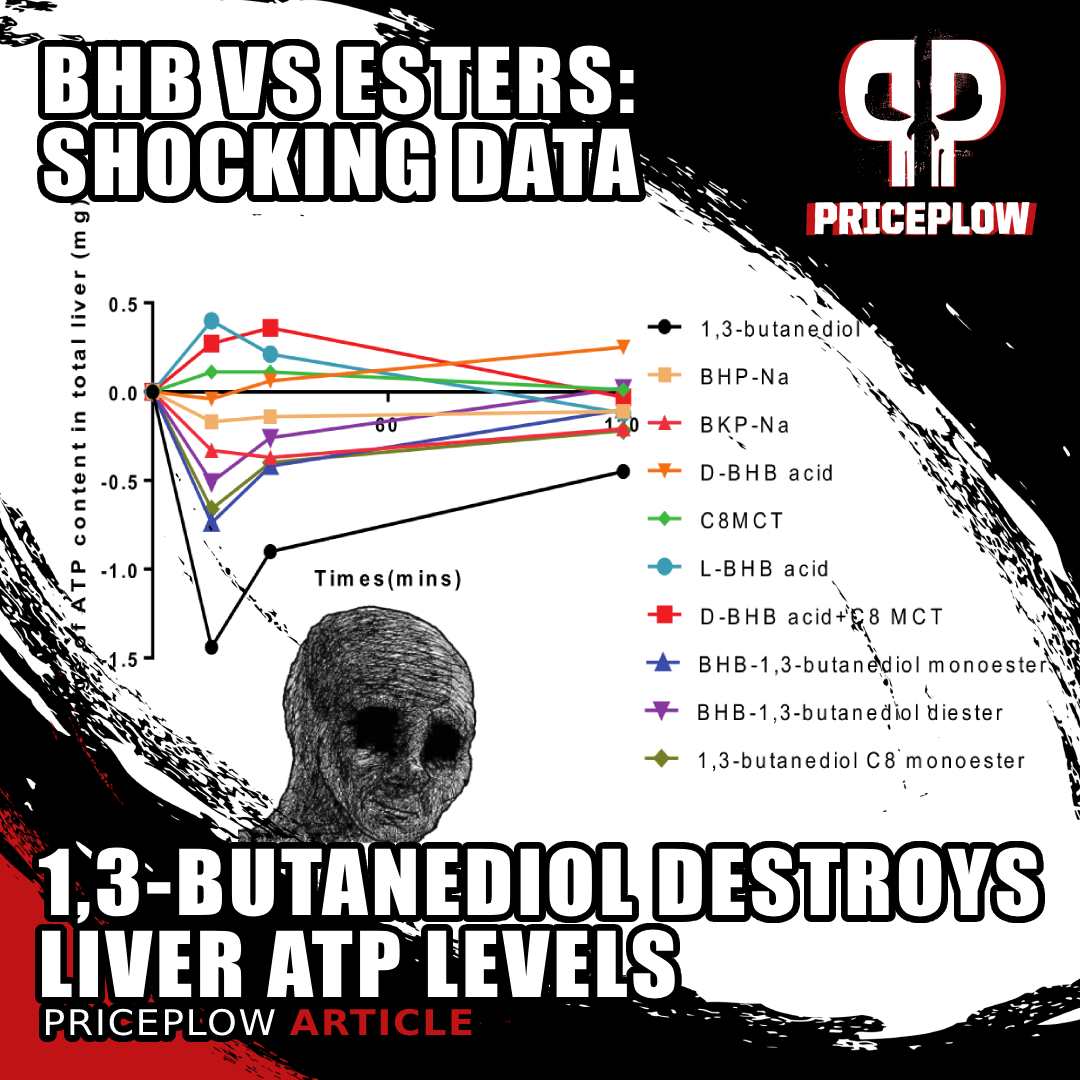
New unpublished preclinical data shows that 1,3-butanediol is a net ATP consumer in the liver, as opposed to free acid BHB and MCT which are ATP (energy) producers.[5] This sheds a whole new light on the BHB vs. Ketone Esters.
The researchers speculate that this may reflect enhanced hepatic clearance or shifts in cholesterol transport induced by BHB, though the mechanism requires further investigation.
-
No adverse metabolic effects
HOMA-IR (a measure of insulin resistance), uric acid levels, and liver enzymes remained stable or improved throughout the trial. ALT, a marker of liver stress, actually decreased slightly (yet significantly) in the BHB group (p < 0.05). In the past, we've written about Exogenous Ketones for Liver Health, and this is additional data showing that our hypothesis (that ketones are beneficial for liver health) is likely correct.
This last point addresses a concern raised by recent preclinical research showing that certain ketone formulations (specifically ketone esters and 1,3-butanediol) may stress the liver.[6] The BHB salts used in this trial showed no evidence of hepatic harm.
Mechanisms: How BHB May Preserve Muscle
The concept of ketones as "muscle sparing" dates back to George Cahill's foundational work on fasting metabolism. When ketones are available as fuel, muscle amino acids can be preserved rather than broken down for gluconeogenesis.[7]
More recent research has identified several mechanisms through which BHB may protect lean tissue:
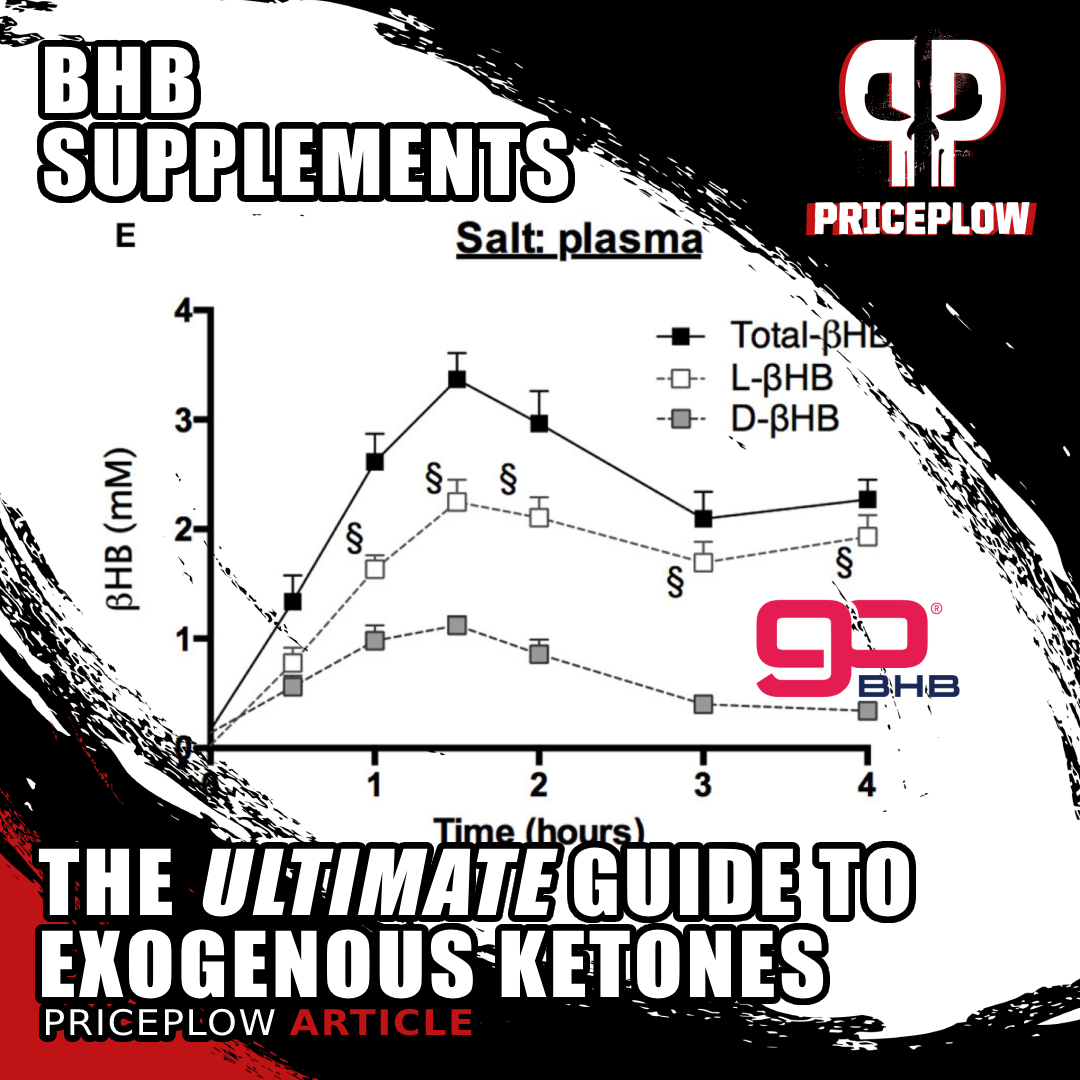
Exogenous BHB is now for everyone—from athletes needing endurance to those boosting brain function. Offering clean, lasting energy, BHB is proving versatile and backed by research.
- Substrate sparing: BHB provides an efficient energy source that reduces the need to oxidize branched-chain amino acids (BCAAs) or break down muscle protein for fuel.[8]
- mTOR signaling: Ketone body intake during recovery from exercise has been shown to promote mTORC1 signaling, a key pathway in muscle protein synthesis.[9]
- Anti-inflammatory effects: BHB inhibits the NLRP3 inflammasome, reducing inflammatory signaling that can promote muscle catabolism.[10]
- HDAC inhibition: BHB acts as an endogenous histone deacetylase inhibitor, promoting expression of genes involved in oxidative stress resistance.[11]
These mechanisms likely work in concert, though the relative contribution of each in the context of caloric restriction remains to be determined. For a deeper dive into BHB supplements and their mechanisms, see our guide: BHB Supplements: The Ultimate Guide to Exogenous Ketones.
Practical Implications
If these preliminary findings hold in larger studies, who might benefit from BHB supplementation during weight loss?
The most obvious candidates are individuals using GLP-1 medications, where muscle loss is a documented concern. Adding exogenous ketones could potentially improve body composition outcomes without interfering with the appetite-suppressing effects of these drugs.
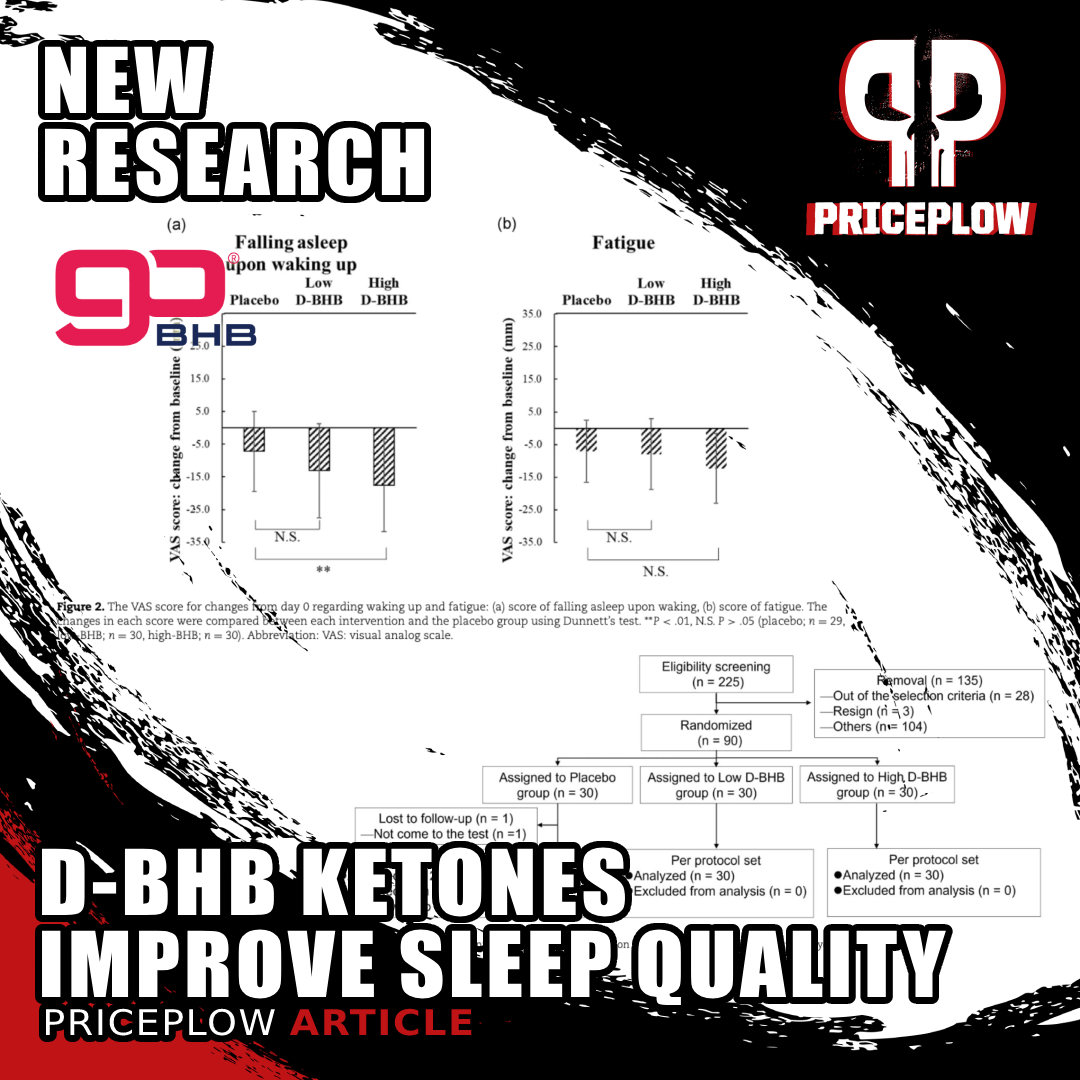
Research shows BHB ketones can significantly improve sleep quality! Study found 1.5-2.9g of D-BHB taken before bed enhanced multiple sleep parameters including easier falling asleep and feeling more refreshed upon waking.[12]
Physique athletes and recreational lifters cutting for competition or aesthetic goals may also find value, as preserving lean mass during a deficit directly impacts their results.
The dosing protocol in this study (10g total BHB per day, split into morning and afternoon servings) is achievable with commercially available BHB supplements. The 8-week timeframe showed effects, though longer interventions would likely be needed for substantial body recomposition.
However, BHB isn't a magic bullet. The study participants still followed a caloric deficit and were instructed to walk at least 30 minutes, three days per week. Exogenous ketones enhance the quality of weight loss, but they certainly don't replace the fundamentals.
Limitations and Future Directions
It's worth mentioning a few limitations in this trial:
- Relatively short duration. Eight weeks may not capture longer-term trends in body composition or reveal whether between-group differences would emerge with extended supplementation. We postulate that a poorly-configured diet will reduce basal metabolic rate given enough time,[13] but will ketones suppress this? We'd love to find out.
- Between-group differences weren't statistically significant. While within-group improvements in the BHB arm are encouraging, the study wasn't powered to detect moderate effect sizes in head-to-head comparisons.
- Self-reported dietary intake. Food records are subject to recall bias and reporting errors that may have affected macronutrient intake estimates.
Future research should address these gaps with longer interventions and larger sample sizes. It's obviously incredibly expensive to run a controlled study in a metabolic ward, but that'd give us the gold-standard of trustworthy data. More realistically, studies specifically pairing exogenous ketones with GLP-1 agonists would be especially valuable given the clinical relevance of muscle preservation in that context.
Conclusion: Protect Your Muscles with One Simple Supplement
Marc Lobliner, President of Ketone Labs, joins the PricePlow Podcast to explain why goBHB will become bigger than creatine, discussing applications from concussion protocols to evening pre-workouts on Episode #186.
The Roeth et al. trial provides incredible preliminary evidence that BHB supplementation during caloric restriction may improve body composition by favoring fat loss over muscle loss. Within the BHB group, participants showed significant reductions in fat mass and body fat percentage, with preservation of lean tissue and improved lean-to-fat ratios. These changes weren't observed in the placebo group.
The consistent pattern of within-group improvements suggests a signal worth pursuing further. With GLP-1 medications driving unprecedented weight loss in millions of users and concerns about muscle loss mounting, the need for effective lean mass preservation strategies has never been greater.
This study adds to a growing body of research highlighting BHB's potential beyond simple ketosis mimicry. For those interested in how exogenous ketones may also support recovery and sleep, our recent coverage of D-BHB and sleep quality provides additional context: Sleep Deeper with D-BHB: Research Confirms Ketone Supplement Improves Sleep Quality.
Larger, longer trials are needed before definitive recommendations can be made. But for individuals seeking to optimize body composition during weight loss, BHB supplementation appears to be safe, and is likely very beneficial -- especially for the liver, which is, after all, the seat of the entire metabolism.


Comments and Discussion (Powered by the PricePlow Forum)