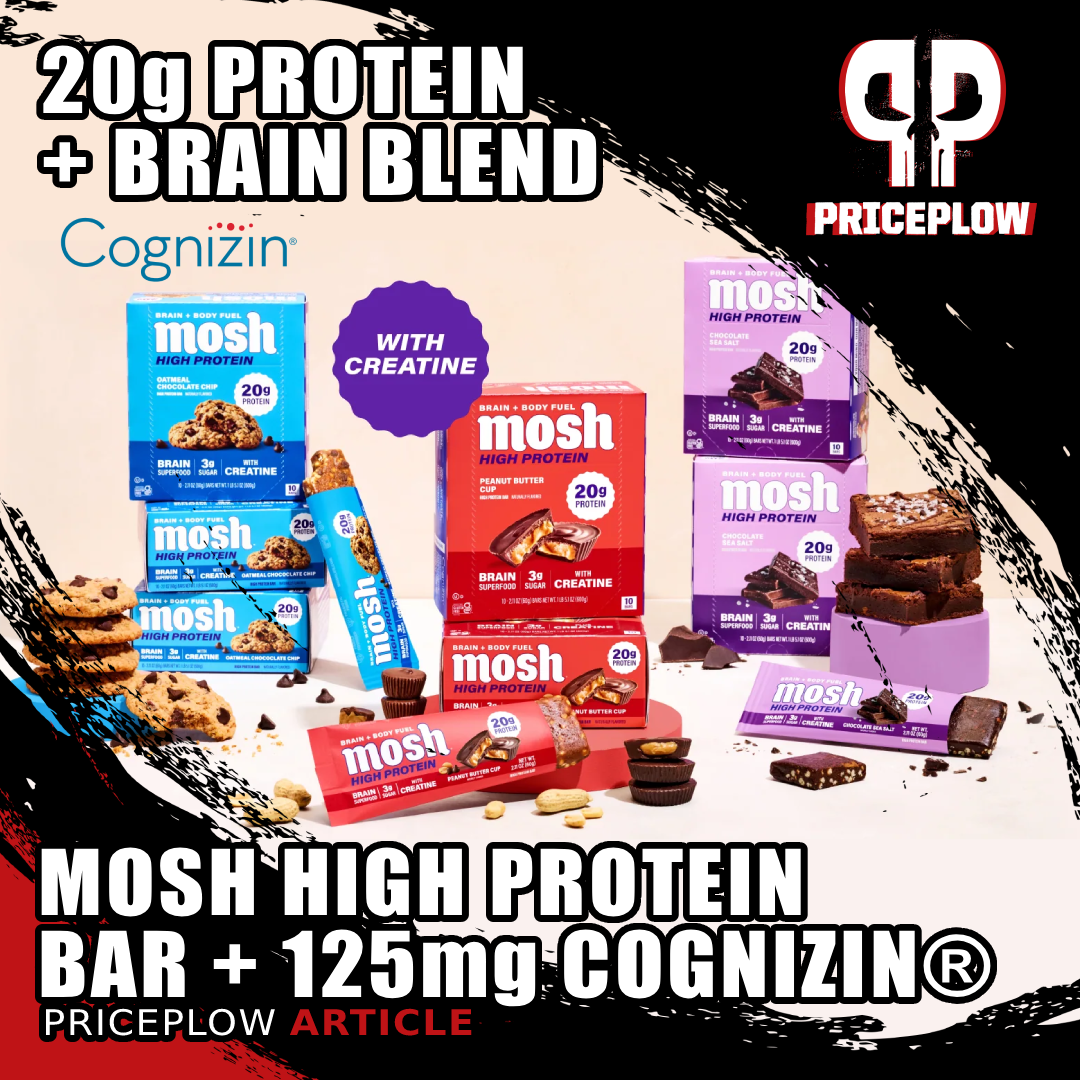
A protein bar built for your brain as much as your muscles? MOSH High Protein is now at Target with creatine, Lion's Mane, KSM-66 ashwagandha, and 125mg Cognizin® citicoline alongside 20g protein.
MOSH, the brain-health snack brand co-founded by Maria Shriver and Patrick Schwarzenegger, just launched its new High Protein Bar line at more than 2,000 Target stores nationwide! Three flavors are available: Peanut Butter Cup, Chocolate Sea Salt, and Oatmeal Chocolate Chip. After years of building the brand around the idea that food should support your brain alongside your body, MOSH now has the shelf presence to make that case at scale.
A Brain Brand with Bigger Protein
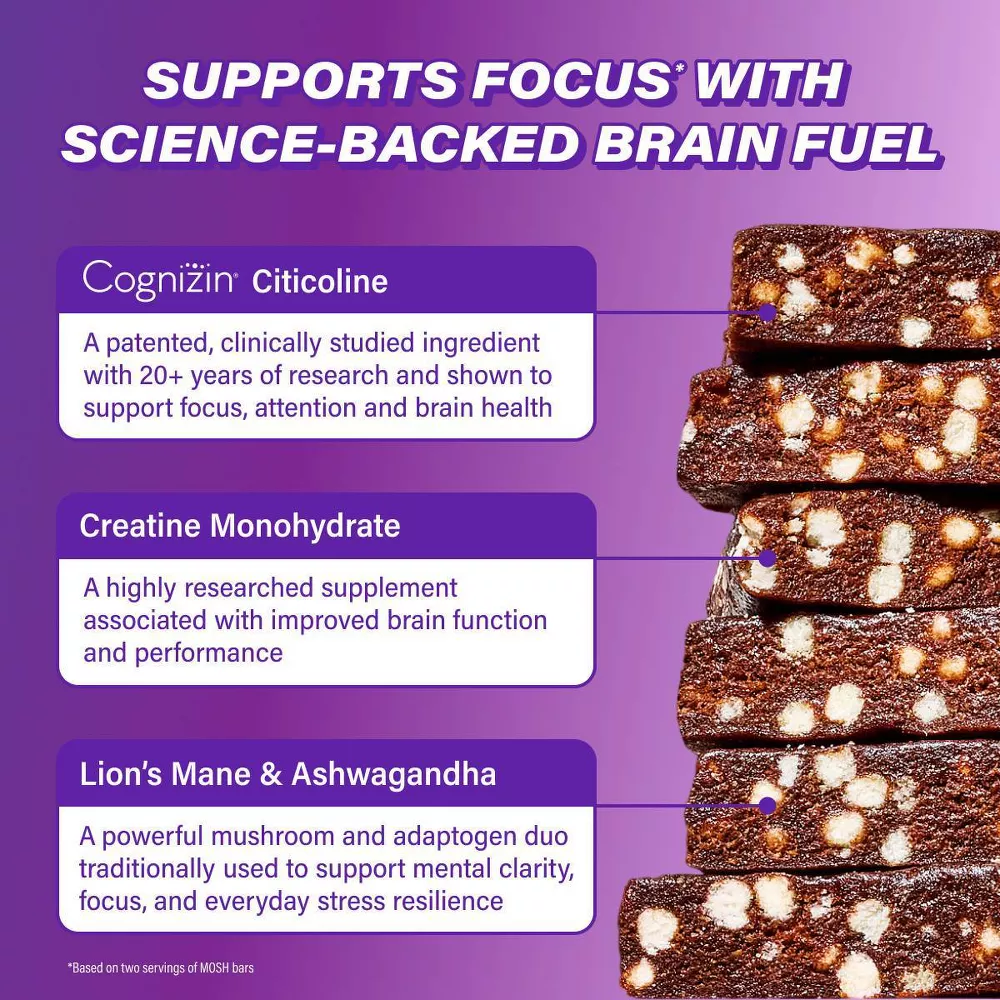
Each bar delivers 200 calories, 20 grams of protein from a blend of dairy proteins, just 3 grams of sugar, and 6 grams of fiber. The MOSH High Protein Bar separates itself from most options in the aisle with its Premium Brain Blend: Creatine Monohydrate, Organic Lion's Mane, flaxseed, Ashwagandha (as KSM-66®), Vitamins D3 and B12, and 125mg of Cognizin® citicoline per bar to support cognitive health and healthy brain function.
We've covered the original MOSH protein bar before, and the High Protein line marks a clear evolution: protein climbs to 20 grams, creatine monohydrate joins the formula, and the clean-label approach stays intact with no synthetic sweeteners and gluten-free certification. For a closer look at the research behind the citicoline, see our Cognizin® Citicoline ingredient guide linked above.
MOSH also donates to Alzheimer's research with every purchase, in line with its positioning as "The Brain Brand". Whether you grab one pre-workout, as a midday snack, or in place of a rushed meal, the pitch is consistent: solid macros and brain-supporting ingredients in every bar.
This article gets into the science, leading with Cognizin® citicoline, the brain choline. First, let's check in on prices and availability:
MOSH High Protein Bar – Deals and Price Drop Alerts
Get Price Alerts
No spam, no scams.
Disclosure: PricePlow relies on pricing from stores with which we have a business relationship. We work hard to keep pricing current, but you may find a better offer.
Posts are sponsored in part by the retailers and/or brands listed on this page.
This area is reserved for Team PricePlow's upcoming videos.
Subscribe to our channel and sign up for notifications so you catch it when it goes live!

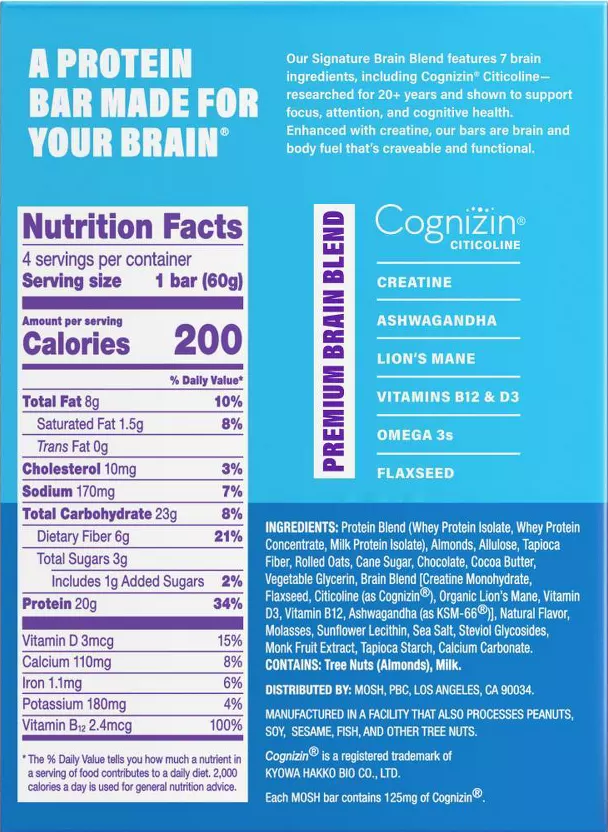
MOSH High Protein Bar Nutrition Facts
-
Calories - 200
-
Total Fat - 8g
-
Total Carbohydrate - 23g
-
Dietary Fiber - 6g
-
Total Sugars - 3g
-
Added Sugar - 1g
-
-
-
Protein - 20g
-
Vitamins and Minerals
-
Vitamin D3 - 3mcg (15% DV)
-
Vitamin B12 - 2.4mcg (100% DV)
-
Calcium - 110mg (8% DV)
-
Iron - 1.1mg (6% DV)
-
Potassium - 180mg (4% DV)
-
MOSH High Protein Bar Ingredients
Each 60g (2.11 oz) bar provides the following:
-
Citicoline (as Cognizin®) - 125mg
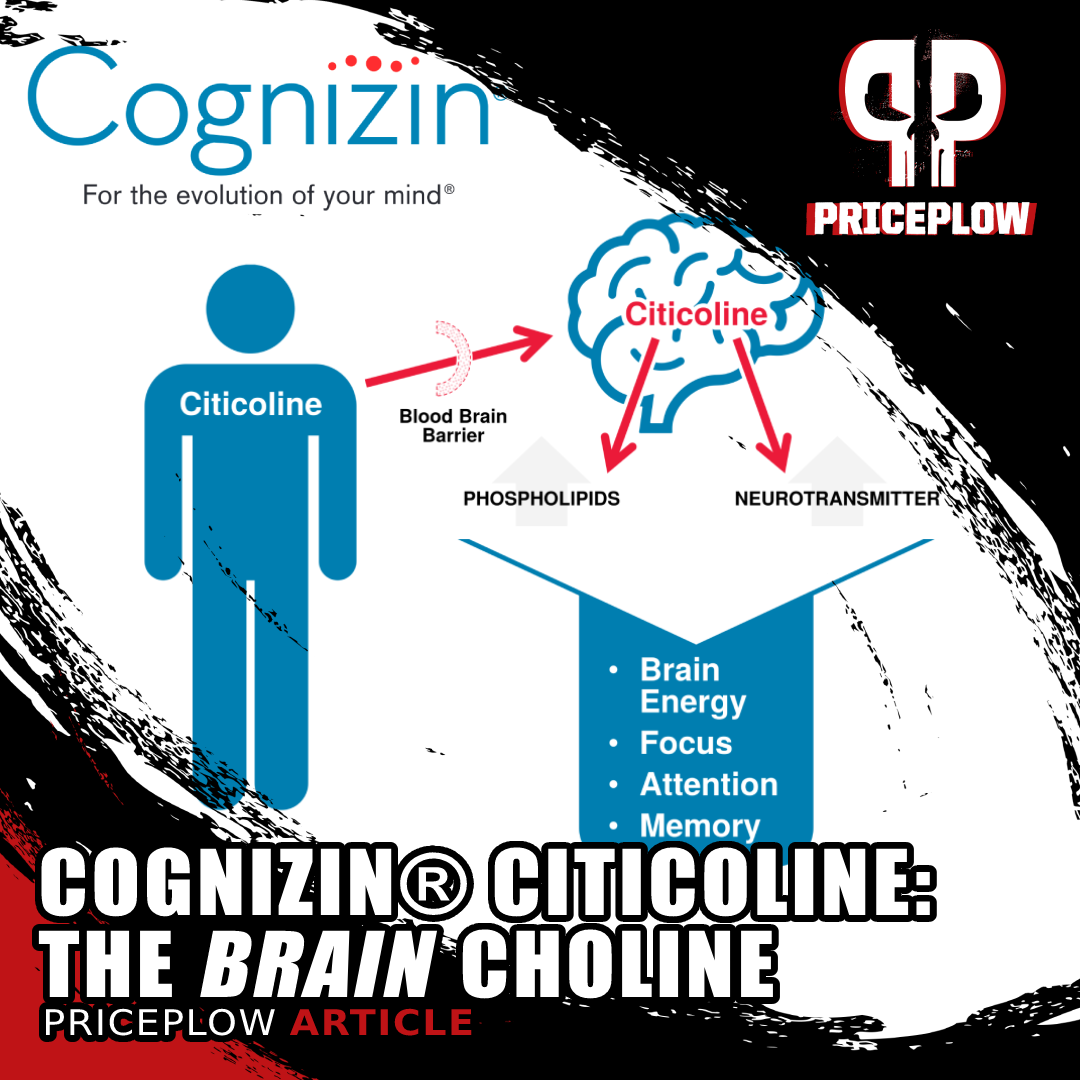
Cognizin® Citicoline is a bioidentical molecule the body produces naturally as an intermediate in phosphatidylcholine synthesis. Unlike simpler choline sources, it delivers both a choline component and a cytidine component. The brain gets two distinct precursors from a single compound.[1]
After ingestion, citicoline cleaves into choline and cytidine, which converts to uridine in peripheral circulation. Both cross the blood-brain barrier and are reassembled into CDP-choline inside brain cells.[2] The choline fraction supports acetylcholine synthesis, the neurotransmitter central to memory and attentional function, while also contributing to phosphatidylcholine production in neuronal membranes. Citicoline also supports healthy levels of dopamine and norepinephrine in the central nervous system.[3]
The structural effects run deeper than neurotransmitter support alone. Research using phosphorus magnetic resonance spectroscopy found that six weeks of citicoline supplementation increased phosphodiesters in the frontal lobe, reflecting active membrane synthesis and repair. The same study noted significant increases in phosphocreatine (+7%) and ATP (+14%) in the anterior cingulate cortex, suggesting citicoline helps maintain the brain's energy reserves as well.[4]

Cognizin® Citicoline is dubbed the The Brain Choline not just because it provides choline, but because it also supplies cytidine, which is also needed for the synthesis of phosphatidylcholine
Human trials with larger doses of Cognizin® add direct cognitive evidence. A 28-day study in adolescent males found that 250mg to 500mg daily improved attention and psychomotor speed versus placebo, with higher weight-adjusted doses predicting better accuracy on cognitive tasks and reduced impulsivity.[5] Research in healthy adults using 500mg daily also found improvements in psychomotor vigilance and visual working memory compared to placebo.[6] A 12-week randomized controlled trial using 500mg Cognizin® daily in older adults with age-associated memory impairment found significantly greater improvements in episodic and composite memory compared to placebo.[7]
Each MOSH bar delivers 125mg of Cognizin®, a solid daily dose that supports cognitive health and healthy brain function. Kyowa's structure-function support for focus, attention, and accuracy is mostly grounded in 250mg daily (two bars), so those targeting those specific benefits can reach that threshold with a second bar on higher-demand days.
For example, a companion study to the 28-day trial discussed above found that 250mg citicoline taken daily by healthy adult women specifically improved attentional performance versus placebo[8] -- even more reason to eat two bars!
Cognizin® pairs naturally with the rest of MOSH's Brain Blend. Creatine monohydrate addresses brain energy through the phosphocreatine system, reinforcing the same ATP production pathways that citicoline supports in frontal lobe tissue. Lion's Mane and ashwagandha contribute to neuroplasticity and stress-related cognitive function, while flaxseed, vitamin B12, and vitamin D3 provide additional nutritional support for neurological health.
For a full look at Cognizin®'s research base, see our Cognizin® Citicoline: The Brain Choline guide.
-
Protein Blend (Whey Protein Isolate, Whey Protein Concentrate, Milk Protein Isolate) - 20g Protein

MOSH's 20g protein comes from three dairy fractions that contribute across different phases of the amino acid absorption curve:
-
Whey Protein Isolate
Whey protein isolate (WPI) is the purest and fastest-digesting component, with protein content exceeding 90% of dry weight and lactose below 1%.[9] This rapid digestion drives a pronounced spike in plasma leucine, the trigger for mTOR signaling and downstream muscle protein synthesis.[10] A randomized controlled trial found that WPI ingested immediately post-exercise activated mTOR and other muscle-supporting mechanisms within 2 hours in exercised muscle.[11]
-
Whey Protein Concentrate
Whey protein concentrate (WPC) adds complementary dairy protein at anywhere from 34 to 80% protein by dry weight alongside some lactose and fat (the amount depending on level of processing). It generally shares WPI's leucine-rich amino acid profile, providing additional protein to round out the total dose.
-
Milk Protein Isolate
Milk protein isolate (MPI) preserves whole milk's natural protein ratio: approximately 20% whey and 80% casein. The casein fraction releases amino acids gradually, extending anabolic support well beyond the initial leucine spike. Research in rats found that combined milk protein produced the highest cumulative fractional synthesis rate post-exercise compared to either whey or caseinate alone, consistent with a prolonged anabolic response.[12] This sustained delivery fits a bar format, where fats and fiber naturally slow gastric emptying.

At 20g total, the blend matches the dose found to maximally stimulate myofibrillar MPS in resistance-trained men, and it works alongside MOSH's creatine monohydrate to support muscle energy and recovery.[13]
-
-
Creatine Monohydrate
Creatine monohydrate is the most researched performance and cognitive supplement in sports nutrition. After uptake, it combines with phosphate to form phosphocreatine (PCr), rapidly regenerating ATP when energy demand spikes. The brain is among the body's most energy-intensive organs, and creatine's support for cerebral ATP reserves fits MOSH's brain-health focus naturally.[14]
A systematic review of randomized controlled trials found creatine supplementation improved short-term memory and reasoning in healthy adults,[15] and a meta-analysis found the strongest memory improvements in adults aged 66 to 76.[16]
The dose in MOSH bars isn't disclosed and likely falls below the 3g to 5g daily threshold associated with cognitive and performance research. Think of each bar as a useful dietary contribution to total creatine stores, with a standalone creatine supplement filling the gap for those targeting full effects.
Worth noting: citicoline has been shown to independently raise frontal lobe phosphocreatine (+7%) and ATP (+14%), making these two ingredients complementary within the same energy pathway.[4]
-
Ashwagandha (as KSM-66®)
KSM-66® is a full-spectrum ashwagandha root extract standardized to a minimum 5% withanolides, the steroidal lactones associated with its adaptogenic activity. Research suggests the extract works largely through modulation of the hypothalamic-pituitary-adrenal (HPA) axis, supporting a healthy cortisol response under physical and mental stress.
Kyowa Hakko USA earns 4th patent for Cognizin Citicoline, further validating visual attention & cognitive performance benefits. New IP covers methods for enhancing attention, motor function & processing speed.
A 60-day, double-blind, placebo-controlled trial in 64 stressed adults found that KSM-66 at 300mg twice daily produced a 27.9% reduction in serum cortisol and significant improvement across all stress-assessment scales versus placebo.[17] A separate KSM-66 trial in adults with mild cognitive impairment found improvements in immediate memory, executive function, sustained attention, and information-processing speed versus placebo.[18]
The dose in MOSH's formula isn't disclosed. KSM-66 studies typically used 300mg to 600mg daily, so the contribution per bar can't be confirmed. Alongside Cognizin® and creatine monohydrate, this extract adds a stress-management dimension to the Brain Blend that may reinforce cognitive performance over time.
-
Organic Lion's Mane
Organic Lion's Mane (Hericium erinaceus) produces hericenones in its fruiting body, bioactive terpenoids associated with nerve growth factor (NGF) induction in neural cells.[19] NGF supports the maintenance of cholinergic neurons involved in memory and cognitive processing and may also support neurogenesis in the hippocampus.[20]
Human trials have shown cognitive benefits at higher doses. A 16-week randomized controlled trial (RCT) in adults with mild cognitive impairment found significantly improved cognitive function scores at 3g daily of H. erinaceus versus placebo.[21] A separate fruiting-body RCT found 12 weeks of supplementation improved MMSE scores versus placebo.[22]
MOSH's dose isn't disclosed, so those clinical outcomes can't be assigned to this serving. The NGF pathway it targets overlaps meaningfully with Cognizin®'s support for acetylcholine synthesis, though, so together, they address complementary aspects of neuroplasticity within MOSH's Brain Blend.
-
Flaxseed
Flaxseed contributes three bioactive classes to the Brain Blend:
- Alpha-linolenic acid (ALA),
- the lignan secoisolariciresinol diglucoside (SDG), and
- soluble fiber.
ALA, the primary plant-derived omega-3, incorporates into cell membrane phospholipids, displacing arachidonic acid and supporting a healthy inflammatory response.[23][24] SDG is converted by gut bacteria into the mammalian lignans enterolactone and enterodiol, providing antioxidant activity.[23]
A meta-analysis of 62 RCTs found flaxseed supplementation significantly reduced total cholesterol, triglycerides, and LDL-C.[25] Systematic reviews also show meaningful blood pressure reductions with extended use.[26] ALA's role in cognition is early but promising, with observational data associating higher intake with slower cognitive decline in some populations.[24]
The dose in MOSH isn't disclosed. Clinical research typically uses massive amounts (25g to 50g daily), so the contribution per bar can't be confirmed. However, seeing 6g fiber in this bar is a very good sign, since so many people don't get enough fiber in their diets. Ultimately, in the Brain Blend, flaxseed adds potential cardiovascular and anti-inflammatory nutritional support to the cognitive stack.
-
Vitamin D3 - 3mcg (15% DV)
Vitamin D3 (cholecalciferol) is a fat-soluble prohormone that converts in the liver to 25-hydroxyvitamin D (25(OH)D), then to its active form, calcitriol, in the kidneys and peripheral tissues. The vitamin D receptor (VDR) is present on virtually all cells of the immune system, and calcitriol modulates both innate and adaptive immune responses to support healthy immune function.[27][28] The VDR is also expressed throughout neural tissue, and calcitriol is thought to contribute to healthy neurological function.

Each bar provides 3mcg (120 IU), contributing 15% of the daily value, a dietary-level dose targeting baseline nutritional coverage rather than standalone supplementation. Research consistently links low 25(OH)D to adverse outcomes across multiple organ systems, making deficiency avoidance the primary clinical goal at this dose.[27] In the Brain Blend, Vitamin D3 and Vitamin B12 serve as the nutritional foundation supporting the rest of the cognitive stack. Sunshine's always best, but if you're not getting enough sun, then reasonable amounts of D3 are a fine idea.
-
Vitamin B12 - 2.4mcg (100% DV)
Vitamin B12 (cobalamin) is an essential cofactor in one-carbon metabolism, the interconnected pathways that generate methyl groups for DNA synthesis, amino acid homeostasis, and homocysteine clearance. Inside cells, its active coenzyme forms (methylcobalamin and adenosylcobalamin) support systems that maintain healthy methylation activity and prevent homocysteine from accumulating at levels that may impair neurological function.[29]
Adequate B12 status also supports myelin sheath integrity, the insulating layer critical for rapid neural signaling. Low B12 levels are linked to greater cognitive impairment risk, and in deficient individuals, B12 replacement showed MMSE score improvements in 78% of cases.[30]
Each bar provides 2.4mcg, meeting 100% of the daily value. That nutritional baseline pairs naturally with citicoline's acetylcholine synthesis and phosphatidylcholine support, helping maintain the neurochemical environment the Brain Blend targets.
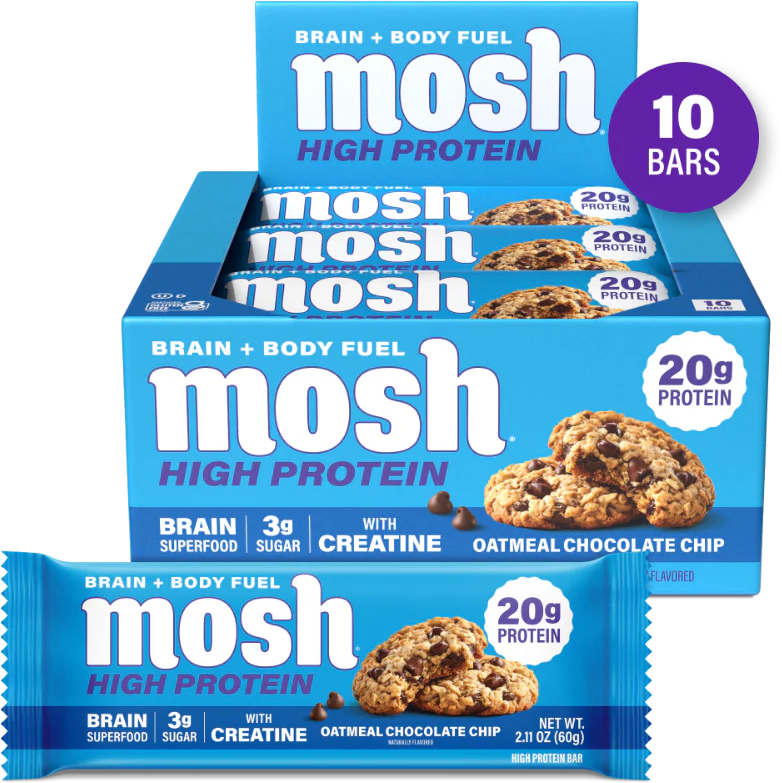
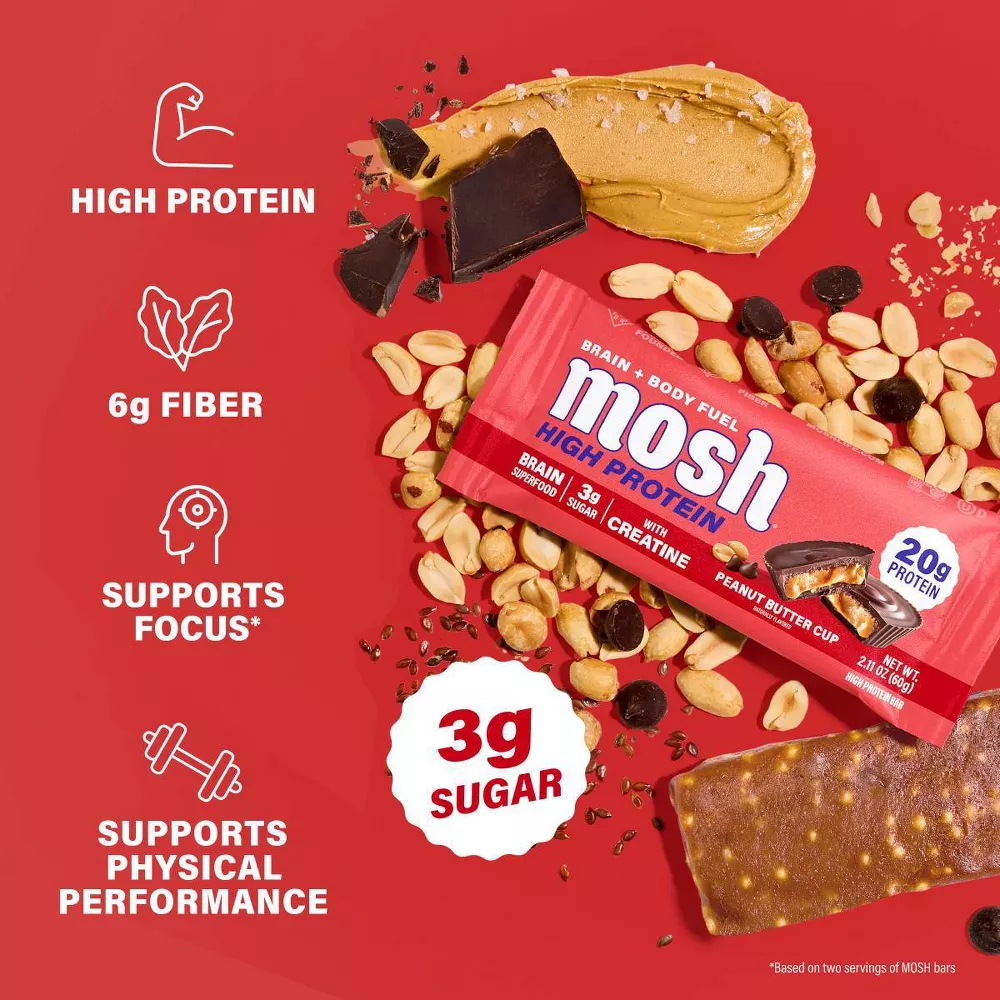
Flavors Available
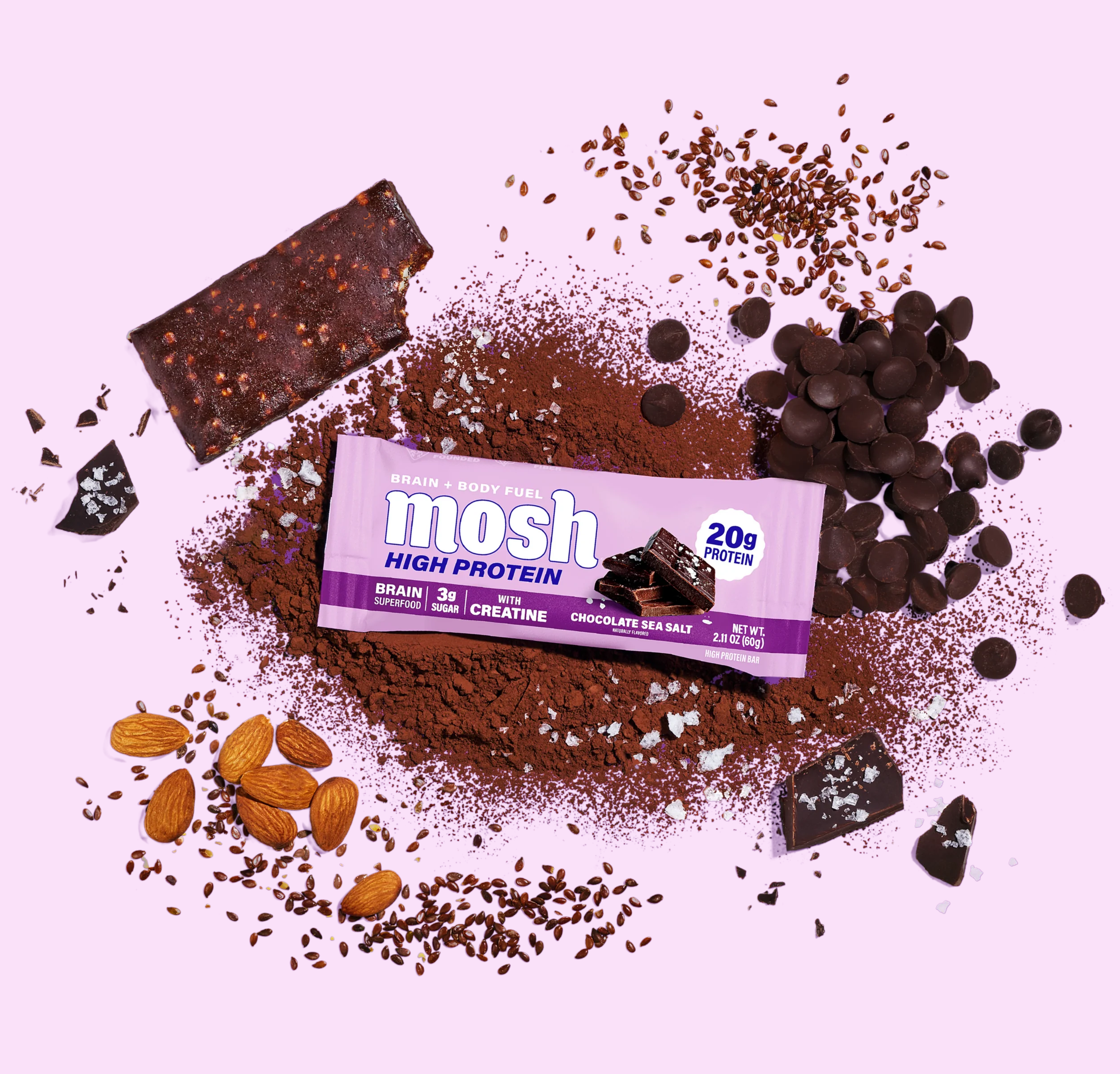
Here's an up-to-date list of all MOSH High Protein Bar flavors:
How to Use
- When to take it: One bar works well as a complete snack between meals, pre/post-workout, or as a quick breakfast or lunch on a demanding day.
- With or without food: Works fine on its own; pair with coffee or a protein shake if you're using it as a full meal replacement.
- Other notes: For those targeting cognitive performance specifically, two bars bring Cognizin® to the 250mg level cited in Kyowa Hakko's focus-related claims.
Who It's For
- Active individuals: The 20g protein and creatine monohydrate combination supports recovery and performance for anyone training regularly.
- Busy professionals: Low sugar, high fiber, and the Premium Brain Blend make it a smart grab on demanding days when sitting down for a real meal isn't an option.
- Brain health-focused consumers: If you're proactively thinking about long-term cognitive wellness, the Cognizin, Lion's Mane, and ashwagandha combination puts MOSH in a different category than standard protein bars.
Conclusion: MOSH High Protein Delivers on Both Fronts
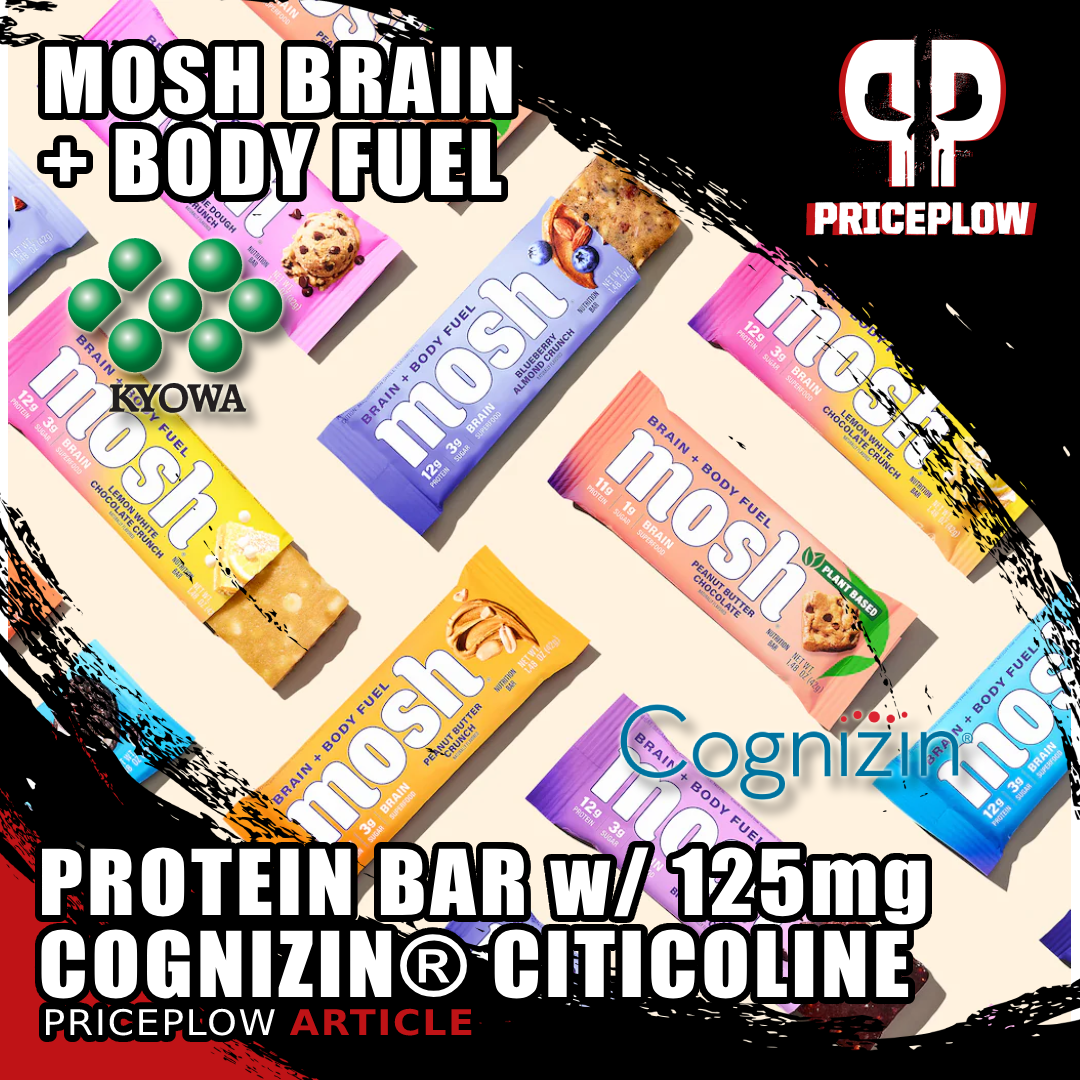
MOSH Brain + Body Fuel Protein Bar is a standout functional food product with 125mg Cognizin® Citicoline. Featuring natural sweeteners and a Brain Blend with lion's mane and KSM-66, it's perfect for satisfying your sweet tooth while optimizing both physical and mental performance.
The MOSH High Protein Bar does a lot with 200 calories. Twenty grams of protein, 6 grams of fiber, 3 grams of sugar, creatine monohydrate, and 125mg of Cognizin® citicoline per bar -- that's a meaningful combination in a category where most bars stop at the protein count.
Cognizin® is the standout sponsored ingredient in MOSH's Premium Brain Blend. At 125mg per bar (or 250mg across two bars), it supports cognitive health and healthy brain function alongside the rest of the Brain Blend. For the full story on Cognizin's research, our Cognizin® Citicoline: The Brain Choline guide is the place to start, and for those focused on memory and aging, our coverage of the Cognizin® memory study in older adults adds important clinical context.
Four-packs are on sale at Target, so MOSH High Protein has the distribution to reach people who'd never browse the supplement aisle or head to a dedicated nutrition store. For anyone prioritizing brain health alongside their fitness routine, it's one of the more complete bars on the market. Check PricePlow below for current pricing and availability across all three flavors, and sign up for alerts on what MOSH releases next.
MOSH High Protein Bar – Deals and Price Drop Alerts
Get Price Alerts
No spam, no scams.
Disclosure: PricePlow relies on pricing from stores with which we have a business relationship. We work hard to keep pricing current, but you may find a better offer.
Posts are sponsored in part by the retailers and/or brands listed on this page.

Comments and Discussion (Powered by the PricePlow Forum)