Your immune system doesn't just get weaker with age. It also stays quietly inflamed. A new review in Nutrients maps lactoferrin onto four systems that drift with age, and separates what's been shown in people from the cell and animal work.
As you age, your immune system develops two problems at once. Its defenses gradually lose their edge, a process researchers call immunosenescence. Meanwhile, a low-grade inflammatory signal hums along in the background and never fully shuts off, which has earned it the nickname "inflammaging".
The result is an immune system that's slower to respond to real threats and more inflamed when there's nothing to fight.
That's why "boosting immunity" is the wrong frame for healthy aging. An aging immune system needs better regulation: strong responses when they're called for, and calmer signaling when they aren't. For anyone focused on longevity in the practical sense, meaning staying resilient and functional as the years add up, that balance is the goal.
A New Review Maps Lactoferrin onto Four Systems of Aging
In October 2026, a narrative review published in the journal Nutrients mapped lactoferrin, the iron-binding protein found in human milk and released by your own immune cells, onto four biological systems that drift out of balance with age:
- Gut barrier integrity and the microbiome
- Immune regulation and inflammation
- Iron homeostasis
- Mitochondrial function and redox balance

The review comes from researchers including members of Helaina's science team, Cassandra Evans and Ross Peterson, along with Siavash Naddafha of Edith Cowan University in Australia. The authors separate what's been shown in people from what's still coming out of cell and animal models, and this article follows the same line.
Below, we break down the human trials and the biology behind each system, plus why the form of lactoferrin matters, including Helaina's human-identical effera®. Sign up for our Helaina, effera®, and lactoferrin news alerts, and then let's get into the science:
Subscribe to PricePlow's Newsletter and Alerts on These Topics
Immune Aging Has Two Sides
Immunosenescence shows up across the immune system:
- Natural killer (NK) cells, which destroy infected cells, lose some of their killing power
- The pool of naïve T cells that respond to new threats shrinks, while older, highly specialized T cells take up more room
- B cell diversity narrows
- The stem cells that produce immune cells shift their output away from the adaptive immune system
Together, those shifts impair pathogen clearance and blunt vaccine responses.[1]
The Inflammaging Paradox
Inflammaging is the other side. Senescent cells (old cells that stop dividing but don't die off) accumulate in tissues and release a steady stream of inflammatory signals that keep IL-6 and TNF-α elevated. Much of that signaling runs through NF-κB, a master switch for inflammation, and it gets amplified as the cell's cleanup systems decline with age.
The review's authors call the combination a paradox: weaker immune surveillance alongside persistent inflammatory activation. In their view, healthy aging calls for regulatory mechanisms that calm excess inflammatory signaling without suppressing normal immune function, and that's the job description they test lactoferrin against.
How Lactoferrin Calibrates Immune Signaling
In mechanistic studies, lactoferrin binds and neutralizes lipopolysaccharide (LPS), the bacterial cell-wall component that sets off inflammatory alarms. It also interferes with the toll-like receptor (TLR) signaling that LPS and other microbials trigger through a co-receptor called CD14, which limits NF-κB activation and the downstream production of IL-6, TNF-α, and IL-1β.[1]
Iron and immunity aren't separate systems -- they share the same signals. Lactoferrin sits at that intersection, and effera® delivers it in the human-identical form your body actually recognizes.
Those effects shift with dose and situation. Under chronic inflammation, lactoferrin tends to suppress TNF-α and IL-6, while under other conditions it can increase IL-12 and interferon-gamma, signals that help switch on immune defenses. The authors describe that pattern as the profile of a regulator of immune balance, as opposed to a blanket immune stimulant or suppressor.
Our article titled "Iron Meets Immunity" covers the front-line biology, including how neutrophils release lactoferrin at infection sites and how IL-6 ties inflammation to iron regulation.
The question here is what happens when older adults actually take lactoferrin, so let's look at the trials:
What Human Trials Show in Older Adults
-
A Four-Week Trial in Adults 50+
The most direct evidence comes from a 2026 randomized, double-blind, placebo-controlled trial in 103 healthy adults aged 50 and older.[2] Participants took 200mg or 600mg of bovine lactoferrin per day (as capsules each morning, 30 minutes before food) or a placebo for four weeks. Researchers then measured how their blood immune cells responded when challenged with a common cold virus (rhinovirus) and an influenza strain, along with immune cell populations and blood markers of inflammation.
The results split by dose:[2]

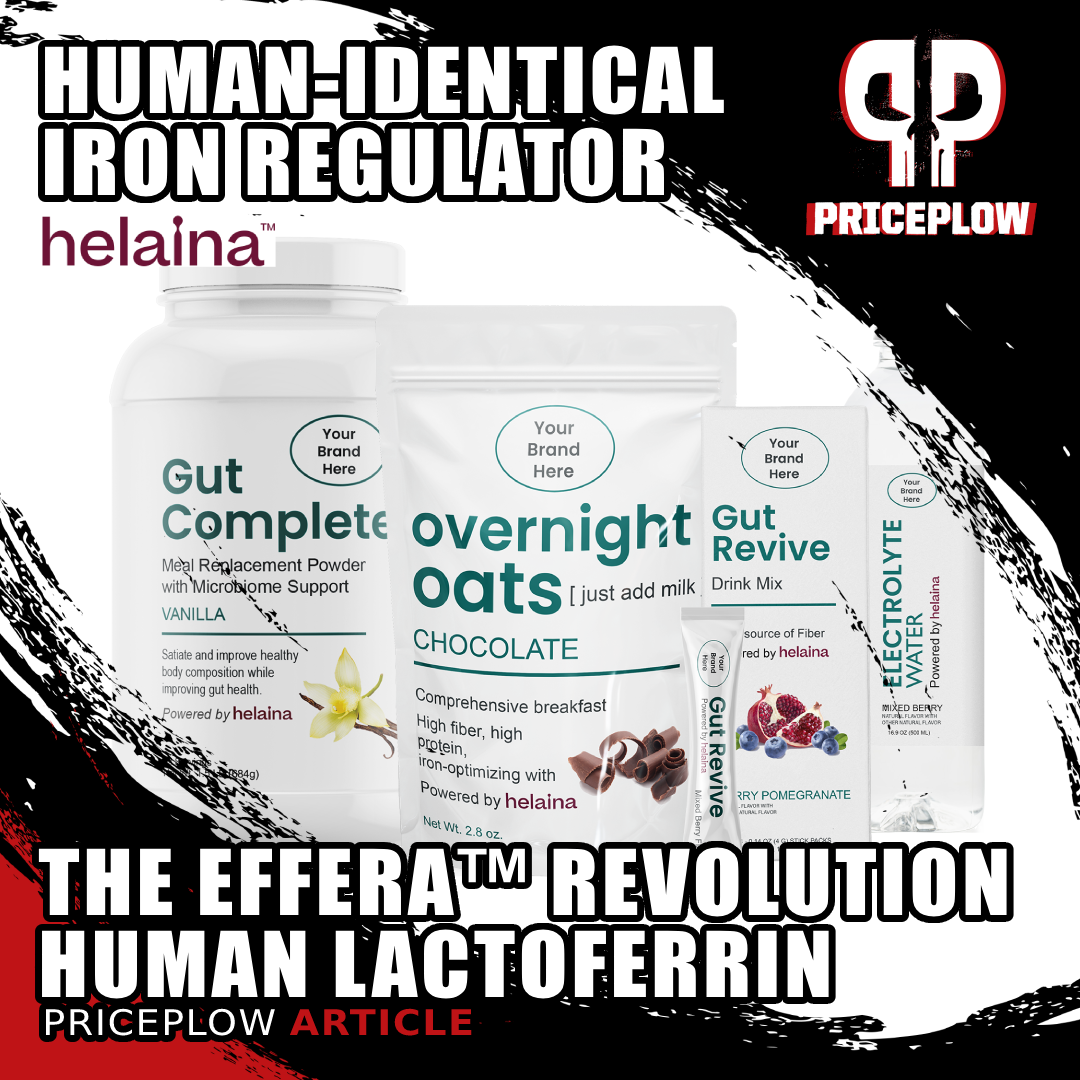
Helaina's effera™ is revolutionizing supplements with the first human-equivalent lactoferrin. Research shows better bioavailability and reduced immune response compared to bovine sources.
- At 600mg per day, rhinovirus-challenged immune cells released less IL-6 than cells from the placebo group, and total T cells and CD4+ helper T cells increased compared to placebo
- At 200mg per day, the frequencies of neutrophils, NK cells, activated CD8+ T cells, and gamma-delta T cells fell compared to placebo
- Neither dose changed virus-triggered interferon-gamma release
Plasma IL-6 and C-reactive protein (CRP), two standard blood markers of inflammation, were lower after 600mg than after 200mg, but neither dose beat placebo on those markers. The clearest signals came from how immune cells behaved rather than from circulating inflammation. The two doses also moved different parts of the system, which fits the review's situation-dependent model: the authors concluded that the higher dose supported adaptive (T cell) immunity, while the lower dose reduced proinflammatory and cytotoxic immune cells.
-
Earlier Trials in Older Adults
A 2015 Japanese trial ran three times longer. Sixty-two healthy adults aged 66 to 87 took either 300mg per day of enteric-coated bovine lactoferrin (tablets built to get past stomach acid) or a placebo for three months.[3] By the third month, NK cell cytotoxicity and neutrophil phagocytic capacity (how well neutrophils engulf invaders) were significantly higher in the lactoferrin group than in the placebo group, along with higher proportions of cells carrying NK cell and antigen-presenting markers. Part of that gap came from the placebo side: NK cell cytotoxicity rose from 43.5% to 49.1% with lactoferrin but fell from 43.3% to 34.9% without it. No adverse events occurred.
Your lab says ferritin 22ng/mL is normal. ASH's new 2026 guidelines say that's iron deficiency. The cutoff doubled from 15ng/mL to 30ng/mL, and most reference ranges haven't caught up. Here's what to ask your doctor for.
In a Dutch trial in elderly women, three weeks of bovine lactoferrin alone, before prebiotic galactooligosaccharides (GOS) and then vitamin D was added to the regimen, enhanced TLR7-mediated responses in plasmacytoid dendritic cells (the immune system's virus-sensing specialists) compared to placebo.[4] Iron Meets Immunity covers that finding in detail.
A smaller six-month study in postmenopausal women aged 45 to 60 reported lower IL-6 and higher anti-inflammatory IL-10 with a ribonuclease-enriched lactoferrin preparation taken at 125mg twice daily.[5] That enriched blend isn't standard lactoferrin, so it's hard to credit lactoferrin alone for the result.
For reference, the two placebo-controlled immune trials in older adults used 200mg to 600mg per day for one to three months.
-
Shorter Illnesses in Healthy Adults
Two Japanese trials in healthy adults, not specifically older ones, add real-world outcomes. In the first, 310 adults took 200mg or 600mg of lactoferrin per day, or a placebo, for 12 weeks over the summer. Lactoferrin didn't change how many people got sick, but both doses shortened the duration of infectious illnesses from 3 days to 2.[6]
In the follow-up, 157 adults took 200mg of bovine lactoferrin per day or a placebo for 12 weeks. Total respiratory and systemic symptom scores were significantly lower with lactoferrin, and there were higher levels of the activation markers CD86 and HLA-DR at week 12.[7]
effera™ human-identical lactoferrin demonstrates no alloimmune response in groundbreaking clinical trial, while bovine lactoferrin triggered antibody responses in over 50% of participants. First study to definitively answer the alloimmunization question for precision-fermented proteins.
A much smaller 2008 study adds an antioxidant angle. After a placebo week and a week at 100mg, 8 men aged 30 to 55 took 200mg of bovine lactoferrin daily for a week, and their blood's water-soluble antioxidant capacity rose compared to their own starting levels, along with T cell activation markers.[8]
The Gut-Immune Axis in Aging
-
What Aging Does to the Gut
The review treats the gut as a major source of inflammaging. With age, microbial diversity declines, especially among bacteria that produce short-chain fatty acids (SCFAs), such as Faecalibacterium and members of the Lachnospiraceae family. Losing SCFA production deprives the cells lining the colon of energy, weakens the tight junctions that seal the gut wall, and lets more LPS slip into circulation, where it fuels systemic inflammation. SCFAs like butyrate also help keep IL-6 and TNF-α in check, so losing those producers removes a brake on the same signals behind inflammaging.[1]
-
Lactoferrin and Gut Bacteria
The same Dutch trial behind the dendritic cell findings also analyzed stool samples. Twenty-five healthy elderly women took 1g per day of bovine lactoferrin or a placebo, with GOS and then vitamin D added after the first three weeks. Lactoferrin alone increased the relative abundance of Holdemanella, and Bifidobacterium rose once GOS joined the regimen. Overall microbial diversity, fecal SCFA levels, and gut barrier markers didn't change.[9]
More iron won't fix deficiency when inflammation blocks absorption. Lactoferrin supports iron homeostasis by reducing inflammation and restoring balance.
effera® has its own microbiome data from healthy adults aged 18 to 45. In the same randomized, double-blind trial behind Helaina's antibody research (covered below), 66 adults took effera® at 3.4g or 340mg per day, or bovine lactoferrin at 3.4g per day, for 28 days. Microbial diversity stayed stable in every group, and the high dose of effera® increased Faecalibacterium, Lachnospira, and Paraprevotella without disrupting overall community structure. Bovine lactoferrin raised absolute SCFA levels, while both effera® doses shifted SCFA proportions toward acetate. The authors describe these exploratory results as hypothesis-generating.[10]
The review notes that shifts in relative abundance don't automatically translate into overall health benefits. Still, the overlap with aging biology is hard to miss: Faecalibacterium and the Lachnospiraceae family (which includes Lachnospira) are the same SCFA producers that decline with age. Too many dots connect and fit to ignore.
-
Barrier Data from the Lab
Lab research Helaina presented at the ISSN 2026 conference adds a mechanism. In this preprint study (not yet published in a peer-reviewed journal), researchers ran effera® through a simulated upper digestive tract, then fermented it with gut bacteria from six healthy adult donors. Intact effera® didn't significantly improve barrier integrity on its own, but the products of that bacterial fermentation did. In a lab model pairing gut-lining cells with immune cells, those fermentation products strengthened the barrier, raised tight-junction proteins, and lowered inflammatory signaling, with an even stronger effect under an LPS challenge. Across matched doses, effera® consistently produced stronger barrier responses than bovine lactoferrin.[11]
Human vs. bovine lactoferrin, dose for dose. New ex vivo data presented at ISSN 2026 shows Helaina's effera built a stronger gut barrier than bovine at every shared dose, and worked hardest when the gut was under stress.
That microbe-to-barrier route lines up with the review's model of how gut changes feed inflammaging. The full dataset is in Helaina's effera® Outperforms Bovine Lactoferrin in New ISSN 2026 Gut Barrier Data.

Iron and Inflammation in Older Adults
Iron is a balancing act at any age, but aging tilts it in two directions at once.
Chronic low-grade inflammation raises hepcidin, which suppresses the iron exporter ferroportin and traps iron inside cells, so iron can build up in tissues even while the rest of the body runs functionally short. The review stresses that both iron deficiency and iron excess carry risk in older adults, which argues for balanced iron regulation over simply adding more iron.[1]
That also makes ferritin, the go-to marker for iron stores, tricky to read later in life. Ferritin often rises with age, but it's also an acute-phase protein that climbs with inflammation, so on its own it isn't a clean read on iron status in older adults. If you're tracking your iron as you age, that's a conversation to have with your doctor, and the latest adult ferritin cutoffs are covered in New Iron Deficiency Guidelines Set Adult Ferritin Cutoff at 30ng/mL.
Lactoferrin fits this picture because it binds iron tightly and, unlike the blood's main iron carrier transferrin, holds onto it at the lower pH found in inflamed tissue. That lets it keep iron locked up where inflammation is happening, which limits iron-driven oxidative damage. Most of lactoferrin's clinical iron research comes from populations other than older adults, and Iron Homeostasis and effera® Human Lactoferrin covers that research along with the IL-6 and hepcidin connection.
Mitochondria and Redox: The Early Frontier

Laura Katz and Pamela Besada-Lombana take us inside Helaina's Manhattan R&D facility to reveal the precision fermentation science, clinical breakthroughs, and empathy-driven culture behind effera® lactoferrin on Episode #197 of the PricePlow Podcast.
Beyond producing energy, mitochondria help regulate redox balance ("reduction-oxidation", the balance between oxidative processes and the cellular defenses that keep them in check) and inflammatory signaling. With age, they leak more reactive oxygen species (ROS) that damage mitochondrial DNA, while mitophagy, the process that clears out worn-out mitochondria, slows down. Damaged mitochondria can release DNA and other signals that switch on inflammatory pathways, which gives inflammaging another feeder.[1]
The most direct mitochondrial evidence is a 2010 study using human milk lactoferrin. In cultured cells exposed to LPS, lactoferrin nearly abolished the resulting spike in mitochondrial ROS and oxidative DNA damage. In mice given lactoferrin by injection 12 hours before an LPS challenge, mitochondrial hydrogen peroxide release and mitochondrial DNA damage were significantly lower, while an iron-chelating drug provided only partial protection.[12] This suggests lactoferrin's protection goes beyond simply binding iron.
Lactoferrin also appears to support autophagy, the cell's recycling system. In mouse fibroblast cells, bovine lactoferrin increased autophagic flux by activating AMPK through the lactoferrin receptor LRP1.[13] That study measured general autophagy rather than mitochondria-specific turnover, though, so the review stops short of claiming an effect on mitophagy.
Two more lab findings tie this biology to aging. In a cell study on human mesenchymal stem cells (cells that help maintain and repair tissue), lactoferrin lowered ROS levels, suppressed stress-induced senescence, and reduced cell death.[14] And in 16-month-old mice, three months of high-dose oral lactoferrin (2000mg per kg of body weight daily) reduced oxidative stress, iron overload, and buildup of lipofuscin (an age-related cellular waste pigment) in heart tissue, alongside improved mitochondrial dynamics and autophagy.[15]

Helaina just swept its category at SupplySide Global 2026. effera®, its human-identical lactoferrin, won both the judges' prize and the audience vote in Ingredient Idol's biotics category, beating out two probiotics.
Why the Form Matters: effera®
Nearly every human lactoferrin trial above used bovine lactoferrin from cow's milk. But bovine and human lactoferrin share only about 69% of their amino acid sequence,[16] and they also differ in glycosylation (the sugar chains attached to the protein), which may contribute to differences in biological activity.[1]
Helaina built effera® to close that gap. It's made through precision fermentation using a glycoengineered yeast to produce lactoferrin that's the same as human milk lactoferrin,[17] and Helaina describes the result as human-identical. In a validated simulated adult digestion model, the peptide fragments released from effera® closely matched those from human milk lactoferrin, while bovine lactoferrin's peptide profile was significantly different.[18]
No Antibodies Against effera®
Because bovine lactoferrin is foreign to the human body, the immune system can make antibodies against it. Helaina tested that question in a randomized, double-blind trial of 66 healthy adults aged 18 to 45, who took effera® at 3.4g or 340mg per day, or bovine lactoferrin at 3.4g per day, for 28 days. By day 56, antibodies against bovine lactoferrin had roughly tripled in the bovine group, while antibodies against human lactoferrin didn't change in either effera® group. Safety outcomes were similar across groups and stayed within normal ranges.[19]
That trial is broken down in The Landmark Lactoferrin Trial That Changed Everything. For an aging immune system that's already running warm, we like the idea of a lactoferrin your body doesn't treat as foreign.
Allergy and Safety
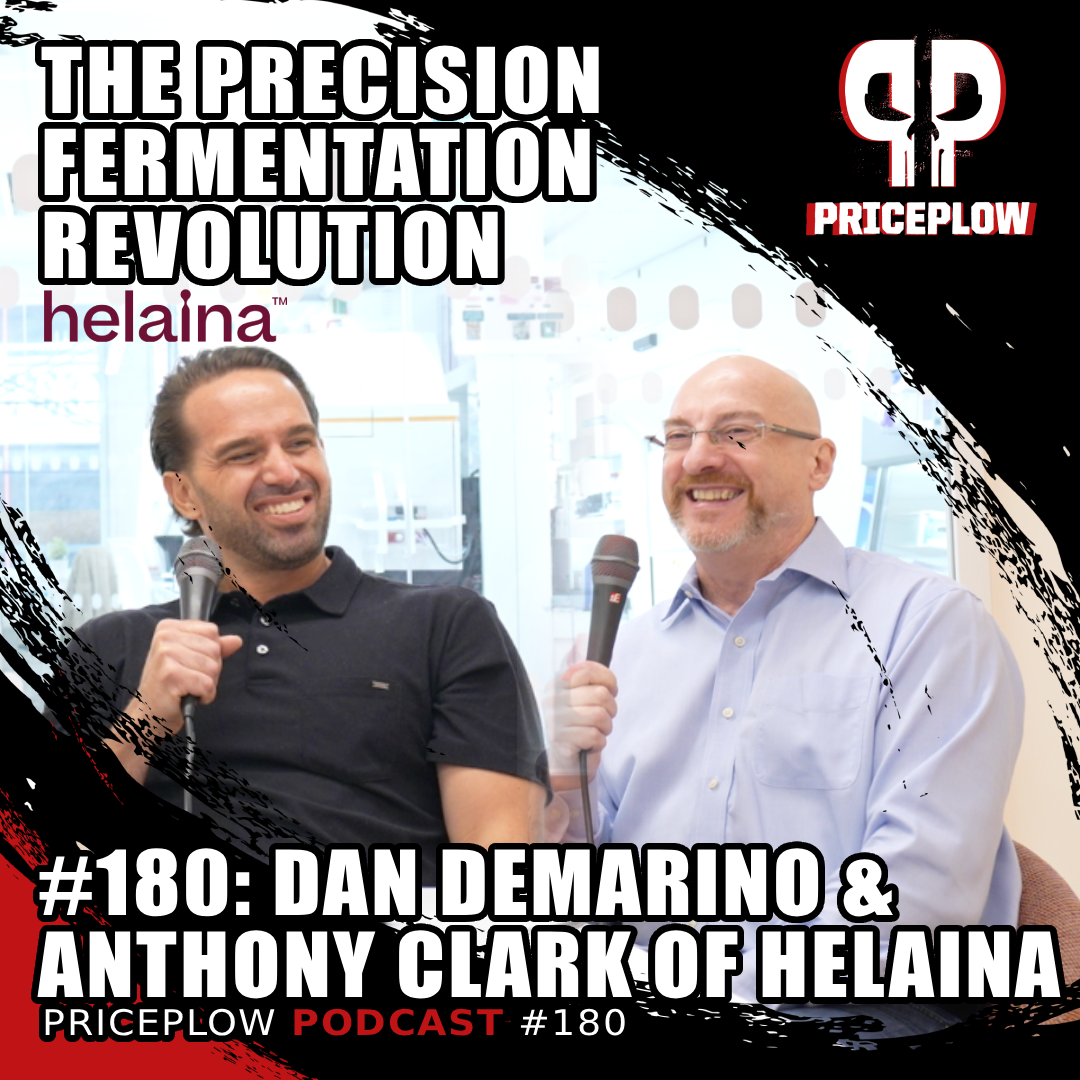
Dan DeMarino and Anthony Clark from Helaina dive deep into precision fermentation technology and effera™ human-equivalent lactoferrin, revealing how 5-week development cycles and machine learning models are revolutionizing bioactive protein production on Episode #180 of the PricePlow Podcast.
A formal allergy assessment, which included comparisons against known allergens and simulated digestion, found low allergenic risk potential for effera®,[20] and a broader review of recombinant human lactoferrin found it well tolerated across animal and human studies.[21] Helaina's in-house immune cell (PBMC) testing, in which effera® performed much like lactoferrin isolated from human milk, is covered in Iron Meets Immunity (linked above).
Note that none of the older-adult trials in this article used effera®, and effera®'s human trials so far have enrolled healthy adults aged 18 to 45 and focused on safety, antibody response, and the microbiome.
Older-adult trials with effera® are the logical next step, and they're exactly what the review's authors call for. Perhaps they're planning something...
What the Next Trials Need to Show
The review closes with a demanding research agenda. Its authors lay out what the next generation of trials needs:
- Well-characterized older adults, with biomarkers from all four domains
- Functional outcomes people actually notice, such as physical performance, fatigue, infection burden, and cognitive function
- Lactoferrin-only treatment arms and long enough dosing periods
- Screening that separates true iron deficiency from inflammation-driven iron restriction, which can look similar on standard labs
They also note that some of the newest evidence, including the recombinant human lactoferrin studies, is company-associated or posted as a preprint and still needs independent replication.[1] With safety, digestion, and antibody data already in hand, effera® is positioned for exactly those trials, and we'll be watching for them.

Four Aging Systems, One Protein
Ultimately, aging weakens immune defenses and raises background inflammation at the same time, which makes immune balance the right target for healthy aging. This new review from Helaina's science team makes a well-organized case that lactoferrin works on that balance across the gut, immune signaling, iron regulation, and mitochondria.[1]
The human evidence is strongest on immune function, where trials in older adults found better NK cell and neutrophil activity after three months and dose-specific shifts in immune cell responses after four weeks. The gut and iron research adds plausible pathways, and the mitochondrial work is early but intriguing. effera® brings that biology in a human-identical form, backed by clean antibody, digestion, and allergy data.
For the full effera® story, start with the effera® ingredient overview, then hear it from Helaina's team on the PricePlow Podcast:
- Episode #167 with Laura Katz on human-identical lactoferrin
- Episode #180 with Dan DeMarino and Anthony Clark on precision fermentation
- Episode #197 with Laura Katz and Pamela Besada-Lombana on effera®'s growth story
effera® also swept Ingredient Idol's Biotics category at SupplySide Global 2026!
Sign up below for Helaina, effera®, and lactoferrin news alerts to catch the next round of research: