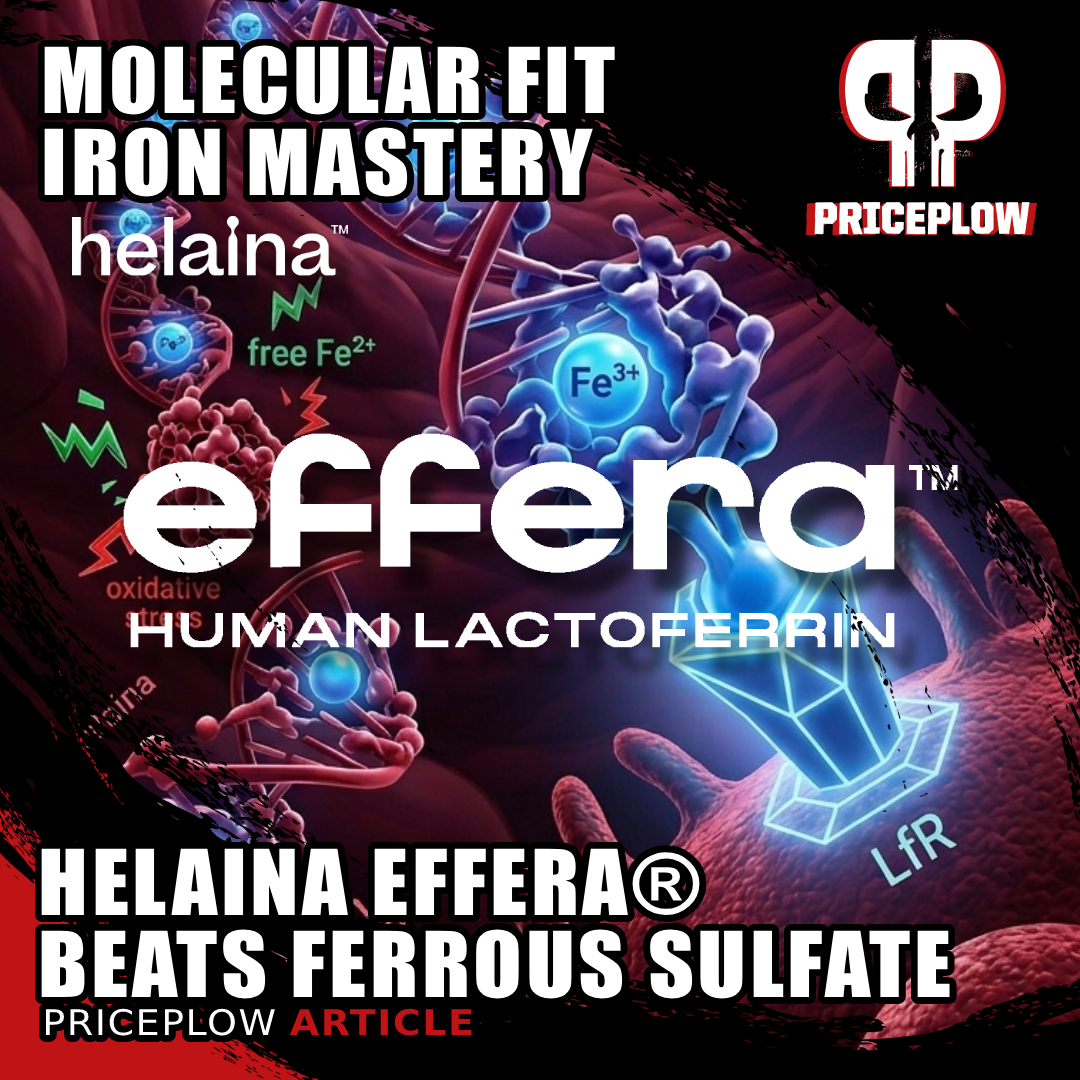
Why does lactoferrin beat ferrous sulfate despite absorbing less iron? The answer is structural. It binds Fe³⁺ safely, uses a dedicated gut receptor, and avoids the inflammation cascade that strands iron before it ever reaches your blood.
If you've followed our series on iron homeostasis and how lactoferrin supports immunity through iron regulation, you already know the central paradox: lactoferrin produces better iron outcomes than ferrous sulfate despite lower fractional iron absorption.[1] Serum iron, ferritin, and hemoglobin all improve more with lactoferrin. Less iron absorbed, better results. That would be impossible if iron supplementation were a simple arithmetic problem.
The Lactoferrin / Iron Fit
But the resolution isn't statistical, it's structural. Yet when you understand how lactoferrin physically handles iron at three key levels, the paradox clears up. These three levels are:
- The molecular level
- The receptor level
- The systems level
Lactoferrin doesn't just deliver iron. It delivers iron in a form, through a pathway, and without the collateral chemistry that defeats ferrous sulfate at the finish line.
This article explains the mechanical side of lactoferrin's workings with iron, why it's so critical to supplement for consumers of all ages, and how Helaina's effera® human bioequivalent lactoferrin leads the industry.
Before diving in, sign up for our Helaina news alerts, then let's get onto the main problem and how lactoferrin can solve it.
Subscribe to PricePlow's Newsletter and Alerts on These Topics

The Problem with Free Iron
Standard iron supplements deliver Fe²⁺ (ferrous iron), typically as ferrous sulfate or ferrous bisglycinate. The rationale is sound: Fe²⁺ is the form that enters intestinal cells through divalent metal transporter 1 (DMT1), the gut's primary iron uptake channel.[2] Optimize that route and you maximize absorption. Simple, right?
More iron won't fix deficiency when inflammation blocks absorption. Lactoferrin supports iron homeostasis by reducing inflammation and restoring balance.
The problem is what happens to iron that doesn't cross the enterocyte immediately. Free Fe²⁺ is chemically reactive. In the gut lumen, it reacts with oxygen and hydrogen peroxide through Fenton chemistry, generating reactive oxygen species (ROS) that damage the intestinal lining and trigger local inflammation. That's why so many people taking iron supplements experience nausea, cramping, and constipation.[1]
That inflammation doesn't stay local, either. It activates interleukin-6 (IL-6), which drives the liver to produce hepcidin, the body's iron-restriction hormone.[3] Hepcidin then binds to ferroportin on enterocytes and macrophages, triggering its internalization and blocking iron export into the bloodstream.[4] Iron absorbed at the gut wall gets stranded and can't reach circulation. The supplement thereby creates the restriction response it was meant to overcome! Compounding this, the human body has no efficient active mechanism to excrete excess iron, so what gets in, stays in. This means overshooting with reactive iron supplements carries real costs beyond the immediate GI discomfort.
Lactoferrin avoids this chain of events at every step. Here's why.
-
Level 1: Molecular Fit
Lactoferrin belongs to the transferrin superfamily of proteins, which evolved specifically to handle iron.[5] The protein folds into two symmetrical lobes, called the N-lobe and C-lobe, and each lobe contains one iron-binding cleft. That cleft closes around a single Fe³⁺ (ferric iron) ion together with a carbonate co-anion (CO₃²⁻), physically encasing the metal inside the protein's structure.[5]

Iron and immunity aren't separate systems -- they share the same signals. Lactoferrin sits at that intersection, and effera® delivers it in the human-identical form your body actually recognizes.
The distinction between Fe³⁺ and Fe²⁺ matters more than it might seem. Ferric iron is not redox-active under physiological conditions, meaning it doesn't participate in Fenton chemistry. Lactoferrin encases iron in a form that physically can't generate free radicals, which is why gut side effects are dramatically lower with lactoferrin compared to ferrous sulfate.[1]
The binding is also stable across a wide pH range, roughly pH 2.0 to pH 8.0, which means lactoferrin arrives at the intestine with its iron payload still secured rather than released into the gut lumen.[5] Ultimately, together, they survive your stomach, which is a drastic improvement from ferrous sulfate alone, which has no such structure protecting it.
-
Level 2: Receptor Fit (The Lock and Key)
The structural story gets more interesting at the intestinal wall. The brush border membranes of your small intestine carry dedicated lactoferrin receptors that create a specific, regulated uptake pathway for lactoferrin. These receptors are prominently known as ITLN1 (short for intelectin-1) but also called the lactoferrin receptor or LfR.[5] This receptor-mediated pathway doesn't exist for inorganic iron salts. Ferrous sulfate enters through DMT1 whether the body wants more iron or not. But the lactoferrin receptor is context-sensitive by design.
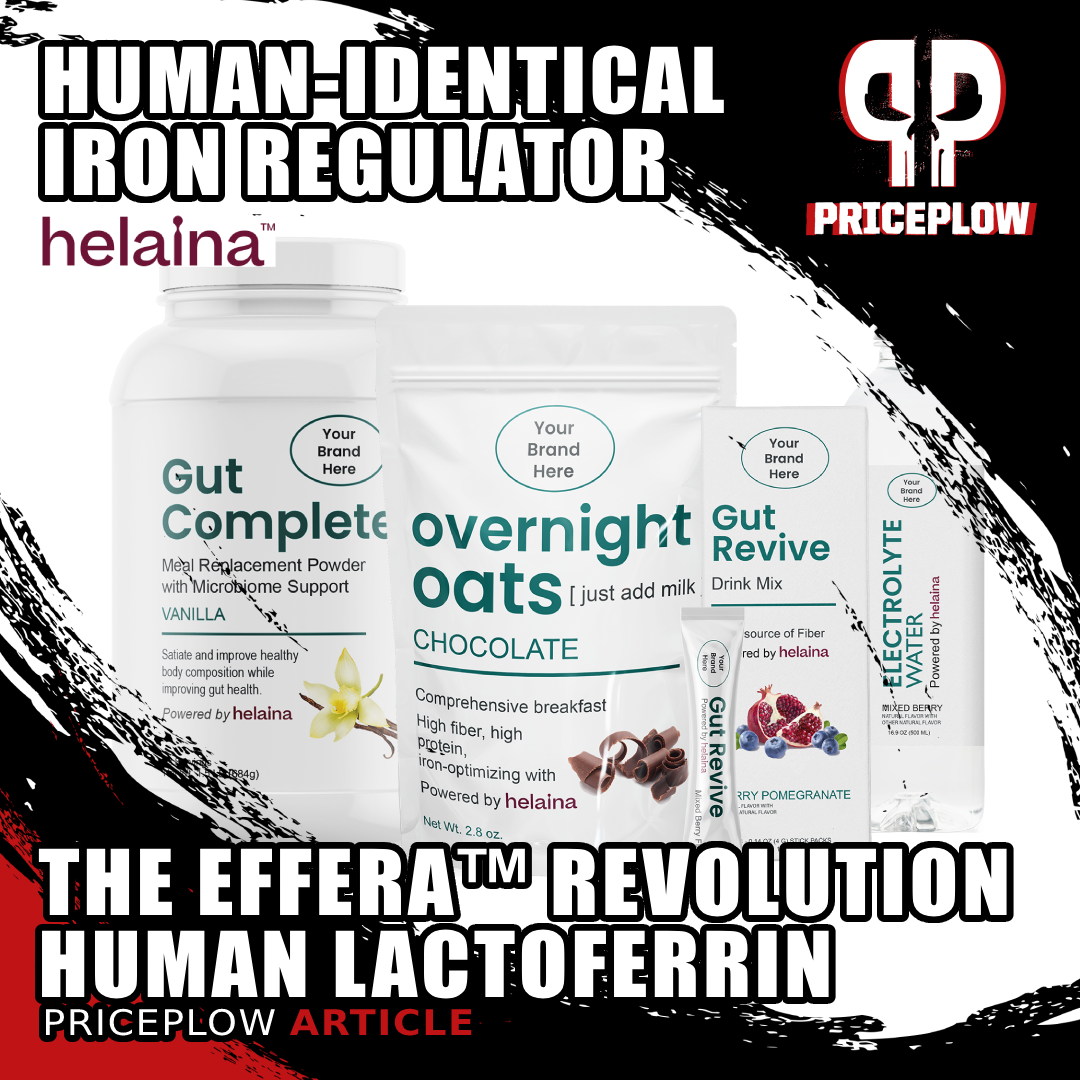
Helaina's effera™ is revolutionizing supplements with the first human-equivalent lactoferrin. Research shows better bioavailability and reduced immune response compared to bovine sources.
When lactoferrin binds ITLN1, the cell internalizes the entire complex through receptor-mediated endocytosis, pulling the iron-loaded protein package inside, rather than just the mineral. The cell controls this process. It can regulate uptake based on actual iron status in a way that passive DMT1 transport can't.
Lönnerdal and Bryant confirmed this pathway is functionally efficient in humans: iron absorption from recombinant human lactoferrin was statistically equivalent to ferrous sulfate in young women, achieving comparable bioavailability at roughly comparable doses through an entirely different uptake mechanism.[6]
But the most revealing data point comes from apo-lactoferrin, which is the iron-free form of lactoferrin. In a stable isotope absorption study in Kenyan infants, apo-lactoferrin (carrying no iron of its own) increased iron absorption by 56% compared to ferrous sulfate when added to a test meal containing FeSO₄.[7] A protein carrying no iron improved iron absorption by more than half! That means we have a receptor and signaling story and not just a raw delivery story. The presence of lactoferrin at the brush border appears to potentiate the uptake machinery for iron from whatever source is available.
-
Level 3: Systems Fit
The first two levels explain how lactoferrin gets iron in without collateral damage. The third explains why that iron stays available systemically.
effera™ human-identical lactoferrin demonstrates no alloimmune response in groundbreaking clinical trial, while bovine lactoferrin triggered antibody responses in over 50% of participants. First study to definitively answer the alloimmunization question for precision-fermented proteins.
Recall the ferrous sulfate cascade: oxidative stress → IL-6 elevation → hepcidin production → ferroportin internalization → iron stranded in enterocytes and macrophages. Lactoferrin interrupts this sequence at the very beginning by not generating oxidative stress or gut inflammation in the first place.
The Zhao 2022 meta-analysis quantified the downstream effect directly: lactoferrin supplementation reduced IL-6 levels by an average of 45.59 pg/mL compared to ferrous sulfate across the included trials.[1] Lower IL-6 means lower hepcidin. Lower hepcidin means ferroportin stays active on enterocytes and macrophages. Iron that gets absorbed actually gets exported into circulation, where it's available for erythropoiesis (red blood cell production) and systemic iron-dependent processes.
This is what explains the paradox: Lactoferrin doesn't need to absorb more iron than ferrous sulfate, it just needs to absorb iron without triggering the restriction response that makes that iron inaccessible. The fractional absorption advantage of ferrous sulfate is real but incomplete. Getting iron across the gut wall is only step one. Getting it into circulation is what matters, and that's where lactoferrin's systems-level fit wins.
Why Human-Equivalent Lactoferrin Matters
If the molecular and receptor advantages explain lactoferrin's general edge over ferrous sulfate, the amino acid sequence explains why effera® human lactoferrin may carry those advantages even further.
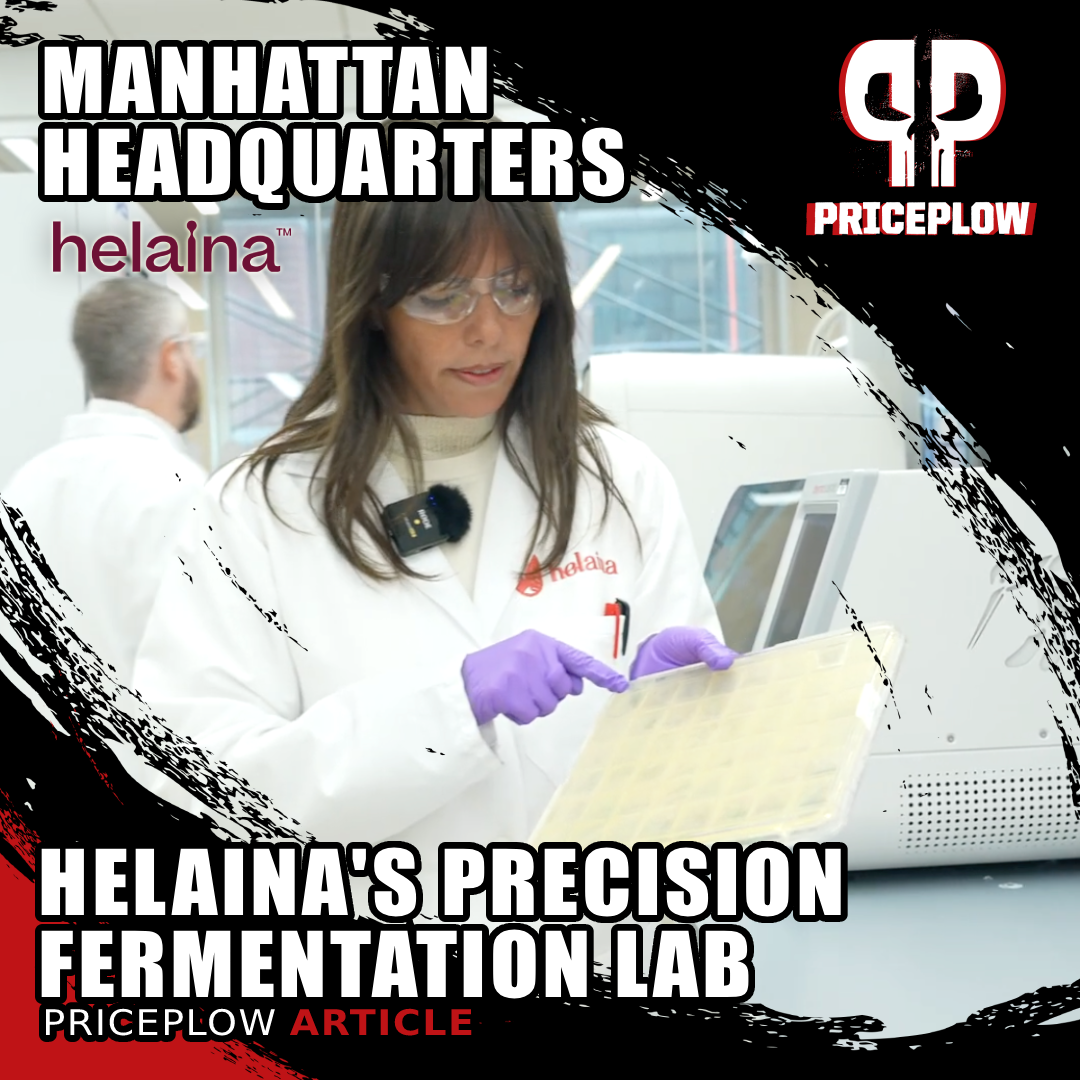
We went behind the scenes at Helaina's Manhattan lab to see how they make human-identical effera™ lactoferrin through precision fermentation.
Bovine and human lactoferrin share approximately 69% amino acid sequence identity.[5] That 31% divergence affects protein folding, glycosylation patterns (the sugar chains attached to the protein backbone), and receptor geometry. Your intestinal ITLN1 receptor evolved alongside human lactoferrin, after all. Bovine lactoferrin partially fits... but not exactly. effera's human-identical sequence, produced through precision fermentation, is built to the same specification your receptors already use. To top it off, effera® doesn't lead to an immune response like bovine does.[8]
The glycosylation differences are worth noting too. Human and bovine lactoferrin carry distinct glycan structures, which influence not just receptor binding affinity but also digestive stability, immune recognition, and downstream biological activity. These aren't cosmetic differences, and were a topic of discussion in our podcast with Dan DeMarino & Anthony Clark in Episode #180. In a mechanism that depends on a structural fit between protein and receptor, sequence and glycosylation matter.
The Three Levels, Led by effera® Lactoferrin
Ferrous sulfate is optimized around the mineral. It maximizes iron content and short-term gut absorption... but ignores everything that happens after.
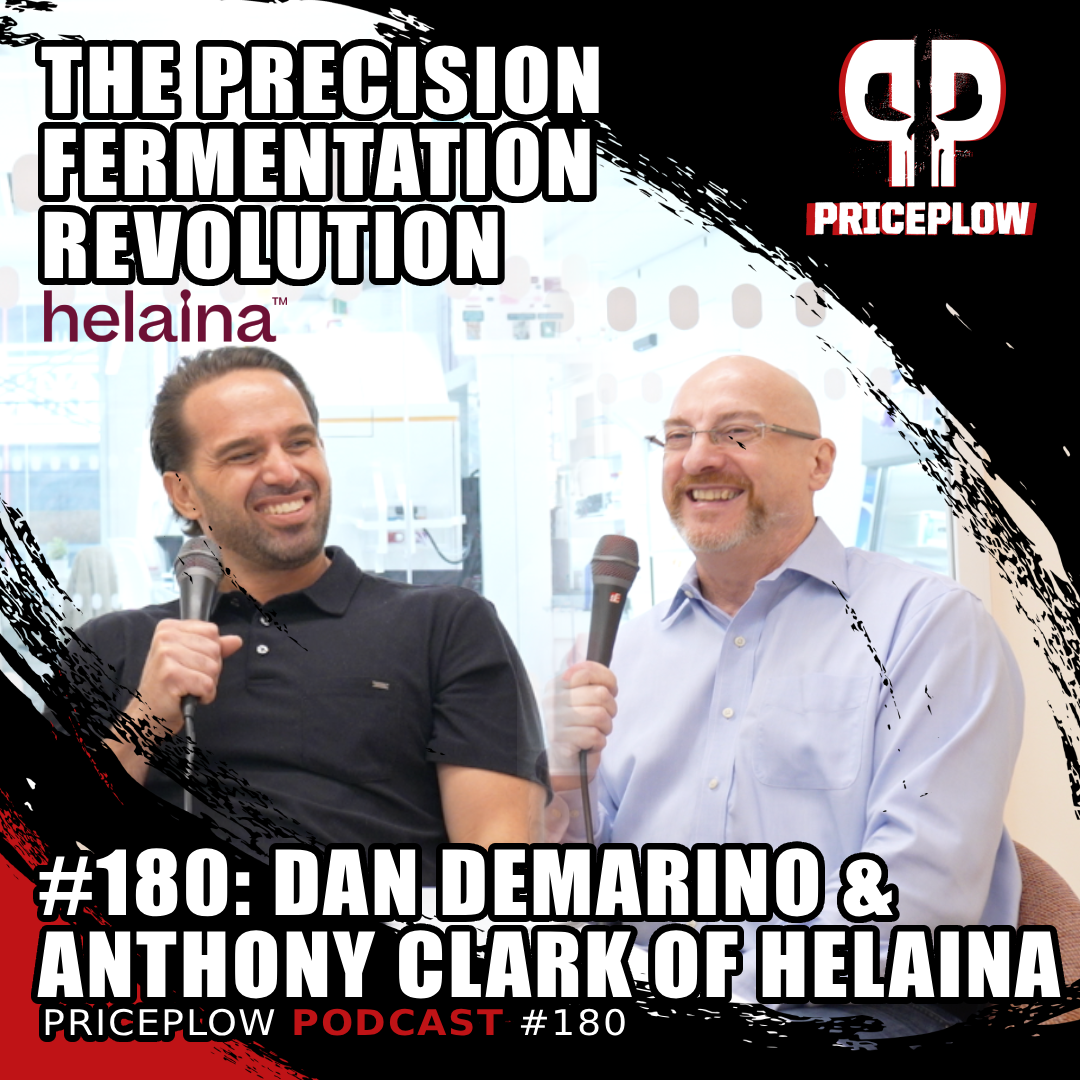
Dan DeMarino and Anthony Clark from Helaina dive deep into precision fermentation technology and effera™ human-equivalent lactoferrin, revealing how 5-week development cycles and machine learning models are revolutionizing bioactive protein production on Episode #180 of the PricePlow Podcast.
Lactoferrin is optimized around biology. Its Fe³⁺ form won't generate free radicals. The dedicated ITLN1 receptor provides a regulated, controlled entry pathway. The absence of oxidative stress preserves the systemic environment that allows absorbed iron to reach circulation. Each level of the mechanism fits because lactoferrin isn't an iron salt dressed up as a supplement. It's the protein your body's iron management system already has receptors for -- an "air traffic controller", as Helaina's Anthony Clark put it.
effera® brings that to supplement form in the human sequence those receptors recognize best, as detailed in the landmark lactoferrin trial where effera® demonstrated no alloimmune response.[8] Earlier in this series, we covered the iron homeostasis paradox and the immunity-inflammation-iron connection. This is the structural explanation for why both of those patterns hold.
The iron paradox isn't an unforeseen anomaly. It's the predictable result of biology working as designed when given the right molecule. That molecule happens to be lactoferrin, but it fits a whole lot better when using the human equivalent form, not one designed for cows.
Stay up to date on new effera® research and products featuring human lactoferrin: