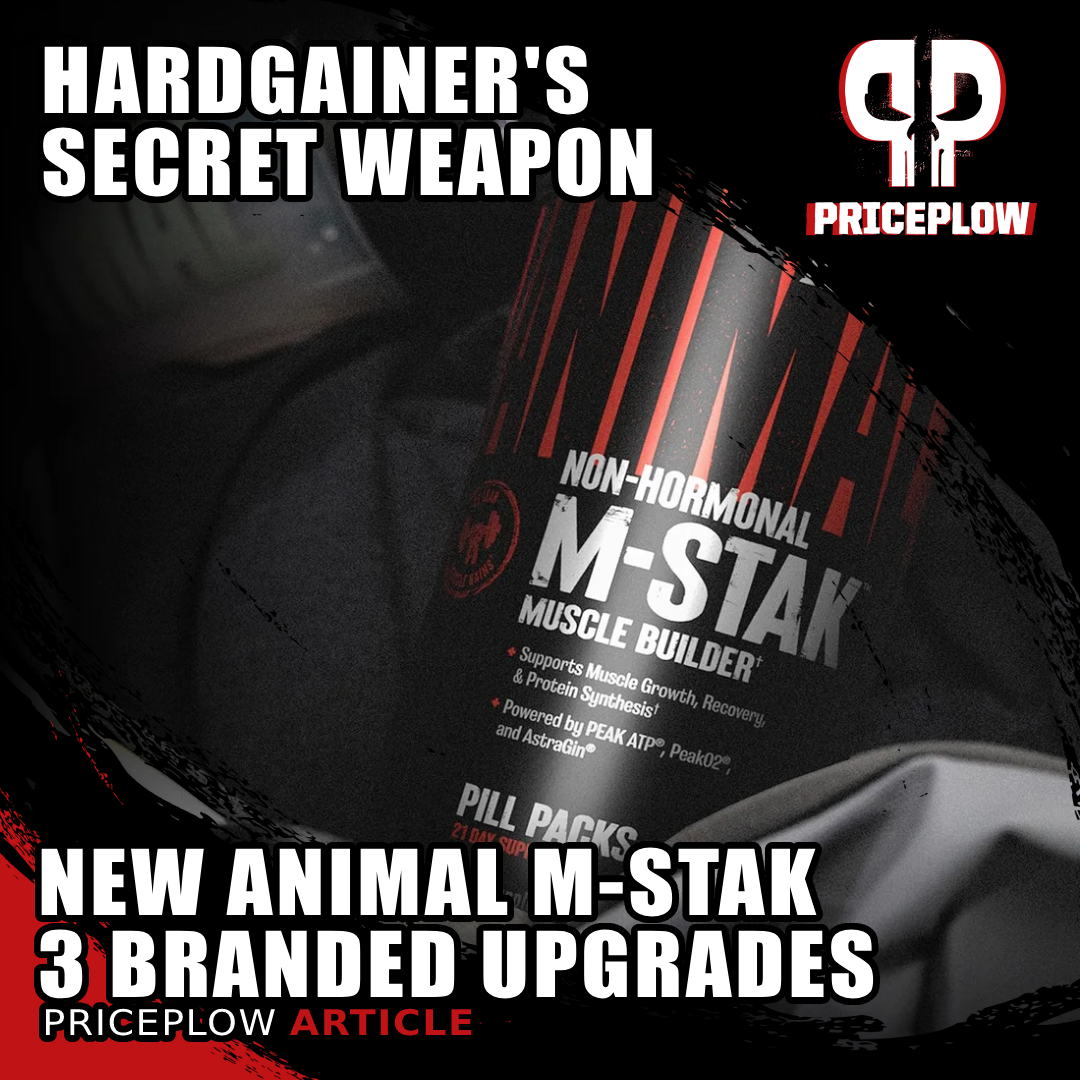
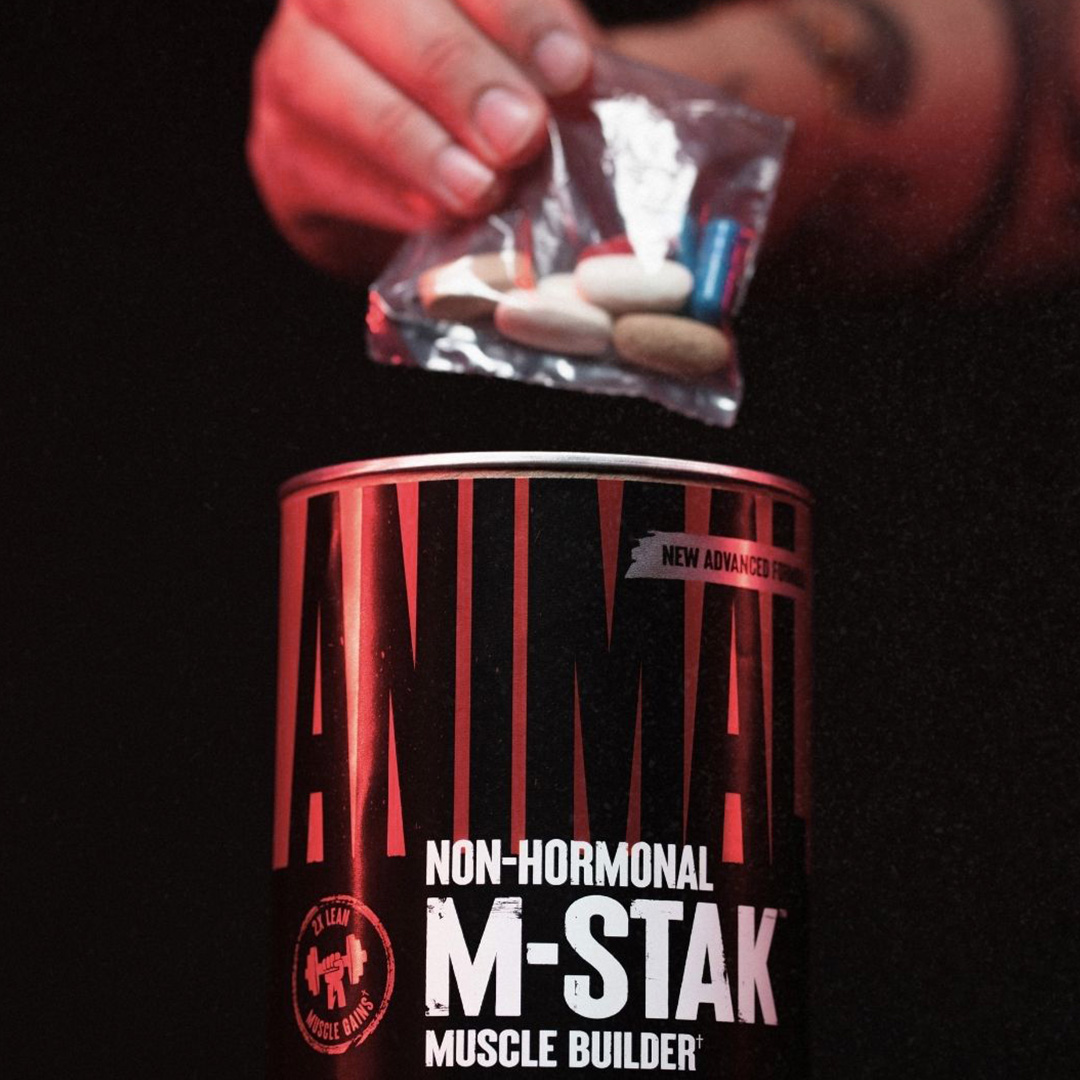
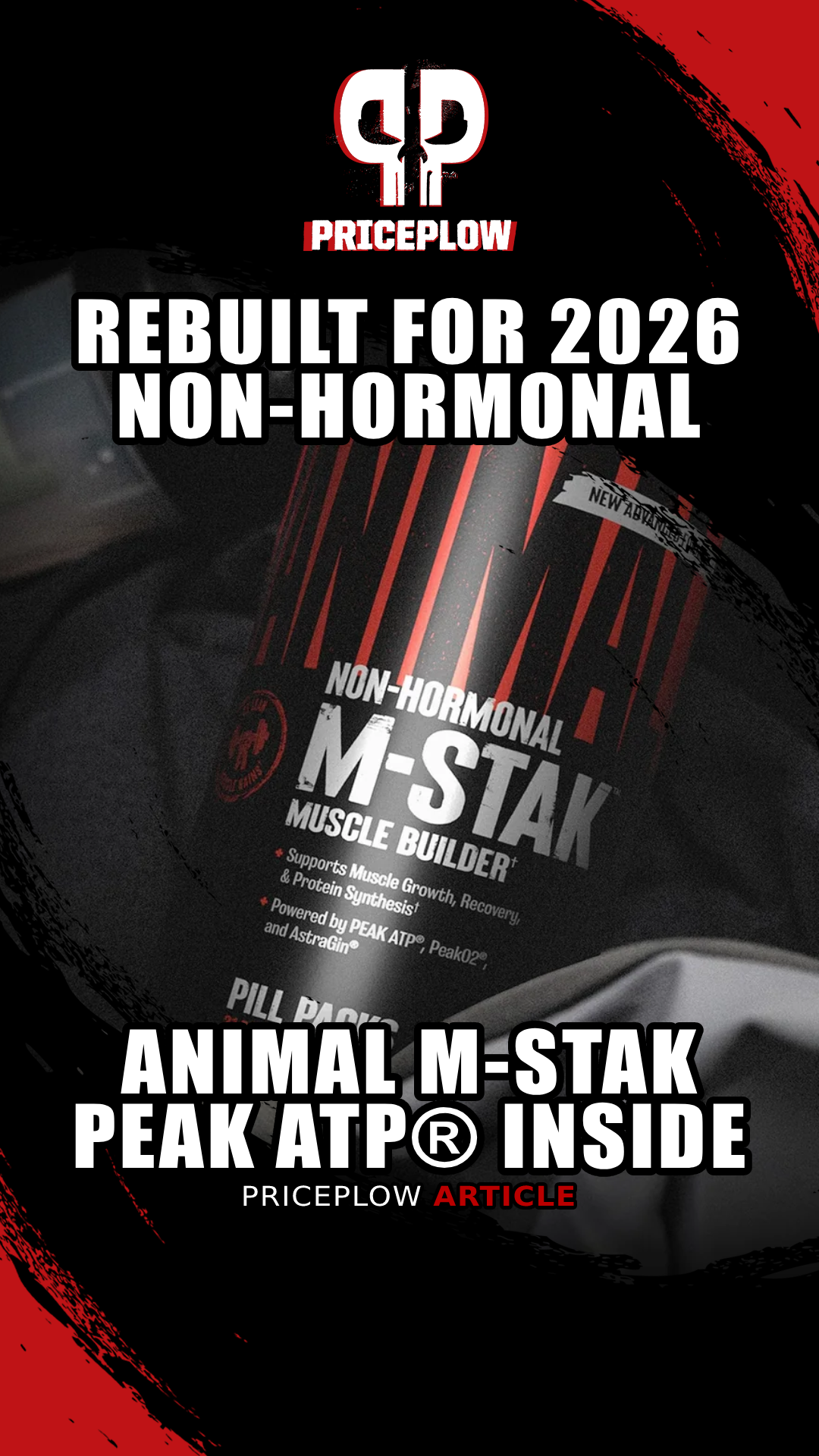
Animal M-Stak is rebuilt for 2026 with a clinical 400mg dose of PEAK ATP®, plus PeakO2® and AstraGin®. The non-hormonal muscle builder just got a serious upgrade in research backing.
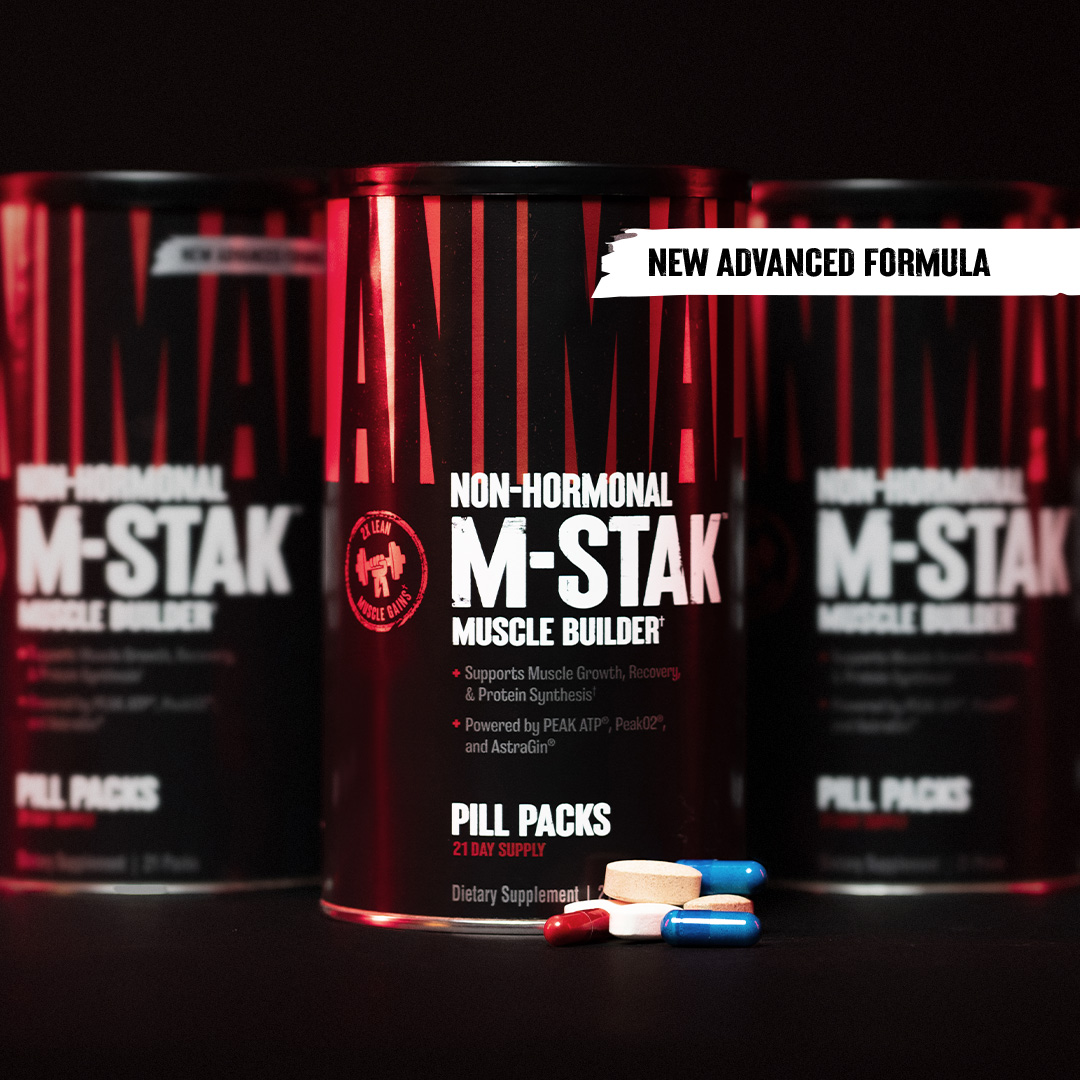
Animal's classic non-hormonal muscle builder is back with a serious upgrade. Animal M-Stak has been rebuilt for 2026, replacing several older botanicals with three of the most research-backed branded ingredients available: PEAK ATP® from TSI Group, AstraGin®, and PeakO2®. It's the same pill pack format Animal athletes know, but with a formula that hits harder on the clinical side.
M-Stak has always occupied its own lane in Animal's lineup. Where Animal Test takes a hormonal approach to performance support, M-Stak is built for lifters who want anabolic and anti-catabolic support without touching the hormonal axis. It's a pillar of Animal's full pill pack arsenal, and this reformulation brings it squarely in line with where the ingredient science is now.
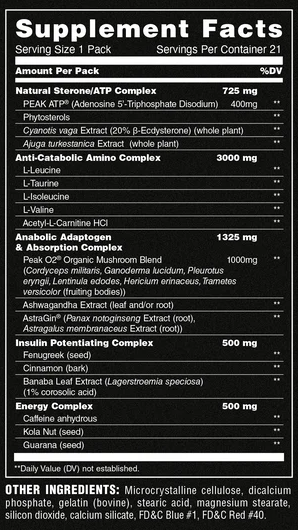
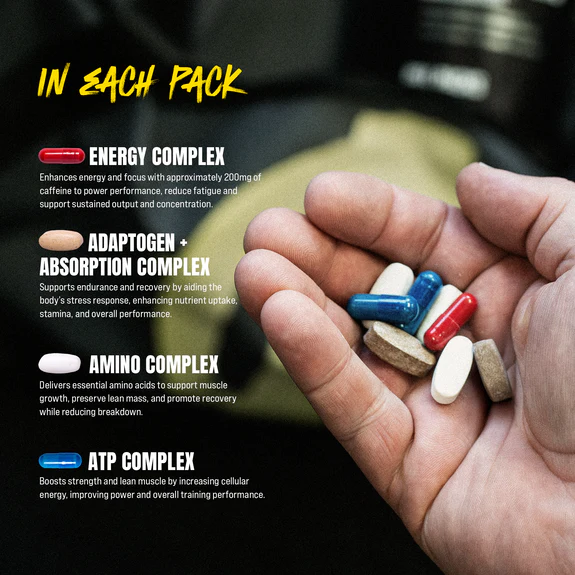
The new formula is organized across five functional complexes. A 725mg Natural Sterone/ATP Complex leads with 400mg PEAK ATP® alongside ecdysteroids. A 3000mg Anti-Catabolic Amino Complex covers leucine-led BCAA and carnitine support. A 1325mg Anabolic Adaptogen and Absorption Complex pairs 1000mg PeakO2® with ashwagandha and AstraGin®. A 500mg Insulin Potentiating Complex targets carbohydrate metabolism and nutrient efficiency.
Finally, there's a 500mg Energy Complex delivers approximately 200mg of caffeine to power your training session, but you don't have to take that pill if it's late at night - save it for the morning!
You cycle it three weeks on, one week off. Check PricePlow for current pricing and to set up an alert for Animal deals, they've always got great stuff going on:
Universal Animal M-Stak – Deals and Price Drop Alerts
Get Price Alerts
No spam, no scams.
Disclosure: PricePlow relies on pricing from stores with which we have a business relationship. We work hard to keep pricing current, but you may find a better offer.
Posts are sponsored in part by the retailers and/or brands listed on this page.
This area is reserved for Team PricePlow's upcoming videos.
Subscribe to our channel and sign up for notifications so you catch it when it goes live!

Animal M-Stak Ingredients
Each pack of Animal M-Stak delivers the following:
-
Natural Sterone/ATP Complex -- 725mg
Here's where the key non-hormonal potency happens, right up front with a lot of clinical backing:
-
PEAK ATP® (Adenosine 5'-Triphosphate Disodium) -- 400mg
PEAK ATP® is TSI Group's patented form of adenosine 5'-triphosphate (ATP), the same molecule your cells use as their primary energy currency. What makes oral ATP supplementation interesting isn't that it directly floods your muscles with fuel, it's that extracellular ATP binds to P2Y2 receptors in blood vessel walls, triggering vasodilation and increased blood flow to working muscle.[1] More blood flow means more substrate delivery and faster removal of metabolic waste, which matters when you're grinding through your later sets.
This is also why we recommend taking M-Stak pre-workout (especially since there's a caffeine-based energy pill) if you can.
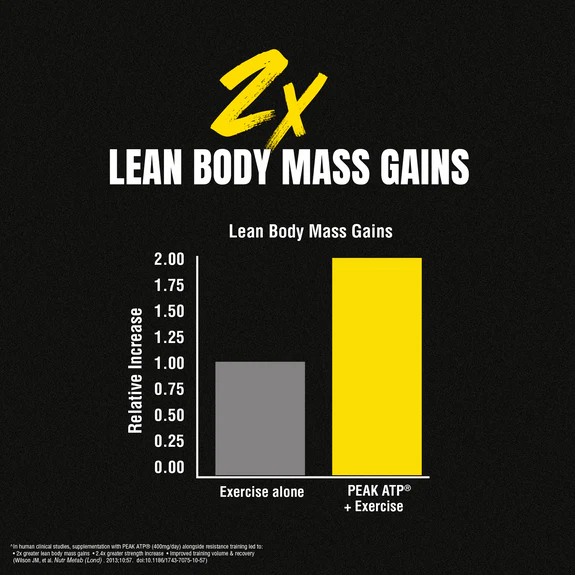
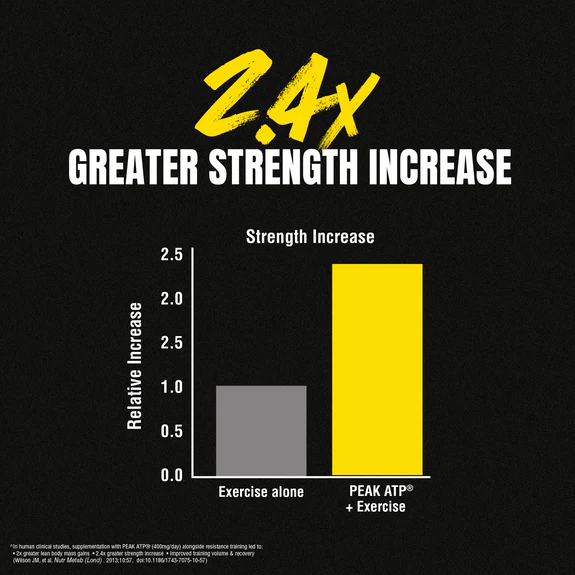
The performance data at the 400mg dose is consistent across multiple trials. A 12-week, periodized resistance training study found that supplementing with 400mg daily produced 2.4x greater total strength gains (+55.3kg ATP vs. +22.4kg placebo) and roughly twice the muscle thickness increase compared to training alone.[2]
In repeated sprint testing, ATP supplementation prevented the post-exercise drop in ATP, ADP, and AMP levels while improving peak power output in later bouts by over 18%.[3] Even a single 400mg dose has shown meaningful effects, with one trial reporting a 24% increase in total weight lifted during lower-body training.[4]
At 400mg here, Animal is matching exactly the dose validated across these trials. Sitting alongside the ecdysteroids in this complex, PEAK ATP® covers the vascular and intra-workout fatigue angle while the phytosteroids target mTOR-adjacent anabolic signaling pathways, making for a reasonable pairing for a non-hormonal muscle-builder.
-
Phytosterols

Phytosterols are fat-soluble plant compounds with a tetracyclic structure nearly identical to cholesterol, differing only in their C-17 side chains. Back in the day, the three phytosterol components found in Universal Nutrition's product named Natural Sterol Complex were beta-sitosterol, stigmasterol, and campesterol, which are the most abundant dietary phytosterols and the most studied for biological activity.[5] So we're going to assume we likely have these three, but possibly a bit more.
For a non-hormonal muscle-builder, the most relevant mechanism is their anti-inflammatory action. Beta-sitosterol, campesterol, and stigmasterol all suppress pro-inflammatory signaling through the NF-κB and MAPK pathways, reducing downstream output of TNF-α, COX-2, and iNOS.[5] In a sports context, a mixture of beta-sitosterol and its glucoside blunted post-marathon immune suppression and reduced exercise-induced inflammation in runners.[6] That immune-modulating angle (supporting normal recovery between hard training sessions) is where phytosterols fit into this complex alongside the ecdysteroids.
Animal doesn't disclose the phytosterol dose here, though, so we can't be 100% sure about which components could be doing the heavy lifting here.
-
Cyanotis vaga Extract (20% β-Ecdysterone) (whole plant)
Beta-ecdysterone is a phytoecdysteroid, which is a plant-derived steroid analog structurally similar to insect molting hormones but without androgenic activity in mammals. It's concentrated in plants like spinach and Cyanotis vaga, and has drawn serious scientific attention for its anabolic potential through a distinctly non-hormonal pathway.[7]
The working mechanism centers on estrogen receptor beta (ERβ). In vitro and animal research from Parr et al. showed that ecdysterone promotes muscle fiber hypertrophy via ERβ activation while having no affinity for androgen receptors, meaning the anabolic signal travels through a separate channel from testosterone.[8] Downstream, ecdysteroids trigger a Ca²⁺ flux that activates Akt, driving PI3K-mediated protein synthesis in muscle cells.[9]
In a 10-week placebo-controlled human trial (Isenmann et al., 2019), resistance-trained subjects supplementing with ecdysterone gained over 2kg of lean mass on average, compared to a slight decrease in the placebo group. Both ecdysterone groups also added more than 8kg to their 1-RM bench press versus roughly 3kg in placebo. Testosterone, LH, and estradiol were unaffected, confirming the non-hormonal profile.[10]
In Animal M-Stak, beta-ecdysterone pairs logically with PEAK ATP®: one supports vascular delivery and intra-set output, the other targets mTOR-adjacent anabolic signaling at the cellular level.
-
Ajuga turkestanica Extract (whole plant)
Ajuga turkestanica is a perennial plant native to the mountainous regions of Central Asia and the primary commercial source of turkesterone.[11] The two dominant ecdysteroids in the plant are turkesterone and 20-hydroxyecdysone (beta-ecdysterone, discussed above!), each making up roughly 0.2 to 0.4% of dry aerial weight, although concentrated extracts can reach much higher levels.[12]
Wildly, rat studies found turkesterone's anabolic activity comparable to methandrostenolone (nerobol) at half the dose, with no androgenic effects on reproductive tissue.[13][14] In aged mice, A. turkestanica extract activated Notch and Wnt signaling pathways in skeletal muscle, which are two regenerative pathways tied to satellite cell recruitment and muscle maintenance.[11]
Because Animal lists this as an unstandardized whole-plant extract, we don't know the ratio of turkesterone to beta-ecdysterone. In practice, most commercial A. turkestanica extracts deliver more beta-ecdysterone than turkesterone, which means this ingredient likely adds meaningfully to the Cyanotis vaga already in the complex, so no matter what we're getting in here, it's likely anabolic.
-
-
Anti-Catabolic Amino Complex -- 3000mg
Here, we'll have the three BCAAs, but also some taurine and carnitine:
-
L-Leucine
L-Leucine is the most anabolically active of the three BCAAs and the primary upstream activator of mTORC1. Anthony et al. demonstrated that leucine uniquely stimulates skeletal muscle protein synthesis via a rapamycin-sensitive pathway.[15] Moberg et al. confirmed that while leucine triggers this cascade, the presence of isoleucine and valine potentiates mTORC1 activity further -- a key reason for pairing all three BCAAs together.[16] A small amount of leucine also catabolizes within muscle to HMB (β-hydroxy-β-methylbutyrate), a metabolite that Wilkinson et al. found independently stimulates MPS and attenuates muscle protein breakdown.[17] This is why we suggest Animal Creatine HMB+ in the stack suggestions written below, as more HMB is additionally useful. Churchward-Venne et al. showed that a high leucine dose (5g total) in a low-protein beverage can produce anabolic responses comparable to 25g whey, pointing to its outsized role in signaling relative to mass.[18] Point being, leucine anchors this complex's anabolic signaling with isoleucine and valine extending the mTORC1 response.
-
L-Taurine
L-taurine is a conditionally essential sulfonic acid that concentrates to some of the highest levels found anywhere in skeletal muscle tissue.[19] In this complex, it earns its anti-catabolic role through several complementary mechanisms. As an osmolyte, taurine regulates cell volume and supports muscle hydration under training stress.[20] It also modulates calcium handling at the sarcoplasmic reticulum, directly supporting force output and helping protect contractile function during high-fatigue efforts.[21] Mitochondrial taurine conjugates stabilize electron transport chain complexes, helping maintain cellular energy production as training intensity climbs.[22] Taurine also attenuates exercise-induced oxidative stress, supporting recovery between sessions.[23] Paired with leucine and the BCAAs, it covers cellular protection and contractile function angles the amino acids alone don't address, and may support endurance as well when dosed high enough.[24]
-
L-Isoleucine
L-Isoleucine contributes to anabolic signaling through mechanisms that complement leucine rather than duplicate them. Moberg et al. noted that isoleucine independently enhances S6K1 and 4E-BP1 phosphorylation in skeletal muscle.[16] The same study documented a critical substrate problem: leucine supplementation alone depleted muscle isoleucine concentrations by 55% during recovery -- a deficit that likely limits protein synthesis even when mTORC1 is fully activated.[16] Beyond signaling, BCAAs including isoleucine support glucose uptake in skeletal muscle, contributing to post-exercise nutrient partitioning.[25] In this complex, isoleucine's presence addresses both the signaling gap and the substrate depletion that leucine alone creates.
-
L-Valine

L-Valine, the third BCAA, contributes to this complex primarily through synergy and substrate roles rather than direct mTORC1 activation. Moberg et al. found that leucine supplementation alone depleted muscle valine by 42% during recovery, a substrate gap that likely narrows the protein synthesis window even with active anabolic signaling.[16] Beyond substrate, all three BCAAs compete with aromatic amino acids, including tryptophan, for the same brain transporter. During intense training, BCAA depletion can increase tryptophan uptake by the brain, raising serotonin and contributing to central fatigue, but maintaining BCAA levels may help counter that shift.[25] In this complex, valine's role is as much about preserving what leucine depletes as about independent anabolic contribution.
-
Acetyl-L-Carnitine HCl
Acetyl-L-Carnitine (ALCAR) is the acetylated form of L-carnitine and the carnitine variant most suited for brain support. Unlike L-carnitine, ALCAR crosses the blood-brain barrier and cleaves into L-carnitine and acetyl-CoA in the mitochondrial matrix. That acetyl-CoA enters the TCA cycle for energy and supplies substrate for acetylcholine synthesis, supporting the cholinergic pathways associated with mental clarity and focus.[26]
In a 180-day RCT in elderly subjects with fatigue, ALCAR at 2g twice daily produced significant reductions in physical fatigue (7 points), mental fatigue (3.3 points), and fatigue severity (22.5 points) versus placebo, with MMSE scores improving +3.4 vs. +0.5 in placebo.[27] Studies have generally used 1.5-4g/day; M-Stak's dose at the bottom of a 3000mg amino blend runs below those levels, making this a supporting player rather than a primary cognitive driver in the formula.
-
-
Anabolic Adaptogen & Absorption Complex -- 1325mg
-
Peak O2® Organic Mushroom Blend -- 1000mg
(Cordyceps militaris, Ganoderma lucidum, Pleurotus eryngii, Lentinula edodes, Hericium erinaceus, Trametes versicolor fruiting bodies)
PeakO2® is a six-mushroom adaptogenic blend built around Cordyceps militaris as the primary performance driver. The leading bioactive is cordycepin (3'-deoxyadenosine), a nucleoside analogue that structurally resembles adenosine and is thought to influence ATP synthesis and oxygen utilization in muscle tissue.[28][29] The proposed mechanisms include enhanced blood flow, improved oxygen uptake, and better lactate clearance, which are all relevant to sustaining output under load.
The first human research on PeakO2 specifically uses a 4g daily dose, which is above what's present here. In a randomized, double-blind, placebo-controlled trial, three weeks at 4g/day produced a +4.8 ml·kg⁻¹·min⁻¹ improvement in VO₂max and an additional 69.8 seconds of time to exhaustion compared to placebo.[30] However, additional research showed that taking this dose of 1000mg per day works in decreasing fatigue, it just takes a bit longer to get there.[31] But after 28 days, the study showed efficacy from that dose.
Within the M-Stak context, PeakO2® targets a different axis than PEAK ATP®. Where PEAK ATP® works through extracellular P2Y2 receptor activation to drive vasodilation, PeakO2® may support aerobic capacity and oxygen kinetics over time. The two ingredients address complementary aspects of training performance rather than duplicating each other.
-
Ashwagandha Extract (leaf and/or root)
Ashwagandha (Withania somnifera) is an Ayurvedic adaptogen with a solid base of human trial data supporting muscle strength and healthy testosterone levels. Its active withanolides modulate the HPA axis, consistently lowering cortisol in stressed and active populations. Since chronically elevated cortisol can suppress testosterone production, this stress-buffering effect creates a more anabolic hormonal environment for training.
An 8-week RCT in resistance-trained men using 600mg daily found significantly greater bench press strength gains (+46.0kg vs. +26.4kg in placebo), larger muscle size increases in the arms and chest, and a 96.2 ng/dL rise in testosterone versus 18.0 ng/dL in placebo.[32] A 2021 systematic review and Bayesian meta-analysis further confirmed ashwagandha's physical performance benefits across multiple studied populations.[33]
Animal doesn't disclose the dose here, so potency will depend on extract standardization. The AstraGin® sharing this complex may support absorption of co-administered compounds.
-
AstraGin® (Panax notoginseng Extract (root), Astragalus membranaceus Extract (root))
AstraGin® is NuLiv Science's patented extract combining Astragalus membranaceus and Panax notoginseng, standardized to specific astragalosides and ginsenosides. Its mechanism involves mTOR-mediated upregulation of intestinal nutrient transporters (including CAT1 for amino acids) and improved tight junction integrity in the gut epithelium.[34] The typical product use runs 25mg to 50mg per serving, but 50mg is the studied dose.
In a 2023 randomized crossover trial, AstraGin increased arginine absorption by 17.3%.[35] A 2026 placebo-controlled crossover trial pairing AstraGin with whey protein over four weeks found significant increases in valine absorption (+14.07%) and leucine absorption (+8.34%), improved isoleucine absorption (+6.33%), and a 13.01% reduction in zonulin versus 0.9% for placebo, reflecting stronger gut barrier support.[34] Given M-Stak's heavy amino acid investment, AstraGin's role here is clear: helping those nutrients reach circulation in meaningful amounts.
-
-
Insulin Potentiating Complex - 500mg
This blend helps you get your carbohydrates where we want them to go -- into the muscles! This is done by supporting the action of insulin.
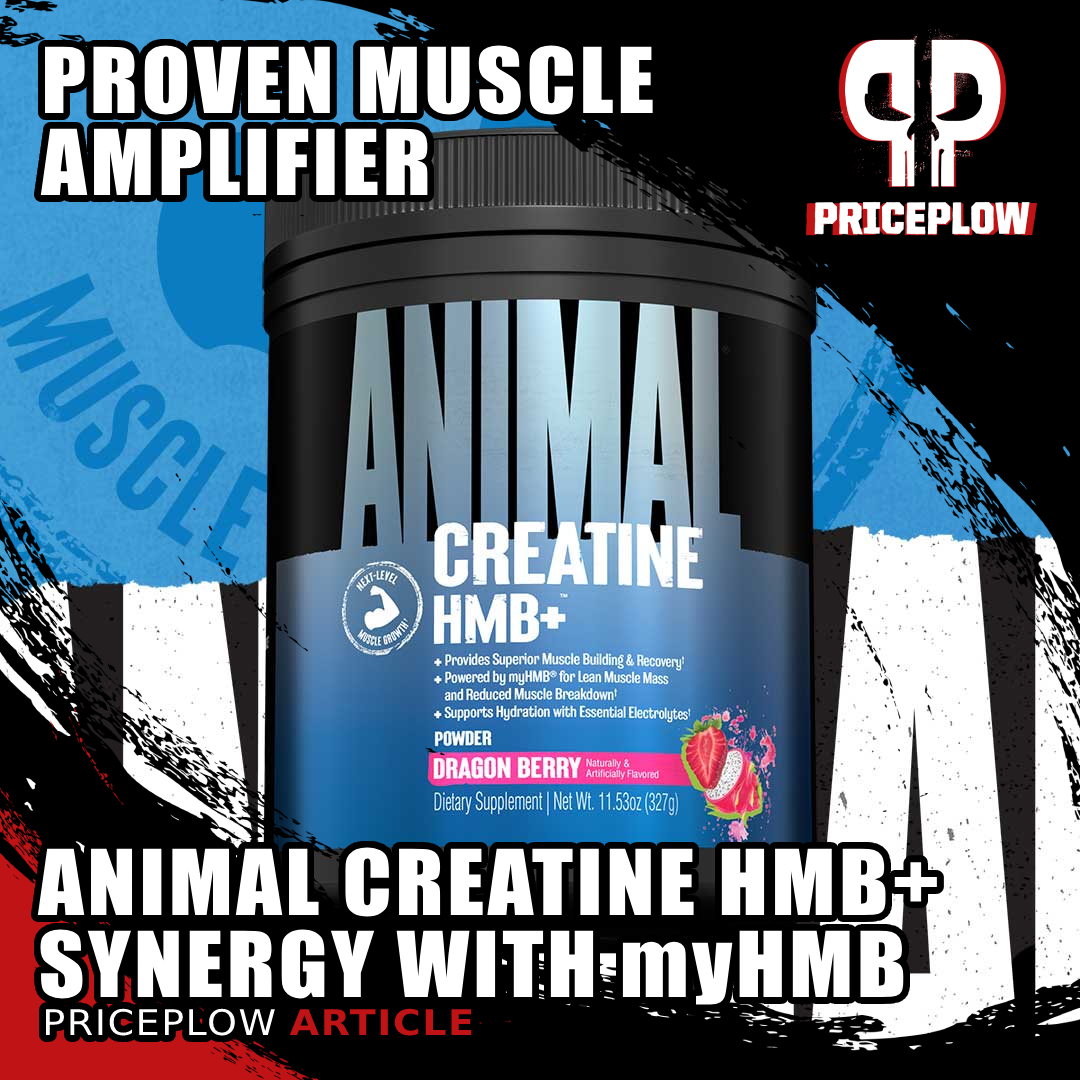
Animal Creatine HMB+ combines 5g creatine monohydrate with 3g myHMB for superior results. Research shows this duo delivers 67% more muscle growth and 38% more strength than creatine alone. Plus vitamin D3 and electrolytes for complete performance support.
-
Fenugreek (seed)
Fenugreek (Trigonella foenum-graecum) earns its place in the Insulin Potentiating Complex through a multi-pathway approach to healthy glucose management and nutrient partitioning. Its signature bioactive, 4-hydroxyisoleucine (4-OH-Ile), acts as an insulin secretagogue in pancreatic beta cells while also promoting GLUT-4 translocation in skeletal muscle, driving increased post-exercise glucose uptake.[36] The steroidal saponin diosgenin extends that effect by upregulating GLUT-4 expression via PPARγ activation, and soluble fiber galactomannan slows gastric emptying to blunt postprandial glucose spikes.[36]
A 2023 meta-analysis of ten RCTs found fenugreek supplementation significantly reduced fasting blood glucose by 26.66 mg/dL compared to placebo.[37] Animal doesn't disclose the seed dose here, but alongside cinnamon and banaba leaf in this complex, fenugreek targets the carbohydrate metabolism angle that matters most for hardgainers trying to convert calories into muscle rather than fat.
-
Cinnamon (bark)
Cinnamon bark extract is the workhorse of this complex's insulin-potentiating activity. Among 49 herb and spice extracts tested in an insulin-dependent glucose utilization assay, cinnamon ranked highest for bioactivity, and by a wide margin.[38] The active compounds are water-soluble type-A polyphenol polymers (procyanidin oligomers of catechin and epicatechin) shown to increase insulin-dependent glucose metabolism roughly 20-fold in vitro.[39]
Cinnamon extract supports healthy insulin signaling in skeletal muscle, promoting GLUT4-driven glucose uptake into muscle cells rather than letting it linger in circulation.[40] Extract standardization will determine how much of that potency carries through. Given M-Stak's nutrient-partitioning goals, cinnamon addresses the "getting carbs into muscle" side of the equation, while fenugreek and banaba leaf approach it through complementary channels.
-
Banaba Leaf Extract (Lagerstroemia speciosa) (1% corosolic acid)
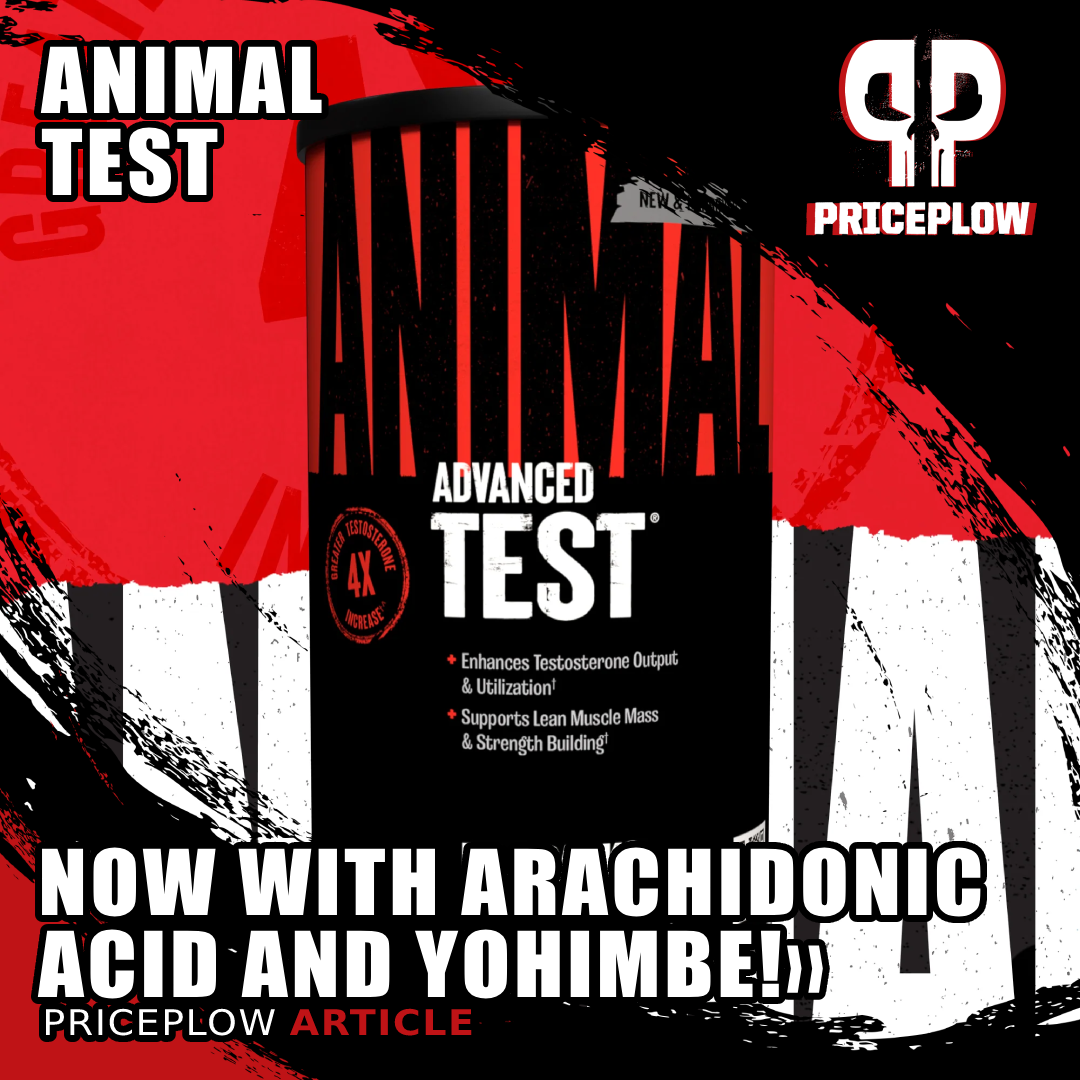
Animal Test is back and better with a new formula featuring arachidonic acid and yohimbe, enhancing performance, recovery, and vitality.
Banaba leaf extract is a traditional Southeast Asian botanical with a research record going back to 1940, standardized here to 1% corosolic acid, its primary active compound.[41] Corosolic acid supports healthy glucose metabolism through several complementary pathways: it promotes cellular glucose uptake, inhibits alpha-glucosidase activity, suppresses gluconeogenesis, and upregulates GLUT4 translocation in skeletal muscle.[42] Banaba's water-soluble ellagitannins (lagerstroemin, flosin B, reginin A) contribute additional insulin-like activity by stimulating glucose transport in fat cells.[41]
In a 12-week randomized, double-blind, placebo-controlled trial in subjects with metabolic syndrome, 500mg banaba extract twice daily produced significant reductions in fasting plasma glucose, triglycerides, VLDL, and insulin AUC, with no serious adverse events reported.[43] Within M-Stak's Insulin Potentiating Complex, banaba complements cinnamon and fenugreek with a distinct mechanistic angle, targeting PPAR signaling and disaccharide hydrolysis to support nutrient partitioning after training.
-
-
Energy Complex -- 500mg
Now comes the Energy Complex, but you don't have to take it if it's later at night! This is to help power you through a workout though, and can be taken at a different time if you want.
-
Caffeine Anhydrous (~200mg total caffeine across all sources)
Caffeine anhydrous is the most researched ergogenic aid in sports nutrition. At this point, you probably know what caffeine does for you, and how this dose will hit.
Its core mechanism: blocking adenosine receptors in the brain, reducing perceived fatigue while supporting neuromuscular activation.[44] That receptor blockade translates to real strength and power gains (when dosed high enough). A 2018 meta-analysis found caffeine intake significantly increased both in resistance-trained athletes.[45] On the cognitive side, it supports reaction time, vigilance, and focus under demanding training conditions.[46]
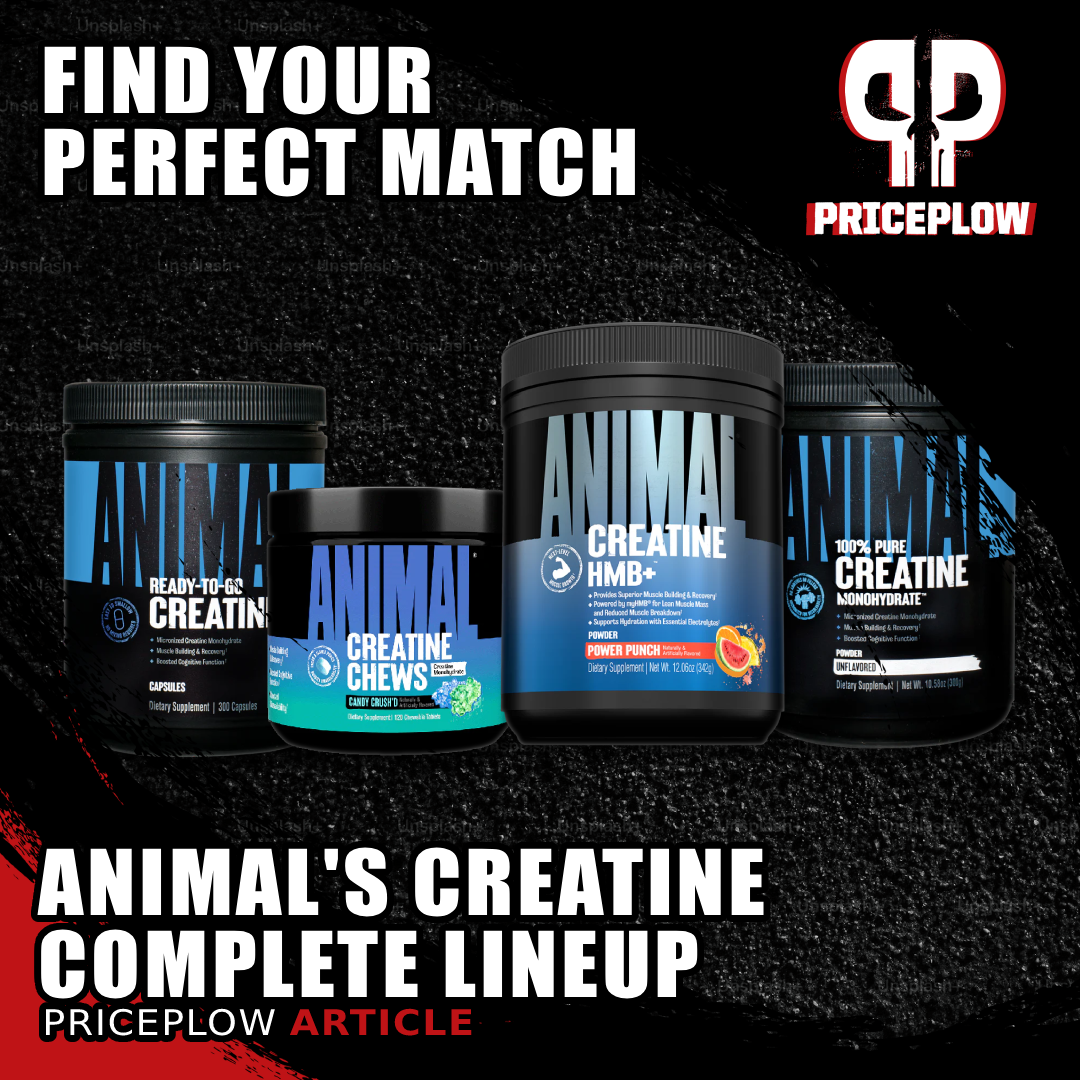
Animal covers every creatine need with 4 distinct products: convenient chews with glycogen support, synergistic HMB+ combinations, pure micronized powder for loading, and travel-ready capsules. Each targets specific goals from muscle growth to cognitive enhancement.
At approximately 200mg total across all three caffeine sources in this complex, the dose sits in a practical, widely effective range for most trainees. The removable red capsule lets you pull it for late sessions or drop it when stacking with a caffeinated pre-workout.
But..... if you're going for serious caffeine use to get to the clinically-studied 5-9mg/kg strength gain data for a big day, it could be stacked into your Animal Primal pre-workout. Note that we do NOT recommend doing this for beginners though. Know your caffeine tolerance and work with it, not against it!
-
Kola Nut (seed)
Kola nut (Cola nitida) is a West African seed with centuries of use as a natural stimulant, and one of three caffeine sources contributing to this complex's ~200mg total.[47] Beyond caffeine, the seed contains theobromine, kolatin, catechins, and a broader phytochemical profile that may distinguish its effects from isolated caffeine.
A 28-day mouse study comparing kola nut diet to a caffeine-matched diet found both reduced food intake and body weight, but only the caffeine group showed significant decreases in water intake and locomotor activity, so this suggests that other constituents modulate kola nut's overall effect profile.[48] Scientific analysis has since identified 78 bioactive compounds in kola nut seeds spanning alkaloids, flavonoids, and fatty acids.[49]
Here, kola nut teams with caffeine anhydrous and guarana to build the Energy Complex's stimulant profile naturally.
-
Guarana (seed)
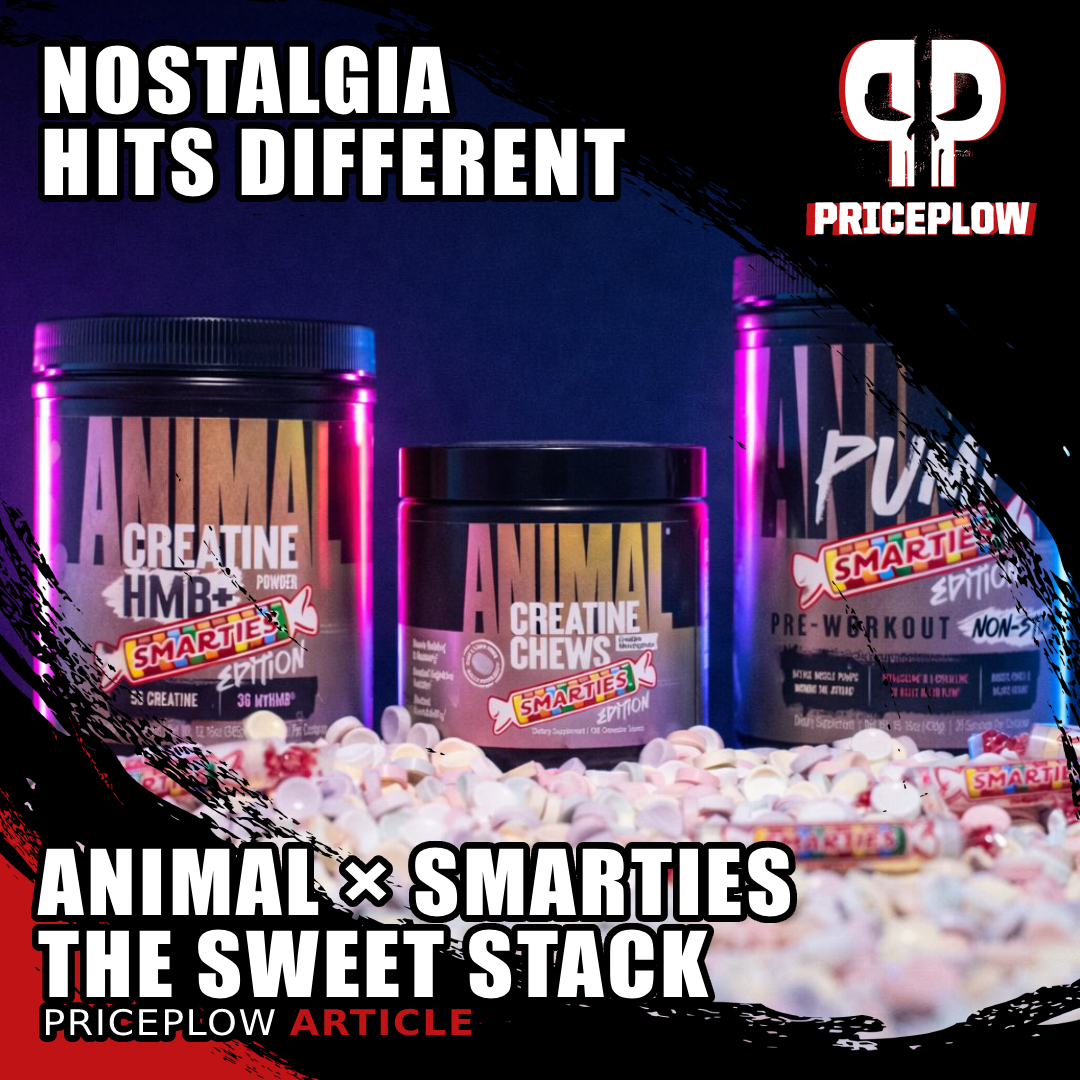
Animal x Smarties is official. Three products get the classic candy flavor treatment -- Creatine HMB+, Pump Non-Stim, and Creatine Chews -- and these are permanent additions, not a flash drop. Same formulas, serious nostalgia.
Guarana (Paullinia cupana) rounds out the Energy Complex as the third caffeine source, contributing to the ~200mg total. Its seeds contain up to 5.3% caffeine by dry weight (well above coffee's ~0.2%), but the real story is what else is in the seed.[50]
Beyond caffeine, guarana contains theobromine, theophylline, tannins, saponins, catechins, and epicatechins. Evidence suggests these compounds work synergistically with caffeine: guarana has shown pharmacological activity at caffeine levels as low as 4.5mg, below the recognized standalone threshold, and preclinical data found greater locomotor stimulation from guarana than from a matched caffeine dose.[51][52] A 2023 meta-analysis found that acute guarana ingestion supports faster response time versus placebo across a variety of cognitive tasks.[53]
At its dose here, guarana is a supporting player in the stimulant blend, but its synergistic bioactive profile may help sustain the mental sharpness you want through a full session.
-
How to Use Animal M-Stak
- When to take it: On training days, take one pack 30 to 45 minutes before lifting. On rest days, take it between meals, preferably earlier in the day if using the energy complex.
- With or without food: Either works, though taking it with a meal on rest days may improve tolerability.
- Other notes: Cycle three weeks on, one week off. The single red capsule in each pack contains the Energy Complex with approximately 200mg of caffeine -- you can pull it out when stacking with a caffeinated pre-workout or training late at night.
Stacks Well With
- Animal Creatine HMB+: Layering creatine and HMB alongside M-Stak's PEAK ATP® support creates a comprehensive ATP-production and muscle-preservation stack. A natural combination for hardgainers who mean business.
- Animal Primal: Pull the red energy capsule and let Primal handle your pre-workout stimulant and pump needs, or keep the red energy capsule and just use the right amount of Primal powder to get caffeine to where you want it to be. The two complement each other cleanly.
- Animal Pak: M-Stak works the anabolic angle and Pak fills micronutrient gaps. Running them together is the classic Animal approach to complete daily support.
- Animal Test: Experienced lifters who want to layer hormonal support on top of M-Stak's non-hormonal foundation will find Test is the logical next step.
Who It's For
- Hardgainers: M-Stak is built specifically for athletes who eat enough but struggle to convert those calories into lean mass. The insulin-potentiating and absorption complexes target exactly that gap.
- Athletes avoiding hormonal support: If you want anabolic and anti-catabolic benefits without impacting the hormonal axis, M-Stak is one of the more complete options in this category.
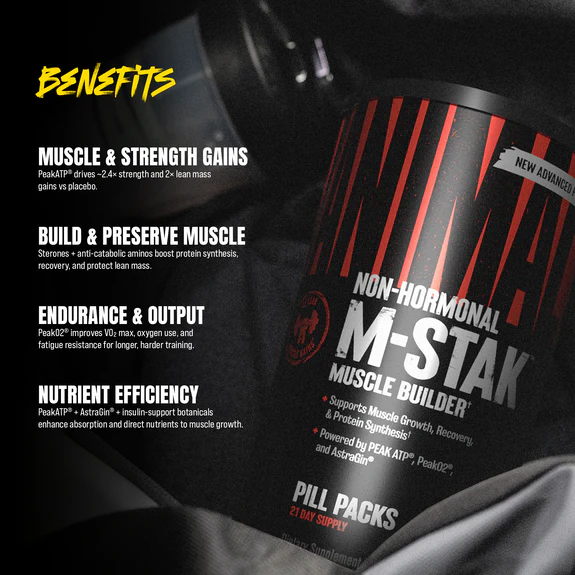
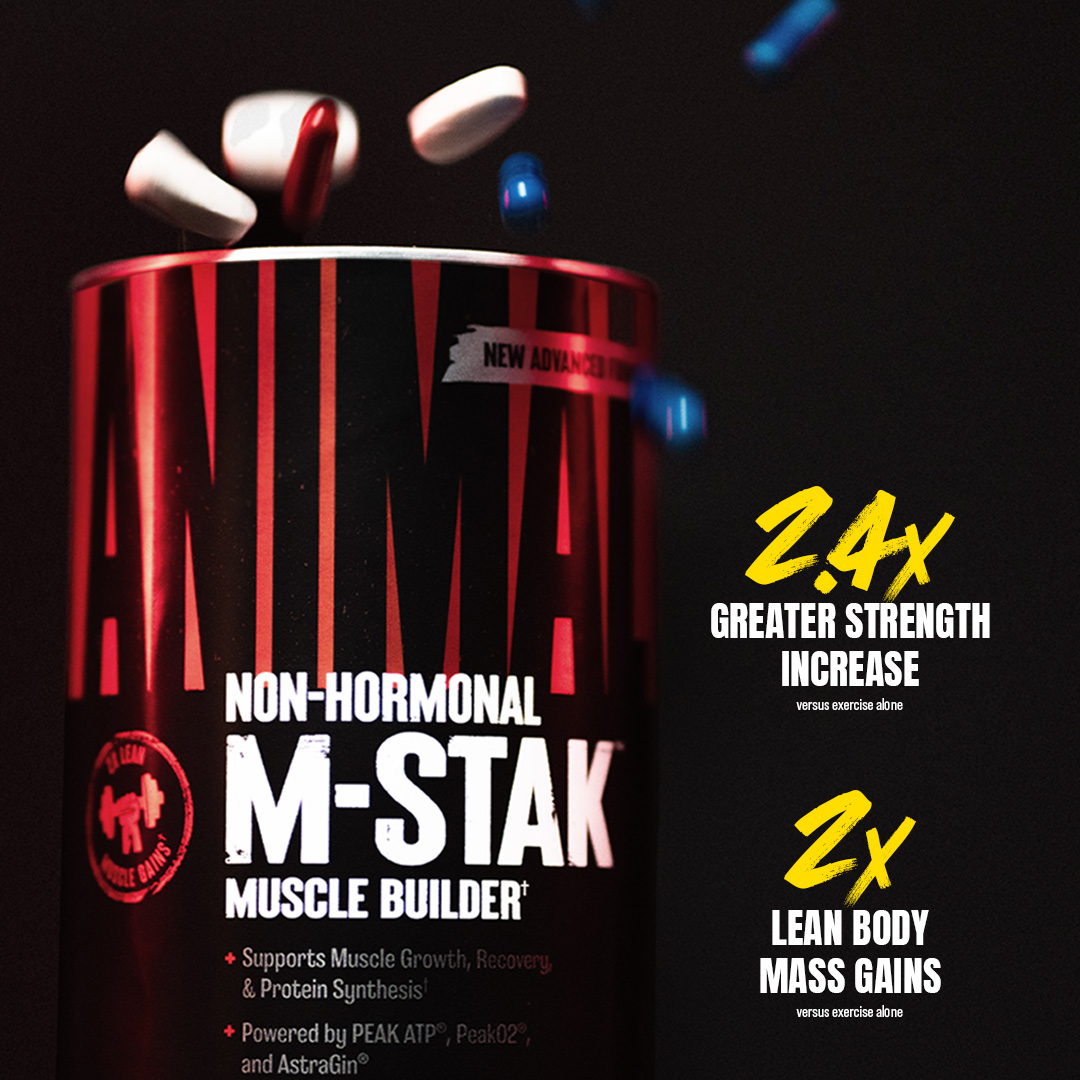
- Serious lifters looking to push past plateaus: The PEAK ATP® research behind the formula, showing 2.4x greater strength increases and 2x lean mass gains versus exercise alone, is aimed at athletes who've already built a solid training base and want to push further.
Conclusion: A Modern Rebuild Worth Paying Attention To
PEAK ATP® is the headline ingredient here, and for good reason. TSI Group's patented form of adenosine 5'-triphosphate has real research behind it, and Animal putting a clinical 400mg dose at the center of M-Stak's new formula is a meaningful commitment. It's the structural core of why the 2026 formula hits differently than its predecessor.

Beyond PEAK ATP®, the full rebuild tells a clear story. Out go the older botanicals like methoxyisoflavone and the M-Factor Transport Complex. In comes PeakO2® at a studied 1000mg, AstraGin® for absorption, and a leaner, more targeted amino complex. The result is a formula with fewer ingredients doing more work, which is generally a good sign in this space.
For hardgainers looking for non-hormonal support, or for anyone already running Animal Creatine HMB+ and wanting to add another layer to their muscle-building stack, M-Stak 2026 is worth a serious look. Keep tabs on Animal's new releases and lock in pricing alerts on PricePlow:
Universal Animal M-Stak – Deals and Price Drop Alerts
Get Price Alerts
No spam, no scams.
Disclosure: PricePlow relies on pricing from stores with which we have a business relationship. We work hard to keep pricing current, but you may find a better offer.
Posts are sponsored in part by the retailers and/or brands listed on this page.


Comments and Discussion (Powered by the PricePlow Forum)