The whey protein market is broken right now. WPI hit $12.30/lb, spot supply is largely gone, and GLP-1 drugs are both driving demand AND cutting cheese output (which is where most whey comes from). Glanbia breaks down what's happening and what brands should do about it.
You've heard it before, and you're going to continue hearing it throughout the year: Protein demand has never been higher. Consumer interest is at record levels, mainstream brands are flooding the category, food and coffee companies continue using increasing amounts of whey, and every piece of market research reiterates this same story. Americans want more protein in everything they eat and drink.
So why is the most popular protein ingredient in history harder to source than it's ever been?
Welcome to the current state of the whey market, where surging demand has collided with a structural supply ceiling that can't be built around overnight. Brands that don't understand what's happening risk making sourcing decisions in the dark. Those that do can plan strategically for what comes next.
We've been tracking this story as it developed, and Glanbia -- one of the world's largest producers of whey protein -- is uniquely positioned to help make sense of it. This article explains what's actually going on, and what brand builders should be doing about it.
Subscribe to PricePlow's Newsletter and Glanbia Alerts

The Numbers Behind the Crunch
The scale of the problem is real. US whey protein concentrate (WPC80) and isolate (WPI) have become essentially unavailable for new buyers seeking significant volumes, with producers having sold forward well into 2026.[1] WPI hit $11 per pound in late 2025, a number the market had never seen before, and was pushing $12.30/lb by early 2026.[2] These are raw ingredient prices. That increase hits finished product cost long before it shows up on retail shelves.

Over two years, WPC costs jumped 108% and WPI costs roughly 139%.[3] Meanwhile, total protein supplement sales reached $8.6 billion in 2025, up 12.4% year over year.[4]
Demand isn't the only problem, either. The supply side has also exacerbated it. USDA data confirms the supply side isn't recovering: US human-use WPC stocks in December 2025 were down nearly 25% year over year, and January 2026 figures showed a similar rate of decline.[5] The market isn't rebuilding inventory, it's continually getting tighter.
The GLP-1 Paradox
The story behind the shortage is a unique one, never before seen in modern times. The single biggest driver of new whey demand is the same trend quietly constraining supply.
Roughly 12% of US adults now use GLP-1 medications like Ozempic and Wegovy, and healthcare providers routinely recommend protein intake alongside these treatments to preserve lean muscle during rapid weight loss.[6] That shift has added millions of new protein consumers to the market essentially overnight. Broader cultural tailwinds were already in motion on top of it: aging consumers prioritizing muscle preservation, general health-conscious eating, and the explosive growth of clear protein beverages as a mainstream format. In late 2025, Starbucks added Protein Lattes and Protein Cold Foams to its permanent US and Canada menu, citing their own research that 80% of Americans now prioritize protein in their daily diet.[7] In early 2026, PepsiCo followed with a whey-based Propel Clear Protein powder, and a Starbucks Coffee + Protein RTD.[8] Billion-dollar brands are now competing for the same WPI supply that supplement companies built their businesses on.
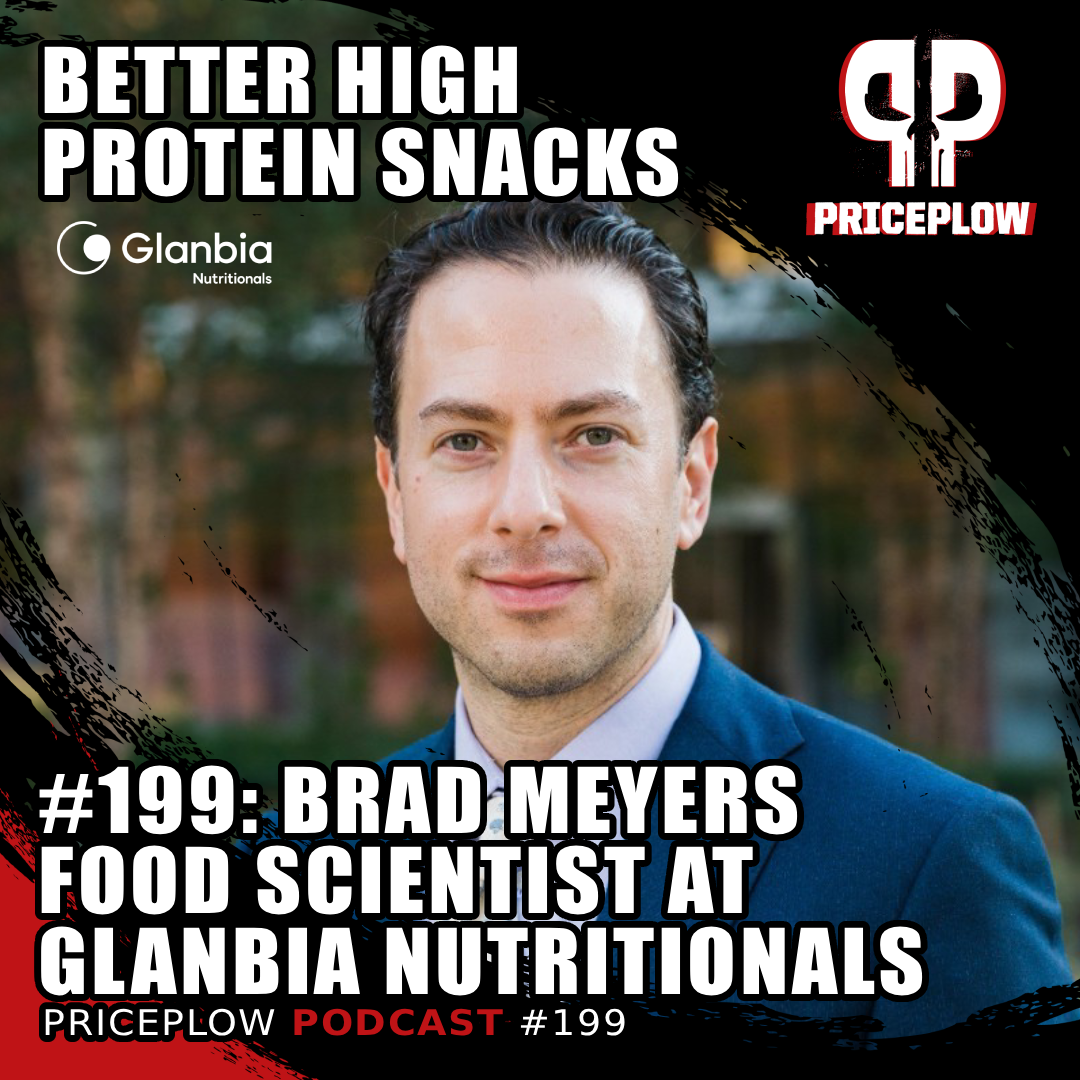
Brad Meyers, VP of Functional Proteins and Snacking at Glanbia, breaks down the food science behind better-for-you protein products, from solving the protein bar hardness problem to designing the innovative OvenPro platform for high-protein baked goods on Episode #199 of the PricePlow Podcast.
But here's the part nobody talks about: On top of buying more protein, GLP-1 users are buying less cheese!
Research from Cornell University found that households with at least one GLP-1 user reduced cheese purchases by 7.2%.[9] That matters because of a supply chain reality most people outside the dairy industry never think about: conventional whey is a byproduct of cheese manufacturing. To make most WPI or WPC, you generally first have to make cheese. Softening cheese demand removes the economic incentive to build new cheese processing capacity, which means less whey byproduct, which means tighter supply for the ingredient everyone now needs more of.
It's the same supply chain reality that Glanbia's Brad Meyers examined on Episode #199 of the PricePlow Podcast: GLP-1 isn't just gasoline on the protein fire, it's reshaping the dairy supply chain underneath it in ways the industry is still catching up to.
Why This Isn't Going Away Soon
The supply problem is structural, not cyclical. You can't solve it by running existing facilities harder.
Producing WPC and WPI requires specialized ultrafiltration and spray drying capacity, and most US and European facilities are already running at or near full utilization. US milk production growth is nearly flat. EU herd reductions of roughly 3 to 5% in recent years due to sustainability regulations have further constrained the raw material base.
Major capital is moving, which is the right long-term signal. Glanbia announced a joint venture with Southwest Cheese in Clovis, New Mexico that will add 10 million pounds of new WPI capacity, coming online in 2027.[10] Tirlán has committed €126 million to new capacity. Idaho Milk Products announced a $200 million investment. Friesland Campina, through its acquisition of Wisconsin Whey Protein, is expanding WPI output to 22 million pounds annually.[11] This signals strong long-term confidence in the market. None of it helps you this year, though.
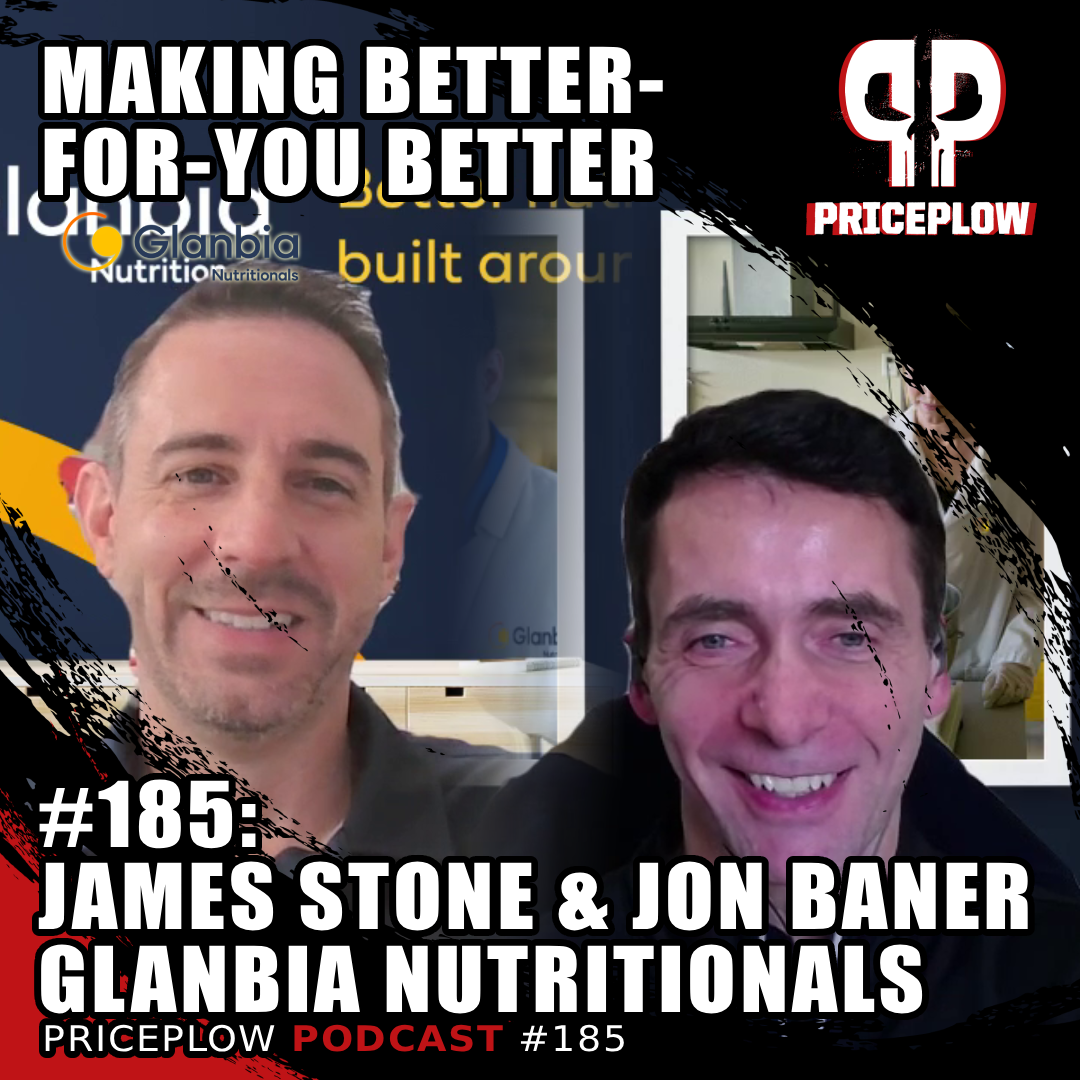
Jonathan Baner (Senior R&D Director) and James Stone (VP of Global Marketing & Insights) from Glanbia reveal how twin screw extrusion technology is revolutionizing protein fortification in snacks, pushing protein levels from 5-7% up to 85% while maintaining the crunch consumers crave on Episode #185 of the PricePlow Podcast.
There's another demand variable worth watching: semaglutide patents expire in major markets including China, India, and Brazil in 2026. When lower-cost GLP-1 versions become accessible to hundreds of millions more people in high-obesity regions, demand gets bigger, not smaller. Most analysts expect meaningful supply relief no earlier than late 2026, and realistically not until 2027.
What This Means for Brand Builders
If your brand depends on WPI or WPC80, the immediate reality is this: the spot market is largely gone. Brands without established supplier relationships and forward contracts are either paying premium prices, waiting, or reformulating.
On the cost side, retail price increases typically lag ingredient cost increases by 12 to 18 months.[3] That means margin pressure is happening now for most brands, while the consumer-facing price shock is still largely ahead. If you're a brand owner watching input costs climb without yet raising retail prices, that math has a limited runway.
The brands adapting fastest are doing three things. First, they're securing supply relationships with established producers who have consistent access to protein, not shopping the spot market. Second, they're building formula flexibility so a single ingredient disruption doesn't freeze a product line. Third, they're exploring whether a blended approach -- maintaining some WPI or WPC while reducing total dependency -- can hold product quality while improving sourcing resilience.
As Glanbia's James Stone and Jonathan Baner discussed on Episode #185 of our podcast, the protein market was never really about any single ingredient. It's about delivering the nutrition, texture, and taste your consumers expect through the best-available ingredients. That flexibility matters more right now than it ever has.

Consumers want taste AND nutrition, not a trade-off. Glanbia's "Pleasure with Purpose" campaign backs that up with real data: 64% of non-buyers cite taste/texture as the barrier to protein bars. Their ingredient lineup (OvenPro, Crunchie, EdiSparklz) is built to close that gap.
When changing protein types in bars, snacks, beverages, or powders, brands must manage a range of cross-functional risks to protect product quality, claims, and consumer acceptance:
- Sensory & Consumer Acceptance: Protein changes can introduce off-notes (e.g., beany, bitter), alter texture (chalky, gritty, dense), and shift color or aroma. These all directly impact first impression and repeat purchase.
- Texture, Functionality & Stability Proteins vary widely in solubility, water binding, and emulsification. These differences can lead to bar hardening, RTD sedimentation or separation, and poor powder dispersibility.64% of consumers state that taste and texture are barriers to consuming, so getting this correct is paramount. This statistic was discovered in 2022 when Glanbia asked consumers who don't consume protein bars the question, "You said that you hadn't consumed Protein/Energy Bars in the past 3 months. Which of the reasons below describe why you don't consume this type of product?"
- Nutritional & Claim Impact Protein quality differs by amino acid profile and digestibility. Switching sources can affect "complete protein" status, macro targets, and overall performance positioning.
- Shelf Life & Stability Reformulation can introduce risks including oxidation, flavor degradation, microbial changes, and physical instability such as protein precipitation or texture drift over time.
As brands navigate current supply and demand challenges, strategies like long-term contracts, proactive pricing, and formula flexibility are essential. However, increased flexibility also raises the risk of compromising the product experience. Protein changes can:
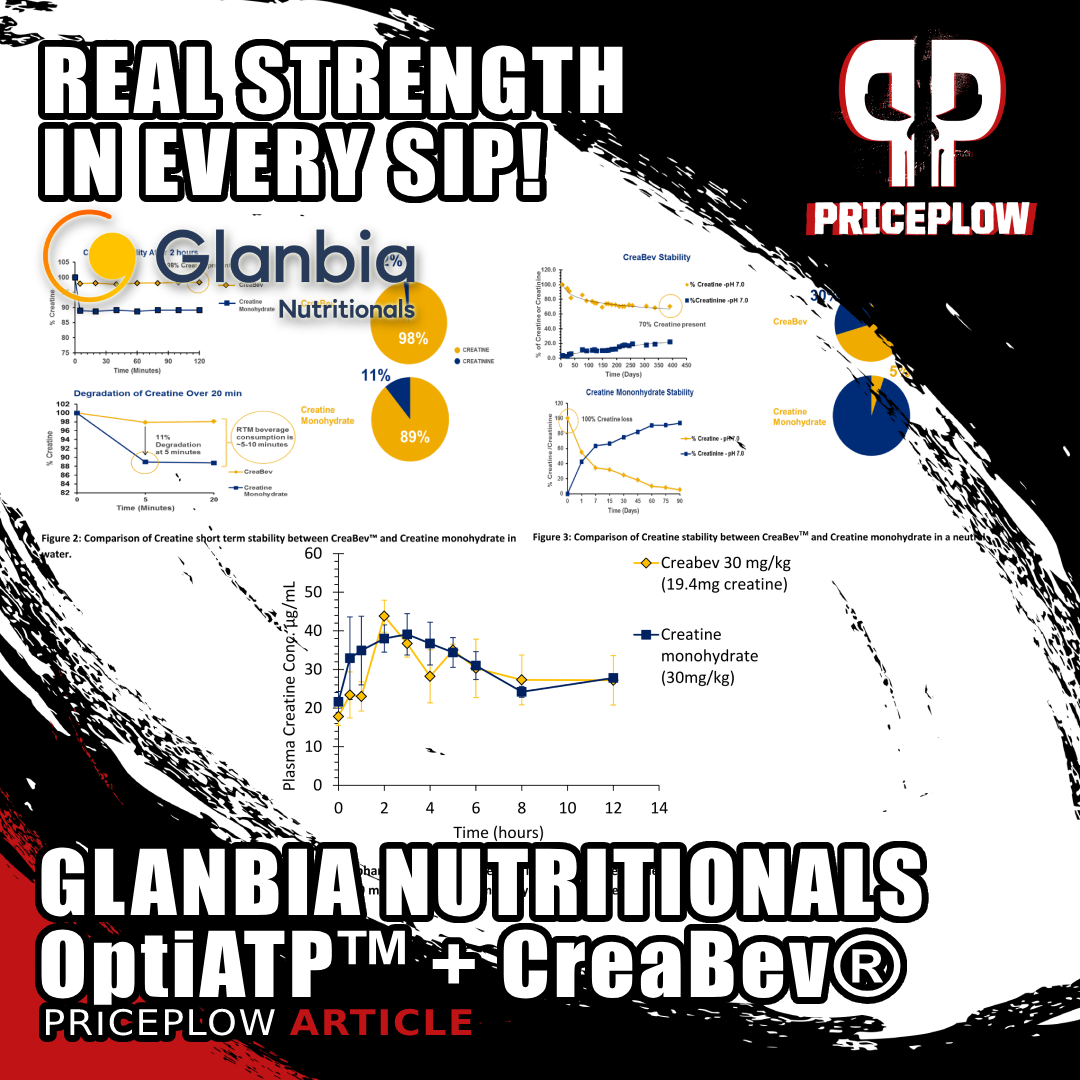
Finally! Creatine that stays stable in beverages thanks to Glanbia's CreaBev™ technology. Plus OptiATP® brings actual cellular energy to RTDs -- not just caffeine. Add in Collameta™ marine collagen tripeptides & TruCal® bone minerals = strength from every angle. Read about all four ingredients in Glanbia's Strength Platform
- Alter taste or interact unexpectedly with flavors and sweeteners
- Create off-notes, both immediate and delayed
- Drive texture issues such as bar hardening or powder clumping
- Increase the risk of digestive discomfort, particularly for sensitive consumers
- Shift macro profiles, especially in dairy–plant or multi-protein blends
At the same time, consumer expectations have shifted. Today's consumers are no longer willing to make trade-offs; they expect Pleasure with Purpose: products that both taste great and deliver meaningful nutrition. Consumers expect a multi-sensory experience putting experience first, using taste, texture and color to deliver indulgence while combining functionality. While they may trial a reformulated product, a poor sensory or digestive experience will make that trial "one and done."
Successfully navigating these challenges requires deep expertise in formulation, application, and ingredient interaction. That's where Glanbia stands apart, delivering the right combination of form, function, and flavor across a broad range of protein solutions to help brands maintain product quality, performance, and consumer loyalty.
The Workarounds: Reducing Whey Dependency Without Sacrificing Your Product
One thing to frame clearly up front: none of the alternatives below are 1:1 WPI or WPC replacements, especially in RTD beverages or protein powders where amino acid profiles and bioavailability are directly compared on a label. What they do is reduce your total whey requirement in bars, snacks, and baked goods while maintaining protein claims and consumer experience -- which happens to be exactly where the fastest-growing market opportunity sits right now anyway.
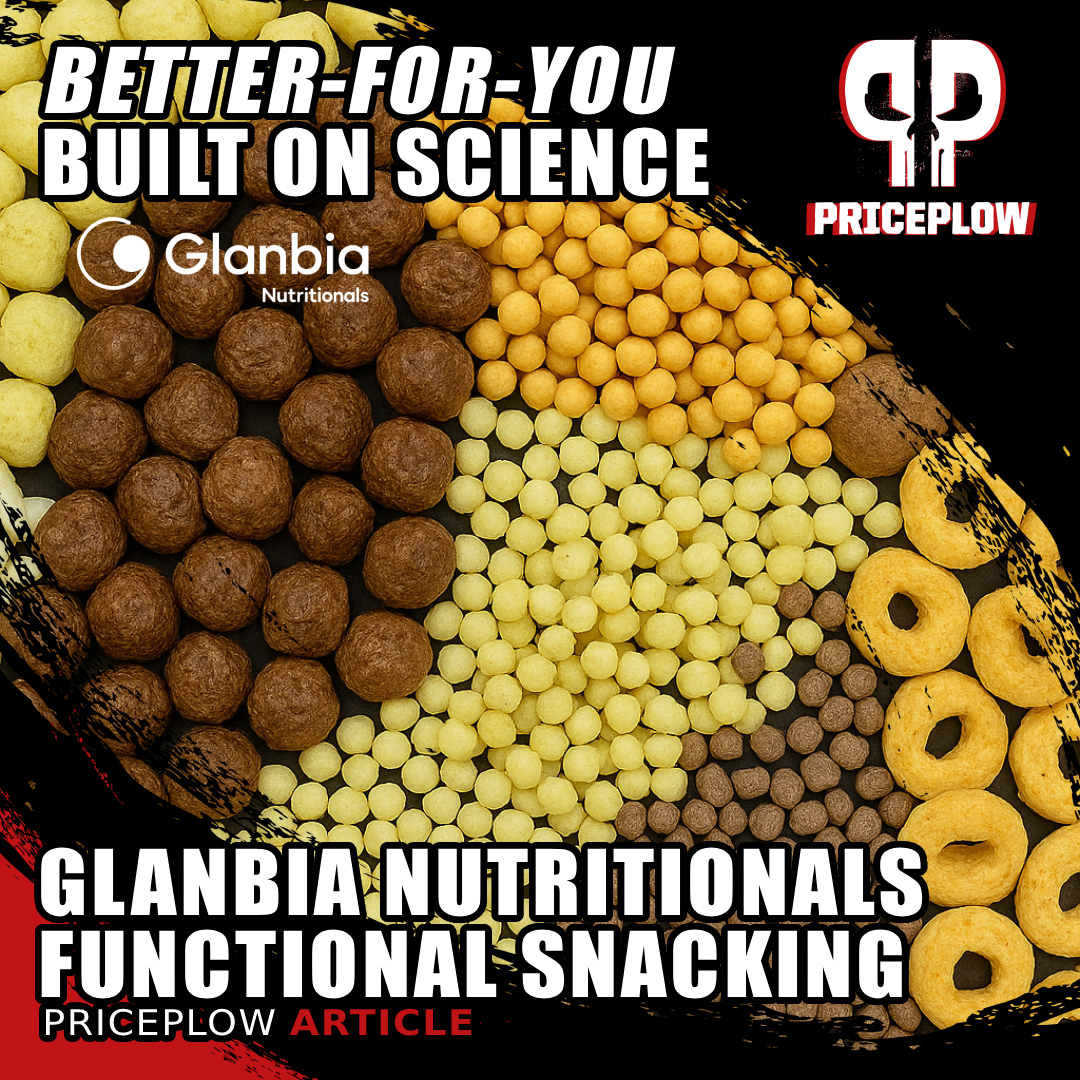
22% of consumers now replace meals with snacks. Glanbia's BarPro® proteins, Crunchie™ inclusions, and functional bioactives solve the texture and taste challenges that have plagued high-protein snacks for years.
We covered Glanbia's better-for-you snacking platform in depth, and most of what they've built is directly relevant here, because it was designed for solid applications from the start.
-
Milk Proteins and Caseinates
Milk protein concentrates (MPCs) and isolates (MPIs) come from a different processing stream than WPC and WPI. Some dairy companies are already positioning caseinates as alternatives to whey in food and beverage applications, not because they prefer it, but because whey availability has forced the issue.[10] Glanbia's BarPro® line is MPC-based, proven in bar and extrusion applications (discussed on Episode #185), which means its real-world performance isn't caught up in the current WPI supply crunch. Micellar casein also adds a slow-digesting protein story that some GLP-1-adjacent product briefs are specifically requesting.
-
BarHarvest® Pea Protein
Glanbia's BarHarvest® pea protein series was built to solve the texture problems that have historically made plant proteins frustrating to work with in solid applications. BarHarvest 801 is a partially hydrolyzed pea protein with a clean flavor, designed to increase chewiness and moistness in bars and baked goods without the dryness and brittleness that standard plant proteins develop over shelf life. The BarHarvest 100 Series is optimized for extrusion, delivering textural range that standard proteins can't achieve in that process. These aren't compromise ingredients -- they're purpose-built for the applications where whey reduction makes the most sense.
The BarHarvest series is non-soy and non-GMO, which also gives you clean-label flexibility on top of the supply diversification benefit.
-
Chia Proteins

BevChia™ Protein is an all-natural chia protein concentrate that adds ALA omega-3 and fiber alongside protein. It's non-GMO, gluten-free, and shelf-stable for two years with MicroSure® Plus heat treatment for food safety, and it works across beverages, bars, and bakery. CuisineChia Protein brings added texture functionality.For brands looking to strengthen their label story while reducing WPC dependency, chia brings a claim upgrade alongside the supply benefit.
-
Marine Collagen Tripeptide
We discussed Collameta™ in our articles on Glanbia's Strength Platform and Episode #174 of our podcast with Rachel Schreck and Brent Petersen
Glanbia's marine collagen tripeptide is 50% tripeptide, which provides superior absorption at lower doses. It isn't a direct protein replacement by PDCAAS criteria -- collagen doesn't carry a complete amino acid profile -- but in bar, gummy, and RTD formats where the product story involves joint health, skin health, or active recovery, it can complement a reduced-whey formula while adding a functional claim that resonates well beyond traditional sports nutrition buyers. That's a real differentiation play in the current environment, not just a workaround.
-
The Blending Strategy
The real takeaway for brands isn't which single ingredient replaces whey. It's that no single ingredient needs to. A formula using WPC at reduced inclusion alongside BarHarvest pea protein can hit the same protein target with less WPI exposure. Add chia or collagen and you're picking up label claims that actually differentiate on shelf. Glanbia's applications team has been doing this kind of multi-protein development work for years, and their speed-to-prototype capability is genuinely fast: as Brad Meyers described on Episode #199, full concept development can happen in 48 hours when you work on-site with their lab team. Testing blended approaches is faster than most brands realize.
We almost never say this, but a blended label has a genuine upside here. When you list a protein blend rather than locking in a single source at a fixed percentage, you can shift ratios between ingredients without a full label overhaul. This is useful when one of those sources gets tight, and that's the world we currently live in.

Looking Ahead
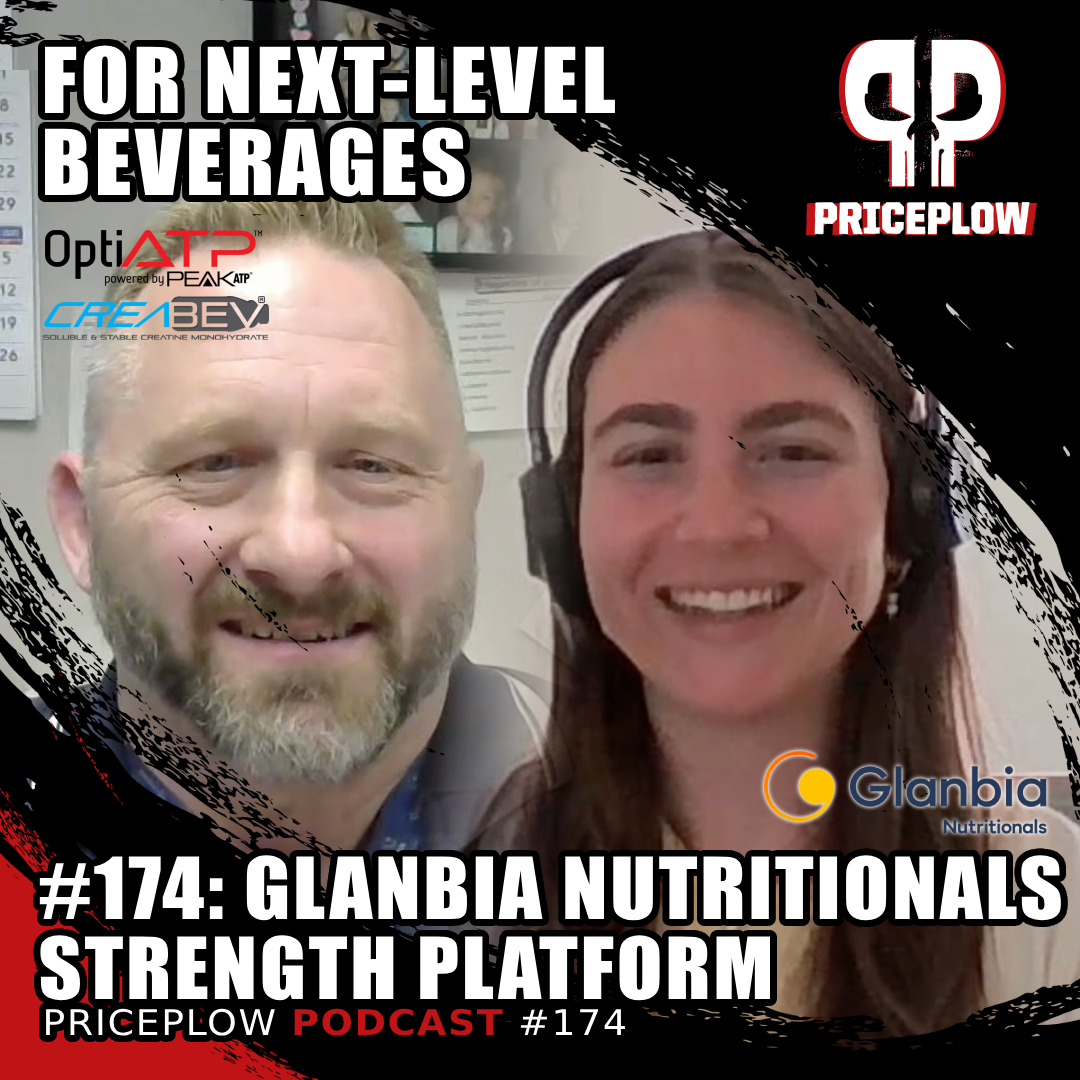
Rachel Schreck and Brent Petersen from Glanbia reveal the revolutionary Strength Platform featuring CreaBev®, OptiATP™, and beverage-stable innovations on Episode #174 of the PricePlow Podcast.
The whey market will stabilize. The investments being made now by Glanbia (and others) will bring meaningful new capacity online starting in late 2026 and through 2027. Prices probably won't return to 2023-2024 levels even then, given the permanent demand shift that GLP-1 adoption has created, but the current spot market scarcity won't be the permanent state of the world.
What brands shouldn't do is wait for normalization before building sourcing flexibility. The protein categories growing fastest right now (functional snacks, better-for-you bars, protein-fortified foods) are exactly the formats where alternative and blended protein approaches work well. As the Glanbia team has discussed with us across our Pleasure with Purpose coverage, Episode #185, and Episode #199, the bigger opportunity isn't to fight over whey supply. It's to build products that don't depend on any single ingredient pipeline.
If you're a brand builder navigating this, Glanbia is worth a conversation now. They have the ingredient portfolio, the applications lab capability, and the supply continuity to help you build a protein strategy that works in this market, not just the one from two years ago.
Sign up for Glanbia's news and updates below:

Comments and Discussion (Powered by the PricePlow Forum)