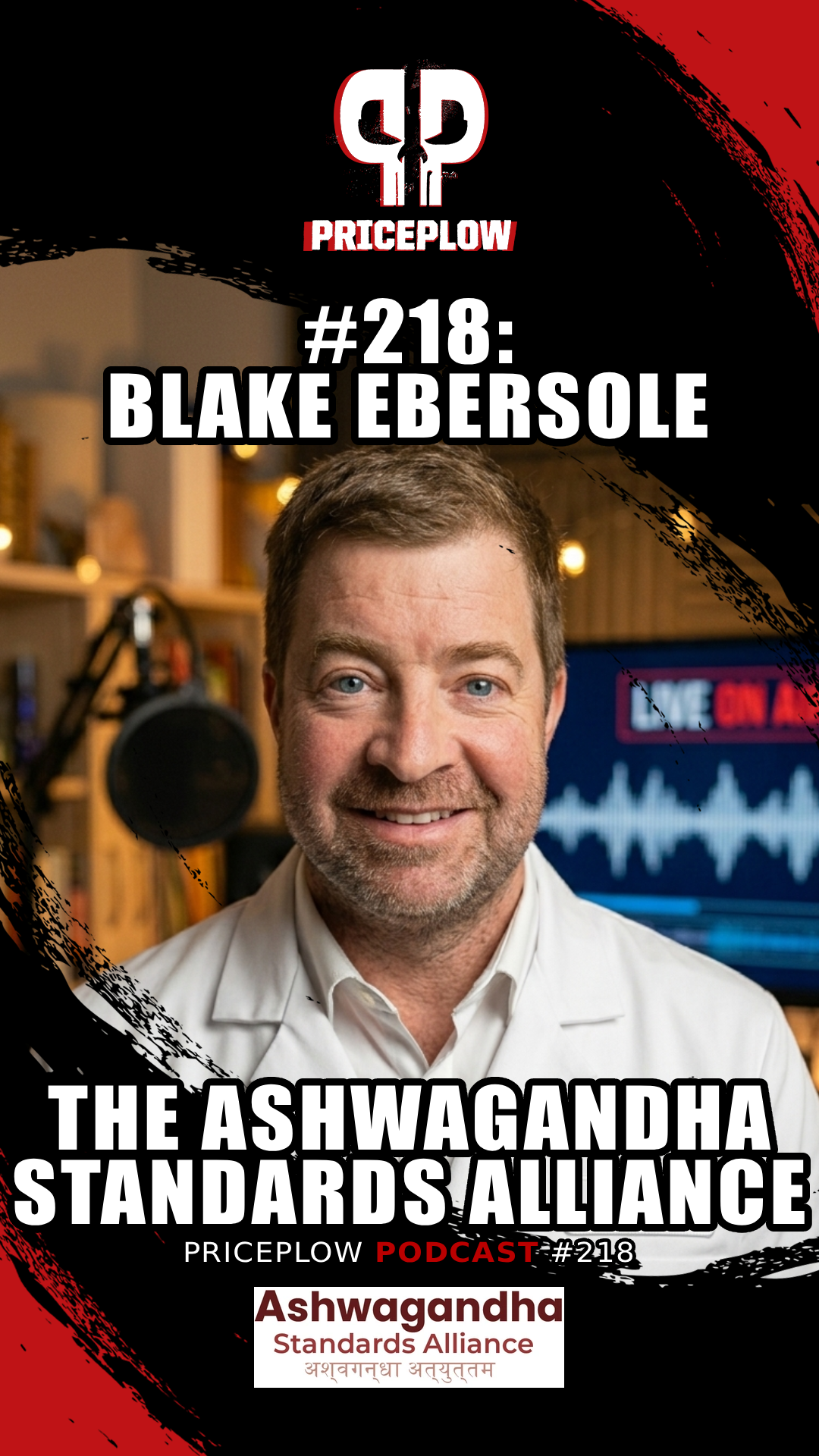
Blake Ebersole, founding member of the Ashwagandha Standards Alliance and president of NaturPro Scientific, joins the PricePlow Podcast to address India's FSSAI leaf advisory, withaferin A misinformation, and lab shopping in the botanical supplement industry on Episode #218 of the PricePlow Podcast.
The supplement industry is pushing back. In May 2026, a group of long-tenured ashwagandha producers and regulatory experts launched the Ashwagandha Standards Alliance (ASA), a new coalition dedicated to countering misinformation about ashwagandha leaf safety, defending GMP standards, and responding to what many in the industry see as scientifically unsupported regulatory actions: India's April 2026 FSSAI/AYUSH leaf advisory and Denmark's earlier ban.
In Episode #218 of the PricePlow Podcast, Mike and Ben sit down with Blake Ebersole, founding member of the ASA and president of NaturPro Scientific, a B2B quality and regulatory consulting firm. Blake unpacks and rejects the "root good, leaf bad" narrative, explains why in vitro cancer cell studies are being misused to target ashwagandha leaf, and details how lab shopping and supply chain fragmentation quietly erode quality across the botanical category. This episode pairs directly with our companion article on India's ashwagandha leaf advisory. Together they cover both the regulatory deep-dive and the industry coalition response.
Subscribe to the PricePlow Podcast on your favorite platform and sign up for our ashwagandha news alerts on PricePlow before diving in.
Subscribe to the PricePlow Podcast on Your Favorite Service (RSS)

Apple Podcasts

Spotify

YouTube
https://blog.priceplow.com/podcast/ashwagandha-standards-alliance-218
Ashwagandha – Deals and Price Drop Alerts
Get Price Alerts
No spam, no scams.
Disclosure: PricePlow relies on pricing from stores with which we have a business relationship. We work hard to keep pricing current, but you may find a better offer.
Posts are sponsored in part by the retailers and/or brands listed on this page.
Video: The Ashwagandha Standards Alliance Responds to India’s FSSAI Leaf Advisory

Podcast: Play in new window | Download (Duration: 1:08:10 — 61.7MB)
Detailed Show Notes: Blake Ebersole on the Ashwagandha Standards Alliance, FSSAI, and Industry GMP
-
0:00 - Introductions
Ben kicks off Episode #218 with Blake Ebersole, founding member of the Ashwagandha Standards Alliance and a 20-year botanical industry veteran. Blake began his career on the quality side for ashwagandha, turmeric, and other herbs, traveling to India to oversee production before helping major US brands bring those ingredients to market. That breadth gave him a complete picture of the supply chain from field to finished product.
Mike asks whether Blake's practice has narrowed entirely to ashwagandha. It hasn't. NaturPro Scientific, his B2B consulting firm active for 11 years, covers quality and regulatory functions for brands, suppliers, and manufacturers across the board: GMP audits, supplier qualification, claims substantiation, and keeping clients well away from FDA warning letters, with GRAS filings and product development rounding out the work.
-
2:45 - What Is the Ashwagandha Standards Alliance?
Mike asks whether the ASA is genuinely new. Blake clarifies that the movement started three or four years ago. He and others began tracking inconsistencies between what regulators and marketers were saying about ashwagandha safety and what the science actually showed. Denmark's 2023 ban was an early flashpoint. At the time, several suppliers were reluctant to go public with their concerns.
As the misinformation grew louder, a group of science-minded quality and regulatory professionals concluded that someone had to set the record straight. Blake's framing is direct: the ASA isn't fighting specifically for ashwagandha leaf. It's fighting for GMP rigor, accurate science, and responsible practices that should apply to every ingredient. Ashwagandha just happens to be the category where things have gone most visibly off track.
-
4:30 - How ASA Fits the Industry Landscape
Mike raises a fair point: there are already plenty of trade organizations, including AHPA (American Herbal Products Association) and others. Isn't this just another group?
Blake's answer is that those organizations do strong work but spread attention across many herbs and many issues. The ASA fills a single-herb niche that nobody else was covering at the depth this moment demands. Ashwagandha is now a billion-dollar category with mounting confusion about safety, and the ASA works collaboratively alongside AHPA and others rather than competing with them. It's building on existing infrastructure to shore up where the market most needs it.
-
6:15 - Educational, Policy, and Standards Goals
Blake outlines three parallel tracks for the ASA. First, industry education: helping brands, manufacturers, and suppliers understand what responsible practice actually looks like for this ingredient. Second, consumer education: getting accurate information to the people actually taking the product. Third, policy engagement: every country has its own regulatory world, and the ASA needs to represent ashwagandha accurately to all of them, whether that means India and the Ministry of AYUSH, EFSA in Europe, or the FDA in the US.
The goal isn't just to publish papers. It's to ensure the right message reaches people who can act on it before the wrong message takes root.
-
8:00 - Adverse Events at Scale and Ashwagandha's Safety Record

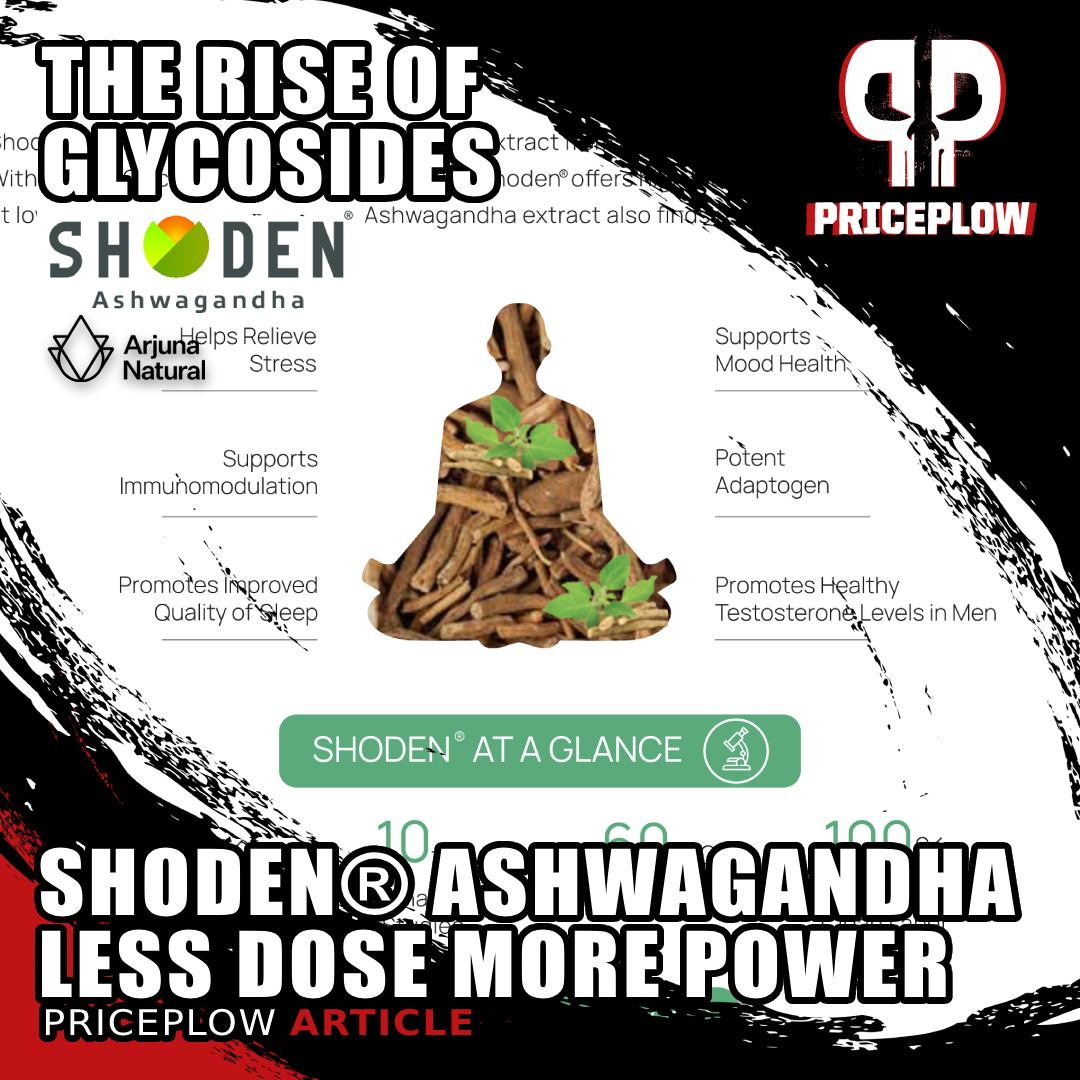
Shoden brings a new era to ashwagandha supplements with 35% glycowithanolide standardization. Research shows it delivers powerful effects at just 60-120mg daily, compared to 600mg+ with traditional extracts.
Blake explains how safety concerns get amplified far beyond their scientific basis. Ashwagandha is now consumed in billions of doses per year worldwide. With numbers that large, some adverse event reports are inevitable by sheer statistical probability. Many of those reports never verify what was actually in the product consumed. Was it even ashwagandha? Was it GMP-compliant? People also experience health events coincidentally while taking supplements, and correlation gets mistaken for causation.
The AHPA has reviewed the data. Fifteen to twenty review papers in Phytotherapy Research critically examined the adverse event record for both root and leaf forms and found no smoking gun. Meanwhile, as Blake notes, the companies most eager to amplify those concerns tend to be root-only producers angling for a competitive advantage.
-
11:15 - Denmark's Ban and the Hazard-Based Regulatory Model
Blake's "shark metaphor" clarifies much of what's driving the regulatory noise. Many European countries use a hazard-based framework: if a compound could theoretically cause harm, it's restricted regardless of how realistic the exposure scenario is. A shark in the water is a hazard. A shark ten feet away from you while you're swimming is a risk. Those aren't the same thing.
Denmark's 2023 ban followed hazard-based logic and set off a cascade. France, Germany, Poland, Sweden, and the Netherlands are all under review. An EU Article 8 procedure looms, and the UK isn't far behind. Once a government invests in a position, Blake notes, reversing it means losing face. That institutional stickiness is part of why these bans outlast the science that originally justified them.
-
15:15 - Withaferin A and the In Vitro Extrapolation Problem
Ben asks a sharp question: why did withaferin A become the focal compound in the leaf safety controversy? Blake traces the chain of misapplied logic. Withaferin A runs slightly higher in ashwagandha leaf than root. In vitro studies showed it can kill cancer cells in a test tube. From those two data points, certain interests concluded the leaf is dangerous, skipping entirely the question of whether this effect occurs at real-world dietary doses in animals or humans.
Blake finds this especially misleading because withaferin A is the parent compound of all the withanolides found in both root and leaf. It's not a rogue molecule unique to the leaf. It's central to the plant's chemistry and has been consumed by billions of people over centuries with no safety signal that matches the implied danger. Wanting cancer cells killed in a test tube is not evidence of human toxicity.
-
18:30 - How Competitive Interests Drove the Market Off Track
The ashwagandha leaf "ban" story has a twist. Some articles were pulled, government documents went offline, and the science cited doesn't support what regulators claimed.
Blake offers a useful frame from turmeric's past. In the early 2000s, bioavailability claims spiraled into a competitive arms race: ten times more bioavailable, then 30x, eventually 267x. Ashwagandha has followed a similar pattern, just with higher stakes because the competition is now over safety claims rather than efficacy ones.
Root-only companies have legitimate products and legitimate data. The problem, as Blake sees it, is leveraging in vitro cancer cell data and marginally elevated withaferin A levels in leaf to manufacture a safety scare that hurts the entire market. Consumers don't remember which plant part is supposed to be the "safe" one. Many end up canceling their subscriptions entirely, missing out on an herb that was genuinely helping them.
-
21:00 - Label Disclosure, Dilution, and Maltodextrin
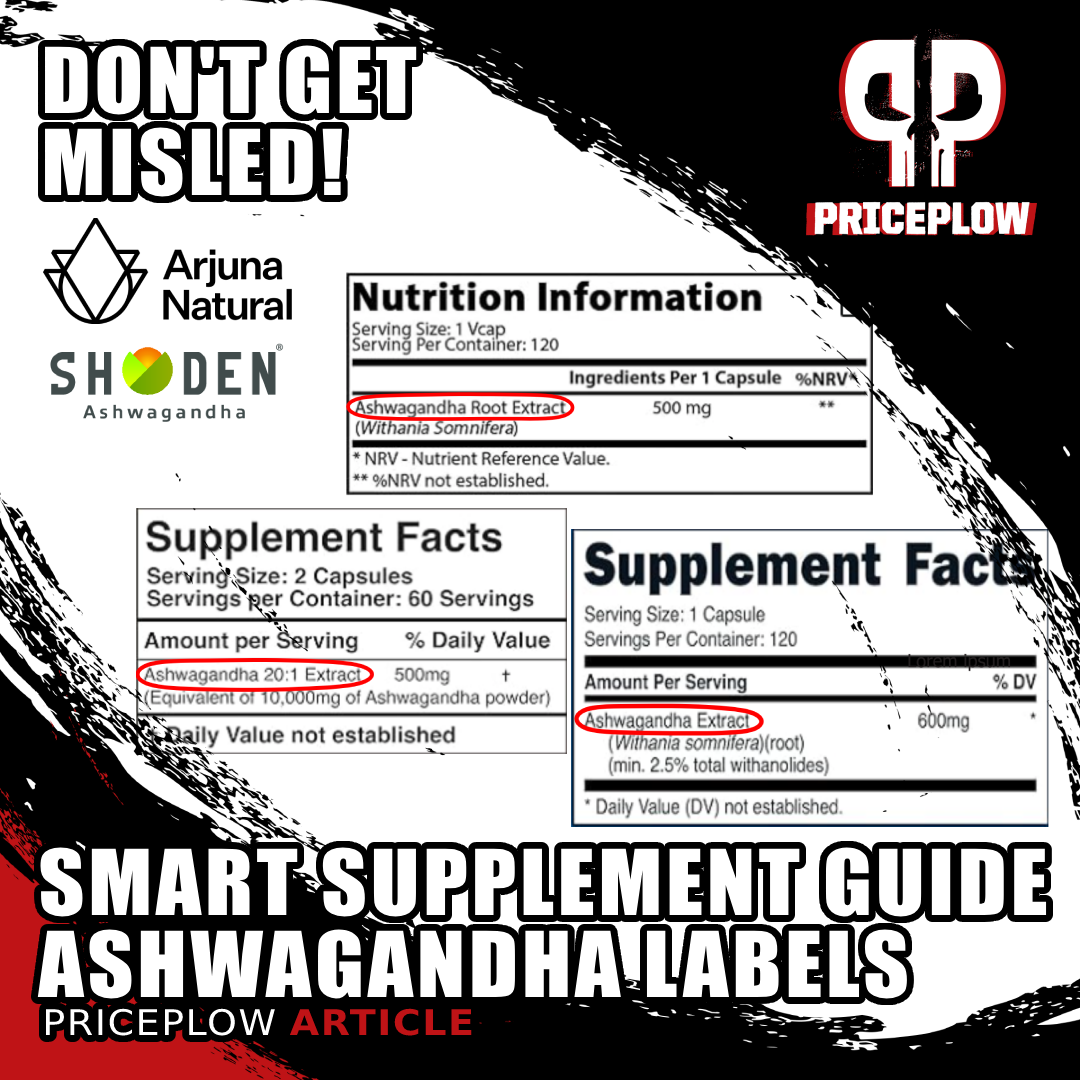
Blake shifts from the narrative problem to the real GMP problems in the category. The genuine issues in ashwagandha quality come down to three things: plant part disclosure on labels, withanolide content disclosure using replicable methods, and dilution. For a practical guide on what to look for, see our ashwagandha label guide.
The dilution issue is worth understanding in detail. Adding maltodextrin to a botanical extract pads margins while representing a product as stronger than it is. A supplier labels something at 5% withanolides, but if the measurement method isn't disclosed or can't be replicated, that number is unverifiable. Brands buying the material and consumers reading those labels are both working from numbers that may not hold up. Blake notes this isn't isolated -- it's a recurring pattern he sees across multiple clients and multiple botanicals.
-
25:00 - The Billion-Dollar Market and Supply Chain Fragmentation
Scale creates problems that don't exist in smaller categories. Blake paints the picture: India's ashwagandha supply chain runs through individual farmers with two or three acres each, making a couple hundred dollars a year on their crop. When demand spikes, quality drops because everyone rushes to capitalize. Materials arrive without plant part disclosure, labeled only by withanolide percentage when the actual content could be entirely leaf. Undisclosed solvents are another variable nobody's checking.
Not all ashwagandha extracts are created equal. This guide explains why standardization matters, why extract ratios can be misleading, and how to identify quality products when shopping for this popular adaptogen.
Blake draws an elderberry comparison: during COVID, black rice was being sold as elderberry because it also contains anthocyanins. When a market scales quickly and buyers can't distinguish genuine material from imitations, bad actors take the opening. The responsible suppliers are still out there in volume, but the tree gets big enough that the bad apples multiply.
-
30:00 - India's Regulatory Framework: Food, Drug, and No Middle Ground
Ben asks a foundational question: how does India regulate supplements differently from the US? Blake explains the core structural difference. In the US, supplements occupy a middle ground between food and drug under DSHEA (the Dietary Supplement Health and Education Act of 1994). India has no such middle ground. It's food or drug, full stop.
Classifying ashwagandha leaf as a food requires it to be safe for everyone, including pregnant women and children, with no warnings permitted. Supplements in the US can say "consult your doctor if pregnant." India can't offer that carve-out. So while the leaf ban is scientifically questionable, it's at least a coherent move within India's two-category framework. Creating an actual supplement category would be the cleaner solution, but passing something like DSHEA is no small legislative undertaking.
-
32:15 - Farmers, Brokers, and the FSSAI Advisory's Unintended Consequences
India's supply chain runs from small farmers through aggregators, brokers, and processors to suppliers and finished-product brands. The FSSAI advisory targeted broker-level sales of leaf with financial penalties. But the farmers who depend on leaf income didn't see change coming and bore costs they had no part in creating.
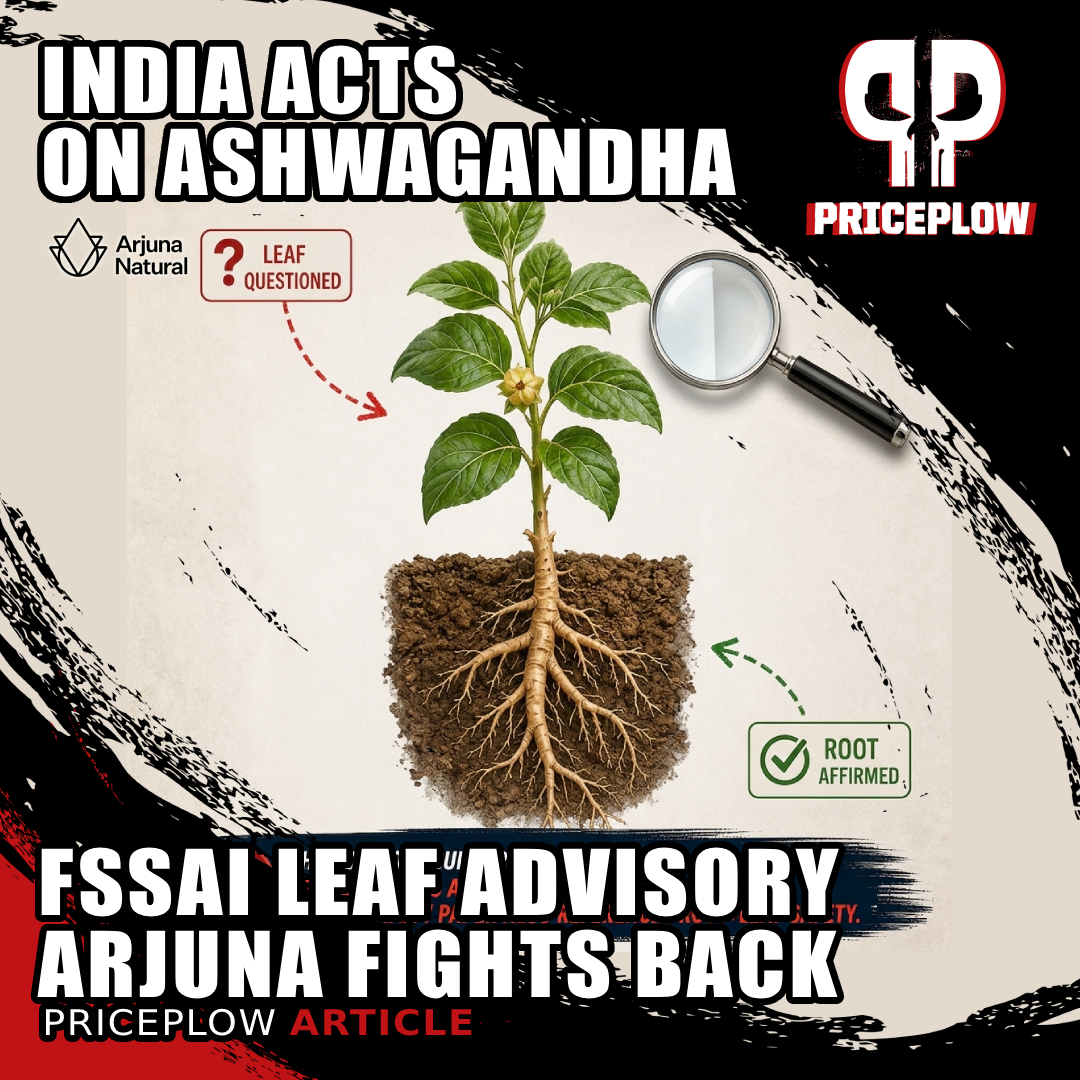
Blake reports that a legal stay has paused enforcement while a formal review proceeds, similar in structure to how a US court challenge against an FDA action might work. He believes science and the legal process will ultimately prevail, but the situation remains fluid. The deeper irony, he notes, is that banning the export of a plant part with this level of safety data behind it is genuinely unprecedented. When documented at PricePlow's companion article titled "India's Ashwagandha Leaf Advisory: What FSSAI Actually Said and Why the Industry Is Pushing Back", even source documents were disappearing from government websites -- a signal, as Mike puts it, that something unusual was happening.
-
38:00 - Research Gaps and the Clinical Literature
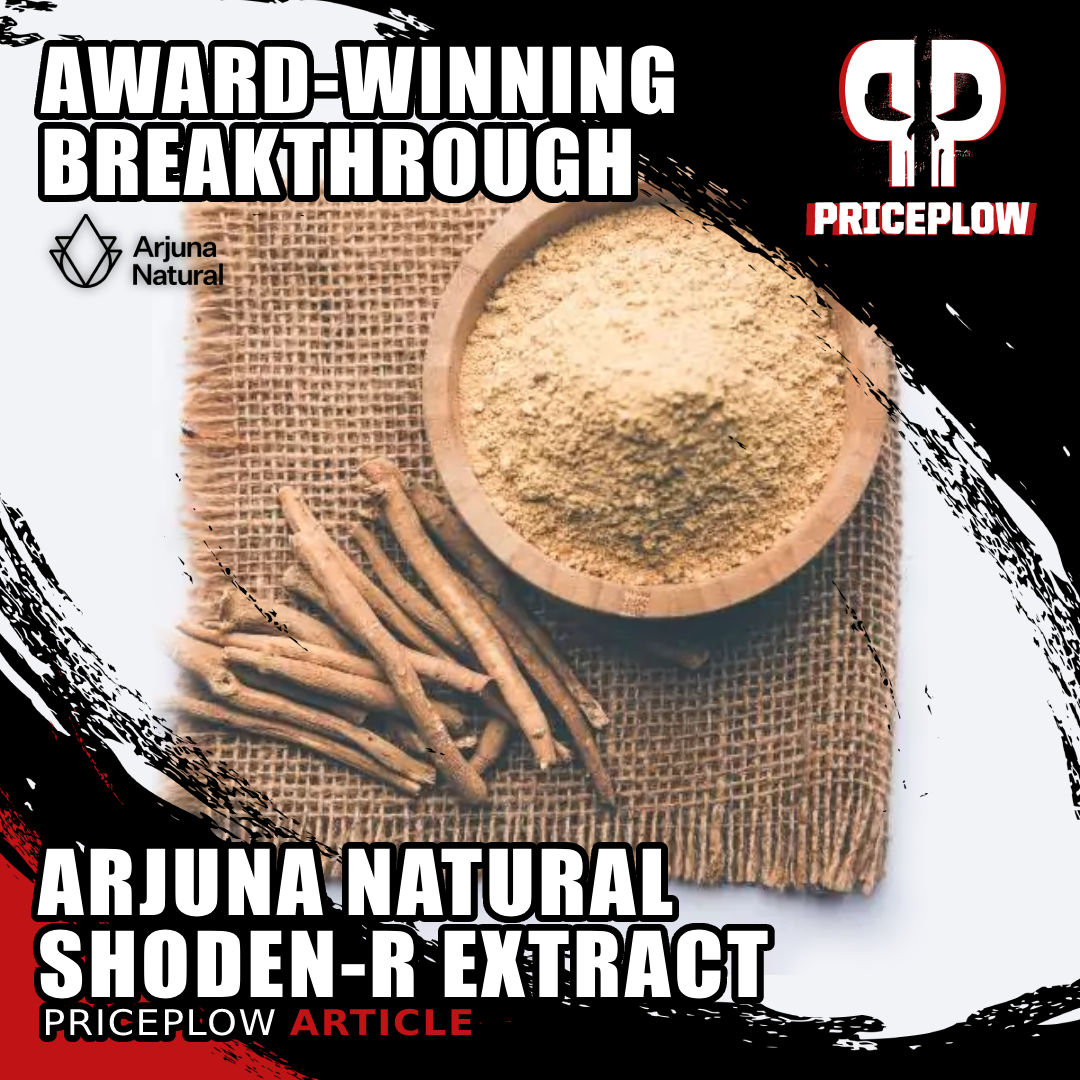
Arjuna Natural's Shoden-R ashwagandha just won Ingredient Idol at SupplySide Global 2025. The root-only extract is water-soluble, works at 60mg, and finally makes ashwagandha viable in beverages, gummies, and RTD formats.
Mike asks about research gaps. Blake's answer is surprising: the gap isn't generating new data. Ashwagandha already has over 100 clinical trials and numerous animal toxicology studies on record. The gap is in organizing, synthesizing, and communicating what's already there -- translating the body of evidence into something the industry and consumers can actually use.
One underappreciated detail: many studies described as "root only" have since been found to have used material that contained leaf as well. That means the clinical record for leaf exposure is actually broader than commonly assumed, and the science supporting combined root-and-leaf extracts like those from Arjuna Natural in Shoden® is better supported than a narrow reading of "root only" studies would suggest.
-
41:00 - Extraction Methods: Milk, Solvents, and Withanolide Chemistry
Mike raises something that often goes unexamined in ashwagandha studies: the extraction solvent. Some studies described as "water extracts" have since been found, after the fact, to have used milk instead. That matters because withanolides are fat-soluble steroidal lactones, and water alone doesn't dissolve them very effectively. Milk, by contrast, has been used in traditional ashwagandha preparation for centuries, which makes physical sense given the fat content.
The practical implication: if a branded ingredient was originally studied using milk but is now produced differently, nobody would necessarily know. Blake notes that branded ingredients maintain consistency far better than generics, but even a trademarked product could change its manufacturing process and still sell under the same name, with no way to compare old and new without archived reference samples.
-
44:30 - Consumer Education and the Demand for Transparency
Mike asks the practical question: how do you actually reach consumers when they can search Amazon and buy the first ashwagandha result in two seconds?
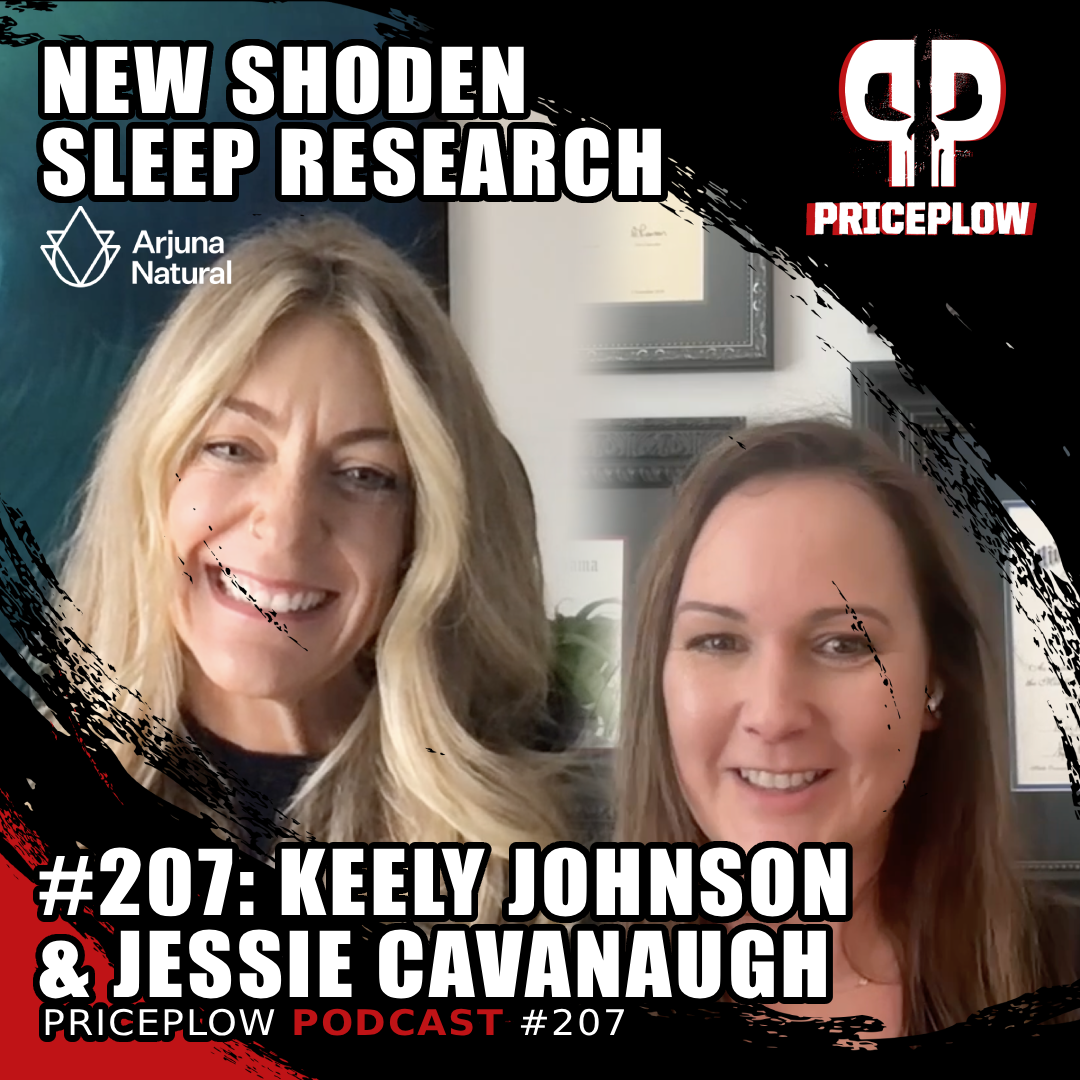
Jessie Cavanaugh of Nutraceuticals Research Institute and Keely Johnson of Arjuna Natural break down the science of cortisol awakening response, ashwagandha research methodology, and Shoden's groundbreaking three-arm study on Episode #207 of the PricePlow Podcast.
Blake's answer is that change can't come from the quality-and-regulatory side alone. Brands defer to what consumers demand. If consumers start asking better questions (demanding plant part disclosure, asking how withanolide content was measured, pushing back on meaningless "third party tested" checkmarks), that pressure moves backward through the chain to brands and then suppliers. Blake puts it simply: you can't change the industry from the ivory tower. You change it by educating the end consumer who has the most at stake and the most leverage.
-
46:30 - Lab Shopping and the Broken Incentive Structure
Mike and Blake agree that supplement testing has a structural incentive problem. Brands want passing tests. Labs that consistently fail products lose business. Labs that consistently pass them gain it. Over time, this naturally selects for labs that tell brands what they want to hear.
Élan Sudberg at Alkemist Labs speaks openly about this. So does the quality team behind Omnient Labs at Nootropics Depot. Both operate in a model where their seal carries enough credibility that brands actually want to advertise it. Blake adds a process dimension: brands often manufacture their full commercial inventory before testing. If a rigorous lab fails 10,000 bottles, they can't absorb the loss -- so lab shopping follows. The fix is proper vetting at the development stage: six to eight months, not one.
-
52:45 - Branded Ingredients and GMP Supplier Qualification
Ben makes the case for branded ingredients as a partial solution to the quality problem. When there's a company behind an ingredient -- a patent, a liability structure, an investment in safety data and clinical studies -- you have considerably more traceability than with generic bulk ashwagandha, where the spec can change between orders.
Blake agrees and expands on the GMP angle. Proper supplier qualification means vetting both labs and suppliers before purchasing, not after inventory is already made. For most brands and contract manufacturers without a background on the ingredient supplier side, that means they simply don't know what the red flags are. It's often innocent ignorance rather than intentional fraud. That's precisely the consulting gap NaturPro Scientific fills: helping clients understand the process before the expensive mistakes happen.
-
55:15 - ASA Founding Members: Sabinsa, Cepham, and Arjuna Natural

Blake reveals the three founding executive members of the ASA. Sabinsa® is one of the botanical supplement industry's earliest pioneers, producing quality ashwagandha since the 1980s. Cepham® is a New Jersey-based botanical ingredient supplier with ashwagandha production history going back to the 1990s. Arjuna Natural rounds out the trio, bringing Shoden® and Shoden-R, their root-only extract that remains legal in India. Combined, those three organizations represent close to 100 years of ashwagandha production.
Executive membership requires a documented long history in production and a review of specs and quality systems. Critically, Sabinsa and Cepham are both root-only producers. The ASA is not advocating for leaf over root. It's advocating for science, GMPs, and accurate communication regardless of plant part.
-
58:00 - Formula Ideas: Sleep, Lifestyle, and Beyond the Basics
Mike puts Blake in the formulator's chair. Blake's first answer is sleep -- an area he sees as underserved in current ashwagandha product development. Melatonin doesn't work for everyone. Pediatricians have reservations about long-term pediatric use. Older adults are chronically underserved by existing supplement sleep solutions. The science on ashwagandha's sleep benefits is already solid, and there's room to build.
Blake's broader point is that the industry largely treats ashwagandha as a one-size-fits-all relaxation ingredient -- a strong foundation, but there's real opportunity to develop products for specific populations, specific use occasions, and even acute stress situations: something for a stressful week rather than an indefinite daily protocol. Ashwagandha thoughtfully combined with complementary herbs and adaptogens for these targeted scenarios is product territory he hasn't seen done well yet.
-
1:00:45 - Anhedonia, Cortisol, and What the Science Says
Mike asks about anhedonia, the social-media-amplified claim that ashwagandha blunts emotional response or dampens enjoyment of life. Blake's answer is direct: nothing in the science supports it. He doesn't dismiss people who report this experience personally, but the implied mechanism (ashwagandha suppresses cortisol to dangerous levels) lacks any scientific backing.
Ben adds important context. Cortisol is deeply misunderstood in wellness culture. The entire conversation defaults to "lower is better" when cortisol is actually circadian in nature -- naturally higher in the morning as part of the cortisol awakening response, lower at night. We covered this dynamic in depth in Episode #207. Blake echoes this: Withania somnifera's Latin name itself suggests sleep-promoting properties. Helping a chronically overactivated stress system return to baseline isn't blunting emotions. It's normalization.
Where to Follow and Learn More
Connect with Blake Ebersole and the Ashwagandha Standards Alliance
- LinkedIn: Blake Ebersole (founding member of the ASA and president of NaturPro Scientific)
- Ashwagandha Standards Alliance Website
- Ashwagandha Standards Alliance on LinkedIn
PricePlow Resources
- Ashwagandha News on PricePlow - sign up for news alerts as this story develops
- India's Ashwagandha Leaf Advisory: What FSSAI Actually Said and Why the Industry Is Pushing Back -- the companion article to this episode
- How to Read Ashwagandha Supplement Labels: Don't Get Fooled!
- Shoden and the Ashwagandha Evolution: The Rise of Glycoside-Enhanced Extracts
- Shoden-R: Arjuna Natural's Award-Winning Root Extract
- Cortisol Awakening Response Research: Arjuna Natural's Upcoming Shoden Study Explained | Episode #207
- The Shoden Revolution: How Arjuna Naturals Made Ashwagandha 10X More Effective | Episode #171
- Thorne Ashwagandha: One of the Industry's Most Trusted Brands Picks Shoden®
Thanks to Blake Ebersole and the Ashwagandha Standards Alliance for joining us. This story is still developing -- sign up for ashwagandha news alerts on PricePlow and follow Blake and the ASA on LinkedIn to stay current as the regulatory picture shifts.
Thanks to Darren Thompson and Perfect Shaker for sponsoring the podcast. These are some seriously premium shaker cups worth checking out, and we'd love to see the Ashwagandha Standards Alliance logo laser-etched on one someday. See for yourself at PerfectShaker.com or check out Episode #209 with Darren if you haven't met the brand yet.
Subscribe to the PricePlow Podcast on any platform, sign up for ashwagandha news on PricePlow, and leave us a great review on iTunes and Spotify!
Subscribe to the PricePlow Podcast on Your Favorite Service (RSS)
Apple Podcasts
Spotify
YouTube

Comments and Discussion (Powered by the PricePlow Forum)