Standard creatine testing was creating the very impurity it measured. NNB Nutrition's Pürest Creatine™ was clean enough to expose it, so NNB and Eurofins corrected the protocol. Now the whole industry benefits.
Here's a purity story with an ironic twist. When NNB Nutrition launched Pürest Creatine™ to a world-acclaimed lab for independent verification, the results came back with a surprise: elevated creatinine readings. But this wasn't because the product was contaminated, it was because the standard sample preparation method was generating creatinine during the test itself!
The new ingredient was literally too clean for the established protocol to handle accurately.
A Creatine So Pure, It Needs New Testing Methods
That finding kicked off a collaboration between NNB and Eurofins to develop a better, corrected analytical method designed for ultra-pure creatine. The result is a protocol that gives accurate, meaningful results where the original method fell short -- and a practical advancement for the entire ultra-premium creatine category.
Third-party testing only means something if the method is fit for purpose. Here's the full story.
Subscribe to PricePlow's Newsletter and Alerts on These Topics

A Quick Refresher on Pürest Creatine
NNB Nutrition launched Pürest Creatine™ in fall 2025 with a clear value proposition: pharmaceutical-grade purity at roughly half the price of established premium creatine sources. The specification targets the three impurity markers the European Food Safety Authority identified as creatine manufacturing quality benchmarks: creatinine at ≤30mg/kg against the EFSA guideline ceiling of 100mg/kg, with both dicyandiamide (DCD) and dihydrotriazine (DHT) at "not detected."[1]
NNB Nutrition's Pürest Creatine achieves "not detected" levels for nasty contaminants like DHT and DCD that plague generic creatine -- at nearly half the price of other premium sources. Finally, clean creatine that won't break your budget.
The full launch story lives in our NNB Nutrition Launches Pürest Creatine article, and we went deep on what creatine purity claims actually measure in What Does "99.9% Pure" Really Mean in Creatine? This piece follows up with the verification story and what it revealed about testing at the extreme end of the purity spectrum.
Beyond the impurity profile, Pürest Creatine is vegan, allergen-free, and non-GMO. Its consistent particle size distribution and smooth dissolution characteristics are direct outputs of the same controlled, low-temperature manufacturing process responsible for the low creatinine readings. Heavy metals (lead, arsenic, cadmium, and mercury) are tested individually on every production lot, not approximated through a total metals screen. These physical and safety specs reflect the same philosophy as the impurity data: don't assume, test and verify.
The Problem: Standard Testing Was Generating the Impurity It Measured!
To understand what happened, some context on how creatine impurity testing actually works is useful.
Creatinine, creatine's thermal degradation product, forms when creatine cyclizes under heat or acidic conditions.[1] Quantifying it in a creatine sample relies on HPLC analysis, which is accurate for what it measures. The problem lies upstream of the instrument, in sample preparation.
Everyone's creatine is "99.9% pure". But that number comes from a dry-basis HPLC calculation, not a direct read of what's in the bag. DCD, DHT, and creatinine levels are where real quality differences show up.
When NNB ordered Pürest Creatine through a standard third-party creatine impurity protocol, creatinine results came back above the product's known specification. The same artifact appeared with at least one other ultra-high-purity creatine source in the market. The cause wasn't the product, though, it was the prep.
Standard HPLC sample preparation for creatine testing introduces conditions, including heat during sample dissolution and specific solvent chemistry in mobile phase preparation, which can convert a measurable fraction of creatine to creatinine before the sample ever reaches the column. Two plausible mechanisms account for what NNB observed: thermal degradation of creatine during sample dissolution, or acid-catalyzed cyclization during mobile phase preparation. The corrected protocol is proprietary, but both pathways are well-established in creatine chemistry, and either one produces precisely the artifact observed.
For commodity creatine already carrying 50mg/kg to 100mg/kg of creatinine, a small prep-induced increment disappears into existing background levels. For a product starting at ≤30mg/kg, the same increment produces a visible and significant distortion in the true result. So the standard method can handle dirty creatine without anyone noticing or caring. But ultra-pure creatine exposed the flaw.
How NNB and Eurofins Corrected It
NNB saw the results that didn't make sense given their internal testing and manufacturing process, so they brought the problem to Eurofins and collaborated on a revised analytical protocol that eliminates the prep-induced artifact. The updated method produces results reflecting the actual impurity content of the sample rather than conditions introduced during testing.

The key practical implication for B2B buyers: a standard HPLC creatine panel will not give you perfectly accurate results on this product. If you want to independently verify a Pürest Creatine lot, you need the specific Eurofins protocol code, which NNB provides to prospective customers. You can run the test yourself; you just need the right method to do it.
Worth noting: this protocol improvement isn't exclusive to Pürest Creatine. Any ultra-high-purity creatine source affected by the same prep artifact benefits from the corrected methodology. NNB and Eurofins' work here is a contribution to testing standards for the entire category and industry, not a brand-specific workaround.
One other detail worth knowing: NSF, the certification body many brands cite for supplement testing credibility, also didn't have a creatine-specific impurity panel with this much precision available when NNB went through this process. That gap drove the decision to work with Eurofins as the primary independent testing partner. NSF's broader certification programs are obviously incredibly well-regarded, but the absence of a creatine impurity panel this precise is worth noting when evaluating testing credentials in this category.
For current lot-specific CoA data, NNB Nutrition can be contacted directly.
What This Means for Your Brand (and Your Customers)
For Formulators and Brand Managers
- Lot-specific CoAs carry more weight than specification sheets. A spec sheet is a target document. A certificate of analysis with a lot number and test date tells you what actually came off the line for that batch. When requesting CoAs for Pürest Creatine, confirm they reflect the corrected Eurofins protocol, not a generic creatine HPLC panel.
- The protocol code is part of the verification package. Most ingredient suppliers hand you a CoA and consider it done. NNB providing the Eurofins method code so you can re-test independently is a meaningful step up in transparency. Use it.
- Plan for a potential discrepancy in your certification stack. If your brand standards require NSF documentation, understand that the creatine-specific impurity testing NSF offered at the time of this writing may not fully address DHT and DCD profiling at the resolution levels relevant here. Factor that into your supplier qualification process.
Regardless, this won't affect any sport certification testing, and countless creatine-based products have passed NSF without issue. Non-Eurofins creatinine numbers just may look a little higher.
For Consumers
The short version is this: Pürest Creatine is of such quality that the industry-leading lab had to improve their testing methods to keep up with it. This isn't a mark on Eurofins -- anyone in the industry knows that it's elite-tier. It just goes to show how good NNB Nutrition is getting at producing their ingredients.
As creatine dosing continues to increase, with cognitive performance research now supporting 20g to 25g daily for some use cases,[2] knowing that impurity levels were measured accurately (rather than estimated through a method that generates the impurities it's supposed to detect) matters more than a headline assay percentage.
Ultimately, if you're using or formulating such high doses of creatine, you want an ingredient this clean.
Why Now: The Premium Creatine Supply Window
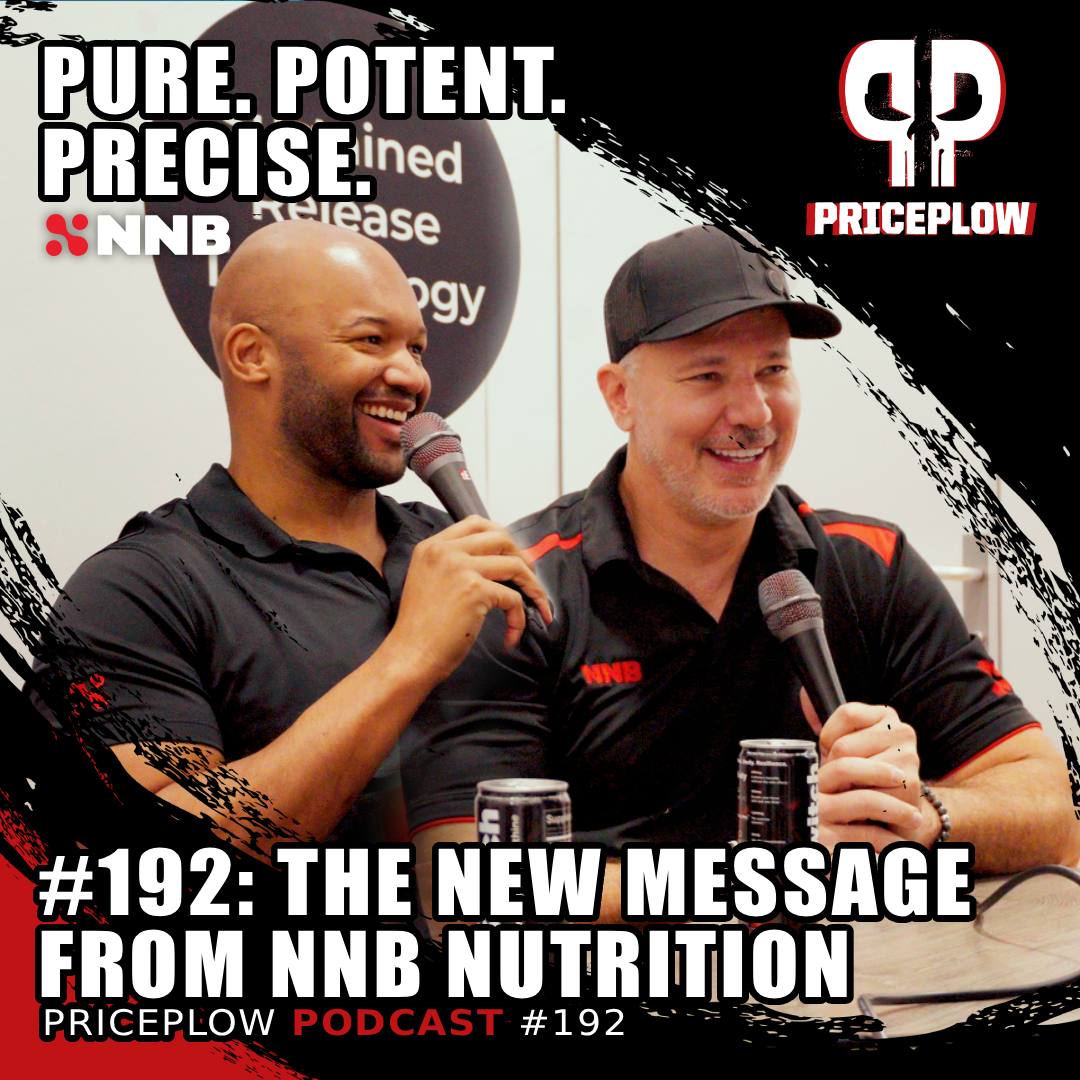
Shawn Wells and Dustin Elliott reveal NNB Nutrition's Pure, Potent, Precise revolution at SupplySide Global 2025, discussing precision fermentation, Pürest Creatine, OnSwitch beverage innovation, and the future of pharmaceutical-grade supplement ingredients on Episode #192 of the PricePlow Podcast
The timing of NNB's verification push has practical market context behind it. The premium creatine category is under real supply pressure. The industry's other premium sources are navigating significant capacity constraints, with availability expected to remain limited into late 2027. And some other established premium options in the category come with marketing restrictions that effectively close it off to sports nutrition brands.
Generic Chinese creatine remains available at low costs, only with the contamination profile we've documented at length: DHT at roughly 37 times the EFSA recommended maximum, DCD at double the guideline ceiling, and creatinine approaching the limit.[2] For brands that lead with quality claims, that's not a great sourcing option regardless of how the margin math looks.
Pürest Creatine fits the gap: independently verified, in stock, and competitively priced between the two extremes. Shawn Wells and Dustin Elliott discussed the market positioning behind this, including why the dose-exposure argument for ultra-pure sourcing has never been stronger, on the PricePlow Podcast Episode 192.
MTS Nutrition Brings Pürest Creatine to Shelves
The first brand to bring Pürest Creatine™ to retail is MTS Nutrition, whose standalone product delivers NNB's independently verified creatine monohydrate directly to consumers. It's vegan, non-GMO, and allergen-free, with a clean dissolution profile and the same lot-level testing documentation behind it.
For those who want the cleanest independently verified creatine available, with the sourcing and testing story to back it up, start here:
MTS Nutrition Pürest Creatine – Deals and Price Drop Alerts
Get Price Alerts
No spam, no scams.
Disclosure: PricePlow relies on pricing from stores with which we have a business relationship. We work hard to keep pricing current, but you may find a better offer.
Posts are sponsored in part by the retailers and/or brands listed on this page.
The Takeaway
Standard test methods handle standard products without complaint. But once you get into the big leagues, you begin to unearth new issues you'd never have thought of.
When NNB found that existing protocols were introducing creatinine artifactually, the response was to fix the method before publishing any numbers. That's what rigorous third-party testing is supposed to look like. Now, the corrected Eurofins protocol code is available on request from NNB and the entire industry -- even NNB's competitors -- can benefit from it. For consumers, MTS Nutrition's Pürest Creatine is the place to start.
Stay updated on Pürest Creatine, NNB Nutrition ingredient news, and new launches at PricePlow:

Comments and Discussion (Powered by the PricePlow Forum)