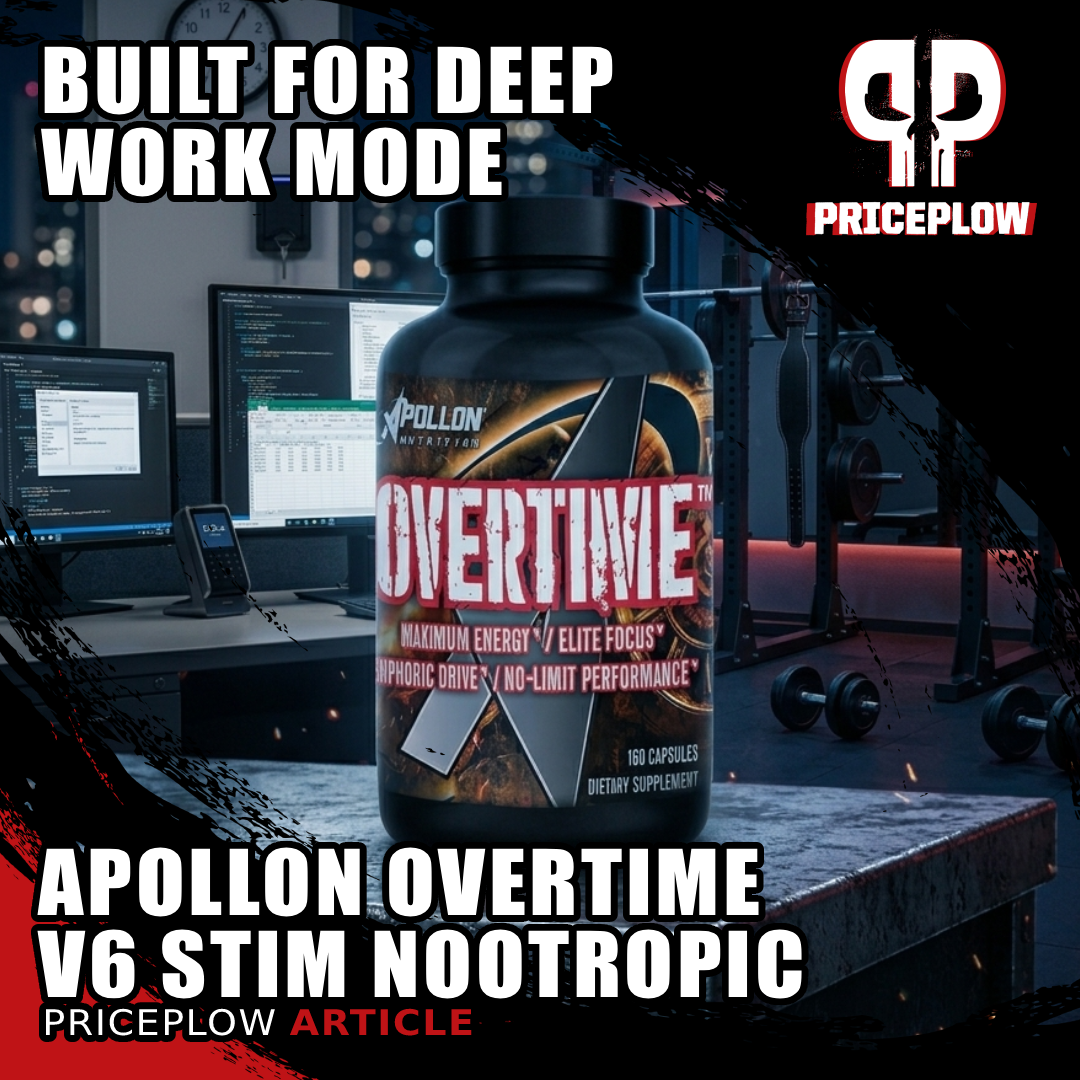
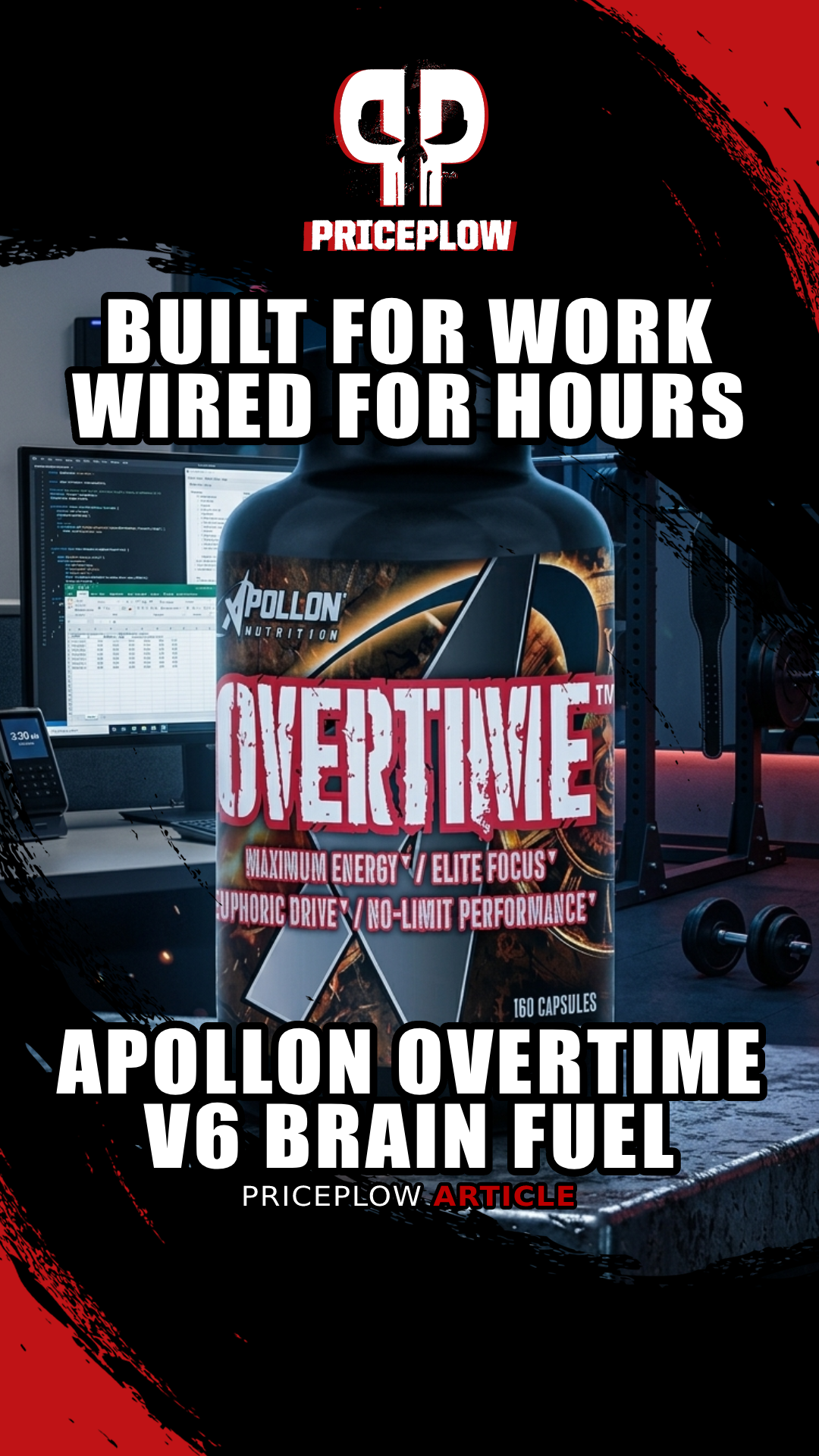
Apollon Nutrition Overtime V6 is here, and it doesn't pull punches. The rebuilt formula runs a dual-PEA stack (ThinFen + NeuroPEA), 700mg theobromine, and ~500mg caffeine. Noopept's gone. Start at 4 caps, because this one gets you wired.
When Apollon Nutrition builds a nootropic, there's no softening the edges. Apollon Nutrition Overtime™ arrives at V6 with a completely rebuilt formula, while carrying a stimulant profile that destroys most pre-workouts. The biggest additions are ThinFen™ (branded beta-phenylethylamine HCl) at 750mg, NeuroPEA™ (DMPA) at 600mg, and a dual-caffeine delivery system pairing caffeine anhydrous with di-caffeine malate for approximately 500mg total caffeine equivalent per full 8-capsule serving.
And then comes the 700mg theobromine that Apollon's founder Robik Samborsky teased us in Episode #211 of our Podcast. As you may have guessed, you'll probably want to start at far less than a full serving.
The two PEA-class compounds stepping in bring a more stimulant-forward and euphoria-leaning character that fits the brand well, replacing noopept, which Samborsky discussed in the podcast to move away from non-supplement ingredients.
Built for More Than the Weight Room
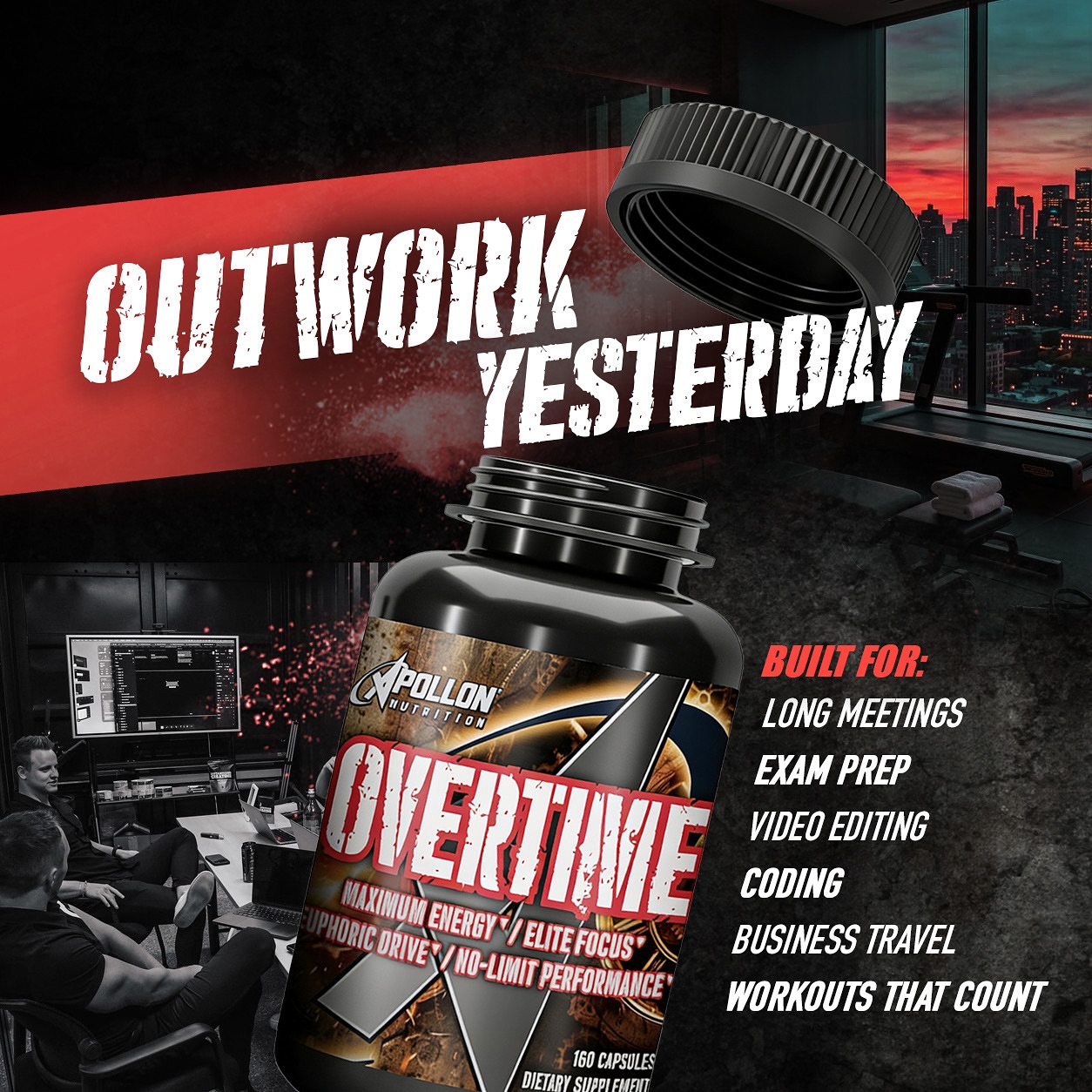
Apollon's launch creative for V6 lays out the intended audience plainly: "Built For Long Meetings. Exam Prep. Video Editing. Coding. Business Travel. Workouts That Count." That last item almost sounds like an afterthought, and the formula reflects it. The cognitive support tier anchored by SalidroPure® (full 60mg dose in 8 capsules!), CognatiQ, and vinpocetine adds staying power relevant for hours of demanding work, not just a training window.
Don't let the productivity framing lower your guard with this one, it's going to get users wired. The dual-PEA stack, massive theobromine dose, and the combined caffeine load set a steep floor. Start at 4 capsules (the half serving) before going to 8. Let's get into it below.
Apollon Nutrition Overtime – Deals and Price Drop Alerts
Get Price Alerts
No spam, no scams.
Disclosure: PricePlow relies on pricing from stores with which we have a business relationship. We work hard to keep pricing current, but you may find a better offer.
Posts are sponsored in part by the retailers and/or brands listed on this page.
This area is reserved for Team PricePlow's upcoming videos.
Subscribe to our channel and sign up for notifications so you catch it when it goes live!

Apollon Nutrition Overtime Ingredients
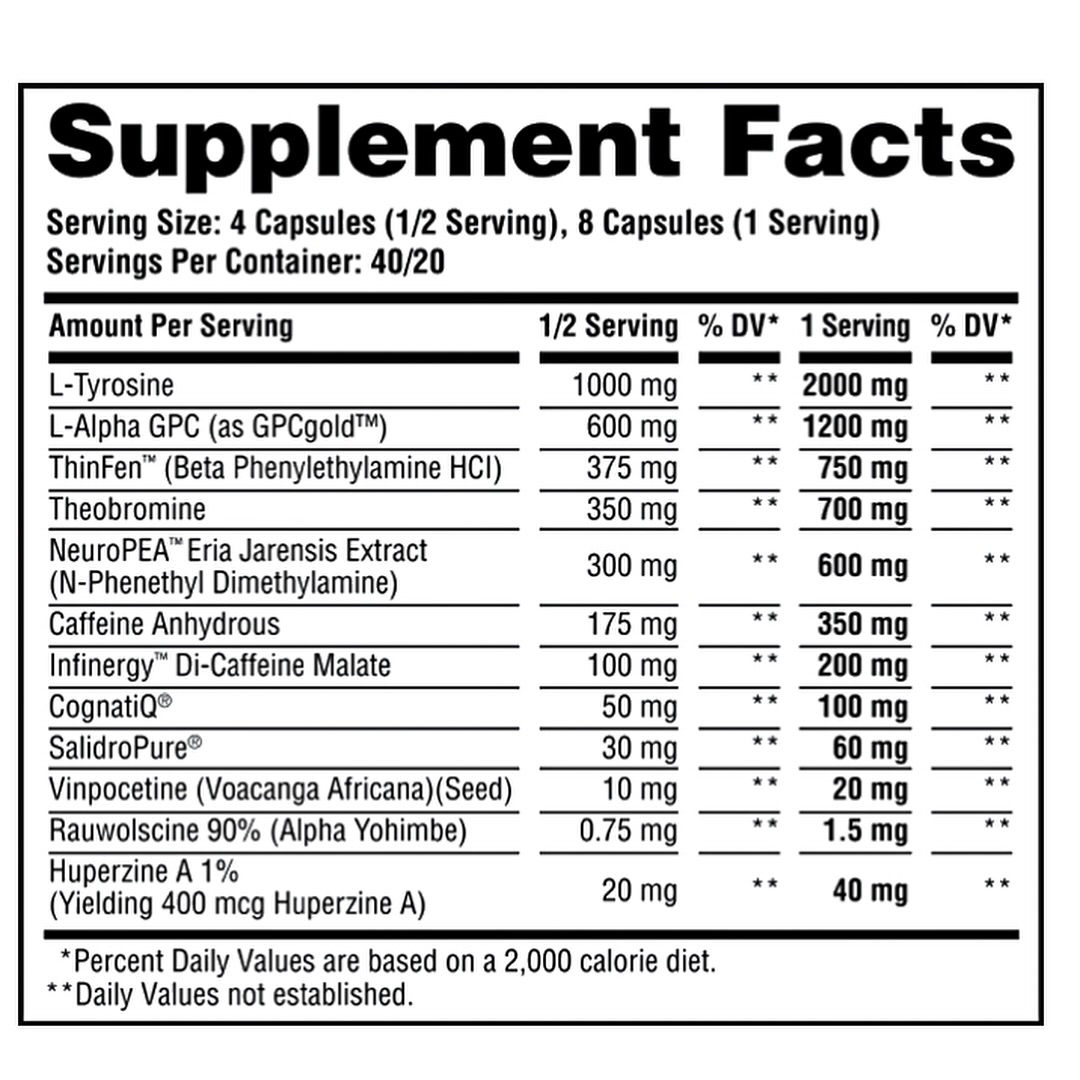
Each 8-capsule serving provides the following:
-
L-Tyrosine – 2000mg
L-Tyrosine is a conditionally essential amino acid and direct precursor to the catecholamine neurotransmitters dopamine and norepinephrine. After crossing the blood-brain barrier, it's converted via tyrosine hydroxylase to L-DOPA, which then becomes dopamine and eventually norepinephrine.[1][2]
The mechanism is demand-dependent: tyrosine only enhances neurotransmitter synthesis in actively firing neurons.[1][2] Under sustained cognitive load, turnover of dopamine and norepinephrine accelerates until precursor availability becomes the limiting factor. Tyrosine supplementation keeps that supply from running short.
Research on tyrosine under cognitively demanding conditions has shown improvements in working memory, inhibitory control, and cognitive flexibility, with the effect most consistent when neurotransmitter systems are already under demand.[1][3] A systematic review also identified it as one of few supplements with meaningful support for cognitive output during sleep deprivation.[4] That context fits Overtime's mission exactly. At 2000mg, the dose is consistent with the 2g used in multiple positive cognition trials. Paired with 1200mg GPCgold™ covering the cholinergic side and the dual-PEA stack triggering fast monoamine release, tyrosine ensures dopamine and norepinephrine substrate stays ahead of demand.
-
L-Alpha GPC (as GPCgold™) – 1200mg
Alpha-GPC (alpha-glycerylphosphorylcholine) is among the most bioavailable choline sources, crossing the blood-brain barrier and converting to phosphatidylcholine to raise acetylcholine levels at cholinergic synapses.[5] And this is a large dose with a lot of clinical backing. Generally GPCgold is dosed at 50%, so we're guessing the yield here is 600mg actual alpha-GPC, which is still quite large.

A 2024 randomized crossover trial found both 315mg and 630mg (final yield) doses improved Stroop test scores and completion times in healthy males versus placebo,[6] offering a meaningful cognitive benefit even below the full GPCgold™ dose used here. Placebo-controlled research also found cholinergic supplementation may support upward shifts in motivation during sustained daily tasks.[7] One study noted TSH suppression at 500mg that may reflect upstream dopaminergic involvement, an angle that fits well alongside Overtime's PEA-class compounds.[8]
On the physical side, acute 600mg dosing (what we likely have here) augmented post-exercise growth hormone and peak bench press force versus placebo.[9] Pairing the 1200mg GPCgold™ with Huperzine A, which inhibits acetylcholinesterase, creates a two-pronged approach to supporting healthy cholinergic function from separate angles. Caffeine's adenosine receptor antagonism then adds a third convergent pathway, pointing toward alertness and sustained mental output.
At these doses, you can tell Apollon is serious, as they normally are. But now we get into the PEA stack, which too many formulators seem to be forgetting about these days:
-
ThinFen™ (Beta Phenylethylamine HCl) – 750mg
ThinFen™ is a branded beta-phenylethylamine (PEA) HCl, an endogenous trace amine synthesized from L-phenylalanine. Concentrated in nigrostriatal and mesolimbic circuits, PEA activates TAAR1 (trace amine-associated receptor 1), a Gαs-coupled receptor that modulates dopamine and norepinephrine signaling in key motivational and mood-supporting pathways.[10]

Downstream, PEA promotes dopamine release, inhibits dopamine transporter reuptake, and increases tyrosine hydroxylase expression in the dorsal striatum, collectively driving the psychomotor focus and positive affective state that characterize ThinFen's contribution here.[11]
The practical limitation of PEA is speed: MAO-B degrades it very quickly, producing a brief but concentrated effect window.[12] The 750mg dose delivers a high-amplitude pulse designed to register perceptibly without concurrent MAO-B inhibition. The 2000mg L-Tyrosine at the top of this formula provides upstream dopamine synthesis support, pairing naturally with PEA's release-and-reuptake mechanism. Aerobic exercise further increases endogenous PEA production, boosting urinary phenylacetic acid (PEA's primary metabolite) by an average of 77% in healthy subjects.[13]
NeuroPEA, covered lower, extends this with a structurally distinct PEA-class compound that holds longer, complementing ThinFen's fast-onset burst.
-
Theobromine – 700mg
Theobromine is a methylxanthine alkaloid from cacao (Theobroma cacao) and the dominant compound by volume in chocolate. Like caffeine, it antagonizes adenosine receptors, but with roughly 2-3x lower affinity at A1 and considerably weaker activity at A2A, producing a softer, predominantly peripheral profile rather than the CNS-forward stimulation caffeine delivers.[14] Its half-life runs 7 to 12 hours versus caffeine's 2.5 to 5, and peak plasma concentrations arrive 2 to 3 hours post-ingestion, extending total coverage after caffeine has leveled off.[15]
The 700mg dose is the real deal. Robik flagged this in Episode #211 of our Podcast, and there's a study to back the number: a placebo-controlled crossover trial tested exactly 700mg theobromine combined with caffeine, finding the combination preserved alertness benefits while blunting caffeine's pressor effect on blood pressure.[16]

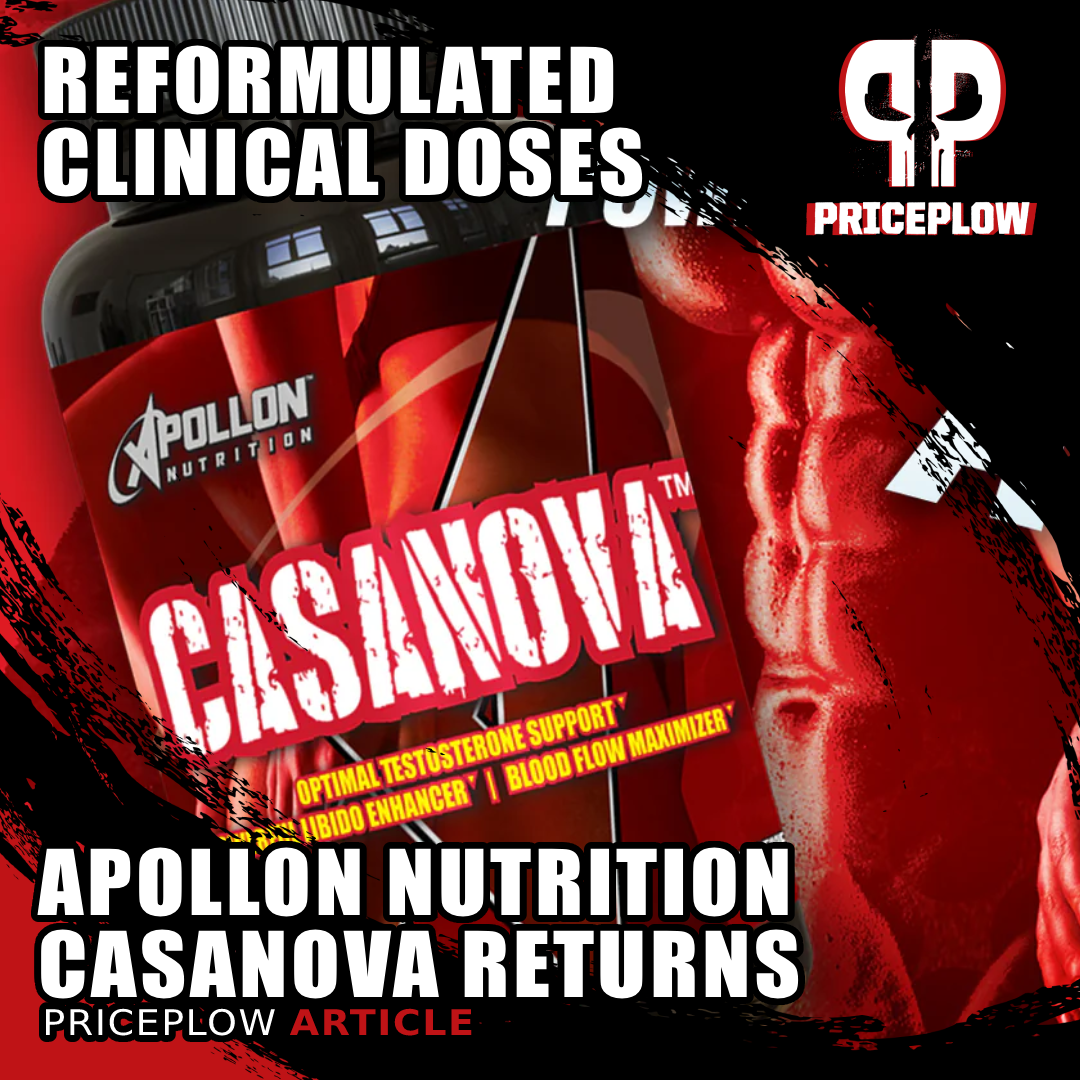
Apollon Nutrition reformulated Casanova with 10 clinical-dosed ingredients for male vitality. New additions include ashwagandha, shilajit, and spilanthes acmella. Yohimbine removed. Features 1500mg Nitrosigine, upgraded 30% icariin horny goat weed, 500mg black ginger. Blood flow, testosterone support, stress management in one formula.
Most products cap theobromine between 100mg and 200mg. Against ~500mg total caffeine, 700mg is a meaningful contributor, and it's a large part of why Overtime's stimulant profile carries the smooth, extended character that separates it from single-compound caffeine products.
-
NeuroPEA™ Eria Jarensis Extract (N-Phenethyl Dimethylamine) – 600mg
NeuroPEA™ is the branded extract of N,N-Dimethylphenethylamine (DMPA) from Eria jarensis Ames, first identified as a phenethylamine alkaloid source in 1969.[17] DMPA is a trace amine that acts as a TAAR1 agonist, a receptor positioned to directly influence dopamine and serotonin neuronal firing and release.[10] In vitro, DMPA activated human TAAR1 as a partial agonist, reaching roughly two-thirds the peak response phenethylamine produces at that receptor, with weaker additional activity at two ADRα1 adrenergic subtypes.[18] This means we have dopamine and serotonin modulation, but with a natural cap rather than the full-blast activation plain phenethylamine produces, plus more reasonable activity at two adrenergic subtypes.
Unlike plain beta-PEA, DMPA carries N,N-dimethyl groups on the amine nitrogen. Plain PEA is a selective substrate for MAO-B, which degrades it to phenylacetaldehyde and dimethylamine within minutes. The dialkyl groups slow that degradation and increase lipophilicity, supporting blood-brain barrier penetration.[19] Paired with ThinFen's 750mg beta-PEA HCl, the two compounds produce complementary time profiles: faster onset from the PEA backbone, longer window from DMPA.
At 600mg, this is a very large dose jump from the 125mg to 250mg range early products established.
-
Caffeine Anhydrous – 350mg (of ~500mg total caffeine)
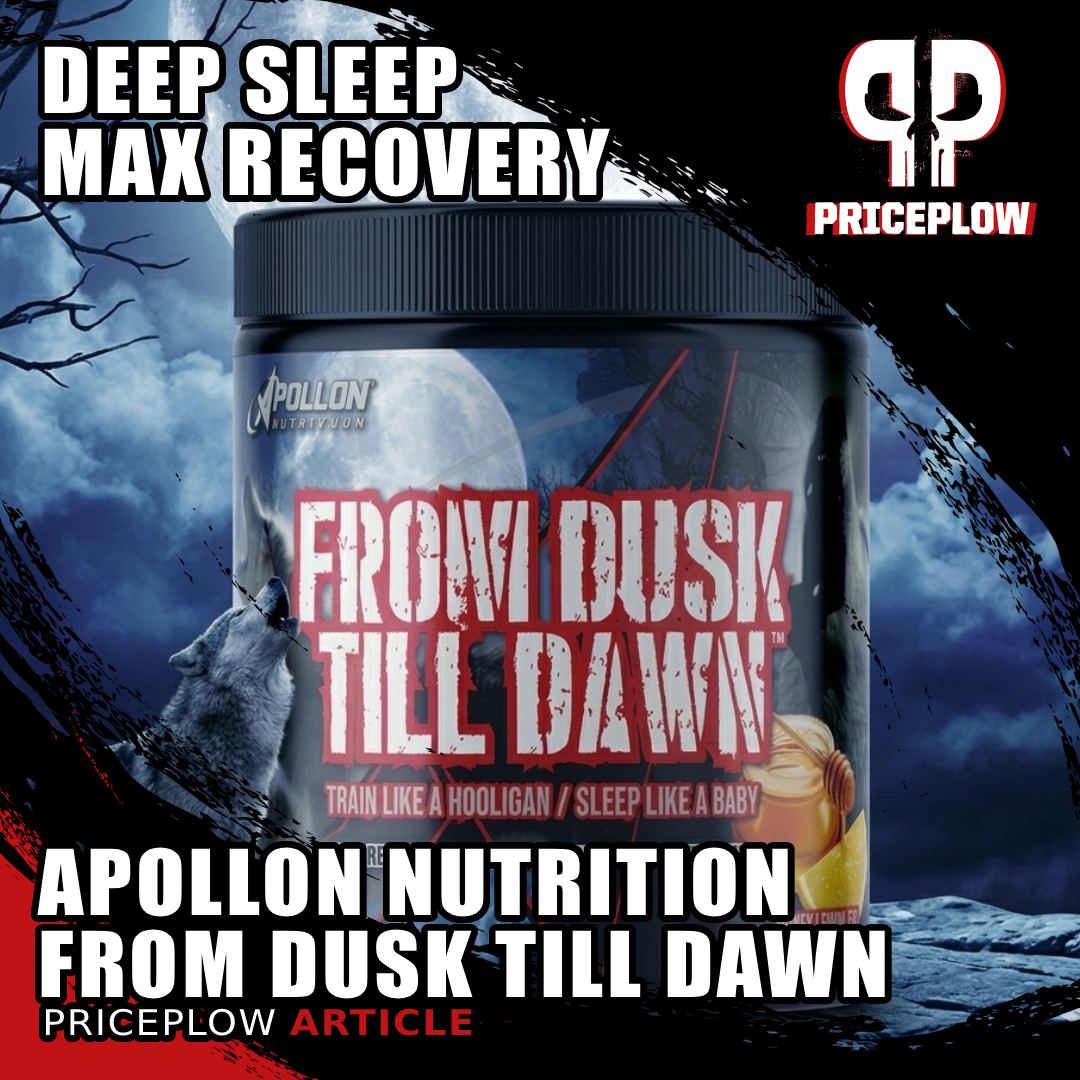
Train like a hooligan, sleep like a baby. Apollon Nutrition From Dusk Till Dawn delivers 14 fully disclosed ingredients including 3g glycine, 3g GABA, 600mg ashwagandha, and a dual-release melatonin system.
Caffeine anhydrous delivers 350mg of this formula's ~500mg total caffeine load, operating through a well-established primary mechanism: competitive antagonism at adenosine A1 and A2A receptors.[20] These receptors act as the brain's inhibitory checkpoints, suppressing arousal and dampening dopaminergic activity under baseline conditions. Blocking them disinhibits alertness circuitry, supporting documented improvements in attention, reaction time, and sustained vigilance.[21][22]
Physical performance benefits follow. Meta-analyses confirm caffeine significantly improves muscle strength and endurance compared to placebo.[23][24] The ISSN's position stand notes aerobic endurance shows the most consistent and largest gains, and puts the effective ergogenic window at 3 to 6mg per kg body weight.[25] At 350mg anhydrous, most users sit squarely in that range, with Infinergy's contribution pushing the total to ~500mg. That combined load is solidly in the high-stim tier, which is precisely why Apollon's half-serving recommendation isn't a suggestion.
Caffeine consumed as early as six hours before bedtime can meaningfully disrupt sleep at high doses,[26] making the product's morning-to-early-afternoon cutoff necessary, not merely cautionary.
-
Infinergy™ Di-Caffeine Malate – 200mg (yields ~150mg of ~500mg total caffeine)
Infinergy™ is branded di-caffeine malate, which contributes the remaining ~150mg of caffeine to Overtime's total load. The compound ionically bonds two caffeine molecules to malic acid, and according to its manufacturer, that ionic bond slows caffeine's breakdown compared to the anhydrous form, extending the stimulant curve rather than adding a second sharp spike.
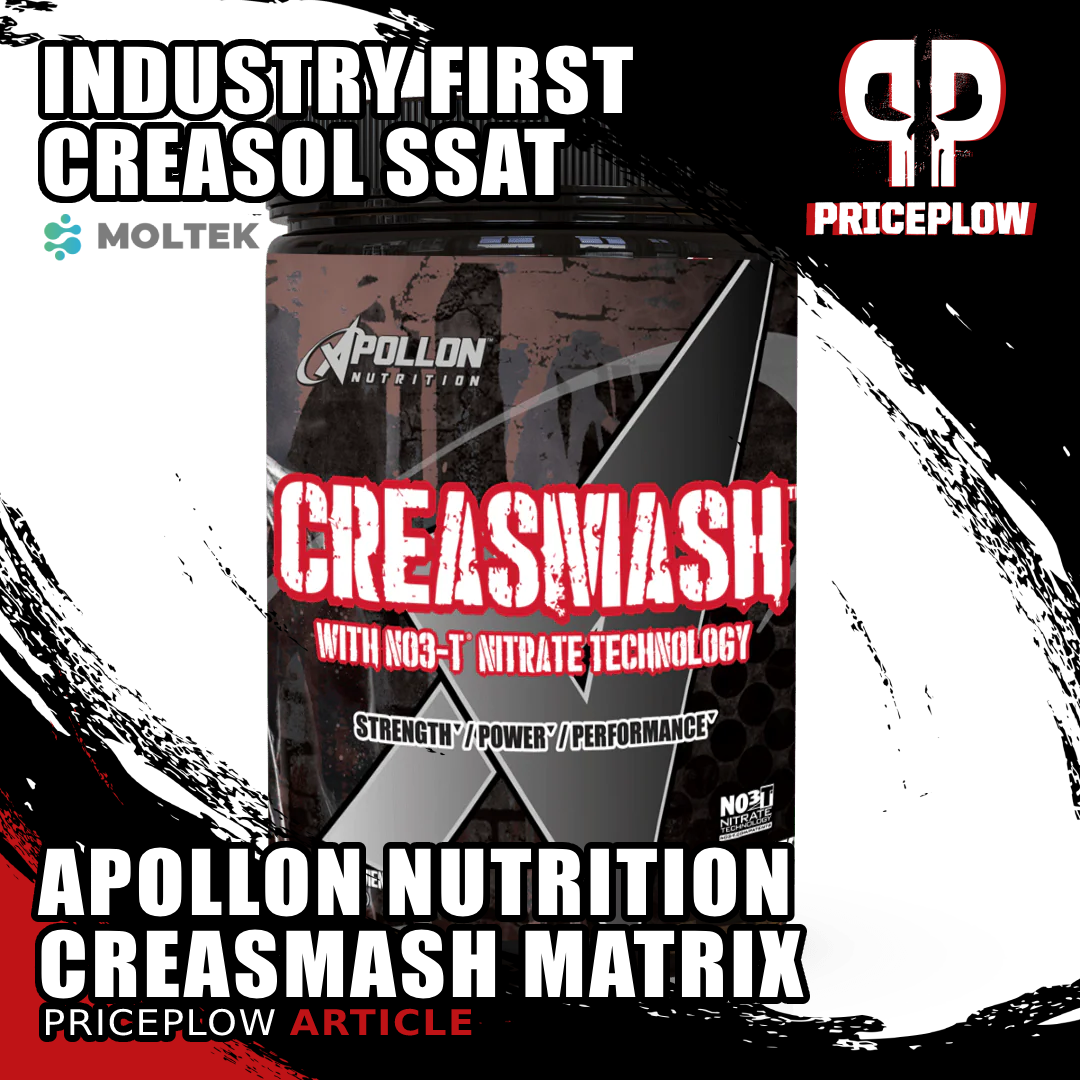
Apollon Nutrition is back with CreaSmash -- the first supplement featuring CreaSol SSAT! Research shows 28% greater strength gains and 51% better endurance vs creatine alone. If you're serious about your training, this could be the creatine upgrade you've been waiting for.
The malic acid component is a Krebs cycle intermediate that may support cellular energy production, but we normally see far more malic acid in powdered supplements than what would be here. No independent clinical trials on di-caffeine malate specifically exist, but the mechanism pairs logically with Overtime's fast-onset anhydrous base.
-
CognatiQ® – 100mg
CognatiQ® is a whole coffee fruit concentrate standardized to 40% chlorogenic acids, sourced from the coffee cherry's husk and pulp that conventional bean processing discards. That distinction matters: the intact fruit's polyphenol profile drives a BDNF elevation response that regular coffee and caffeine-only extracts don't replicate in clinical testing.
BDNF (brain-derived neurotrophic factor) binds to TrkB receptors to support synaptic plasticity, neurogenesis, and maintenance of established neural networks. A single 100mg dose elevated plasma BDNF by 143% versus baseline in an acute pilot study,[27] and a larger within-subject crossover (n=20) recorded 91% at 60 minutes, significantly above both placebo and freshly brewed coffee.[28] A separate crossover fMRI/MRS pilot found whole coffee cherry extract increased BDNF, reduced reaction time, and enhanced anterior cingulate connectivity in decision-making and attention networks.[29]
At 100mg, CognatiQ adds neuroplasticity support that complements the faster monoamine effects of the PEA stack and caffeine.
-
SalidroPure® – 60mg
SalidroPure® is NNB Nutrition's precision-fermented salidroside, the principal bioactive of Rhodiola rosea, produced as a nature-identical compound via fermentation rather than harvest from the now CITES-protected plant. The 60mg dose matches the exact protocol from the first human RCT on pure biosynthetic salidroside.
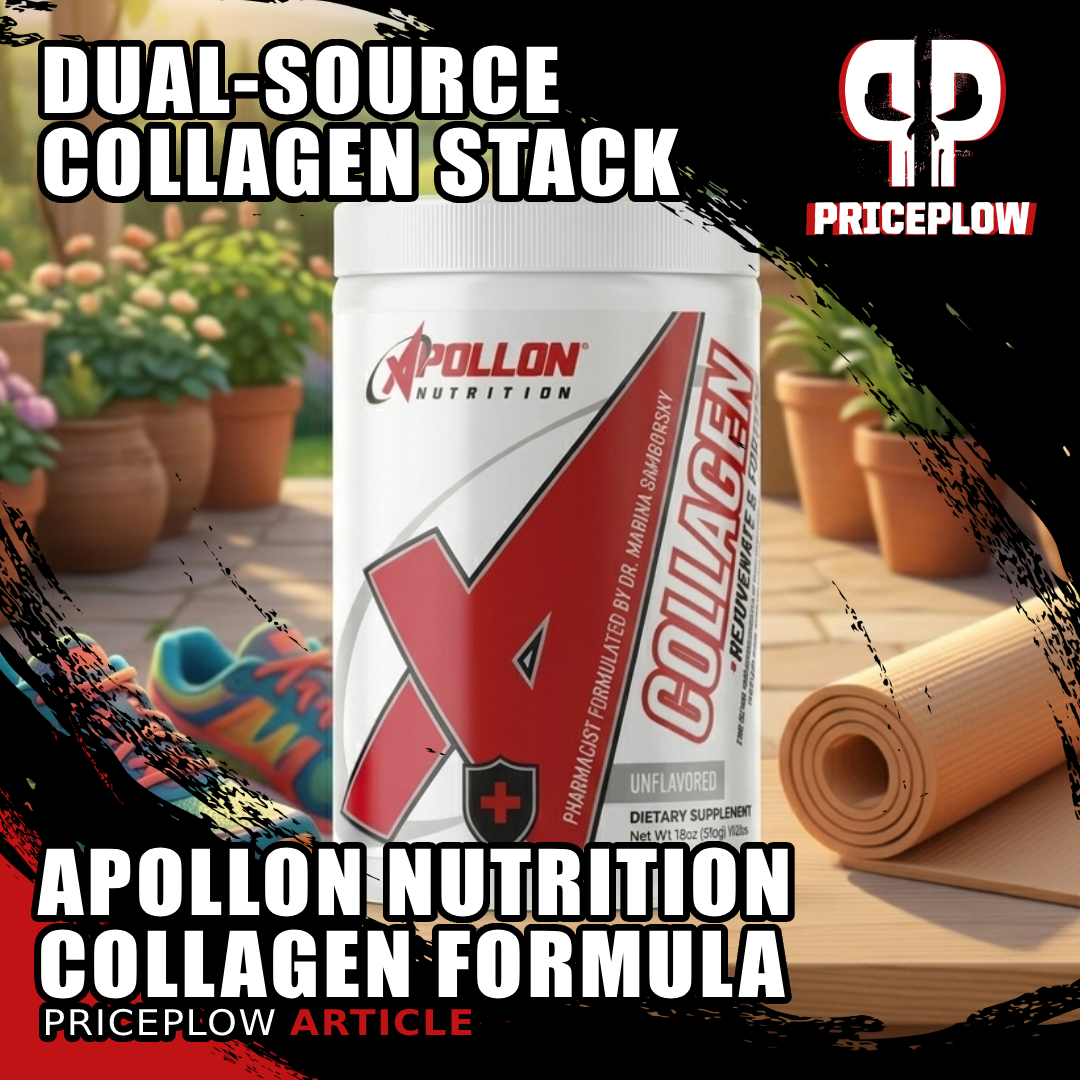
Most collagen supplements stop at one ingredient. Apollon Nutrition Collagen stacks five around a 15g marine base, covering exogenous supply, endogenous production, enzymatic protection, and joint support in one scoop.
In that 2024 double-blind trial in 50 healthy active adults, 60mg/day for 16 days improved oxygen utilization during high-intensity intermittent exercise and blunted post-exercise myoglobin elevation, a marker of exercise-induced muscle damage.[30] The placebo group saw declining performance and rising fatigue-inertia scores. The salidroside group maintained both.
The mechanism centers on AMPK activation, which supports mitochondrial function and nitric oxide production via the AMPK/PI3K/Akt/eNOS pathway.[30] A 2026 study using SPR and CETSA validation further identified DRD2 (the dopamine D2 receptor) as a direct binding target of salidroside and its in vivo metabolite tyrosol, with downstream ERK phosphorylation confirmed in neuronal cells.[31] That DRD2 activity adds a receptor-level dopaminergic angle that complements the release-side mechanisms driving the dual-PEA stack above.
This is a feel-good ingredient surrounded with more of the same, all hitting from different angles.
-
Vinpocetine (Voacanga Africana)(Seed) – 20mg
Vinpocetine is a synthetic alkaloid derived from apovincamine, here sourced from Voacanga africana seed rather than the traditional periwinkle plant. Several mechanisms account for its effects on cerebral function: selective inhibition of Ca²⁺/calmodulin-dependent cGMP-phosphodiesterase raises intracellular cGMP in vascular smooth muscle, reducing cerebral vascular resistance and supporting healthy cerebral blood flow.[32] Vinpocetine also blocks voltage-gated Na⁺ channels with potency comparable to phenytoin in rat cortical neurons.[33] A third pathway targets NF-κB via direct IKK inhibition, supporting a healthy inflammatory response through a mechanism independent of PDE blockade.[34]
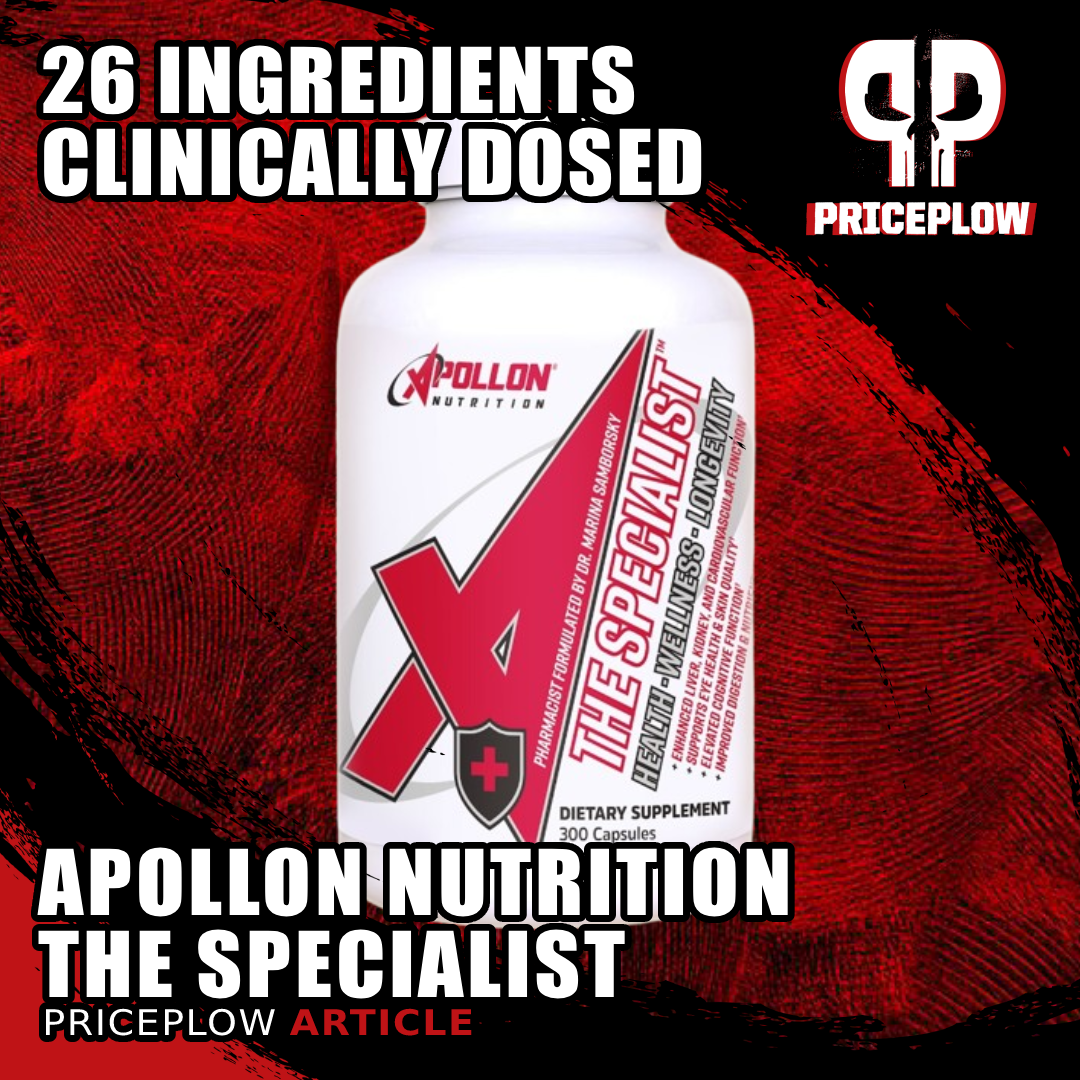
Apollon Nutrition The Specialist delivers 26 clinically-dosed ingredients for comprehensive organ support. 500mg TUDCA, 1200mg NAC, 1000mg bergamot, plus vitamins and minerals in 10 capsules daily. Pharmaceutical-grade organ protection built for serious athletes.
In healthy volunteers, 40mg vinpocetine improved memory on the Sternberg scanning task.[35] A 16-week double-blind trial found 30mg/day improved global clinical impression and cognitive performance scores versus placebo.[36] At 20mg, Overtime's dose sits at the lower end of clinically studied ranges -- oral bioavailability increases 60 to 100% when taken with food versus a fasted state, making timing here a bit more important.[37]
Within this formula, vinpocetine's cerebral blood flow support pairs naturally with the cholinergic stack, where GPCgold™ and Huperzine A cover acetylcholine from supply and degradation angles. Vinpocetine also inhibits adenosine reuptake,[32] adding a complementary dimension to caffeine's A1/A2A receptor antagonism already in play.
-
Rauwolscine 90% (Alpha Yohimbe) – 1.5mg
Now it's time to up the intensity even more!
Rauwolscine, also known as alpha-yohimbine, is a stereoisomer of yohimbine but with different receptor selectivity. Where yohimbine retains moderate activity at both α1 and α2 adrenergic receptors, rauwolscine is more than 50 times less potent at α1, making it the more selective α2-adrenergic antagonist of the two.[38]
That selectivity matters a lot: blocking presynaptic α2 autoreceptors removes the negative feedback on norepinephrine release, effectively turning up sympathetic tone. Postjunctional α2 blockade on adipocytes simultaneously lifts the antilipolytic brake, allowing norepinephrine to drive β-adrenergic-mediated lipolysis more freely. Research on oral α2 antagonism found elevated plasma free fatty acids and glycerol under fasted conditions, an effect reinforced during exercise and fully suppressed after a meal.[39] Direct animal data with rauwolscine also found reduced food intake.[40]

At 1.5mg, this will definitely be felt but is a large-yet-supporting dose, not the lead driver. Its most relevant contribution in Overtime's context may be norepinephrine amplification, which pairs with L-Tyrosine's precursor supply and the PEA stack's monoamine release to reinforce the alertness side of this formula. Individual response to α2 antagonists varies considerably.[41] That's another reason to start at 4 capsules.
-
Huperzine A 1% (Yielding 400 mcg Huperzine A) – 40mg
Huperzine A is a reversible acetylcholinesterase (AChE) inhibitor derived from the club moss Huperzia serrata. By blocking AChE, it slows acetylcholine (ACh) clearance at cholinergic synapses, raising availability in regions including the prefrontal cortex and hippocampus.[42] Compared to related compounds, Huperzine A shows roughly 900-fold selectivity for AChE over butyrylcholinesterase, narrowing its action to the intended pathway.[43][44] Oral dosing also produces longer-lasting AChE inhibition than comparable agents at equivalent molar amounts.[45]
Rat microdialysis data show that the ACh elevation from Huperzine A coincided with significantly increased dopamine release in both the medial prefrontal cortex and hippocampus, circuits involved in working memory and motivational drive.[45] That dopaminergic angle fits naturally alongside the dual-PEA stack already driving monoamine activity upstream.
At 400mcg active (40mg of 1% extract), the dose aligns with amounts used in placebo-controlled trials reporting improvements in memory quotient and cognitive test scores.[43] That's also a much larger dose than we normally see (it's usually in the 50-200mcg range). Paired with 1200mg GPCgold™, the two components support ACh function from complementary angles: Alpha-GPC supplies the precursor while Huperzine A slows its breakdown.
How to Use
- When to take it: Take in the morning, early afternoon, or 30 to 45 minutes before training.
- With or without food: Taking with food improves the absorption of several ingredients in this formula, including vinpocetine.
- Other notes: Start with 4 capsules (half serving) to assess your stimulant tolerance. Don't take in the evening.
Stacks Well With
- Bare Knuckle (stimulant-free): Overtime handles the stimulant and cognitive side. Bare Knuckle adds the pump and performance support without any additional caffeine or stimulants.
- Casanova: The blood flow and male vitality support in Casanova complements Overtime's cognitive and energy focus for a more complete approach.
- CreaSmash: Creatine doesn't conflict with anything in this formula. Adding CreaSmash gives you the strength and power support without adding to the stimulant load.
- From Dusk Till Dawn: You might need some sleep support after this one!
Who It's For
- Experienced stimulant users: Two PEA-class compounds combined with approximately 500mg total caffeine equivalent makes this a product for people who know their tolerance. Don't treat it as a starting point.
- High-output workers and students: Anyone grinding through long coding sessions, study blocks, editing runs, or other demanding work will find genuine utility in this formula.
- Athletes training without a stim pre-workout: Pair Overtime with Bare Knuckle on training days for the cognitive edge and energy without double-loading stimulants.
Conclusion: Compliance Didn't Slow Overtime Down
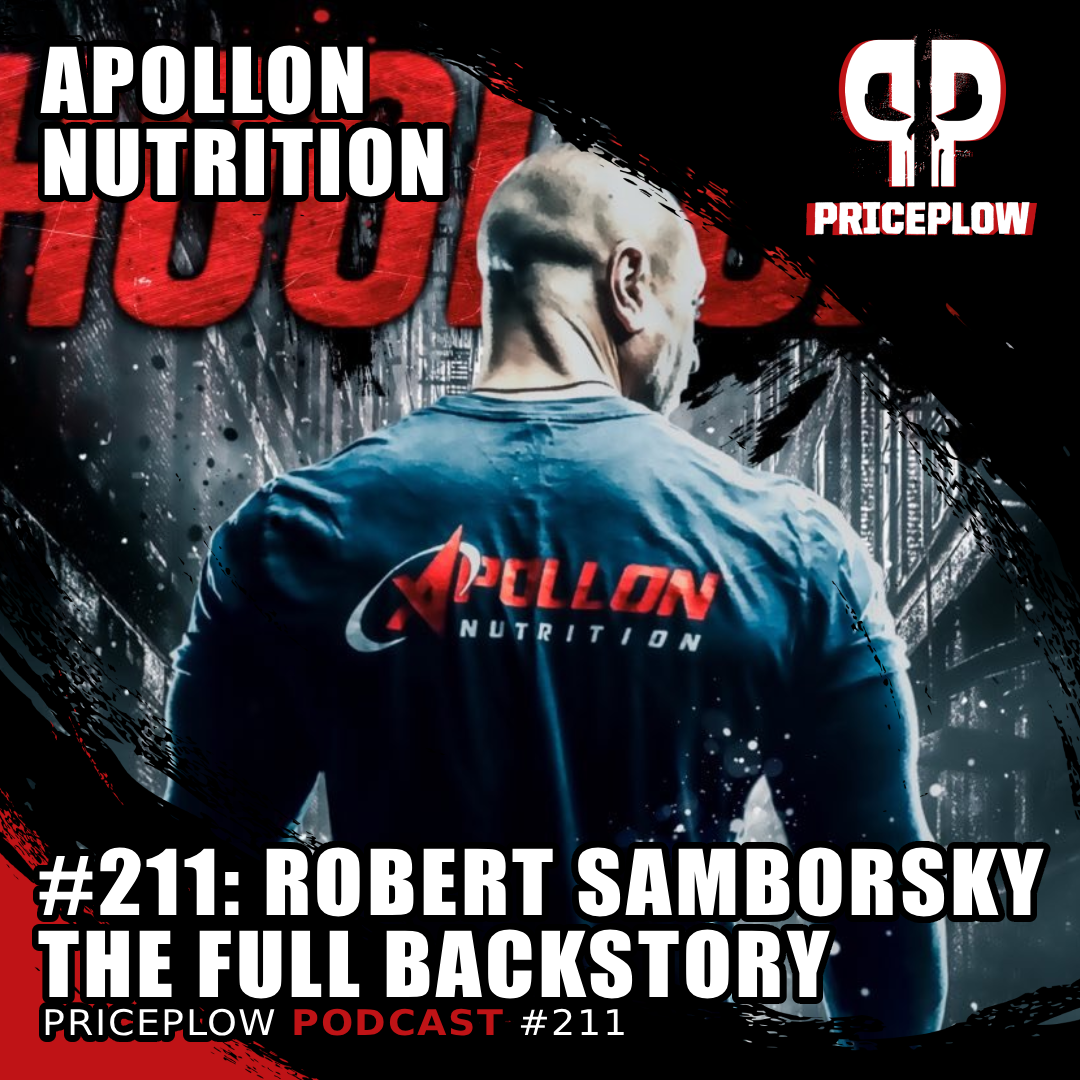
Robert "Robik" Samborsky, founder of Apollon Nutrition and owner of the legendary Apollon Gym in Edison, NJ, shares his full origin story from Soviet-era Ukraine through Muay Thai title fights in Thailand to building one of the most trusted hardcore supplement brands in the industry on Episode #211 of the PricePlow Podcast.
Overtime V6 is what happens when a brand that doesn't do things halfway decides to do them by the book. The formula sheds noopept and replaces it with ThinFen™ and NeuroPEA™, a dual-PEA combination that arguably delivers a more immediate, stimulant-forward experience anyway. Combined with 1200mg GPCgold™ (double the Alpha-GPC dose most nootropics list as a headline ingredient), the full 60mg SalidroPure®, and 700mg theobromine, V6 doesn't leave room for half-measures.
The theobromine dose deserves another callout. At 700mg, it's well above the 100mg to 200mg range most products treat as a ceiling. When you're already running 500mg total caffeine, dialing the theobromine back to 100mg is just noise, and the Hooligans at Apollon see through that logically. It mirrors what they've been doing with the Hooligan pre-workout, and it adds a smooth, sustained dimension to the caffeine hit that experienced users will notice.
For everyone who wants to push through demanding daytime output, Overtime V6 was built with you in mind. When you're running this hard during the day, the overnight recovery side deserves the same attention: Apollon Nutrition From Dusk Till Dawn covers sleep and overnight repair with the same clinical commitment Apollon brings to its energy products.
Check PricePlow below for pricing and availability, and sign up for Apollon Nutrition alerts so you don't miss what's next.
Apollon Nutrition Overtime – Deals and Price Drop Alerts
Get Price Alerts
No spam, no scams.
Disclosure: PricePlow relies on pricing from stores with which we have a business relationship. We work hard to keep pricing current, but you may find a better offer.
Posts are sponsored in part by the retailers and/or brands listed on this page.

Comments and Discussion (Powered by the PricePlow Forum)