Longevity research spent decades defaulting to male subjects. Now five NNB Nutrition ingredients have women-specific clinical data that most coverage has never fully surfaced.
For decades, researchers studied aging in men -- and assumed the results applied equally to women. They didn't. The NIH didn't require women to be included in federally funded clinical trials until 1993! Before that mandate, the default research subject was a 155-pound man. Most preclinical longevity work defaulted to male mice. The foundational science behind anti-aging supplementation was, for decades, built on male biology.
The supplement industry inherited that bias, largely unchallenged. Generic "longevity stacks" got marketed to everyone, but the clinical data behind them often skimped on female subjects... or excluded them entirely.
That's starting to change. And it turns out several ingredients in NNB Nutrition's longevity portfolio have collected meaningful, women-specific clinical data that most coverage has never fully surfaced. Not because anyone designed them that way from the start, but because good science tends to follow good molecules.
This article digs into that data: five ingredients, each with documented relevance to how women specifically age -- not just how people age in general.
Before diving in, sign up for our NNB Nutrition news alerts, since there's some very important research coming that's teased at the end of the article:
Subscribe to PricePlow's Newsletter and NNB Nutrition Alerts
Women Don’t Just Age Faster. They Age Differently.
Before getting into the ingredients, it's worth explaining why a separate conversation about women's longevity makes sense at all.
Menopause isn't just the end of a reproductive cycle. It's the loss of estrogen, and estrogen does a lot more than most people realize. It modulates mitochondrial function, supports insulin sensitivity, maintains bone density, and suppresses neuroinflammation. Lose it, and beyond dealing with hot flashes, you're triggering a near-simultaneous decline across metabolic, cardiovascular, cognitive, and musculoskeletal health.
The timing compresses what would otherwise be gradual multi-decade decline into a relatively short window. For instance, heart disease risk in women inflects sharply after menopause (cardiovascular disease is the leading cause of death in women over 65). Bone loss accelerates dramatically in the first five to ten years post-menopause, and osteoporosis affects women at roughly four times the rate of men. Alzheimer's diagnoses run about 65% female, and declining estrogen is considered a contributing factor in that disparity. Post-menopausal insulin resistance and visceral fat redistribution are nearly universal, even in women who weren't previously metabolically challenged.
Men experience gradual age-related hormonal decline too, but it doesn't happen all at once. Women face a highly compacted biological event with cascading downstream effects, and the science of aging (built mostly on male subjects) has never fully accounted for that.
The good news is that several NNB ingredients have accumulated specific data on exactly these inflection points. Here's where the evidence sits.
The Gender Gap in Supplement Research
NNB Nutrition's Longevity Platform combines four powerful ingredients -- Puremidine (spermidine), BioNMN (NMN), MitoPrime (L-ergothioneine), and GlucoVantage (dihydroberberine) -- to target "youth span" through cellular recycling, energy restoration, and mitochondrial protection.
A brief note on why this matters scientifically. Before the 2016 NIH mandate requiring sex as a biological variable in preclinical research, roughly 80% of animal studies in some research areas used male subjects only. Reason being, female animals were considered a confound, as hormonal cycles introduced variability that researchers wanted to eliminate. So they just excluded females!
The result is a research literature with a systematic blind spot for how compounds behave in female biology. Supplement ingredient research is no exception. Efficacy signals found in male populations got generalized to everyone, and female-specific effects went unstudied.
What the ingredient sections below show is that some compounds ended up with female-specific clinical data anyway, often through cardiovascular research, metabolic studies, or reproductive science that happened to enroll women. That's not the same as a purpose-built women's research program, but it's meaningful data, and it tells a coherent story when put together.
NNB Nutrition’s Longevity Ingredients for Women
NNB Nutrition's longevity portfolio is anchored by MitoPrime L-ergothioneine, BioNMN, Puremidine spermidine, and GlucoVantage dihydroberberine, with MitoBurn L-BAIBA rounding out the picture. It was originally built around cellular aging mechanisms, but they also happen to be especially relevant to the female aging cascade. Each ingredient is covered below.
You can read more about the full longevity platform in our article on NNB Nutrition's Longevity Platform: Extending Your Youth Span with Science-Backed Ingredients. This article takes it even further with a few more ingredient additions described below.
-
MitoPrime (L-Ergothioneine) - Cellular and Cardiovascular Protection

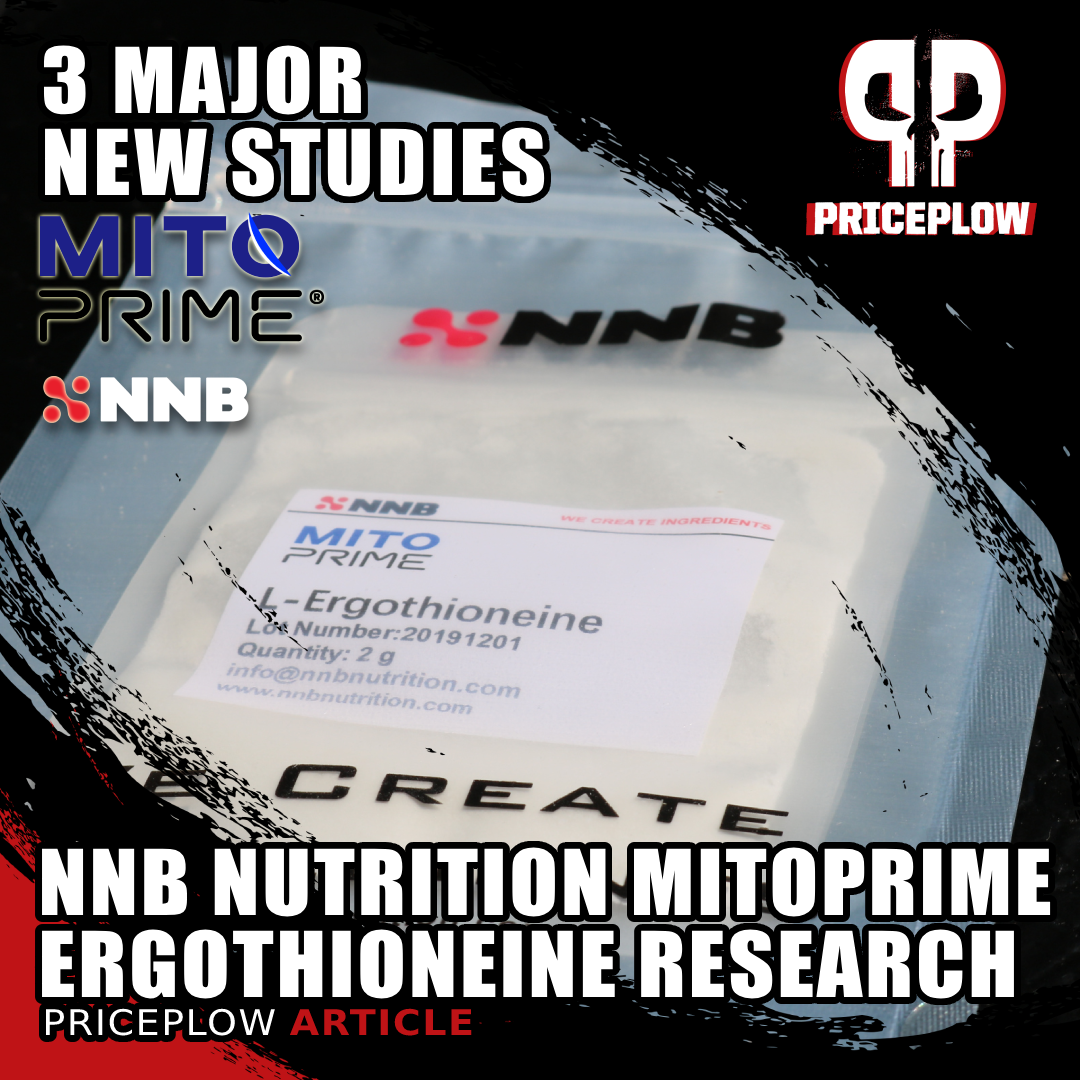
Three major scientific reviews now support Ergothioneine as a "longevity vitamin" essential for healthy aging! MitoPrime by NNB Nutrition delivers pharmaceutical-grade L-Ergothioneine to protect your cells from oxidative damage and support cognitive health.
MitoPrime is NNB Nutrition's precision-fermented L-ergothioneine, an incredibly powerful antioxidant that's absorbed via the body's dedicated OCTN1 transporter. That transporter routes ergothioneine to tissues under oxidative stress rather than distributing it evenly. For women navigating the post-menopausal shift, that stress-guided distribution directs ergothioneine toward the tissues that need it most.
The most distinctive female-specific finding comes from Williamson et al. (2020), which tested ergothioneine in a validated animal model of preeclampsia, a hypertensive pregnancy disorder affecting roughly 5 to 8% of pregnancies and a documented long-term cardiovascular risk factor for affected women. Incredibly, ergothioneine significantly reduced blood pressure (129±3 vs. 115±4 mmHg; P=0.01) and rescued fetal growth restriction by suppressing mitochondrial reactive oxygen species (mROS).[1] That cardiovascular protection extends beyond pregnancy. In a 21-year prospective study of 3,236 adults, ergothioneine was the metabolite most significantly associated with lower risk of coronary artery disease, cardiovascular mortality, and all-cause mortality, independent of traditional risk factors.[2] Post-menopause, when estrogen-dependent cardiovascular protection drops away, that finding is more relevant to women than standard longevity research has generally acknowledged.
Kameda et al. (2020) identified ergothioneine as one of the key blood metabolites distinguishing frail from non-frail older adults, a syndrome that disproportionately affects women.[3] Skin tissue is also among the sites where ergothioneine accumulates via OCTN1, supporting antioxidant defenses against UV-induced oxidative damage (relevant to overall cellular aging).[4]

MitoPrime delivers ergothioneine via precision fermentation as the 100% L-isomer, at 5 to 30mg daily, with GRAS designation. Dig into the mechanistic detail in our ergothioneine deep-dive or the research roundup in our recent MitoPrime longevity research news.
-
BioNMN (NMN) - The Metabolic Correction Women Actually Need
Post-menopausal insulin resistance is near-universal once estrogen drops. Skeletal muscle handles the majority of insulin-stimulated glucose uptake, and as NAD+ levels decline with age and metabolic disruption, so does the signaling that keeps muscle responsive. BioNMN, NNB Nutrition's stabilized NMN ingredient, directly targets that gap.
The centerpiece study is Yoshino et al. (2021), a 10-week, randomized, placebo-controlled, double-blind trial conducted entirely in postmenopausal women with prediabetes who were overweight or obese. NMN at 250mg daily produced a 25% improvement in muscle insulin sensitivity (p<0.01), assessed via hyperinsulinemic-euglycemic clamp, which is the gold standard metabolic measure. Liver and adipose tissue sensitivity were unaffected, pointing to a muscle-specific mechanism: upregulated AKT and mTOR phosphorylation and increased expression of PDGFRβ, a receptor central to muscle remodeling.[5] We covered the mechanisms in depth in our NMN and muscle insulin sensitivity in women article, and this is a women-only human RCT, not a subgroup analysis.
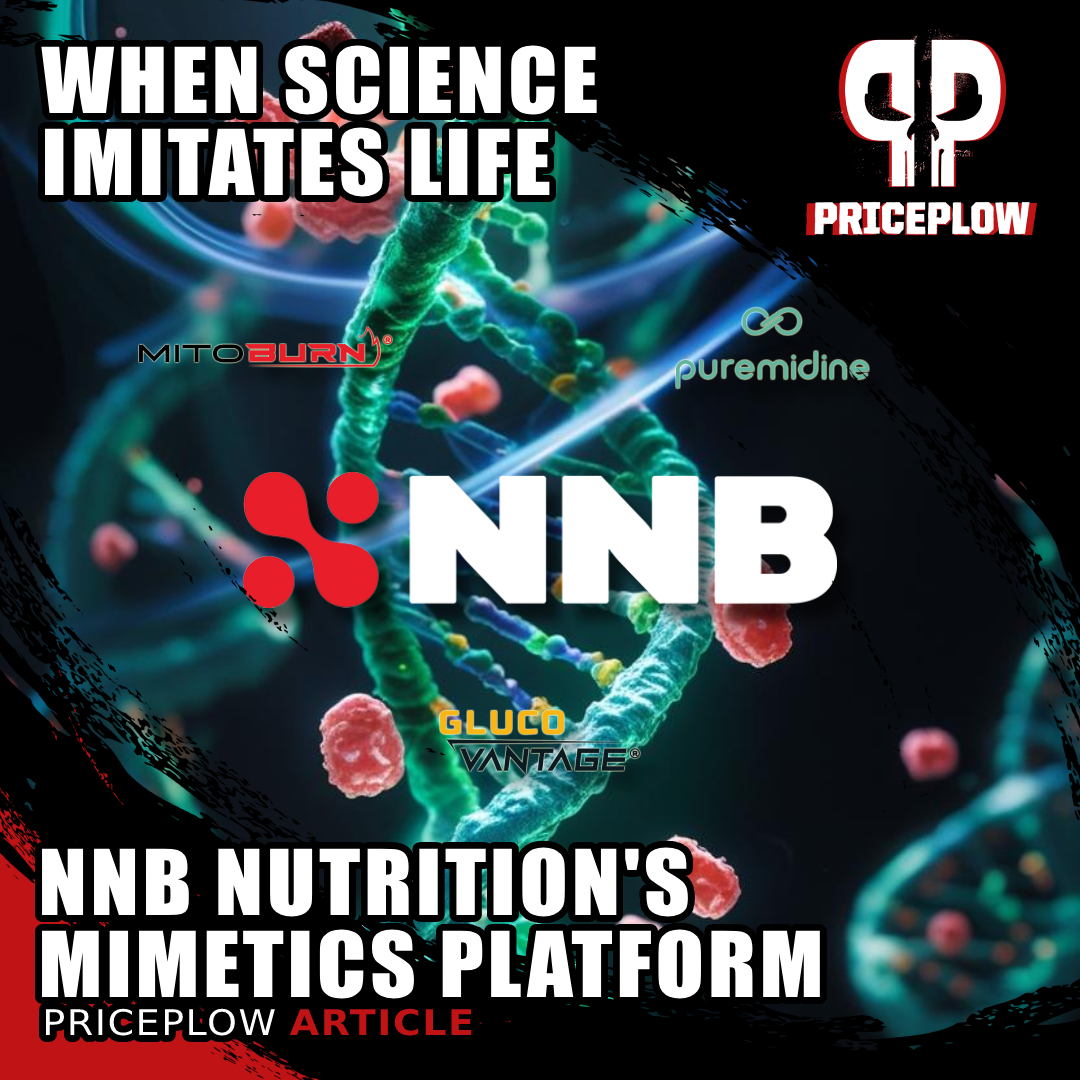
NNB Nutrition's mimetic supplements hack your biology: MitoBurn (L-BAIBA) triggers exercise signals at rest, GlucoVantage (dihydroberberine) activates GLP-1 pathways naturally, and Puremidine (spermidine) mimics fasting's cellular cleanup. The science is wild.
Yi et al. (2022) broadens the picture: in a 60-day dose-dependent RCT across 80 healthy middle-aged adults, 300mg to 900mg NMN daily raised blood NAD+ significantly and improved six-minute walk distance versus placebo, with 600mg showing the strongest performance benefit.[6]
BioNMN uses a beadlet delivery system for improved stability, with a clinical dosing range of 300mg to 600mg daily. It carries an FDA-acknowledged New Dietary Ingredient Notification (NDIN); read more about the form at BioNMN.
-
Puremidine (Spermidine) - Brain Protection and Beyond
Alzheimer's diagnoses run roughly 65% female, and spermidine's latest brain-aging data speaks directly to that disparity.
Liang et al. (2025) tested spermidine supplementation in aging Drosophila on both high- and low-protein diets. Protein restriction alone failed to protect intermediate-term memory from age-related decline. Spermidine did, restoring memory performance in aging flies regardless of protein intake.[7] The driving mechanism is eIF5A hypusination, which helps maintain mitochondrial integrity in aging brain tissue and sustains autophagy (cellular clearance), the process that keeps neurons functional as they accumulate damage.[7][8]
That neuronal housekeeping has a measurable population signal. A 2025 UK Biobank analysis of over 197,000 participants found each additional 1mg of dietary spermidine correlated with a 0.075-year reduction in biological age (PhenoAge acceleration), a dose-dependent effect sustained across age and sex subgroups.[9] Schroeder et al. (2021) extended that picture with large-scale prospective data linking higher dietary spermidine intake to reduced cognitive impairment risk in humans.[8]
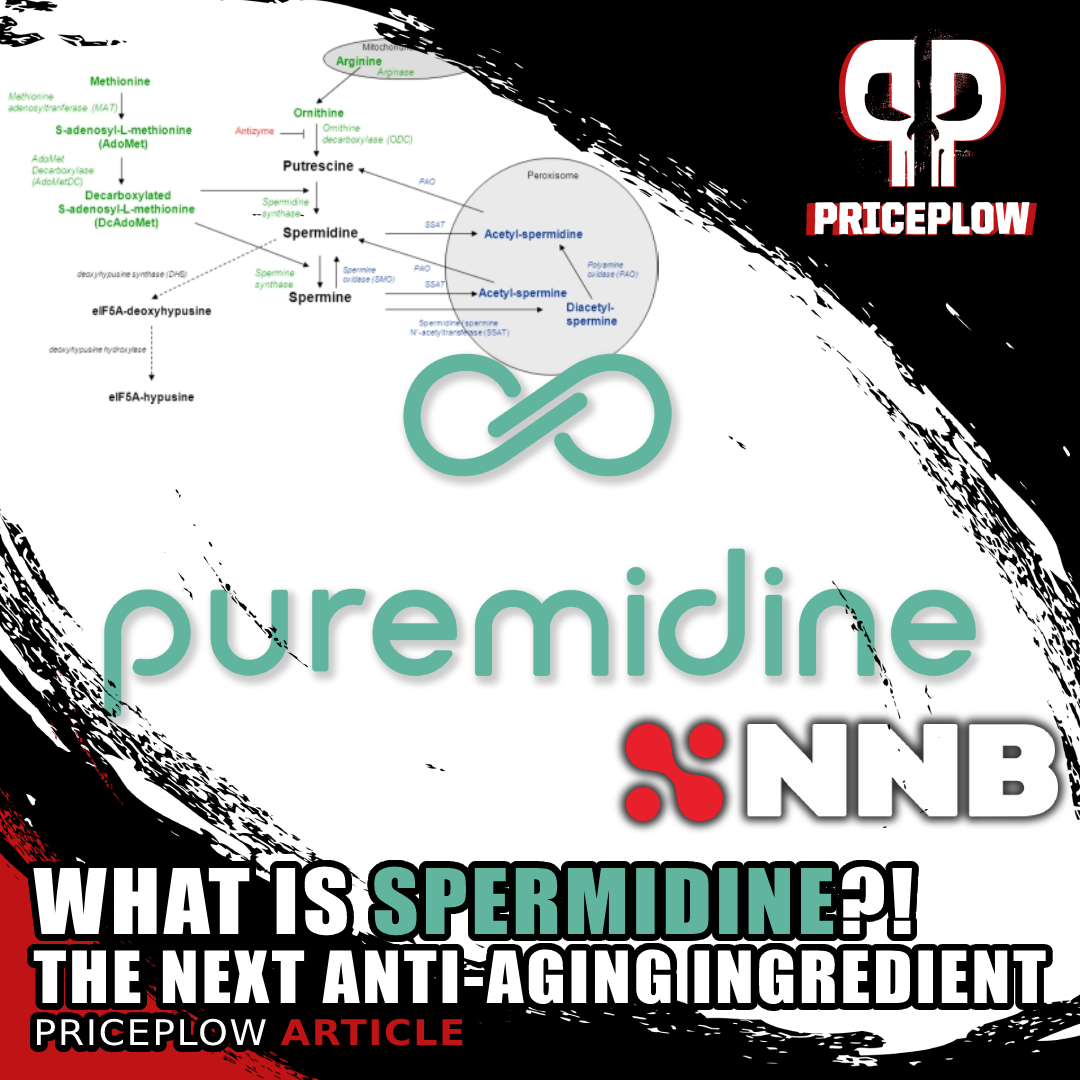
What is Spermidine?! This next-generation anti-aging ingredient is known as a polyamine, and it's now available as NNB Nutrition's Puremidine
Emerging Reproductive Data
Spermidine is one of the only longevity compounds with early-stage data on reproductive aging. Zhang et al. (2023) found spermidine rejuvenated oocyte quality in an aged model by enhancing mitophagy, the selective clearance of damaged mitochondria within egg cells.[10] That research is preclinical and needs human validation, but it extends the compound's relevance to women well before menopause.
Puremidine is NNB Nutrition's synthetic spermidine, free of the allergens found in wheat-derived alternatives, GRAS-certified, and dosed at a 3.3mg clinical target. The full mechanistic picture is in our spermidine deep dive.
-
GlucoVantage (Dihydroberberine) - Metabolic Support for the Post-Estrogen Shift
Estrogen directly supports AMPK signaling and GLUT4 translocation in skeletal muscle, so its loss at menopause triggers the near-universal insulin resistance, visceral fat redistribution, and blood sugar drift that define the post-menopausal metabolic shift.
GlucoVantage dihydroberberine targets this through AMPK activation, the energy-sensing pathway linked to caloric restriction signals, enhancing glucose uptake and suppressing hepatic gluconeogenesis.[11][12] Standard berberine requires gut bacterial conversion to dihydroberberine before absorption, limiting systemic availability and necessitating 1,000-1,500mg daily doses.[13] GlucoVantage skips that step, arriving ready for absorption and producing approximately five times the plasma berberine concentration at just 400-600mg daily in human pharmacokinetic research.[14]
Anti-Glycation and Post-Menopausal Tissue Aging
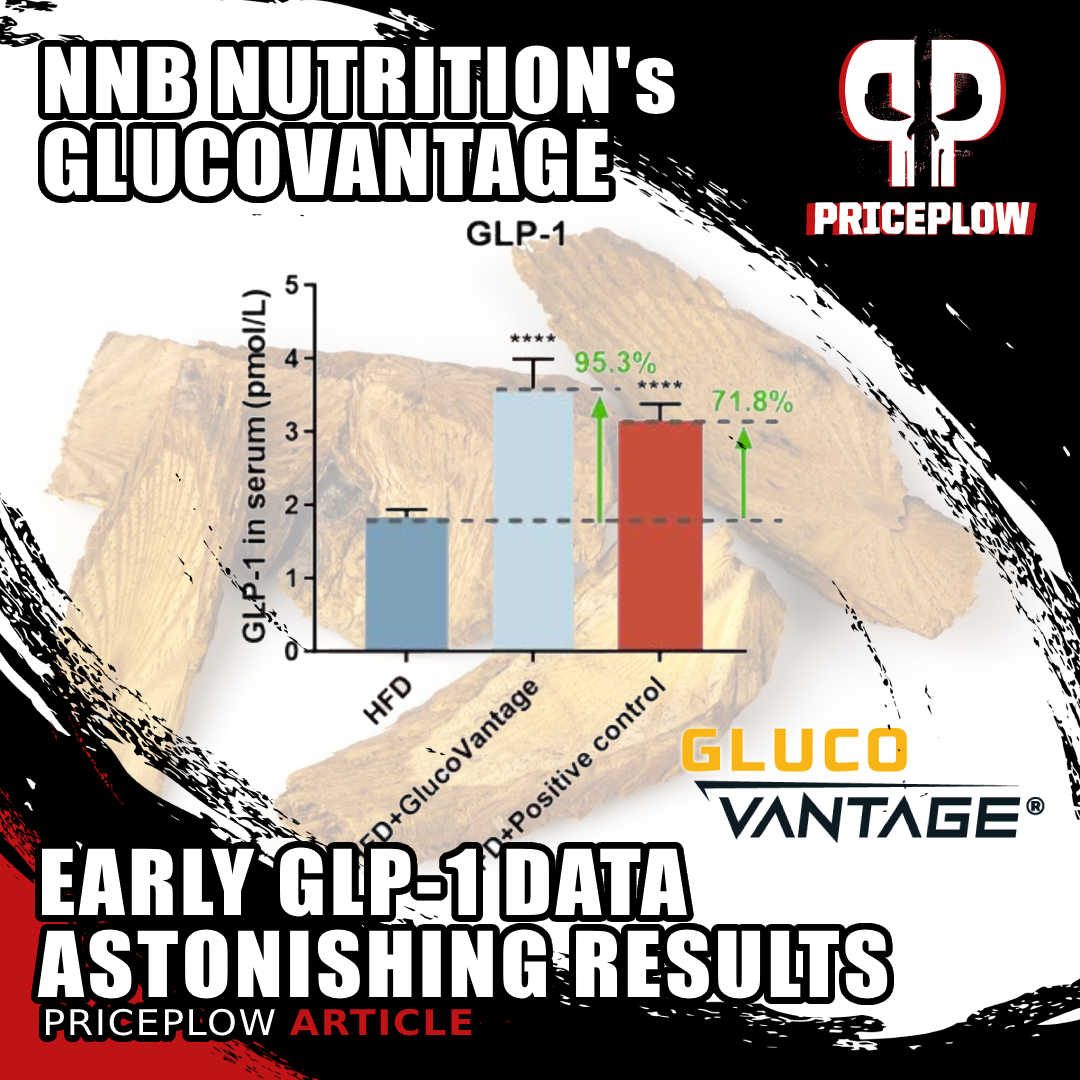
GlucoVantage® dihydroberberine redefines metabolic health by boosting GLP-1 levels by 95% in new research. Its superior bioavailability and multi-faceted benefits—like better body composition, lipid profiles, and oxidative stress reduction—position it as a groundbreaking natural alternative to GLP-1 drugs.
Glycation, the non-enzymatic bonding of glucose to proteins and lipids, accelerates as post-menopausal metabolic control declines, accumulating as advanced glycation end-products (AGEs) in skin, vasculature, and connective tissue. GlucoVantage's AMPK-driven glucose control reduces the substrate available for glycation, and the GlucoVantage patent notes berberine metabolite administration may lower glycation as reflected in HbA1c, citing potential anti-aging properties.
GLP-1 Support and 2026 Human Data
Berberine and its metabolites also stimulate GLP-1 secretion from intestinal L-cells via bitter taste receptor activation, adding appetite support to its glucose effects.[15][16] A 2026 acute study showed a single 200mg GlucoVantage dose outperformed placebo on all five appetite metrics tested. An ongoing 42-day study shows HOMA-IR improving in the GlucoVantage group versus worsening in placebo, though full results are pending. For the complete GLP-1 and mechanistic picture, see our dihydroberberine deep dive and GlucoVantage GLP-1 article.
-
MitoBurn (L-BAIBA) - The Exercise Signal That Protects Bone
MitoBurn (L-β-aminoisobutyric acid, known as L-BAIBA) is an "exerkine", a signaling metabolite released by contracting muscle, and the most recent women-specific data points squarely at bone.
New NNB Nutrition preclinical data on MitoBurn (L-BAIBA) shows 22% endurance and 20% strength gains at ~1,500mg/day HED. Three independent 2025 papers deepen the exercise mimetic story further -- bone health, aging, and muscle protection all in the mix
Osteoporosis affects roughly four times as many women as men, with bone loss accelerating sharply post-menopause. Huang et al. (2025) used an ovariectomized (OVX) mouse model (the standard simulation of post-menopausal bone loss) and showed L-BAIBA directly suppresses osteoclastogenesis through the SLC6A6 taurine transporter, downregulating PI3K/AKT/NF-κB signaling and activating appropriate antioxidant systems.[17] Supplemental L-BAIBA produced the same bone-protective outcome as exercise itself.
The human relevance is direct: plasma L-BAIBA concentrations were significantly lower in women with postmenopausal osteoporosis versus healthy controls, correlating positively with bone mineral density.[17] For women who can't do high-impact weight-bearing exercise, L-BAIBA may carry the bone-protective signal that movement would otherwise provide.
Vallejo et al. (2025) adds a complementary finding: L-BAIBA combined with endurance exercise outperformed either alone on bone and muscle outcomes in middle-aged mice, including better trabecular thickness, connectivity, and bone material quality.[18]
MitoBurn's 737g/L water solubility and beverage stability make it one of the more formulator-friendly entries in this stack. For the full exercise mimetic and dosing picture, see our MitoBurn performance article.

Real-World Validation: The HOP Box Study
All five ingredients above have peer-reviewed evidence behind them -- but most of it comes from controlled laboratory settings. A company called HOP Box (Human Optimization Project) is changing that.
HOP Box makes a doctor-formulated daily longevity supplement designed specifically for women, with 19 ingredients in a two-pack daily format. They're currently running a clinical study that collects data passively using wearable devices -- tracking real-world metrics like heart rate variability, sleep quality, and activity patterns over time in an actual female population. That's a different kind of evidence than a controlled lab trial: messier, but closer to how these ingredients actually perform in daily life.
The study is ongoing, and results are expected later in 2026. When those come in, we'll update this article with a link to the full breakdown.
For ingredient suppliers like NNB, a wearable-validated real-world study in women is exactly the kind of downstream validation that translates laboratory science into market credibility. It's the right study for the right population -- and it's about time.
The Stack at a Glance
Together, the five ingredients above address the specific biological inflection points that make women's aging distinct from men's: cardiovascular and cellular protection when estrogen-dependent defenses weaken (MitoPrime), metabolic correction for post-menopausal insulin resistance (BioNMN and GlucoVantage), cognitive defense against the brain aging that hits women disproportionately (Puremidine), and bone-protective signaling for the post-menopausal skeletal decline that affects women four times as often as men (MitoBurn).
| Ingredient | NNB Form | Women-Specific Relevance | Dose Range |
| L-Ergothioneine | MitoPrime | Cardiovascular/frailty protection | 5–30mg |
| NMN | BioNMN | Muscle insulin sensitivity (women-only RCT) | 300–600mg |
| Spermidine | Puremidine | Cognitive protection, biological age reduction | 3.3mg |
| Dihydroberberine | GlucoVantage | Post-menopausal metabolic correction | 400–600mg |
| L-BAIBA | MitoBurn | Bone protection post-menopause | 500-1000mg |
Longevity science spent a long time forgetting about women. The ingredient data covered here suggests that gap is finally, if imperfectly, getting corrected. Sign up below to get notified when the HOP Box study results land and we update this article with real-world data to match.


Comments and Discussion (Powered by the PricePlow Forum)