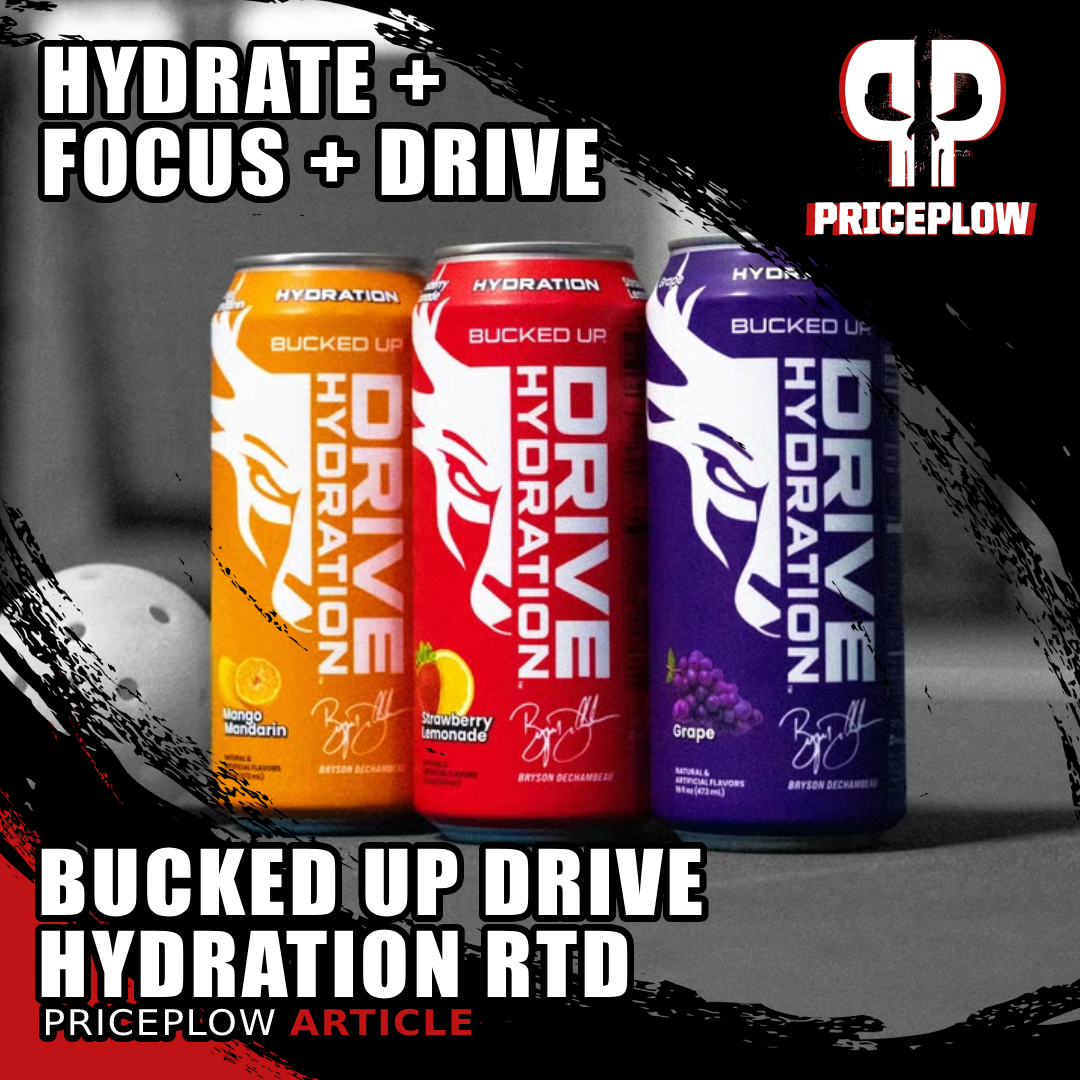
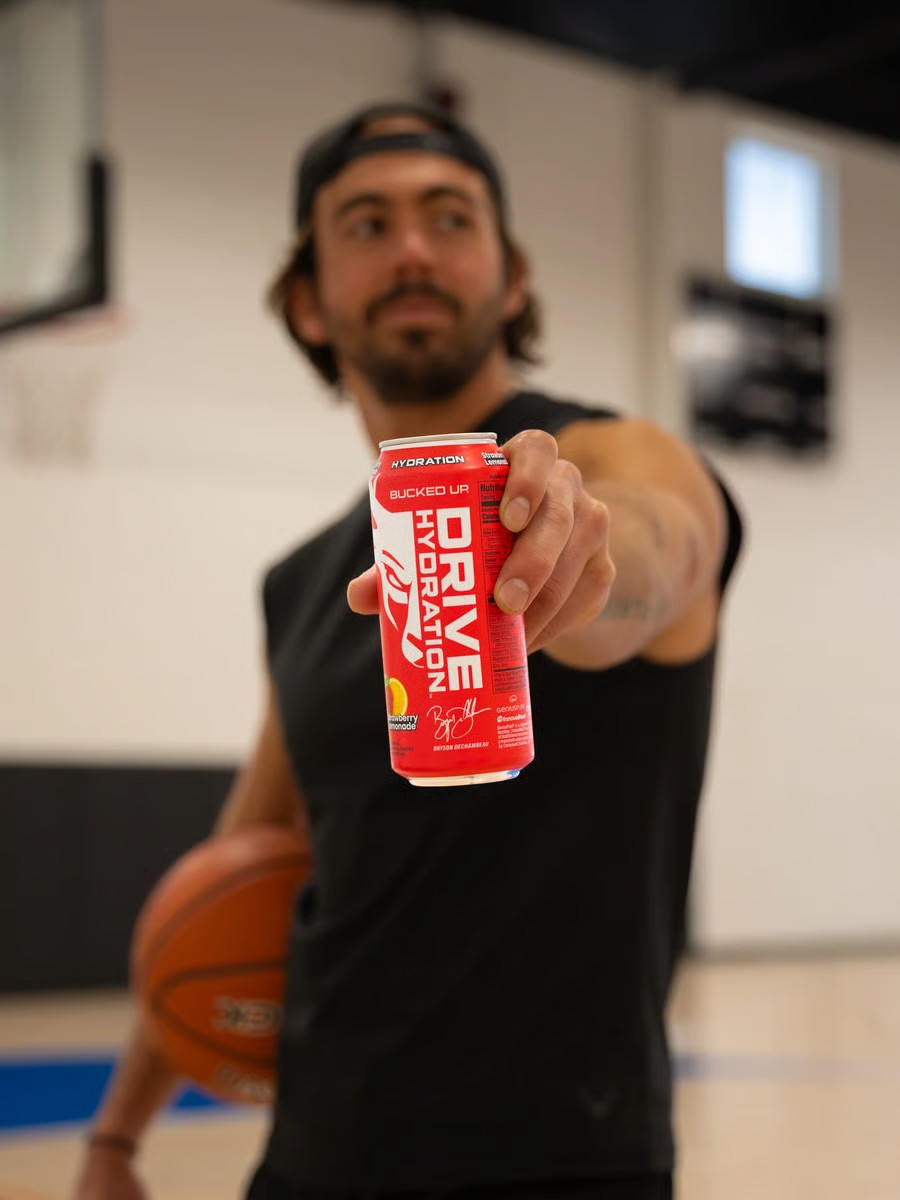
50mg caffeine. Nootropics. Electrolytes. Zero sugar. Bucked Up Drive Hydration is a hydration RTD built with PGA Tour star Bryson DeChambeau for focus and fluid balance without the stim overload.
Bucked Up has made a name for itself in the pre-workout space, and now the brand's been aggressively expanding into ready-to-drink beverages. Following last year's massively successful Lightly Carbonated Protein RTD, Bucked Up Drive Hydration is one of the more interesting entries in that category so far.
The Hydration Drink of PGA Star Bryson DeChambeau
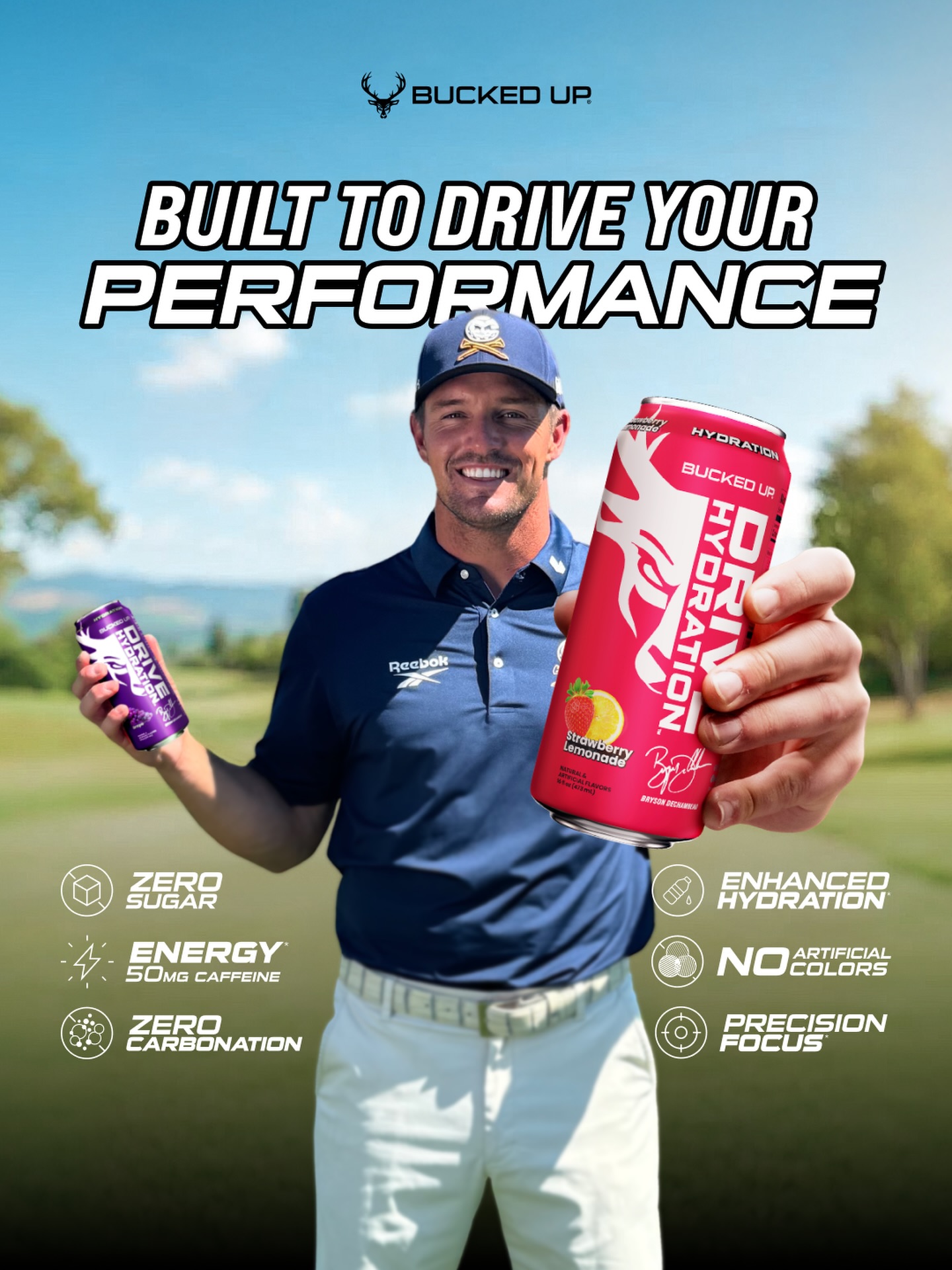
The product came together with input from PGA Tour star Bryson DeChambeau, who wanted something he could either sip or chug during a round of golf: real hydration, a clean energy kick, and nootropic focus without the jitter-inducing doses you'd find in a traditional energy drink. The result is a 16 fl oz can with 50mg of natural caffeine, a solid electrolyte base, a unique amino acid addition, and a nootropic stack anchored by GeniusPure® Alpha-GPC.
We helped formulate this one, and it's been a fun project. You can hear Ryan Gardner talk about it in depth on Episode #002 of the Bevlab Podcast, where he covers everything from building a $300M+ brand to collaborations like this one. This article dives into the ingredients and why it's such a unique formula, but first, check pricing and availability using PricePlow:
Bucked Up Drive Hydration Drink – Deals and Price Drop Alerts
Get Price Alerts
No spam, no scams.
Disclosure: PricePlow relies on pricing from stores with which we have a business relationship. We work hard to keep pricing current, but you may find a better offer.
Posts are sponsored in part by the retailers and/or brands listed on this page.
This area is reserved for Team PricePlow's upcoming videos.
Subscribe to our channel and sign up for notifications so you catch it when it goes live!

What Is Drive Hydration?
Drive Hydration sits in a growing middle ground between sports drinks and energy drinks. It's not a hardcore stimulant product, but it's not plain electrolyte water either. Think of it as daily hydration with functional upgrades: electrolytes for fluid balance, amino acids for cellular support, 50mg of caffeine for a light lift, and nootropics to keep you sharp.
Zero sugar, zero carbonation, and no artificial colors. It's built to be drinkable anywhere -- on the golf course, at your desk, in a hot warehouse, or as a morning alternative to coffee when you don't want the full hit.
It originally launched exclusively at Dick's Sporting Goods and is now available directly through Bucked Up's website, soon to be everywhere. Let's do a full drive on what's inside:
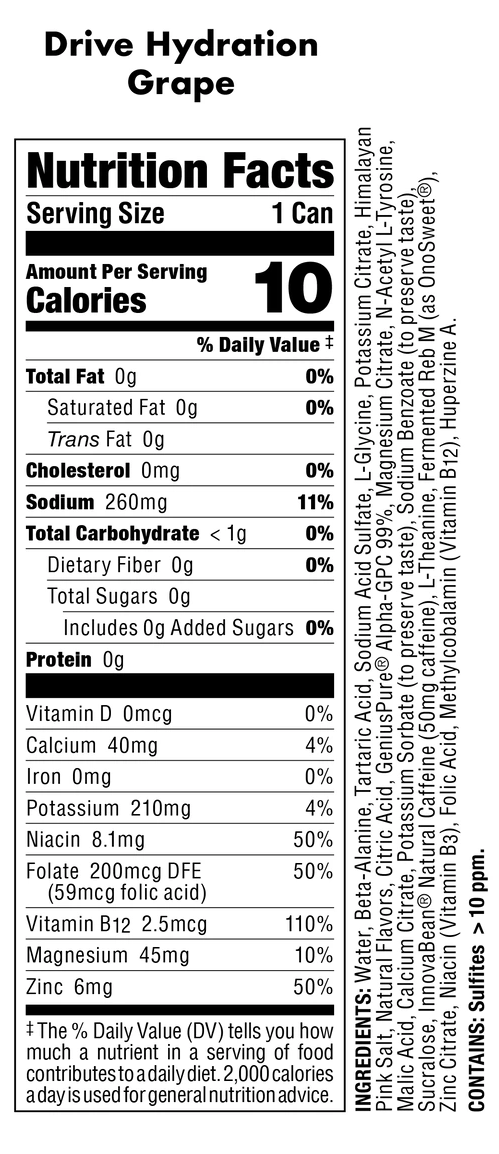
Bucked Up Drive Hydration Nutrition Facts
Serving Size: 1 Can (16 fl oz / 473mL):
-
Calories: 10
-
Total Fat: 0g (0% DV)
-
Total Carbohydrate: <1g (0% DV)
-
Dietary Fiber: 0g (0% DV)
-
Total Sugars: 0g
-
-
Protein: 0g
-
Vitamins and Minerals:
-
Sodium: 260mg (11% DV)
-
Potassium: 210mg (4% DV)
-
Magnesium: 45mg (10% DV)
-
Niacin (B3): 8.1mg (50% DV)
-
Folate: 200mcg DFE / 59mcg folic acid (50% DV)
-
Vitamin B12 (Methylcobalamin): 2.5mcg (110% DV)
-
Zinc: 6mg (50% DV)
-
Drive Hydration Ingredients
-
Beta-Alanine
Beta-alanine is an amino acid the body uses to synthesize carnosine (β-alanyl-L-histidine) in skeletal muscle. Carnosine's works in the pH range where exercise-induced acid buildup most threatens endurance, buffering intracellular H+ accumulation to help delay fatigue onset.[1] Meta-analyses consistently identify beta-alanine's greatest ergogenic benefits in efforts lasting roughly 1 to 4 minutes, where anaerobic-glycolytic demand peaks and acid accumulation most directly limits output.[2][3]
In a hydration beverage, the dose here sits below standard carnosine-loading thresholds (3.2g to 6.4g/day), so the direct buffering contribution is more modest than dedicated pre-workout levels. The paresthesia some users notice (a transient, harmless tingling) signals the ingredient is biologically active. For sustained moderate-intensity efforts like a full round of golf or a long outdoor shift, even incremental carnosine support can contribute at the margins -- and if you notice the tingle, that's confirmation the ingredient is working. However, you'll likely want to get more, such as in a pre-workout supplement, if you want guaranteed clinical dosing.
-
L-Glycine
L-glycine is a deceptively versatile amino acid. At the cellular level, it acts as an osmolyte, helping cells regulate volume and fluid balance under osmotic stress.[4] A real asset in a hydration beverage you're sipping through a round of golf, and it's why we pushed to have it added. Even better, on the neurological side, glycine operates through two distinct pathways: as an inhibitory neurotransmitter via glycine receptors in the brainstem and spinal cord, and as an excitatory co-agonist at NMDA receptors, where it's required for full receptor activation.[5]

That dual CNS role is what makes glycine interesting for a focus-oriented product. The calming, steadiness-promoting effect pairs well with the nootropic stack here, and it complements both the L-theanine's GABA modulation and Huperzine A's acetylcholinesterase inhibition.
On the sleep-recovery side, human trials at the larger, clinically studied 3g dose showed that glycine taken before bed significantly shortened time to sleep onset and improved subjective sleep quality without disrupting sleep architecture.[6] A separate randomized crossover trial found that 3g before bed also improved next-day psychomotor vigilance and reduced fatigue in sleep-restricted subjects.[7] Mechanistically, researchers attribute these effects to glycine activating NMDA receptors in the suprachiasmatic nucleus, promoting peripheral vasodilation and a mild drop in core body temperature -- both signals that initiate sleep.[5]
The dose here isn't disclosed, but it's worth knowing that the clinical sweet spot is 3g for sleep, but that's not our purpose here. The lower dose will still support hydration and "smoothness" in your game.
-
Potassium Citrate (Yielding 210mg / 4% DV)
Potassium is the body's dominant intracellular cation and one of the primary electrolytes lost in sweat during exercise. Research measuring sweat composition during prolonged exercise-heat stress found potassium concentrations averaging ~222 μg/mL, with losses remaining consistent across multiple hours of work.[8] Beyond replacement, potassium drives exercise hyperemia: as contracting skeletal muscle releases potassium into interstitial fluid, it stimulates Na-K-ATPase in nearby arteriolar smooth muscle, causing hyperpolarization and vasodilation to better match blood flow to metabolic demand.[9] The citrate form is well absorbed, and pairing it with Drive Hydration's 260mg sodium helps maintain the electrolyte balance your cells need through extended activity.
-
Himalayan Pink Salt (Yielding 260mg / 11% DV)

Himalayan pink salt delivers sodium, the dominant cation in sweat and the extracellular fluid governing hydration. Sodium losses during activity are substantial and highly variable, with research documenting sweat sodium concentrations from roughly 23 to 83 mmol/L across sports and calculated daily losses exceeding 10g in some football players.[10][11] Mechanistically, sodium preserves circulating vasopressin levels during fluid intake; plain water alone suppresses vasopressin and triggers a dilutional diuresis that reduces net fluid retention.[10] The 260mg dose is a meaningful contribution for a hydration beverage and pairs well with the 210mg potassium also in this can.
-
GeniusPure® Alpha-GPC 99%
GeniusPure® Alpha-GPC is NNB Nutrition's 99% pure form of alpha-glycerylphosphorylcholine, a choline-containing phospholipid that crosses the blood-brain barrier efficiently and raises acetylcholine levels in the brain. Acetylcholine drives memory formation, attentional focus, and neuromuscular signaling, making it a logical anchor for a nootropic hydration product.
A 2024 randomized, double-blind, placebo-controlled crossover trial found that both 315mg and 630mg doses of GeniusPure significantly improved Stroop test performance versus placebo -a validated assessment of selective attention, processing speed, and cognitive flexibility.[12] Those benefits appeared after a single dose in healthy, resistance-trained men. The 118% improvement at the 315mg yield (350mg of GeniusPure 90%) led to NNB Nutrition's claim of "double your focus", but we don't think we have that large of a dose here.

For beverages like Drive Hydration, the 99% purity matters practically: standard Alpha-GPC delivers roughly 50% active compound, so GeniusPure provides about twice the actual choline payload per gram. The dose in Drive Hydration isn't disclosed, but the ingredient pairs well with Huperzine A in this formula: Alpha-GPC raises acetylcholine supply while Huperzine A slows its breakdown by inhibiting acetylcholinesterase. For the full breakdown, see our dedicated GeniusPure article.
-
N-Acetyl L-Tyrosine
N-Acetyl L-Tyrosine (NALT) is an acetylated form of L-tyrosine, the amino acid the body uses to synthesize dopamine, norepinephrine, and epinephrine. These catecholamines support alertness, focus, and cognitive output under demand. The pathway runs: dietary tyrosine → L-DOPA (via tyrosine hydroxylase) → dopamine → norepinephrine.[13]
Tyrosine replenishes catecholamine synthesis only in actively firing neurons, making it most useful when demand is high and neurotransmitter stores are under pressure. A review of RCTs found weak-to-positive evidence for cognitive performance under stress, with every included study showing benefit in that domain.[14][15] That maps directly onto Drive Hydration's use case: sustaining mental sharpness through extended, moderate-intensity activity.
NALT's acetylated structure improves water solubility, making it practical for RTD beverages. The dose here isn't disclosed. It pairs naturally with Alpha-GPC in this formula, since cholinergic and catecholaminergic pathways are distinct but complementary -- together they cover more of the attention and working memory machinery than either alone.
-
InnovaBean® Natural Caffeine - 50mg

InnovaBean® is a water-extracted, natural caffeine derived from Coffea canephora (robusta) green coffee beans. Caffeine's primary mechanism is blockade of A1 and A2a adenosine receptors in the CNS, which increases neurotransmitter release and raises dopamine, norepinephrine, and acetylcholine levels, supporting sharper alertness, faster reaction time, and reduced perceived fatigue.[16][17]
At 50mg, the dose sits at the lower end of the cognitive benefit range (32 to 300mg), where research shows consistent improvements in vigilance, attention, and reaction time without the jitteriness of higher intake.[16] That's the right fit for Drive Hydration: sustained mental sharpness over 18 holes, not a hard stim punch. Water extraction also supports clean-label positioning, and the high purity ensures a consistent, predictable dose.
-
L-Theanine
L-theanine, a non-protein amino acid from green tea, modulates GABA, glutamate, and serotonin activity to support calm focus without sedation. It antagonizes NMDA and AMPA glutamate receptors while promoting GABA-A signaling, and EEG studies show doses from 50mg to 200mg generate alpha waves in the occipital and parietal brain regions within 40 minutes of ingestion, the same brainwave pattern associated with relaxed alertness.[18]
Paired with caffeine, the combination consistently outperforms either ingredient alone. A double-blind crossover trial found it produced faster reaction times, improved alertness ratings, and attenuated mental fatigue versus placebo.[19] At Drive Hydration's 50mg caffeine dose, theanine smooths the stimulant's edge, a natural complement to the cholinergic support from GeniusPure Alpha-GPC and L-glycine's calming CNS activity.
-
Niacin (Vitamin B3 as Nicotinic Acid) - 8.1mg (50% DV)
Niacin here comes specifically as nicotinic acid, and that distinction matters. Many hydration drinks reach for niacinamide (nicotinamide) instead, but at physiologically relevant concentrations, nicotinamide acts as a sirtuin inhibitor, blunting the NAD+ signaling pathways it's supposedly supplying.[20] Nicotinic acid feeds NAD+ and NADP+ synthesis cleanly, the cofactors central to cellular energy metabolism from oxidative phosphorylation to biosynthetic reactions.[21] At 8.1mg, this dose stays comfortably below the ~50mg threshold where nicotinic acid activates GPR109A to trigger the familiar skin flush.[22] You get the NAD+ precursor benefit without the side effect.
Paired with methylcobalamin (B12) and folate in this formula, the three B-vitamins complement each other: niacin supports NAD+-dependent energy flux, B12 drives methyl transfer and nerve function, and folate anchors one-carbon metabolism. A tidy, complete stack.
-
Vitamin B12 (Methylcobalamin) - 2.5mcg (110% DV)
Methylcobalamin is the active, coenzyme form of B12, associated with better tissue retention compared to cyanocobalamin.[23] It supports one-carbon metabolism, healthy red blood cell production, and nerve function. B vitamins broadly support mito-nuclear communication, the signaling relationship between mitochondria and the nucleus that helps regulate cellular energy output.[24][25] At 2.5mcg (110% DV), this is a nutritive dose, not a therapeutic one, best understood as baseline coverage. In a formula built around cholinergic support from Alpha-GPC and Huperzine A, B12 fits naturally: emerging research suggests a connection between B12 and acetylcholine signaling pathways, though the dose here reflects daily maintenance more than acute optimization.[26]
-
Huperzine A
Huperzine A is a Lycopodium alkaloid isolated from the Chinese club moss Huperzia serrata, and it earns its place here through a single, well-characterized mechanism: reversible inhibition of acetylcholinesterase (AChE), the enzyme that breaks down acetylcholine (ACh) at synaptic junctions.[27] Block that enzyme, and ACh stays active longer, supporting sharper attentional signaling and tighter neuromuscular communication throughout your activity.
The synergy with Alpha-GPC is the real story here. Alpha-GPC boosts ACh supply; Huperzine A slows its clearance. Animal data show huperzine A dose-dependently elevates extracellular ACh in both the medial prefrontal cortex and hippocampus -- two regions central to focus and working memory.[28] That same research found significant dopamine elevation in those regions alongside the ACh increase, hinting at a broader cognitive support profile than cholinergic inhibition alone.
Typical nootropic doses in supplements run from 50mcg to 200mcg. The dose in Drive Hydration isn't disclosed, but even at the lower end, Huperzine A's potency makes it an effective complement to the rest of this stack.
-
Folate (as Folic Acid) - 200mcg DFE (50% DV)
Folic acid is the synthetic, oxidized form of folate (vitamin B9). Once absorbed, it's converted through a multi-step enzymatic process into active forms that fuel one-carbon metabolism, the pathway that donates methyl groups for DNA synthesis, amino acid interconversion, and neurotransmitter production.[29] At 59mcg folic acid (200mcg DFE, 50% DV), this is a nutritive dose targeting daily baseline coverage. It pairs well with the methylcobalamin (B12) also in this can: the two vitamins work in tandem to recycle homocysteine and keep the folate-methionine cycle running, supporting healthy methylation throughout the day.[30]
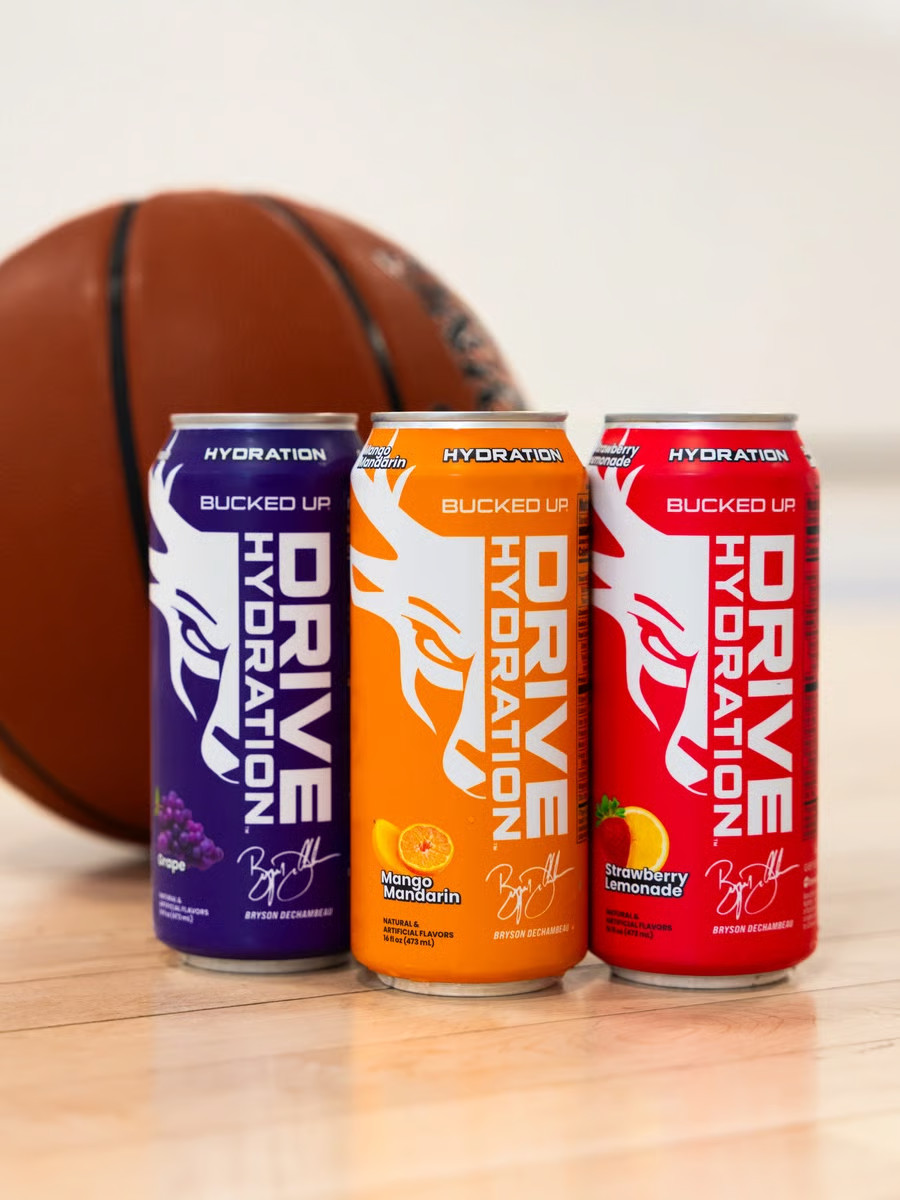
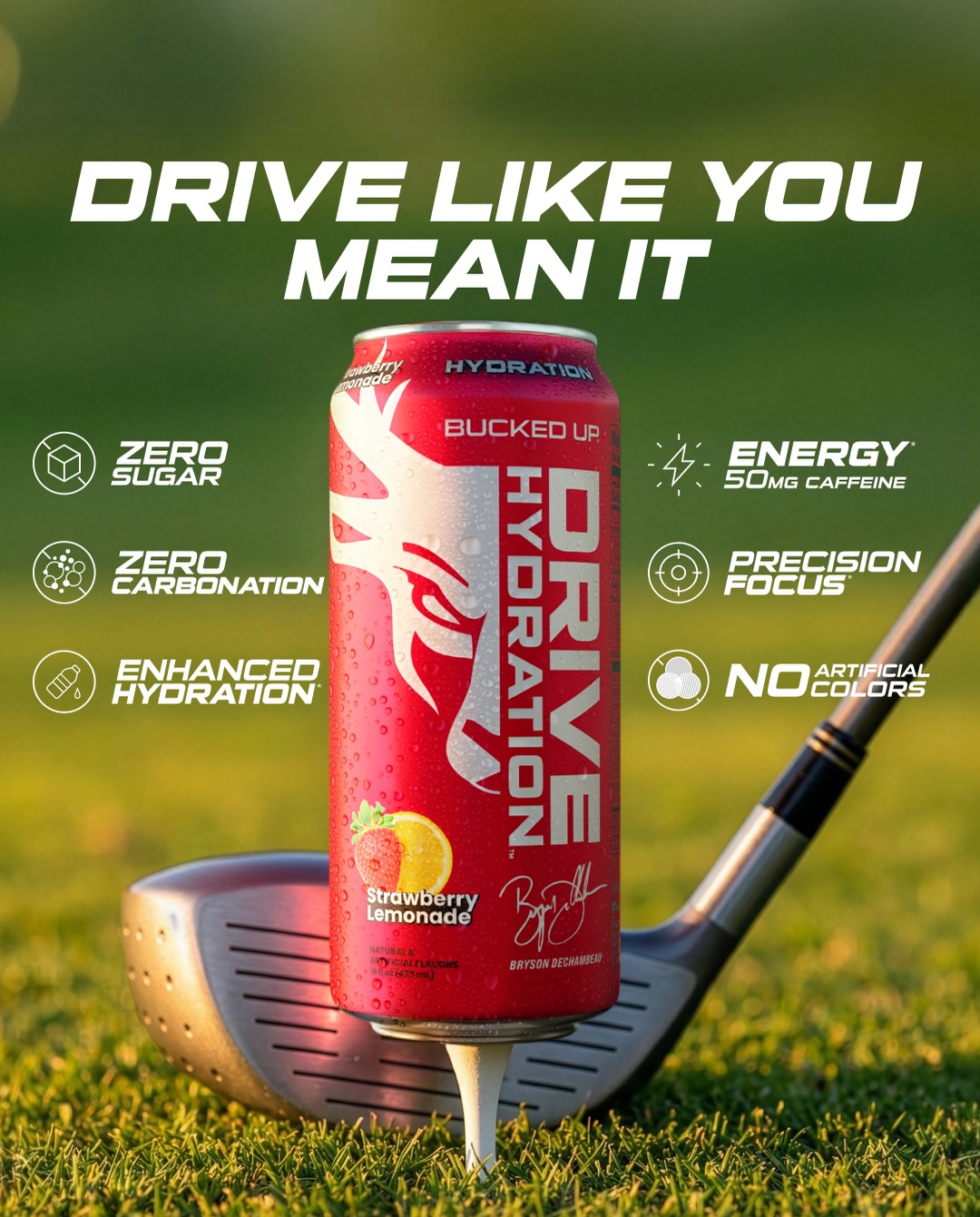
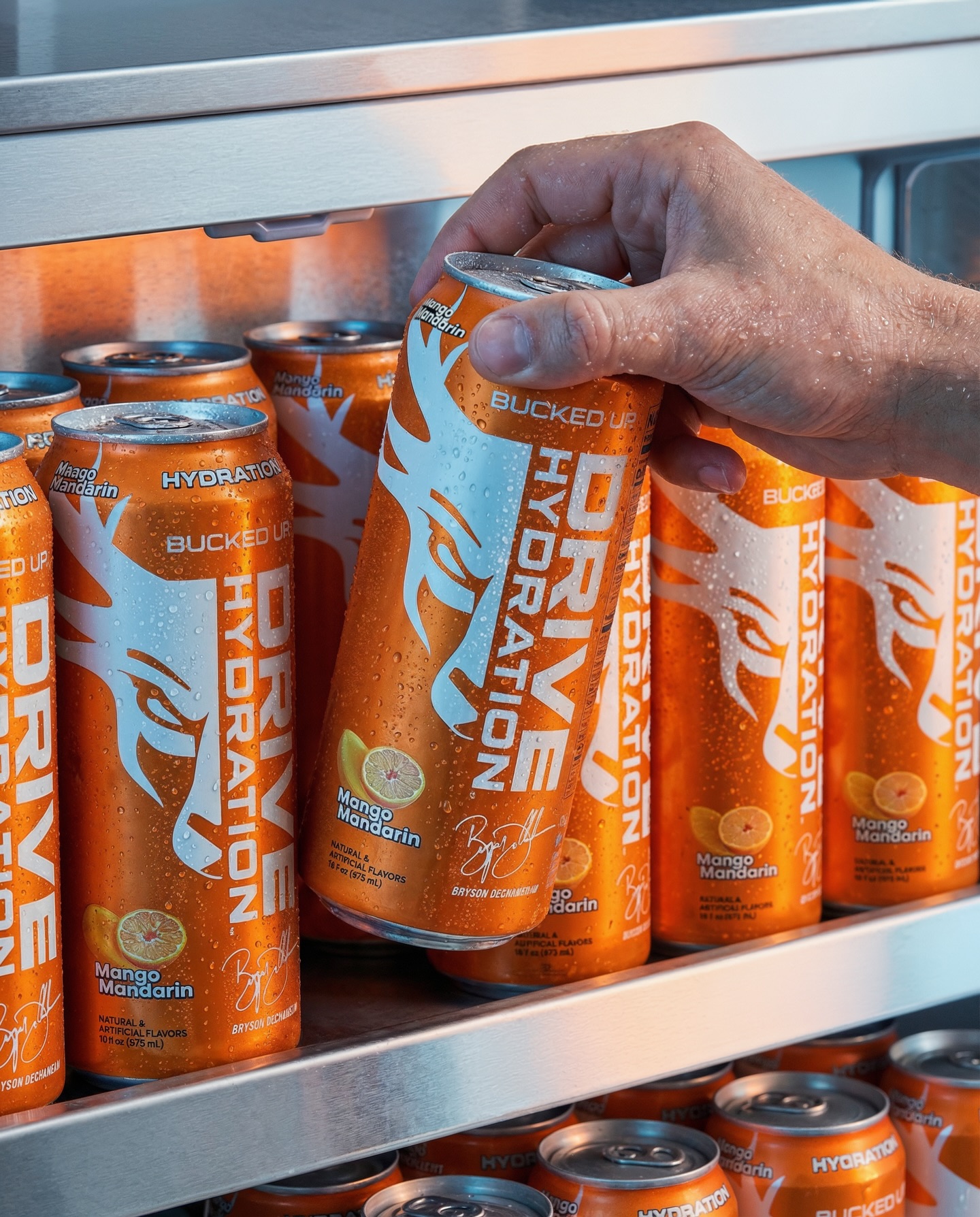
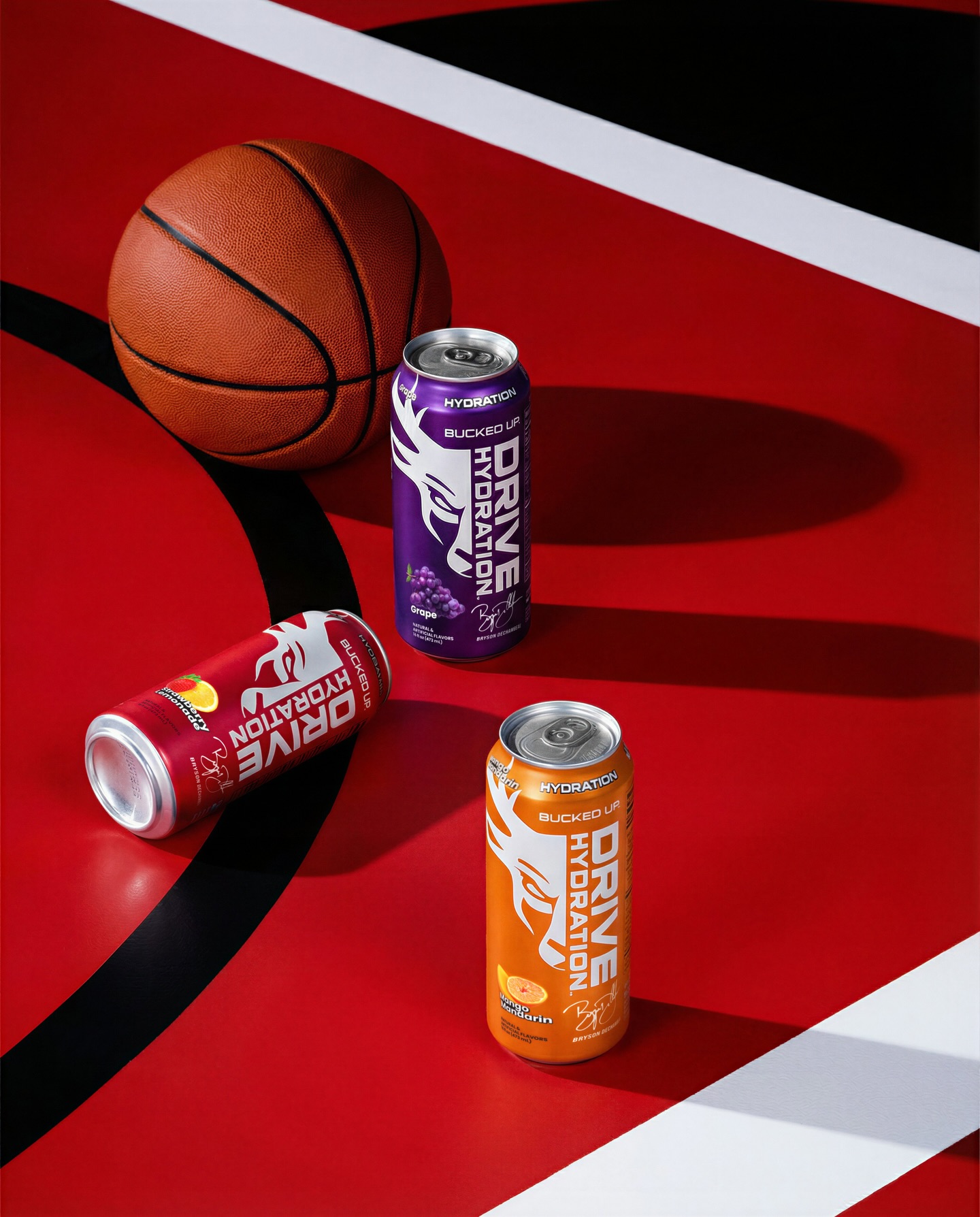
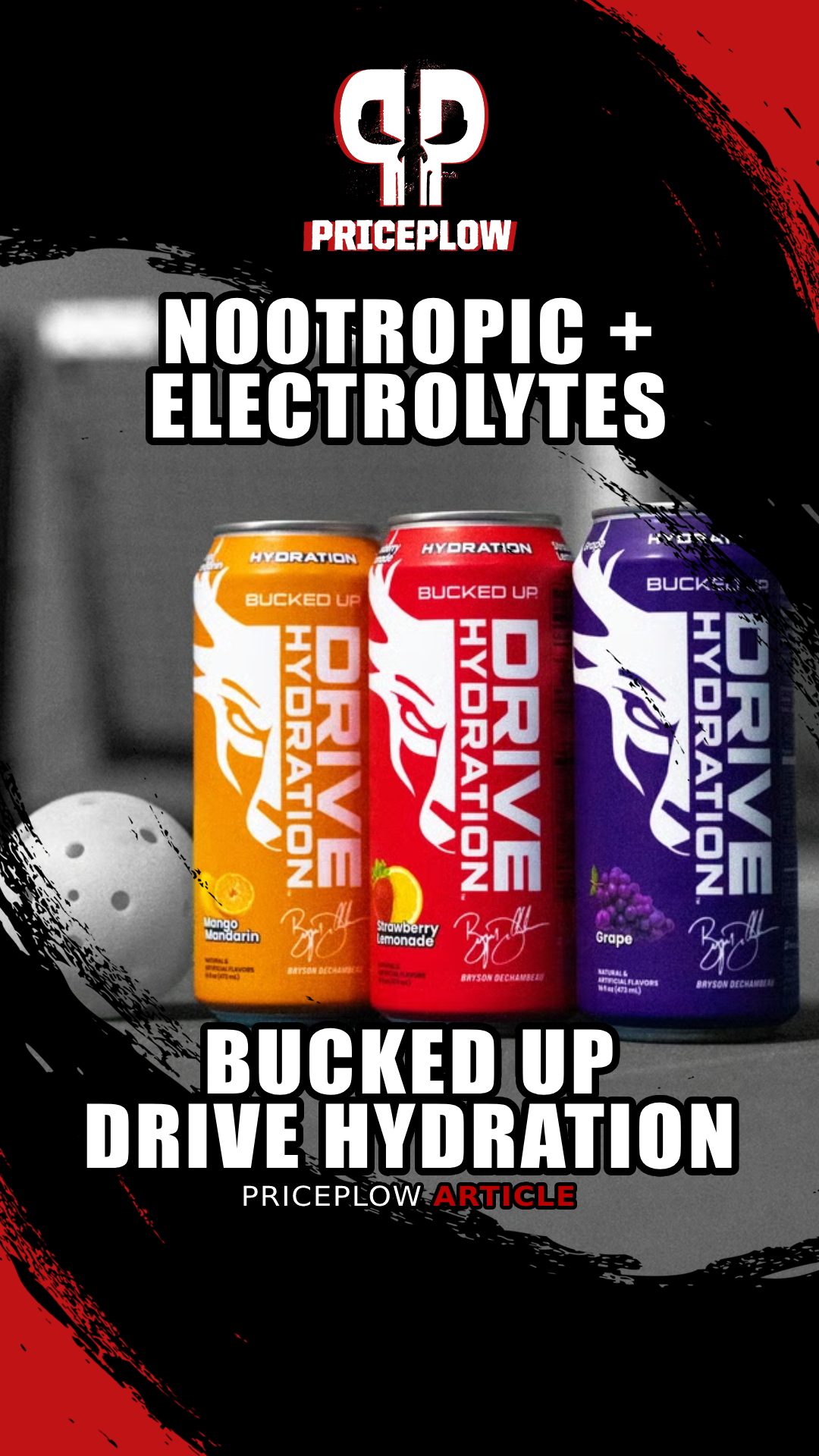
Flavors Available
How to Use Drive Hydration
Drink 1-2 cans as needed throughout the day. It works well as a morning beverage, a midday focus reset, or a hydration companion during physical activity in warm conditions. Given the 50mg caffeine content, you'd probably want to avoid it in the few hours before bed if you're caffeine-sensitive, but for most people it won't be an issue.
Who It's For
Drive Hydration is a good fit if you want functional hydration with light cognitive support and don't need a high-stim product. Golfers, outdoor workers, people on their feet all day, and anyone who wants a smarter alternative to a second cup of coffee will find it useful. It's also a reasonable choice for athletes doing lower-intensity work or long practice sessions where sustained focus matters more than peak output.
Stacks Well With
- Bucked Up Pre-Workout for added energy, or Bucked Up Black Ant for weight training days when you want a higher-stimulant stack
- Bucked Up Lightly Carbonated Protein RTD if enjoying beverages and need some added protein
Use Drive Hydration alone on lighter days, recovery days, or before activities where you want focus without heavy stimulation
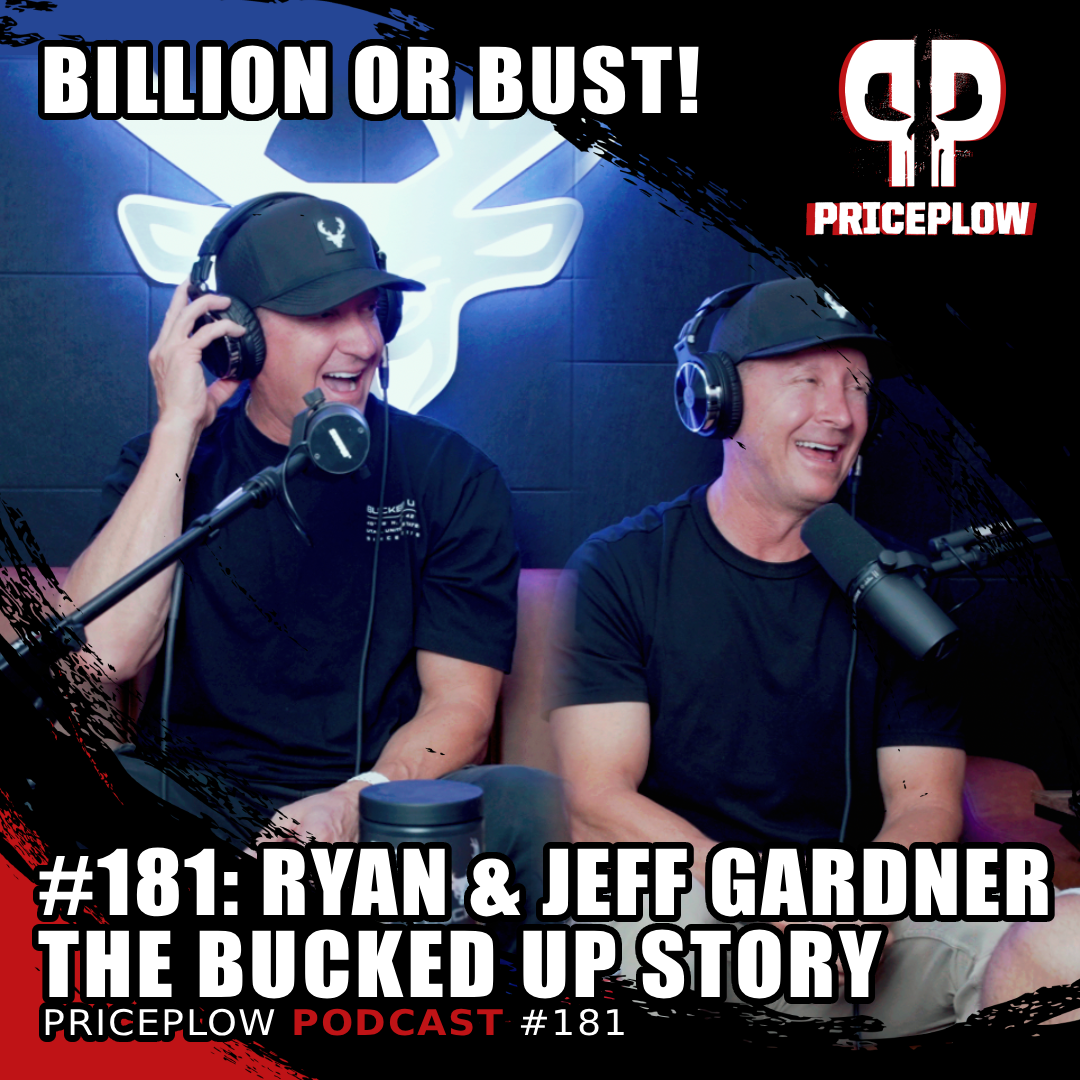
Billion or Bust: Bucked Up twin co-founders Ryan & Jeff Gardner discuss supplement industry success and the Black Ant pre-workout on PricePlow Podcast Episode #181
Conclusion: A Hydration Drink with Focused Drive
Drive Hydration is a well-considered product that fills a gap Bucked Up didn't previously cover. The formula works because the goals are specific: keep you hydrated, give you a small energy lift, and support focus over an extended period. GeniusPure Alpha-GPC and Huperzine A are a legitimate nootropic pairing, the electrolyte matrix is meaningful, and 50mg of natural caffeine threads the needle between "nothing" and "too much."
We're expecting more variants from this line over time, and we're curious to see where Bucked Up (and Bryson DeChambeau) take it. To keep up with new flavors and product news, you can track it on PricePlow:
Bucked Up Drive Hydration Drink – Deals and Price Drop Alerts
Get Price Alerts
No spam, no scams.
Disclosure: PricePlow relies on pricing from stores with which we have a business relationship. We work hard to keep pricing current, but you may find a better offer.
Posts are sponsored in part by the retailers and/or brands listed on this page.

Comments and Discussion (Powered by the PricePlow Forum)