Whey isolate got expensive and stayed that way. Perfect Day spent two years building a plant instead of pitching. ProFerm™ is fermented beta-lactoglobulin with 37% more leucine than WPI, and first truckloads hit in Q4 2026.
If you've spent any time over the past few years shopping for protein or sourcing protein ingredients, you already know the headline: whey protein isolate got expensive... and stayed that way. Prices climbed steeply as demand surged past what traditional dairy supply could absorb, with whey supply sputtering due to flat-to-down cheese consumption. Spot volumes disappeared and contracts got tighter, squeezing out smaller buyers. For brands that built their protein formulas around conventional WPI, the last 18 months have been a sourcing stress test nobody planned for.
That's the market backdrop behind Perfect Day and their ingredient ProFerm™. Perfect Day spent roughly two to three years quietly focused on the one thing the market required: building a plant. That plant, a massive new precision fermentation facility, will reach mechanical completion in September 2026. First commercial truckloads are targeted for Q4 2026, and it's just in time to offset one of the most painful markets we've ever seen.
ProFerm™ Fermented BLG: More Leucine, Fewer Supply Chain Disruptions
ProFerm™ is the actual dominant fraction of whey protein, beta-lactoglobulin, produced via precision fermentation rather than extracted from dairy. It carries a 37% higher leucine content per gram than conventional WPI, delivers clarity and heat stability that conventional whey can't match in several fast-growing beverage applications, and now comes with a supply chain that isn't tied to dairy commodity markets.
This article, brought in partnership with Perfect Day, lays out the full picture, and it makes for an exciting future in the industry. Before diving into the market and the science, sign up for our Perfect Day news alerts so that you don't miss out on any research or launch updates:
Subscribe to PricePlow's Newsletter and Alerts on These Topics

What Is Beta-Lactoglobulin?
Walk through any supplement store and you'll see whey protein isolate on every shelf. What most labels don't explain is that WPI is a blend of protein fractions. Beta-lactoglobulin (commonly abbreviated BLG) is the dominant one, making up roughly 50-65% of the proteins in whey. It's the fraction most responsible for whey's anabolic profile, and that comes down to one factor above all others: leucine.
ProFerm delivers 13.0g of leucine per 100g of powder, while conventional WPI averages 9.6g. The 37% difference here matters because leucine is the primary activator of mTORC1 (mechanistic target of rapamycin complex 1), the master switch controlling muscle protein synthesis (MPS).[1][2] More leucine per gram means the anabolic threshold can be achieved more quickly and with a smaller protein dose. This is why BLG-based products are increasingly found in compact shot formats and clear RTD beverages, where standard WPI can't deliver the same signal per serving volume.
When it comes to the leucine-driven MPS signal that the sports nutrition category runs on, BLG is doing the heavy lifting. Isolating it into a highly purified form means more of what drives the anabolic response per gram consumed.
Until recently, purified BLG has been primarily a medical nutrition ingredient, and existing suppliers are selling most of their product into those clinical applications. But with their increased capacity, Perfect Day is working to bring BLG into mainstream sports nutrition and functional foods at pricing that actually scales, making a small-volume specialty ingredient for hospital nutrition.
Perfect Day: From Technology to Commercial Scale
Perfect Day was founded in 2014 by Perumal Gandhi and Ryan Pandya. The company spent years building the precision fermentation platform, obtaining regulatory clearance, and partnering with consumer brands across ice cream, cream cheese, and sports nutrition. Validated partners include Mars, Brave Robot, Graeter's, Modern Kitchen, and N!CK's. Total funding exceeds $750 million, with backers including Temasek, Horizon Ventures, and SK.
The honest version of the company story also includes the harder years. Customers understood the value proposition, but the problem was twofold: cost and volume. When a major CPG CEO told Perfect Day he'd go all-in (all the way to Costco and Walmart) but needed 2,000 metric tons to make it work, the answer had to be no. The deal couldn't get done at that large of a scale, but the meeting clarified the priority: stop pitching and build the factory.
Scaling the Model and Upgrading Capacity

Kyle Failla, Perfect Day's VP of Sales and a former senior sales manager at one of the world's largest dairy protein producers, describes the two-to-three-year quiet period directly: "We basically went into what we called incognito mode, to refocus and recalibrate what our company was trying to do. Basically, over the past two years, we've been focusing on building the plant. That was the most critical part."
The company's pitch has evolved alongside it. "We used to pitch Perfect Day like a Prius -- the sustainability story," Failla says. "But brands don't buy because of sustainability. It's actually more like a Tesla, anyway: it's a technology play, and it's sexy. Zero to sixty in three seconds. But it happens to be sustainable as well... that's the cherry on top."
Performance and supply are the main story now, and it's backed up by BLG's science, and a massive GRAS affirmation securing regulatory safety.[3] But first, we need to explain how it's produced:
How ProFerm Is Made: Precision Fermentation Explained
Precision fermentation has become more familiar in the supplement industry over the past few years, but the concept is still worth a clear explanation. The core idea: engineer a microorganism to produce a target protein, feed it a carbon source, and collect what it creates.
The approach isn't new -- many pharmaceutical compounds (such as insulin) and amino acids used in supplements every day have been produced with precision fermentation for decades. Industry also produces vitamin K2 from Bacillus subtilis fermentation, sustainable ingredients to avoid over-harvesting endangered species (such as Rhodiola), and human-bioequivalent proteins like lactoferrin. Perfect Day extended it to a larger and more structurally complex molecule: bovine beta-lactoglobulin.
Their organism of choice is Trichoderma reesei, a filamentous fungus classified at Biosafety Level 1.[4] T. reesei has been used in food enzyme production for decades, with a long safety record and wide regulatory acceptance. Perfect Day gave it the genetic blueprint for BLG from Bos taurus (the domestic cow). The gene was codon-optimized for efficient expression in T. reesei while keeping the BLG amino acid sequence unchanged from the bovine original. An identical protein, yet with no animal involvement!
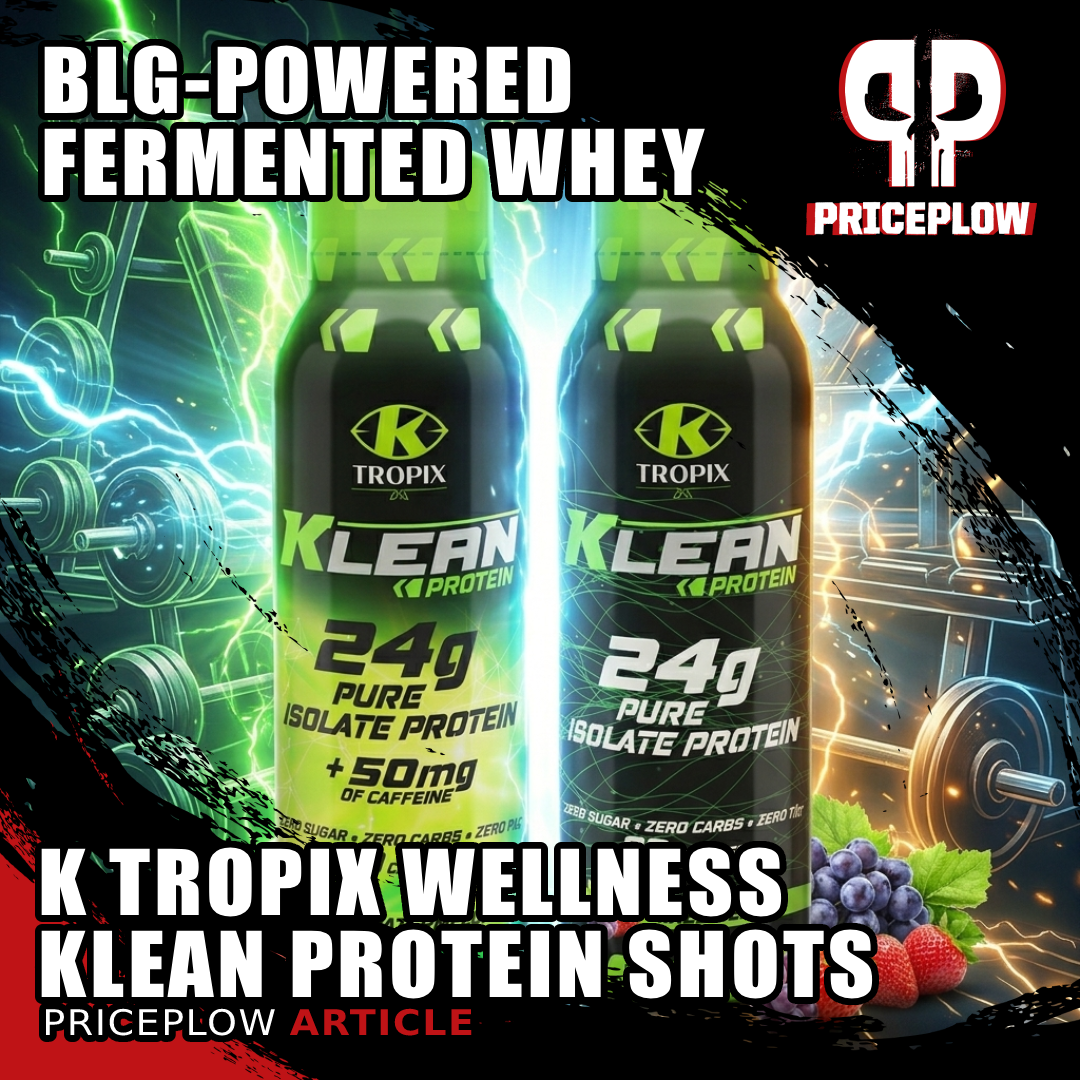
24g of protein in a 3.4 oz bottle? K Tropix Wellness KLEAN Protein uses fermented beta-lactoglobulin (BLG) to pack roughly 50% more leucine per gram than standard whey isolate.
During production, T. reesei ferments a sugar-and-water broth, secretes BLG, and then the protein is separated from the microorganism, filtered, purified, and spray-dried into powder. The finished product contains no fungal material, only highly purified BLG. The spray-drying step is identical to what conventional dairy processors use for WPI, which means the powder format and handling are familiar to anyone already working with dairy proteins.
The use of T. reesei is a challenging yet powerful choice. According to Kyle Failla: "Trichoderma reesei is a massive workhorse. It's harder to get going initially, but once it's running, it's significantly more productive than the alternatives. Other precision fermentation companies working on BLG aren't using Trichoderma. They're using organisms that are easier to start but harder to reach cost parity with at scale." Perfect Day has been optimizing T. reesei for BLG production since 2014, and is now ready to achieve major scale. That decade-plus of refinement isn't easily replicated.
Because the production process never involves milk, ProFerm contains zero lactose, and not just "below detection limits". Structurally, lactose production is impossible without cows. For consumers with genuine dairy protein sensitivity that goes beyond typical lactose sensitivity, it's worth looking into. ProFerm is also cholesterol-free and carries no hormones or pesticide residues from livestock feed.
ProFerm vs. Traditional WPI: The Numbers
Here's the head-to-head nutritional comparison per 100g of powder. WPI figures are averaged across multiple suppliers (n=3 for microfiltration, n=4 for IEX / ion exchange chromatography):
| Nutrient | ProFerm™ | Traditional WPI |
| Protein | 94.7g | 89.9g |
| Leucine | 13.0g | 9.6g |
| Total BCAAs | 22.6g | 20.6g |
| Total EAAs | 46.4g | 42.6g |
| Lactose | 0g | 1.6g |
| Fat | 0.3g | 0.7g |
| Ash | 1.5g | 2.7g |
| Moisture | 3.3g | 4.7g |
Higher protein content per gram means more flexibility when hitting macro targets without increasing serving size or weight. The 37% leucine advantage leads to carries into per-serving totals, where less total product is needed to reach the anabolic leucine threshold.
Zero lactose removes the need for hedging on labels or in consumer communications for lactose-sensitive segments. The lower ash content (1.5g vs. 2.7g) is also helpful, as lower mineral content is one of the primary drivers of ProFerm's clarity and heat stability advantages in beverage applications.
The Science: Leucine Content and Muscle Protein Synthesis
The research connecting leucine to muscle protein synthesis is well-established.[5][6] With respect to sports nutrition, this isn't a new mechanism -- BLG simply delivers the anabolic signal more efficiently per gram than standard WPI, and the data shows it.
The most directly applicable study is Ely et al. (2025), which compared BLG (~10g protein, 1.57g leucine) against an isonitrogenous WPI dose (~10g protein, 1.02g leucine) in a randomized double-blind crossover design with ten healthy young men. Both supplements produced significant MPS increases in fed (~52%) and fed-plus-exercise (~58%) conditions. The key finding: plasma EAA, BCAA, and leucine concentrations were significantly greater following BLG despite the identical protein dose.[7] The authors noted this positions BLG as a candidate for further study in populations with anabolic resistance, including older adults and clinical populations where the leucine threshold needs to be cleared more decisively.
For compact product formats, the benefits are straightforward: At 10g protein, BLG matched the MPS response of WPI while delivering roughly 54% more leucine to circulation. For protein shots and clear RTDs (where serving volume limits total protein delivery), that's a serious efficiency advantage.
The leucine threshold framework adds further context:
- Churchward-Venne et al. (2012) showed that supplementing a suboptimal 6.25g protein dose with enough leucine to match the leucinemia of 25g whey significantly extended MPS beyond what the small dose achieved alone, confirming that leucine drives a substantial portion of whey's anabolic response independently of total protein mass.[8]
- Katsanos et al. (2006) found that elderly muscle requires a leucine proportion of around 41% of total EAAs to maximally stimulate MPS, while the 26% leucine proportion typical of standard WPI blends failed to trigger a full anabolic response in older subjects.[9] BLG naturally provides a leucine proportion closer to that threshold.
Boirie et al. (1997) established the foundation to this: whey protein as a "fast" protein produces rapid, robust aminoacidemia and acutely stimulates MPS.[10] BLG is the fraction that drives those kinetics.
The Ely 2025 data confirms it delivers that profile with superior leucine delivery per gram.[7]
Functional Advantages for Product Development
Beyond nutrition, ProFerm has three functional properties that matter for brands and formulators working in applications where conventional WPI runs into technical limits.
-
Clarity at Any pH
Standard WPI becomes turbid in acidic conditions. Below roughly pH 5, conventional WPI aggregates and precipitates from solution. ProFerm maintains near-zero turbidity across the full pH range from 2 to 8, verified at 4% w/w protein concentration. Perfect Day's turbidity data comparing ProFerm against IEX and microfiltration WPI shows ProFerm dramatically outperforming both conventional variants in acidic environments.
For clear RTD protein drinks, protein shots, and sparkling protein beverages, clarity at acidic pH is a basic product requirement (not just an aesthetic preference). Most plant proteins can't meet it at all. Conventional WPI can work at neutral pH but fails at acidic pH. ProFerm works across the full spectrum. The RTD and protein shot categories are among the fastest-growing formats in sports nutrition right now, and many of those products require an acidic pH environment for flavor and stability. BLG is uniquely positioned to serve them.
-
Heat Stability Through Aggressive Processing
ProFerm survives HTST (85°C, 5 minutes), retort (121°C, 10 minutes), and UHT (141°C, 6 seconds) processing with higher protein retention than both IEX and microfiltration WPI across all three thermal regimes. That opens shelf-stable RTD formats at up to 30g protein per serving, a target that conventional WPI has difficulty meeting at retort and UHT temperatures. For brands looking at aseptic or retort RTD production, ProFerm removes a constraint that's been a limiting factor for years.
-
Cleaner Flavor Base
A trained sensory panel (n=9, certified in descriptive analysis of whey protein products) evaluated vanilla-flavored RTM samples prepared with IEX WPI, microfiltration WPI, and ProFerm using a blinded 15-point scale. ProFerm rated measurably lower on cardboard and soapy off-notes while scoring higher on sweet aromatic and overall aroma intensity compared to both conventional WPI variants.
Fewer off-notes mean the flavor system doesn't have to work as hard masking the protein base. For chocolate and vanilla RTM powders, this is a secondary advantage. But for fruit-flavored clear protein beverages, it's often the deciding factor in whether a finished product tastes right.
Sustainability: The Cherry on Top
An ISO-compliant, third-party-validated life cycle assessment (LCA) conducted by WSP USA compared ProFerm's production against seven peer-reviewed LCAs on bovine whey protein. Results, calculated start-to-finish: ProFerm generates up to 97% less greenhouse gas, consumes up to 99% less blue water, and uses up to 60% less nonrenewable energy compared to conventional whey from milk.

As Failla put it: sustainability is the cherry on top, not the ice cream. But for brands with ESG commitments embedded in procurement decisions, ProFerm lets them hit ingredient-level sustainability targets without changing their formulas. The protein performs identically in application. It's a story worth telling, especially for green and corporate brands with ESG pressure or incentives.
Regulatory Status
ProFerm completed the FDA GRAS process under notification GRN No. 863. FDA issued its "no objections" response in 2020, covering non-animal whey protein (beta-lactoglobulin) produced via fermentation by T. reesei.[3]
Outside the US, ProFerm is approved in India, Singapore, Colombia, Dubai, and Israel. Submissions are active in Canada, the EU, and the UK, with additional filings in South Korea and several other markets across Asia, South America, and the Middle East. The dairy protein supply situation in Europe has been at least as tight as in North America.
The Plant: Commercial Scale Is Here
This is where the story is genuinely new.
Perfect Day broke ground on its first fully vertically integrated precision fermentation plant in India in November 2024. The facility is a joint venture with Zydus, one of India's major pharmaceutical manufacturers, whose infrastructure and operational expertise made India a logical location for a first-of-its-kind build. After roughly 20 months of construction, the plant will achieve mechanical completion in September 2026 and is now ramping toward full commercial production, with first truckload deliveries targeted in Q4 2026.
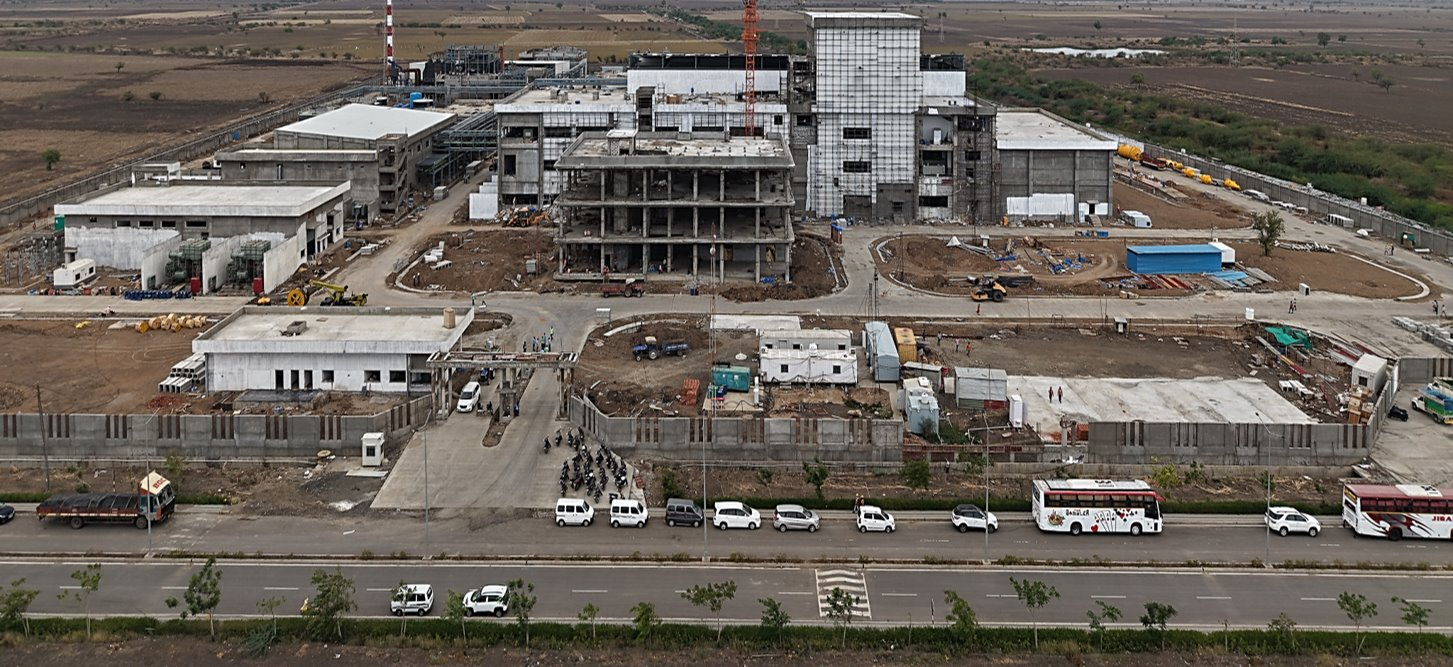
Wide aerial of Perfect Day's Zydus joint-venture precision fermentation facility in India, targeting mechanical completion in September 2026.
Year 1 capacity is approximately 2,000 metric tons of BLG protein. A sister plant is already planned for the adjacent site, with the lot cleared and earmarked. When built, it will roughly double capacity.
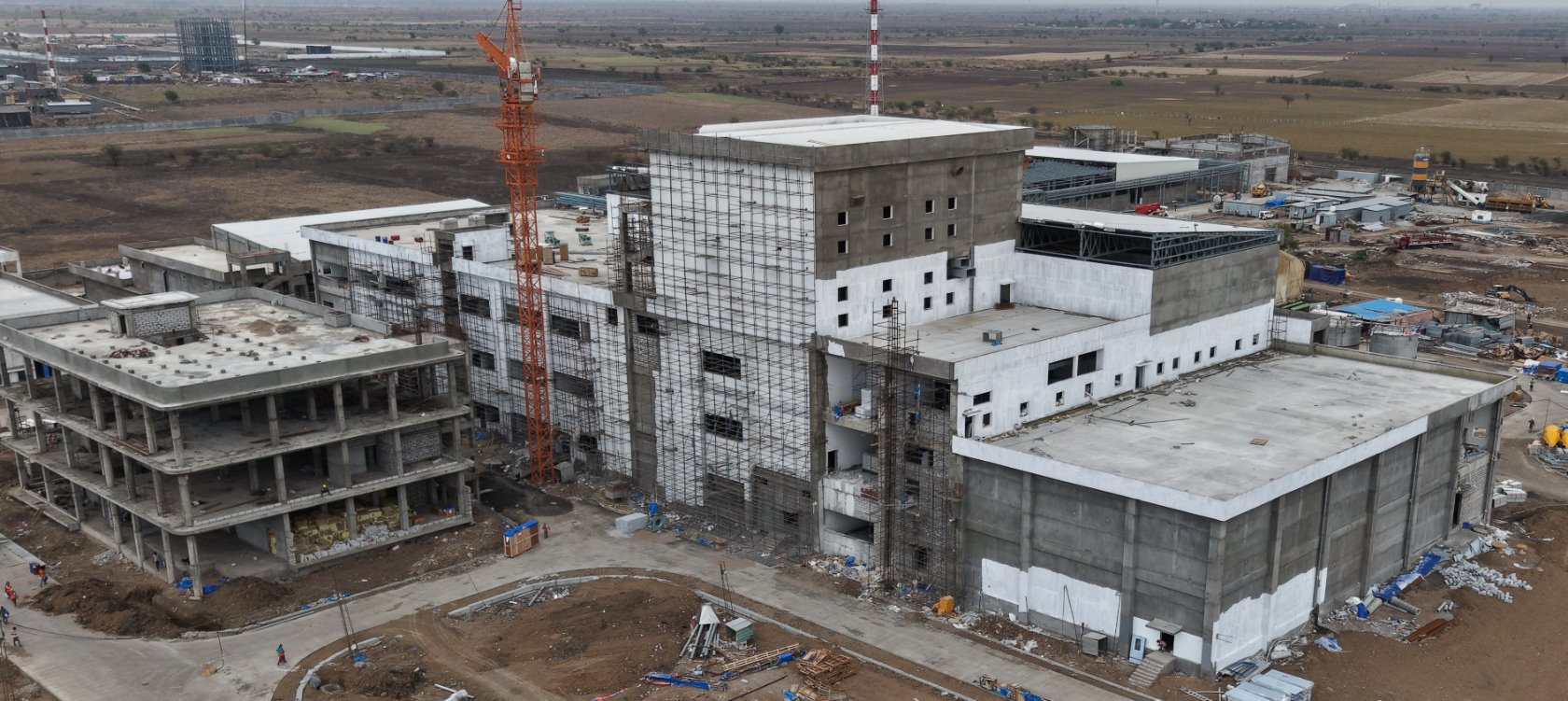
Closer view of the main production building and tower under construction, the site that adds roughly 2,000 metric tons of BLG capacity in year one.
The facility is fully vertically integrated. Perfect Day controls spray drying, particle size distribution, and agglomeration in-house. "When you're fully vertically integrated, you can change things within the process, add equipment, control the product from fermentation to finished powder," Failla explains. "It's a much more legitimate operation, like the established dairy processors who own their plants and can guarantee consistent product every single time."
This also positions Perfect Day distinctly among precision fermentation companies working in the protein space. "We're the only precision fermentation company doing this with our own plant," Failla says. "We know what it takes to run a contract manufacturer and the headaches that causes. It's just not a viable model if you're actually trying to scale and become a credible source."
On a 2027 timeline, Perfect Day is planning a "software update" on the T. reesei organism, genetic refinements that will reduce the few remaining off-notes, improve protein purity, and increase fermentation efficiency. Each iteration improves the product at the biological level, a type of continuous improvement that contract manufacturing simply can't offer.
ProFerm Products in Market
A growing roster of brands has launched or is launching with ProFerm. Four of immediate relevance to the sports nutrition channel:
- K-Tropix KLEAN Protein is a 3.4oz RTD shot delivering 24g protein at 90 calories, zero sugar, and zero carbs, built on ProFerm 1000 WPI. It's available in caffeinated Watermelon and caffeine-free Mixed Berry. We covered the full formula breakdown in our K Tropix KLEAN Protein article.
One note for formulators: K-Tropix achieved this product without Perfect Day's optimized acid-stable ProFerm variant (still in final development), using the standard ProFerm base in an acidic shot format. That's a useful indicator of the base protein's inherent versatility before the purpose-built acidified version arrives.
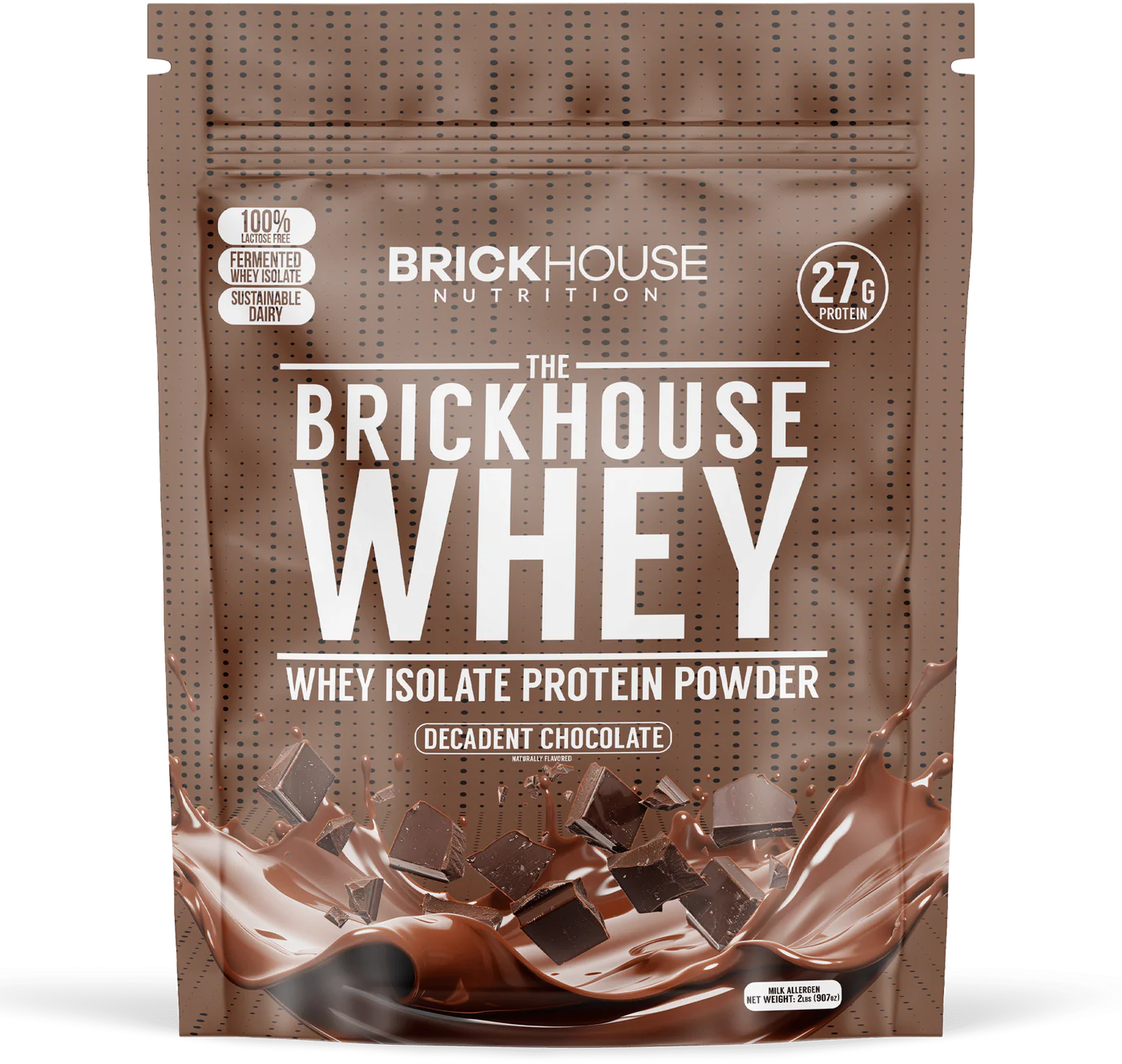
- Brickhouse Whey is an RTM protein powder. Brickhouse is better known for their greens products, but their BLG-based whey line puts ProFerm in front of an established customer base and introduces the ingredient alongside a brand that already has consumer trust. RTM protein powders are the bread-and-butter application where ProFerm's nutritional profile and clean flavor make the strongest direct comparison to conventional WPI.
The label reads as "Whey Protein Isolate (From Fermentation)", as can be seen on BrickHouseNutrition.com.
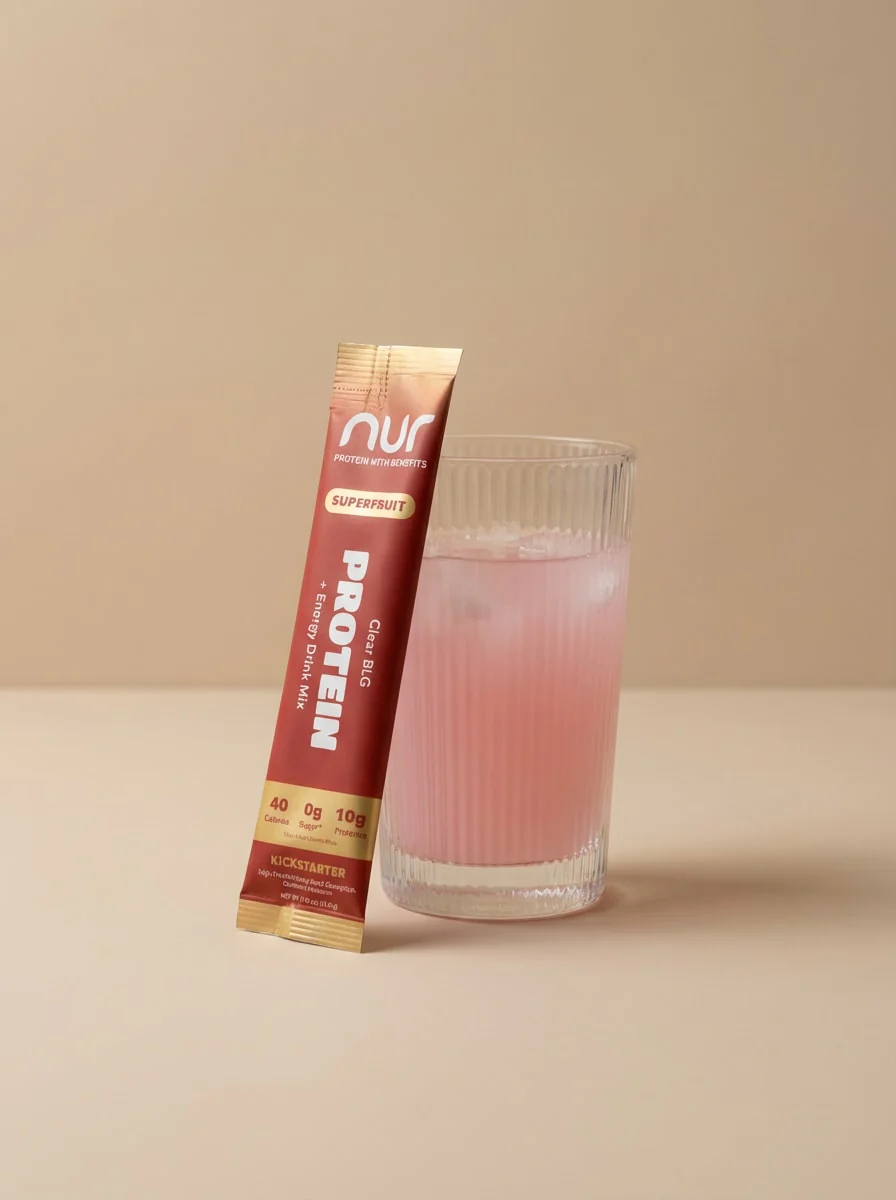
- NUR Protein takes a stick-pack format, pairing ProFerm with hydration or energy functionality depending on the variant. Stick packs benefit directly from BLG's solubility and clean flavor base, and the format fits the same convenience-focused consumer that's driven the rapid growth of protein shots.
You can see the options available at NURProtein.com.
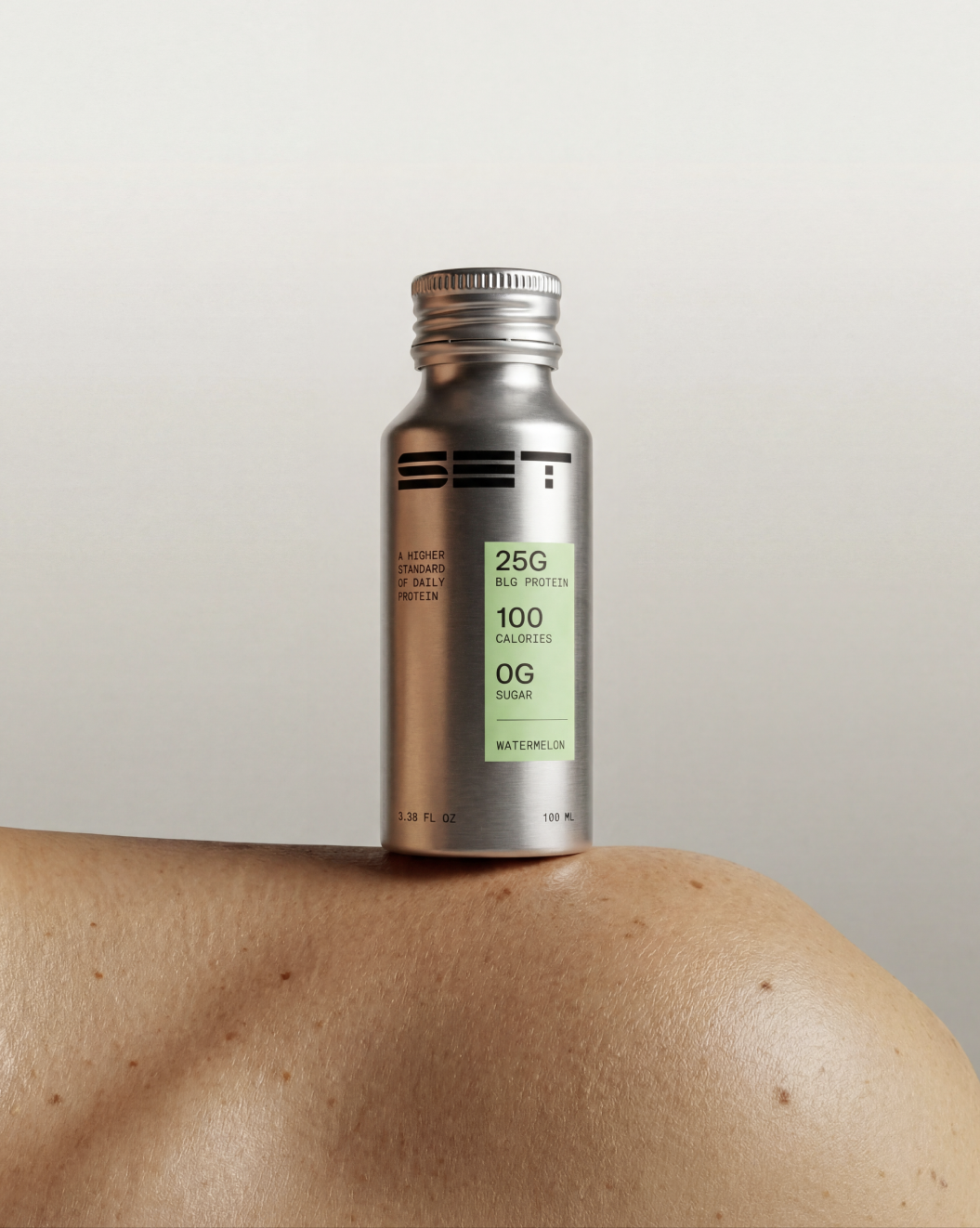
- Set Protein is launching July 2026 in an aluminum shot can, a format similar in concept to K-Tropix with distinct branding targeting a different consumer aesthetic. As a second BLG shot company building on ProFerm, Set's launch signals that the RTD shot category is emerging as a primary channel for BLG-based products.
Check it out once it launches at SETProtein.com.
Beyond sports nutrition, the broader Perfect Day partner roster includes Mars, Brave Robot, Graeter's, Modern Kitchen, and N!CK's, brands that completed their own due diligence and launched ProFerm-powered consumer products in the market. When brands evaluating a new ingredient ask whether anyone credible has already vetted it, the answer is a long list.
Perfect Timing for Increased BLG Capacity
Perfect Day's plant changes the supply argument in a way that couldn't honestly be made before. The technology is validated, GRAS is in place, and live customers span multiple product categories. What was missing was meaningful scale, and that arrives in Q4 2026.
The timing only makes it better: the squeeze in the whey protein isolate market has pushed brand buyers toward sourcing diversification they might have dismissed two years ago. Brands that commit to ProFerm can secure capacity that's only going to grow, and it isn't affected by as many unstable inputs or unrelated consumer decisions (such as cheese consumption needed for whey production).
Perfect Day's Kyle Failla puts it best: "We always talked about how Perfect Day is going to decouple you from the dairy industry. You're not going to be subject to pricing swings, trying to forecast what WPI is going to cost next month. That pitch never punched people in the face like it does right now."
Precision fermentation-based protein isn't subject to weather, feed costs, or dairy commodity cycles. As production scales and T. reesei efficiency improves, costs should move in a direction that's the inverse of what conventional WPI has done over the past two years. That's the structural thesis, and the near-term argument is already written in the market data.
To learn more about ProFerm, visit PerfectDay.com. Sign up below for Perfect Day and ProFerm updates as more products launch. If you're interested in learning more, email hello@perfectday.com.


Comments and Discussion (Powered by the PricePlow Forum)