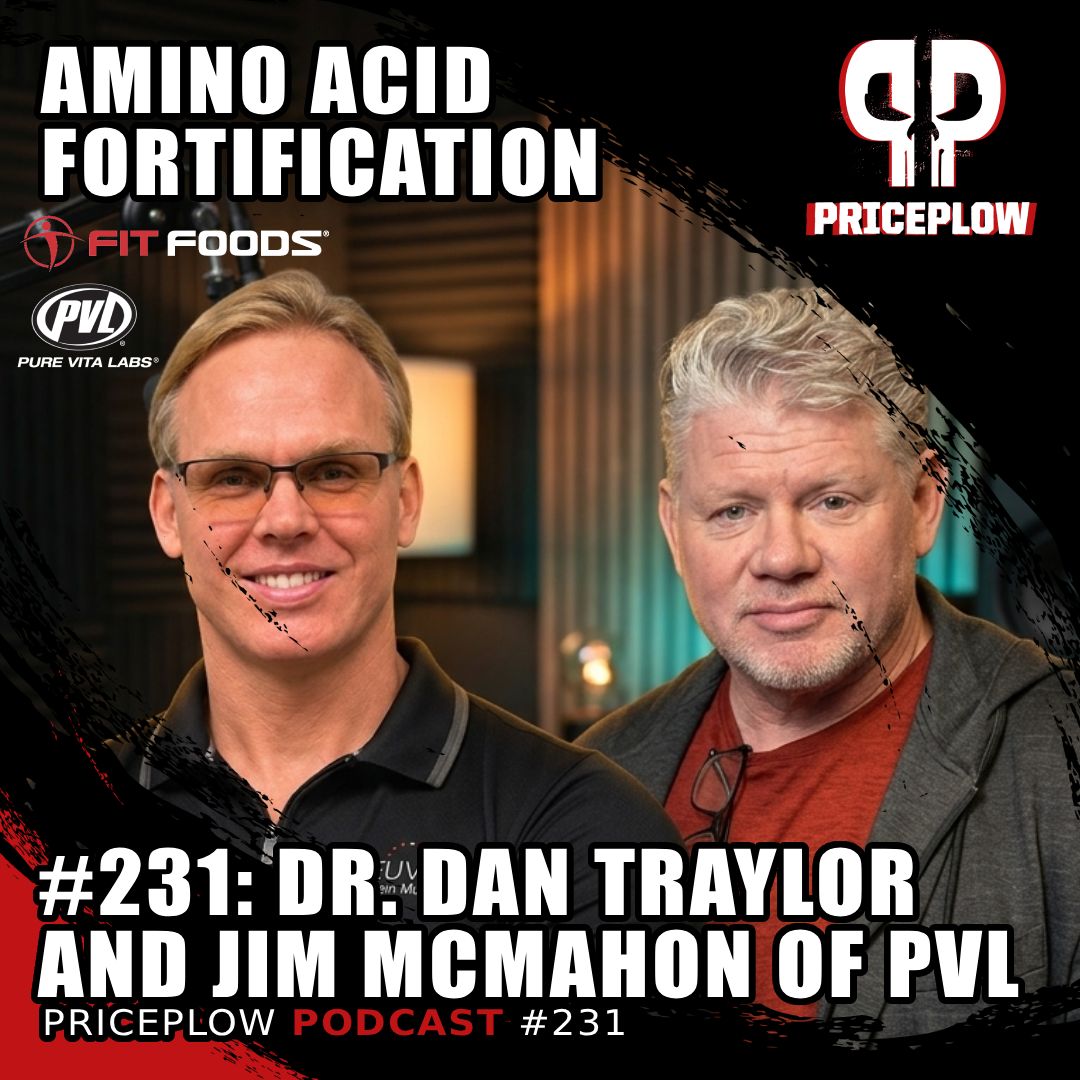
Dr. Daniel Traylor, founder of Leuvate, and Jim McMahon, CEO of Fit Foods, break down the amino acid science behind PVL's new ISO CLEAAR on Episode #231 of the PricePlow Podcast.
Episode #231 of the PricePlow Podcast is a science deep dive, and this one comes with tons of citations. Dr. Daniel Traylor, a protein and amino acid researcher at DePaul University, joins Jim McMahon of Fit Foods to launch PVL's ISO CLEAAR, a dairy-free protein drink built around Leuvate, Traylor's leucine-forward essential amino acid blend making its first commercial appearance.
Traylor has spent close to 15 years studying how fast different protein sources and amino acid forms show up in the bloodstream, and this episode walks through that research paper by paper, from a 2012 dose-threshold study out to Traylor's own ongoing GLP-1 crossover trial.
McMahon, who's been building Fit Foods since 1996 (he joined us on Episode #215 to talk protein price shocks and the Mutant story), explains why he built ISO CLEAAR around collagen, pea, and fava protein instead of whey, and why absorption speed matters as much as total EAA content. Subscribe to the PricePlow Podcast on your favorite platform and sign up for PVL and Leuvate news alerts before diving in.
Subscribe to the PricePlow Podcast on Your Favorite Service (RSS)

Apple Podcasts

Spotify

YouTube
https://blog.priceplow.com/podcast/daniel-traylor-leuvate-231
Video: Dr. Daniel Traylor and Jim McMahon on Leuvate and ISO CLEAAR

Podcast: Play in new window | Download (Duration: 1:55:38 — 100.9MB)
Detailed Show Notes: Dr. Daniel Traylor and Jim McMahon on Leuvate, ISO CLEAAR, and the Science of Fast Amino Acids
-
0:00 - Introductions
Ben welcomes back Jim McMahon, owner of Mutant and Fit Foods, alongside Dr. Daniel Traylor, founder of Leuvate and an assistant professor at DePaul University, where he teaches sports nutrition and exercise physiology. McMahon appeared on Episode #215 to talk through Fit Foods' history and the industry's whey protein price shocks. Traylor brings the research background for this episode's main topic, how a leucine-forward amino acid blend can make a smaller protein dose act like a much larger one, and why that idea now anchors PVL's new ISO CLEAAR.
-
0:30 - From the Football Field to Sports Science
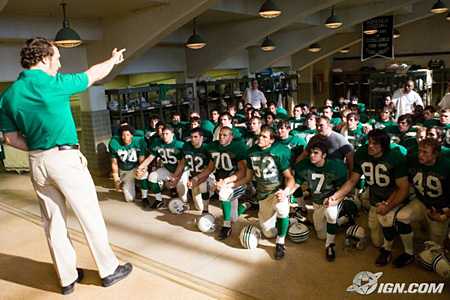
Traylor's path started as a linebacker at Appalachian State, where a shoulder injury (suffered, oddly enough, filming a stunt scene in We Are Marshall) taught him how much recovery drives performance. We learn a great bit about the journey of being an extra on the movie starring Matthew McConaughey, which is an interesting story and a great movie to watch -- Traylor is #70 in the movie.
After college, he earned a master's degree in strength and conditioning at what's now Georgia Southern University, then became a certified strength and conditioning coach, eventually landing with the Cincinnati Reds' Dayton Dragons affiliate. That hands-on experience coaching athletes through recovery is what eventually pulled him back into academia to study protein and amino acids formally.
-
7:45 - The Gummy Idea, a Patent, and a Fateful Email
Traylor enrolled in a PhD program at the University of Nebraska-Lincoln around 2010 with an odd idea (at the time): a protein gummy. When the serving size problem proved too big to solve, he pivoted to leucine, dropped out to chase a business deal that collapsed, then rebuilt at Clemson University, where he won a statewide pitch competition and filed a patent. Around that time, he found a 2012 paper out of Stuart Phillips' lab at McMaster University and emailed the corresponding author cold. Phillips wrote back within minutes.
-
14:45 - A Postdoc at McMaster and the Birth of Leuvate
That email turned into a four-year postdoctoral fellowship in Phillips' kinesiology lab, funded partly by a Canadian Institutes of Health Research grant Traylor helped win using his own gummy-trial blood data. It's where his human clinical trials, including muscle biopsy work measuring how quickly muscle actually grows, began in earnest. Traylor calls Leuvate "a leucine formula", combining a base dose of free-form leucine with the other essential amino acids (EAAs) to round out the profile.
-
19:45 - Why EAAs Drive Muscle Growth (and Why Speed Matters)
Traylor breaks down muscle protein turnover: your muscle is constantly building and breaking down, and the nine EAAs, not just total protein, drive the synthesis side. Plant and collagen proteins stimulate muscle protein synthesis (MPS) less than animal proteins because they carry fewer EAAs. Adding free-form leucine and EAAs to a plant or collagen base can make it act like a higher-quality protein, and because free-form aminos skip digestion, the signal arrives faster than it would from whole protein alone.
The International Society of Sports Nutrition's most recent position stand backs the core premise, that free-form EAA ingestion stimulates MPS more than an equivalent amount of intact protein.[1]
-
26:45 - Jim McMahon on Recovery Speed and 33 Years of Whey

Traylor in his playing days at Appalachian State, years before the muscle biopsy studies and the leucine research behind Leuvate.
McMahon connects this to his own history. Back around 2010, watching the Vancouver Canucks grind through a playoff run on almost no recovery time, he kept coming back to the same question the industry never fully answered: whey protein held roughly the same "Chevy price" for 33 years, so why not optimize what's already in the shaker instead of waiting for something new? Leuvate, in his view, is that optimization, a way to add speed to whatever base protein someone already prefers.
-
34:15 - Leuvate's First Human Study: The 2021 Feeding Trial
Traylor's first Leuvate-specific paper tested a 16-gram dairy protein blend enriched with 1.5 grams of free-form leucine against a high-protein breakfast in older adults, using a crossover design with repeated blood draws. The small, enriched snack produced an amino acid curve that looked like the much larger meal.[2] Traylor credits a foundational 2012 study for the underlying logic. That paper found 6.25 grams of whey enriched with leucine and other EAAs up to a 5-gram total leucine dose reproduced much of the early muscle protein synthesis response normally seen from 25 grams of whey, though only the full 25-gram dose sustained the response past three hours.[3]
-
37:00 - Why 1.5 Grams of Leucine? The Threshold Research
Traylor explains the dose-response curve for free-form leucine as an inverted U. Too little misses the threshold that triggers MPS. Too much saturates the amino acid transporters that shuttle leucine into muscle, without adding benefit.[4] A separate bar study from Douglas Bolster's group tested 2 and 3 grams of added leucine peptide and found the higher dose blunted an appetite-hormone response that the lower dose didn't, an early signal that more free-form leucine isn't automatically better.[5] Traylor settled on 1.5 grams partly for palatability, since higher free-leucine doses taste noticeably bitter.
-
40:00 - How Low Can You Go? Lower Doses and a 2022 Biopsy Study
Traylor gives a respectful shoutout to the late Dr. Douglas Paddon-Jones, the University of Texas Medical Branch researcher whose protein-threshold work shaped how the field thinks about older adults' needs. He points out that leucine-enriched doses even lower than Leuvate's can still stimulate MPS in older women, backed by separate research on a 15-gram protein dose with added leucine.[6] That leads into Traylor's own 2022 muscle biopsy study, which trained one leg of young, recreationally active adults for four days on a controlled high-protein diet, with or without a 16-gram Leuvate prototype bar. The Leuvate-supplemented leg showed a 19% increase in integrated MPS over baseline, compared to 12% for high-protein diet and training alone.[7]
-
46:15 - Adding Vitamin D3 to the Mix

Traylor wears number 70 in We Are Marshall, front row and center in the green Thundering Herd jersey.
Traylor also flags a newly published biopsy study on long-term vitamin D3 supplementation (3000IU daily for 12 weeks) that found no difference in overall MPS across a 4-hour window, but a meaningfully stronger MPS response in the first 60 minutes after eating.[8] Vitamin D receptors sit inside skeletal muscle cells themselves, at both the nucleus and the mitochondria, which is why every Leuvate trial going forward, including Traylor's current GLP-1 study, includes a vitamin D3 dose alongside the amino acids. It's unclear if this is necessary for those who already get plenty of natural sunshine.
-
50:15 - Does Timing Matter? Protein Windows and Recovery
Traylor traces the "anabolic window" debate back to Kevin Tipton's early work on pre- versus post-exercise amino acid timing.[9] For years, researchers assumed a "refractory period" limited how much MPS could rise once triggered, an idea rooted in Phil Atherton's signaling work.[10] A 2023 study out of Maastricht University complicates that picture. It gave subjects a 100-gram protein bolus and found the anabolic response extended past 12 hours with no clear ceiling.[11] Traylor's takeaway for athletes doing multiple training sessions per day: resistance training itself keeps muscle protein turnover elevated for roughly 48 hours, so getting protein in as soon as possible after training still matters for recovery speed.[12]
-
56:00 - How Much Protein Do You Actually Need?

We Are Marshall Movie Poster Featuring Daniel Traylor
A widely cited meta-regression pegged the protein intake needed to maximize resistance-training gains in lean mass at roughly 1.6 grams per kilogram of body weight per day, with the upper confidence interval extending past 2 grams.[13] Traylor also points to breakpoint-analysis research showing younger adults need about 0.24 grams of protein per kilogram per meal to maximize MPS, while older adults need closer to 0.4 grams per kilogram, evidence of the age-related anabolic resistance that makes amino acid-enriched proteins especially relevant for older consumers.[14] Endurance athletes need more too. Research on runners under controlled training loads puts daily protein needs closer to 1.8 grams per kilogram, well above the general athlete recommendation.[15]
-
1:00:45 - Sestrin2: How Muscle Cells Actually Sense Leucine
Until 2015, nobody knew how muscle cells detected leucine specifically, even though researchers had known for years that leucine was uniquely responsible for triggering MPS among the amino acids. David Sabatini's lab at MIT identified the mechanism: leucine binds directly to a protein called Sestrin2, which then releases its grip on the mTORC1 signaling pathway that drives muscle protein synthesis.[16] Traylor notes that leucine's metabolite HMB and certain dileucine compounds can also stimulate MPS through related pathways, but leucine itself remains the primary trigger.
-
1:02:15 - The Disability Threshold and Why "Older" Is Relative
Traylor introduces the concept of a "disability threshold", a baseline of muscle mass and function that, once crossed, is extremely difficult to recover. Muscle mass and quality typically peak around age 28, then decline gradually until an acute event (an injury, a hospitalization, an illness) pushes someone below that threshold all at once. Sarcopenia, the age-related loss of lean mass, tends to begin in a person's 40s. Traylor's own scoping review of leucine-enriched, vitamin D3-backed protein formulas in sarcopenic older adults found consistent improvements in lean mass and physical function across the trials it covered.[17] Consistent high-quality protein, made easier with amino acid-enhanced formulas, is one of the more practical ways to stay above that threshold as the insults accumulate.
-
1:07:45 - Revisiting the Amino Acid Spiking Controversy

Helmets go up in the Marshall locker room, one of the crowd scenes filmed with Traylor on set.
Mike raises the industry's 2014 amino acid spiking scandal, where some brands added cheap free-form aminos like glycine, undeclared on the label, purely to inflate protein counts on a nitrogen test. McMahon draws a clear line between that and what's happening in ISO CLEAAR. The FDA's own protein-testing methodology includes amino acid analysis as an accepted verification method alongside nitrogen testing, but it doesn't distinguish between free-form and intact aminos on its own. ISO CLEAAR's label lists its 20 grams of protein and aminos as a 12-gram whole protein plus 8-gram free-form amino acid split right on the front of the package, which McMahon frames as the transparent alternative to what the 2014 scandal did quietly.
-
1:14:00 - Why Collagen and Plant Protein Instead of Whey
McMahon explains the formula choice came from flavor first, not cost. He wanted a genuinely clear, juice-like protein rather than another thick shake, and whey doesn't mix clear without added anti-foaming agents or phosphoric acid, ingredients he wanted to avoid. Going dairy-free with beef protein isolate (itself a blend of collagen peptide and bone broth protein), fermented pea protein isolate, and fava protein also sidesteps ongoing whey price pressure and appeals to the large share of consumers who prefer plant-based or dairy-free options when given the choice.
-
1:17:30 - How a Trade Show Meeting Led to ISO CLEAAR
McMahon had already been developing a clear protein concept when he ran into Traylor and his research partner at a SupplySide trade show. One look at Traylor's data on EAAs was enough to convince him Leuvate belonged in the formula. McMahon also previews a second, whey-based product coming to Canada first: an updated version of PVL's ISOGOLD stacking three grams of Leuvate onto 27 grams of intact protein, aimed at making a single scoop do the job of two.
-
1:21:15 - Bringing Glycine and Taurine Back Into the Conversation

Daniel Traylor Number 70 in We Are Marshall Team Meeting
Mike points out an unintended side effect of the 2014 spiking scandal: the industry got so wary of free-form aminos that ingredients like glycine and taurine, which have their own legitimate research support, became almost taboo to include in protein at all. ISO CLEAAR's 1.5 grams of glycine per scoop corrects for that overcorrection on purpose, dosed at a level with published support of its own, alongside its role as a building block for creatine and collagen.
-
1:22:45 - Inside the ISO CLEAAR Label: EAAs, CEAAs, and a Flavor-First Approach
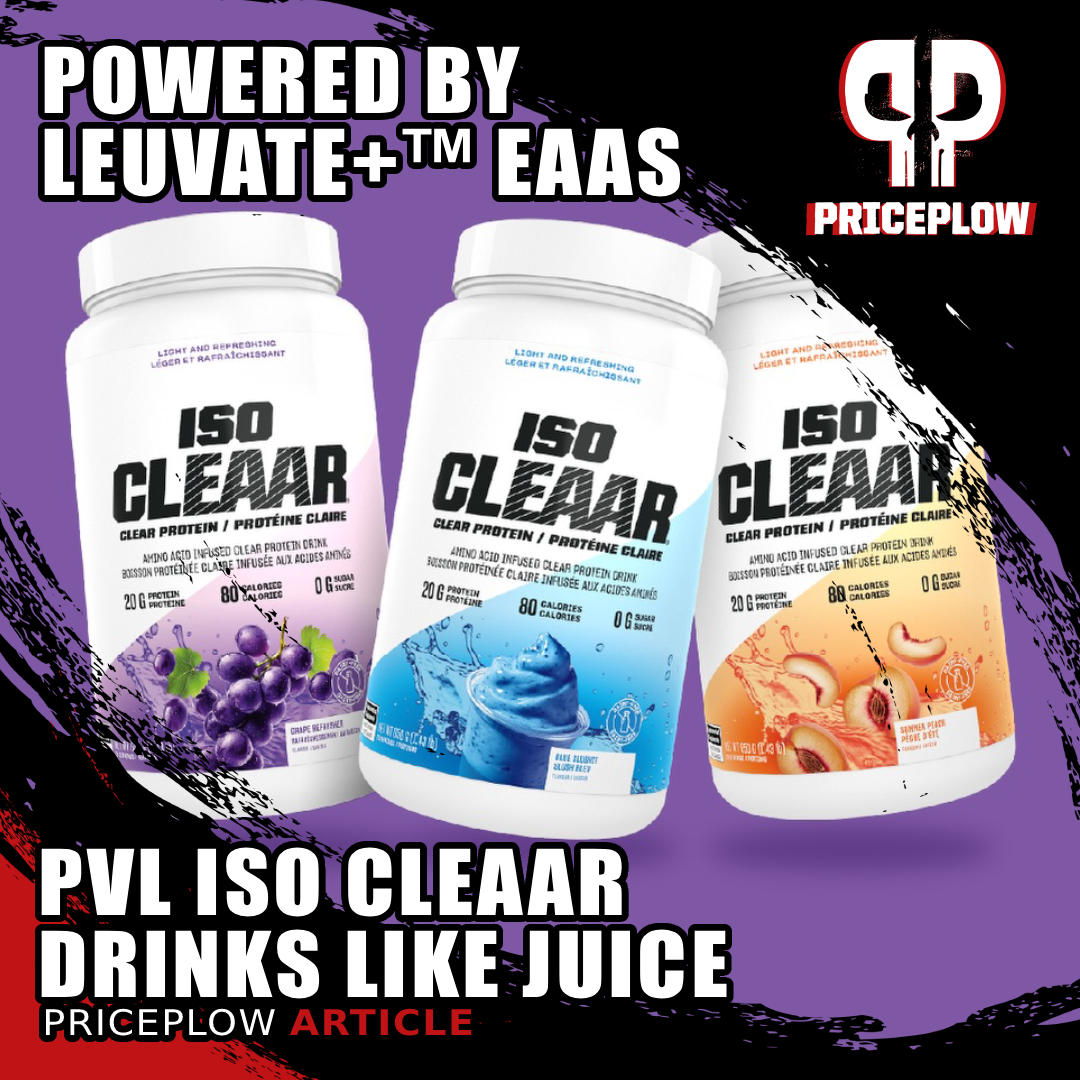
McMahon spells out the name on air: ISO CLEAAR, with a double A, a nod to the EAAs baked into the formula. The 8 grams of added amino acids split into two labeled blends, Leuvate (the nine essential amino acids, led by leucine) and CEAAs, a group of conditionally essential amino acids including glycine, glutamine, and arginine. McMahon says the flavor-first positioning (Blue Slushie, Summer Peach, and Grape Refresher were the launch flavors) was intentional. ISO CLEAAR is meant to sit alongside a regular protein shake for people who want something lighter, not replace it.
-
1:25:15 - Does Collagen Actually Support Muscle Protein Synthesis?
Ben asks the obvious follow-up: if collagen alone is considered a lower-quality protein for muscle building, why build a flagship product around it? Traylor's answer leans on recent research out of Maastricht University showing that collagen protein by itself doesn't meaningfully raise myofibrillar MPS the way whey does.[18] The same research group found that pairing collagen with a complete protein source changes the picture. A whey and collagen blend increased both myofibrillar and muscle connective protein synthesis compared to placebo.[19] That's the same logic behind ISO CLEAAR's blend of collagen-containing beef protein, plant protein, and Leuvate's free-form EAAs.
-
1:30:30 - Dan's Ongoing Research Into GLP-1 Users and Muscle Preservation

Some days you want more protein but not another thick shake. PVL ISO CLEAAR is the answer, a clear, juice-like protein with 20g protein and 80 calories, headlined by LEUVATE+™ making its commercial debut.
Traylor is currently co-authoring a PROSPERO-registered scoping review at DePaul covering registered clinical trials that combine GLP-1 medication use with diet and exercise interventions. Early patterns from that body of research suggest people on GLP-1s who also exercise tend to preserve more bone and physical function than those who don't, and recent trial data shows fat mass can drop more than lean mass on semaglutide, with handgrip strength improving even as total body weight falls.[20] Traylor's argument is that GLP-1 users, who are eating less overall, need higher-quality protein at each meal to help maintain the muscle they have. This is research context on GLP-1 medications, not a claim that Leuvate or ISO CLEAAR treats, prevents, or interacts with any GLP-1 drug.
-
1:33:30 - Inside the Three-Arm Leuvate and GLP-1 Crossover Study
Traylor's own registered trial, run between the University of Toronto and the University of Arkansas, compares 24 grams of whey protein concentrate against two Leuvate-containing conditions (a 3-gram and a 12-gram dose) in GLP-1 users, using a leucine isotope tracer to measure whole-body protein synthesis rates.[21] He expects at least equivalent, if not superior, results from the Leuvate arms. The study is roughly half complete, with full data collection expected by the end of August. This is registered, ongoing research, and its results aren't yet published or peer-reviewed.
-
1:38:00 - Protein's Role Beyond Building Muscle
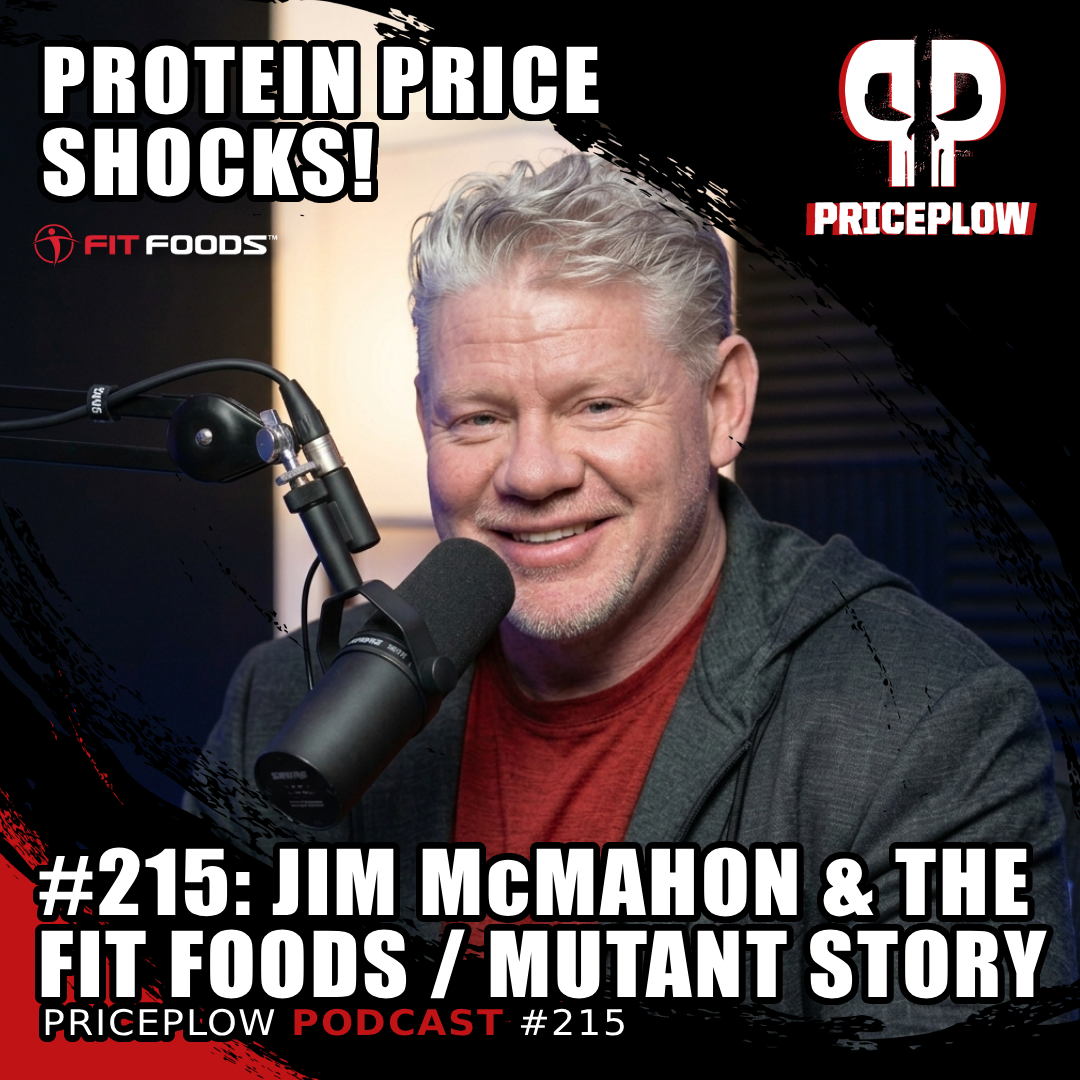
Jim McMahon, Founder and CEO of Fit Foods Ltd., traces his nearly 40-year supplement industry journey from introducing whey protein to Canada in 1993 to building Mutant into a 200,000-square-foot global manufacturing operation, on Episode #215 of the PricePlow Podcast.
The guys close out the science portion with a reminder that amino acids do more than drive hypertrophy. Glycine alone has documented roles in sleep quality and thermoregulation, and the group agrees that dismissing collagen or lower-leucine proteins outright overlooks the fact that most consumers are already falling short on total protein and connective tissue-supporting amino acids in the first place. McMahon adds that Fit Foods is committing to funding more human studies going forward, arguing the industry as a whole under-invests in finished-product research once an ingredient supplier's own data is published.
-
1:47:15 - Third-Party Validation: Health Canada, USP, and Strong Science
McMahon runs through ISO CLEAAR's compliance layers before wrapping up. Every ingredient is Health Canada approved, sourced to USP or another verified pharmaceutical-grade standard, and the product is Informed Choice certified for banned-substance testing, with a patent pending on the formula itself. McMahon also confirms Fit Foods is bringing in Strong Science, a third-party research validation group, to independently verify the research behind Leuvate going forward, on top of the peer-reviewed studies Traylor has already published.
-
1:49:00 - Dan's Advice for Aspiring Ingredient Entrepreneurs
Asked what he'd tell an academic sitting on a promising ingredient idea, Traylor's advice centers on separation and preparation: keep your intellectual property out of university ownership where you can, and if you can't, negotiate that upfront. Get to industry trade shows like Supply Side, the Arnold Classic, and IFT as early as possible, and show up with a one-page sheet of substantiated claims rather than just an idea. Above all, find people already established in the industry who have your best interests in mind before you start trusting outside investors.
-
1:53:45 - Closing Thoughts and Where to Find Everyone
Mike thanks Traylor and McMahon for an unusually research-dense conversation and confirms the show notes will carry the full citation list for anyone who wants to dig into the papers directly. Traylor can be reached through leuvate.com or his DePaul University LinkedIn, and McMahon points listeners to his Instagram for more from Fit Foods and PVL. Both guests offer to clarify anything from the conversation that needs a second explanation, and Ben wraps things up by thanking them for their time.




Where to Follow and Learn More
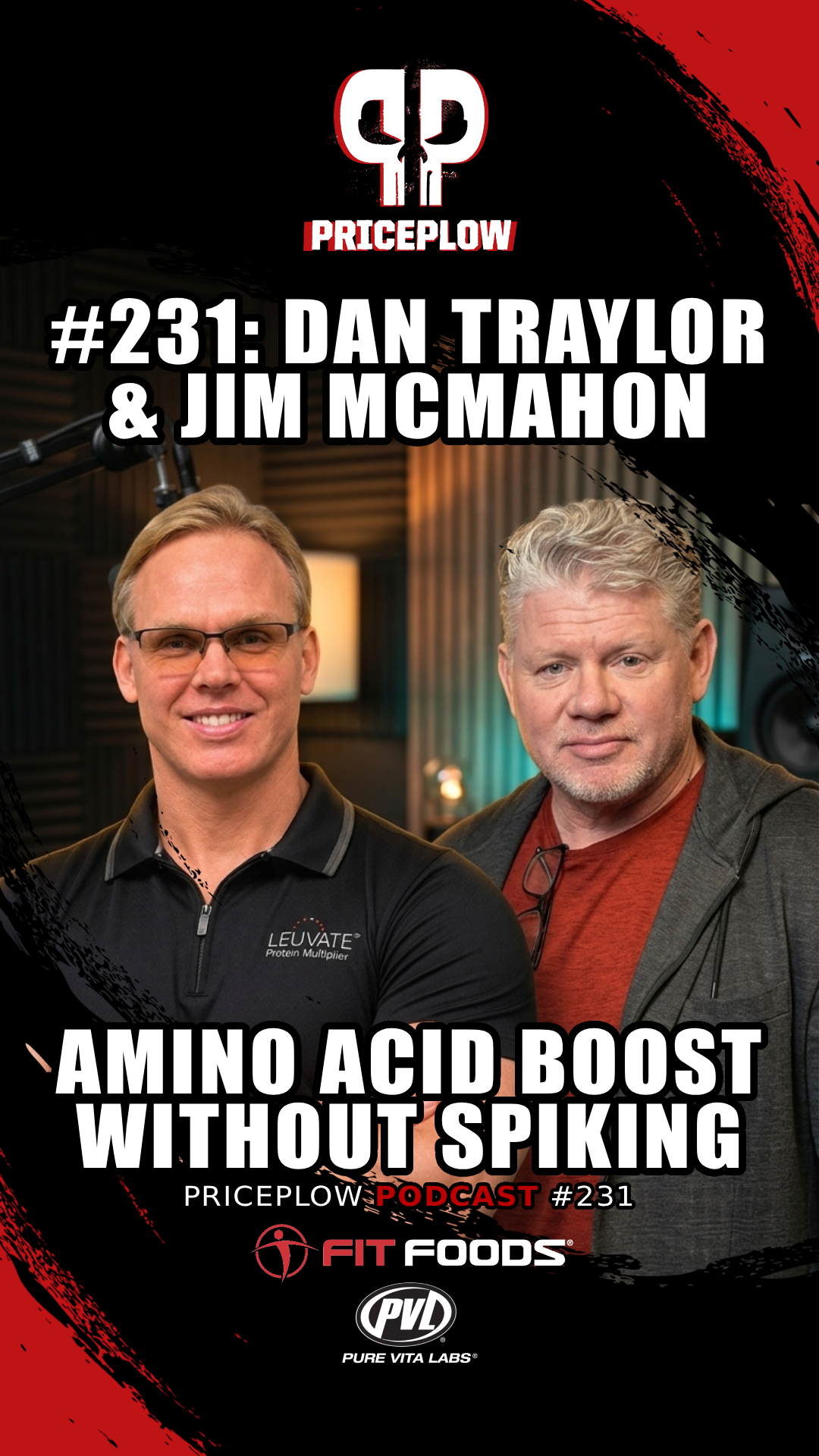
Connect with Dr. Daniel Traylor and Jim McMahon
- LinkedIn: Dr. Daniel Traylor, Ph.D.
- LinkedIn: Jim McMahon
- Instagram: @mutantceo (Jim McMahon)
- Leuvate Official Website
- Instagram: @purevitalabs (PVL)
- PVL on PricePlow - Sign up for news alerts
Resources Mentioned
- PVL ISO CLEAAR: A Clear Protein Drink Built Around LEUVATE+™
- Previous Episode: Jim McMahon of Fit Foods on Protein Price Shocks and the Mutant Story (#215)
- NCT07595575: Effects of LEUVATE on Glycemia, Insulinemia, Aminoacidemia, and Protein Synthesis in GLP-1 RA-treated Adults
Products Discussed
Thank you so much to Dr. Daniel Traylor and Jim McMahon for one of the most research-dense conversations we've had on the show. We're excited to see the GLP-1 crossover data once it's published, and we'll have our eyes on that next-generation ISOGOLD launch in Canada this fall. And thank you to Perfect Shaker for sponsoring this episode. Check out Darren Thompson's episode on PricePlow or head to PricePlow.com/perfect-shaker to see their shaker cups for yourself.
Subscribe to the PricePlow Podcast on any platform, sign up for PVL and Leuvate news on PricePlow, and leave us a great review on iTunes and Spotify!
Subscribe to the PricePlow Podcast on Your Favorite Service (RSS)
Apple Podcasts
Spotify
YouTube


Comments and Discussion (Powered by the PricePlow Forum)