The GLP-1 era reset consumer expectations for weight management. PLT Health's Supresa and Slendacor cover both sides of energy balance: appetite control and thermogenesis, with no stimulants and clinical data backing each.
The GLP-1 drug wave didn't just move markets, it completely changed consumer expectations. Millions of people have now watched Ozempic and its cousins deliver real weight results, and they've internalized why: those drugs work on appetite and metabolism together. That dual-mechanism logic has permanently reshaped what consumers expect from any weight management product, prescription or not.
Most supplement formulas haven't caught up. They still pick one lane: a stimulant-based thermogenic or "heat-in-a-pill" application, but they rarely properly address appetite suppression, and certainly not often with the kind of clinical backing that earns brand trust.
PLT Health's weight management stack addresses that gap directly. Supresa targets the intake side of the energy equation by reducing cravings and snacking through serotonin support. Slendacor works the expenditure side by boosting resting metabolic rate (RMR) and inhibiting fat accumulation through a multi-pathway botanical mechanism. Together, they give formulators a stimulant-free, IP-protected, clinically backed story across the full energy balance equation.
We've published detailed ingredient guides on both: see our Supresa deep dive and our Slendacor deep dive. This article is for the brands and formulators thinking about what the two look like together.
Before we jump in, if you want alerts when we publish new content on PLT Health, Supresa, or Slendacor, sign up below, and then let's get into the situation:
Subscribe to PricePlow's Newsletter and Alerts on These Topics

The Problem With One-Mechanism Weight Management
Energy balance isn't a single dial. It's regulated by four overlapping mechanisms: control of energy intake (appetite, cravings, satiety), control of fat reserves (lipogenesis and lipolysis), control of substrate availability, and control of energy expenditure through thermogenesis. Targeting only one of these is effective at the margins, but it leaves the others fully compensating against you.

PLT Health Solutions: Growth Through Innovation
The supplement industry's default answer for energy expenditure has historically been stimulants. Ephedrine, then synephrine, then yohimbe, then ever-larger caffeine doses. Each generation chased the same thermogenic effect with mounting regulatory and cardiovascular scrutiny. Meanwhile, appetite control got sidelined into "fat blockers" or fiber-based satiety products that consumers don't love and don't stay on.
The result is a category full of products that feel one-dimensional to a consumer who now, thanks to GLP-1 drug coverage, understands multi-mechanism weight loss intuitively. They've seen it work at the pharmaceutical level. They want something analogous in a supplement, without the injection and without the side effects.
That shift is showing up in product development. Lemme GLP-1 Daily, Kourtney Kardashian's supplement line, launched with Supresa as a core ingredient alongside natural lemon and blood orange extracts, explicitly positioning around the GLP-1 adjacent appetite and metabolic support narrative. It's a mainstream brand making a science-forward bet on appetite-focused ingredients, and it sold through quickly.
The next logical step for formulators is pairing that appetite control with a credentialed thermogenic that doesn't rely on adrenergic stimulation. That's where the Supresa + Slendacor combination comes in, and it's a stack PLT Health has invested years of clinical research to build.
-
Supresa: Closing the Intake Side

Need help taming those snack attacks? Supresa is clinically validated saffron extract reduces snacking by 55% while working with your body's natural satiety signals. No stimulants, just science backed satisfaction.
Supresa is a patented saffron extract derived from the flowers of a specific cultivar of Crocus sativus L., standardized to the bioactive compounds crocin, safranal, and picrocrocin. The mechanism runs through serotonin: Supresa appears to enhance serotonin signaling, which curbs the hedonic and stress-driven eating patterns that undermine most diet attempts. It doesn't suppress hunger in a blunt physiological sense. It addresses the behavioral loop of stress, craving, and snacking that's often the actual culprit in excess calorie intake.
The clinical evidence anchors on a published trial, Gout et al. 2010. This was a randomized, double-blind, placebo-controlled study of 60 healthy, mildly overweight women over eight weeks.[1] Participants received 176.5mg of Supresa daily, with no caloric restriction imposed.
The results:[1]
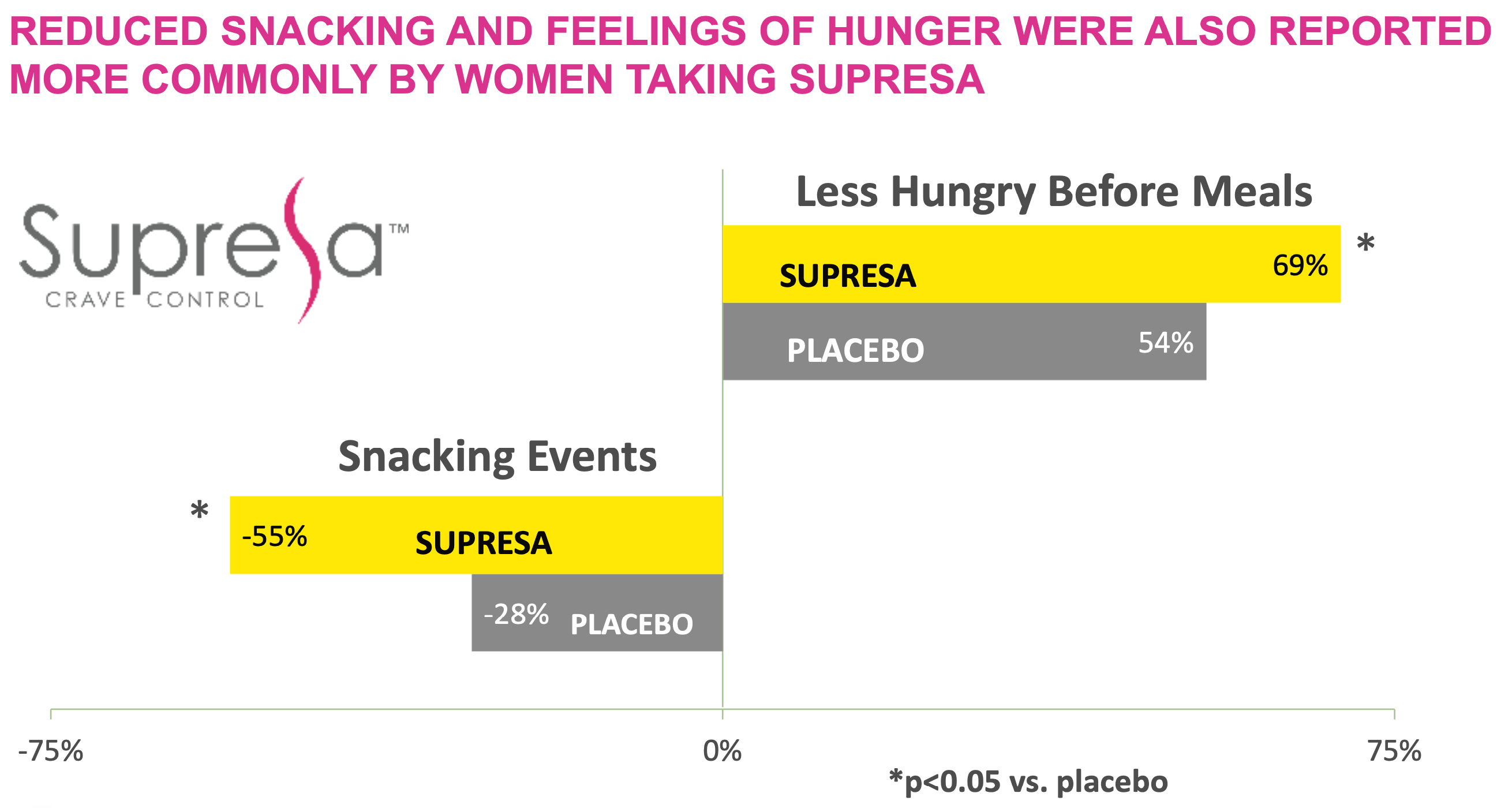
- 55% decrease in snacking events vs. placebo
- 69% reported decreased hunger vs. placebo
- 65% reported reduced sugar cravings vs. baseline
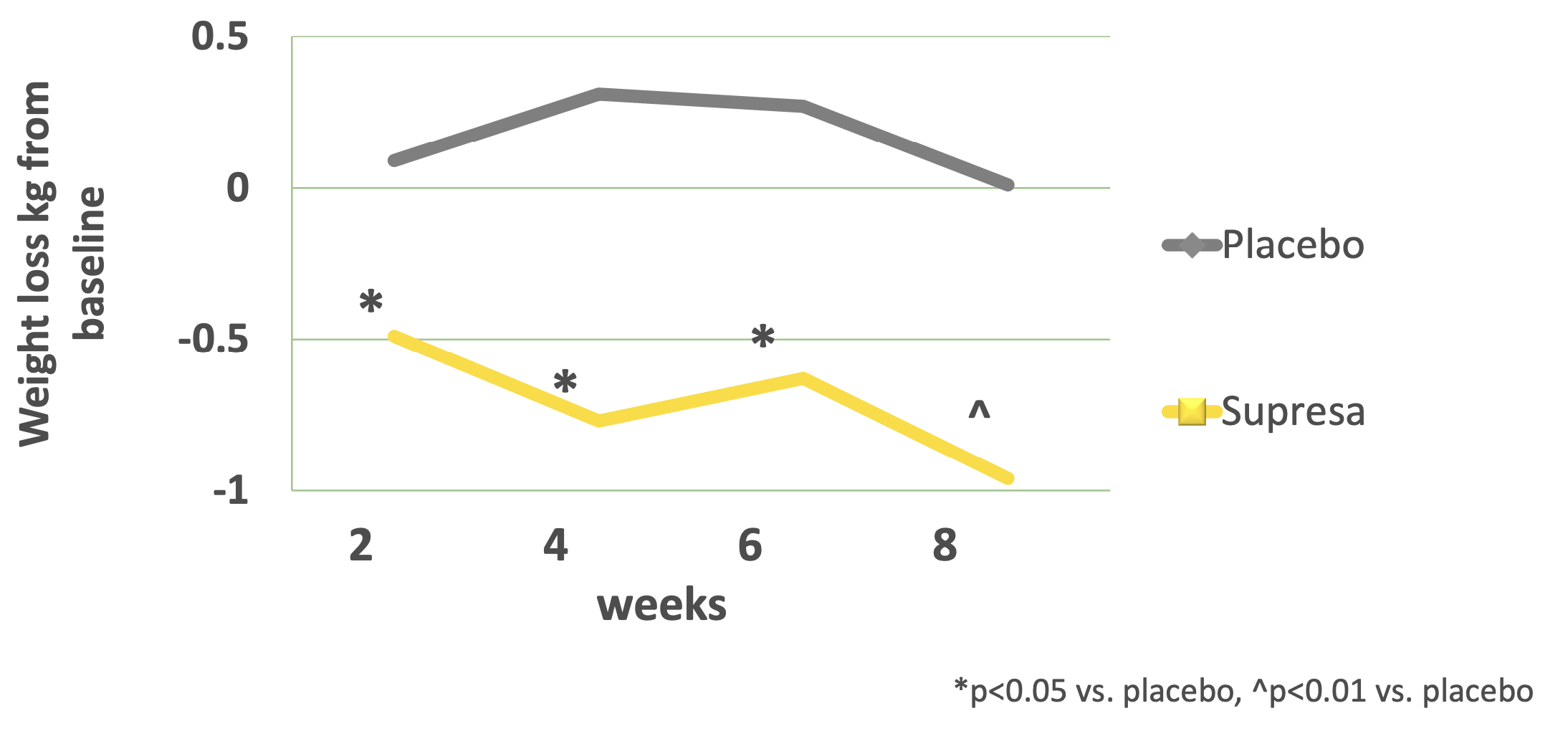
- Statistically significant body weight loss vs. placebo beginning at week 2

Clinical trial results show Supresa significantly outperforms placebo with a 55% reduction in snacking events and 69% of participants reporting decreased pre-meal hunger (p<0.05)
In the subset of habitual snackers, the snacking reduction reached statistical significance by day 14, a meaningful speed-of-action story for consumer marketing. A formula that starts working within two weeks is a formula people stick with.[1]
Supresa's IP story is worth noting for formulators. It holds patent protection in the US (US 9,833,489 B2), Canada, Europe, and Japan (the only saffron-based weight management ingredient with that level of coverage).[2-5] That's a differentiator on both labels and in retail conversations. Regulatory status is clean: GRAS under 21 CFR 182.20, with approvals across the US, Canada, EU, UK, Japan, Korea, Malaysia, Taiwan, and Australia.

Eight-week weight loss comparison between Supresa and placebo groups, demonstrating consistent, statistically significant weight reduction in the Supresa group (p<0.05, p<0.01 vs. placebo at various timepoints)
Practically, Supresa is a formulator-friendly ingredient. At 176.5mg/day, the dose is low, solubility is excellent, and organoleptic impact is minimal. It fits readily into meal replacements, RTD beverages, gummies, chews, and capsule formats, giving brands flexibility in how they deploy it across a product line.
For the full breakdown of Supresa's research and mechanisms, see our Supresa ingredient guide.
-
Slendacor: Working the Output Side
Where Supresa addresses intake, Slendacor addresses what happens on the expenditure and fat-storage side of the equation. It's a patented triple-botanical complex combining turmeric (Curcuma longa), moringa (Moringa oleifera), and curry leaf (Murraya koenigii) in a specific, proprietary ratio developed through screening more than 200 Ayurvedic plant candidates.
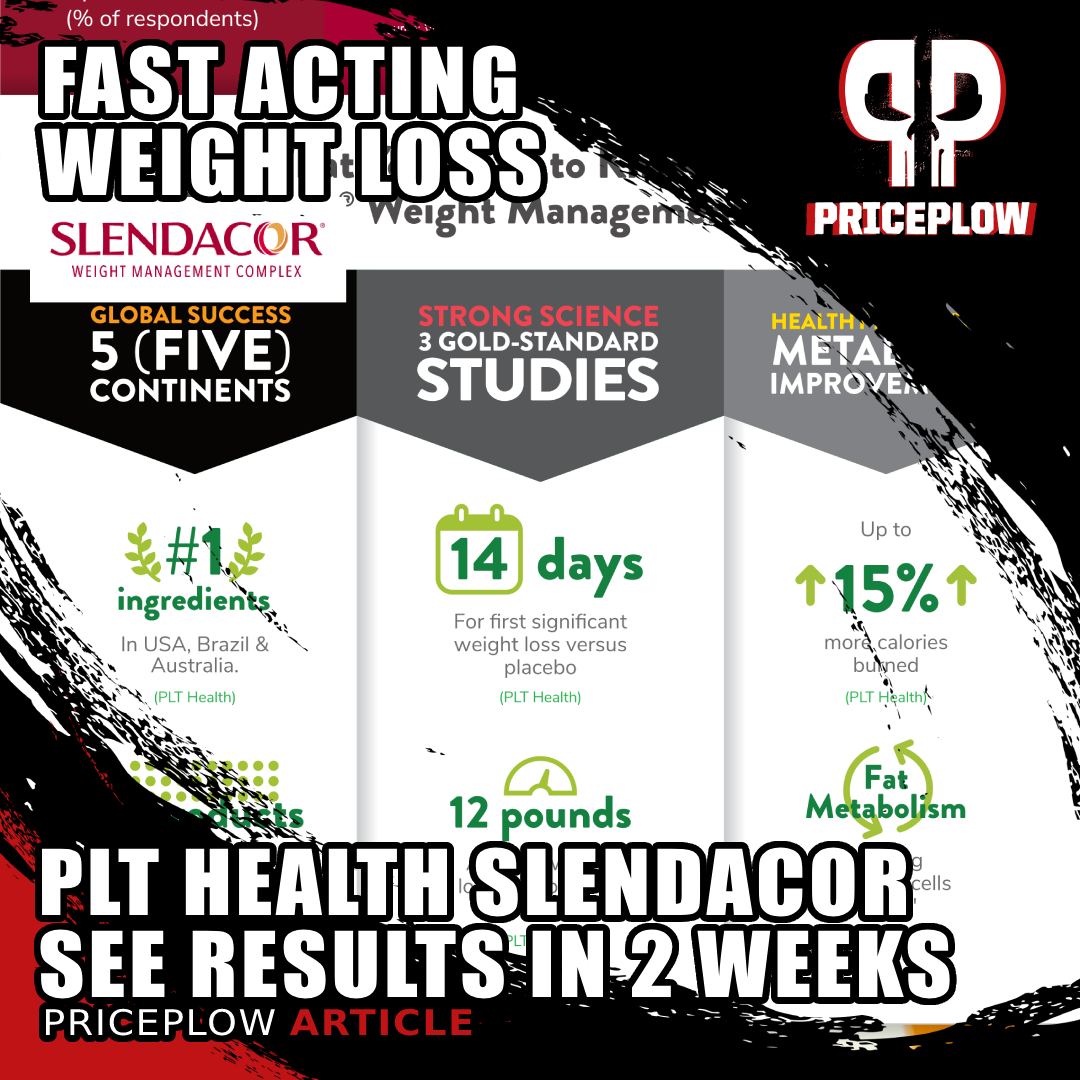
PLT Health's Slendacor increases metabolic rate up to 15.2% without stimulants. Research shows significant results in just 14 days, with subjects losing nearly 12 pounds over 16 weeks through its unique three-herb blend.
Testing its ratio of components against adipogenesis in 3T3-L1 fat cells showed the Slendacor combination achieved 40.5% inhibition of fat accumulation, substantially better than any single extract tested (which ranged from 24.9% to 29.5%), and better than other botanical combinations evaluated.[6] That synergy is what separates the combination from its components, and it's the foundation for the clinical work that followed.
The Mechanism: Multiple Pathways, No Stimulants
Slendacor works through several converging pathways. On the fat-storage side, it suppresses PPARγ and C/EBPα transcription factors, which reduces adipogenesis (fat cell formation), and upregulates HSL (hormone-sensitive lipase) to promote lipolysis (fat breakdown). On the thermogenesis side, it activates the AMPKα pathway, which drives expression of PGC-1α and UCP1 (uncoupling protein-1, also known as thermogenin). UCP1 is the key protein in non-shivering metabolic thermogenesis, and it's normally associated with brown adipose tissue. Slendacor's mechanism appears to promote similar thermogenic gene expression in white adipose tissue. None of this involves the signaling that stimulants use, which is why it doesn't raise heart rate or blood pressure.
Three Human Clinical Studies

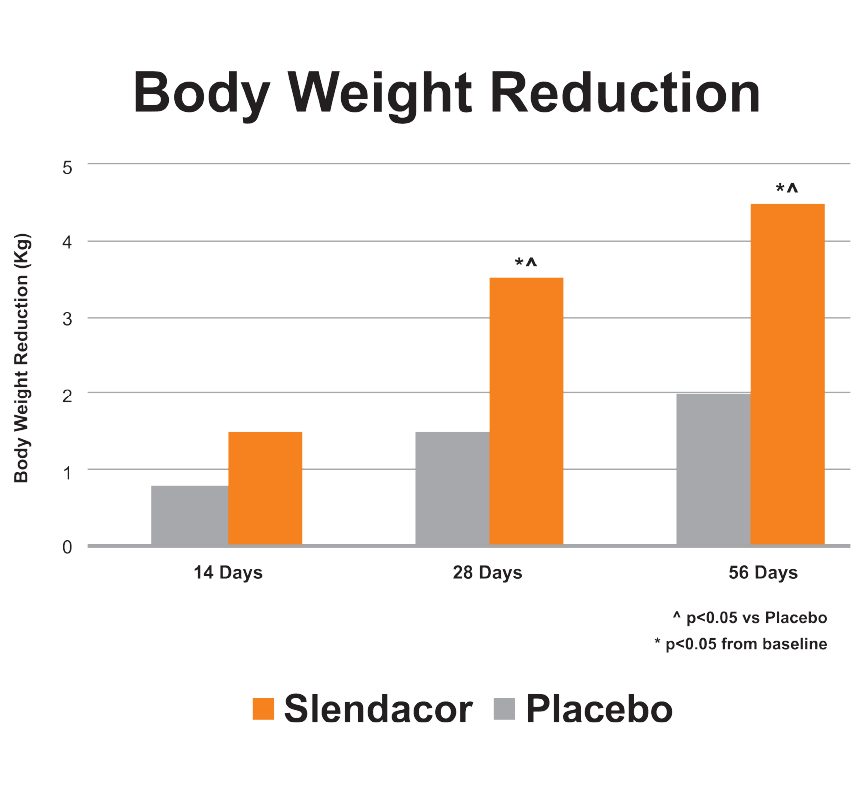
Clinical research demonstrates Slendacor's significant effects on body weight reduction, with participants losing over 4.5 kg (nearly 10 pounds) after 56 days compared to 2 kg in the placebo group, with results becoming noticeable in just 14 days.
- Sengupta et al. 2012 was a 12-week randomized, double-blind, placebo-controlled study in obese subjects that showed statistically significant reductions in body weight and fat mass vs. placebo.[7]
- Dixit et al. 2018 is the most rigorous of the three: a 16-week randomized, double-blind, placebo-controlled trial in healthy overweight adults, which is the harder population to show results in. At 900mg/day of Slendacor, the active group achieved approximately 4.6% body weight reduction vs. 1.7% in the placebo group. Waist reduction was roughly 4x greater than placebo, and hip reduction roughly 3.2x greater.[8]
- Murphy & Salter 2023 addressed thermogenesis directly. In a 7-day RDBPC study of 60 overweight adults, 900mg/day of Slendacor produced significant RMR elevation at 60, 120, and 180 minutes post-dose on day 7 vs. placebo (p<0.05), with between-group significance reached at all three time points. Heart rate and blood pressure remained unchanged throughout. Mood scores (POMS-SF) also improved significantly in the Slendacor group on day 7.[9]
The non-stimulant basis is important to many users, too. Formulators can target demographics that avoid caffeine entirely, including women's wellness products, supplements for older consumers, and anyone building for an audience that's been put off by jittery fat burners.
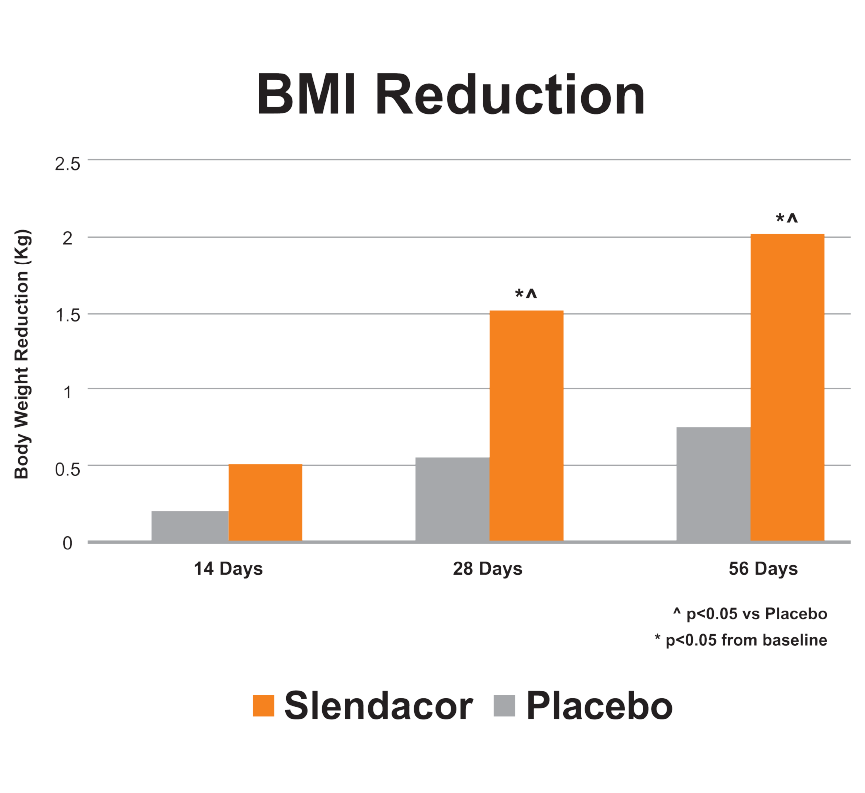
Clinical research shows that Slendacor significantly outperforms placebo for BMI reduction, with effects visible in just 14 days and continuing through 56 days of supplementation.
Slendacor opens those doors without sacrificing thermogenic efficacy, and it's already in commercial formulas in over 20 countries. NuSkin's TRME SmartWin product, a flagship in its weight management line in Asia, contributed meaningfully to NuSkin's $1.73B 2024 revenue. There's no reason this can't work in the North American market as well.
For the full scientific breakdown, see our Slendacor ingredient guide.
Why These Two Belong Together
The core argument for stacking Supresa and Slendacor is simply that they cover completely different mechanisms with no redundancy (and no antagonism). Additionally, there aren't enough brands effectively combining them.
Supresa controls energy intake by reducing the behavioral drivers of overconsumption: cravings, snacking, and stress-eating. Slendacor controls energy expenditure and fat storage by elevating RMR and suppressing adipogenesis. There's no pathway overlap here between a serotonin-mediated appetite effect and an AMPKα-driven thermogenic effect.
Neither ingredient is a stimulant, and neither causes cardiovascular stress. This means that they can be dosed together without the typical stacking concerns that come with combining CNS-active compounds. Users don't have to ditch their favorite coffee, tea, pre-workout supplements, or energy drinks to use them if they're formulated without caffeine.
Studies that stand on their own, in a two-front battle
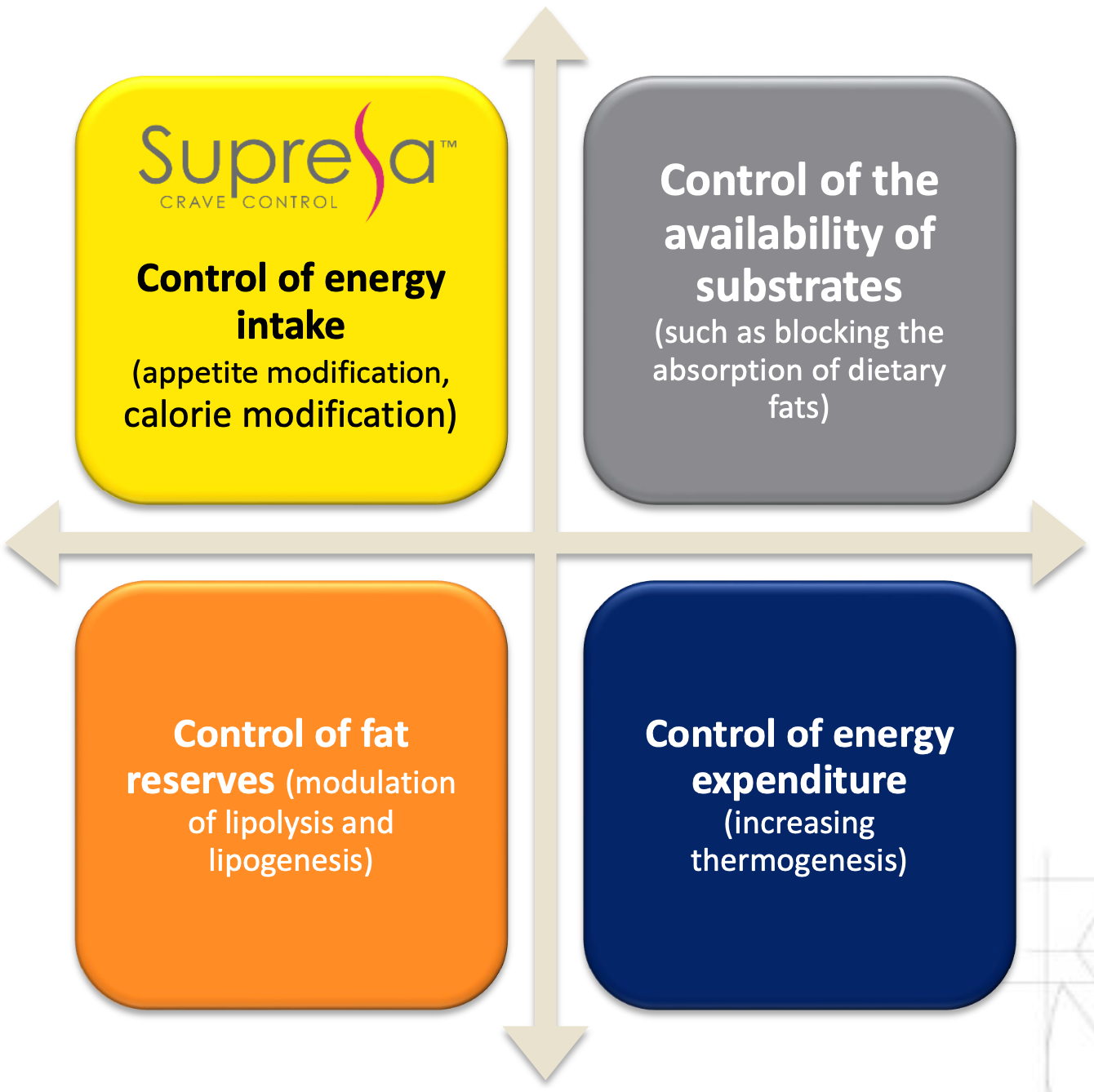
Supresa's comprehensive approach to weight management through four key mechanisms: energy intake control, substrate availability, fat reserve modulation, and energy expenditure regulation
There's no published clinical trial on this specific combination, so the argument for this stack rests on mechanism complementarity, not tested synergy. While we wouldn't be surprised in a study showing synergistic effects, the honest framing is to market based on each ingredient's clinical research, which matters for regulatory conversations. But mechanism complementarity backed by separate human clinicals is a defensible story, and it mirrors the logic that's made GLP-1 drugs the most talked-about weight loss intervention in years.
It's also worth considering the consumer psychology angle. Most people who struggle with weight management fail on two fronts simultaneously: they eat more than they intend to (intake problem), and their bodies aren't burning efficiently at rest (expenditure problem). A product that only addresses one of those fronts leaves half the battle unfought. Giving consumers a formula that works on both sides gives them a more complete experience, which drives compliance, which drives results, which drives repurchase. For brands, that's the commercial logic underpinning the stack beyond the science.
Both ingredients also carry intellectual property. A formula built on two patented, clinically-studied ingredients tells a better story to retail buyers and skeptical consumers than one built on commodity extracts, which we've all seen. That IP coverage spans major global markets, which matters for brands with international distribution or ambitions.
On the GLP-1 adjacent positioning: it's real, but needs careful handling. Any marketing language should stay in structure/function territory. What's truly supportable, and commercially strong, is positioning around "supports healthy appetite and metabolic rate" with the clinical data to back it up. This provides a differentiated story without any overreach, and in a category where consumer trust is at a premium, staying in lane is a brand asset.
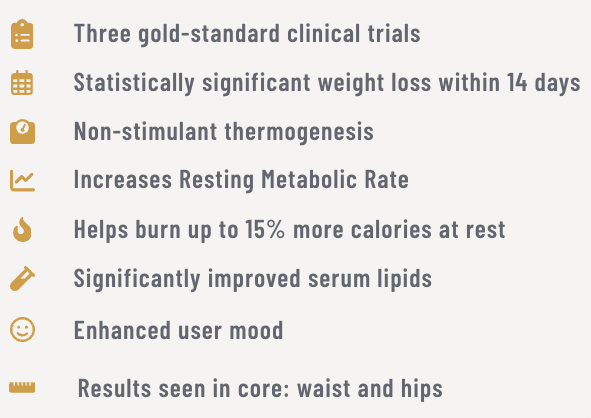
Slendacor's benefits are backed by three gold-standard clinical trials showing rapid results within 14 days, including increased metabolic rate, improved body composition, and enhanced mood - all achieved without stimulants.
Formula Considerations
Dosing from the clinical data:
- Supresa: 176.5mg/day (the dose used in Gout 2010)[1]
- Slendacor: 900mg/day (the dose used in both the Dixit 2018 weight loss study and the Murphy 2023 thermogenesis study)[8]
Combined, these add roughly 1.08g to a formula's daily active ingredient count (roughly two large capsules). Supresa splits across two doses (88.25mg at breakfast and dinner per the clinical protocol), while Slendacor can be taken once daily.
Format flexibility: Supresa's low dose, excellent solubility, and clean taste profile make it broadly compatible: it's been used in RTDs, meal replacements, lollipops, gummies, chews, and shakes. Slendacor is primarily a capsule and tablet ingredient but has ready-to-mix powder applications as well. A complete weight management capsule formula housing both at clinical doses is achievable within normal daily serving sizes.
Consumer segment fit: The stimulant-free profile works across demographics that stimulant-based competitors can't reach. The clinical population for both key studies was healthy overweight adults, which broadens the addressable market beyond hardcore diet product users. PLT's brand materials identify four natural segments: fast-acting cosmetic users looking for visible results, preventive health consumers interested in long-term support, overweight and obese users who need meaningful performance, and sports and active nutrition users who want metabolic support without CNS stimulation. The stack story adapts to each with different messaging emphasis.
Safety: Both ingredients have clean safety profiles. Slendacor has a dedicated animal toxicology study showing no adverse effects at multiples of the effective dose.[10] Supresa is GRAS-classified and showed no serious adverse events, with blood and urine parameters unchanged during clinical use.
A Stack Worth Building in a Modern Weight Management Formula
Consumer expectations around weight management have been permanently recalibrated. Appetite control and metabolic support aren't separate selling propositions anymore... they're a baseline. PLT Health's Supresa and Slendacor stack give formulators both sides of that equation with clinical data and IP that can hold up to retail scrutiny.
The stimulant-free positioning gives this duo reach that most thermogenics don't have. The unique mechanisms mean there's no ceiling on how brands position the combination. And the real-world commercial track record from NuSkin and the Lemme launch shows there's true market pull for ingredients with this kind of backing.
For brands building in the weight management space, it's a stack worth considering seriously.
To stay current on new research and product launches featuring Supresa and Slendacor, sign up for PricePlow's PLT Health news alerts:
Subscribe to PricePlow's Newsletter and Alerts on These Topics
Dig deeper into each ingredient with our full guides:
- Slendacor: A Novel Triple-Herb Weight Management Complex Backed By Science
- Supresa: PLT Health's Science-Backed Saffron Extract That Fights Food Cravings
To inquire about formulating with Supresa, Slendacor, or both, contact PLT Health at PLTHealth.com.

Comments and Discussion (Powered by the PricePlow Forum)