GLP-1 drugs are delivering real weight loss results. They're also accelerating muscle loss in older adults. Strengthera from PLT Health has 12-week data in adults 55-70 showing 4.2x greater lower body strength gains vs exercise alone.
GLP-1 receptor agonists have transformed weight loss. Semaglutide, tirzepatide, and retatrutide are delivering results that would have seemed nearly impossible a decade ago. But the same rapid weight reduction that makes these drugs effective also accelerates lean muscle loss in many users. For older adults already dealing with age-related muscular decline, that tradeoff carries serious functional consequences.
After age 30, adults naturally lose roughly 3% to 5% of their muscle mass per decade. By 60, the loss rate accelerates. Less muscle means less strength, worse balance, greater fall risk, and an increasing struggle with the physical demands of daily life. Add rapid medication-driven weight loss to that trajectory, and the concern shifts from aesthetics to something more fundamental: independence and vitality.
Strengthera: The Solution to Aging’s Strength Problem
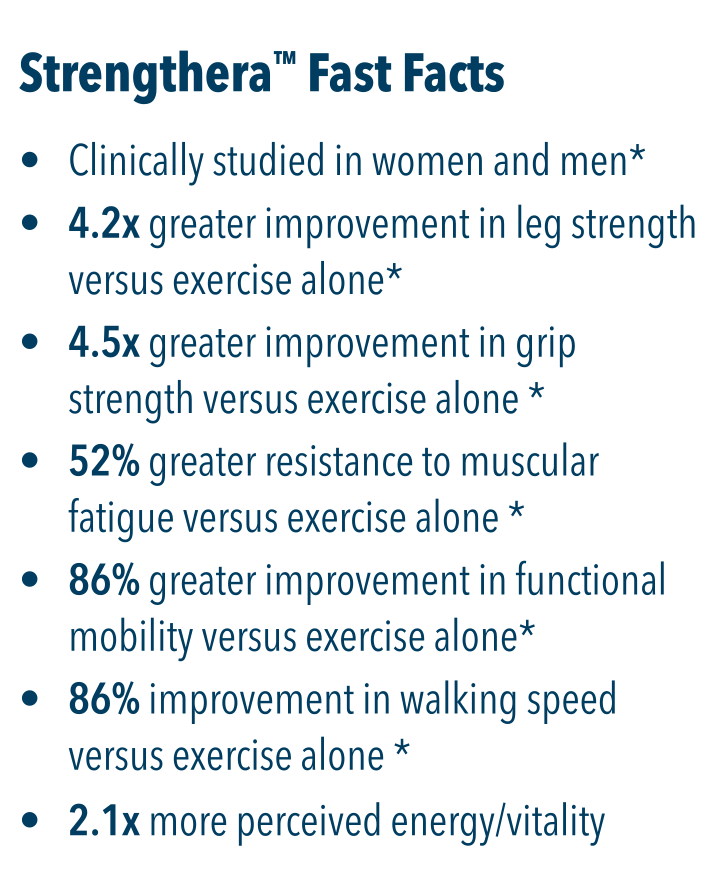
Strengthera is PLT Health Solutions' answer to that problem. This patented botanical blend was developed specifically to support muscle maintenance, strength, and physical function in aging adults. A 12-week placebo-controlled trial in adults ages 55-70 showed 4.2x greater improvement in lower body strength and 4.5x greater improvement in grip strength versus exercise alone, with measurable results starting at four weeks.
For formulators building in the GLP-1 companion space or the healthy aging category, and for consumers looking to stay active and independent as they get older, Strengthera offers something most ingredients in this space can't: real clinical evidence in the population that needs it most.
This article dives into the science behind the ingredient, and why it's more important than ever in today's market. Before going further, sign up for PricePlow's PLT Health alerts so that you don't miss any new research updates:
Subscribe to PricePlow's Newsletter and Alerts on These Topics
What Is Strengthera?
Strengthera Muscle Maintenance+Vitality is PLT Health's branded muscle support ingredient, a patented extract blend of Sphaeranthus indicus flower heads and Mangifera indica tree bark. The underlying botanical complex is the same one PLT has built multiple products around, but Strengthera is clinically studied and positioned with a clear focus on aging populations and functional health outcomes.
The ingredient emerged from a systematic screening of over 2,000 botanicals conducted by PLT and their partners at Laila Nutraceuticals. The goal was to identify plant extracts capable of meaningfully activating the cellular pathways governing muscle metabolism. Two extracts rose to the top: the flower head of S. indicus and the bark of M. indica. More importantly, the combination showed synergistic activity that neither extract demonstrated alone, with the most pronounced effects in the mitochondria and on the muscle-building regulator mTOR, two pathways of central importance among the ingredient's multiple demonstrated modes of action.
Strengthera is standardized to 7-hydroxyfrullanolide (a key constituent of S. indicus) and mangiferin (from M. indica) in the water-dispersible version. The clinical doses in human trials are 325mg to 650mg per day, with the most significant data coming from 650mg/day groups. Strengthera holds GRAS status and is certified non-GMO, Kosher, and Halal.
The Two Botanicals Behind the Blend
-
Sphaeranthus Indicus: East Indian Globe Thistle
Sphaeranthus indicus, commonly called East Indian Globe Thistle, is an aromatic herb native to India with a centuries-long history in Ayurvedic medicine. Traditional applications span immune modulation, liver support, pain management, and physical rejuvenation,[1][2] all of which being broad-spectrum bioactivities that tend to indicate a genuinely interesting phytochemical profile.

The flower heads are the most pharmacologically active part of the plant. They contain sesquiterpene lactones, especially eudesmanolide compounds such as 7-hydroxyfrullanolide, which is the standardization marker in Strengthera. The plant also contains flavonoids, essential oils, and other bioactives with antioxidant, anxiolytic, and anti-inflammatory activity documented across multiple preclinical studies.[1][2]
In a muscle performance context, S. indicus contributes antioxidant protection in exercising muscle, where reactive oxygen species accumulate and can impair recovery and blunt adaptation. It's also one half of the eNOS-activating synergy that contributes to Strengthera's efficacy.
-
Mangifera Indica Bark: More Than the Mango Tree
The mango tree has been cultivated in India for at least 4,000 years and is deeply embedded in Ayurvedic practice. Most people know the fruit, but it's the bark that matters here. M. indica bark is a source of mangiferin, a glucosyl xanthone compound with a well-documented profile of antioxidant, anti-inflammatory, antidiabetic, and vasodilatory properties.[3]

Mangiferin has shown the ability to support mitochondrial oxidative capacity in skeletal muscle cells and to promote endothelial nitric oxide generation (two properties that make it specifically relevant for muscle health applications). Readers familiar with PLT's Zynamite will recognize mangiferin as that ingredient's key active compound as well, though Zynamite sources it from mango leaves while Strengthera uses bark. Different plant parts mean distinct phytochemical profiles, despite the commonality of mangiferin.

Strengthera’s Clinical Evidence
PLT has built a multi-study clinical program around this botanical blend, running trials across different populations and dose levels. Four randomized, double-blind, placebo controlled clinical trials form the currentevidence base for Strengthera:
-
Study 1: Proof-of-Concept in Young Men (Rokkam et al., 2023)
The earliest human trial was a 56-day, randomized, double-blind, placebo-controlled study in 40 recreationally active men ages 18-40. Participants received either 650mg/day of the extract blend or a matched placebo while following a four-day-per-week resistance training program.[4]
Strength gains favored the supplement group by a wide margin. By day 56, the active group averaged a 27.6 kg gain in bench press one-rep maximum from baseline, versus 4.95 kg in the placebo group. Leg press followed a similar pattern (29.45 kg vs. 5.70 kg), and handgrip strength gains were significantly greater in the active group as well. Arm circumference increased significantly in supplemented subjects.

The Strengthera group gained 4.5x more grip strength than placebo by week 12 (1.9kg vs. 0.42kg), with statistically significant separation from the placebo group at every measured timepoint.
On endurance, cable pull-down repetitions nearly doubled versus placebo, and treadmill time to exhaustion improved by 24.9% in the supplement group compared to 10.3% in controls. Further, free testosterone rose and cortisol fell in supplemented subjects. No adverse events were reported, and all clinical safety labs stayed within normal ranges throughout the study.[4]
-
Study 2: Dose Comparison in Young Men (Salter et al., 2024)
A rigorous trial published in Frontiers in Nutrition enrolled 99 young men (mean age 22) across four groups:[5]
- 425mg Strengthera Water-Dispersible (containing 325mg active) plus one resistance training set;
- 850mg Strengthera Water-Dispersible (containing 650mg active) plus one set;
- Placebo plus one set;
- Placebo plus two sets
The double-set placebo group was a deliberate positive control, testing whether supplementation could produce more gains than doubling the number of reps.

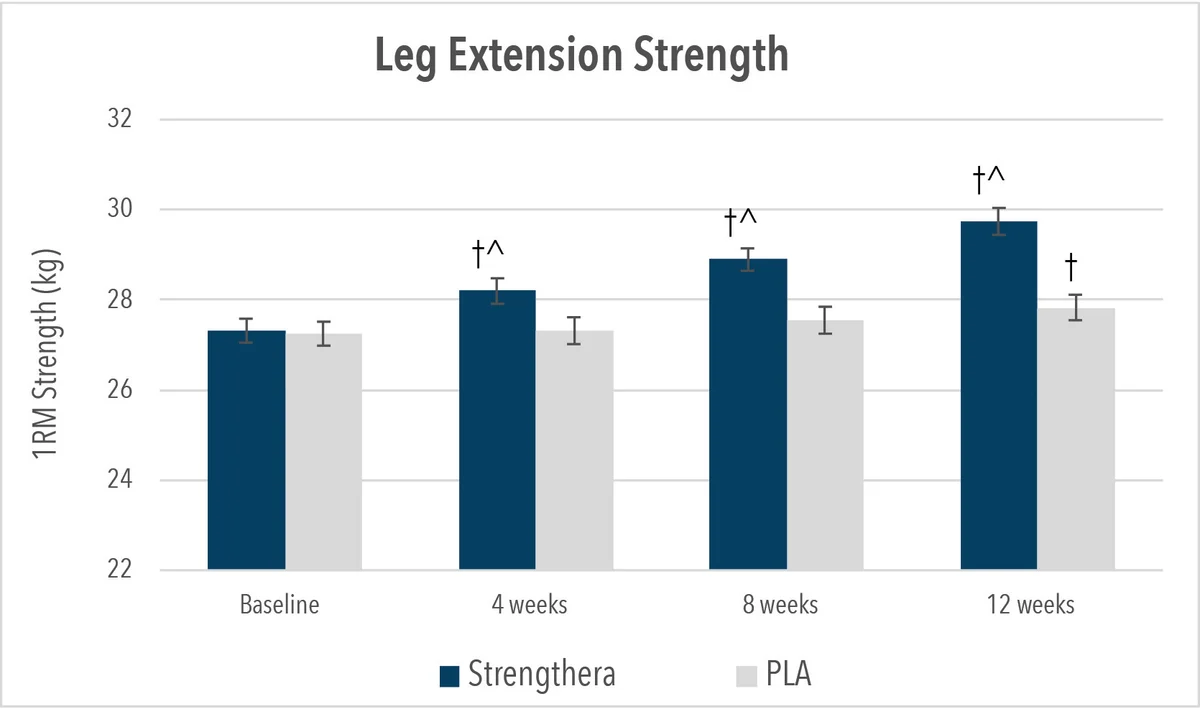
Strengthera users gained 4.2x more leg extension one-rep-max strength than the exercise-only placebo group by week 12, with a statistically significant gap opening as early as week 4.
Both supplemented groups outperformed both placebo groups in bench press, leg extension, and total muscle strength at every measured time point. At week 8, the 850mg group out-pressed not just the single-set placebo group but also the double-volume placebo group by 9.9 kg (p=0.01), indicating the blend was activating pathways more than additional mechanical loading alone. Both supplemented groups showed significant increases in free and total testosterone by day 56. The 850mg group also saw a significant cortisol decrease relative to the double-training placebo. The ingredient was well-tolerated, with no serious adverse events in any group.[5]
-
Study 3: The Flagship Aging Trial (Salter et al., 2024)
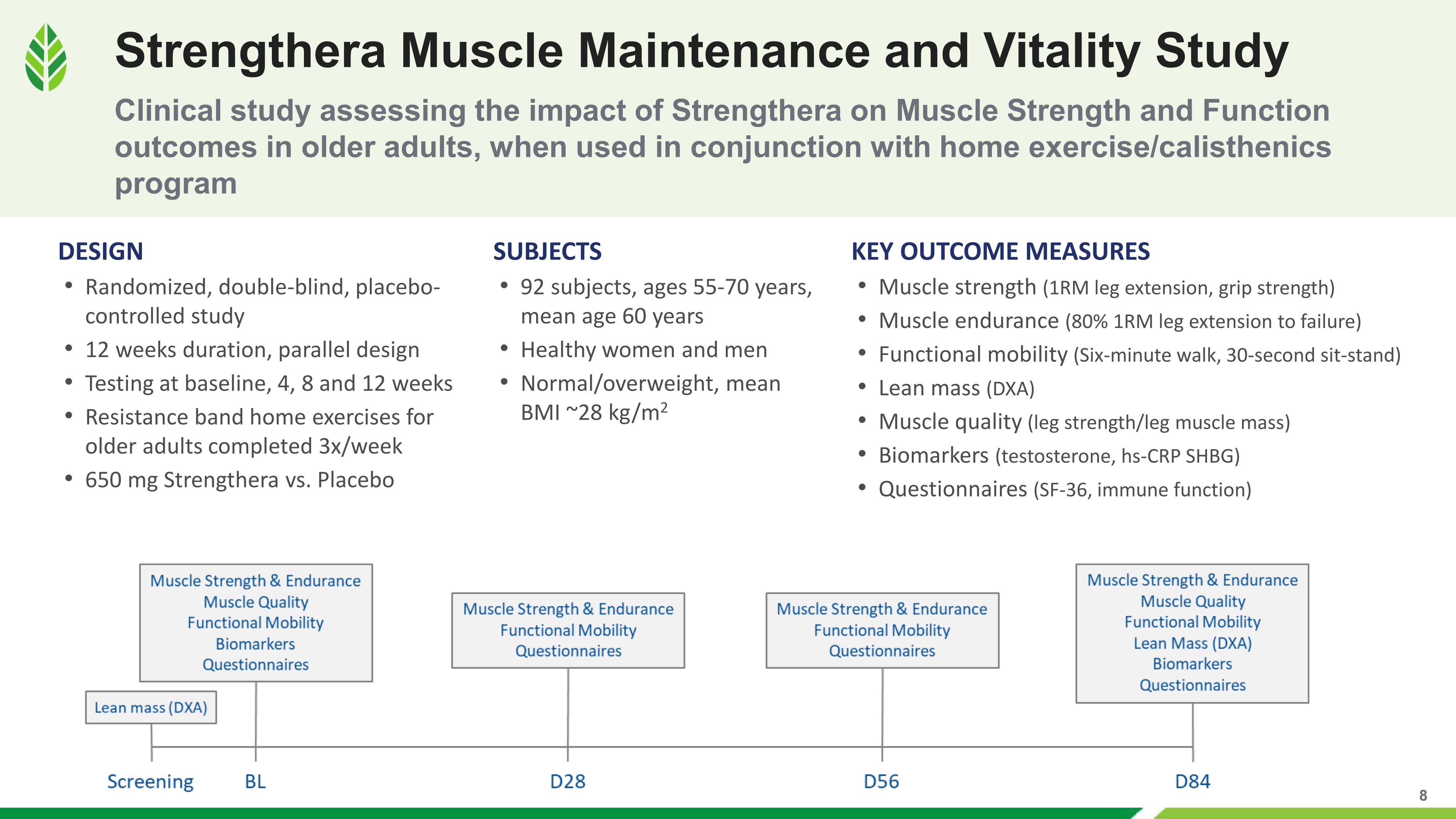
The most directly relevant study for Strengthera's positioning enrolled 92 healthy adults (46 men and 46 women) ages 55-70, with a mean age of 60. This was a 12-week, randomized, double-blind, placebo-controlled trial conducted at three clinical sites in India. Participants received 650mg/day Strengthera or a matched placebo, and all subjects completed a home-based resistance band and calisthenic exercise program three times per week.

The 12-week randomized, double-blind, placebo-controlled trial enrolled 92 adults ages 55 to 70, testing 650mg Strengthera against placebo across strength, endurance, functional mobility, lean mass, and biomarker outcomes at four timepoints.
That program design is worth noting. These weren't gym athletes training under a coach. They were older adults doing resistance bands and bodyweight exercises at home, three sessions per week. That Strengthera consistently and significantly outperformed this realistic activity baseline across every measured outcome makes the data applicable to the people most brands are actually trying to reach:[6]

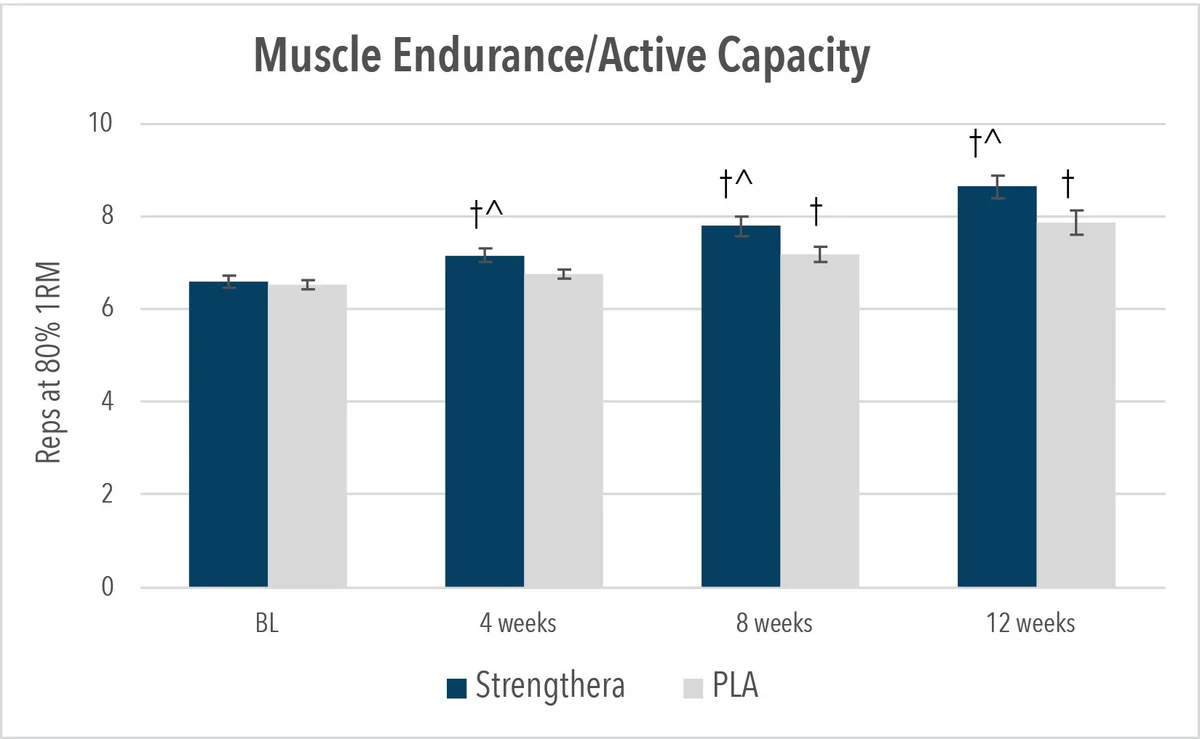
Measured as reps completed at 80% of one-rep max, Strengthera users had 50% greater active capacity than the placebo group by week 12, with significant differences at weeks 4, 8, and 12.
- Muscle strength improved in the Strengthera group versus both baseline and placebo starting at the four-week mark, the earliest measurement. By week 12, the Strengthera group improved leg extension strength 4.2x more than the exercise-only placebo group. Grip strength improvement was 4.5x greater in the Strengthera group (1.9kg vs. 0.42kg).
- Muscle endurance, assessed as leg extension repetitions to failure at 80% of one-rep max, improved significantly versus placebo at weeks four, eight, and twelve. Muscle quality (leg strength divided by leg lean mass) improved from baseline in the supplement group only.
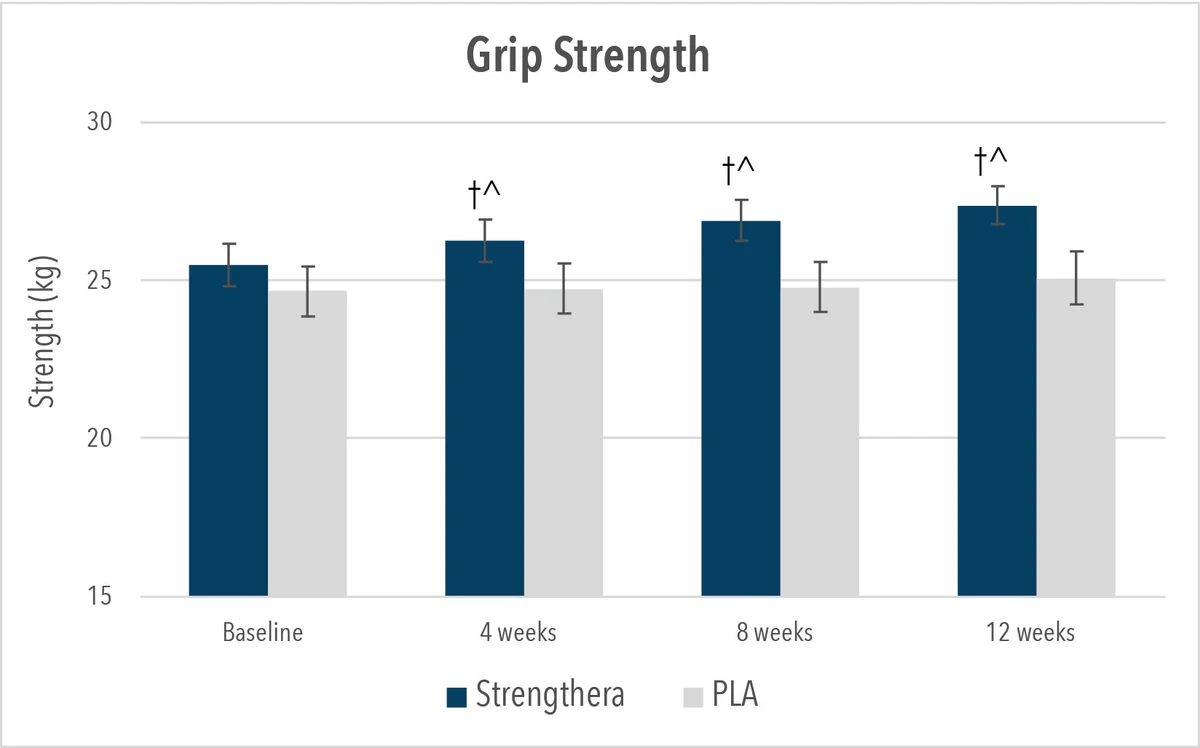
- Functional mobility was measured by a six-minute walk test and 30-second sit-to-stand. Walking speed improvement was 86% greater in the Strengthera group versus placebo at week 12 (4.27 m/min vs. 2.30 m/min), and walking distance improved significantly as well (25.64 m vs. 13.78 m). Sit-to-stand performance was significantly greater versus placebo at week 12. These functional metrics matter: walking speed is one of the most predictive real-world indicators of health trajectory in older adults.
- Body composition by DEXA showed lean body mass increased in both men and women taking Strengthera over 12 weeks, while fat mass and body fat percentage declined. The exercise-only placebo group didn't achieve these body composition changes. The group-by-time interaction for lean mass was statistically significant (p=0.009).
- Energy and vitality, assessed via the SF-36 vitality domain, improved significantly versus placebo at week 12. Subjects reported feeling more energetic, less fatigued, and more capable of their daily activities.
- Testosterone increased in male subjects taking Strengthera beyond the improvement seen from exercise alone (p<0.009). Female subjects showed no testosterone changes in either group.
This is the landmark study that brands can claim when supporting aging individuals.
-
Study 4: Men’s Testosterone and Sexual Health Study

PLT Health Solutions introduces TestFACTOR, a testosterone-boosting ingredient featuring Mangifera indica and Sphaeranthus indicus. Backed by clinical studies, it enhances testosterone, vitality, and sexual health in middle-aged men, with benefits like improved energy, strength, and quality of life.
Across all previous research, testosterone was seen to go up in men taking Strengthera. Researchers sought to determine if this effect could be achieved at a lower dose in older men, and whether anecdotal reports and experimental animal results suggesting aphrodisiac effects were evidence in human subjects.
A randomized, double-blinded, placebo-controlled clinical trial assessed the efficacy of Strengthera on serum testosterone levels, grip strength, sexual function, and quality of life measures in sixty healthy, recreationally active men, aged 40-65, with a BMI of 22-29.9 kg/m2 and testosterone levels >300 ng/dL. Subjects were randomly allocated to either 325mg Strengthera (also known as TestFACTOR) or placebo, consumed daily for 8 weeks. Serum total and free testosterone, handgrip strength, and Changes in Sexual Function Questionnaire were assessed at baseline and on days 7, 14, 28, and 56. Perceived energy levels, stress, and sleep quality were assessed via the Chalder Fatigue Scale, Perceived Stress Scale, and the Athens Insomnia Scale. Body composition was measured by DEXA, and additional hormones, including serum dihydrotestosterone, cortisol, and 17-β estradiol, were also evaluated.[7]
Total Testosterone, Free Testosterone, Handgrip Strength, and the total sexual function score demonstrated significant increases compared to placebo (p < 0.001). Each CSFQ domain score -- pleasure, frequency, interest, arousal, and climax -- improved on day 56 (p < 0.05 vs placebo). Strengthera also improved measures of energy, sleep quality, and stress (p < 0.05). Additionally, on day 56, Strengthera decreased body fat and increased lean body mass compared to respective baseline values (p< 0.05).[7]
This study is covered in our article titled "TestFACTOR: Testosterone-Boosting Ingredient for Better Sexual Health by PLT Health Solutions", as it uses the same combination as Strengthera and RipFACTOR.
How It Works: Mechanisms of Action
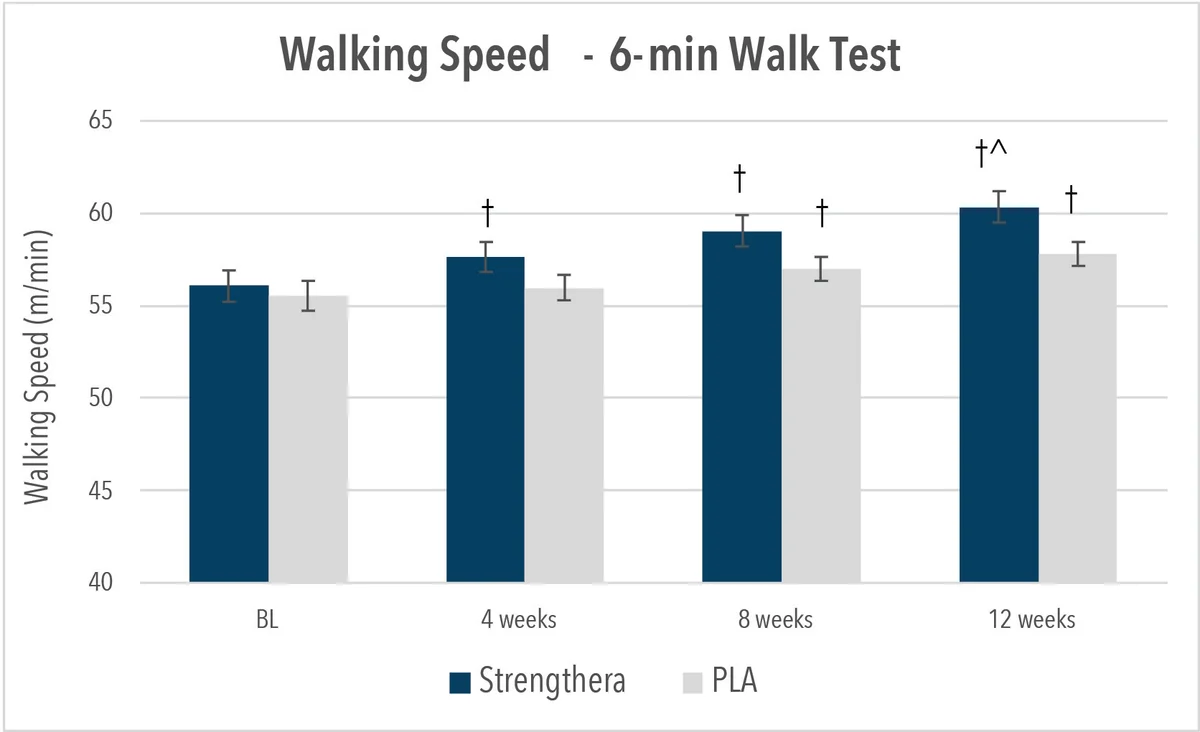
In a 6-minute walk test, Strengthera users improved walking speed nearly twice as much as the placebo group by week 12 (4.27 m/min vs. 2.30 m/min), a key functional health marker in older adults.
Development of Strengthera began with in vitro screening of multiple cellular pathways before any of the above human trials ran. Several mechanisms explain how this botanical combination supports muscle performance in aging adults:
-
Nitric oxide and mitochondrial biogenesis
Strengthera's S. indicus / M. indica blend was found to significantly induce mitochondrial biogenesis, up-regulate mitochondrial protein expression, and support function of mitochondrial membranes, restoring membrane potential. It also synergistically activated eNOS (endothelial nitric oxide synthase) in endothelial cells at levels neither extract produced alone (unpublished in vitro tests). The resulting nitric oxide (NO) upregulates PGC-1α, a well-established driver of mitochondrial biogenesis. More and more efficient mitochondria translate to better energy availability in contracting muscle, supporting both strength output and endurance capacity.[4]
-
mTOR activation and protein synthesis
The same in vitro screening found the blend activates mTOR (mechanistic target of rapamycin) and upregulates muscle-specific transcription factors including myogenin and myoD. These are the core regulators of muscle protein synthesis, the same pathways resistance training targets. Strengthera appears to enhance the cellular signaling environment that exercise creates, making training more productive at the molecular level.[5]

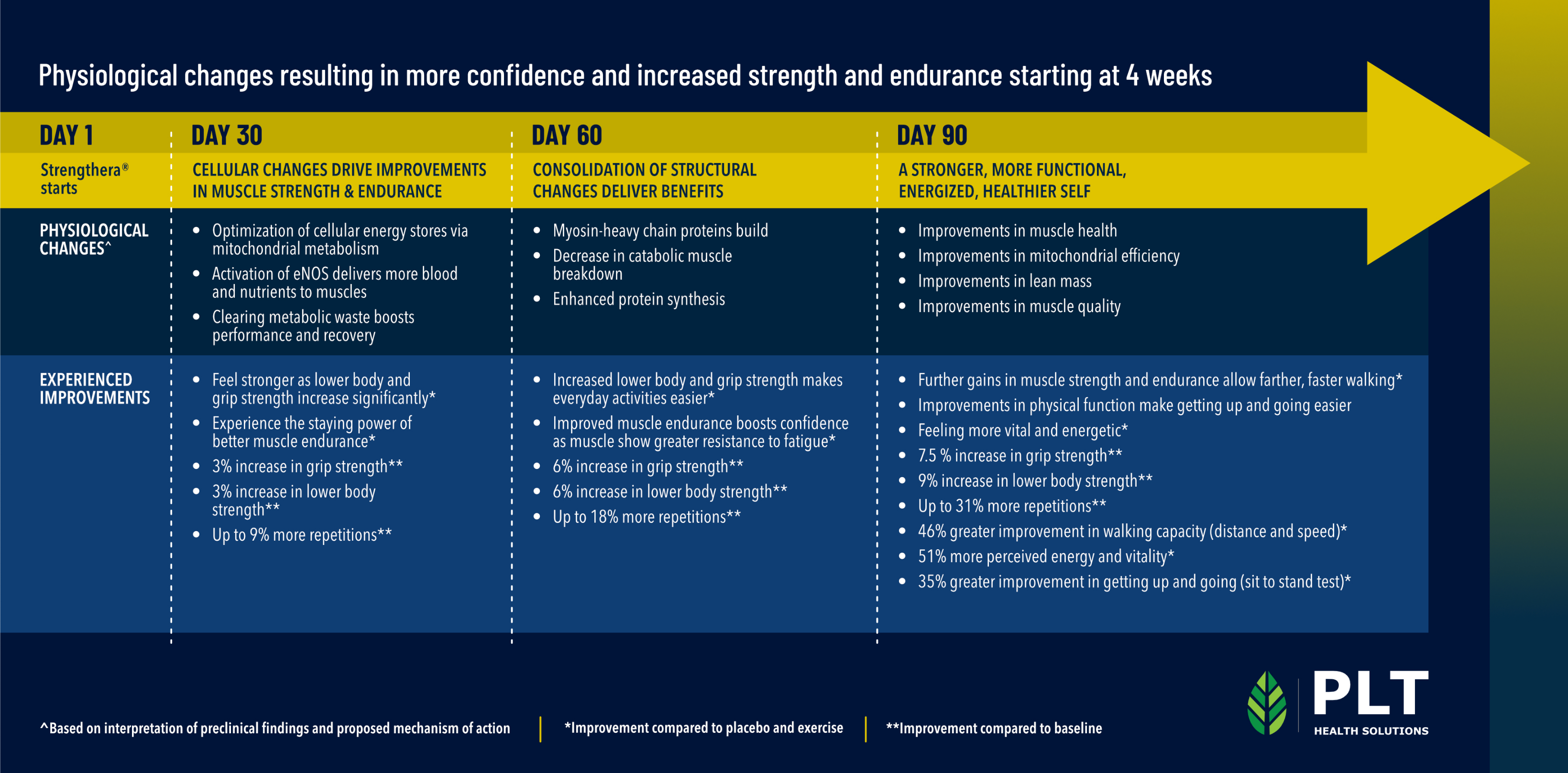
PLT Health's breakdown of what happens inside muscle tissue from day 1 through day 90, mapping cellular changes like eNOS activation and mitochondrial optimization to measurable strength, endurance, and vitality gains at each phase.
At the same time, Strengthera is preventing muscle breakdown (catabolism). The proteasome is a large protein complex responsible for degradation of intracellular proteins. It is made up of two subcomplexes: a catalytic core particle (also known as the 20S proteasome) and one or two terminal 19S regulatory particles that serve as a proteasome activator. Strengthera significantly inhibited 20S proteasome activity in rat myoblasts.
-
Testosterone and cortisol balance
Across multiple human trials, Strengthera supplementation consistently elevated total and free testosterone in men while reducing cortisol, improving the testosterone-to-cortisol (T:C) ratio. This ratio is a recognized marker of anabolic-to-catabolic balance, and a favorable shift supports better muscle adaptation and faster recovery from training stress.[5][4]
-
Antioxidant protection
Both S. indicus flower head and M. indica bark are well-established antioxidants.[1][2][3] During intense or prolonged exercise, reactive oxygen species can damage mitochondrial DNA, promote muscle proteolysis, and slow recovery. The antioxidant activity across both plant extracts may help shield working muscle from this oxidative load, supporting better recovery between training sessions.[5]
Strengthera as a GLP-1 Companion

Need help taming those snack attacks? Supresa is clinically validated saffron extract reduces snacking by 55% while working with your body's natural satiety signals. No stimulants, just science backed satisfaction.
GLP-1 drugs' muscle loss problem is well-documented.[8] Studies consistently show that a meaningful fraction of total weight lost during treatment is lean tissue rather than fat. For someone in their 60s, losing several pounds of lean mass during a treatment cycle can noticeably impair strength, balance, and walking capacity in ways that undercut the health benefits the drug was supposed to provide.
Strengthera addresses this directly. Its clinical trial population of adults ages 55-70 is exactly the demographic that stands the most to lose when losing muscle. The outcomes measured in the 2024 Salter study are the outcomes GLP-1-driven muscle loss threatens: lower body strength, grip strength, walking capacity, lean mass preservation, and perceived vitality.[6] PLT has developed dedicated GLP-1 companion materials for Strengthera built around this precise overlap.
For formulators, the fit goes beyond talking points. Strengthera has human data in older adults showing body composition improvements alongside functional strength gains. It supports the mobility and independence outcomes that matter most to GLP-1 users, not just gym performance metrics. And it's available in the delivery formats (capsules, stick packs, powders) that GLP-1 companion products typically require. Both the capsule and powdered (water-dispersible) formats of Strengthera have been clinically tested and shown to be efficacious.
PLT's broader GLP-1 support platform extends to other ingredients, including Supresa, their clinically studied saffron extract for appetite control and food cravings. Strengthera and Supresa target different mechanisms and are genuinely complementary for brands building companion formulas.
Safety, Tolerability, and Regulatory Status
The safety profile of this botanical blend has been evaluated in both preclinical and clinical settings.
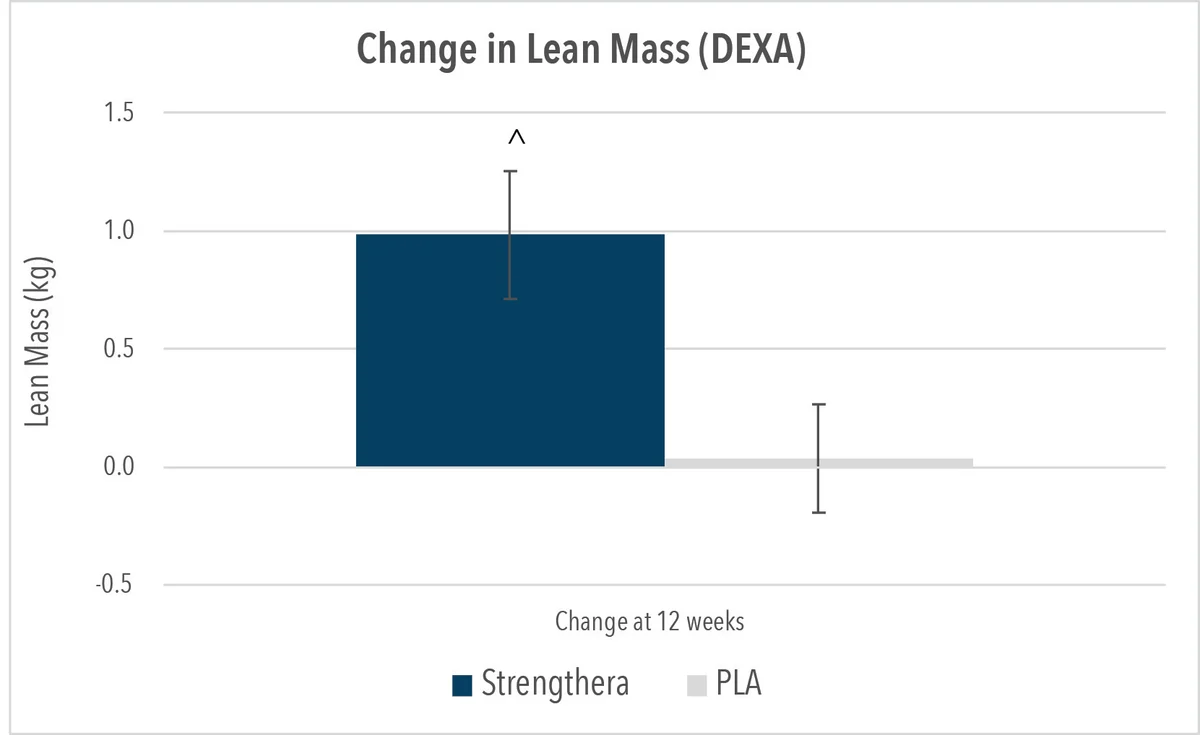
DEXA scanning showed the Strengthera group gained roughly 1kg of lean mass over 12 weeks while the placebo group stayed near zero, a statistically significant difference in change scores.
On the preclinical side, Nestmann and colleagues conducted a GLP-compliant toxicology program covering mutagenicity in bacteria, clastogenicity in mouse bone marrow, acute oral and dermal toxicity in rats, skin and eye irritation in rabbits, and both 28-day and 90-day repeat-dose oral toxicity in rats. The extract showed no mutagenicity and no genotoxic effects. Acute oral LD50 exceeded 2,000mg/kg body weight. In the 90-day subchronic study at doses up to 2,000mg/kg per day, the No Observed Adverse Event Level (NOAEL) exceeded the highest tested dose, meaning no adverse effects were observed at any tested level.[9]
In all published human trials, zero serious adverse events were reported. Minor adverse events were evenly distributed between supplement and placebo groups and resolved on their own. Clinical safety labs including liver enzymes, kidney function, hematology, and lipid panels remained within normal ranges throughout each study.
DHT levels did not change significantly in any human trial, an important reassurance for formulators building testosterone-support products. Strengthera holds GRAS status and is certified non-GMO, Kosher, and Halal.
Dosing, Formats, and Stacking
Clinical dose: 650mg per day Standard (capsules, tablets), 850mg per day Water Dispersible, (WD), or 1080mg per day of the Advanced Water Dispersible (AWD) formulation, all delivering the same daily dose of actives.
Are you ready for a shake-up in the beverage space? PLT Health Solutions has worked hard to create several beverage-stable ingredients, so that we can avoid all of the me-too RTD formulas.
Delivery formats: Strengthera is available in capsules, tablets, powders, stick packs, effervescents, beverages, chews, and gummies. The WD and AWD versions open the door to RTD and stick pack applications, a meaningful advantage for brands in the functional beverage space. Our overview of PLT Health's beverage-stable ingredient portfolio covers this side of PLT's capabilities in more detail.
Stacking: Strengthera works through mechanisms that complement rather than duplicate the most widely used muscle support ingredients, making it a natural addition to existing formulas or routines. Here are some standard go-to stacking ideas:
- Creatine regenerates ATP directly in contracting muscle. Strengthera adds mitochondrial efficiency and anabolic hormonal support via distinct pathways, with PLT recommending this combination for older consumers focused on strength and muscle mass gains.
- Whey protein supplies the amino acid building blocks that muscle protein synthesis requires. Strengthera enhances the downstream signaling environment those amino acids need to do their job effectively.
- HMB (beta-hydroxy beta-methylbutyrate) and Strengthera both target anti-catabolic pathways and remain a complementary pairing for older adults seeking maximum muscle preservation.
For GLP-1 users, a Strengthera plus protein or leucine combination is a logical starting point, addressing both anabolic resistance and the catabolic pressure of rapid weight loss at the same time.
Supplements Containing Strengthera
Several finished products already feature Strengthera. It's worth noting that the same botanical complex is also available as RipFACTOR, PLT's performance-focused version positioned for younger, athletically active users, and TestFACTOR for older men, so you may encounter the same extract blend in products under those names as well.
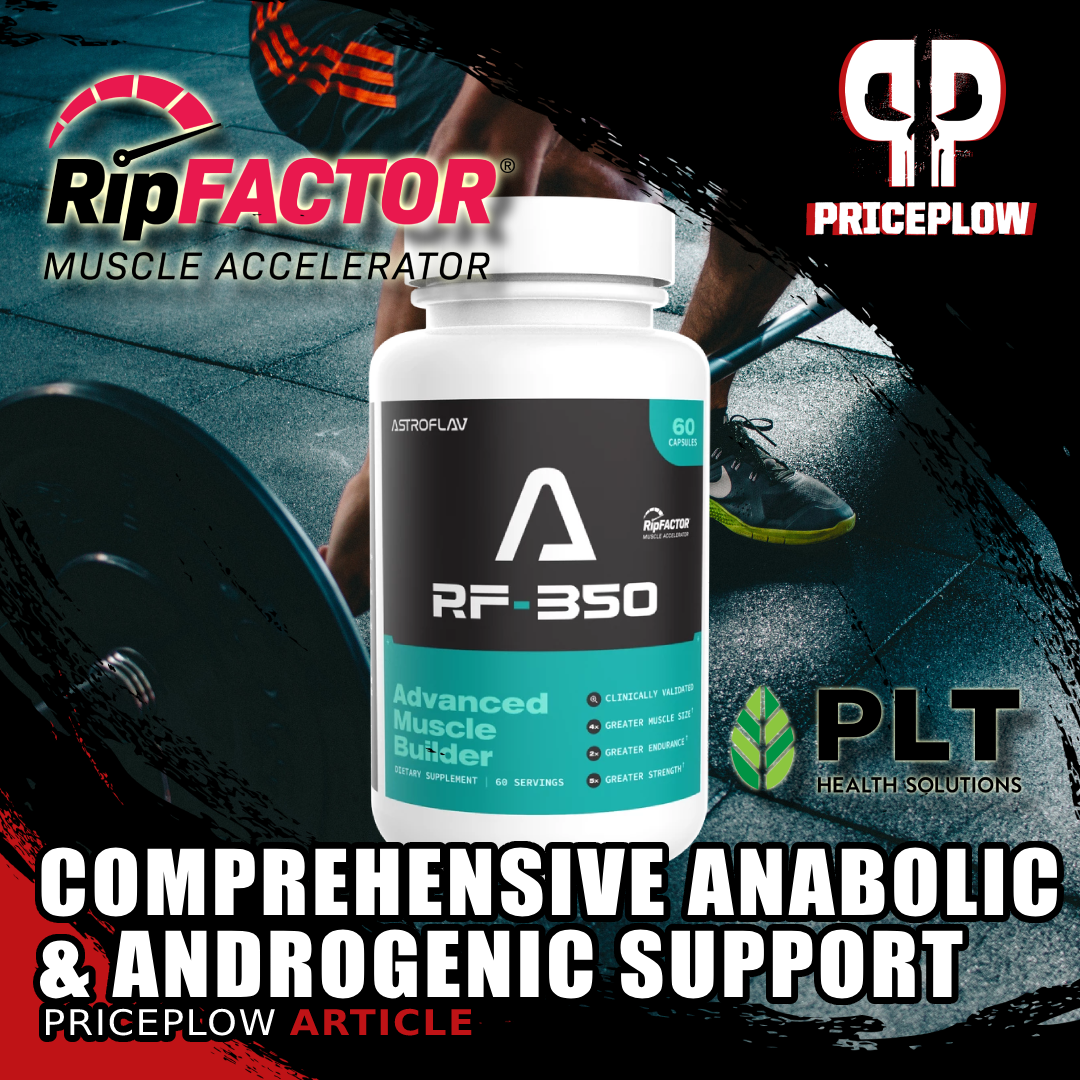
RipFACTOR is a powerful ingredient standardized from Mangifera indica and Sphaeranthus indicus that the industry shouldn't overlook. It offers numerous benefits for optimizing physical performance, with two clinically-published human studies.
-
Nulogic Nutritionals FlexLogic
FlexLogic is positioned as an advanced mobility and strength support formula. This formula stacks Strengthera (650mg per two-cap serving) with PLT's own AprèsFlex Boswellia extract, combining muscle maintenance with joint support in a single product. Going even further, there's also Rhodiolife® Rhodiola rosea extract, providing powerful adaptogenic qualities.
Packaged as 60 capsules with a 650mg Strengthera dose per two-cap serving, it targets older active adults with messaging around advanced mobility and long-term physical capability.
-
Silver Fern Brand BUILD
Available in both capsule (650mg per three-cap serving, 90 count) and stick pack (1080mg AWD per pack, 30 count) formats, Silver Fern's BUILD targets consumers focused on lean physique, strength, endurance, and cellular energy production. The stick pack option makes it one of the more portable Strengthera products on the market.
Silver Fern Build – Deals and Price Drop Alerts
Get Price Alerts
No spam, no scams.
Disclosure: PricePlow relies on pricing from stores with which we have a business relationship. We work hard to keep pricing current, but you may find a better offer.
Posts are sponsored in part by the retailers and/or brands listed on this page.
Staying Stronger, Longer
Age-related muscle loss doesn't announce itself on any single day. It accumulates over years of small declines in strength and functional capacity. GLP-1 therapies can accelerate that process in users who aren't actively protecting their lean mass. For the millions of older adults now using these drugs, that makes muscle support a more urgent conversation than ever before.

PLT Health Solutions: Growth Through Innovation
Strengthera meets that urgency with clinical evidence that goes beyond marketing language. The 12-week trial in adults ages 55-70 years measured the things that actually determine whether someone in their 60s stays independent and active: leg strength, walking speed, sit-to-stand capacity, body composition, and vitality. Every one of those outcomes improved significantly versus placebo.
For formulators, Strengthera fits the GLP-1 companion brief, the healthy aging brief, and the general muscle maintenance brief, across virtually any delivery format. For consumers who exercise and want to keep doing so as they age, it's one of the more targeted botanical muscle support options backed by data in the right population.
Stay up to date on new Strengthera products and the latest from PLT Health Solutions right here:
Subscribe to PricePlow's Newsletter and Alerts on These Topics
For all news from PLT Health Solutions, visit PLT Health on PricePlow.


Comments and Discussion (Powered by the PricePlow Forum)