Every pre-workout chases nitric oxide through citrulline or nitrates. TENSIA® takes a third route. It's a single probiotic strain that made NO from nitrate in lab testing, and it just landed in sports nutrition inside Alpha Lion SuperHuman Jacked.
Every pump supplement on the shelf is chasing the same molecule: nitric oxide (NO), the signaling gas that relaxes your blood vessels and opens up blood flow. Most pre-workouts get there in one of two ways, either by raising L-arginine (usually via L-citrulline) or by adding nitrates. Both strategies rely on biology you already own, from enzymes lining your blood vessels to bacteria living on your tongue.
TENSIA®: The Pump Probiotic
TENSIA® comes at the problem from a different angle. It's a single probiotic strain, Lactiplantibacillus plantarum DSM 21380, isolated from a healthy Estonian child in 1995 and developed by BioCC OÜ with the University of Tartu. In lab testing, TENSIA makes its own nitric oxide, and makes more of it when nitrate is around, something few probiotic strains do well. Milk fermented with the strain also shows stronger ACE-inhibiting activity, a second lever on blood vessel tone.
Nordwise Biotech OÜ owns the strain and the TENSIA trademark. Savage Nutra, founded by formulator Joey Savage, is its North American distributor, and the strain's first sports nutrition placement arrived in July 2026 inside Alpha Lion's SuperHuman Jacked pre-workout.
Here's why TENSIA is worth a closer look:
- One defined strain: A sequenced, non-GMO strain with its own deposit number, not a generic probiotic blend
- Nitrate-to-NO activity: Lab work shows TENSIA converts nitrate into nitric oxide, a step most lactobacilli handle poorly
- FDA review for foods: In August 2025, FDA issued a "no questions" letter on TENSIA's GRAS notice for use in conventional foods
- Human data: Three published blood pressure trials plus a dedicated safety program
Below, we'll cover the science, what the trials found, and where this strain might fit in a pump stack. First, sign up for TENSIA and Savage Nutra alerts so you hear when that research lands:
Subscribe to PricePlow's Newsletter and Alerts on These Topics
Two Roads to Nitric Oxide
Your body makes nitric oxide in two main ways:[1]
- The first is the classic pre-workout route, where nitric oxide synthase (NOS) enzymes convert L-arginine into NO. That's why citrulline, which your kidneys turn into arginine, is a pump staple.
- The second is the nitrate-nitrite-NO pathway, which runs on the nitrate you get from vegetables such as beets and leafy greens.
The Nitrate-Nitrate Pathway Runs Through Your Saliva
That second route takes a strange detour. After you absorb dietary nitrate, your salivary glands concentrate it, and bacteria on your tongue convert it to nitrite. You swallow that nitrite, and your body turns it into NO.
In a widely cited trial, healthy volunteers who drank 500mL of beetroot juice saw blood pressure fall by as much as 10.4/8mmHg about three hours later, and the drop tracked the rise in plasma nitrite. When researchers interrupted the saliva-to-nitrite step, plasma nitrite didn't rise and blood pressure didn't fall.[2]
Your oral bacteria do most of that work. In another study, rinsing with an antibacterial mouthwash before a nitrate dose wiped out nitrite formation in saliva and sharply blunted the rise in plasma nitrite.[3]
So the nitrate route has two weak spots: it takes hours, and it depends on whatever bacteria happen to live in your mouth.
Can Gut Bacteria Pitch In?
Researchers at Sweden's Karolinska Institutet asked whether bacteria further down the digestive tract can make nitric oxide too. Human stool samples generated NO when supplied with nitrate or nitrite. Lactobacilli and bifidobacteria produced plenty of NO from nitrite, but only a few of the strains tested could make it from nitrate, and at much lower levels.[4]
A follow-up study in rats found that feeding lactobacilli together with nitrate raised NO three- to eightfold in the small intestine and caecum, though not in the colon. The same researchers found that some other gut bacteria rapidly consume NO, so neighboring microbes can erase one strain's output.[5]
That leaves an obvious opening for a lactobacillus strain that can handle the nitrate step itself.
Meet TENSIA®: A Human-Origin Strain
Lactiplantibacillus plantarum (called Lactobacillus plantarum until a 2020 reclassification) is one of the most common lactic acid bacteria in fermented foods, from sauerkraut and pickles to sourdough, olives, and aged cheese. Probiotic effects are strain-specific, though, so "L. plantarum" on a label tells you very little. The exact strain is what matters.
Here's TENSIA's timeline:
- 1995: Researchers isolate the strain from a healthy one-year-old Estonian child.
- 2008: After BioCC OÜ and the University of Tartu develop it as a probiotic, researchers deposit the strain with the German Collection of Microorganisms and Cell Cultures (DSMZ) as DSM 21380.
- 2012 to 2016: TENSIA earns patents in Europe (EP2309870, validated in 11 countries), Russia, and South Korea.
- First products: E-Piim's Harmony™ "heart cheese" in Estonia carries the strain first, and Nordwise also sells a TENSIA capsule supplement internationally.[6]
- 2025: FDA responds "no questions" to Nordwise's GRAS notice.
- 2026: TENSIA debuts in North American sports nutrition through Savage Nutra.
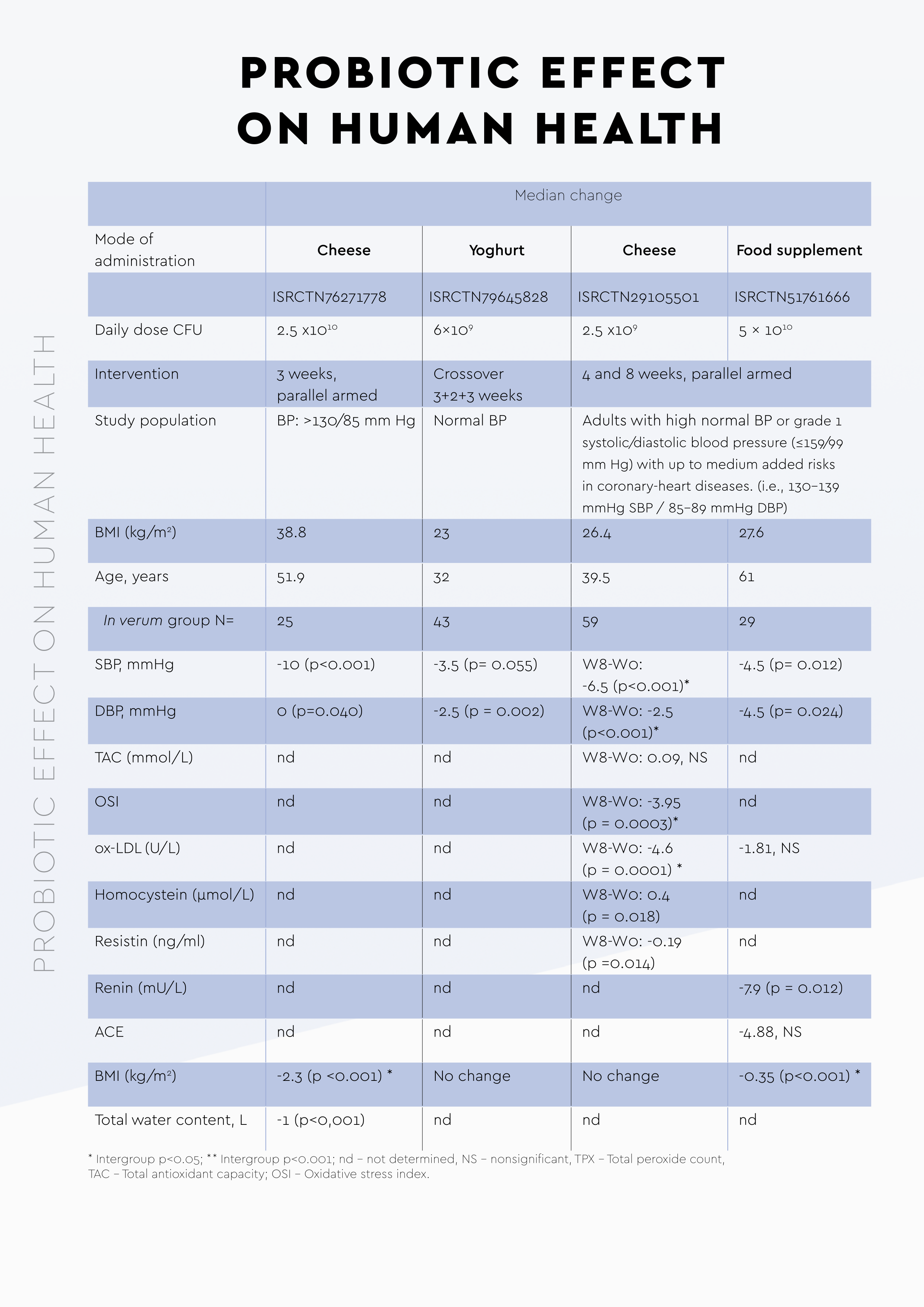
Four trials side by side, covering cheese, yoghurt, and a food supplement, with daily CFU, study population, and median changes in blood pressure, oxidative stress markers, and BMI.
Nordwise's strain documentation describes TENSIA as a non-GMO strain with a fully sequenced genome of about 3.2 million base pairs, 3,065 genes, and three plasmids. To make the raw material, Nordwise grows the strain by fermentation, concentrates the cells, and freeze-dries them into a powder standardized by viable cell count.[6]
Savage Nutra's path to TENSIA took a while. On Episode #233 the PricePlow Podcast, Joey Savage told us he found the strain in the scientific literature and spent roughly five years securing distribution rights. Because it's a live culture, Savage Nutra doesn't warehouse it domestically. Every shipment flies in from Estonia on ice.
How TENSIA® Works
Researchers have proposed several ways TENSIA could support healthy blood vessel function. Everything in this section comes from lab work, so treat it as a map of plausible mechanisms, not demonstrated effects in people.
-
Nitric Oxide From Nitrate
In growth broth, TENSIA produced 2.6µM of nitric oxide on its own. Adding sodium nitrate raised production to 4.5µM with 3mg and 11.0µM with 30mg, while broth without TENSIA produced none.[7]
Nordwise reports that TENSIA's genome carries a nitrate reductase (NapA) that converts nitrate to nitrite, plus a nitrite-reducing enzyme that finishes the job. Since most lactobacilli in the Karolinska work could only make NO from nitrite, this pairing make sense.
In theory, TENSIA could kick-start the nitrate pathway in your gut without waiting on your oral bacteria. However, no study has measured whether TENSIA raises nitrite or NO in human blood yet.
-
ACE-Inhibiting Peptides

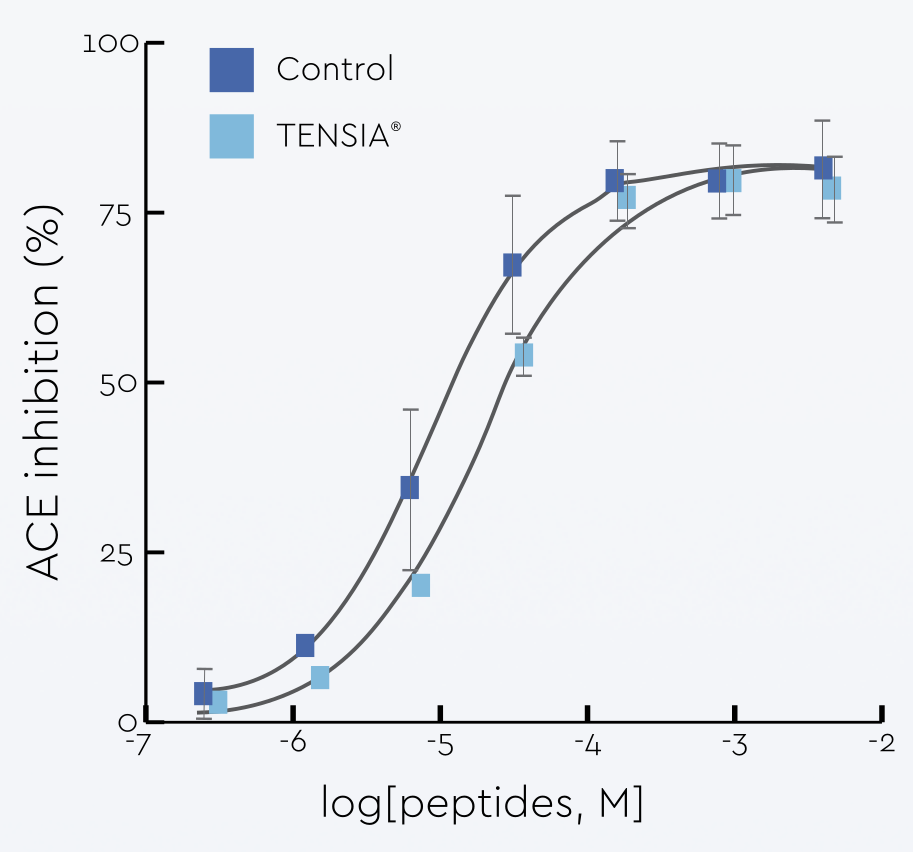
Whey from milk fermented with TENSIA blocked ACE at roughly half the peptide concentration of acidified control milk, with an EC50 of 2.7µM versus 6.6µM.
Blood vessel tone also depends on the renin-angiotensin system. Angiotensin-converting enzyme (ACE) turns angiotensin I into angiotensin II, which constricts blood vessels, so compounds that inhibit ACE help keep vessels relaxed. Bacteria fermenting milk can release peptides with this kind of activity.
When researchers fermented milk with TENSIA, the resulting whey inhibited ACE at lower peptide concentrations than acidified control milk (half-maximal inhibition at 2.7µM versus 6.6µM), though both topped out at about 83% inhibition.[7] Nordwise attributes the activity to the dipeptides Ile-Leu and Phe-Leu, which TENSIA releases as it breaks down milk proteins.
There's a catch for supplement users: These peptides form while TENSIA ferments milk, as it did in the cheese and yogurt from the human trials. A capsule or pre-workout scoop doesn't ferment anything before you swallow it, so it's unclear how much of this mechanism carries over.
-
Antioxidant and Antimicrobial Activity
Nordwise's documentation also lists genes tied to antioxidant defense, including catalase, glutathione peroxidase, and thioredoxin reductase. In lab tests, TENSIA inhibited common foodborne pathogens such as E. coli, Salmonella, Shigella, and Staphylococcus aureus, which Nordwise attributes to organic acids, hydrogen peroxide, and bacteriocins called plantaricins. These traits explain TENSIA's start in cheese, where it also helps suppress unwanted microbes, but they're less relevant to pumps.
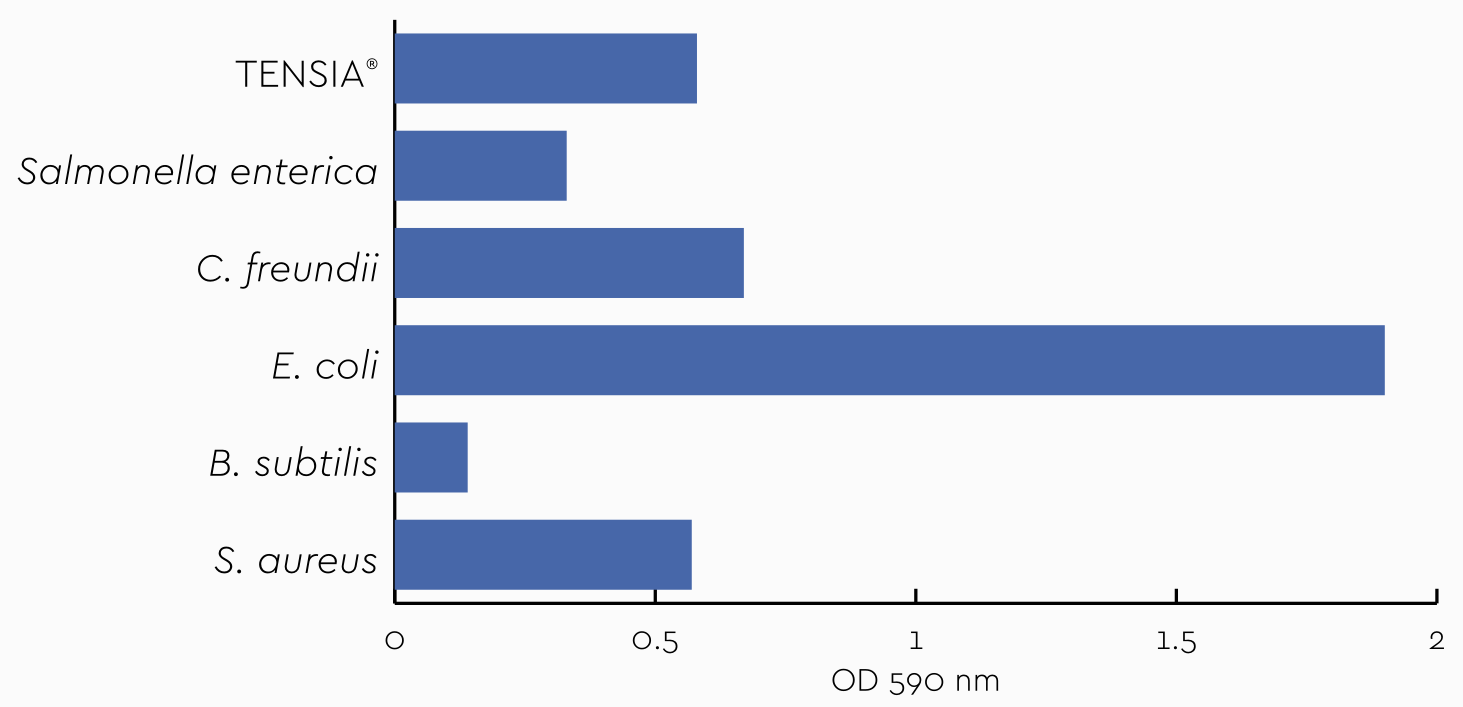
After 72 hours on a microtiter plate, TENSIA stuck about as well as S. aureus and well below E. coli, which formed by far the heaviest biofilm.
TENSIA® Clinical Evidence
TENSIA's published human trials share three traits. They delivered the strain in cheese or yogurt, they lasted three weeks, and they measured resting blood pressure and metabolic markers. However, none are looking at exercise.
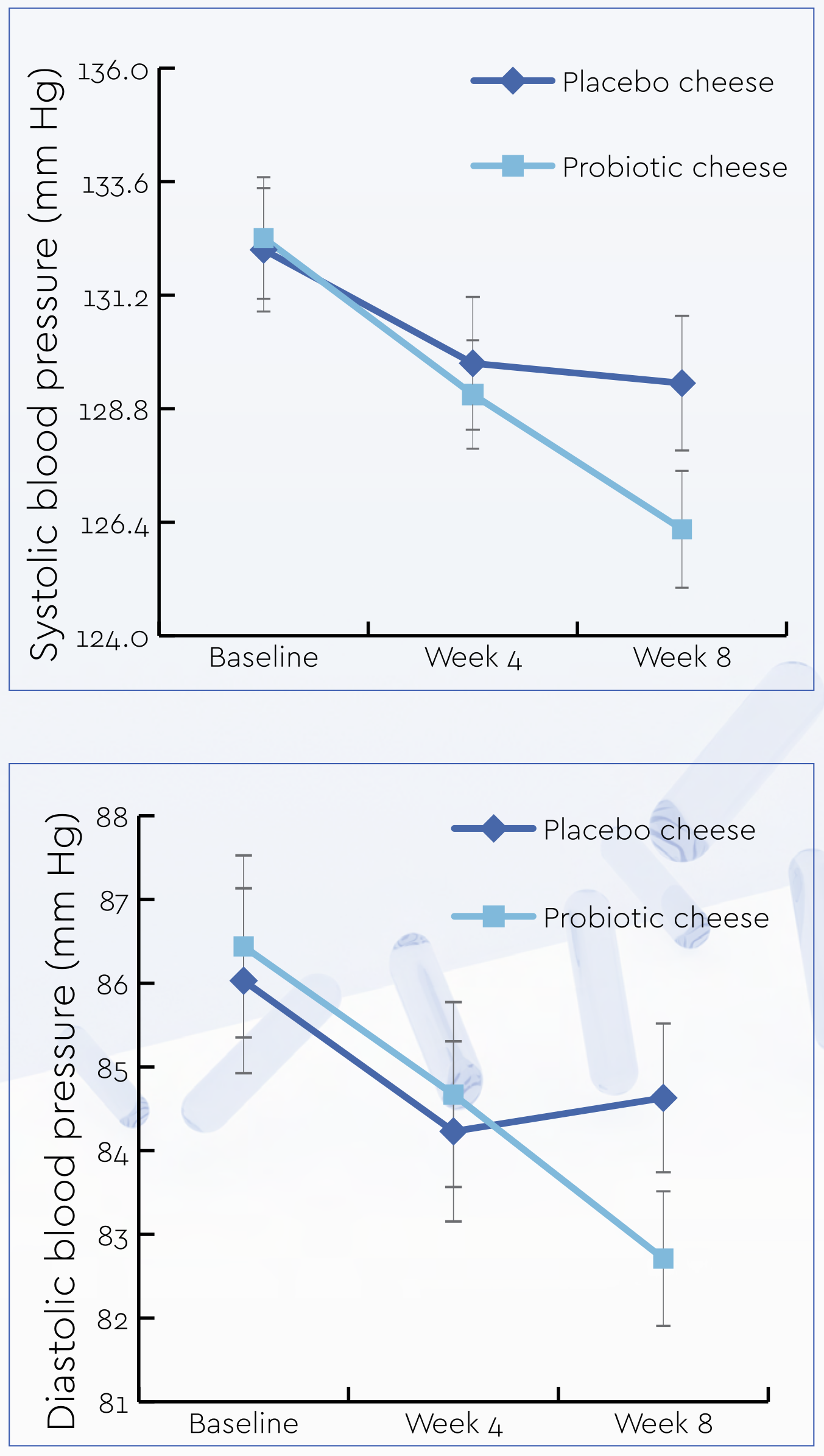
Both groups dropped by week 4, but the probiotic cheese group kept falling through week 8 while placebo flattened out, in systolic and diastolic readings alike.
Healthy Adults: Cheese and Yogurt
The largest dataset comes from two double-blind, randomized, placebo-controlled crossover trials published together in 2015. Volunteers spent three weeks using TENSIA and three weeks on a matching control, with a two-week washout in between.
- Cheese trial: 82 adults (average age about 38) ate 50g of Edam-type cheese daily, delivering about 10 billion CFU of TENSIA. They started at an average of 129.8/83.6mmHg, and about half began with high-normal readings or higher.
- Yogurt trial: 43 adults (average age about 34) ate 150g of yogurt daily, delivering 6 billion CFU. They started lower, at an average of 119.1/77.0mmHg.
During the TENSIA periods, diastolic blood pressure fell in both trials, from 83.4 to 81.0mmHg with cheese and from 76.7 to 74.3mmHg with yogurt. Systolic pressure fell in the cheese trial, from 131.0 to 127.9mmHg. The drops were larger in participants with a BMI under 25, and TENSIA didn't change BMI, blood glucose, blood lipids, or inflammatory markers.[7]
Note that the control cheese period also produced a smaller but significant diastolic drop (82.8 to 81.4mmHg), and the results compared start and end values within each period rather than testing TENSIA directly against the control. This means that some users got to use TENSIA after they'd already seen a drop in blood pressure from the cheese -- yet it still worked and maintained significance even after that.
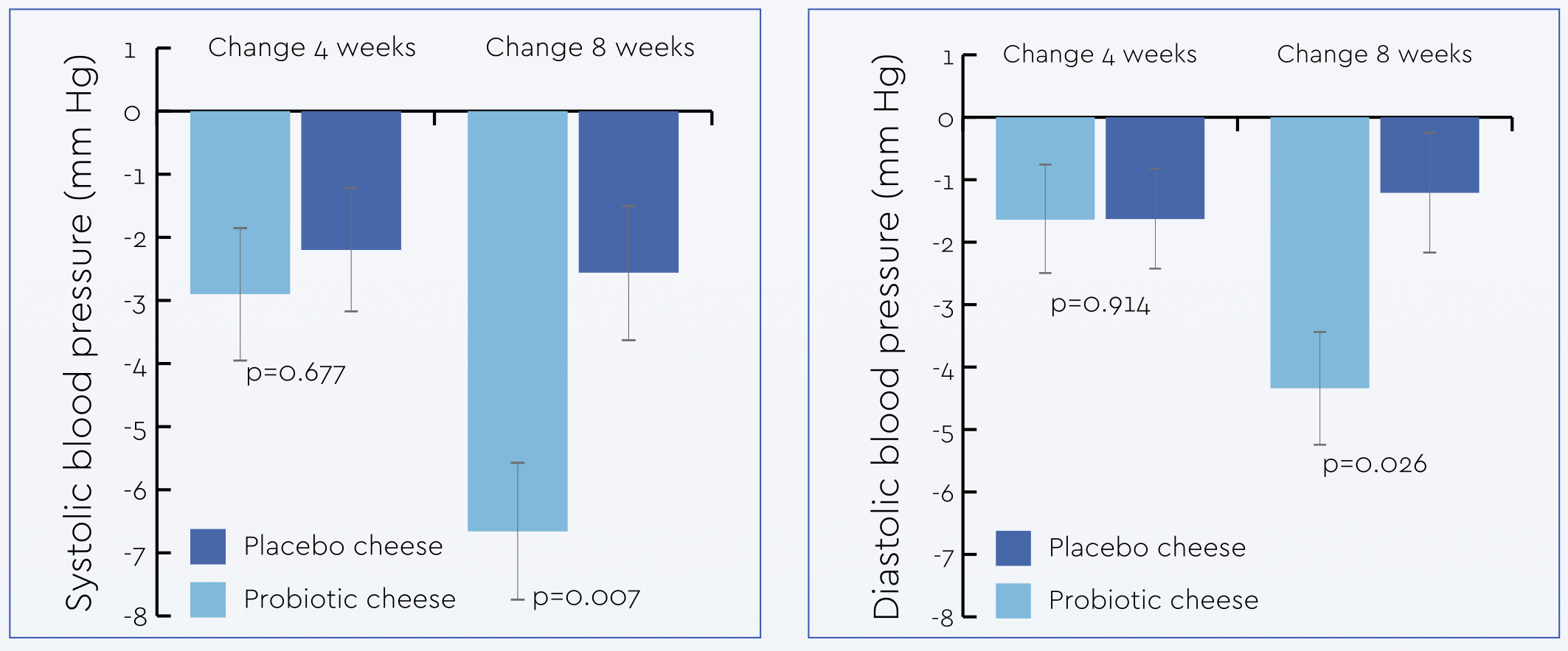
The 8 week gap reached significance for both systolic (p=0.007) and diastolic (p=0.026) pressure, while the 4 week numbers didn't separate from placebo.
Adults With Obesity and Hypertension
A 2013 pilot trial in Russia tested TENSIA in 40 adults with obesity and hypertension, including some taking blood pressure medication. They followed a 1,500-calorie diet for three weeks, with blood pressure checked twice daily at the hospital. Twenty-five ate 50g of TENSIA cheese daily (about 25 billion CFU), and 15 ate control cheese.
- BMI dropped more with TENSIA: Average BMI fell from 37.7 to 35.7, versus 36.3 to 34.7 with control cheese, a significant difference between groups. The authors linked the BMI change closely to a drop in body water.
- Blood pressure fell in both groups: Morning systolic pressure dropped about 12mmHg with TENSIA and 11mmHg with control, with no difference between groups. Evening diastolic pressure actually fell more with the control cheese.
- Colonization varied: Researchers detected TENSIA in stool from 16 of 25 participants (64%). In those 16, the amount detected correlated with the change in morning diastolic pressure, with a nonsignificant trend toward lower morning systolic pressure.[8]
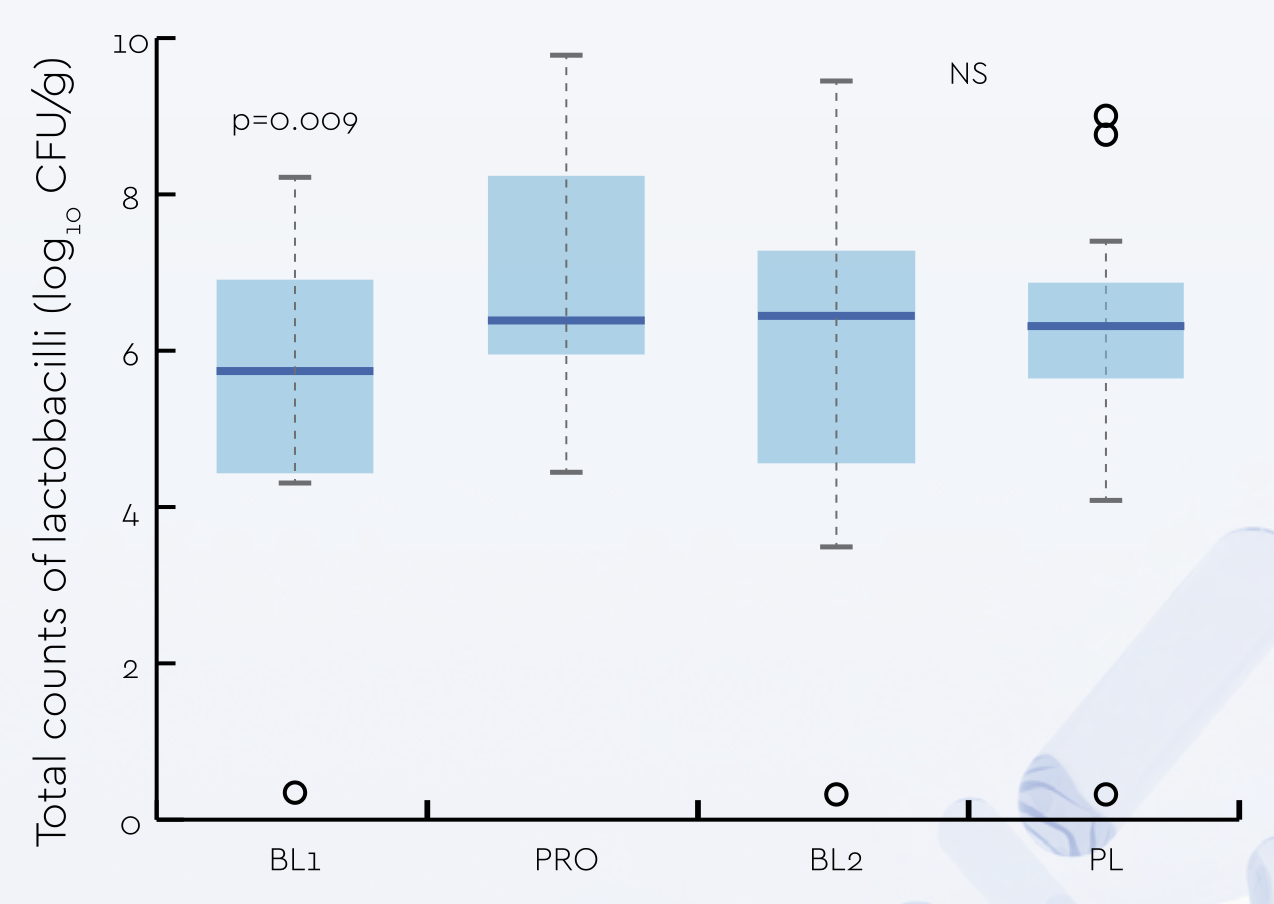
Three weeks of daily TENSIA raised cultivable faecal lactobacilli above baseline (p=0.009), a shift the control treatment didn't produce.
With diet, medication, and monitoring all pushing blood pressure down at once, this pilot can't isolate TENSIA's contribution. Its clearest lesson is that colonization isn't guaranteed.
Safety, Cheese Claims, and Where EU Regulators Landed
In the European Union, a food can't carry a health claim until the European Food Safety Authority (EFSA) reviews the evidence. The maker of Harmony™ cheese applied twice to say TENSIA cheese helps maintain normal blood pressure, and both times EFSA's scientific panel concluded that a cause-and-effect relationship hadn't yet been established, although there were no safety concerns.[9][10]
Researchers published some of that mechanism work, including the nitric oxide and ACE data above, shortly afterward. So EFSA's verdict was regarding a cheese's marketing claim in Europe, not safety -- everything looks good from the safety standpoint.
Can TENSIA® Boost Your Pump?
Here's the sports nutrition case. Nitrate itself has a solid exercise track record: research reviews credit it with lowering the oxygen cost of submaximal exercise and improving muscle contractile function, which can support both endurance and power output.[1] If TENSIA can convert dietary nitrate in your gut, it could complement the nitrate you already eat (or take in a pre-workout) and add a route to NO that doesn't depend entirely on oral bacteria. Layer the ACE-inhibiting activity on top, and you'd have a strain touching two vasodilation pathways.
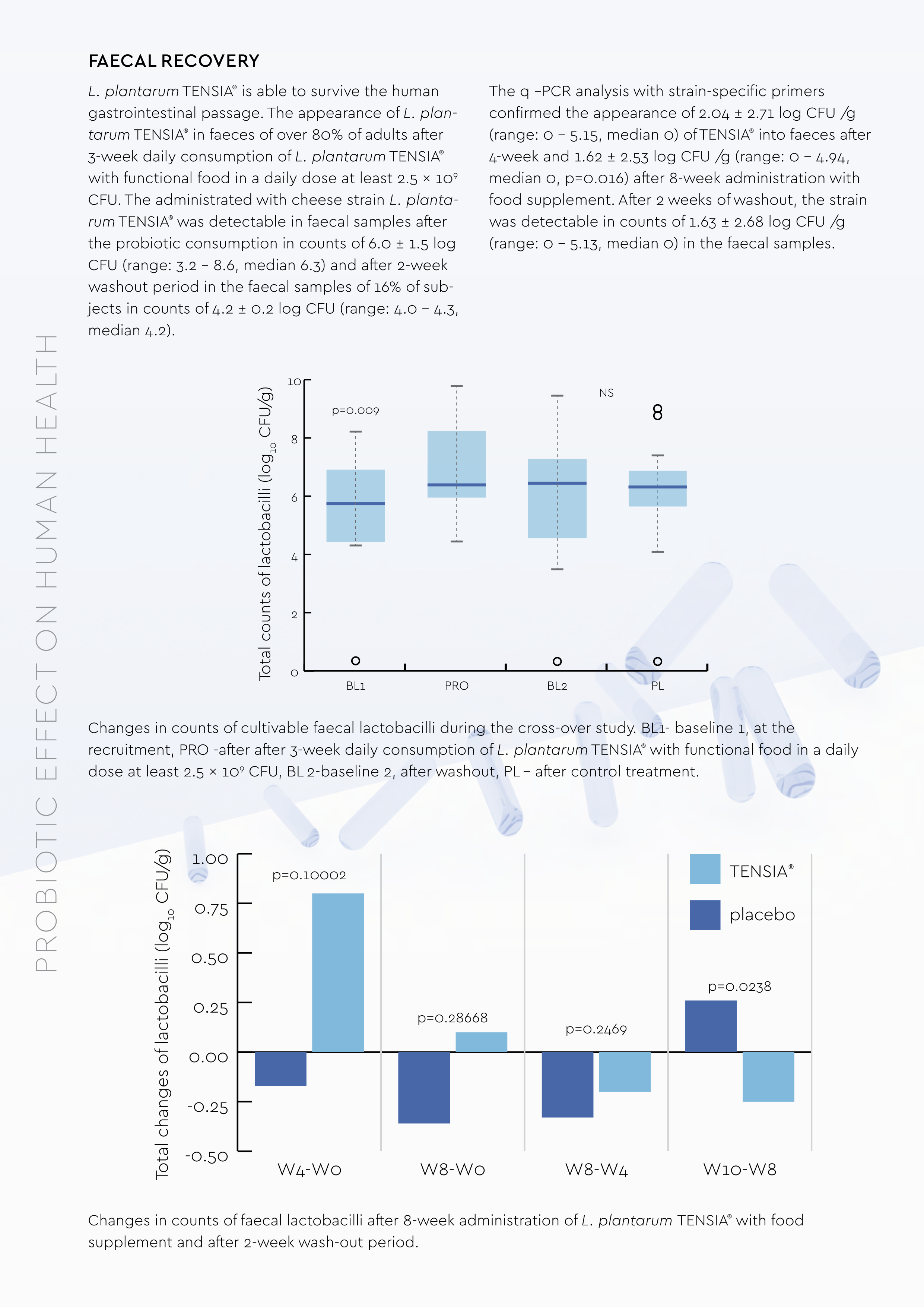
Lactobacilli counts climbed early on TENSIA, then slid back during the two week washout, hinting that the strain doesn't stick around once you stop.
The research hasn't tested any of that yet, though -- this is the type of ingredient Joey Savage gets into, which means it's early. Also realize that he was the first to formulate using PeptiStrong, and now it's everywhere.
So no human study has measured TENSIA's effect on exercise performance, training pumps, blood flow during exercise, or blood nitrite levels. The published trials ran three weeks in people at rest.
A few points follow from what we do know, though:
- Think weeks, not minutes: Every human trial used daily intake for at least three weeks, and there's no data on acute effects.
- Expect individual variation: In the 2013 pilot, only 64% of participants had detectable TENSIA at the end. Those also happened to be those with the healthiest guts, so this could play well into an already young and healthy sports nutrition crowd.
- Nitrate is the logical partner: TENSIA's standout trait is nitrate reduction, so pairing it with nitrate from vegetables or supplements is the obvious experiment. That's a rationale, not a tested protocol.
Joey says his goal is to fund a dedicated athletic study with TENSIA's supplier, testing the strain alone and stacked with dietary nitrates. That trial will matter more than anything else for TENSIA's future in sports nutrition.
Safety and Regulatory Status
TENSIA's safety record rests on a dedicated research program published in 2012 and an FDA GRAS review completed in 2025. The 2012 program tested the strain in the lab, in mice, and in adult and elderly volunteers:
- Antibiotic susceptibility: TENSIA was susceptible to all eight antibiotics tested. PCR screening did detect the tetracycline-associated genes tet(M) and tet(K), even though the strain wasn't resistant.
- Biogenic amines: It didn't produce histamine or cadaverine, and tyramine levels in ripened cheese stayed below clinically significant amounts.
- Animal testing: Mice fed TENSIA cheese for 30 days showed no movement of the strain or other microbes into the blood or organs.
- Human tolerance: At daily doses up to about 20 billion CFU for three weeks, volunteers showed no harmful changes in BMI, inflammatory markers, or blood lipids. Digestive comfort held up too, except for hard stools in people eating 100g of cheese a day, starting in week two.[11]
Later whole-genome screening, reported in Nordwise's GRAS dossier, found no acquired antimicrobial resistance genes and no virulence factors, and predicted TENSIA to be a non-pathogen.[6] In lab tests, the strain didn't break down human or sheep red blood cells.
On August 5, 2025, FDA closed its review of TENSIA's GRAS notice (GRN 1244) with a "no questions" letter. It covers use in conventional foods at up to 5 billion CFU per serving, excluding infant foods, alcoholic beverages, and USDA-regulated products.[12] "Conventional foods" mean products like bars, beverages, and dairy. Dietary supplements follow a separate regulatory path, although GRAS ingredients can be added to supplements.
Dosing and Applications
Clinical doses: The published blood pressure trials used about 6 billion to 25 billion CFU per day, delivered in cheese or yogurt for three weeks.[7][8]
Commercial doses: SuperHuman Jacked lists 20mg of TENSIA per serving, and Joey Savage has discussed a 20mg to 80mg range for commercial products, with the higher end costing more to produce. Probiotics are usually labeled in CFU, so milligram amounts don't map directly onto the clinical doses above. If you want that comparison, ask the brand how many CFU its product guarantees through the expiration date.
Formats and handling: According to Savage Nutra, TENSIA holds up best in capsules with strong desiccants or in sealed stick packs, and powders need roughly 50% overage to cover die-off during shelf life. Follow the label's storage directions and keep products cool and dry.
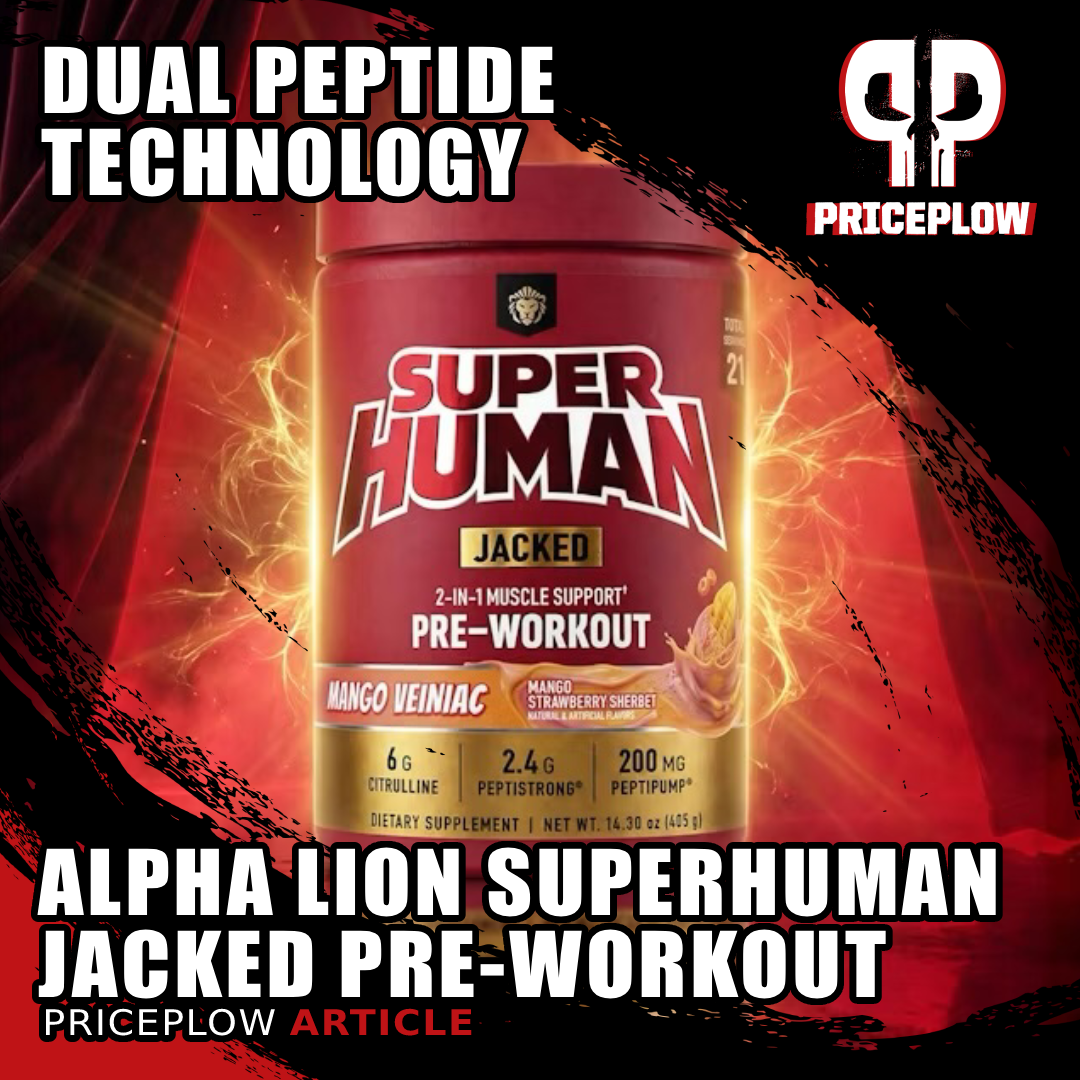
Creatine and HMB are out. A pure 6000mg citrulline dose and PeptiPump are in. Alpha Lion reworked SuperHuman Jacked for the new SuperHuman lineup, and the caffeine now runs 242mg across immediate, extended, and delayed release.
Timing and stacking: No research has tested timing, so consistent daily use matches how the trials were run. Dietary nitrate is the most logical partner given TENSIA's nitrate-reducing activity, and citrulline covers the separate NOS route. Neither pairing has been tested with TENSIA.
Antibiotics: Joey notes that a course of antibiotics works as an off switch, since the strain is susceptible to common antibiotics.
TENSIA® on the PricePlow Podcast

Joey Savage, founder of Savage Nutra and President of Future Nutra Foundation, previews the first-ever Future Nutra Innovation Summit and introduces Tensia, a nitric oxide-producing probiotic, on Episode #233 of the PricePlow Podcast.
We first heard about TENSIA when Alpha Lion VP of Sales Darin Decker revealed it inside SuperHuman Jacked on Episode #228 of the PricePlow Podcast. A month later, Joey Savage joined us on Episode #233 to explain how the strain works, how it gets from Estonia to the US, and what research comes next. He also shared his own routine: roughly 80mg of TENSIA plus a separate dose of dietary nitrates later in the day. That's one person's experience rather than a tested protocol, but it shows how Savage Nutra thinks about the ingredient.
TENSIA®: Next Stop, the Gym
TENSIA brings something new to the pump conversation: a single, well-characterized probiotic strain that produces nitric oxide from nitrate in the lab, makes fermented milk more ACE-inhibiting, and carries an FDA "no questions" letter for food use. Its human trials point toward modest blood pressure support, but they're short and dairy-based, so it's definitely a "leading edge" ingredient for those who like to formulate like Savage does.
That leaves sports nutrition with a clear question. Does a gut strain that reduces nitrate change blood flow, pumps, or performance when you train? Savage Nutra aims to fund the study that answers it, testing TENSIA alone and with nitrates. Until then, SuperHuman Jacked gives early adopters a way to try the strain for themselves.
Sign up for TENSIA and Savage Nutra alerts, and we'll report back when that research lands:


Comments and Discussion (Powered by the PricePlow Forum)