Middle-aged long-distance runners who supplemented with 200mg of Oligonol® daily for 60 days covered significantly more ground in a timed treadmill test, and rated the effort substantially lower.
A lychee-derived polyphenol helped recreational runners run farther while it felt easier. That's the headline from a fresh 2026 randomized trial on Oligonol.
Those headline findings come from a new randomized, double-blind, placebo-controlled trial published in 2026, and they add a fresh performance data point to an already deep research record.
Oligonol®: A Polyphenol Extract from Lychee That Supports Performance, Health, and More
Oligonol® is a standardized low-molecular-weight polyphenol (LMWP) extract made from lychee fruit (Litchi chinensis) and green tea, developed by Amino Up Co., Ltd. of Sapporo, Japan and distributed in North America by Maypro Industries. Oligonol is studied for its effects on three drivers of aging: oxidative stress, inflammatory signaling, and blood circulation. Its research spans performance, blood glucose support, body composition, cardiovascular health, and more.
If you've come across our coverage of ETAS®, the heat shock protein upregulator Amino Up developed from asparagus extract, you'll recognize the company's approach: novel bioactives, intensive clinical research, and a manufacturing process engineered to solve a specific biological problem.
For Oligonol®, the problem to solve was polyphenol bioavailability. Most naturally-occurring polyphenols in fruits and vegetables are large polymers the gut absorbs poorly. Amino Up's patented oligomerization process converts them into forms that the body can take up efficiently. That design choice separates Oligonol from a generic lychee extract, and it's the foundation for a clinical research record spanning sports performance, visceral fat reduction, muscle health, and cardiovascular function.
This article keys in on the new performance research, but also explains some of the other numerous benefits of the novel ingredient. Before exploring the details, sign up for our Maypro Industries and Oligonol news alerts, since there are some major breakthroughs on the way:
Subscribe to PricePlow's Newsletter and Alerts on These Topics

What Is Oligonol®?
The Problem with Polyphenol Absorption
Polyphenols are some of the most researched compounds in human nutrition. Found in fruits, vegetables, tea, and wine, they're linked to antioxidant activity, anti-inflammatory effects, and a range of physiological benefits in both epidemiological and mechanistic research. The problem is absorption. In their native form, most polyphenols are large proanthocyanidin polymers or condensed tannins, with structures too bulky for efficient intestinal uptake. A substantial portion of the polyphenols in polyphenol-rich whole foods never actually makes it to systemic circulation.
Oligomerization: Amino Up’s Solution
Oligonol® addresses this directly. Through a patented oligomerization process,[1] Amino Up converts polyphenol polymers from Litchi chinensis fruit and green tea into their smaller, more bioavailable forms: flavanol monomers, dimers, and trimers. The finished extract contains more than 70% total polyphenols, with over 20% composed of flavanol monomers and dimers, which is a markedly higher concentration of small-chain forms compared to unprocessed lychee extract.[2] In a 92-day human dosing study, participants consuming 100mg and 200mg/day of Oligonol showed normal hematological parameters and liver and kidney function throughout, confirming the ingredient reaches systemic tissues without adverse metabolic effects.[3]
The mechanism goes beyond antioxidant activity, though: In a three-arm randomized controlled trial, Oligonol outperformed both high-dose vitamin C + E and placebo on endurance markers, even though resting free-radical levels didn't differ significantly between the groups.[4] That means Oligonol's performance benefit almost certainly isn't explained by antioxidant activity alone, and isn't purely a matter of scavenging reactive oxygen species.
Before heading deeper into the research, note that there are different names for the ingredient across the research literature. Depending on the research group and era, Amino Up's lychee polyphenol product appears as:
- OLFE (oligomerized lychee fruit extract),
- FRLFE (flavanol-rich lychee fruit extract), and
- OPLFE (oligomerized polyphenol from Litchi chinensis fruit extract)
These all refer to the same ingredient, now commercially standardized as Oligonol®.
Recognition and Clinical History
Oligonol® has accumulated meaningful industry recognition: Best New Product at the 3rd International Conference on Polyphenols and Health (2007), NutrAward for Best New Ingredient (2008), and the SupplySide West Scientific Excellence Award (2011). The clinical record now covers nearly three dozen published studies across performance, body composition, muscle health, and cardiovascular function.
The most recent is worth discussing from the sports and active nutrition context:
Oligonol® and Endurance: The Shio 2026 Study
A 2026 randomized, double-blind, placebo-controlled trial enrolled 34 recreational long-distance runners aged 45 to 64 from amateur clubs in Sapporo, Japan. All participants ran at least 100km (62 miles) per month and were experienced with treadmill use. After stratification by gender and half-marathon time, they were randomized to receive 200mg/day Oligonol (two 100mg capsules, morning and evening) or placebo for 60 days. By the end of the trial, there were 15 in the Oligonol group and 17 in placebo for analysis.
Performance was assessed with a 12-minute treadmill run test at 0% incline. Participants could increase their speed at any time but couldn't decrease it, a design meant to control for pacing variability and better capture genuine endurance capacity.
Oligonol Group: More Ground Gained in 60 Days
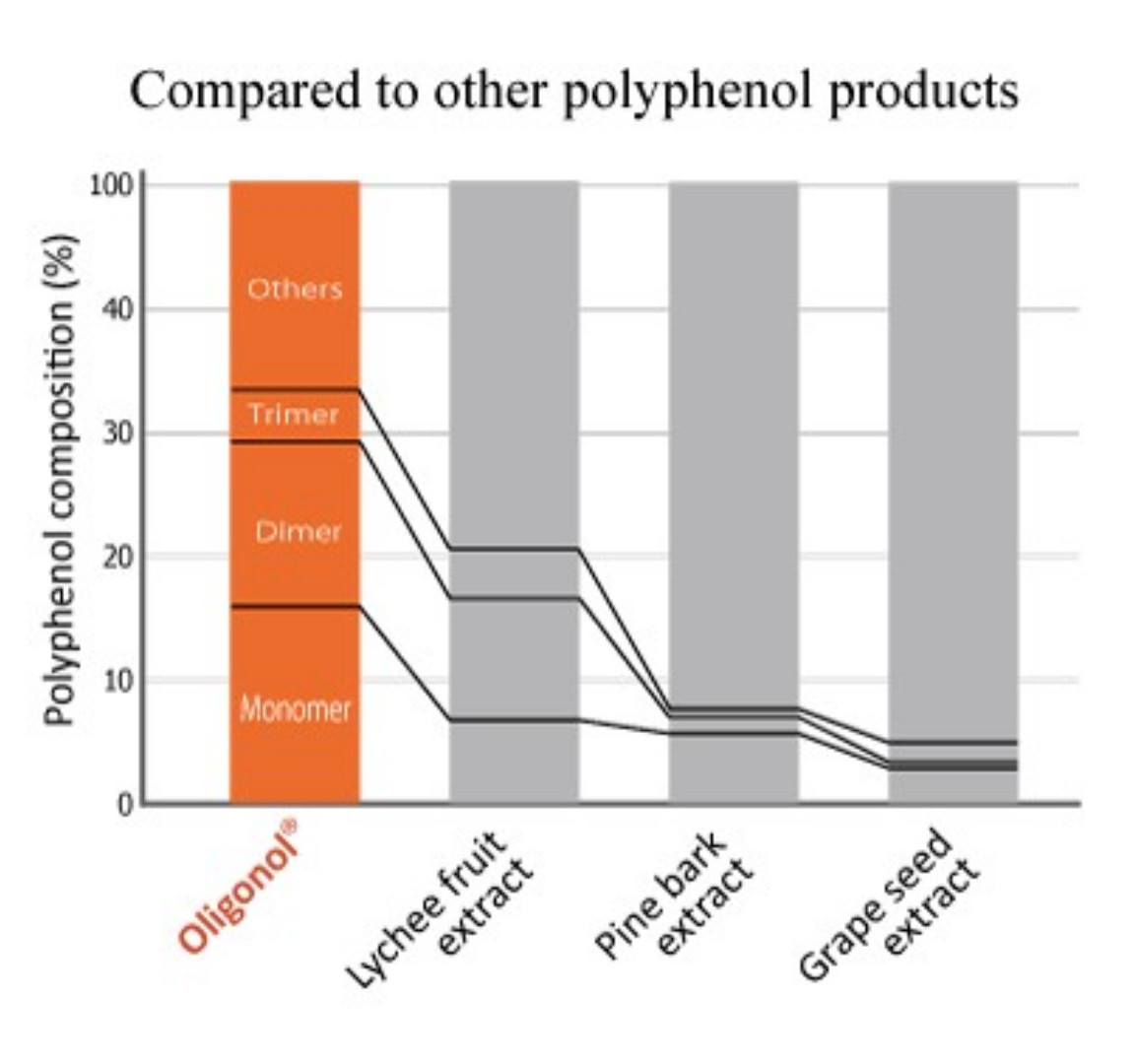
Stacked against standard lychee, pine bark, and grape seed extracts, Oligonol carries a far larger share of small-chain monomers, dimers, and trimers.
The Oligonol group covered significantly more distance at 60 days than the placebo group (~70 meters, P=0.038).[2] The 2.4% improvement from the Oligonol group's baseline easily exceeded 1%, which is the smallest worthwhile change criterion often used in endurance research. The authors cite this as support for practical meaningfulness, as it makes for real-world clinical significance that goes beyond mere statistical significance.
Significantly Lower Ratings of Perceived Exertion (RPE)
The RPE result was possibly even more striking. Ratings of perceived exertion immediately after the run were significantly lower in the Oligonol group (14.5 vs. 16.4, P=0.003).[2] On the Borg scale, 14.5 sits near "somewhat hard" while 16.4 approaches "hard". The Oligonol group ran farther and found it easier, bringing a combination that points toward improved metabolic efficiency rather than a marginal physical boost. Heart rate, body composition, AGE accumulation, and estimated hemoglobin levels showed no significant group differences.
The authors attribute the findings hypothetically to enhanced mitochondrial function and improved energy metabolism efficiency, noting evidence that Oligonol may support ATP production and help suppress lactate accumulation during high-intensity exercise.[2] Because the study didn't collect blood biomarkers during exercise, that mechanism remains speculative.
Practical limitations apply: diet and training volume weren't controlled, no familiarization trial was conducted before testing (they were already runners), and the one-way speed restriction makes the protocol somewhat specific to the treadmill context. The sample was also limited to the 45 to 64 age range. A sensitivity analysis using the full intention-to-treat population produced a consistent result (+0.07km, P=0.034).
Anyone who's been following Oligonol shouldn't be surprised, though. Shio 2026 builds upon previous research over the past couple of decades:
Oligonol® and Sports Performance: The Research Grows
A sequence of earlier trials provides context and biological plausibility for the endurance finding:
-
Training Fatigue in Track-and-Field Athletes (Ohno 2008)
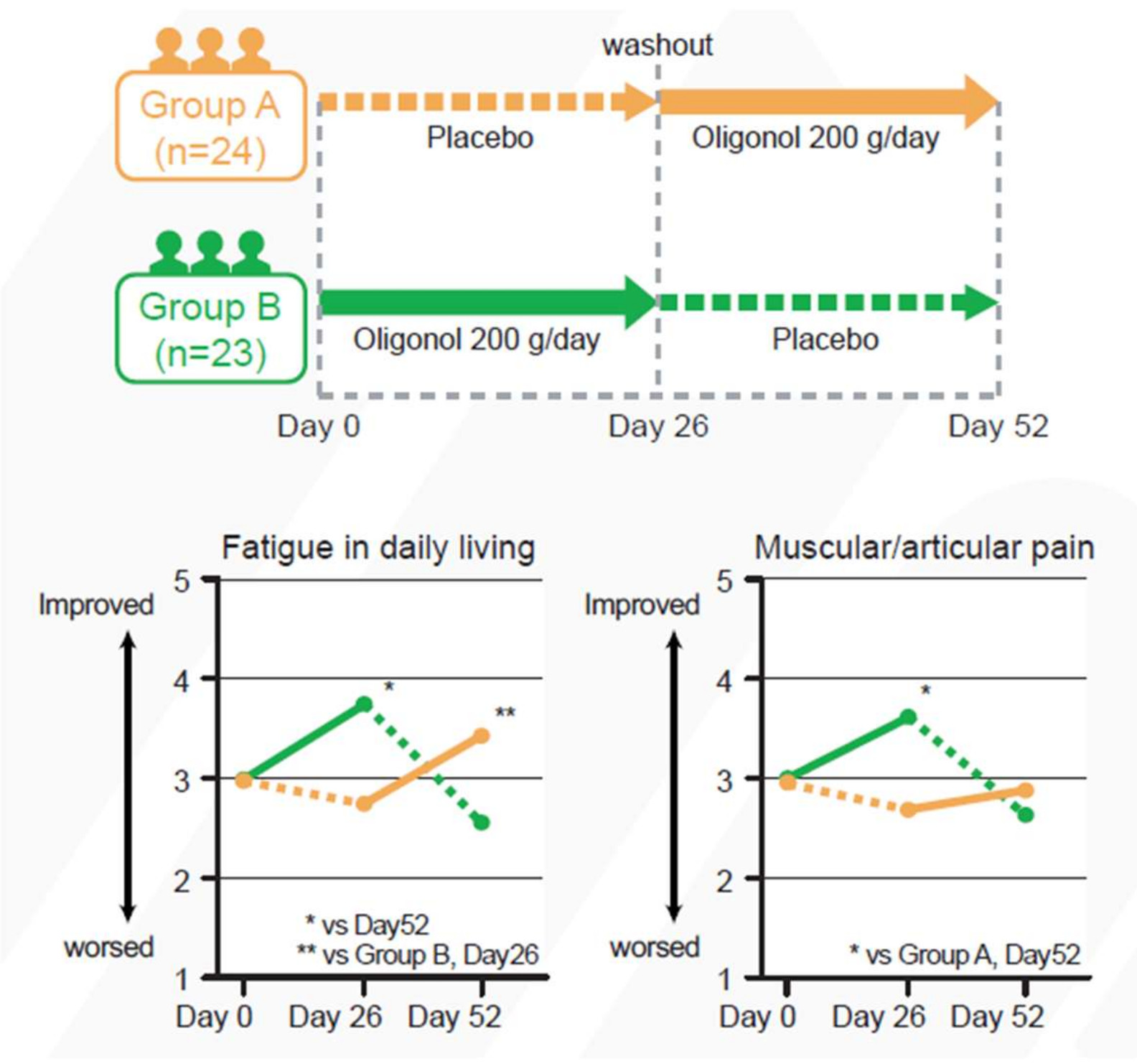
Ohno et al. published the first human study on Oligonol in 2008, and the authors described it as the first in vivo investigation of lychee-derived polyphenol in humans.[5] The study enrolled 47 undergraduate track-and-field athletes (25 male, 22 female, ages 18-22) who trained at competitive intensity for roughly 3 hours a day, five days a week. The design was a prospective single-blind crossover: two groups each rotated through 26 days of 200mg/day Oligonol and 26 days of placebo, with a 9-day washout in between.

A crossover trial in 47 college track and field athletes recorded lower perceived exertion and improved fatigue scores during the 26-day Oligonol phase.
RPE was significantly lower (P<0.05) during the Oligonol period in both groups, suggesting athletes completed the same training load with less perceived effort. A multi-item fatigue questionnaire confirmed the pattern across all four categories: fatigue in daily living, recovery from fatigue in daily living, fatigue from training, and recovery from training (all P<0.05). Pain scores for muscular/articular discomfort and lumbago also shifted in a positive direction. When athletes in one group stopped taking Oligonol at crossover, the fatigue and pain scores reversed, which strengthens the attribution to the supplement rather than training progression.
No objective performance metrics (speed, distance, power) were collected, and single-blind design is a limitation compared to later trials. The RPE reduction, though, is the same signal that Shio 2026 captured 18 years later.[2] In both cases, athletes using Oligonol experienced less perceived effort during athletic activity.
-
Exercise Inflammation and Recovery
A 2011 double-blind study by Nishizawa et al. enrolled 20 male university long-distance runners during an intense 2-month training block, this time looking at inflammatory biomarkers rather than subjective fatigue.[6] Participants received 100mg/day of Oligonol (referred to in this study as FRLFE) or placebo.
The supplemented group showed a significantly smaller rise in interleukin-6 (IL-6, a pro-inflammatory cytokine that climbs with exercise-induced muscle stress) from pre-training to mid-training versus placebo. They also saw a significantly greater post-training increase in TGF-β1 (transforming growth factor beta-1), an anti-inflammatory signaling protein associated with tissue repair and recovery.[6]

Introducing ETAS® -- a novel Asparagus Extract from Amino Up and Maypro Industries that induces heat shock proteins to boost health outcomes by reducing stress!
The study didn't measure performance outcomes directly, but it established that the ingredient can modulate exercise-induced inflammatory signaling in actively training athletes.
-
Endurance Threshold and Run Time (Kang 2012)
Kang et al. published the first performance-focused trial in 2012, enrolling 70 regularly exercising males across three arms:[4]
- 200mg/day OLFE (the Oligonol product),
- A high-dose vitamin C + E combination, or
- Placebo for 30 days.
Submaximal treadmill run time improved in the OLFE group by an adjusted 3.87 minutes (95% CI: 1.29 to 6.46, within-group P=0.01), though the between-group comparison didn't reach significance (P=0.33). Anaerobic threshold improved 7.4% from baseline in the OLFE group (P=0.01), and that between-group difference was significant (P=0.03). VO2max remained unchanged in the OLFE group but significantly declined in the vitamin arm (-3.11ml/kg/min, P=0.009), even as resting free radical levels fell by similar amounts across all three groups.[4]
Performance diverged while antioxidant markers didn't, which supports the idea that the mechanism isn't primarily free radical scavenging.
-
High-Intensity Performance and Lactate (Kawamura 2021)
Kawamura et al. examined the short-term picture in a 2021 open-label pilot with 10 trained male athletes, using 7-day loading at 200mg/day OLFE followed by high-intensity intermittent exercise (HIIE) and a Wingate sprint test. Average power output during HIIE was significantly higher in the Oligonol group (P<0.01), the percent change in blood lactate from pre- to post-HIIE was significantly lower (P<0.05), and RPE was unchanged despite the higher work output.[7]
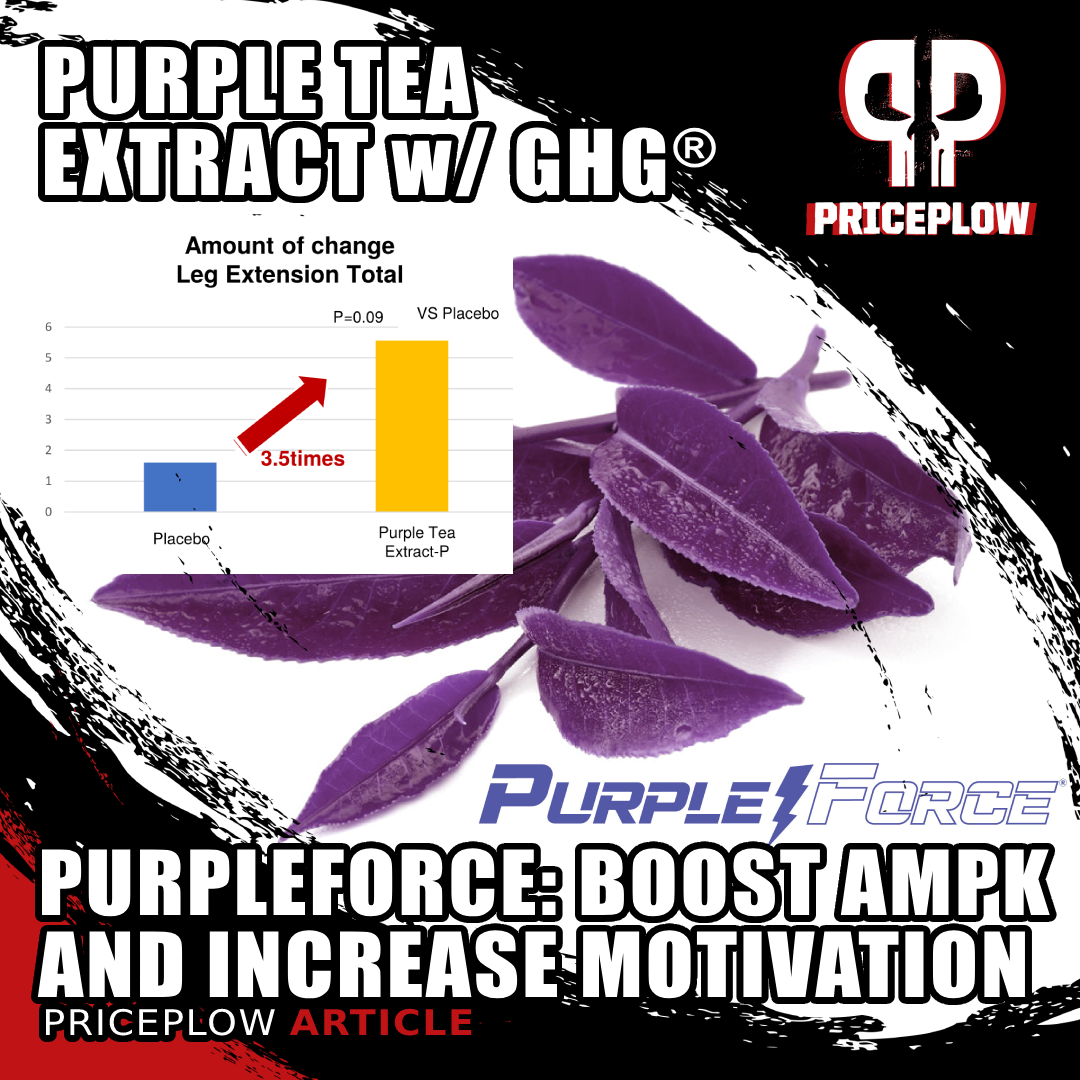
PurpleForce is a novel Purple Tea Extract that contains more bioactive constituents than other forms of tea, namely the patented AMPK-boosting GHG, which can lead to increased cellular energy for greater performance and body composition. It's distributed by Maypro Industries and developed by Oryza Oil and Fat Chemicals Co. Ltd.
As an open-label pilot without a placebo arm, the design limits conclusions, but the lower lactate and unchanged RPE pattern connects directly to what Shio 2026 observed.
-
Short-Term Post-Exercise Recovery Markers (Kim 2026)
Kim et al. published a 2026 randomized single-blind crossover study in 10 healthy young men that compared a single-dose (S-LMWP) and 5-day (5-LMWP) Oligonol intervention against placebo before a maximal graded exercise test.[8]
Blood lactate at 30 minutes post-exercise was significantly lower in both supplementation conditions compared to placebo (placebo: 17.09 ± 1.29 vs. S-LMWP: 8.36 ± 0.73 and 5-LMWP: 9.18 ± 0.60 mmol/L, P=0.005). Five-day supplementation significantly reduced post-exercise lactate dehydrogenase (LDH) activity. The percent change in malondialdehyde (MDA) from pre-exercise to 30-minute recovery was significantly lower in the S-LMWP condition than placebo (-8.41 ± 4.86% vs. 26.80 ± 3.01%, P=0.007), indicating faster normalization of this oxidative stress marker. As a 10-subject single-blind crossover, this is preliminary short-term data, but it fills in the post-exercise metabolic recovery picture.
Across these six studies, the evidence arc runs from subjective fatigue reduction in training athletes to inflammatory biomarker modulation to anaerobic threshold improvement to power output with lower lactate to faster post-exercise oxidative stress recovery to measured running distance with reduced perceived effort. No single study closes the mechanistic loop, but the pattern across different populations, exercise modalities, and supplementation durations is consistent.
Body Composition: The Visceral Fat Data
Oligonol's body composition research uses harder measurement methods than most supplement fat-loss studies, with multiple trials employing CT scanning rather than BIA or tape measures.
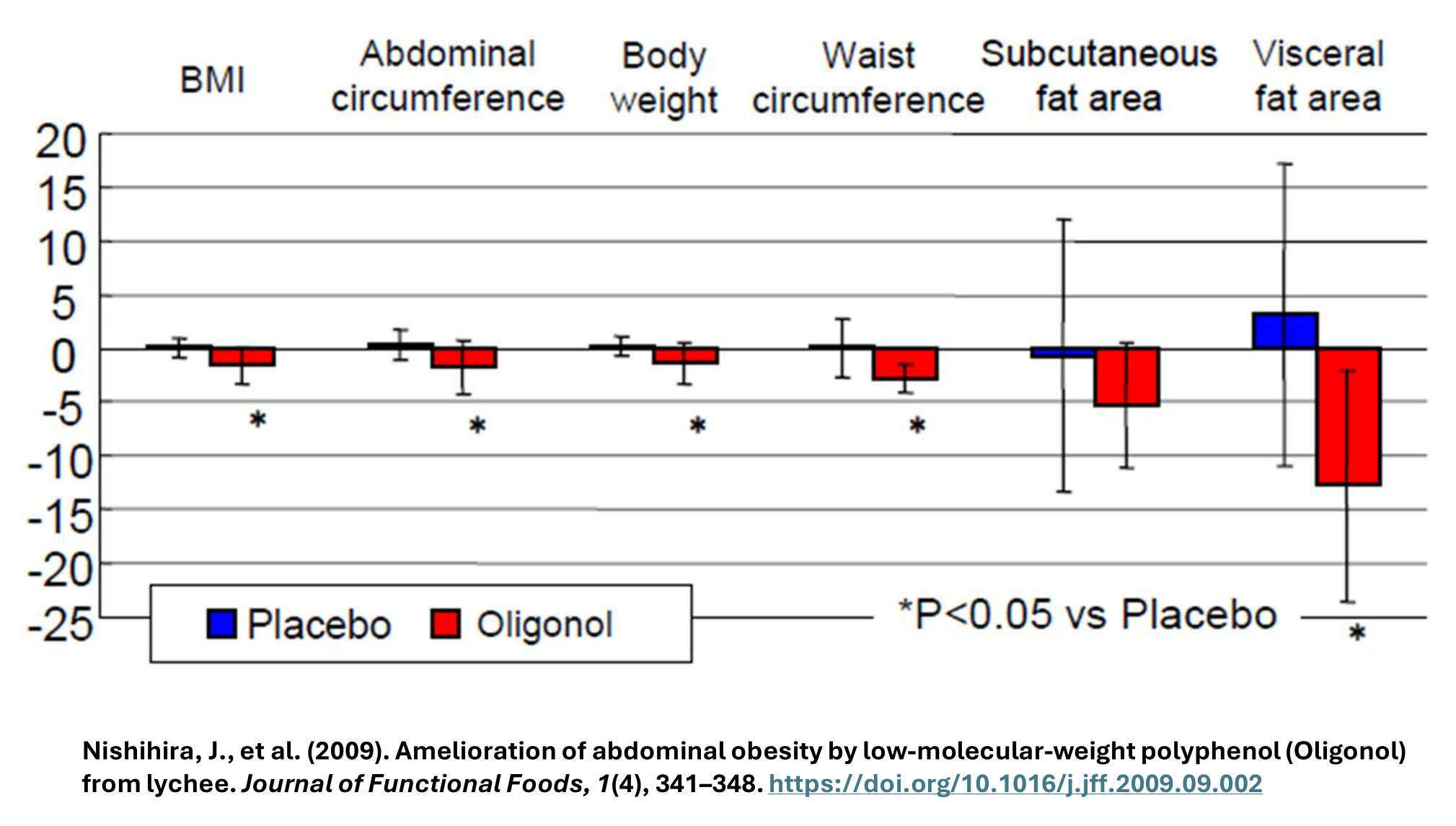
CT scanning over a 10-week study confirmed that 200mg of Oligonol daily lowered BMI, body weight, waist size, and abdominal fat versus placebo.[9]
- The earliest controlled evidence came from a Japanese RCT in which 200mg/day for 10 weeks produced significant reductions in visceral fat area, subcutaneous fat area, body weight, BMI, and abdominal circumference versus placebo, as assessed by CT scan.[9]
- Takanari et al. replicated the visceral fat finding in a larger and more recent trial: 66 overweight Japanese adults (BMI 25 to 30), 200mg/day for 12 weeks, with CT-measured visceral fat area as the pre-specified primary endpoint. The Oligonol group achieved a significantly greater reduction in visceral fat area compared to placebo, with no clinically relevant adverse events.[10] Having CT-verified VFA reduction as the primary endpoint in two independent trials strengthens the signal considerably.
- Outside Japan, Bahijri et al. ran a 12-week RCT in overweight and obese Saudi women (n=47 completers) without dietary or lifestyle restrictions. The placebo group gained significant body weight, waist circumference, hip circumference, and leptin, yet the Oligonol group didn't. Oligonol also significantly reduced serum triglycerides and resistin versus placebo, extending the metabolic picture beyond weight alone.[11]
At the cell level, a comparison study in rat adipocytes found Oligonol induced greater lipolysis than EGCG alone (commonly found in green tea extract), with the difference tied to stronger ERK1/2 activation.[12]
The body composition evidence is most consistent for visceral fat reduction in overweight populations at 200mg/day. A realistic framing: this is an ingredient that may support a healthier body composition trajectory (and where it counts for organ-related metabolic health), not one that drives dramatic weight loss in isolation.
Muscle Health and Sarcopenia
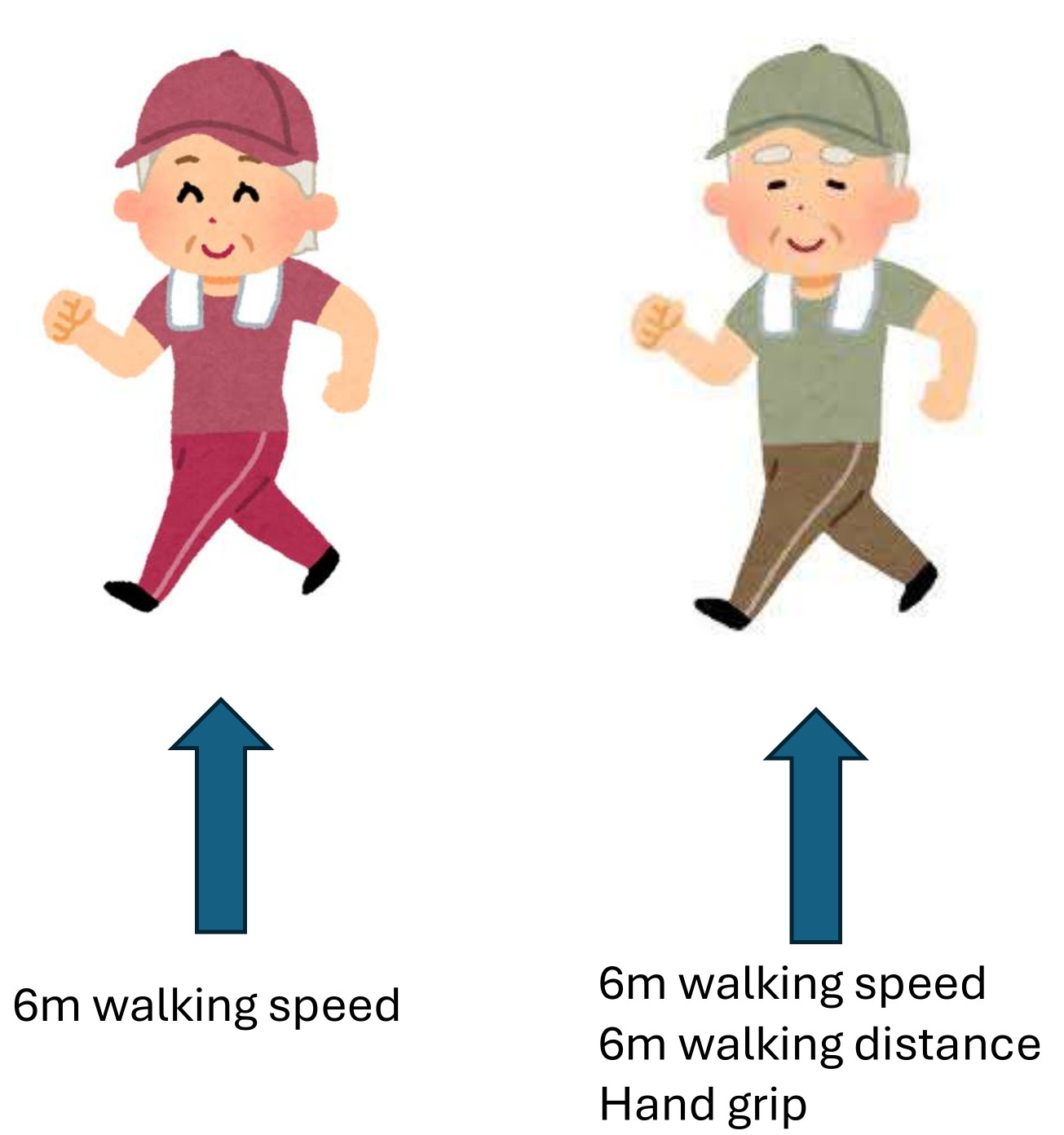
A 12-week trial in 103 adults averaging age 64 showed that 200mg of Oligonol daily improved walking speed in both sexes, with men also gaining handgrip strength.
Skeletal muscle research is where Oligonol's evidence chain from mechanisms to human outcomes is most complete.
The key human trial comes from Peng et al., a 12-week double-blind RCT in 120 middle-aged and older adults (mean age 64, roughly two-thirds female), randomized to 200mg/day Oligonol or placebo. Six-meter walking speed improved significantly in both sexes in the intervention group. Men additionally improved 6-minute walking distance and handgrip strength.[13] In men, the control group's mid-thigh cross-sectional muscle area declined over 12 weeks while the Oligonol group held steady (between-group P=0.03). Walking speed and grip strength have direct implications for fall risk and functional independence -- they're clinically meaningful, not just research endpoints.
Mechanisms from Pre-Clinical Research
The mechanistic picture comes largely from aging mouse models. Chang et al. found that Oligonol in senescence-accelerated mice (which age more rapidly than normal and are used to study age-related muscle loss) activated the AKT/mTOR/p70S6K protein synthesis pathway, blocked FoxO3a from migrating to the cell nucleus (where it would otherwise switch on muscle-breakdown genes), and reduced expression of MuRF-1 and MAFbx (two enzymes that tag muscle proteins for degradation).[14] Mitochondrial quality markers improved in parallel: PGC-1α and Tfam (biogenesis), Mfn2 and Opa1 (fusion), and multiple autophagy regulators (which govern cellular cleanup and protein recycling) all shifted toward healthier function. That mitochondrial quality finding connects directly to the proposed energy metabolism mechanism in Shio 2026.
Improving the BCAA Transport Bottleneck?
A 2024 follow-up identified an additional angle: the BCAA transport bottleneck in aging muscle. Aged muscle shows reduced expression of LAT1 (L-type amino acid transporter 1) and BCAT2 (branched-chain amino acid transaminase 2), limiting how effectively supplemented BCAAs reach intracellular protein synthesis machinery.
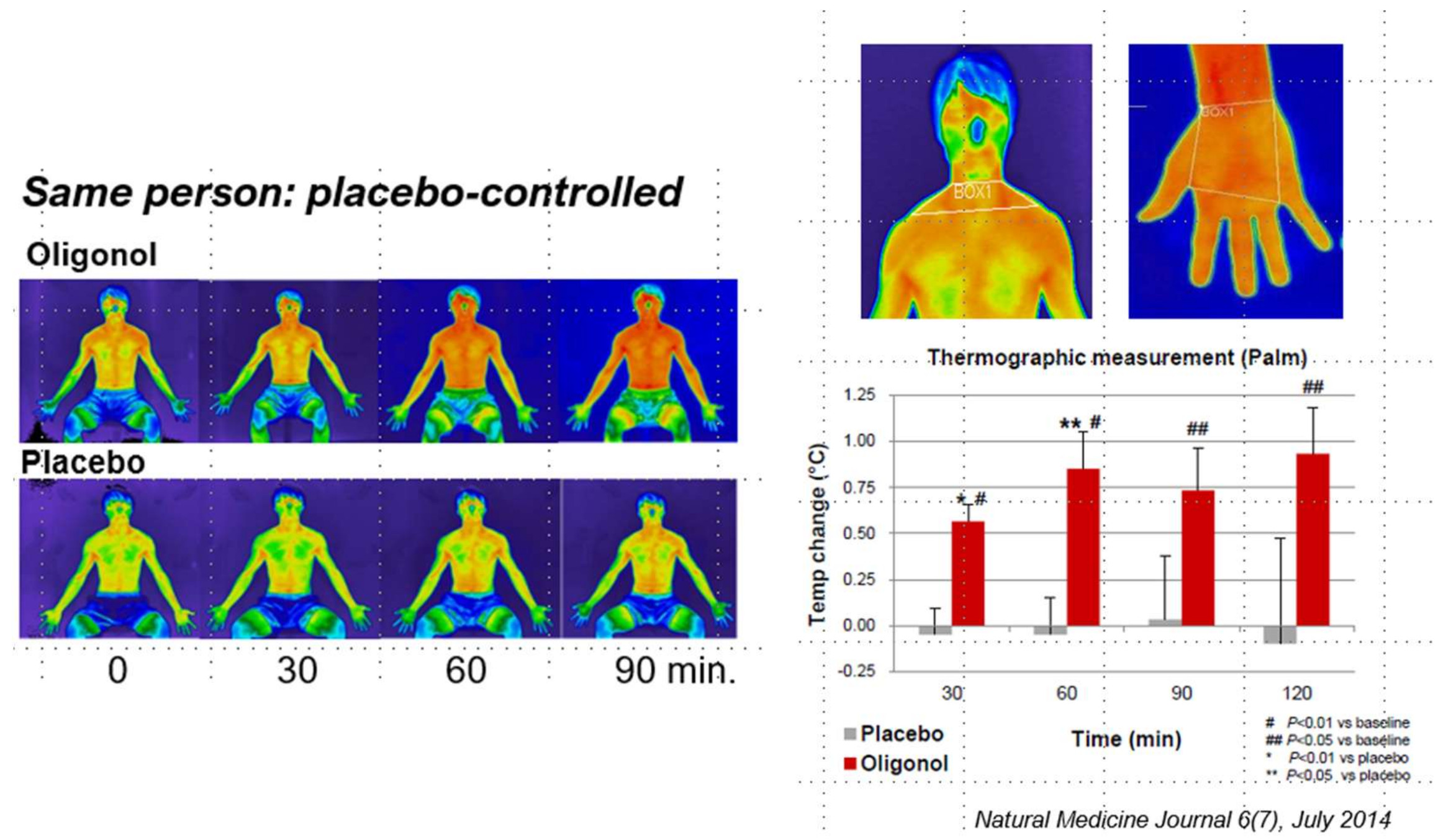
Infrared thermography captured noticeably warmer skin at the hands and shoulders within 30 minutes of a single 50mg Oligonol dose.
However, Oligonol supplementation in aging mice restored LAT1 and BCAT2 expression, and in C2C12 muscle cell models, combining Oligonol with BCAAs produced greater mTOR/p70S6K activation than BCAAs alone -- an effect blocked when LAT1 was experimentally silenced.[15] Human data on this synergy is needed before drawing practical conclusions, but it suggests a potential rationale for stacking Oligonol with essential amino acids in aging populations.
In diabetic mouse models, Oligonol also protected against lipid-driven muscle senescence by suppressing Atrogin-1 and MuRF1 expression through SIRT1, AMPKα, and NF-κB pathway modulation, and improved impaired myotube formation in cell culture.[16]
Beyond Performance: Other Areas of Research
When it comes to performance, cardiovascular health and blood flow are also paramount, and Oligonol may support these systems as well:
-
Cardiovascular and Blood Flow
Two mechanistic studies point toward cardiovascular support through the eNOS (endothelial nitric oxide synthase) pathway.
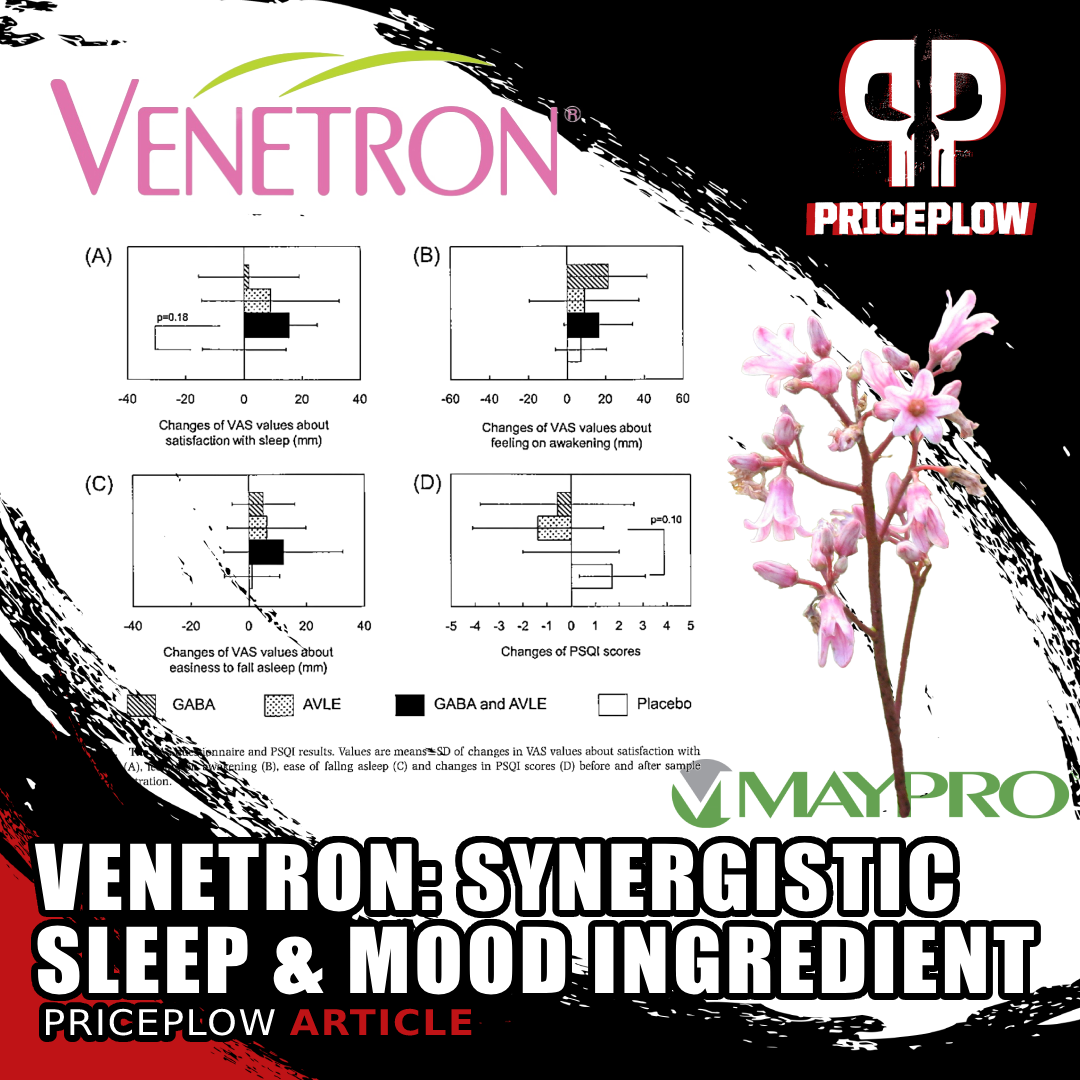
Venetron is an Apocynum venetum extract developed for sleep and stress support by Tokiwa Phytochemical and sold and distributed by Maypro Industries. It synergizes very well with GABA , with constituents that inhibit the metabolism of serotonin.
- In rat cardiac tissue, Thirunavukkarasu et al. found that Oligonol supplementation significantly increased phospho-eNOS levels at both doses and time points tested, with the p-eNOS/eNOS ratio reaching 2.2-fold above control at 7 days of low-dose treatment, and without DNA damage or adverse effects on cardiac, liver, or kidney function.[17]
- In porcine endothelial cell culture, Zhang et al. found that Oligonol reversed the high-glucose-induced impairment of eNOS Ser-1177 phosphorylation through Akt activation and PKCε inhibition, and prevented the corresponding reduction in nitric oxide production.[18]
These are animal and cell data, and no human cardiovascular RCT has tested Oligonol on blood flow directly. The nitric oxide pathway is biologically relevant to both vascular health and exercise performance, though direct translation to human supplementation remains to be established.
-
Cognitive Function
A 2024 mouse study found that daily Oligonol administration in high-fat diet-fed animals reduced blood glucose and improved spatial memory, with RNA sequencing data pointing to effects on metabolic signaling and neurite outgrowth pathways in neuronal cells.[19] This is preclinical data from an insulin resistance model. A leap to healthy human cognitive function would require considerably more evidence, but it points to a research direction worth following.
Safety, Dosing, and Availability
Oligonol's preclinical safety profile is thoroughly documented. Rodent studies found no adverse effects at 1,000mg/kg body weight per day for 90 days, established the oral LD50 at approximately 5.0g/kg, and confirmed no genotoxicity across multiple testing systems, including Ames reverse mutation tests in multiple bacterial and E. coli strains, chromosomal aberration assays, and a micronucleus test in mice.[3][20] An acute organ safety study found no toxic effects on cardiac, liver, or kidney function at either dose and time point tested in rats, with no DNA damage as measured by plasma 8-OHdG levels.[17]

Human safety data comes from both dedicated studies and clinical trial adverse event profiles. In a 92-day human study with 30 volunteers consuming 100mg or 200mg/day, hematological parameters and liver and kidney function markers remained within normal ranges throughout.[3] Across the performance and body composition RCTs reviewed here, no adverse events related to Oligonol were reported.
The clinical dose range is 100mg to 200mg per day. Most positive performance and body composition outcomes have been demonstrated at 200mg/day. Anti-inflammatory effects in athletes were observed at 100mg/day in the Nishizawa 2011 trial, so the lower end isn't without effect. Standard delivery is in capsule form, typically split across morning and evening doses, with the ingredient also available in powder and ready-to-drink formats. Oligonol is manufactured by Amino Up Co., Ltd. and distributed in North America by Maypro Industries.
Sports and Active Nutrition Products Containing Oligonol®
There are two very popular products that both contain Oligonol®, one a thermogenic pre-workout supplement, the other a famously popular energy drink:
C4 Ultimate Shred
C4 Ultimate Shred is Cellucor's premium fat-burning pre-workout, and it puts Oligonol® in well-chosen company. The formula runs 300mg caffeine from a tri-stim blend with theacrine and methylliberine, a 6g citrulline-based pump matrix, alpha-GPC for cognitive support, and beta-alanine for endurance. Oligonol lands at 50mg per serving in the thermogenic cluster, sitting alongside cayenne pepper, grains of paradise extract, and ginger, where Cellucor groups it for fat loss and metabolic health support. This puts Oligonol in front of an audience already oriented toward body composition goals, which is a strong fit given the visceral fat and metabolic research discussed above.
Check current pricing and deal alerts for C4 Ultimate Shred below:
Cellucor C4 Ultimate Shred – Deals and Price Drop Alerts
Get Price Alerts
No spam, no scams.
Disclosure: PricePlow relies on pricing from stores with which we have a business relationship. We work hard to keep pricing current, but you may find a better offer.
Posts are sponsored in part by the retailers and/or brands listed on this page.
Bloom Sparkling Energy
Bloom Sparkling Energy is a zero-sugar, 10-calorie RTD that pairs 180mg of natural caffeine from green coffee bean extract with L-theanine, prebiotic fiber, apple cider vinegar, ginseng, and Oligonol®. It's one of the few energy drinks to include the lychee-based ingredient, and the addition stands out in a category that typically stops at caffeine and B-vitamins.
Bloom doesn't disclose the dose on the label, so the clinical potency relative to the body composition and performance research is unknown. The brand was founded by Mari Llewellyn after a personal 90-pound weight loss journey and built its reputation around digestive health. This RTD carries that identity forward: clean energy with a supporting cast geared toward the gut-health-conscious consumer, and it can be found nearly everywhere.
Check current pricing and availability for Bloom Sparkling Energy below:
bloom Sparkling Energy Drink – Deals and Price Drop Alerts
Get Price Alerts
No spam, no scams.
Disclosure: PricePlow relies on pricing from stores with which we have a business relationship. We work hard to keep pricing current, but you may find a better offer.
Posts are sponsored in part by the retailers and/or brands listed on this page.
The Bottom Line on Oligonol®: Small Molecules, Broad Effects
Oligonol® isn't the only polyphenol ingredient in sports nutrition, but it's one of the few built around a specific bioavailability solution and backed by a clinical record deep enough to examine critically. In sports nutrition circles, we get excited when we have more than one study. Oligonol has over thirty!
The 2026 Shio trial adds measured endurance performance (in the form of distance covered and perceived exertion) to a record that already included anaerobic threshold, submaximal run time, power output during high-intensity exercise, and lactate clearance. Meanwhile, the body composition data runs in parallel: CT-confirmed visceral fat reduction in two independent RCTs, plus evidence for preventing fat accumulation and improving lipid profiles in different populations. The muscle health picture adds a 103-person human trial with functional outcomes in aging adults, and mechanistic depth from animal and cell research linking Oligonol to protein synthesis pathways, mitochondrial quality, and BCAA transport.
Some gaps remain worth noting. No dedicated human pharmacokinetic study on Oligonol has been published. Most performance trials recruited Japanese populations, which may limit broader generalizability.
That said, 30-plus studies, a 2026 RCT with both a significant distance improvement and a large RPE effect, and CT-verified visceral fat reduction make for a stronger evidence base than most other branded ingredients can claim. For athletes, active aging individuals, and formulators looking for a polyphenol with documented human evidence, Oligonol is worth a serious look. And for brands on the leading edge, there could potentially be synergy in BCAA/EAA powders as well as protein powders, and anything to help promote BCAA transport could be worth considering as protein costs continue to rise.
To stay updated on new Oligonol research and products from Maypro's portfolio, subscribe below.


Comments and Discussion (Powered by the PricePlow Forum)