Cyclone Pods is one of the original and most-established nicotine-free brands, and they're entering the caffeine pouch category with an emphasis on the nootropic angle. Based in Santa Monica, California, the company launched Cyclone Pods Focus Pouches as a nicotine-free, tobacco-free oral pouch combining 50mg of guarana-sourced caffeine with a five-ingredient adaptogen and functional mushroom stack. Four flavors are available at CyclonePods.com (Cinnamon, Mint, Peach, and Wintergreen) very fairly priced in packs of 20.
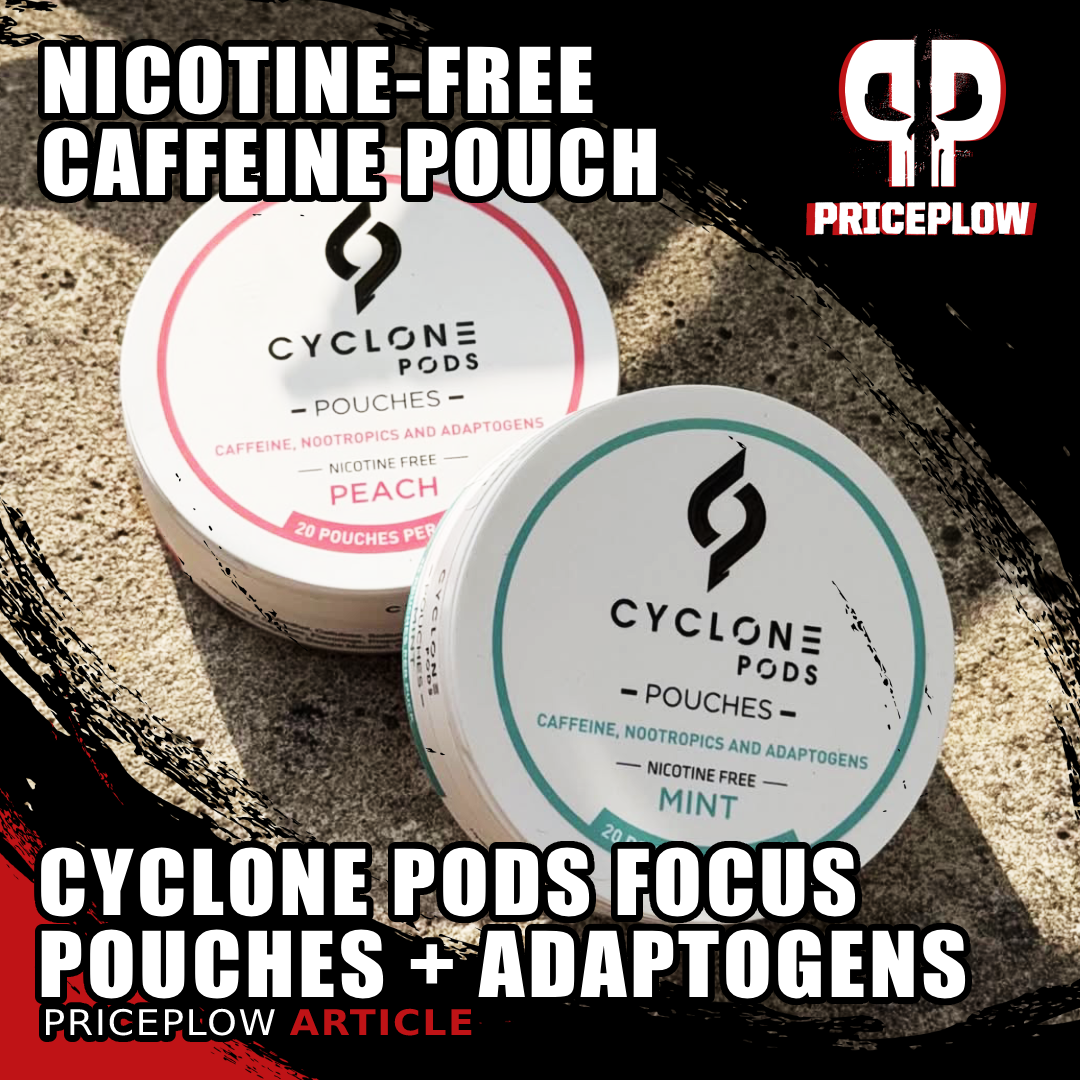
A nicotine pouch alternative that actually does the homework. Cyclone Pods Focus Pouches deliver 50mg caffeine from guarana plus a five-ingredient adaptogen and mushroom stack, with the full COA published before launch.
Alongside brands like Ultra Pouches that we've covered in this format, Cyclone Pods takes a more formula-forward approach, building around ashwagandha, lion's mane, reishi, cordyceps, and bacopa monnieri alongside guarana rather than stopping at caffeine alone.
The intended result is 3 to 4 hours of sustained focus with onset around 10 to 15 minutes as the caffeine and adaptogens absorb through the oral mucosa. The brand is positioned primarily at people reducing or stepping away from nicotine pouches, and anyone who wants caffeine without cracking a drink.
Lab-Verified Before Launch
Before the Focus Pouches reached market, Cyclone Pods commissioned Certified Laboratories (Burbank, CA), an ANAB-accredited ISO 17025 facility, to run a full analytical panel on the finished product. More than 100 pesticide compounds screened via GC-MS under USP <561> came back Not Detected. Residual solvents were tested via USP <467> and all measured within acceptable limits. Heavy metals (lead, mercury, cadmium, arsenic) tested by ICP-MS came in well below regulatory thresholds. Residual solvents came back as 50+ compounds all Not Detected (stronger than "within acceptable limits").
Additionally, Caffeine was verified by HPLC at or above the 50mg label claim. The complete Certificate of Analysis is available at Cyclone Pods Focus Pouch Lab Tests.
For a newer brand in a format category that hasn't always prioritized public testing documentation, publishing the full COA before launch is a credibility call we've got to note. Below we get into what's inside each pouch:
Cyclone Pods Pouches - Caffeine, Nootropics and Adaptogens – Deals and Price Drop Alerts
Get Price Alerts
No spam, no scams.
Disclosure: PricePlow relies on pricing from stores with which we have a business relationship. We work hard to keep pricing current, but you may find a better offer.
Posts are sponsored in part by the retailers and/or brands listed on this page.
This area is reserved for Team PricePlow's upcoming videos.
Subscribe to our channel and sign up for notifications so you catch it when it goes live!

Cyclone Pods Focus Pouches Ingredients
Each pouch provides the following active ingredients. Individual doses for the adaptogen and mushroom blend aren't disclosed on the label beyond the 50mg caffeine from guarana.
-
Guarana Extract (50mg Caffeine)

The 50mg of caffeine in each Focus Pouch comes from guarana (Paullinia cupana), a South American plant whose seeds rank among the most caffeine-dense sources found in nature. Guarana seeds also contain small amounts of theobromine and theophylline, two related methylxanthines. Pharmacologically, the caffeine is the same active compound regardless of botanical origin: a trimethylxanthine that competitively antagonizes adenosine A1 and A2A receptors in the central nervous system.[1] By blocking adenosine, caffeine releases inhibition on dopamine, norepinephrine, and acetylcholine signaling, producing improved alertness, reaction time, and mood.
Caffeine's cognitive effects begin at doses around 32mg (~0.5mg/kg), with reliable improvements in reaction time, vigilance, and sustained attention in healthy adults across both rested and fatigued states.[2] A separate review confirmed these extend to alerting and executive control networks, including complex attention tasks.[3]
At 50mg per pouch, this sits towards the low end of the effective cognitive dose range, which supports a stackable format where additional pouches stay comfortably within safe limits and will enhance the effects. The FDA considers up to 400mg/day safe for healthy adults.[4] Caffeine taken up to six hours before bedtime can still meaningfully disrupt sleep, so evening use warrants care.[5]
-
Ashwagandha Root Extract
Ashwagandha (Withania somnifera) has one of the deeper evidence bases among adaptogenic herbs. Its primary bioactive compounds, the withanolides, modulate the hypothalamic-pituitary-adrenal axis to help regulate cortisol during periods of stress. Sustained high cortisol impairs memory and attention, which makes ashwagandha's stress-buffering action relevant alongside the caffeine in this stack.
In a randomized, double-blind, placebo-controlled trial with 64 chronically stressed adults, 300mg of full-spectrum root extract taken twice daily for 60 days produced significant improvements across all stress assessment scales and a substantial drop in serum cortisol compared to placebo.[6] A 2022 meta-analysis of 12 randomized controlled trials (RCTs) (n=1,002) found significant reductions in anxiety and stress relative to placebo, with dose-response effects most evident in the 300-600mg/day range.[7]
Another 90-day RCT in 130 stressed adults (300mg daily) confirmed measurable gains on a validated cognitive battery (CANTAB) alongside Perceived Stress Scale reductions.[8] Published doses are typically 300-600mg/day, far above what an undisclosed blend pouch delivers, and cognitive effects accumulate over weeks rather than acutely.
Ultimately, Ashwagandha's role here is chronic stress modulation that supports the conditions for focus, not a direct stimulant.
-
Lion's Mane Mushroom Extract
Lion's Mane (Hericium erinaceus) is a functional mushroom whose cognitive interest comes from two families of neuroactive compounds: hericenones (from the fruiting body) and erinacines (from the mycelium). Both stimulate synthesis of nerve growth factor (NGF) and brain-derived neurotrophic factor (BDNF),[9] and both cross the blood-brain barrier, giving them direct CNS access. Downstream effects include support for hippocampal neuroplasticity and cholinergic neurotransmission.
Human data in healthy young adults is limited but exists. A randomized, double-blind, placebo-controlled pilot trial in 41 healthy adults aged 18-45 tested 1.8g of H. erinaceus fruiting body complex daily. After a single dose, participants performed significantly faster on the Stroop task at 60 minutes post-administration (mean 688ms vs. baseline 738ms). After 28 days, the Lion's Mane group reported significantly lower subjective stress scores than the placebo group (33.0 vs. 42.5).[10]
A separate single-dose crossover (n=40) confirmed improved reaction time and N-Back performance at two hours with 1g of Lion's Mane versus placebo.[11] Both trials enrolled healthy adults, which matches this product's user profile, though both used doses substantially above what a blend pouch likely delivers.
-
Reishi Mushroom Extract
Reishi (Ganoderma lucidum, also known as Lingzhi) contains two primary classes of bioactives: ganoderic acids (lanostane-type triterpenoids) and polysaccharides (primarily β-glucans). Isolated triterpenoids from reishi fruiting bodies have shown NGF- and BDNF-like neurotrophic activity in cell-based assays, supporting neuronal survival and neurite development.[12] Ganoderic acid A has been shown to attenuate neuroinflammation in cell models by activating the farnesoid X receptor, shifting microglia from a pro- to anti-inflammatory state and upregulating BDNF.[13]
The most directly relevant human evidence is a double-blind, placebo-controlled trial in 132 adults with neurasthenia (a condition of chronic fatigue and reduced well-being). Eight weeks of a high-dose reishi extract (1,800mg three times daily) produced a 28.3% reduction in fatigue scores and significant improvement in clinical global impression severity versus placebo.[14]
Human RCT evidence for direct cognitive enhancement in healthy adults remains limited, and the above trial dose substantially exceeds what a pouch can deliver. However, reishi's contribution here is neuroprotective support and anti-fatigue, complementing the other ingredients in the stack.
-
Cordyceps Mushroom Extract
Cordyceps (Cordyceps militaris in its cultivated supplement form) contributes primarily to the energy side of this stack. Its key bioactive, cordycepin, is a structural adenosine analog that activates AMP-activated protein kinase (AMPK), a cellular energy sensor linked to improved mitochondrial efficiency and ATP availability.[15] The mushroom also contains polysaccharides and ergothioneine, contributing antioxidant and immune-supportive effects.

Human evidence actually centers on aerobic performance. A randomized, double-blind, placebo-controlled trial with 28 healthy adults found that three weeks of supplementation with a C. militaris-containing mushroom blend significantly improved VO₂max and showed improvements in tolerance to high-intensity exercise as measured by time to exhaustion.[16] A 2025 review of human Cordyceps trials found dose-dependent improvements in aerobic time-to-exhaustion across studies spanning 2-16 weeks of supplementation, though effects on broader fitness measures were inconsistent.[17]
Cordyceps' role here is energy and endurance support working alongside the 50mg guarana-based caffeine.
-
Bacopa Monnieri Extract
Bacopa monnieri is the most clinically supported direct cognitive ingredient in this formula. Its primary actives, bacosides A and B, inhibit acetylcholinesterase (AChE) and activate choline acetyltransferase, increasing acetylcholine availability in the brain's memory and attention circuits. Additional mechanisms include cerebral blood flow enhancement and modulation of serotonin and dopamine signaling.[18]
The acute evidence is directly relevant to an oral pouch format. In a double-blind, placebo-controlled crossover study with 17 healthy adults, both 320mg and 640mg of a standardized bacopa extract improved Stroop task performance at one and two hours post-dose, with salivary cortisol reductions also observed during the cognitive stress protocol.[19] A meta-analysis of 9 RCTs (n=437) confirmed improvements in Trail B test time (-17.9ms) and choice reaction time (-10.6ms) with chronic bacopa use.[20] Most clinical trials use 300-450mg/day over 12+ weeks... the acute effects at lower doses are especially meaningful for a product designed to absorb through the oral mucosa.
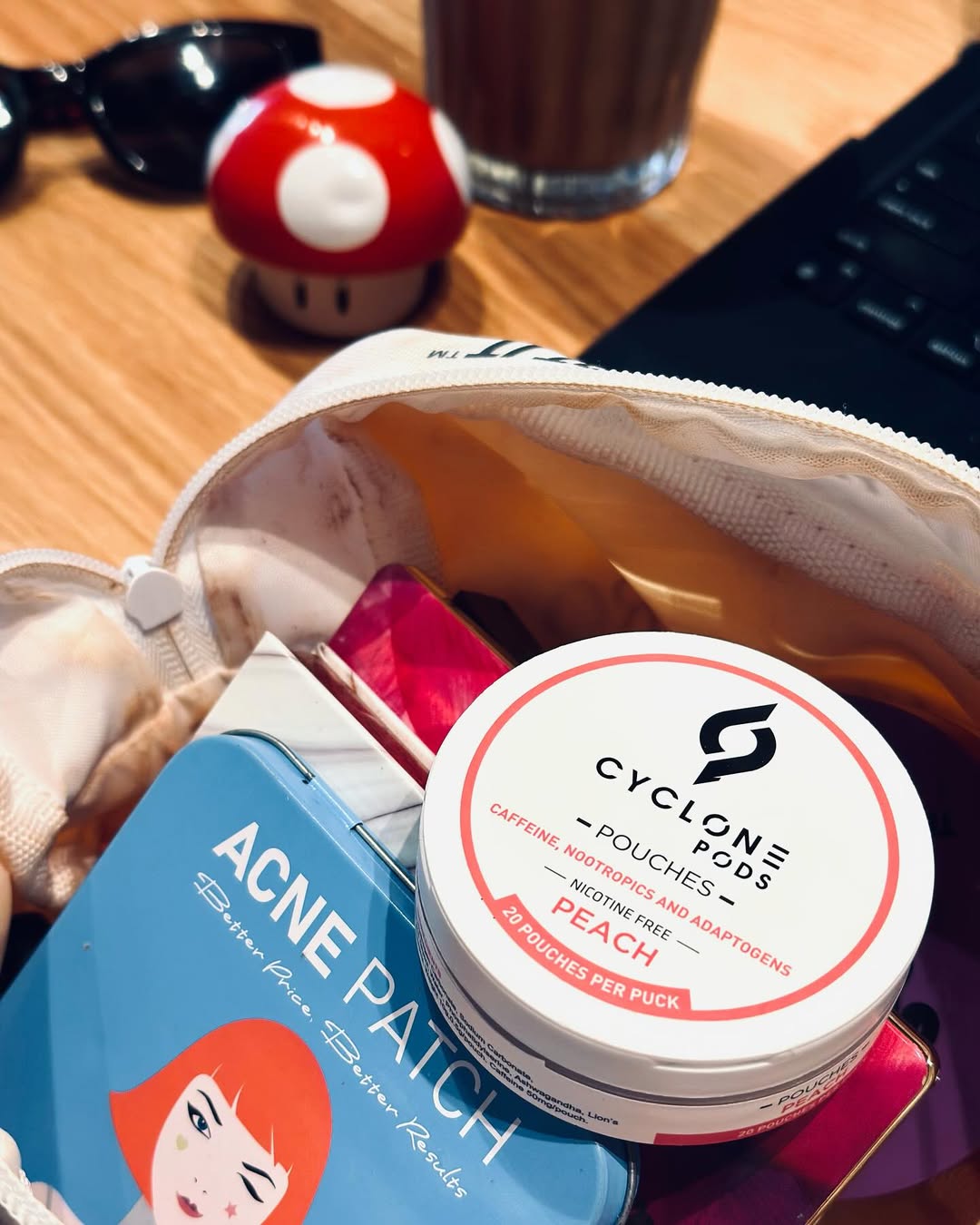
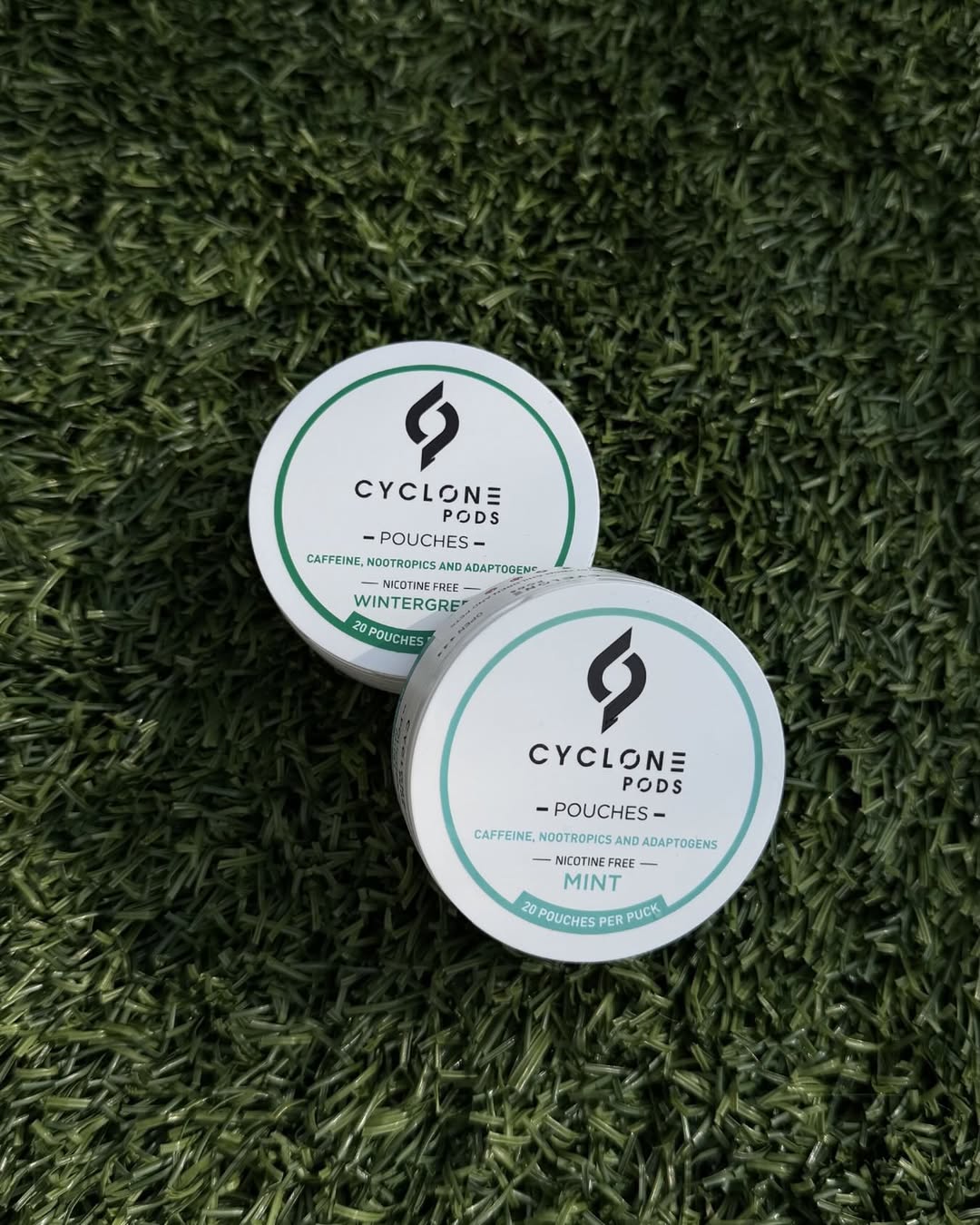
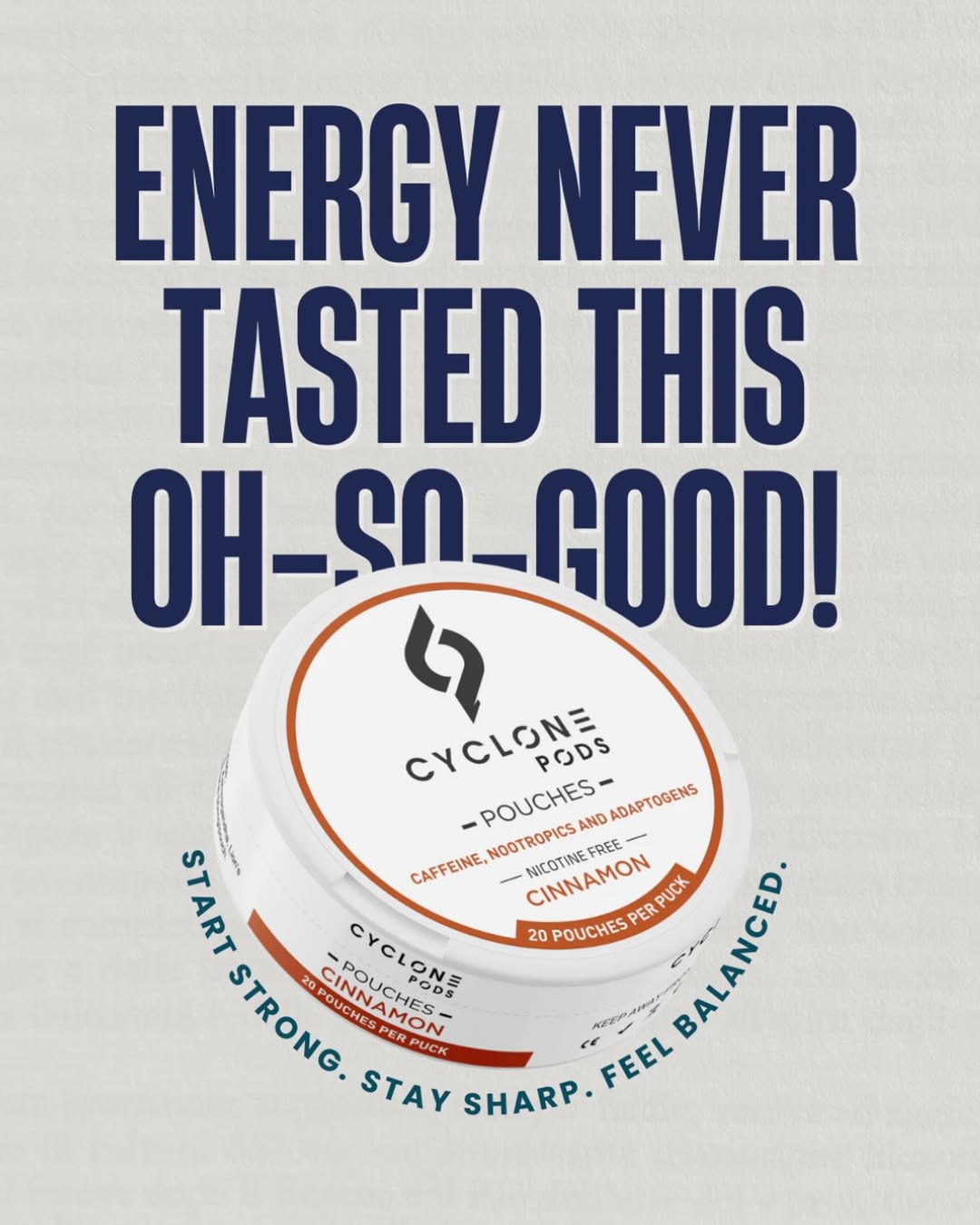
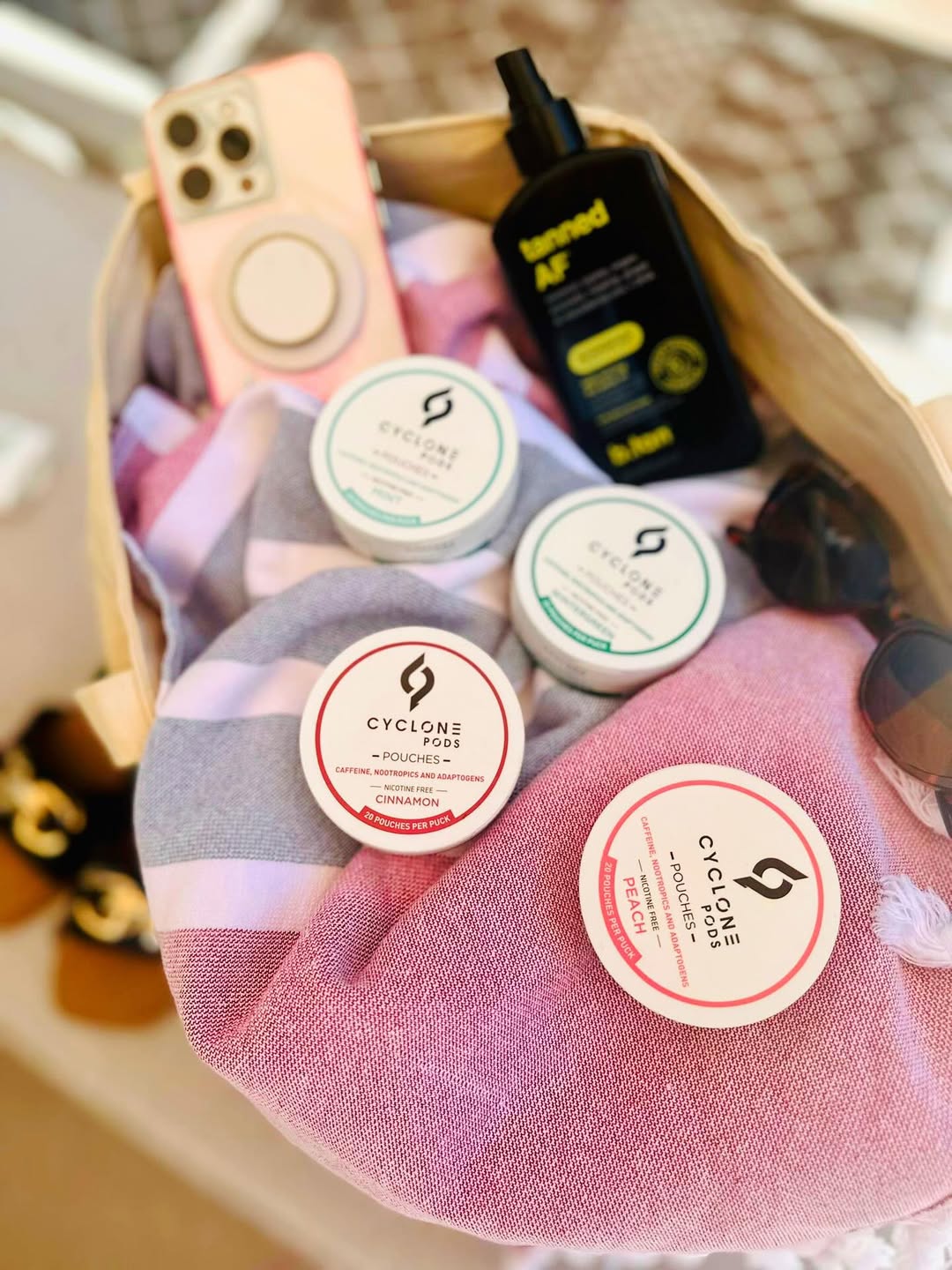
Flavors Available
Here's an up-to-date list of all flavors of Cyclone Pods Focus Pouches:
How to Use
- When to take it: Place one pouch between your upper lip and gum when you need clean energy or focus. Avoid using within 4 to 6 hours of bedtime given the 50mg caffeine per pouch.
- With or without food: No food or water needed. The formula absorbs through the oral mucosa without ingestion.
- Other notes: Keep the pouch in for 20 to 30 minutes, adjusting its position as tingling subsides; onset runs 10 to 15 minutes with effects lasting 3 to 4 hours. Factor in other daily caffeine sources to stay within the FDA's 400mg daily guideline.
Who It's For
- Nicotine pouch users looking to transition: The oral pouch format is functionally identical to products like ZYN, making Focus Pouches a drop-in replacement without nicotine or addiction risk.
- Focus workers, students, and commuters: The format is discreet and works at a desk, in a lecture hall, or on a commute. No can to open, no smell, no preparation required.
- Anyone reducing liquid caffeine intake: Zero sugar, zero calories, and no carbonation or crash cycle. At around $0.50 per pouch, the cost-per-use is favorable compared to a daily energy drink.
Conclusion: Cyclone Pods Brings Nootropic Depth to the Caffeine Pouch Format
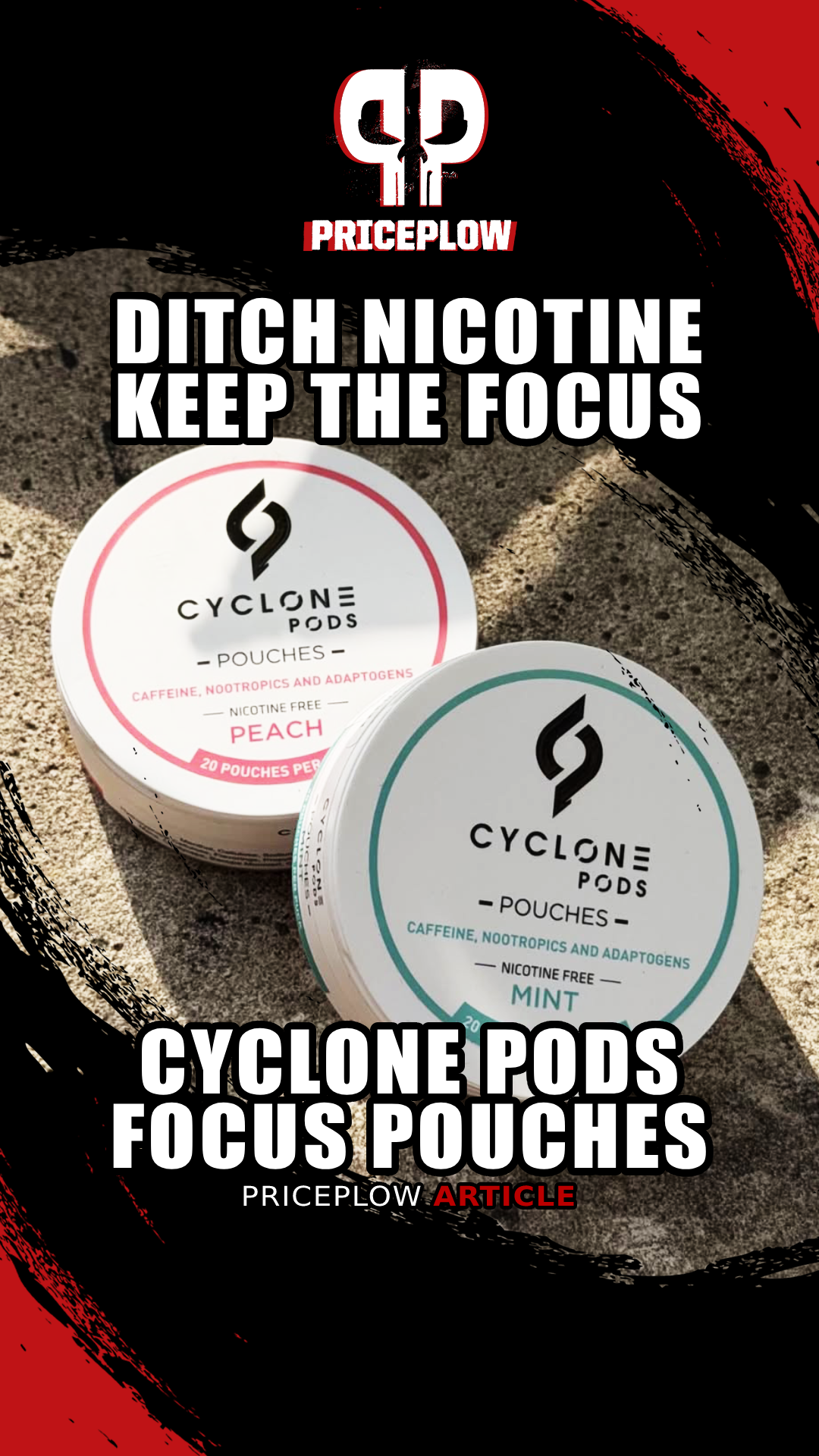
Cyclone Pods Focus Pouches bring a formula-forward perspective to a category that has often treated caffeine as the whole story. The adaptogen and functional mushroom stack addresses stress response, cognitive function, and sustained energy alongside the 50mg guarana caffeine.
We love how the third-party lab documentation backs up the clean-label positioning with third-party-verified results across pesticides, solvents, heavy metals, and caffeine content. Not mentioned in the intro, for heavy metals specifically, lead at 0.002, mercury at 0.004, cadmium at 0.004, and arsenic at 0.002 ppm, which are downright phenomenal numbers, indicating incredible ingredient sourcing.
Most importantly, the cost-per-use is very affordable, and you can take advantage of more than one per day.
For nicotine pouch users actively looking to step away, this is one of the more considered alternatives currently on the market. The format is identical, the habituation risk is gone (well, it's shifted towards caffeine, which most people are far more comfortable with), and the ingredient list gives you something beyond a simple caffeine hit. Four initial flavors span the range from cooling (Mint, Wintergreen) to warmer profiles (Cinnamon, Peach) without overcomplicating the lineup.
Cyclone Pods is a brand worth following as they build out their catalog. Check the Caffeine Pouches page directly for pricing and availability, and keep tabs on PricePlow for updates and Cyclone Pods brand alerts when they announce new products.
Cyclone Pods Pouches - Caffeine, Nootropics and Adaptogens – Deals and Price Drop Alerts
Get Price Alerts
No spam, no scams.
Disclosure: PricePlow relies on pricing from stores with which we have a business relationship. We work hard to keep pricing current, but you may find a better offer.
Posts are sponsored in part by the retailers and/or brands listed on this page.

Comments and Discussion (Powered by the PricePlow Forum)