People who never trained took creatine and gained more lean tissue than people who lifted.

A viral post claimed middle-aged adults who took 10g of creatine with zero exercise gained 2.43 lbs of lean tissue, while lifters on placebo gained 0.31. Then Stuart Phillips read all 33 pages and pushed back. We checked his work. Mostly, he's right.
That's roughly how a new creatine study from Texas A&M went viral in early October 2026. One widely shared post on Twitter called it "insane", pointing out that middle-aged adults who took 10g of creatine per day without exercising gained 2.43 pounds of lean tissue, while people who lifted three times per week on a placebo gained just 0.31 pounds.
The pushback came fast. Readers attached a Community Note explaining that the "lean tissue" was measured with DXA scans, which count water as lean mass, and that participants weren't randomly assigned to exercise. Some argued that the data don't support the paper's headline claims.
So who's right?
On the specific claims, mostly the critics. But that doesn't mean creatine "doesn't work", and it doesn't make the study worthless. It means this one paper can't carry the weight social media put on it, while the larger body of research still makes creatine one of the best-supported supplements you can take, as long as you give it something to work with.
We've covered creatine for Nutristat from plenty of angles, from what it costs your body to make its own to how one high dose may help a sleep-deprived brain. Nutristat uses Creapure® from AlzChem in every creatine product, as it's the trusted German form that's tested to be of higher-purity than generic creatine. And there's a twist this time: the creatine in this study came from AlzChem too! All the more reason to give it a thorough read.
Check current prices on Nutristat's Creapure-based creatine below, sign up for our Nutristat alerts if you like this kind of content, then let's walk through what the study actually found:
Nutristat Creatine – Deals and Price Drop Alerts
Get Price Alerts
No spam, no scams.
Disclosure: PricePlow relies on pricing from stores with which we have a business relationship. We work hard to keep pricing current, but you may find a better offer.
Posts are sponsored in part by the retailers and/or brands listed on this page.
The Study at a Glance
The trial, led by Jisun Chun with senior author Dr. Richard Kreider (who has studied creatine for more than three decades), was published in the Journal of the International Society of Sports Nutrition in September 2026. It asked a practical question: can creatine help middle-aged and older adults hold onto muscle, strength, and cognitive function, with or without an exercise and diet program?[1]
Here's how it was set up:
- Participants: 73 healthy but sedentary adults aged 45 to 65 enrolled, and 64 finished (average age 54.5, with 40 women and 24 men).
- Group assignment: Participants chose for themselves whether to join a supervised exercise and diet program or stay inactive. Within each of those two groups, they were then randomized, double-blind, to creatine or a maltodextrin placebo.
- Dose: 10g of creatine monohydrate per day (two 5g servings) for 12 weeks. The creatine was AlzChem's Creavitalis® Special Grade, a sister brand to Creapure® and effectively the same high-quality, high-purity creatine monohydrate.
- Program: Exercisers did supervised resistance training plus about 20 minutes of aerobic work three times per week, aimed for 10,000 steps on off days, and followed a diet designed to create a 300 to 500 calorie daily deficit.
- Measurements: DXA body composition, strength and endurance testing, a computerized cognitive battery, mood and quality-of-life questionnaires, and blood work at weeks 0, 6, and 12.
What the Researchers Reported
The headline numbers came from DXA lean mass:
| Group | Finished | Lean Mass Change, Week 6 | Lean Mass Change, Week 12 |
| No Exercise + Placebo | 13 | -0.09kg | -0.16kg |
| No Exercise + Creatine | 13 | +0.99kg | +1.10kg |
| Exercise + Placebo | 18 | -0.11kg | +0.14kg |
| Exercise + Creatine | 20 | +1.69kg | +1.27kg |
Both creatine groups gained DXA lean mass while both placebo groups stayed roughly flat. The authors also reported that the exercise + creatine group lost more body fat percentage than the exercise + placebo group (-3.24% vs. -1.87% body fat), that creatine boosted strength gains with training, and that the non-exercising creatine group improved its leg press and bench press. They described improvements in selected cognitive and memory measures, favorable shifts in some blood markers, and good tolerance overall.[1]
To their credit, the authors put an important line right in the abstract: "Individual cognitive and biomarker findings should be interpreted as exploratory." Most of the social media coverage, of course, skips that sentence.
Why Stuart Phillips Pushed Back
Stuart Phillips, a muscle researcher at McMaster University, posted a 15-part Twitter thread after reading all 33 pages, arguing that the data don't support the paper's headline claims.[2]

Quality matters in creatine. Nutristat uses premium Creapure® in all their products, ensuring 99.9% purity without harmful impurities.
Phillips knows this space well. He co-authored a 2014 meta-analysis on creatine and resistance training in older adults (more on that below), so his critique comes from someone who already knows creatine works with training. We went through the paper and its 30 supplementary tables ourselves, and most of his points seem to check out. Here are the ones that matter most.
-
Nobody Was Randomized to Exercise
The study randomized creatine versus placebo, but not exercise versus no exercise. Participants picked their own group, so the fair comparisons are creatine versus placebo within the same group: non-exercisers against non-exercisers, and exercisers against exercisers.
For anyone reading this article who loves to "live the life" -- would you ever have chosen the non-exercising group?
After all, people who volunteer for a supervised training and diet program can (and will) differ from people who don't in plenty of ways. Comparisons across that line, like the viral 2.43 versus 0.31 pounds, are observational.
There's another catch with that comparison: the placebo exercisers were also dieting. They lost about 2.5kg (5.5 pounds) of fat over 12 weeks while holding their lean mass steady, which is a perfectly respectable result during a calorie deficit.[1] Stacking them up against non-dieters isn't apples to apples.
-
Lots of Outcomes, Few Guardrails
The study measured dozens of variables across four groups and three time points, then compared them using Fisher's least significant difference test with no correction for multiple comparisons. Results between p = 0.05 and 0.10 were also flagged as "trends". With that many tests, some significant results are expected by chance alone.[1]

The authors' explanation, however, seems fair: no multiplicity adjustment was planned because the individual cognitive and biomarker outcomes were exploratory. The problem is when exploratory findings get shared like confirmed ones... which is pretty easy to happen in the era of viral short-form social media.
-
The Diet Logs Look Under-Reported
Participants reported eating an average of about 1,527 calories per day, with protein around 0.94g per kilogram of bodyweight, despite averaging 84.5kg (186 pounds). The supplementary tables show the non-exercising placebo group reporting 1,379 calories per day at baseline, while their measured resting energy expenditure was 1,422 calories, and they didn't lose weight over 12 weeks.[1] That's a sign of under-reported food logs.
The non-exercising creatine group also reported eating roughly 350 more calories per day than its placebo comparison group from baseline onward, which complicates body composition comparisons between those two groups.
Food logs are unreliable in nearly every nutrition study, so this problem isn't unique to this team/study. What it means, though, is that the paper can't tell us much about the "diet" part of the study.
-
Strength Without Training?

Your body can make its own creatine. It just isn't free. Every molecule costs a whole glycine, part of an arginine, and a methyl group from SAM. Supply creatine externally and the body makes less of its own. Nutristat uses Creapure in every creatine product.
In the non-exercising creatine group, bench press rose from 50.1kg to 54.1kg over 12 weeks (about 8%), but the paper's own table marks that change as only a trend versus baseline. The non-exercising placebo group's bench press drifted down at the same time (52.4kg to 49.4kg), which helps create the between-group difference. This may legitimately happen with an aging audience, though.
Leg press in the creatine non-exercisers did rise significantly versus baseline (189kg to 210kg), but with 13 people and a single familiarization session, learning effects can inflate strength tests.[1]
Among exercisers, the creatine group started much weaker on leg press than the placebo group (177kg versus 219kg), which dramatically supports a greater percentage gain. The placebo group actually moved more total lower-body training volume (about 250,000kg versus 177,000kg by week 12).
-
“Older Adults” Were Mostly Middle-Aged
Participants averaged 54.5 years old, and nobody was recruited for low muscle mass. They were also cognitively sharp, averaging 28.4 out of 30 on the Mini-Mental State Exam, which leaves little room to improve.[1]
-
Errors a Correction Should Fix
Phillips also flagged several reporting errors, and we confirmed the ones we could check. The text reports a VO2peak figure that's actually the body fat value, a supplementary table footnote describes guanidinoacetic acid (GAA) groups that weren't part of this trial, one figure seems to duplicate another, and a reference cited as a null cognition trial is a rat lung transplant study. These are the kinds of mistakes a correction can clean up, and they don't mean the underlying data are wrong. They're just a reason to slow down and wait a bit before calling this paper "settled science".

What the Study Still Gets Right
It's easy to pile on from the peanut gallery, so let's be fair about what this trial adds.
Everyone knows the fog after a lost night of sleep. A 2024 study found a single high dose of creatine partly offset it, with brain imaging to show why. The catch? At that dose, purity matters. Nutristat Creatine uses Creapure® from the same maker in the study.
- The supplement comparison was randomized and double-blind, the outcome battery was unusually broad, and letting people choose whether to exercise mirrors how people actually use supplements.
- 10g per day for 12 weeks was well tolerated in middle-aged adults. Blood markers stayed within normal clinical ranges. Serum creatinine rose (expected, since creatinine is creatine's breakdown product) but stayed below 1.0mg/dL, and estimated kidney filtration (eGFR) dipped but remained above 60.
The authors explicitly cautioned that because eGFR is calculated from creatinine, and cystatin C wasn't measured, the dip shouldn't be read as reduced kidney function.[1] That fits the ISSN's position that creatine is safe and well tolerated in healthy people, with studies running as high as 30g per day for five years.[3]
- One side effect table deserves a note. It shows a statistically significant difference in headache frequency at week 6 that had disappeared by week 12, even though the text reports no group differences in side effects.[1] In a study this size, it could easily be noise. Quickly searching, headaches actually appear less frequently than placebo in creatine research,[4] so this isn't a concern.
- Creatine plus training improved strength more than training alone, which is exactly what decades of prior research would predict.
As for funding, the study was supported by an unrestricted gift from the WoodNext Foundation. AlzChem supplied the creatine and funded the homocysteine assays, and Kreider chairs AlzChem's Scientific Advisory Board, all of which the authors disclosed.
Industry-supplied study material is standard in supplement research. AlzChem's Stefan Schweyer told us on Episode #173 of the PricePlow Podcast that the company provides product and funding without trying to steer outcomes, and two other AlzChem-supplied trials discussed below published modest or null findings. That's how it should work.
Nutristat Crea Script builds carb-assisted creatine loading around hydrolyzed rice oligodextrin, a novel allergen-free carb that empties from the stomach faster than simple sugars and may help drive greater creatine uptake into muscle.
DXA, Water, and “Lean Mass”
DXA splits your body into three compartments: fat, bone, and everything else. That "everything else" (lean soft tissue) includes muscle protein, organs, glycogen, and a lot of water. Creatine is osmotically active, so as muscle cells take it up, they pull water in with it.
How Much is Water?
But how much water? In young soccer players, one week of creatine loading (0.3g/kg per day) raised total body water by 2.3 liters as measured by deuterium dilution, the gold standard method, along with about 1kg of body weight. Most of the extra fluid ended up inside cells.[5]
A 2023 trial in female collegiate dancers is an even closer parallel to the viral result. Without any resistance training, six weeks of Creapure® (0.1g/kg per day) increased DXA lean mass from 39.8kg to 41.5kg along with total body water, while the placebo group didn't change. The researchers concluded that the DXA lean mass change was likely driven by body water and, without muscle imaging, couldn't be attributed to muscle. Strength, power, and cognitive scores didn't improve either.[6] Creatine researchers themselves openly acknowledge this DXA limitation.
The time course in the Chun study fits the same pattern. Lean mass in the exercise + creatine group peaked at +1.69kg at week 6, then settled to +1.27kg at week 12.[1] A creatine-driven water shift tends to show up early, then level off once muscle stores are full. Phillips' bottom line was similar: 10g per day added roughly 1kg of DXA lean mass within six weeks, and much of it was plausibly water.
But Water Isn’t Nothing
That doesn't make creatine's effect fake. Water drawn into muscle cells is part of how creatine works, and researchers have long proposed that cell swelling itself acts as an anabolic signal.[7]
The real difference shows up when training enters the picture. In resistance-trained men on an 8-week program, creatine increased estimated skeletal muscle mass (+7.1% vs. +2.8% on placebo) and intracellular water (+9.2% vs. +1.6%), yet the ratio of intracellular water to muscle mass didn't change![7] In other words, the added lean mass looked like normally hydrated muscle rather than muscle that was simply waterlogged.
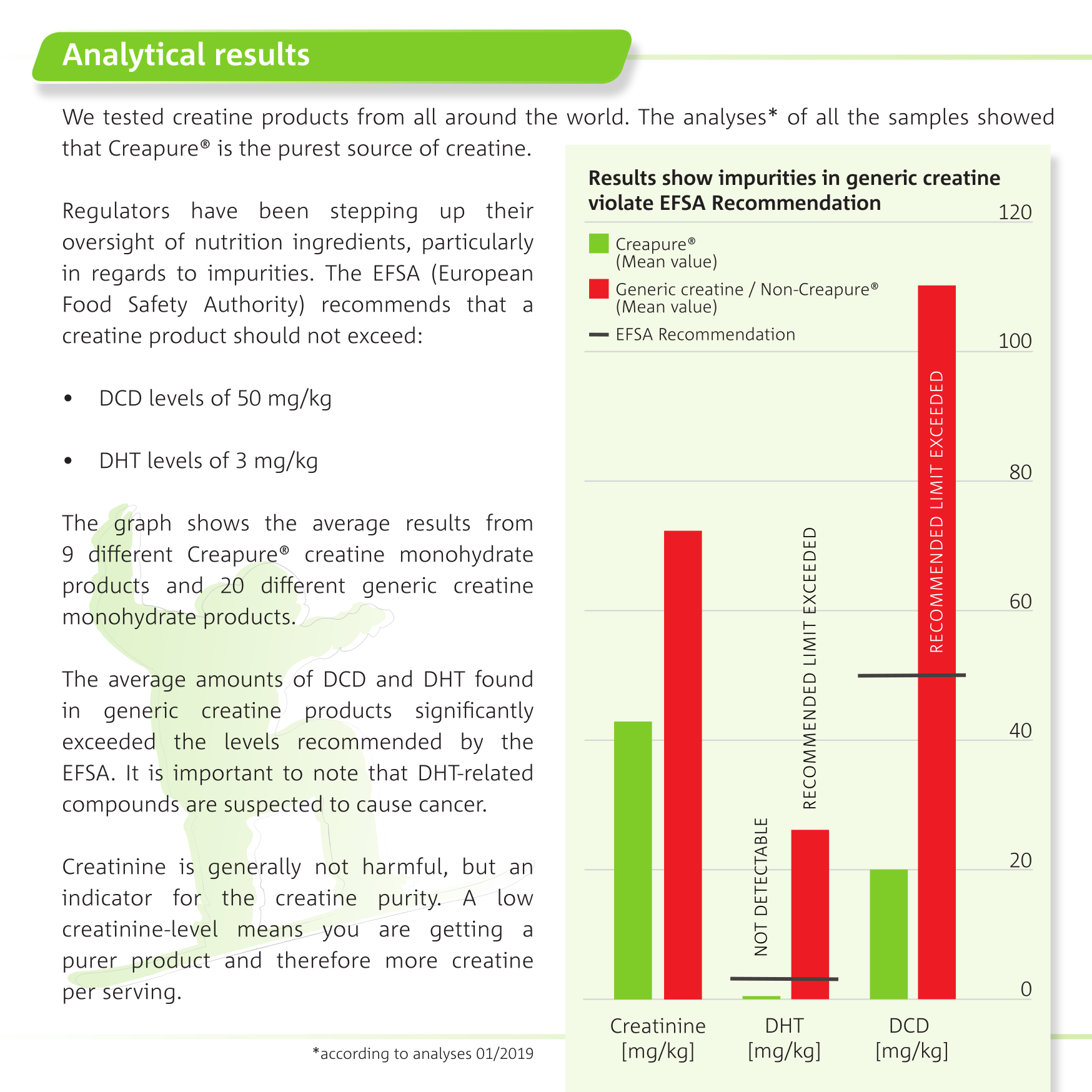
Scientific analysis confirms Creapure® contains significantly lower levels of creatinine, DCD, and DHT compared to generic creatine products--many of which exceed European safety recommendations by alarming margins.
When researchers skip DXA entirely and measure muscle directly with MRI, CT, or ultrasound, creatine plus resistance training still produces a small increase in muscle thickness in both the upper and lower body (about 0.10cm to 0.16cm).[8]
So the honest summary is this: creatine alone mostly fills your muscles with water and stored energy, while creatine plus training builds more muscle than training alone.
With Training, the Evidence Is Insanely Strong
This is where creatine's critics and its fans agree. Phillips put it plainly in his thread: "Creatine has real evidence behind it with resistance training."
The meta-analyses back him up:
- A 2017 meta-analysis of 22 randomized trials (721 adults with average ages of 57 to 70) found that creatine during resistance training produced 1.37kg more lean tissue mass than training with placebo, along with greater chest press and leg press strength.[9]
- A 2014 meta-analysis co-authored by Phillips himself found that creatine plus resistance training increased fat-free mass, chest press, leg press, and chair stand performance in older adults more than training alone.[10]
- A 2021 update found that creatine augments lean mass and strength gains regardless of dosing strategy, and that taking it only on training days still beat placebo.[11]
- In women averaging 65 years old, 12 weeks of 5g per day during resistance training improved maximal strength, muscle mass, and performance on everyday functional tasks such as chair stands.[12]
The benefits may reach beyond muscle when training is part of the plan. In a 12-month trial of postmenopausal women doing resistance training, creatine slowed the loss of femoral neck bone mineral density compared with placebo (-1.2% vs. -3.9%).[13]
Body Fat: Same Direction, Smaller Effect
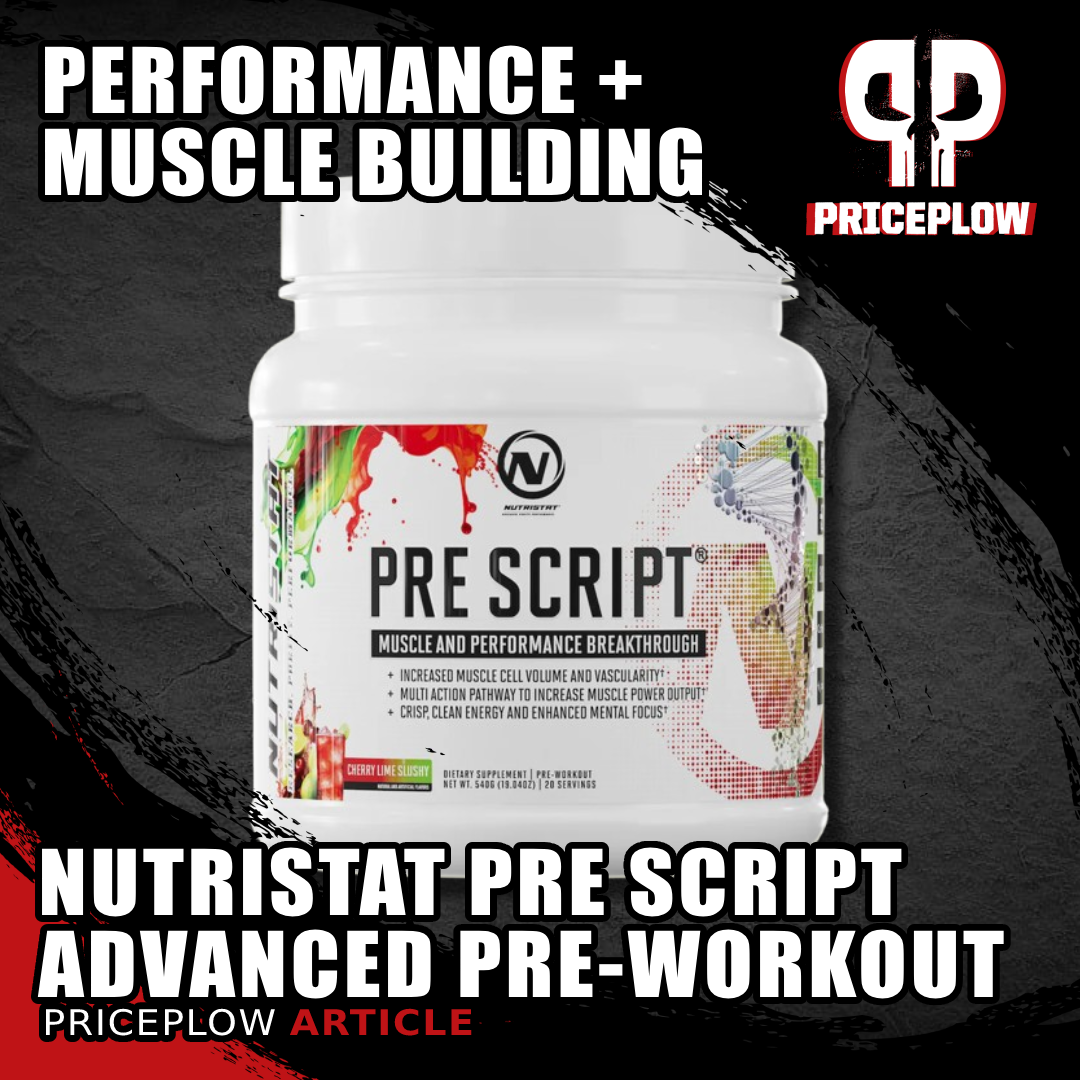
Nutristat Pre Script isn't your typical pre-workout. With 6g pure L-citrulline, 5g Creapure® creatine, and the first-ever inclusion of BioATP® (triacetyl adenosine), it's a complete performance enhancement system that builds muscle while boosting training intensity.
Body fat results follow the same direction as the Chun study's exercise arm, only smaller. In adults 50 and older, creatine during resistance training lowered body fat percentage by an extra 0.55 percentage points versus placebo, though the difference in actual fat mass (about 0.5kg) wasn't statistically significant.[14] Adults under 50 showed the same pattern: a small extra drop in body fat percentage (1.19 points) without a significant difference in fat mass.[15]
Some of that drop is from simple math. Add lean mass (including water) to the scale, and body fat percentage falls even if fat mass doesn't budge!
European regulators landed in the same place. As AlzChem's team explained on Episode #173, Europe permits a creatine health claim for adults over 55, but it's specifically about enhancing the effect of resistance training on muscle strength.
Point being? The training is the whole point! Creatine is great, but for its best effects, it's still an exerciser's supplement first and foremost.
This doesn't mean it shouldn't be used by non-exercisers. It just means we need to be cautious of what we're calling "muscle" and "lean mass". The brain story is where this heads next:
What About the Brain?
Cognition is creatine's next (and most exciting) frontier, but also its least settled one, at least for now:
- A meta-analysis of randomized trials found that creatine improved memory overall, with the clearest effect in adults aged 66 to 76 and no detectable effect in younger people.[16]
- An earlier systematic review found that short-term memory and reasoning may improve, while results for attention, reaction time, executive function, and other domains conflicted. The authors suggested aging and stressed individuals may benefit most.[17]
- The largest creatine cognition trial to date, a preregistered crossover study of 123 adults taking 5g per day of AlzChem's pharma-grade Creapure® for six weeks, found only moderate evidence for a small benefit on a working memory task (backward digit span, p = 0.064), no clear effect on a reasoning test, and nothing on eight exploratory tasks. Side effects (most commonly digestive complaints) were reported more often on creatine (17%) than placebo (4%).[18]
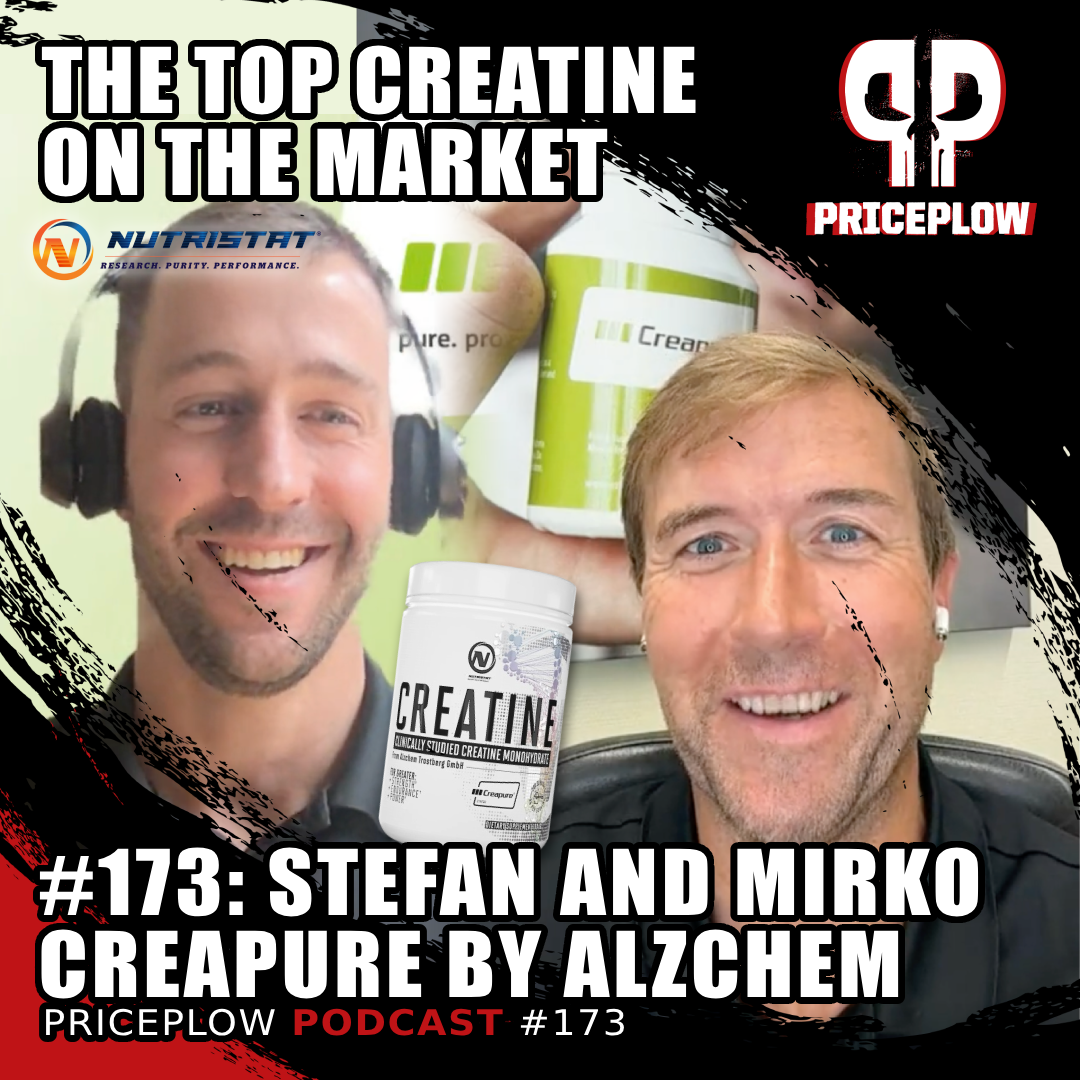
Mirko Holzmüller and Stefan Schweyer from Creapure reveal the manufacturing secrets behind Germany's 99.99% pure creatine monohydrate and explore creatine's expanding applications beyond sports performance on Episode #173 of the PricePlow Podcast.
Dose may matter more for the brain than for muscle. In a dose-ranging brain imaging trial of adolescent girls with treatment-resistant depression, frontal lobe phosphocreatine rose 4.6%, 4.1%, and 9.1% at 2g, 4g, and 10g per day, respectively.[19] That's the logic behind the Chun study's 10g dose. But because the trial didn't measure brain creatine, and it tested cognitively healthy middle-aged adults, its cognitive results can't settle the question.
The strongest brain signals so far show up when the brain is under stress, which is why we were so interested in the sleep deprivation research we covered earlier. Europe's regulators haven't accepted a cognition claim yet -= AlzChem's team told us its application was declined because the existing studies were too varied in design, which is exactly why larger, cleaner trials matter.
What This Means for You
- Pair it with training. Creatine's best-supported benefits for muscle and strength come from combining it with resistance training, at any age. If you're reading on this site, chances are, you're training. It's awesome, it feels good, it's healthy. Even if you're older, go get yourself a little pump.
- Expect the scale to move. Gaining roughly 1kg (2 pounds) during a one-week loading phase is mostly water drawn into muscle, not fat.[5]
- 3g to 5g per day covers muscle. That range (or about 0.1g per kilogram of bodyweight) is well studied and well tolerated.[20] Higher intakes like 10g per day are mostly being explored for the brain.
- Tell your doctor you take creatine. It raises serum creatinine, which can make standard kidney function estimates look lower than they are.[1] At this point, they should know this and understand it's safe (if they don't, then fire your doctor). But they should know why your creatinine bumped up a bit.
Nutristat CREATINE: Simple, Pure, Daily
If creatine works best as a long-term habit paired with training, your creatine should be boring in the best possible way: one ingredient, consistent quality, nothing to second-guess.
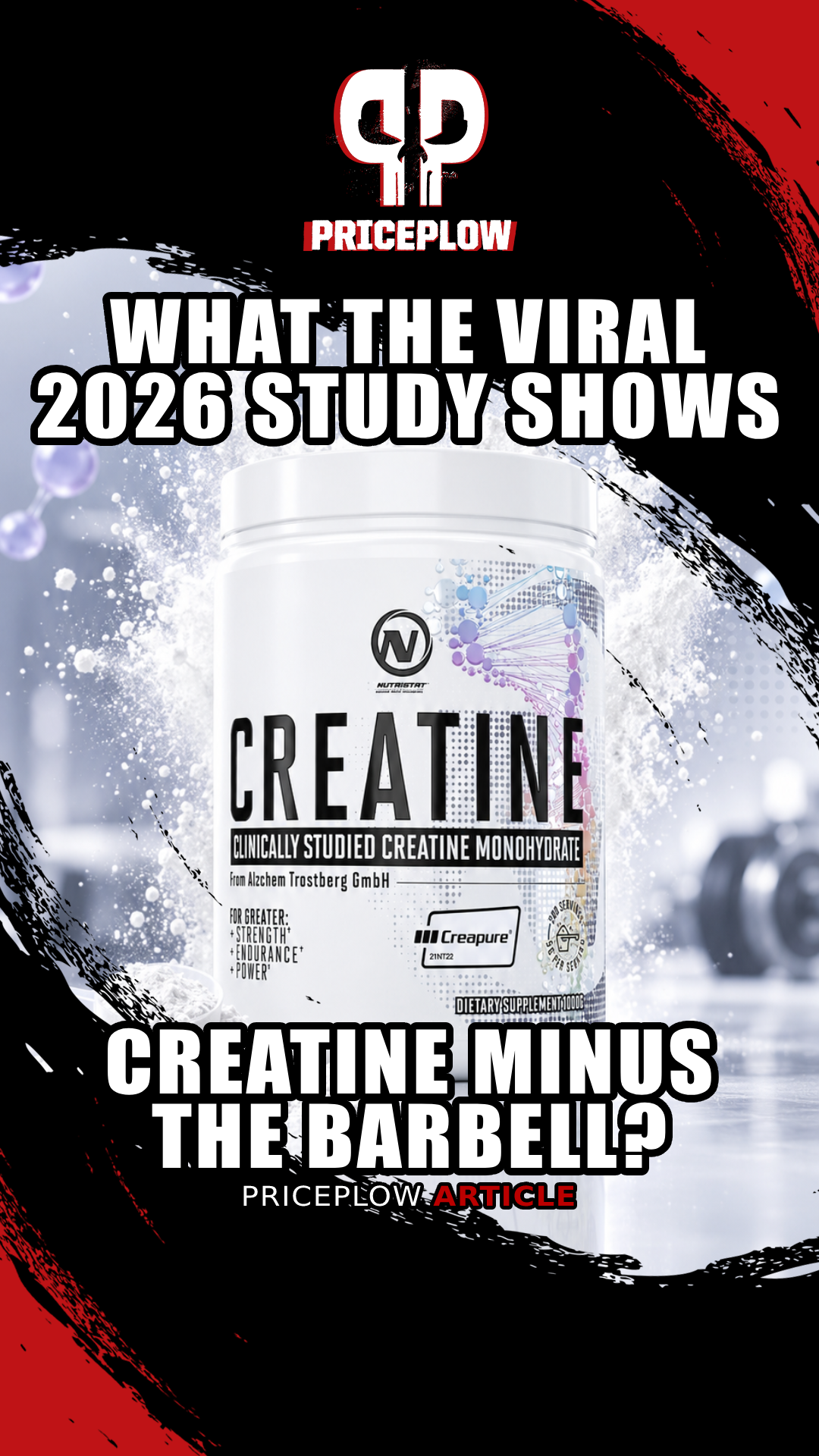
That's Nutristat CREATINE, an unflavored creatine monohydrate made with Creapure®. It comes from the same German manufacturer that supplied the creatine in the Chun study, the dancer study, and the large cognition trial above. Purity matters more when you take something every day for years, and Creapure's batch testing and tight impurity limits are why Nutristat uses it across its entire lineup. We covered that sourcing story in The Creapure Connection.
Mix it into water or a protein shake, take it every day (training days and rest days alike), and let the barbell do the rest.
Conclusion: Keep the Creatine, Keep the Barbell
The viral version of this study, that creatine builds muscle without exercise, really doesn't fully hold up. The lean mass gains in non-exercisers were measured by DXA, showed up within weeks, and look mostly like water. Exercise wasn't randomized, strength gains without training were small and uncertain, and the cognitive findings were exploratory, as the authors themselves said.
But creatine's core story comes through intact. Combined with resistance training, creatine helps adults of all ages build more lean mass and strength than training alone, the brain research is promising, and 12 weeks at 10g per day raised no safety red flags in middle-aged adults.
So keep taking your creatine, just don't expect it to replace the barbell. If you'd like carbohydrates alongside your creatine on training days, Nutristat Crea Script pairs 5g of Creapure® with a 30g rice-based carbohydrate system. For everything else, Nutristat CREATINE keeps it simple.
Compare current prices on Nutristat Creatine below, and sign up for Nutristat news alerts so you don't miss our next deep dive into the creatine research:
Nutristat Creatine – Deals and Price Drop Alerts
Get Price Alerts
No spam, no scams.
Disclosure: PricePlow relies on pricing from stores with which we have a business relationship. We work hard to keep pricing current, but you may find a better offer.
Posts are sponsored in part by the retailers and/or brands listed on this page.


Comments and Discussion (Powered by the PricePlow Forum)