January remains the month when good intentions collide with stubborn habits. The fitness industry sees gym memberships spike, meal prep companies run their biggest promotions, and millions of people vow that this year will be different. Among the most common resolutions: breaking free from stimulant dependencies that have quietly taken over daily life.
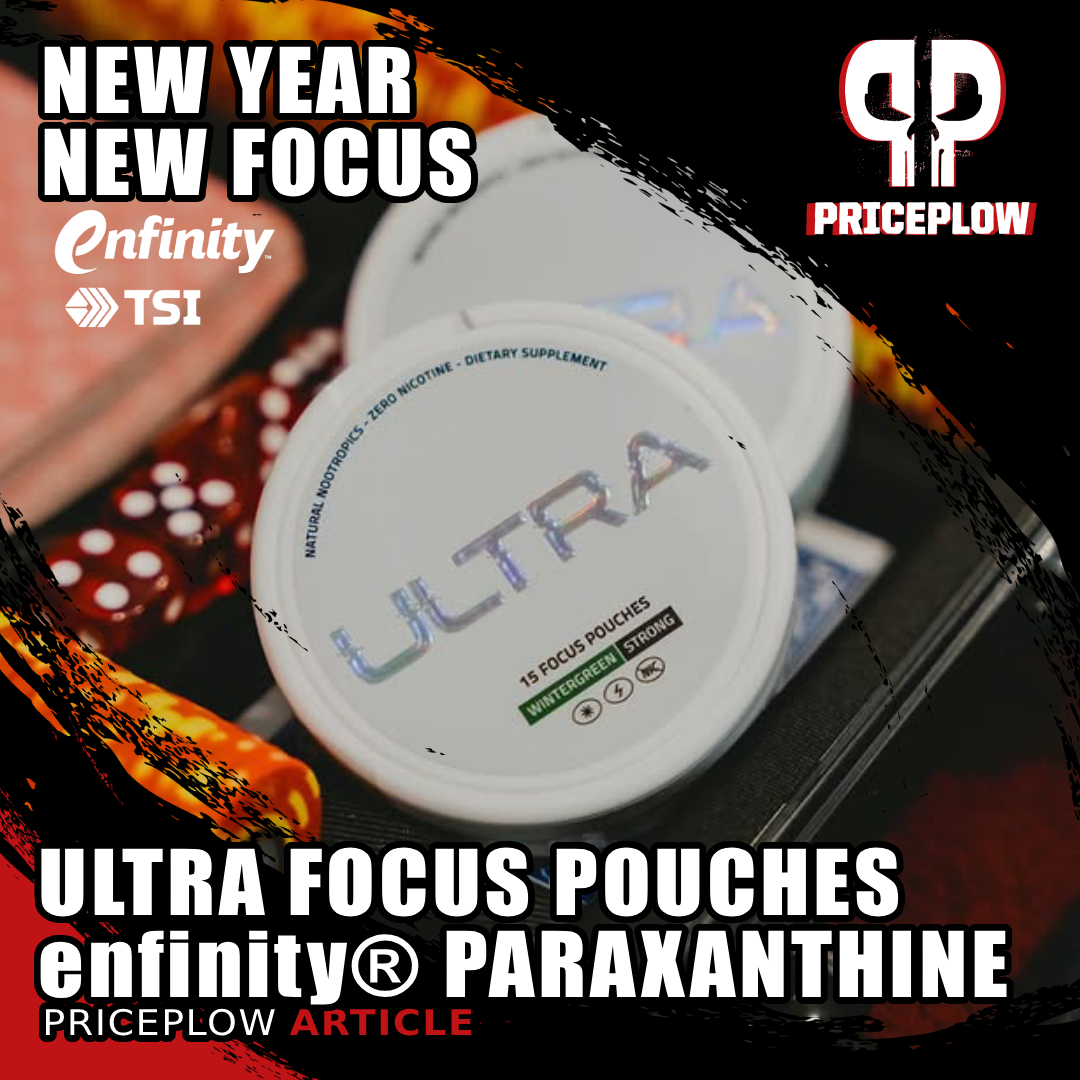
Ready to ditch nicotine pouches and reduce caffeine in 2026? Ultra Focus Pouches use enfinity® paraxanthine for clean cognitive enhancement without addiction or jitters. Same ritual, better results.
For many, that dependency wears a familiar face. Maybe it's the can of Zyns tucked into your desk drawer, the ritual that started as an occasional pick-me-up and evolved into an all-day companion. Or perhaps it's the third cup of coffee, chased by an energy drink that still leaves you jittery yet somehow exhausted. "Tired but wired", as we call it. These habits sneak up on you, and by the time you notice, you're not sure how to function without them.
Ultra Focus Pouches: How You Can Kick Nicotine and Drop Caffeine in 2026
Ultra Focus Pouches offer an alternative path forward. Powered by TSI Group's enfinity® paraxanthine and a supporting cast of clinically-backed nootropics, these pouches deliver cognitive enhancement without nicotine's addiction potential or caffeine's notorious side effects. For anyone looking to reclaim their focus without the baggage, 2026 might be the year to make the switch.
Before diving in to what we're thinking, sign up for PricePlow's TSI Group news alerts and check current pricing below:
See Ultra Focus Pouches at TakeUltra.com and use Coupon Code PRICEPLOW
This area is reserved for Team PricePlow's upcoming Industry News video.
Subscribe to our channel and sign up for notifications so you catch it when it goes live!

The Nicotine Pouch Problem
Nicotine pouches have exploded in popularity over the past several years. Products like Zyn, On!, and Velo have become fixtures in offices, gyms, and college campuses alike. The appeal is obvious: discrete usage, no smoke, no vapor, and a rapid hit of alertness that cuts through afternoon fog. Sales figures tell the story, with the nicotine pouch market growing at double-digit rates annually.
Yet the very features that make nicotine pouches appealing also make them problematic. Nicotine is one of the most addictive substances known, rewiring the brain's reward pathways with remarkable efficiency. What starts as occasional use during stressful moments often escalates to constant consumption. Users find themselves reaching for a pouch before meetings, during commutes, while watching TV, and first thing in the morning.
The health concerns extend beyond addiction. Nicotine elevates heart rate and blood pressure, constricts blood vessels, and places ongoing stress on the cardiovascular system. Long-term gum health becomes a concern for regular pouch users. And while nicotine pouches avoid the carcinogens found in combusted tobacco, they're far from risk-free.
Perhaps most frustrating for users who want to quit: nicotine withdrawal is genuinely difficult. The headaches, irritability, difficulty concentrating, and persistent cravings can derail even determined attempts. Many people don't actually want the nicotine itself... they want the ritual, the focus enhancement, and the reliable energy boost. They just don't know where else to best get it. Caffeine's one way, but that's not without its own problems:
The Caffeine Conundrum
Caffeine users face a different but related challenge. As the world's most widely-consumed psychoactive substance, it provides undeniable benefits: enhanced alertness, improved reaction time, and the mental energy to power through demanding tasks.[1] Nobody argues this, but the problem isn't caffeine itself. The problem is that caffeine doesn't work equally well for everyone.
The genetic lottery you didn’t know you entered
Recently covered in our article on Slow vs. Fast Caffeine Metabolizers, when you consume caffeine, your liver uses an enzyme called CYP1A2 to break it down into three metabolites: paraxanthine (approximately 78%), theobromine (about 14%), and theophylline (about 8%).[2] The rate at which this conversion happens varies dramatically based on your genetics.
Planning to quit caffeine? Wait. ~50% of people are slow caffeine metabolizers who get jitters, insomnia, and anxiety. The fix isn't quitting stimulants--it's switching to paraxanthine (enfinity), caffeine's primary metabolite without the genetic lottery.
The CYP1A2 gene has a polymorphism that creates distinct metabolizer categories:[3]
- AA genotype (fast metabolizers): These individuals process caffeine quickly and typically experience benefits without pronounced side effects
- AC genotype (intermediate metabolizers): Moderate caffeine sensitivity with variable responses
- CC genotype (slow metabolizers): Caffeine lingers in the system, amplifying jitters, anxiety, and sleep disruption
Research suggests that approximately half the population carries at least one "slow" allele.[2] For these individuals, a cup of coffee in the early afternoon can disrupt sleep that night. High caffeine intake doesn't enhance performance; it impairs it, with one study showing slow metabolizers performing 13.7% worse after caffeine compared to placebo.[3]
The metabolite problem
Beyond genetic variability, caffeine's breakdown products create their own issues. Theobromine has a half-life of approximately 6.2 hours, while theophylline's half-life stretches to 7.2 hours, compared to paraxanthine's much shorter 3.1 hours.[4]
Theophylline is a prescription bronchodilator that can cause nausea, gastrointestinal distress, tremors, and heart rhythm disturbances at elevated concentrations.[5] When you drink coffee, you're not just getting caffeine. You're getting a cocktail of compounds, some of which stick around longer and cause more problems than the benefits justify.
Ultimately, a caffeine-based drink or pouch too late in the day means a bad night's sleep, especially for the majority of people.
Why Paraxanthine Changes the Equation
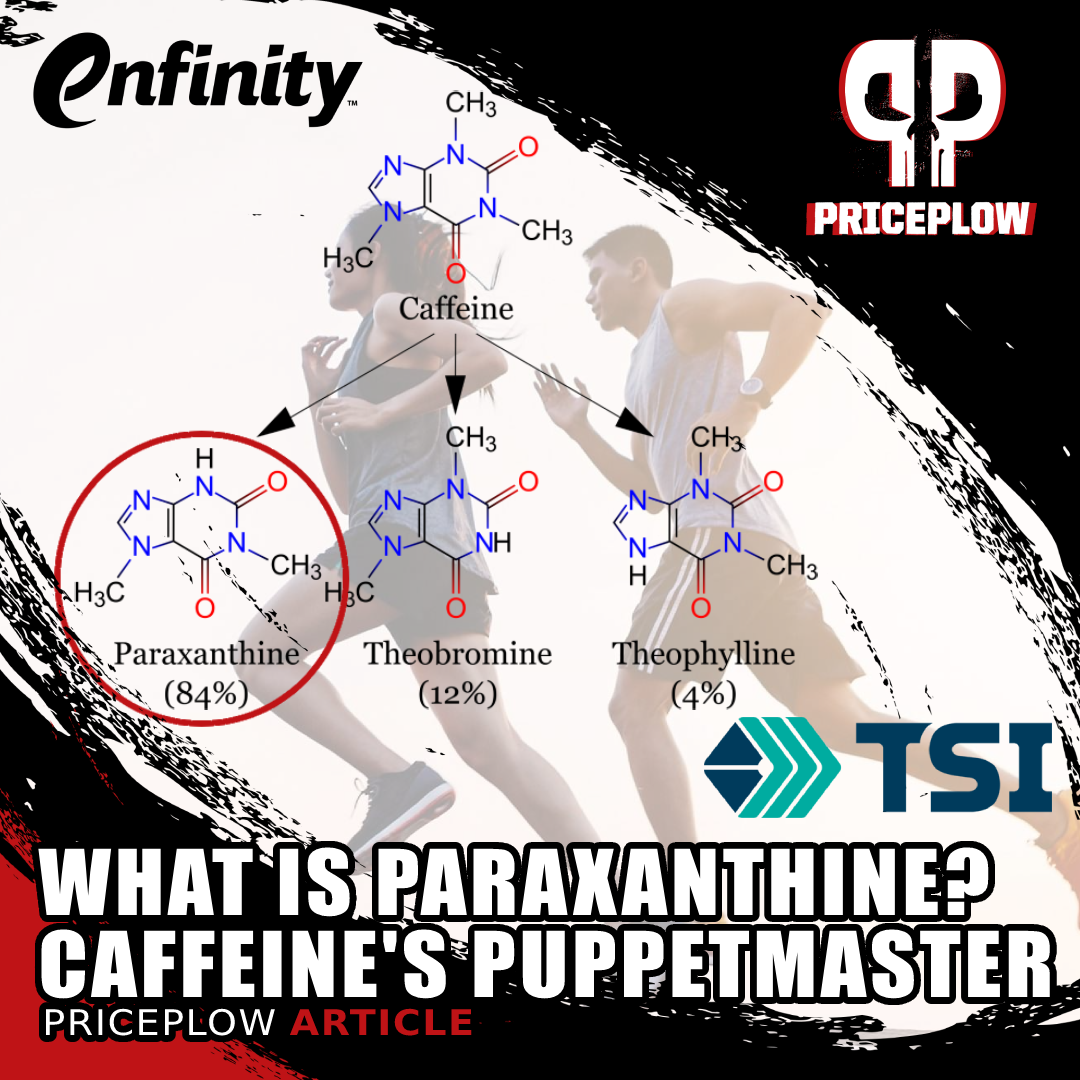
Paraxanthine is the primary metabolite of caffeine, providing most of caffeine's beneficial effects. Now you can take it directly with enfinity!
If paraxanthine delivers most of caffeine's cognitive benefits while the other metabolites cause most of the problems, supplementing with paraxanthine directly makes logical sense. That's the foundation of enfinity® paraxanthine from TSI Group, the core ingredient powering Ultra Focus Pouches.
-
Bypassing the genetic lottery
By consuming paraxanthine rather than caffeine, you avoid generating theobromine and theophylline altogether. No conversion required, no problematic metabolites accumulating, no genetic variability determining whether you get benefits or side effects. Paraxanthine metabolism also involves two enzymatic pathways (CYP1A2 and CYP2A6) rather than relying solely on CYP1A2, which means greater than 99% probability of having at least one functional pathway for clearance.[2]
-
Clinical outcomes that matter
Research on enfinity paraxanthine has generated impressive data. A 2024 study examining cognitive performance after a demanding 10-km run found that paraxanthine supplementation led to 23.2% faster reaction times compared to placebo.[6] The paraxanthine group also showed fewer perseverative errors on cognitive tests, meaning they learned from mistakes more effectively than both placebo and caffeine groups.
Caffeine, notably, increased perceptions of tachycardia, shortness of breath, and nervousness after exercise. Paraxanthine did not.[6]
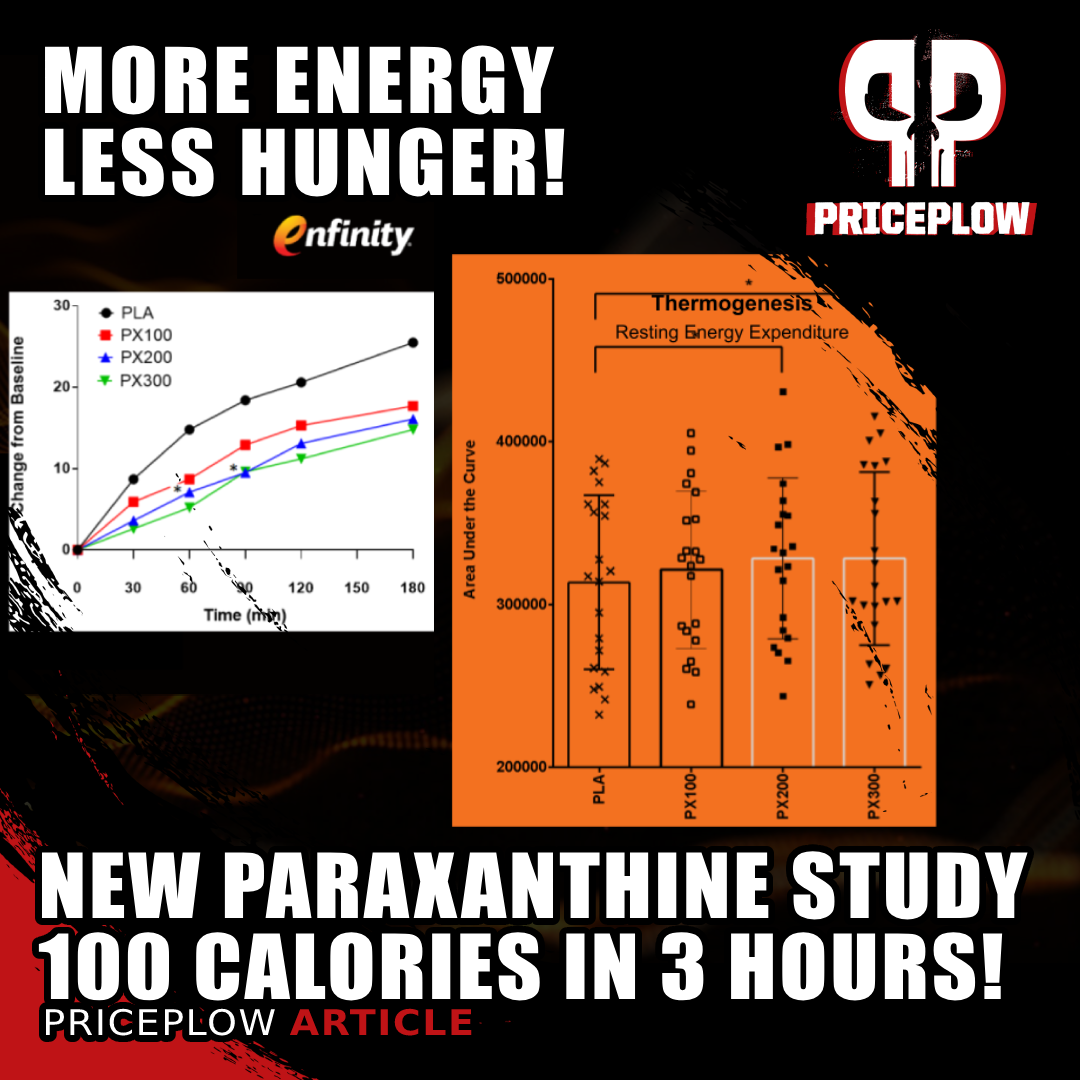
A dose-response study published in 2024 revealed metabolic advantages: 200mg of paraxanthine increased energy expenditure by approximately 100 calories over three hours while simultaneously reducing subjective hunger ratings.[7] These effects occurred without increases in blood pressure or negative cardiovascular impacts.

Preclinical research adds further support. A 2024 study comparing paraxanthine and caffeine head-to-head in both young and aged rats found that paraxanthine showed greater improvements in cognition and BDNF levels (brain-derived neurotrophic factor, a key marker of neuroplasticity) compared to caffeine.[8]

For deeper coverage of paraxanthine science, see our comprehensive guide: "Paraxanthine: Caffeine's Major Metabolite for Laser-Targeted Energy".
The Ultra Focus Pouch Formula
Ultra Focus Pouches combine enfinity paraxanthine with five supporting nootropic ingredients designed to work synergistically:
-
enfinity® Paraxanthine
The cornerstone stimulant, providing clean cognitive enhancement with a shorter half-life than caffeine. Current Amazon listings now show 100mg of enfinity per pouch, an upgrade from earlier formulations. The company has indicated that Ultra 2.0 is coming with additional enhancements.
-
Alpha-GPC

Ultra Focus Pouches deliver 100mg of enfinity® paraxanthine plus 5 research-backed nootropics for clean cognitive enhancement. No nicotine addiction, no caffeine jitters, no afternoon crash.
A highly bioavailable choline source that supports acetylcholine synthesis, the neurotransmitter central to memory formation and cognitive processing. Research shows Alpha-GPC can improve selective attention and cognitive flexibility.
-
L-Theanine
An amino acid found almost exclusively in tea leaves that promotes alpha brain wave activity. L-theanine creates relaxed alertness without drowsiness, counterbalancing stimulant effects to deliver smooth, sustained focus rather than jittery energy.
-
Panax Ginseng Extract
An adaptogen with centuries of traditional use and modern research support. Ginseng's ginsenoside compounds modulate multiple neurotransmitter systems, supporting memory performance and cognitive function under demanding conditions.
-
Vitamins B6 and B12
Essential cofactors in neurotransmitter synthesis and energy metabolism, supporting mood regulation and sustained mental performance.
The Pouch Advantage
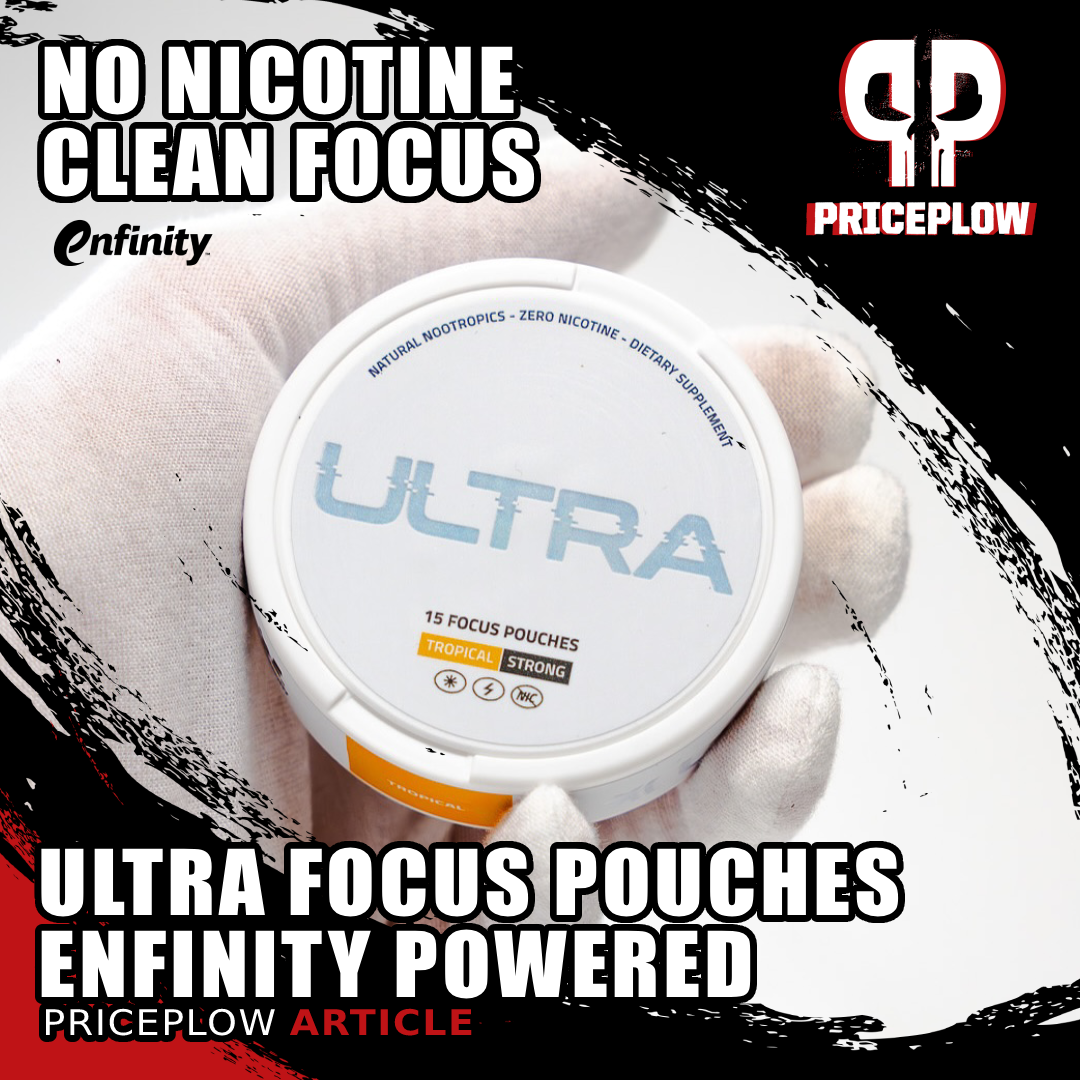
The delivery system matters. Ultra Focus Pouches absorb through the oral mucosa (the tissue inside your cheeks), bypassing digestive delays that slow traditional supplements. Effects begin within 5-10 minutes of placement, with full absorption occurring over 30-60 minutes of use.
This rapid onset offers practical benefits for anyone transitioning away from nicotine pouches. The ritual remains intact: you still have something to place between your cheek and gum. The familiar oral fixation is satisfied. But you're no longer feeding an addiction or straining your cardiovascular system. You're supporting cognitive function with research-backed ingredients.

For caffeine reducers, the pouch format provides on-demand cognitive support without the need to brew, mix, or chug anything. No bathroom emergencies from excess liquid consumption. No waiting 30-60 minutes for a capsule to kick in. Just clean, predictable focus when you need it.
For more detail on the full Ultra formula and the science behind each ingredient, see our in-depth article: "Ultra Focus Pouches: enfinity Paraxanthine Pouches for Clean Focus".
Making the Transition
Breaking any habit requires strategy. Here are practical approaches for those looking to switch from nicotine pouches or excessive caffeine:
-
For nicotine pouch users
Start by identifying your trigger moments. When do you reach for a Zyn or similar product? Morning commute? Pre-meeting anxiety? Post-lunch energy dip? Replace those specific moments with Ultra Focus Pouches first, allowing yourself nicotine pouches at other times initially. Gradually expand the replacement windows as you adjust.
The cognitive benefits from enfinity paraxanthine can help offset the reduced mental clarity that often accompanies nicotine reduction. Many users report that having something to use during the transition makes the process dramatically more manageable than going cold turkey.
-
For heavy caffeine users
New research data has been published on enfinity (paraxanthine), showing increased energy expenditure compared to placebo (100 calories in 3 hours) -- yet it decreased appetite and heart rate![7]
Map your caffeine intake across a typical day. Which cups actually provide noticeable benefit, and which are just habitual? Most people find that their morning caffeine serves a genuine purpose, while afternoon and evening consumption often just maintains baseline rather than providing lift.
Consider replacing afternoon and evening caffeine with Ultra Focus Pouches. Paraxanthine's shorter half-life means you can use it later in the day without the same sleep disruption risk. You maintain productivity without paying for it at 2AM.
-
Setting realistic expectations
Ultra Focus Pouches provide cognitive enhancement through different mechanisms than nicotine or caffeine. The subjective experience won't be identical. Expect smooth, sustained focus rather than the sharp spike nicotine provides. Expect clarity without the edge that high caffeine creates.
Most users find the adjustment period takes one to two weeks. The first few days may feel underwhelming if you're accustomed to the intensity of nicotine or high-dose caffeine. Stay with it. The sustained benefits without the downsides become increasingly apparent over time.
Usage Guidelines
Ultra recommends 3-4 pouches daily, with a maximum of 5 pouches per day. Place the pouch between your cheek and gum, where you'll feel a gentle tingling as active compounds absorb. Keep the pouch in place for 30-60 minutes for optimal absorption, with effects lasting 1-2 hours.
The formula is designed for repeated daily use without the tolerance buildup that plagues both nicotine and caffeine. You shouldn't need to escalate dosing to maintain benefits.

Unlike nicotine pouches, Ultra Focus Pouches don't carry significant addiction potential. Unlike high-caffeine products, they won't leave you with jitters, anxiety, or sleep disruption when used as directed.
A Sustainable Resolution with Ultra Focus Pouches
Most New Year's resolutions fail because they require willpower alone to overcome biological realities. Trying to quit nicotine through sheer determination means fighting against deeply ingrained reward pathways. Trying to function without caffeine when you're genetically a slow metabolizer means accepting impaired performance.
Ultra Focus Pouches offer a different approach: replacing problematic habits with sustainable alternatives that address the underlying needs. You want focus and energy. You want something to reach for during demanding moments. You want to perform at your best without paying for it later.
The combination of enfinity paraxanthine's clinical backing, the supporting nootropic formula, and the convenient pouch delivery system creates a viable path forward. Not a magic solution that erases years of habit overnight, but a practical tool that makes lasting change achievable.
New year, new approach to focus. Check current Ultra Focus Pouch pricing and sign up for updates below:
See Ultra Focus Pouches at TakeUltra.com and use Coupon Code PRICEPLOW


Comments and Discussion (Powered by the PricePlow Forum)