One of the most popular dietary supplement ingredients on the planet -- especially in terms of metabolic health -- is berberine. Today we discuss a new ingredient that actually makes berberine obsolete.
Berberine is a powerful plant alkaloid that improves the body's insulin response, with large amounts of scientific research showing significant improvements to insulin sensitivity, fasting glucose levels, HbA1c reduction, nutrient partitioning, and far more. It's even outperformed pharmaceutical drugs.
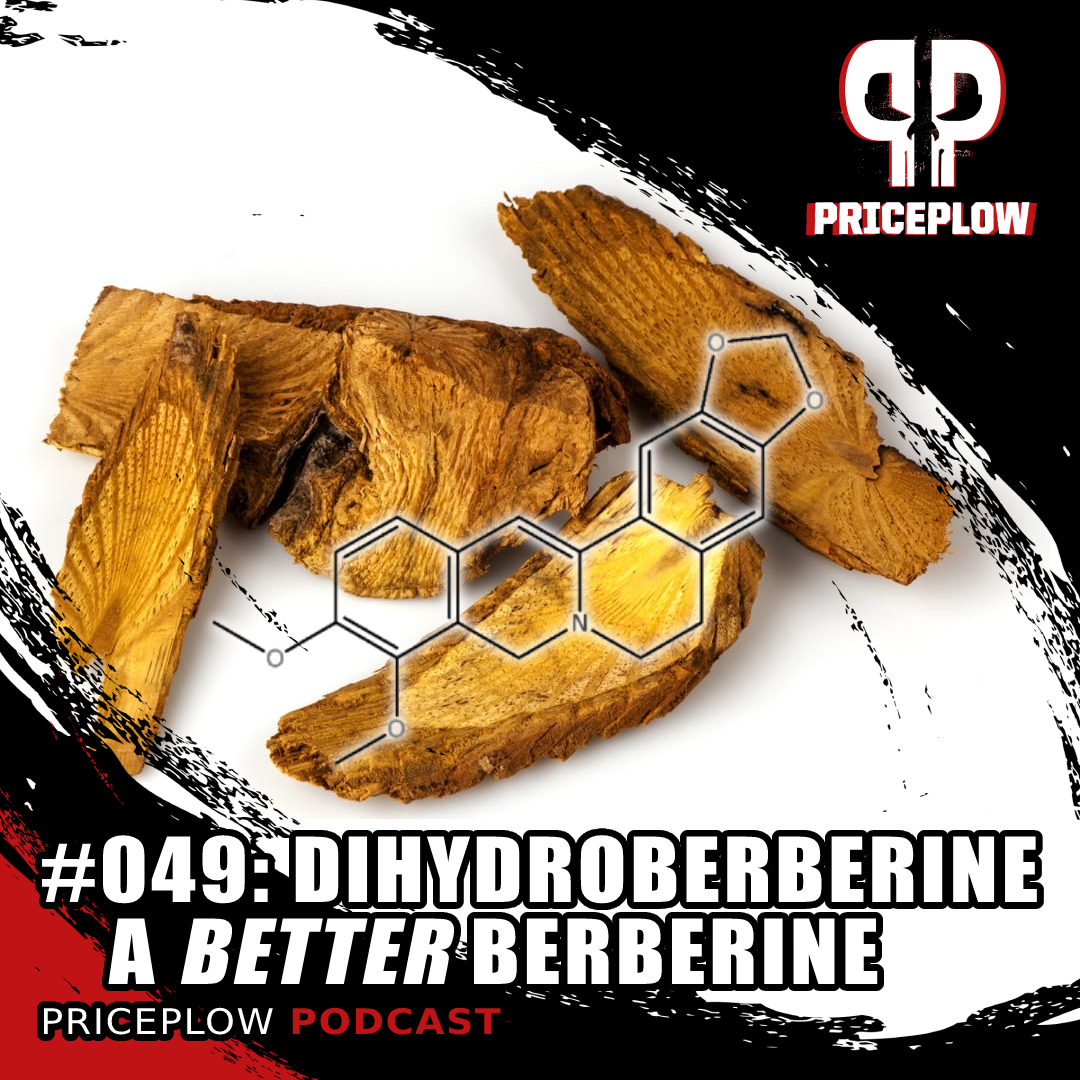
Dihydroberberine: A Better Berberine. This article focuses specifically on the higher-bioavailability berberine metabolite, but you can always go back and read our original berberine article to learn more about the mechanisms.
We've covered berberine in detail in the article linked above, ultimately finding that while it's the most impressive ingredient in any blood sugar supplement or glucose disposal agent, it has drawbacks, which include high doses required and GI distress. Both of those problems are solved with one of its derivatives that we specifically cover in this article: dihydroberberine.
Think berberine is good? Take a look at dihydroberberine
Research suggests that dihydroberberine is up to six times better than standard berberine, bringing incredible effects at lower doses -- and fewer side effects.
In this article, we assume you have knowledge of berberine's effects (if not, you can see our berberine article linked above), but jump directly into discussion of this dihydro form. It's sold as GlucoVantage from NNB Nutrition, one of the supplement industry's most promising novel ingredient developers.
In addition, we have a podcast episode and video with Shawn Wells, NNB Nutrition's Chief Science Officer who is a co-patent holder for dihydroberberine,[1] which you can watch as well. Finally, you can try the ingredient on its own by looking at the PricePlow's dihydroberberine price comparisons below, and signing up for our NNB Nutrition news alerts:
Dihydroberberine Supplements and NNB Nutrition News
Get Price Alerts
No spam, no scams.
Disclosure: PricePlow relies on pricing from stores with which we have a business relationship. We work hard to keep pricing current, but you may find a better offer.
Posts are sponsored in part by the retailers and/or brands listed on this page.

Audio Podcast Version and Free Subscription Options
Podcast: Play in new window | Download (Duration: 41:36 — 38.2MB)
Subscribe to the PricePlow Podcast on Your Favorite Service (RSS)

Apple Podcasts

Spotify

YouTube
Burn fat, not sugar
The world of diet and fat loss can be overwhelming, but one quick rule to live by is this: when you're burning sugar, you're not burning fat. In fact, we've known for decades that when either blood glucose levels or insulin levels are elevated, fat oxidation significantly slows.[2,3] If these levels remain elevated for too long, we introduce insulin resistance and hyperinsulinemia, which brings with it a myriad of diseases.[4]
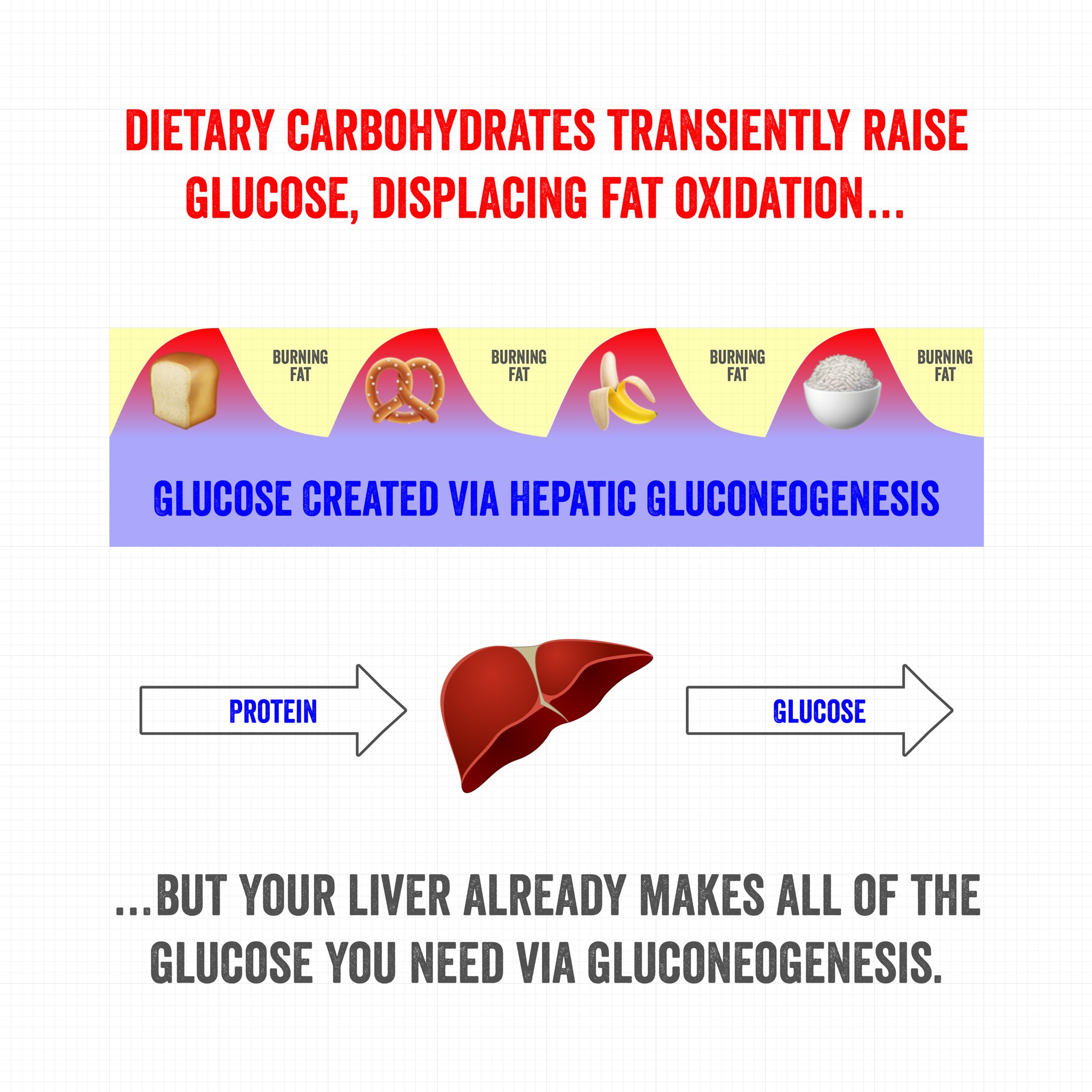
Every time you eat carbohydrates, you stop burning fat! So why are you wasting time not driving the carbs into muscles? Improve insulin sensitivity and get back to burning fat, not sugar! Image courtesy @TedNaiman
This isn't to say that we're against foods like carbohydrates that raise blood sugar (and insulin) levels, because we're not. Instead, it means that we need to get our carbs to where we want them (muscle tissue!) and get back to a fat-metabolizing state as soon as possible. Berberine, and to a greater extent, dihydroberberine, make that happen better and faster.
We of course still recommend a healthy diet low in refined carbs and void of industrial processed seed oils high in omega-6. But with the above supplemental strategy (which is highlighted in our main berberine article), we can remain more insulin-sensitive, and less likely to be as toxic with sugar and insulin in our blood stream wreaking havoc.
With that goal in mind, we can talk about a new, more-efficient way to achieve it, all while avoiding the massive doses (1.5 grams per day!)[5] and gastrointestinal distress[5,6] that can be brought by standard, low-bioavailability[7,8] berberine:
What is dihydroberberine?
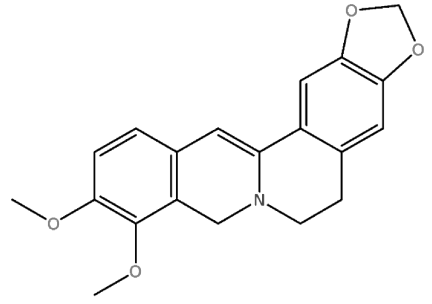
Dihydroberberine gets absorbed better and faster and then converts back to berberine in plasma anyway!
Dihydroberberine (DHB) is one of the 17 metabolites of berberine, and a major part of the greater berberine life cycle as the body metabolizes it.[9] Structurally, it's a hydrogenated metabolite of berberine,[10] which itself has markedly better oral bioavailability than berberine itself.[9,11]
The berberine end-around play
The concern, at this point, is that if you take the more-bioavailable dihydroberberine, do you miss out on the 16 other metabolites that may have been providing some of berberine's benefits? The answer is no, because of the way berberine is absorbed in the first place! After dihydroberberine's relatively easy absorption in the intestine, it's oxidized back into berberine, which gets sent into the plasma![9]
This means that dihydroberberine is literally an end-around to berberine's problem of low bioavailability -- you take it, but ultimately end up with a higher amount of berberine in the plasma than had you taken berberine in the first place!
Dihydroberberine: Five times more bioavailable
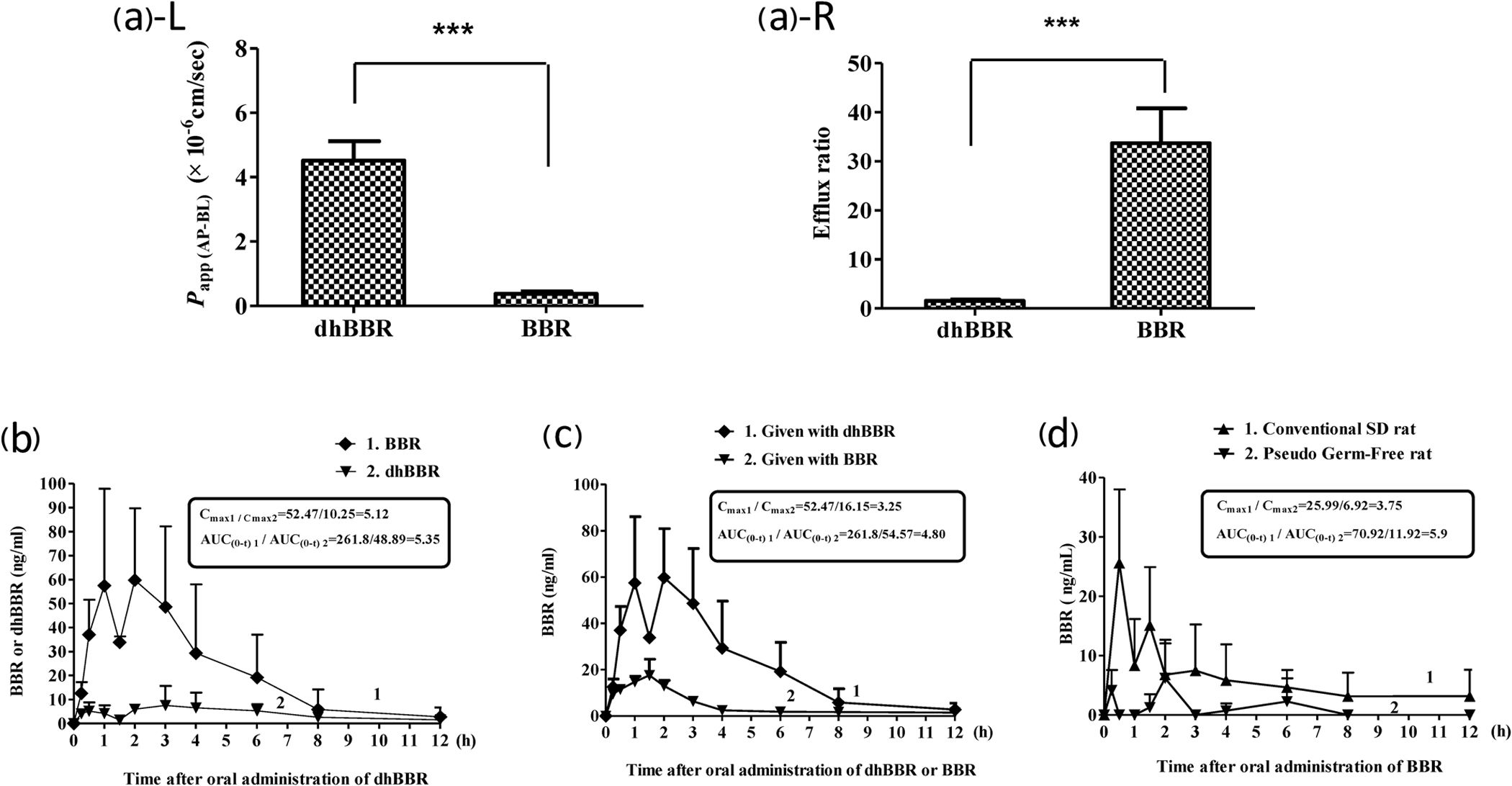
Simply put by the researchers: "DhBBR [Dihydroberberine] has a better intestinal absorption than BBR."[9]
Now that we understand how it gets in, let's see how much better it is. In 2015, researchers compared oral dihydroberberine to standard berberine. In vitro, they discovered that dihydroberberine's internal absorption rate was five times greater than berberine's.[9] They then tested them on mice, noting that DHB was absorbed significantly better than berberine - especially in mice whose intestinal bacteria couldn't break down berberine as well.
The above study points out something significant: dihydroberberine is less limited by poor gut health, which is very frequently a symptom of those who need it most! Taking an ingredient like GlucoVantage has fewer limiting factors than taking berberine itself.
Comparing the insulin effects of DHB against berberine
In 2008, researchers put dihydroberberine to the test against berberine in mice, giving the berberine group 560mg/kg daily while the DHB group received 100mg/kg each day.[12] The results indicated that dihydroberberine had significantly better improvements in adiposity, triglyceride build-up, and insulin sensitivity (a 44% increase) than berberine -- all at a fraction of the dose![12] They concluded that the effect was simply likely due to enhanced oral bioavailability of dihydroberberine.
Better results and fewer side effects at a lower dose
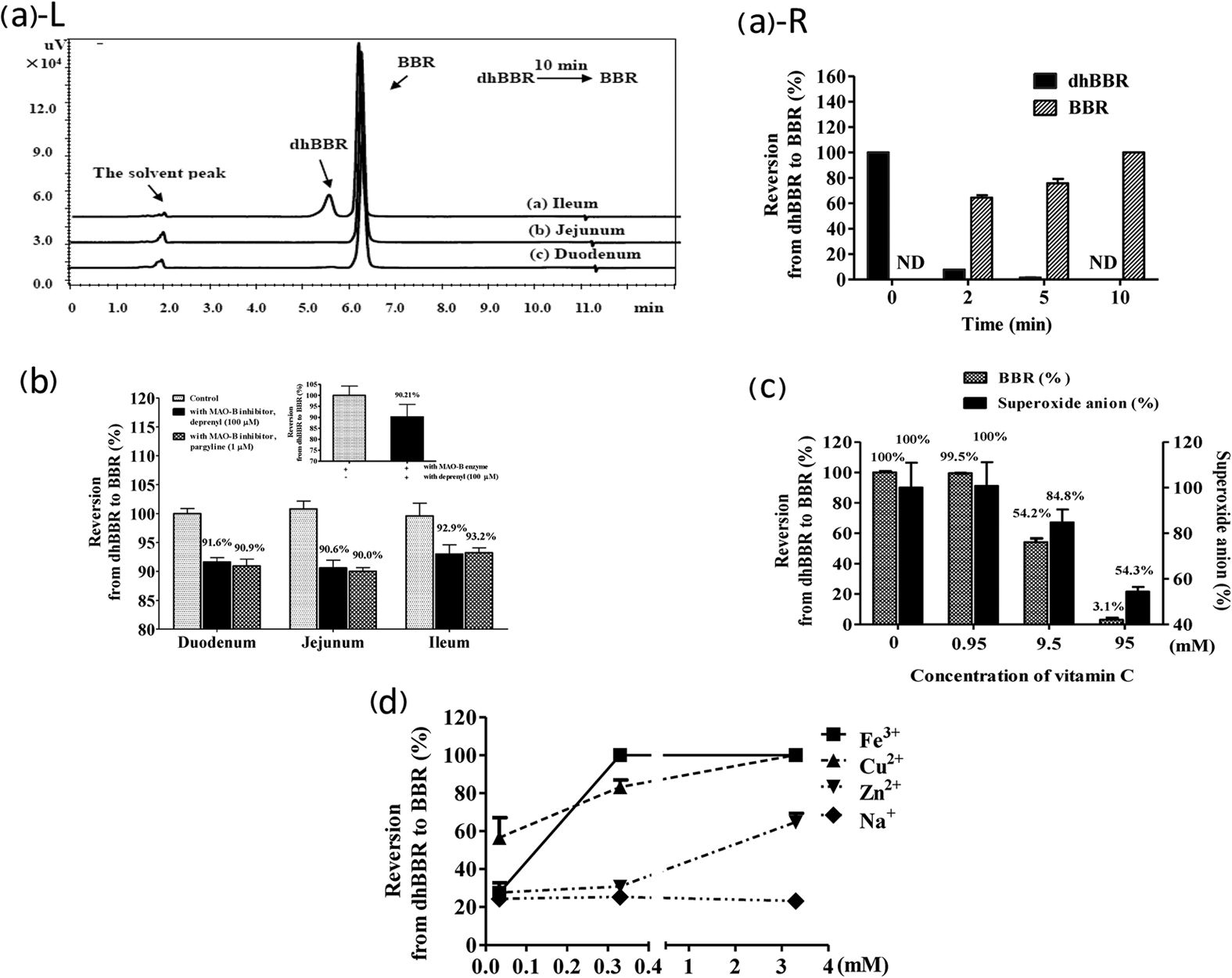
Amazingly, dihydroberberine converts back into berberine, and you ultimately end up with more![9]
Further research has shown that dihydroberberine can improve reduced atherosclerotic plaque size and improve plaque stability, where berberine cannot.[11] has better effects and fewer negative effects than berberine in terms of fatty acid absorption.[13]
In terms of side effect profile, GI distress is the major concern for berberine,[5,6] and thus something worth investigating for dihydroberberine. Multiple studies have found that DHB causes fewer stomach problems than berberine.[9,12] Although we can't guarantee zero stomach discomfort with DHB, it's far less likely thanks to lower dosing and better absorption.
Anti-inflammatory action: DHB is often stronger, but it depends
While berberine is most frequently used for metabolic health, it also has anti-inflammatory properties that have been compared to dihydroberberine.[14] In most tests performed on mice, but not all, DHB outperforms berberine.[14] In terms of cardiovascular inflammation, dihydroberberine is the clear winner.[11] However, there are some corner cases where berberine did work better, so it's worth investigating the mechanisms that pertain to your approach.[14]
In general, we look closer to ingredients like curcumin and its metabolites such as tetrahydrocurcumin for more powerful anti-inflammatory effects, but dihydroberberine could make a potent differentiator in an anti-inflammatory supplement stack, especially if the inflammation is metabolic in nature.
Transdermal use is possible
There's no better GDA ingredient than berberine, and there's no better form of berberine than dihydroberberine in NNB's GlucoVantage!
Meanwhile, dihydroberberine has also been tested for efficacy transdermally, with greater success than berberine.[15] However, it's still not as active as orally ingested DHB, and supplements are taken by mouth (legally speaking, they supplement the diet). However, there could be effects for skin care companies, which is out of the scope of this article.
GlucoVantageⓇ - the industry's first dihydroberberine ingredient!
Shawn Wells, one of the co-inventors on the dihydroberberine patent, has teamed up with NNB Nutrition, one of the world's leading novel ingredient developers. As the company's Chief Science Officer, Wells has helped create GlucoVantage, the industry's first commercially-available dihydroberberine ingredient!
Created from Berberis aristata, GlucoVantage is a pure, non-GMO dihydroberberine that's created from pure berberine. It's lab-tested and free of any "spiking" or adulteration, and formulators at supplement brands have access to lab tests demonstrating purity. With a lower dosage required, GlucoVantage fits incredibly well into any blood sugar supplement or glucose disposal agent.
GlucoVantage in one minute
You can learn about GlucoVantage in one minute in the following video:
The data is clear: if you want a lower-dosed, better-absorbing, and longer-lasting form of berberine that yields fewer side effects, dihydroberberine -- and thus GlucoVantage -- is the ingredient to use.
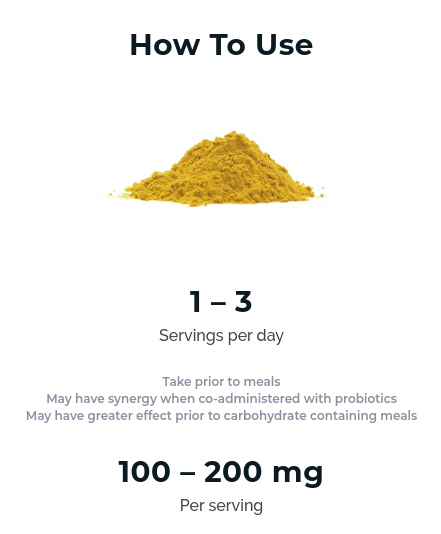
The effective Dihydroberberine Dosage is 30% the dose of standard berberine, giving it far more applications and less GI discomfort!
Dosing
Looking at the available data, a serving of GlucoVantage is best put at 100-200mg, with one to three servings per day. It's always best to take GlucoVantage before your most insulinogenic, blood-sugar spiking meal, which is generally one that's high in carbohydrates. Doses on the lower end can also be given to low-carb dieters to keep blood sugars low and continue fat burning.
Stacking
There are several other glucose disposal agent ingredients that can play on GlucoVantage's supporting cast. An example of one incredible version is Unbound's SLYN, which is one of the strongest blood sugar modulating supplements we've ever seen. With 3rd-party lab tests provided and manufactured in NutraBio's world-class facility, SLYN is an insanely powerful supplement that's made possible with GlucoVantage - you likely don't even need a full dose!
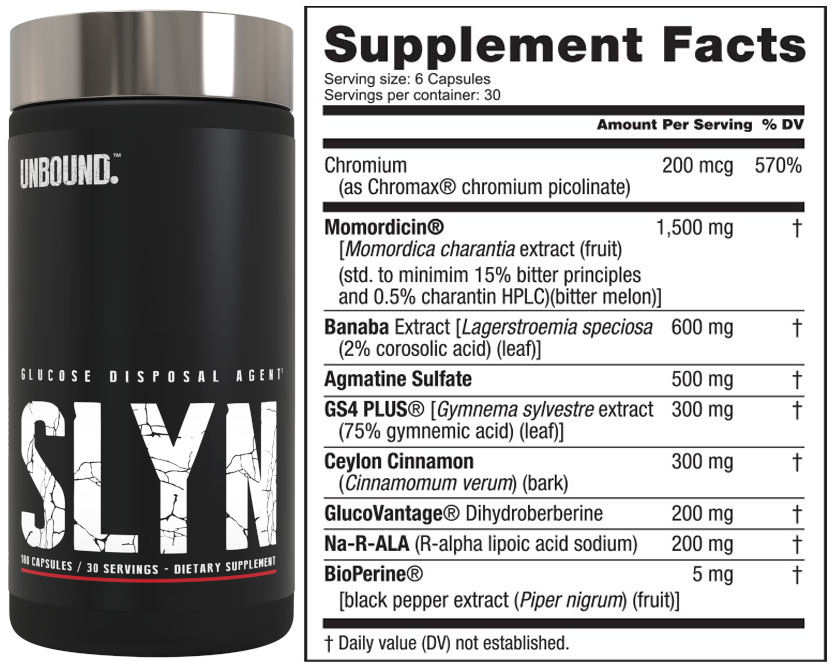
Carb-Lovers are going to go nuts over SLYN. But you better bring bigtime carbs to the table if you take all six caps at once!
In terms of stimulant-based fat burners that contain dihydroberberine, Core BLAZE is an extremely unique thermogenic option that has incredible thermogenic and appetite-suppressing effects.
Dihydroberberine is the better berberine
GlucoVantage from NNB Nutrition is a pure form of Dihydroberberine (DHB) and is known as "The Super Berberine".
With the ongoing metabolic crisis, it's more important than ever that we maintain insulin sensitivity and keep our bodies primed for fat burning - not sugar burning! Carbs are great to employ around workouts, but we don't want to be in a state of low fat oxidation all day long - and we don't want them pumped into the liver to be packaged into triglycerides either.
What we do want is to take advantage of our carbohydrates to get them into muscle tissue - something berberine is very good at making our bodies do. However, berberine has some major drawbacks -- a high dose needed, low bioavailability, and GI upset. Dihydroberberine solves those problems, and NNB Nutrition's GlucoVantage is the end result.
Berberine used to be our preferred glucose disposal agent ingredient. But now the answer is clear - dihydroberberine is the future.
Dihydroberberine Supplements and NNB Nutrition News
Get Price Alerts
No spam, no scams.
Disclosure: PricePlow relies on pricing from stores with which we have a business relationship. We work hard to keep pricing current, but you may find a better offer.
Posts are sponsored in part by the retailers and/or brands listed on this page.
All posts mentioning Dihydroberberine
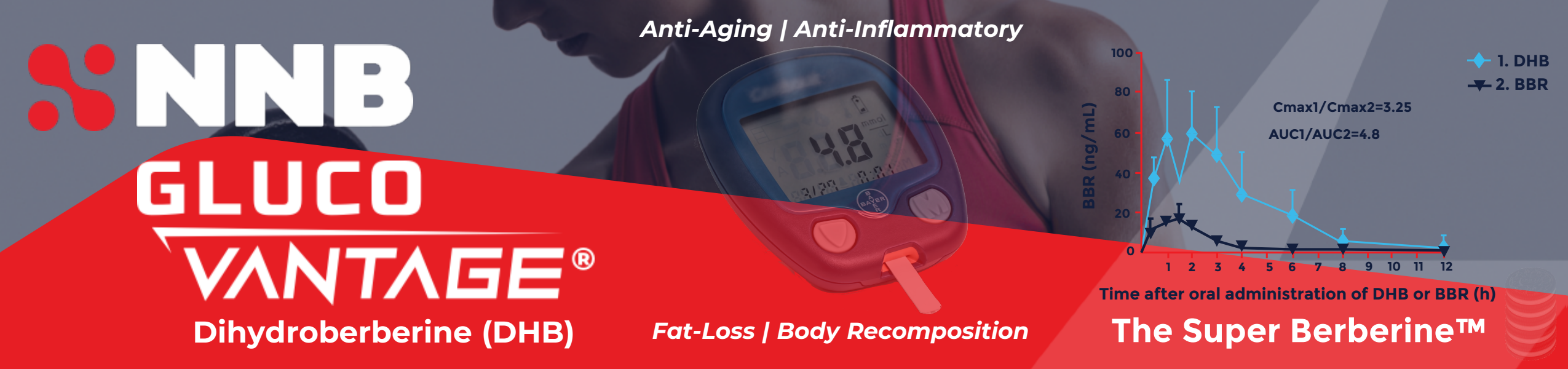
GlucoVantage from NNB Nutrition is a pure form of Dihydroberberine (DHB) and is known as "The Super Berberine".


Comments and Discussion (Powered by the PricePlow Forum)