Patrick Arnold died on May 12, 2026, at his family home in Guilford, Connecticut. He was 59.
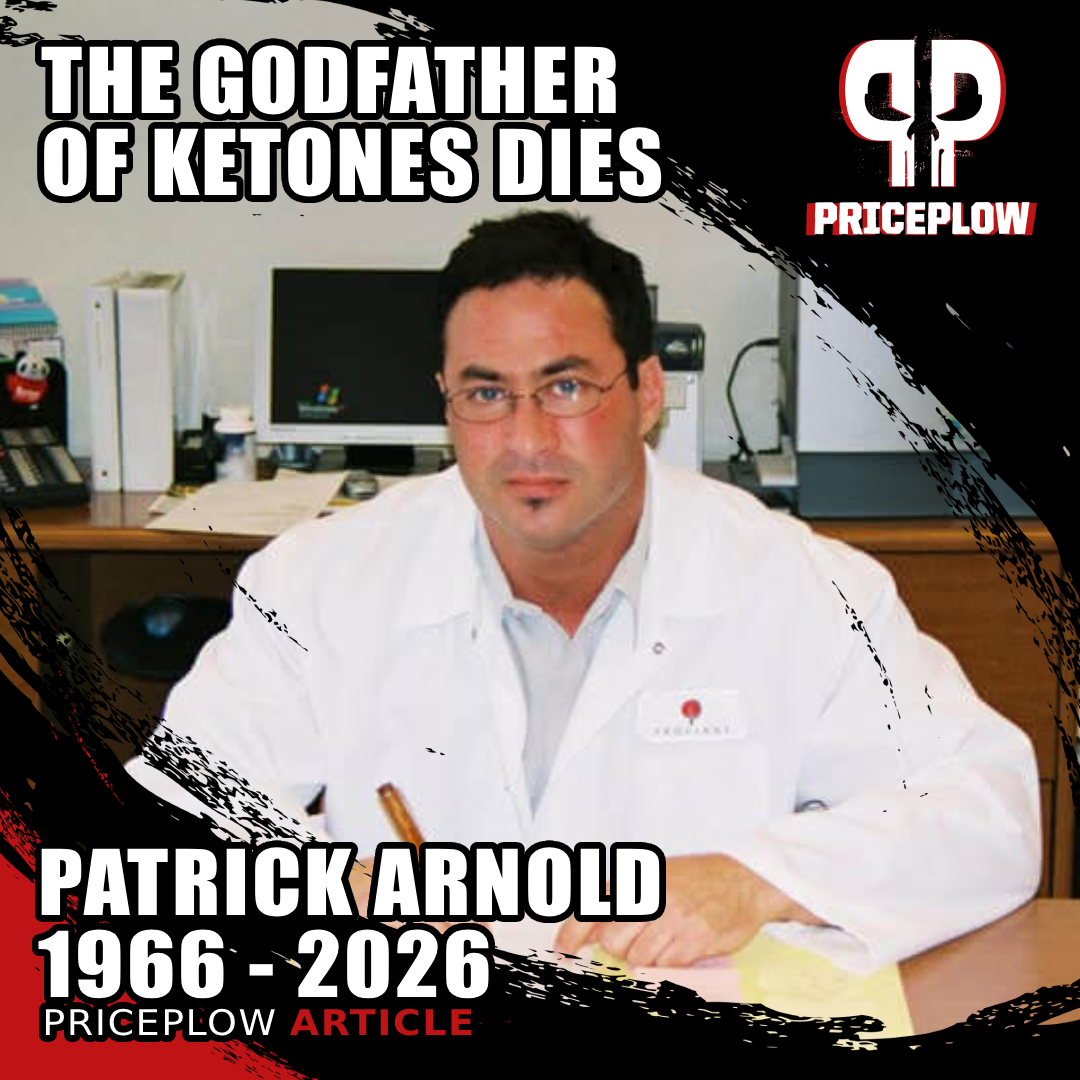
Thank you Patrick Arnold for your contributions to sports nutrition.
If you've followed sports news this week, you already know the headline: "Creator of 'The Clear' steroid dies." And yes, that's true. But if you're reading this on PricePlow, you know the fuller story -- or you deserve to. The mainstream press is covering about 20% of who this man was, and the supplement industry deserves better than that.
Bigger than Balco: The Legacy of Patrick Arnold
Patrick Arnold was the father of prohormones. He introduced androstenedione, 1-AD, and DMAA to the market. He synthesized the ketone diester that launched an entire branch of Navy-funded neurological research. His attorney of 25 years, Rick Collins, called him "the smartest, most colorful and most enigmatic character in the Golden Age of sports nutrition."[1] The anti-doping researcher whose father spent years working to detect Patrick's compounds called him "one of the most formidable adversaries the anti-doping industry has ever faced" and added that BALCO "painted him as a villain -- unfortunate for a man that was a good person at heart."
Whether or not you agreed with him or used any of his ingredients, "PA" affected the industry in so many indisputable ways that the entire world would be different without his brief presence here. His work on ketones pushed an entire field of research ahead by years. We want his contributions on the searchable web, not buried behind social media walls. So here's the piece we think he deserves.
A Chemist Born in the Library Stacks
Arnold grew up in Guilford, Connecticut, where at age 11 his father brought home a set of York weights. He started lifting, started reading, and never stopped doing either. He was the kind of kid who read encyclopedias for fun and got genuinely curious when a standard weightlifting book warned him that anabolic steroids existed and that he shouldn't touch them.
"I got kind of curious," he told Tim Ferriss in a now-famous 2016 podcast.[2] "This means that there's something good about it."
He tried to get into pharmacy school. When that didn't work out, he enrolled in chemistry at the University of New Haven, graduating in 1990. In interviews, he'd later say the rejection was probably a gift -- learning to make things rather than just dispense them was what made him different from everyone else in the industry.
His first job out of school was at a chemical company in New Jersey with an inattentive boss, a well-stocked chemistry library one floor up, and long stretches of nothing to do. He started teaching himself synthetic organic chemistry on company time, initially attempting to synthesize testosterone from a Dioscorea yam ("the stupidest thing to do", he told Ferriss years later). He eventually figured out that DHEA was the rational starting material and worked out how to make testosterone, Dianabol, and several other compounds from there. Management eventually caught on.
Before he ever got into supplements professionally, Arnold's self-education took a darker detour. He synthesized methadone in that same New Jersey lab, starting from uncontrolled raw materials in a three-step process, and ended up genuinely addicted for about a year before a brutal detox. It's not a flattering story, but it's a true one, and Arnold told it openly.
PA's takeaway: "That taught me to respect drugs, especially drugs of addiction. Don't think that you're immune or somehow unique, and it won't bite you." It also made him one of the few supplement chemists who understood addiction pharmacology from the inside.
Father of Prohormones
In 1996, working in Seymour, Illinois for a small supplement company, Arnold introduced androstenedione to the North American market.
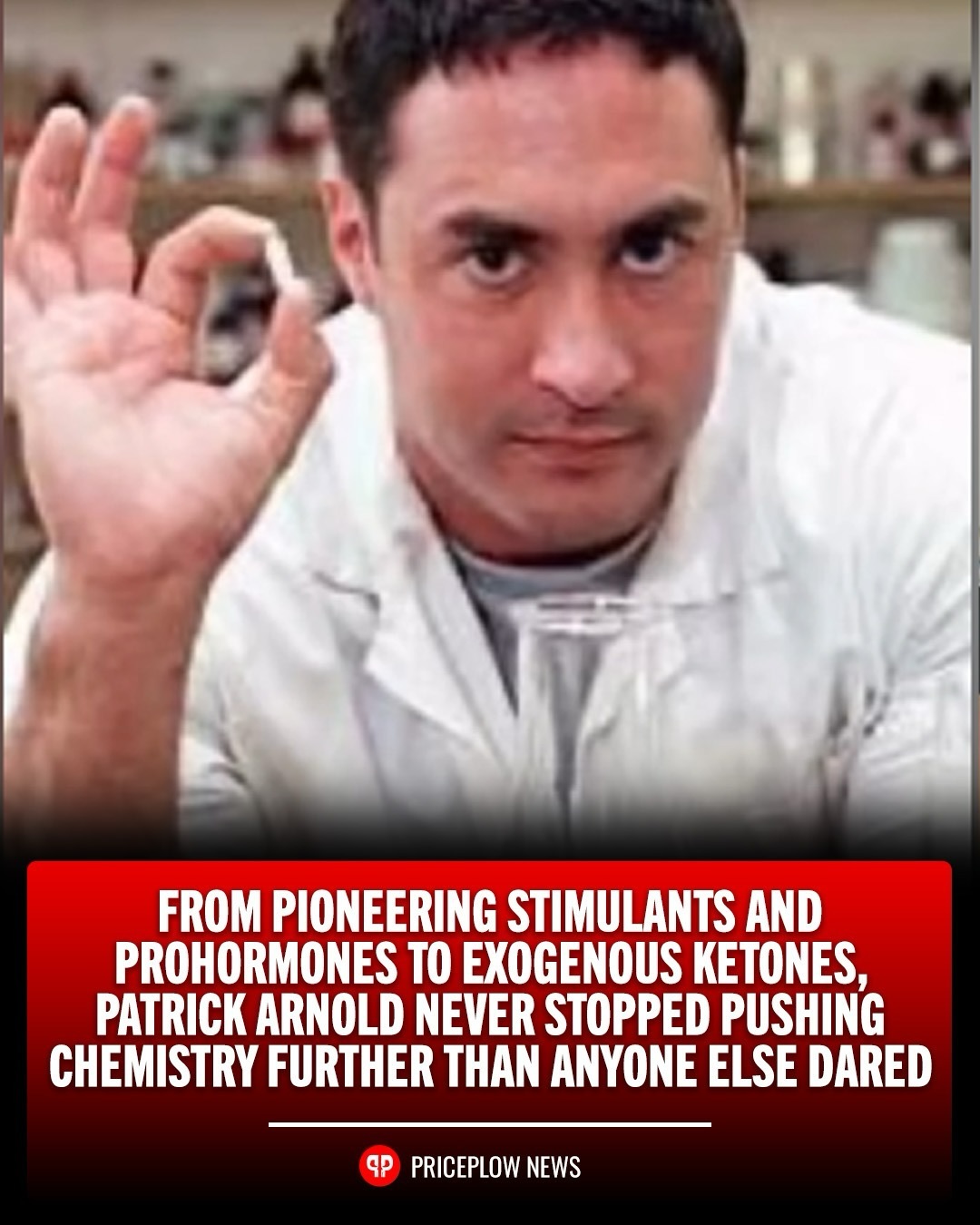
The backstory is that while researching testosterone synthesis, he'd come across an East German patent on androstenedione as an acute performance enhancer -- the GDR had been using it nasally to spike testosterone for 90 minutes before competition. If DHEA was already sold legally as a supplement, Arnold reasoned, androstenedione was only two hydrogens away and probably would be too.
He confirmed it wasn't a controlled substance, tracked down cheap Chinese supply (the country was producing massive quantities for contraceptive manufacturing), and handed the concept to his business partner to bottle.
Two years later, a reporter found a bottle of it in Mark McGwire's locker during the home run chase of 1998. Sales exploded overnight.
Only, Arnold didn't get rich from it. His company only sold the raw ingredient to other manufacturers, not directly to consumers, but the notoriety launched everything that followed. He iterated: 4-AD had a better aromatase profile than andro, meaning users got more testosterone conversion and less estrogenic blowback. Then came 1-AD in 2001, the first prohormone Arnold described as genuinely working "like a real steroid" rather than a hormonal nudge. It sold enormously well, and you'll still see fond throwback comments about it in all of the recent postings regarding Patrick's death.
Throughout this era, Arnold worked closely with attorney Rick Collins, who would become his advocate and closest confidant for the next 25 years. When Congress began making noise about prohormone bans, Collins and Arnold literally lobbied on Capitol Hill, arguing that prohormones had a built-in safety advantage over injectable steroids because the body's conversion capacity limits the effective dose. They won a few years of breathing room before the Anabolic Steroid Control Act of 2004 banned the category.
He also resurrected 6-OXO during this period, the first aromatase inhibitor product on the supplement market actually backed by clinical data.
The BALCO Chapter -- Accurately
Around 2000, Victor Conte reached out to Arnold through bodybuilding internet forums. Conte wanted compounds that wouldn't show up on drug tests. Arnold had norbolethone (a compound he'd synthesized from levonorgestrel, a progestin used in birth control pills) via a selective hydrogenation reaction. It was analytically clean at the time because no one had thought to test for it.
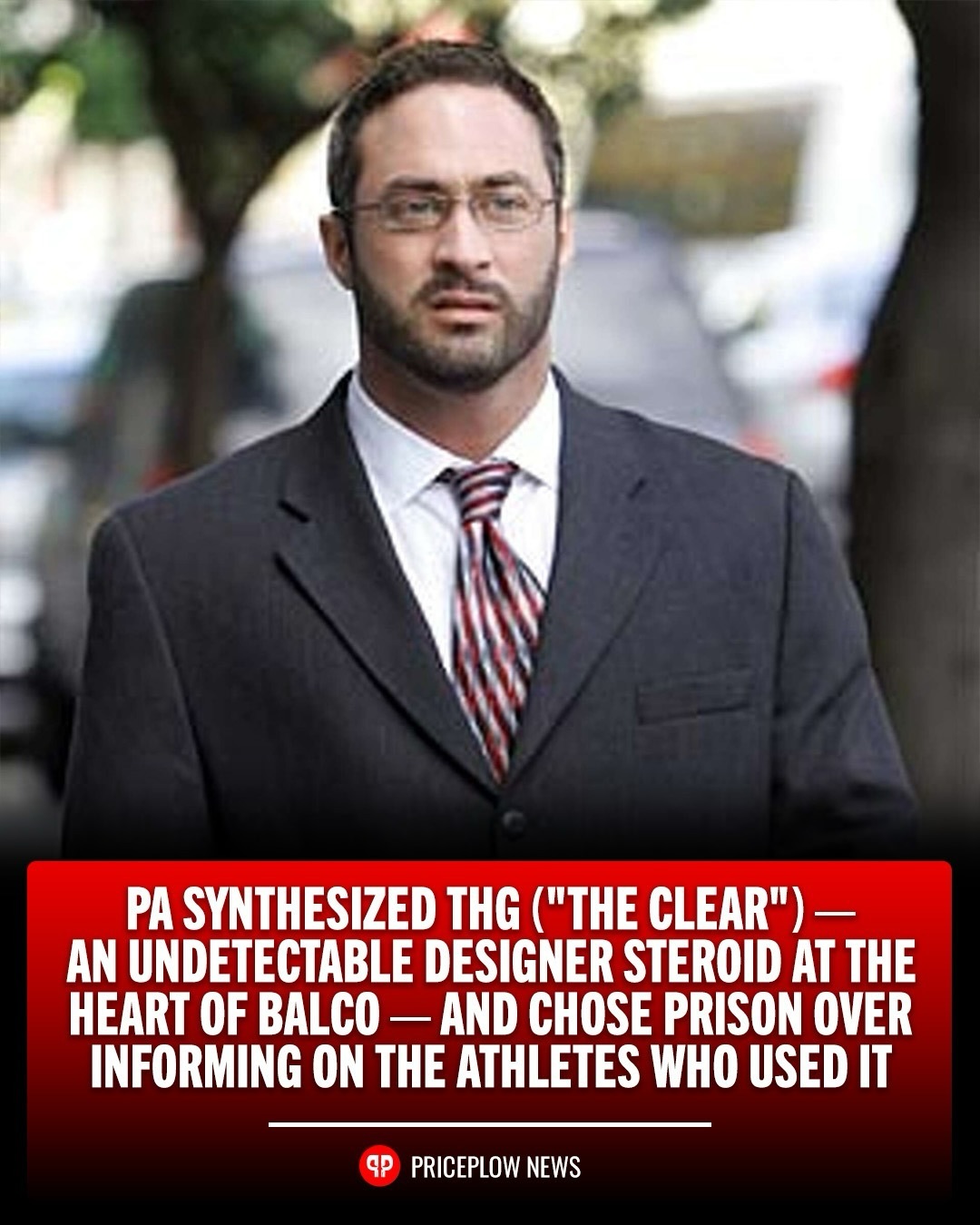
Later, Arnold developed THG (tetrahydrogestrinone), synthesized from gestrinone by adding four hydrogens. He told Ferriss he didn't know it would be undetectable when he made it -- the disappearance in gas chromatography was a structural consequence he worked out afterward. Don Catlin's UCLA anti-doping lab eventually said whoever created it "must be brilliant." THG became "The Clear", and BALCO distributed it to high-profile athletes across baseball, track and field, and football.
The federal investigation came in 2003. A grand jury convened. Bonds and others testified.
Here's what almost no mainstream outlet is reporting: when the government offered Arnold a deal, it required him to cooperate with anti-doping officials and testify against athletes. He turned it down. Rick Collins wrote it plainly on LinkedIn: Arnold "chose to serve a short period of incarceration rather than accept a deal in which he would need to meet with antidoping officials and snitch on athletes."
He served three months at Federal Correctional Institution Morgantown in West Virginia and three months of house arrest. While he was incarcerated, his company ErgoPharm sold shirts reading "Prisoner 1-AD" in solidarity. The supplement industry knew, and the ballplayers recognized, PA was not a rat.
Sadly, Arnold's own view of the BALCO fallout, from an interview in December 2023: "I paid a big price for this... I wish it never happened. I wish I'd just gone right into the chemical industry, maybe worked for a pharmaceutical company. I'd be looking at my retirement, and I'm not even close to that."
But if we're being honest, Patrick never would have stayed in the corporate world. Such is the price that gets paid by trailblazers whose feathers are too bright to stay in a cage.
Unleashing DMAA Upon the Pre-Workout Industry
And then, of course, after the BALCO situation settled down, came the DMAA era. This almost certainly wouldn't have happened without PA at the helm with his brand ErgoPharm.
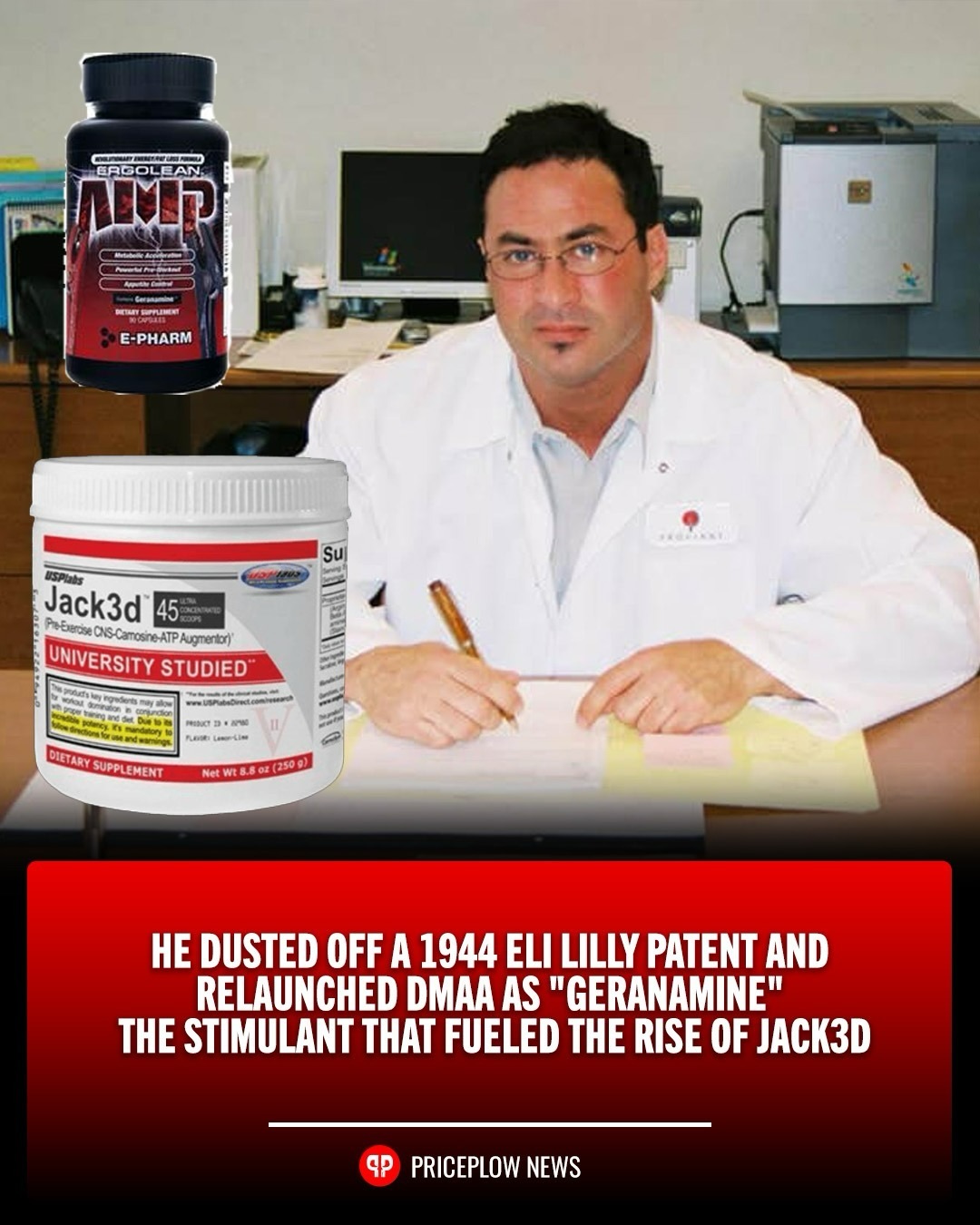
In 2005-2006, he reintroduced methylhexanamine (DMAA) under the name Geranamine -- a compound first synthesized in the 1940s that Arnold brought back as a dietary supplement ingredient, having been discovered in very low amounts in geranium plants. DMAA was arguably the best workout stimulant ever to hit the consumer market. It turned the pre-workout category upside down for 3-4 years and put every other stimulant on notice.
Courts would later determine it didn't qualify as a dietary ingredient under DSHEA because it hadn't gone through the proper new dietary ingredient notification process (nor was it GRAS), but during its run, few stimulants before or since have matched it for raw effect. By that point, Patrick had long since moved on to exogenous ketones:
The Ketone Years
Around 2009, University of South Florida researcher Dominic D'Agostino sent Arnold a cold email. D'Agostino was doing Navy-funded research on oxygen toxicity seizures in divers and needed someone to synthesize a ketone diester -- a molecule that barely existed commercially and that nobody had managed to make affordably. He'd been calling labs for over a year.
Of course, Patrick figured it out. It took six months and dozens of failed attempts -- "kind of a bitch", he told The Atlantic.[3] The first batch arrived at D'Agostino's lab in a cardboard box, a tinfoil-wrapped tube holding 10 milliliters of amber liquid.
D'Agostino ran his first test: a rat sealed in a pure oxygen chamber at lethal pressure. A normal rat seizes in five to ten minutes. This rat was still grooming itself an hour in!
D'Agostino later said he was so excited he started going to the lab in the middle of the night just to check on his animals. The research expanded with cancer applications, Angelman syndrome, epilepsy models. Arnold co-authored papers in peer-reviewed journals including the International Journal of Cancer.[4] He launched KetoForce and KetoCaNa, introducing the BHB salt category to the consumer market.
D'Agostino's summary, published in The Atlantic in 2019: "Patrick is the reason my whole research program exists right now."
Arnold told the same reporter what he wanted his legacy to be: "the ketone guy" who "also did that stuff." Ketones now have a major place in the market, and are rapidly growing despite the fact that the keto diet itself has gone back to its place as a niche treatment.
Time will show that his work on ketones supersedes everything else he did, which is a major reason why we view him with such admiration. Without his abilities (and what it took for him to acquire them), the entire exogenous ketone space would be years behind where it is now.
The Man Collins Knew
Rick Collins posted his tribute to Arnold on LinkedIn the day the news broke, and it's worth reading in full.[1] But a few details from it belong in any honest account of who Patrick Arnold was.
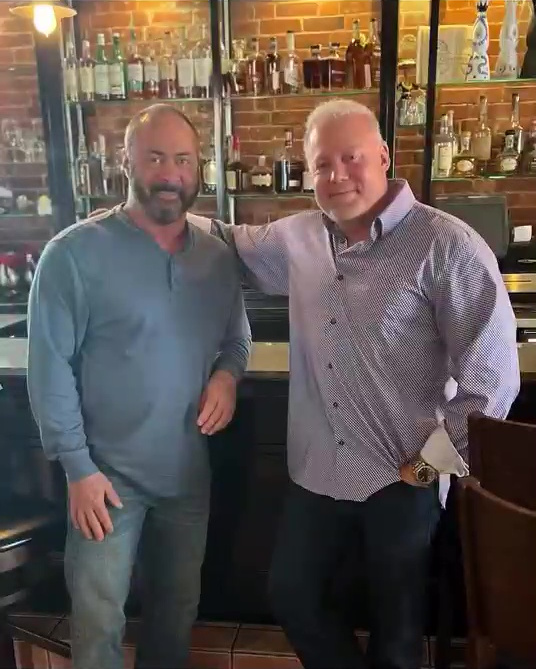
Patrick Arnold and Rick Collins
For instance, PA tutored Collins' daughter through a difficult high school chemistry course. When legal issues came up over the years, he and Collins would often debate by text -- politics included, Arnold having "definite views" (as anyone who communicated with him over LinkedIn or Facebook could attest). Collins drove up to Guilford in 2024 to meet him for lunch, and Patrick posted on Collins' Facebook page afterward: "I forgot how integral you were in my life for many years and how much we shared and experienced. We could have chatted for a week!"
In the December 2023 Unfiltered interview,[5] Arnold was candid about where things stood. FDA regulatory changes had closed the door on the kind of novel compound work that made him exceptional. "There's no room for a chemist to identify, develop, synthesise... these new compounds", he said. "That's where I shined. The need for that is no longer there." He mentioned he had time on his hands. In that time, he even supported the creation of NutriStat's BioATP.
Patrick never married, nor did he have children (that we know of). He used his own body as the test subject throughout his career, which his brother John confirmed. He left checks uncashed, and didn't get rich from any of it. But many others did.
Asked in the Tim Ferriss interview when his best ideas tended to come, he said: "Sometimes I'm laying in bed trying to go to sleep and I think of four or five different things... I should write them down."
A brain simply too smart to contain itself.
Everything He Touched, He Impacted
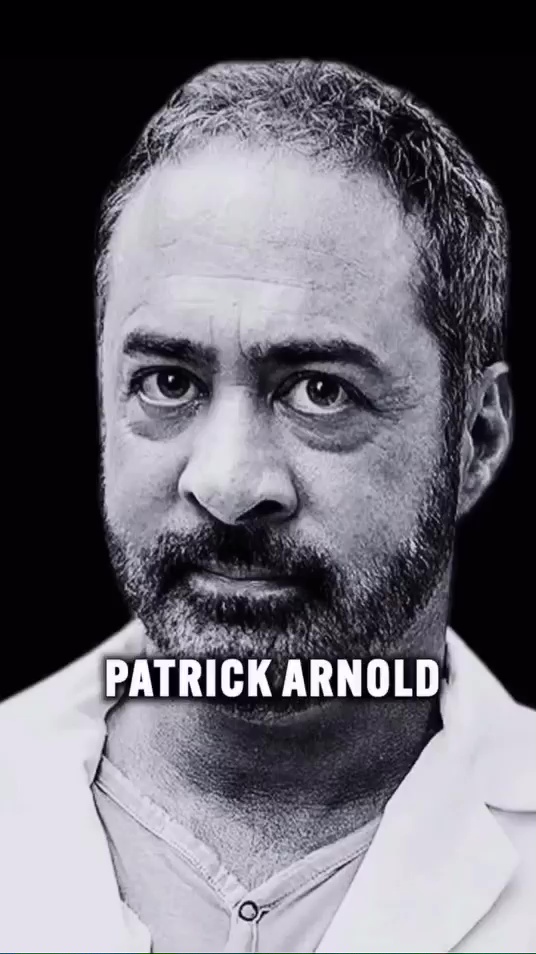
Putting it simply: Every major supplement category Patrick Arnold touched, he either created or fundamentally changed:
The prohormone category didn't exist before him. Aromatase inhibitors as consumer supplements didn't exist before 6-OXO. DMAA as a workout stimulant changed literally everything for a while. Exogenous ketones as a supplement category trace directly to his synthesis work for D'Agostino. And in the BALCO era -- whatever you think of the ethics -- his structural chemistry work forced global anti-doping organizations to completely overhaul their testing infrastructure.
That's a body of work with almost no parallel in the industry. A literal one man army whose butterfly wings caused volcanic eruptions throughout the landscape for years to come.
Rick Collins, who knew him better than almost anyone, put it this way: "At a time when chemists were the rock stars of the hardcore health and fitness industry, he was the GOAT."
Patrick Arnold was 59. He grew up in Guilford, Connecticut, where he's now gone back.
Additional discussion can be found in our Instagram post. Rick Collins' full tribute -- the most detailed account from anyone who actually knew him -- is on LinkedIn.[1] Read it. Rest in Peace Patrick.
Comments and Discussion (Powered by the PricePlow Forum)