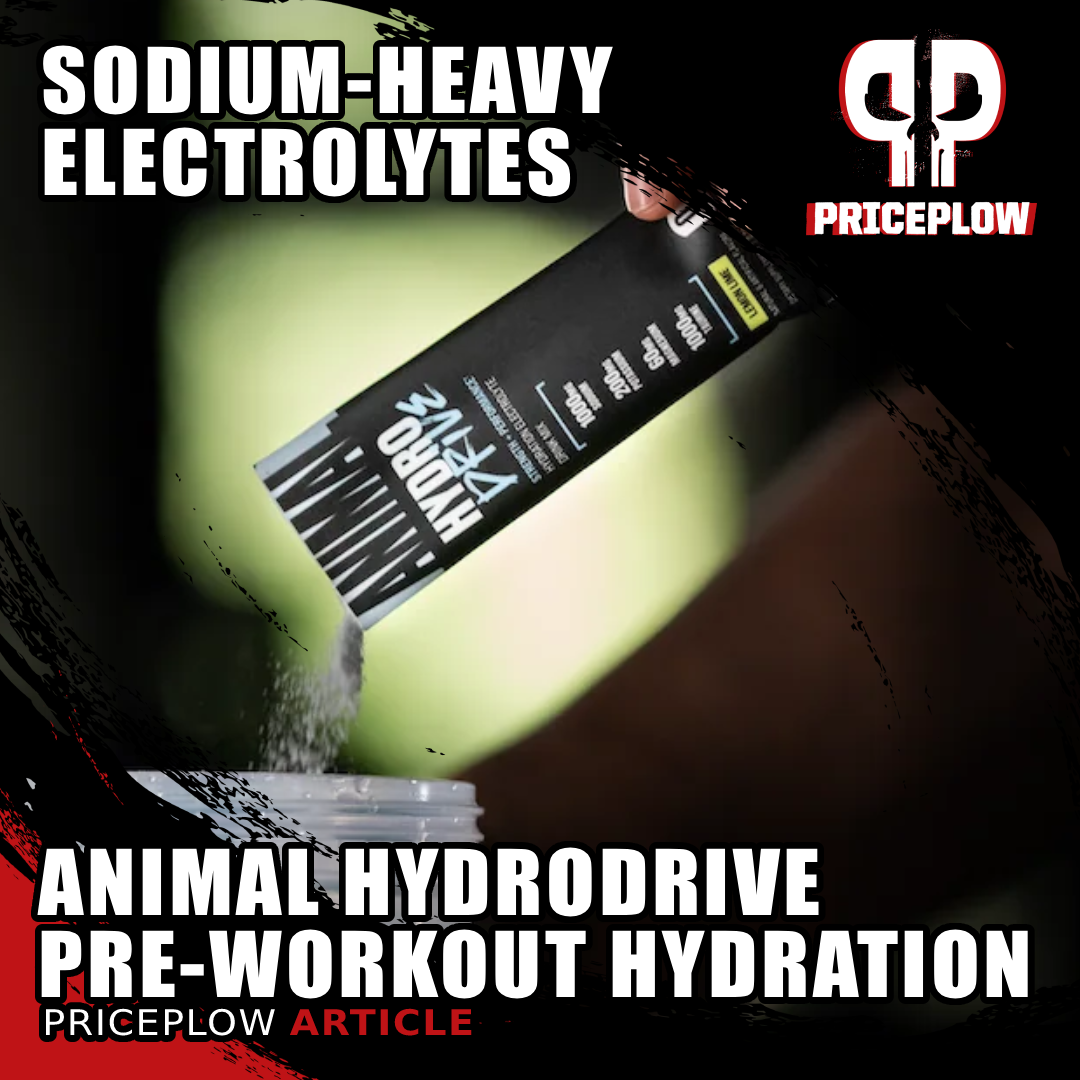
If you leave the gym with a salt ring on your shirt, this one's for you. One stick of Animal HydroDrive carries about as much sodium as 1.2 liters of sweat, plus 1000mg of taurine for the performance side.
Serious lifters are intentional about almost everything that happens before the first working set. Training splits get programmed, meals get weighed, pre-workouts get timed, and warm-ups get respected. Yet hydration is usually the exception, handled with whatever's left in the water bottle once the session is already underway! Animal thinks that's backwards, and Animal HydroDrive is how they plan to fix it.
Animal HydroDrive: Sodium-Strong Hydration for Those Who Sweat
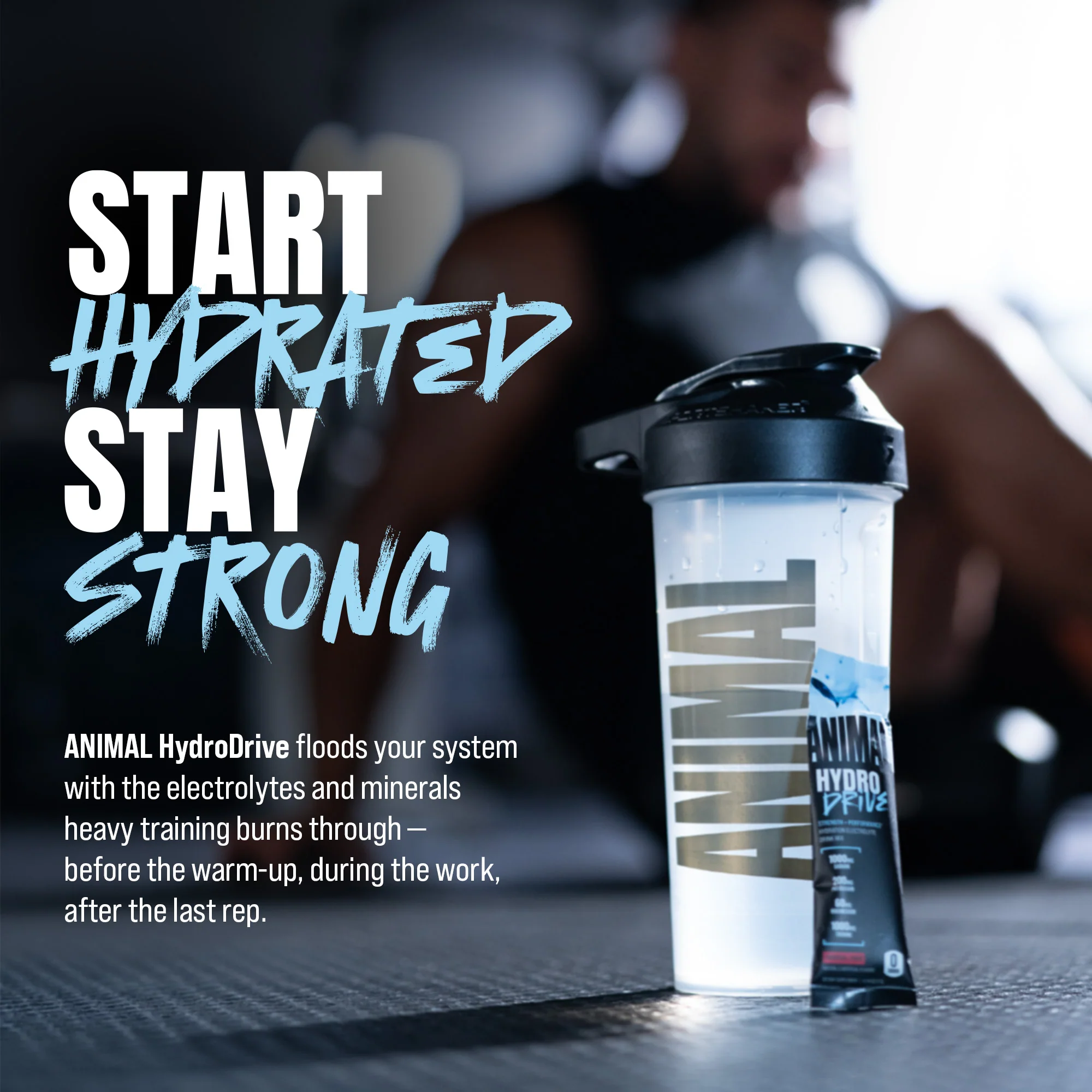
HydroDrive is a zero-sugar hydration electrolyte stick pack from Universal Nutrition's Animal brand, the same team behind Animal Pak and the 2026 rebuild of Animal M-Stak. Its tagline is simple: Start Hydrated. Stay Strong. The idea is that preparation determines performance, so fluid and electrolytes belong in the pre-training ritual right alongside everything else. Animal's own packaging frames it in three steps: Lock In before training, Drive through your toughest sets, and Reload once the work is done.
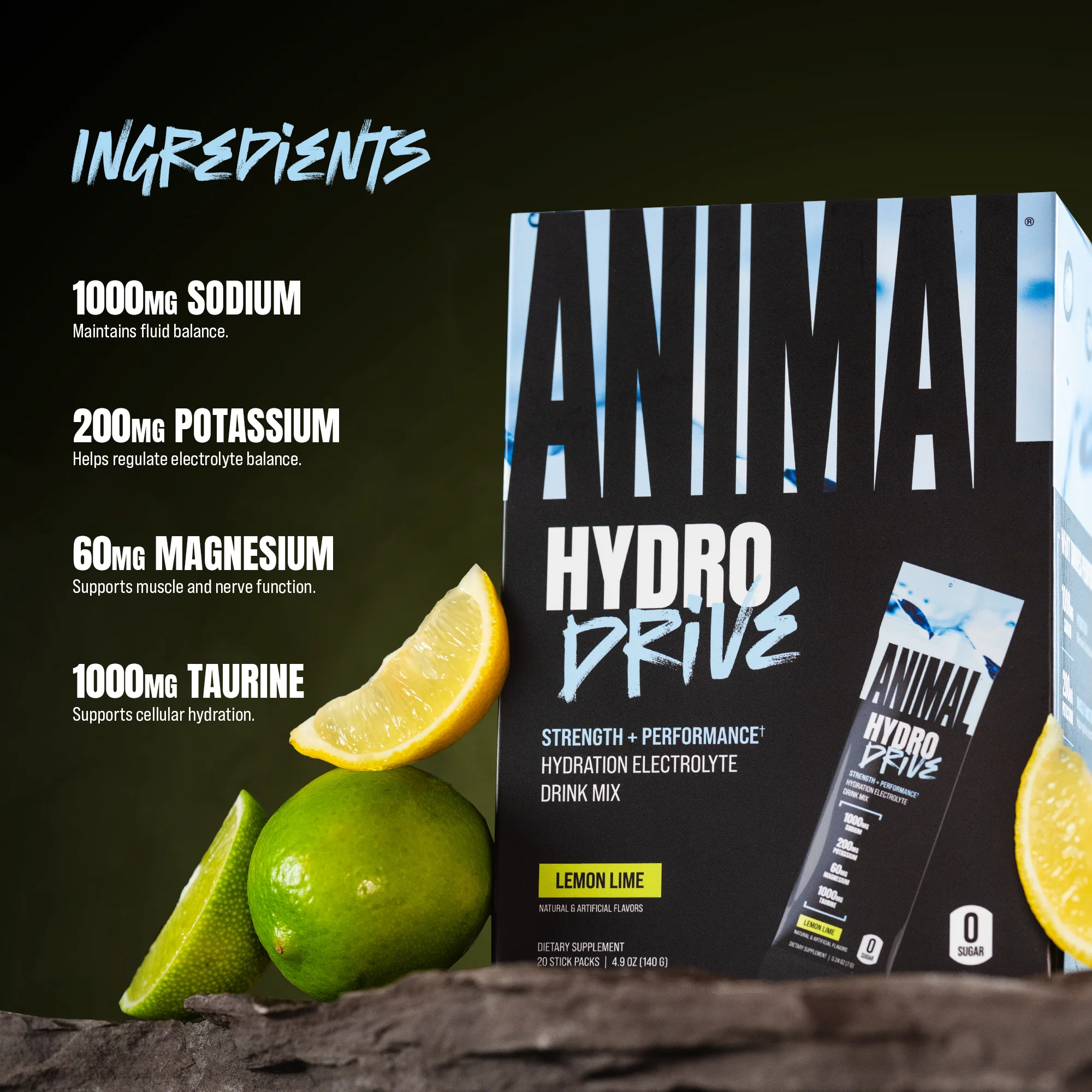
The formula is short and heavy where it counts. Each stick delivers 1000mg of sodium, 1000mg of taurine, 200mg of potassium, and 60mg of magnesium, mixed into 16 to 24 ounces of cold water. That sodium dose is the headline, and it's far more than you'll find in a typical sports drink. HydroDrive is built for the athlete who sweats hard and leaves the gym with a salt ring on his shirt, not for casual sipping.
Below, we break down why that sodium load matters before training even starts, where taurine fits into a hydration formula, and how HydroDrive slots into the rest of the Animal lineup. First, check PricePlow for HydroDrive's current prices and availability:
Universal Animal Hydro Drive – Deals and Price Drop Alerts
Get Price Alerts
No spam, no scams.
Disclosure: PricePlow relies on pricing from stores with which we have a business relationship. We work hard to keep pricing current, but you may find a better offer.
Posts are sponsored in part by the retailers and/or brands listed on this page.
This area is reserved for Team PricePlow's upcoming videos.
Subscribe to our channel and sign up for notifications so you catch it when it goes live!

Animal HydroDrive Ingredients
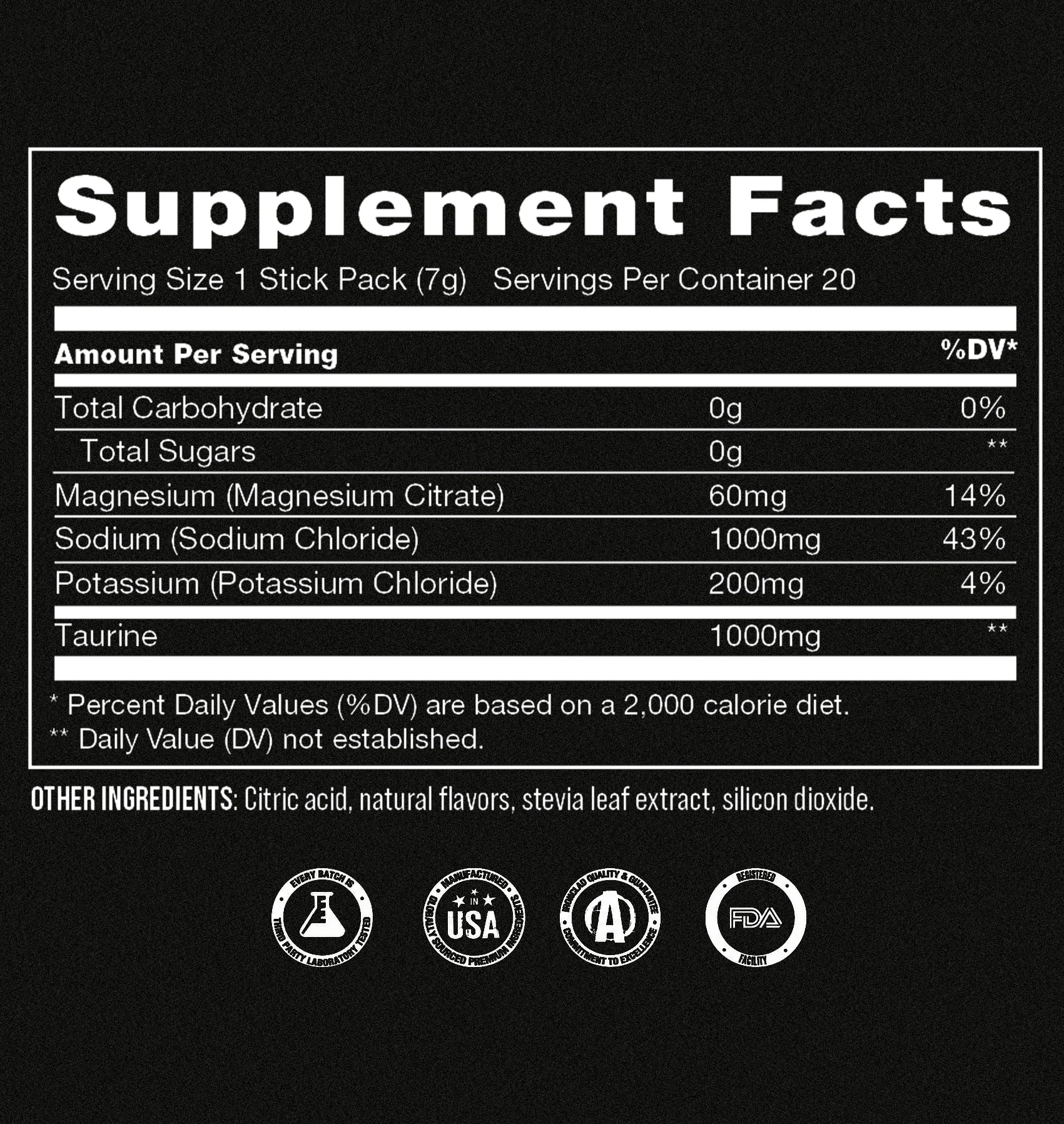
Each 1 stick pack (7g) serving provides the following:
-
Sodium (Sodium Chloride) - 1000mg
Sodium is the main electrolyte lost in sweat and the primary driver of fluid balance outside your cells, which is why it's the centerpiece of HydroDrive. At 1000mg per stick (43% DV), this is an intentionally large dose, and athletes who sweat heavily need it. In professional football players studied during training camp, sweat sodium concentration ranged from 15 to 99mEq/L, hourly sodium losses ranged from 642mg to 6.7g, and calculated daily losses reached as high as 30g on long practice days.[1]
As you can see, it's highly variable. Some athletes can cover losses like that with normal meals, but others lose enough that increasing sodium intake becomes essential, and replacing sweat with low-sodium fluid can lead to incomplete rehydration.[2] The research on sodium and hydration really splits into two jobs, and HydroDrive's positioning leans hard into the first one.
Getting Hydrated: Before the First Rep
Athletes should begin exercise well hydrated, yet many are already dehydrated to some degree when they start.[3] The National Athletic Trainers' Association notes that losing just 1% to 2% of body weight as fluid begins to compromise physiological function and performance. But what if you're already in a bad spot before you even start?! So for pre-exercise hydration, it recommends drinking roughly 500mL to 600mL (17 to 20 ounces) two to three hours before exercise, plus another 200mL to 300mL shortly before.[4] A single 16 to 24 ounce serving of HydroDrive fits well into that first window.

The catch is that plain water doesn't stick around well when you're already close to topped off. A large bolus of water dilutes plasma osmolality, and the kidneys respond by producing more urine. That's why researchers studying pre-exercise hyperhydration pair the fluid with an osmotically active agent, typically glycerol or sodium.[5] A 2024 meta-analysis of these protocols found small-to-moderate improvements in time-to-exhaustion (g = 0.31) and time trial performance (g = 0.25) when athletes started exercise with extra body water on board, and sodium-based trials were associated with lower body temperature after the performance task than glycerol-based trials. Most of the included studies used glycerol rather than sodium chloride, all of them used endurance tasks, and the protocols involved much larger fluid volumes than one stick pack, so these results demonstrate the principle rather than HydroDrive's effect directly.
A randomized trial in 72 already-well-hydrated men makes the sodium connection clearer at everyday drink volumes. After drinking 1L of different beverages, participants retained significantly more fluid from an oral rehydration solution containing 55mmol/L sodium, producing about 362g less urine over four hours than after still water. A sports drink with 21mmol/L sodium, on the other hand, performed no differently from water.[6] The winning solution also contained potassium and glucose, so sodium wasn't tested in isolation.
Still, the math lines up well for HydroDrive. Its 1000mg of sodium is about 43.5mmol, which works out to roughly 61 to 92mmol/L across the labeled 16 to 24 ounces of water. That's at or above the concentration of the solution that beat water, and roughly three to four times higher than the sports drink that didn't!

Staying Hydrated: Through the Last Set
Once training starts, the job shifts from building a fluid buffer to limiting the deficit. NATA recommends replacing sweat and urine losses closely enough to keep body weight loss under 2%, while also warning that overdrinking carries its own risks.[4] Sodium is the mineral that matters most here, too. Across seven hours of exercise in the heat, sweat sodium averaged about 863mg per liter at 27°C, nearly four times the concentration of potassium, while magnesium came in at only about 1.3mg per liter.[7] By that measure, one HydroDrive stick holds about as much sodium as 1.2 liters of sweat.
HydroDrive's directions allow it during and after training as well, so the same stick that starts the session can help keep up with it. But the pre-training dose is what sets this formula apart. Most electrolyte drinks are designed for the middle of a workout, while HydroDrive's sodium load is designed to be in place before the bar gets loaded.
-
Taurine - 1000mg
Taurine is a sulfur-containing amino acid and the most abundant free amino acid in mammalian tissue, making up roughly 50% to 60% of the free amino acid pool.[8] It helps regulate ion channels, cell volume, and membrane stabilization,[9] which is the physiology behind the "cellular hydration" language on HydroDrive's label. That role in cell-volume control makes taurine a more natural fit for a hydration formula than it might first appear.
Two Performance-Based Meta-Analyses Worth Knowing
Taurine also carries some of the better single-dose performance data in sports nutrition. A 2025 meta-analysis of 23 randomized trials found that one acute dose of taurine was associated with small-to-moderate improvements in overall performance (g = 0.25), with benefits most apparent in aerobic endurance, strength and power, and agility tasks. The researchers detected no clear dose-response relationship across the commonly used 1g to 6g range, found both capsules and beverages effective, and saw the most favorable results with ingestion about an hour before exercise.[10] An earlier meta-analysis reached a similar conclusion for endurance performance (g = 0.40), noting that a single dose between 1g and 6g was enough and that dose didn't moderate the effect.[8]
HydroDrive's 1000mg sits at the lower end of that studied range, but neither meta-analysis found that bigger doses reliably did more. Because HydroDrive is meant to be taken before training, it also matches the pre-exercise timing used in most of that research. A review of taurine in sports found that effective protocols typically used about 1g to 3g, often taken one to three hours before activity.[11]
The Taurine Mechanism
Mechanistically, taurine assists with calcium handling in the sarcoplasmic reticulum, and improvements in muscle performance have been attributed to this effect in both cardiac and skeletal muscle cells.[8] In rats, raising muscle taurine content by about 40% increased twitch force by 19% and helped preserve force during repeated high-frequency stimulation.[12]
The Thermoregulation Connection
Taurine has an interesting connection to thermoregulation as well. In a double-blind crossover trial, eight days of taurine at 50mg/kg per day enhanced sweating responses and evaporative heat loss during exercise in hot, humid conditions, delaying the shift into heat stress.[13] That protocol used several times HydroDrive's dose for over a week, but it's a useful reminder of why taurine and a heavy sodium dose belong together: more sweat means more fluid and sodium to replace.
Stacking the data, taurine is best viewed as a decent edge rather than a "guarantee". Even so, 1000mg of taurine gives HydroDrive a research-backed performance ingredient that too many popular hydration mixes don't bother to include.
-
Potassium (Potassium Chloride) - 200mg
Potassium is the most abundant cation inside your cells, and the gradient across the cell membrane, maintained largely by the sodium-potassium ATPase pump, sets the membrane potential that nerves and muscles depend on. Only a very small amount of potassium is lost in sweat.[14] In the seven-hour heat study discussed above, sweat potassium averaged about 222mg per liter, compared with 863mg for sodium.[7] HydroDrive's 5:1 sodium-to-potassium ratio follows that pattern, prioritizing the mineral you lose the most of while still supplying potassium to help regulate electrolyte balance and support muscle function.
-
Magnesium (Magnesium Citrate) - 60mg
Magnesium binds with ATP to form the Mg-ATP complex, the body's primary usable energy source, and it's needed for nerve conduction and muscle contraction. Requirements appear to climb as physical activity increases, and a suboptimal magnesium status in strength-trained individuals may lead to inefficient energy metabolism.[15] HydroDrive uses magnesium citrate, an organic form, and a systematic review of magnesium supplements found organic forms generally more bioavailable than inorganic ones.[16] At 60mg (14% DV), it's a supporting top-up rather than a full daily dose, rounding out the formula's neuromuscular support.
Flavors Available
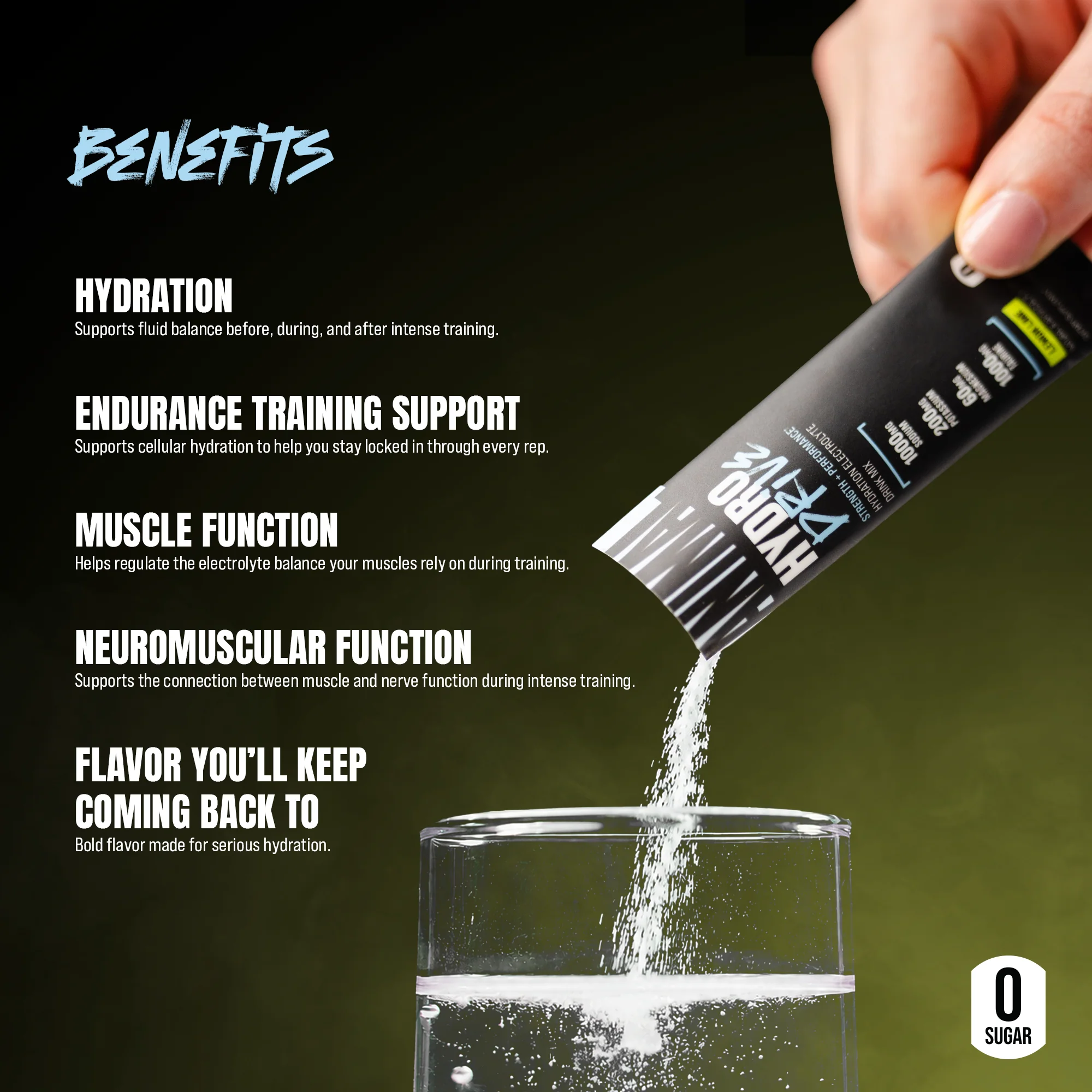
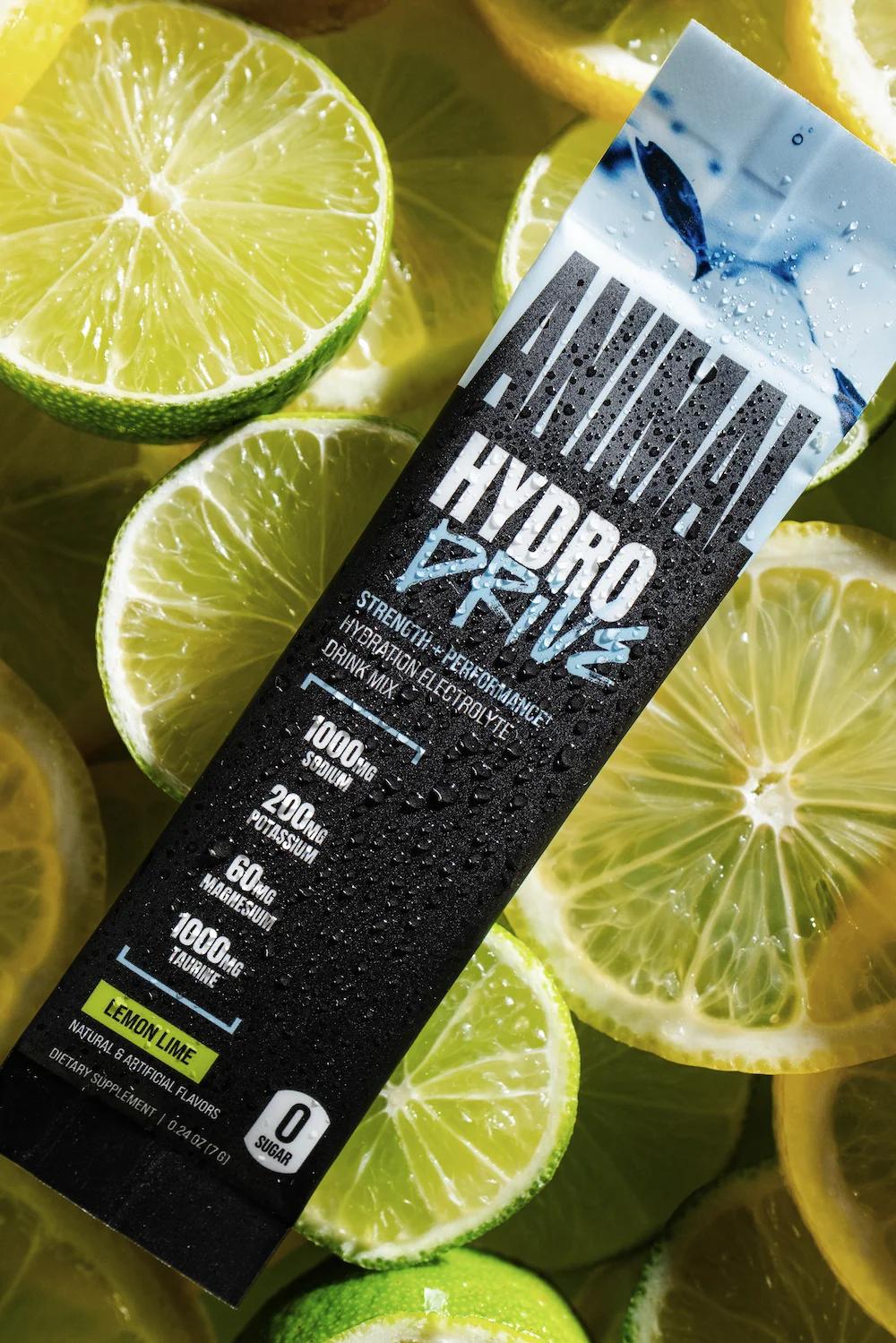
HydroDrive launches in Lemon Lime, labeled with natural and artificial flavors. It's sweetened with stevia leaf extract and uses citric acid for tartness, which keeps each stick at zero sugar and zero carbohydrates.
Here's an up-to-date list of all flavors of Animal HydroDrive:
How to Use
- When to take it: Mix one stick pack with 16 to 24 ounces of cold water before training, which is HydroDrive's core use case, though the label also allows it during or after your session and recommends daily use.
- Other notes: Each stick carries 1000mg of sodium because HydroDrive is built for athletes who sweat hard. If you're limiting your sodium intake, this obviously isn't the product for you.
Stacks Well With
- Animal Primal: Animal's full-spectrum pre-workout already leans into hydration, using 3DPump (which includes glycerol) alongside taurine and electrolytes. Drinking HydroDrive first and Primal closer to training gives the whole pre-workout ritual a sodium-loaded head start.
- Animal Creatine Chews: These deliver 5g of micronized creatine monohydrate in four chewable tablets. Taking them alongside HydroDrive keeps your daily creatine and electrolytes in the same routine.
Who It's For
- Heavy sweaters and long-session lifters: Athletes who train hard for extended sessions, train in the heat, or finish workouts with salt-crusted shirts are exactly who a 1000mg sodium dose was built for.
- Lifters who plan their pre-training routine: If your preparation already includes a pre-workout, a warm-up, and a planned meal, HydroDrive gives hydration its own slot in that sequence.
- Sugar-conscious athletes: Zero sugar and zero carbohydrates make it easy to use every day without adding either to your diet.
Conclusion: Hydration Moves to the Front of the Line
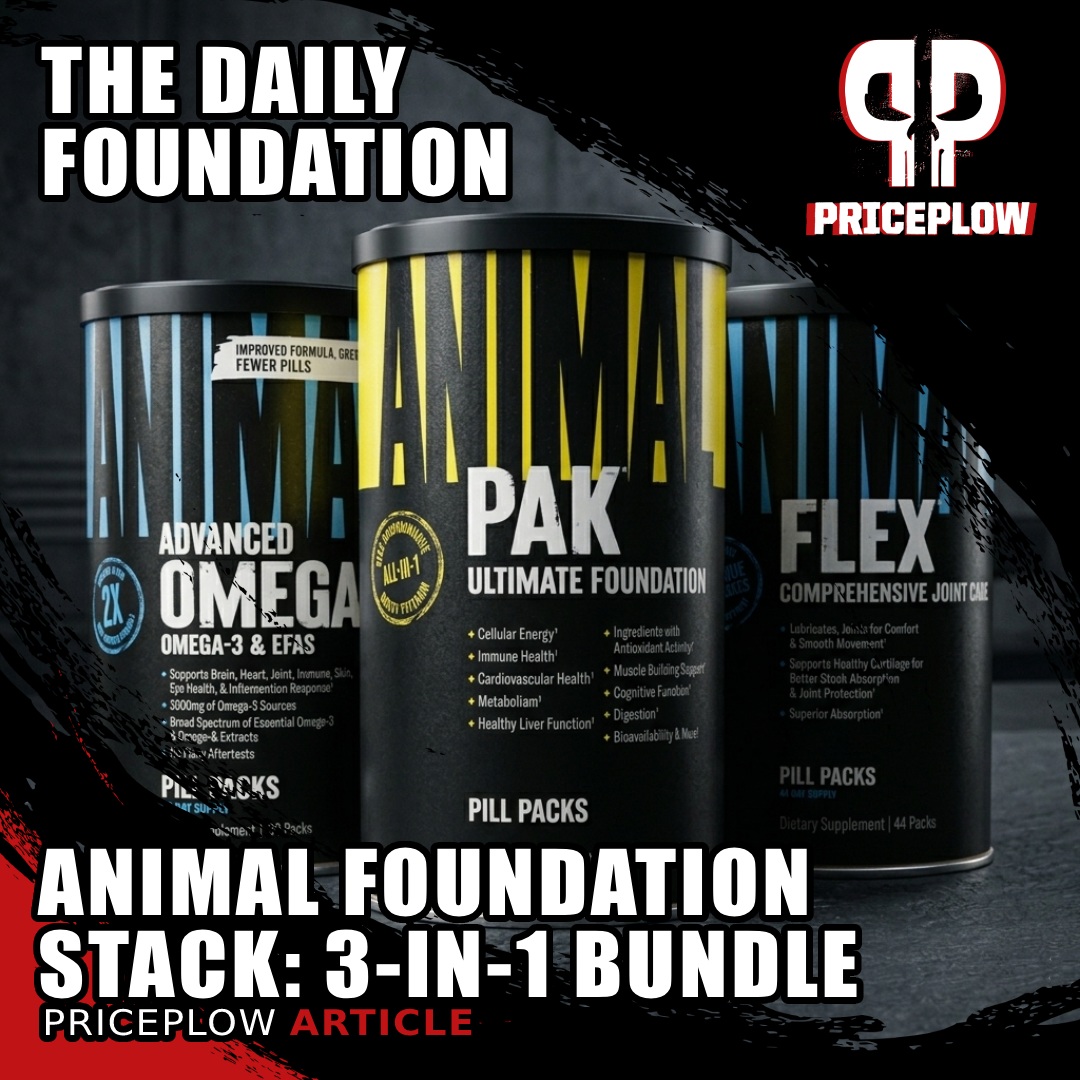
Animal Foundation Stack bundles Animal Pak, Animal Flex, and Animal Omega so your multivitamin, joint, and omega base is covered before anything else.
Animal HydroDrive takes a fresh angle on a crowded category. Instead of treating electrolytes as something to sip once you're already sweating, Animal is asking lifters to handle hydration the way they handle everything else: on purpose, and before the first rep.
The formula backs that up. A 1000mg sodium dose lands in the same concentration range as the oral rehydration solution that outperformed water for fluid retention, and well above the typical sports drink. A full 1000mg of taurine adds a performance ingredient with single-dose meta-analytic support, and it pairs sensibly with the heavy sweat losses HydroDrive is designed to cover. Potassium and magnesium citrate round out the profile, and the whole thing comes in at zero sugar in a portable stick pack you can drink on the way to the gym.
It's also a clean fit within Animal's system. The brand has always built around daily fundamentals, from the multivitamin, joint, and omega staples in the Animal Foundation Stack to its pre-workouts and creatine. HydroDrive gives hydration a dedicated place in that routine, aimed squarely at the athletes who sweat the most.
Check PricePlow for the latest Animal HydroDrive prices below, and sign up for Animal news alerts so you'll know when new flavors and formulas drop.
Universal Animal Hydro Drive – Deals and Price Drop Alerts
Get Price Alerts
No spam, no scams.
Disclosure: PricePlow relies on pricing from stores with which we have a business relationship. We work hard to keep pricing current, but you may find a better offer.
Posts are sponsored in part by the retailers and/or brands listed on this page.


Comments and Discussion (Powered by the PricePlow Forum)