WADA's 2026 prohibited list is now in effect. New banned substances include BAM15, flmodafinil, and fladrafinil--all found in supplements. One contaminated product can end an Olympic career. Testing depth matters more than ever.
The stakes for supplement safety have never been higher. On January 1, 2026, the World Anti-Doping Agency's (WADA) 2026 List of Prohibited Substances and Methods officially took effect,[1] and just weeks before the Milano Cortina 2026 Winter Olympic Games begin in February. For athletes competing at the highest level, the margin for error has essentially vanished. A single contaminated supplement can end an Olympic career, and athletes remain liable for anything found in their system, whether the exposure was intentional or not.
This year's list updates include critical new clarifications and additions across multiple substance categories, with several prohibited compounds having been found in dietary supplements and research chemicals. As TruShield™ Certified founder Lori Bestervelt, Ph.D. emphasizes: "Close enough is not good enough when an athlete's career is on the line."
For brands serving elite athletes and tested competitors, comprehensive banned substance testing aligned with WADA standards is more than just good practice, it's essential protection. This article covers what's new for 2026 and why testing depth matters more than ever. Before diving in, subscribe to PricePlow's TruShield Certified news alerts so you get notified of the latest testing updates and announcements:
Subscribe to PricePlow's Newsletter and TruShield Certified Alerts

The Reality: Athletes Are Liable for Everything in Their System
WADA's rules place full responsibility on athletes for any prohibited substance detected in their body, regardless of how it got there. This extends beyond traditional sports nutrition supplements to products athletes might use for sleep support, stress management, immune function, or general health. Lotions and creams count, too! The consequences for positive tests include:
- Disqualification from competition
- Loss of medals and records
- Suspension from sport (potentially years)
- Stripped sponsorships and endorsements
- Permanent career damage
Trace amounts -- even levels far below what would provide any performance benefit -- can still trigger positive tests and sanctions. With the International Testing Agency (ITA) overseeing anti-doping operations at Milano Cortina 2026, the scrutiny on supplement use has intensified.
The challenge: supplement contamination remains a persistent problem. Cross-contamination during manufacturing, undeclared ingredients, and the presence of novel substances not listed on labels all create risk. Athletes need certification programs that test comprehensively, not just check boxes.
What's New in the 2026 WADA Prohibited List
The 2026 list updates,[2] approved by WADA's Executive Committee in September 2025, primarily provide clarifications and additions to existing categories. While these might seem like minor technical changes, they have significant implications for supplement testing.
-
S1: Anabolic Agents - Common Testosterone Esters Clarified
The 2026 list adds specific clarifications for common esters of testosterone, now explicitly including testosterone cypionate and testosterone propionate. While these substances were always prohibited as anabolic agents, the explicit naming removes any ambiguity for athletes, their support personnel, and testing laboratories.
-
S2: Peptide Hormones and Growth Factors - New EPO Mimetic
Pegmolesatide was added as a new erythropoietin (EPO) mimetic agent. EPO mimetics stimulate red blood cell production, potentially enhancing endurance performance by improving oxygen delivery to muscles. These substances represent an evolving category where new compounds continue to emerge.
-
S4: Hormone and Metabolic Modulators - Supplement Concerns
Two substances found in some supplements and research chemicals were added to the prohibited list, and their presence raises serious safety concerns for both athletes and general consumers:
- BAM15 (1-(4-chloro-3,5-dinitrophenoxy)-2,4-dinitrobenzene): A mitochondrial uncoupler that increases energy expenditure by disrupting normal cellular energy production. While it's been explored in research settings for weight management applications, BAM15 has never been approved for human use. All existing research has been conducted in mice, with no long-term human safety trials and no established safe doses for humans.
The compound's mechanism -- uncoupling mitochondrial respiration to generate heat instead of ATP -- carries inherent risks. Excessive mitochondrial uncoupling can lead to dangerous increases in body temperature, organ stress, and metabolic disruption. Despite these concerns and the complete absence of human safety data, BAM15 has appeared in products marketed for fat loss, often sold as "research chemicals" or included in supplements without proper disclosure.

TruShield™ Certified brings WADA-level banned substance testing to supplements. Led by Lori Bestervelt (who created NSF 173 & Certified for Sport), it tests for 400+ banned substances using the same lab sports organizations trust when athletes test positive.
For athletes, BAM15's prohibition status is now explicit. For all consumers, the lack of toxicology data, unknown safe dosing ranges, and absence of any regulatory approval make any product containing this compound a serious health risk.
- 2-phenylbenzo[h]chromen-4-one: A selective estrogen receptor modulator (SERM)-like compound with potential metabolic effects. Like BAM15, this substance exists primarily in research chemical markets rather than approved pharmaceutical products. Its presence in supplement manufacturing facilities creates cross-contamination risk even when not intentionally added to formulations.
Both substances exemplify a dangerous pattern in the supplement industry: compounds studied exclusively in academic research or sold as "research chemicals" finding their way into consumer products. This pattern isn't new, either: SARMs (selective androgen receptor modulators) followed the exact same trajectory. They moved from laboratory research to gray market sales and led to supplement contamination, creating widespread problems for both athlete safety and consumer health.
- BAM15 (1-(4-chloro-3,5-dinitrophenoxy)-2,4-dinitrobenzene): A mitochondrial uncoupler that increases energy expenditure by disrupting normal cellular energy production. While it's been explored in research settings for weight management applications, BAM15 has never been approved for human use. All existing research has been conducted in mice, with no long-term human safety trials and no established safe doses for humans.
-
S6: Stimulants - Potent Modafinil Analogues
The inclusion of flmodafinil (CRL-40,940 or lauflumide) and fladrafinil (CRL-40,941) addresses a growing problem in the nootropic and cognitive enhancement supplement space. These compounds are more potent analogues of modafinil, a prescription wakefulness-promoting agent already prohibited in competition.
The safety concerns with these substances are substantial:

- Neither compound has undergone FDA clinical trials for human safety. While modafinil itself has been studied extensively and approved for specific medical uses, its analogues have not. The modifications that make flmodafinil and fladrafinil more potent than the parent compound also introduce unknown variables regarding their effects on the cardiovascular system, neurological function, and potential for dependence.
- Purity, long-term side effects, and toxic dosages are completely unknown. Products containing these compounds are typically sourced from research chemical suppliers where quality control and purity standards are inconsistent at best. Consumers have no way to verify what they're actually getting, what dose they're taking, or what contaminants might be present.
- They're being marketed as nootropics for cognitive enhancement. The appeal of enhanced focus, wakefulness, and mental performance has created a market for these compounds among students, professionals, and athletes seeking competitive advantages. Products are sold online with minimal oversight, often labeled as "research chemicals" or "not for human consumption" to skirt regulatory requirements while clearly being marketed for human use.
Athletes face dual risks: prohibited status under WADA rules and the same safety concerns that apply to all consumers. The compounds have been found in dietary supplements and products marked as "research only", creating exposure risk for athletes who may purchase such products for cognitive benefits without understanding they're consuming prohibited substances with no established safety profile.

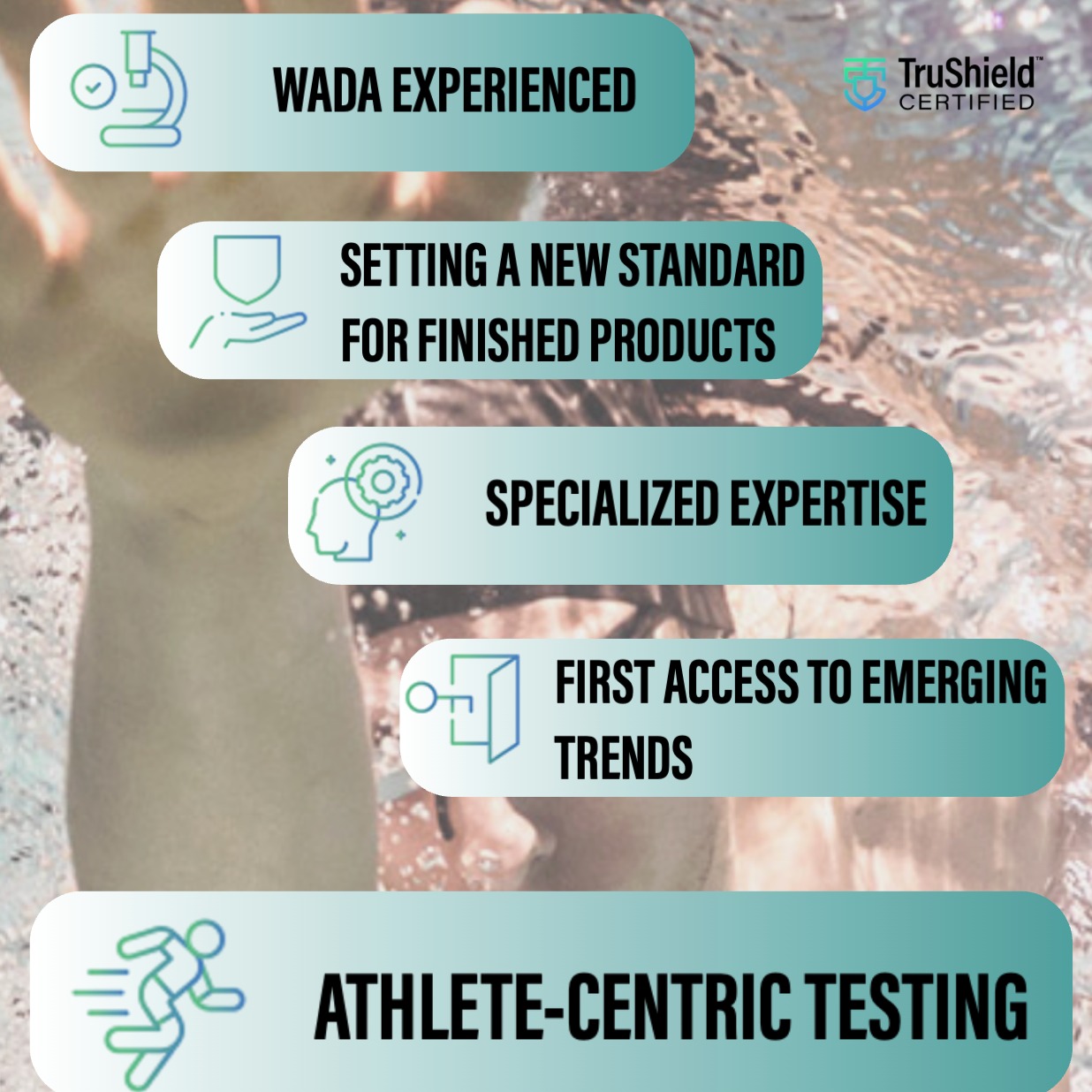
WADA-experienced lab access, elevated product standards, dedicated scientists, early threat detection, and athlete-first approach.
This situation mirrors the earlier SARM contamination crisis. Research chemicals developed for academic study enter gray markets, get incorporated into supplements (either intentionally or through manufacturing cross-contamination), and create problems that don't become fully apparent until athletes test positive or adverse events emerge. By the time regulatory agencies and certification programs catch up, new analogues with slightly different chemical structures have already entered the pipeline.
For WADA to explicitly name these compounds in the 2026 list indicates they're aware of emerging use patterns. For consumers and athletes, the message is clear: these substances carry unknown risks, lack safety data, and have no legitimate place in dietary supplements or cognitive enhancement products despite their availability online.
-
Prohibited Methods: Carbon Monoxide Addition
The 2026 list adds non-diagnostic use of carbon monoxide (CO) to prohibited methods. While diagnostic uses for measuring total hemoglobin mass or pulmonary diffusion capacity remain permitted, using CO to artificially increase oxygen-carrying capacity is now explicitly banned.
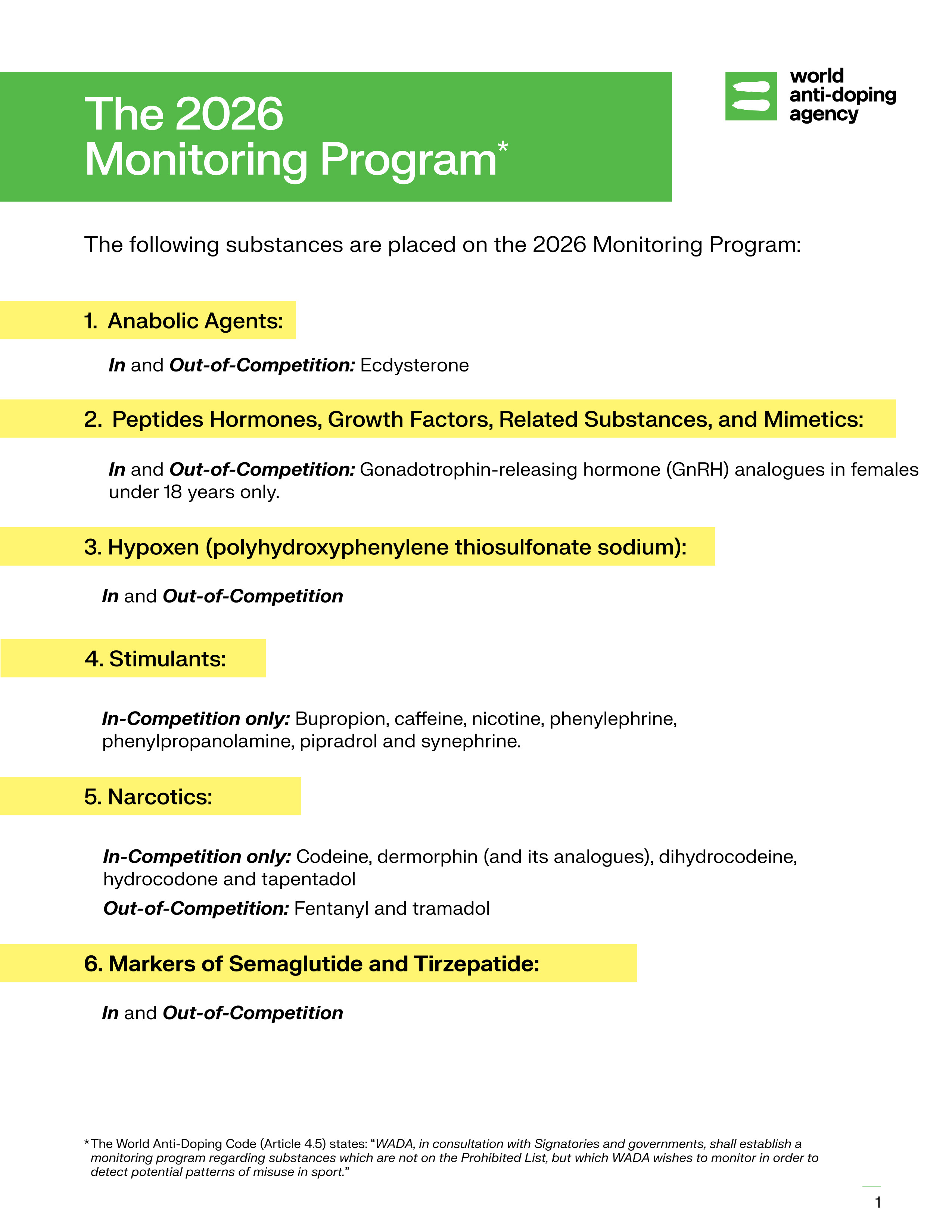
The 2026 Monitoring Program: What WADA Is Watching
Alongside the Prohibited List, WADA maintains a Monitoring Program tracking substances not currently banned but monitored for potential patterns of misuse.[3] The 2026 program includes several noteworthy additions:
-
Markers of Semaglutide and Tirzepatide
Both in- and out-of-competition monitoring for these GLP-1 receptor agonists reflects their increasing use in weight management. While not currently prohibited, WADA is tracking whether these medications are being misused in sports contexts.
-
Ecdysterone Monitoring Continues

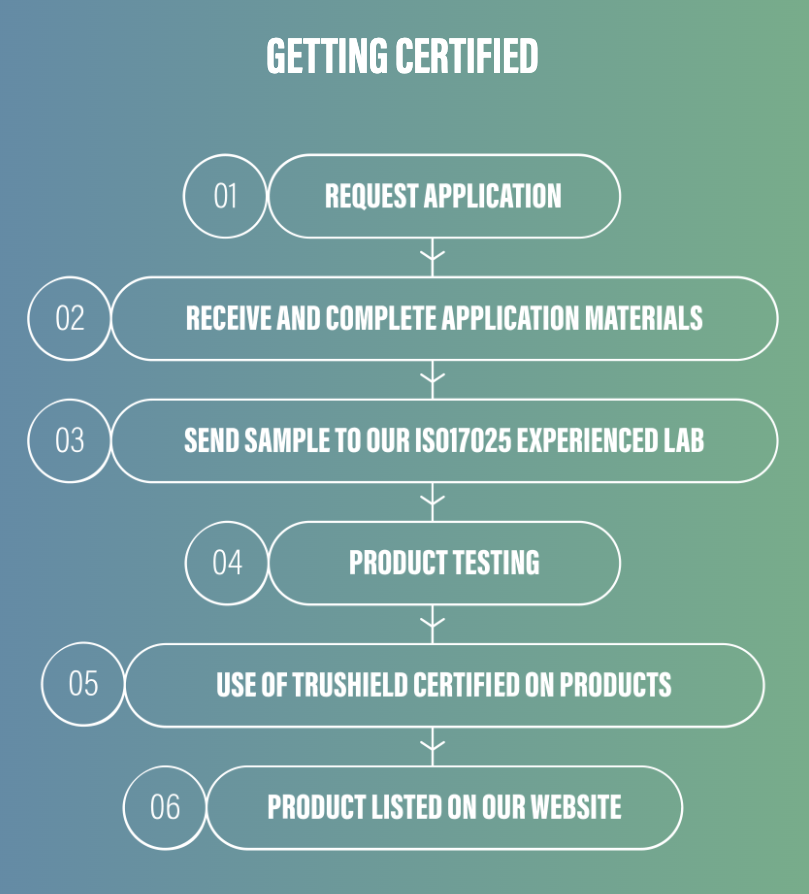
TruShield Certification Process Steps
Ecdysterone, a compound found in some plants and marketed in supplements for muscle-building effects, remains on the monitoring program. Research has suggested potential anabolic effects, though its prohibition status hasn't changed.
-
Caffeine Still Monitored In-Competition
As discussed in PricePlow Podcast Episode #193 with Lori Bestervelt and Thane Campbell, caffeine remains on the monitoring program despite being removed from the prohibited list in 2004. WADA continues tracking caffeine use patterns in competition, though the substance remains legal at any dose.
The monitoring program demonstrates WADA's proactive approach to emerging threats, identifying potential problems before substances become widespread performance enhancers.
Why "Close Enough" Testing Isn't Enough
Most established certification programs test for approximately 300 banned substances. While this provides important baseline protection, it leaves gaps: entire drug classes that athletes could test positive for despite using "certified" products.
TruShield™ Certified tests for over 400 prohibited substances, including categories that other programs overlook:
- Glucocorticoids: A class of corticosteroids that can enhance performance and are prohibited by WADA in competition
- HIF stabilizers: Hypoxia-inducible factor stabilizers that manipulate the body's response to low oxygen levels
- Novel stimulants and analogues: Emerging compounds like the modafinil analogues now explicitly prohibited
- Research chemicals: Substances like BAM15 that exist in gray market spaces
This comprehensive approach stems from TruShield's unique foundation: the certification program operates through EagleDX, a subsidiary of Sports Medicine Research and Testing Laboratory (SMRTL), one of only two WADA-experienced anti-doping laboratories in the United States. When professional sports organizations need to investigate positive athlete tests and analyze implicated supplements, they send samples to SMRTL's laboratory.
"When someone pops," explains Thane Campbell, COO of SMRTL, "they're not sending those supplements over to other certification programs. They're sending it to the SMRTL lab, because they trust them."
The TruShield™ Difference: Banned Substance Testing and Only Banned Substance Testing
Led by Lori Bestervelt, Ph.D., who spent 22 years as Chief Science Officer at NSF International where she created NSF Certified for Sport and the foundational NSF 173 standard, TruShield™ Certified takes a focused approach to athlete protection.
Unlike bundled certification programs that require brands to repeat testing across multiple areas they may already have covered (GMPs, label claim verification, contaminant testing), TruShield™ maintains singular focus: comprehensive banned substance testing using WADA-level methodologies.

Lori Bestervelt, the scientist behind the certification spent over two decades at NSF International, where she authored the industry's foundational supplement testing standards before launching this new program.
This approach recognizes that many companies already have robust quality management systems and work with reputable labs for other testing needs. What athletes need most is certainty that products are free from the expanding list of prohibited substances, tested with the same rigor used to protect Olympic and professional competition.
Batch-by-Batch Protection
TruShield™ requires testing for every production batch or lot, ensuring consistent verification rather than one-time product approval. This ongoing vigilance recognizes the reality of manufacturing where contamination can occur between batches or when equipment is shared for multiple products.
Every tested batch appears on TruShield's website for public verification, allowing athletes to confirm the specific product they're using has been tested.
For Olympic Athletes: The Stakes in February 2026
As the Milano Cortina 2026 Winter Olympic Games approach, athletes face intense scrutiny. The IOC's zero-tolerance policy[4] combined with the ITA's comprehensive testing program means that supplement choices require extreme diligence.
Athletes competing in WADA-regulated sports don't just need supplements that claim to be clean, they need products tested against the same comprehensive substance panel that laboratories use when analyzing blood and urine samples. They need certification backed by scientists who understand the evolving landscape of prohibited substances and have access to WADA reference standards.
One contaminated supplement can end years of training and sacrifice. The difference between making the podium and facing suspension often comes down to what athletes choose to put in their bodies in the months and weeks before competition.
For Brands: Protecting Athletes Protects Your Reputation
WADA-experienced lab access gives the certification restricted reference materials and advanced anti-doping protocols.
Brands serving elite athletes, sports organizations, or team sponsorships face similar stakes. A single contamination incident leading to an athlete's positive test can damage reputation for years and result in lost partnerships with leagues and teams.
TruShield certification demonstrates commitment to the highest testing standards available, going beyond basic requirements to provide comprehensive banned substance screening aligned with what professional sports organizations require when careers are on the line.
Early adopters like CON-CRĒT (whose founder Mark Faulkner co-founded Aegis Sciences Corporation, one of the industry's pioneering anti-doping labs), RedLeaf Biologics with ReDaxin (the first and only clinically studied patented red sorghum leaf extract made in the USA that's also the first to utilize TruShield™ certification), and Vireo (who certified their innovative Amino Activ topical product) recognized this value and chose testing that matches the rigor of elite athletic competition.
Yet it's not just for sports supplements, it's for any company that cares about quality. TruShield™ Certified goes beyond dietary supplements and ingredients and is able to test OTC drugs, homeopathic products, antidoping collection products, and more. A list of their certified products is on their website at TruShieldCertified.com/certified-products.
Conclusion: When Careers Are on the Line, Testing Depth Matters
The 2026 WADA Prohibited List taking effect represents another evolution in anti-doping standards, with new substances explicitly prohibited and others being monitored for potential misuse. As WADA's science advances and new performance-enhancing compounds emerge, the gap between basic certification and comprehensive testing continues to widen.
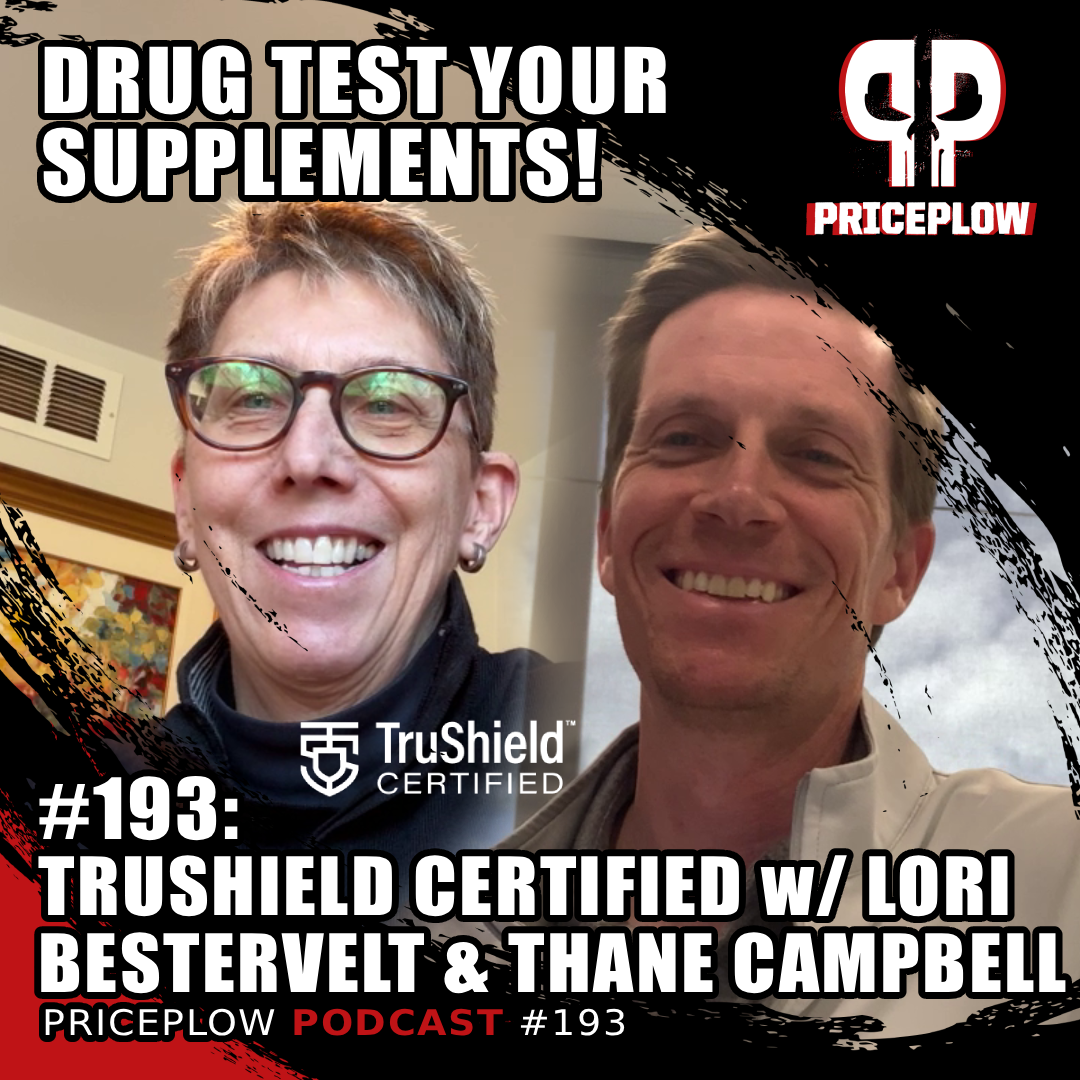
Lori Bestervelt, Ph.D., creator of the NSF 173 standard, and Thane Campbell from SMRTL introduce TruShield Certified, testing supplements for over 400 banned substances using WADA-level methodologies on Episode #193 of the PricePlow Podcast.
For athletes preparing for Milano Cortina 2026 or competing in any WADA-regulated sport, supplement choices require extreme diligence. For brands serving these athletes, providing products tested against 400+ banned substances using methodologies developed for professional sports organizations is critical protection.
TruShield™ Certified brings WADA-level testing expertise to supplement certification through its connection to one of only two WADA-experienced anti-doping laboratories in the United States, staffed by dedicated anti-doping scientists who understand the evolving landscape of prohibited substances.
When an athlete's Olympic dream is on the line, close enough isn't good enough. The stakes demand comprehensive testing from laboratories that understand what's at risk and have the expertise to protect it.
Learn More
For complete background read our introductory article on TruShield™ Certified or listen to PricePlow Podcast Episode #193 with Lori Bestervelt and Thane Campbell.
Brands interested in TruShield certification can visit TruShieldCertified.com to learn about the certification process and view all certified products and tested lots.
Subscribe below to stay updated on TruShield developments and newly certified products:

Comments and Discussion (Powered by the PricePlow Forum)