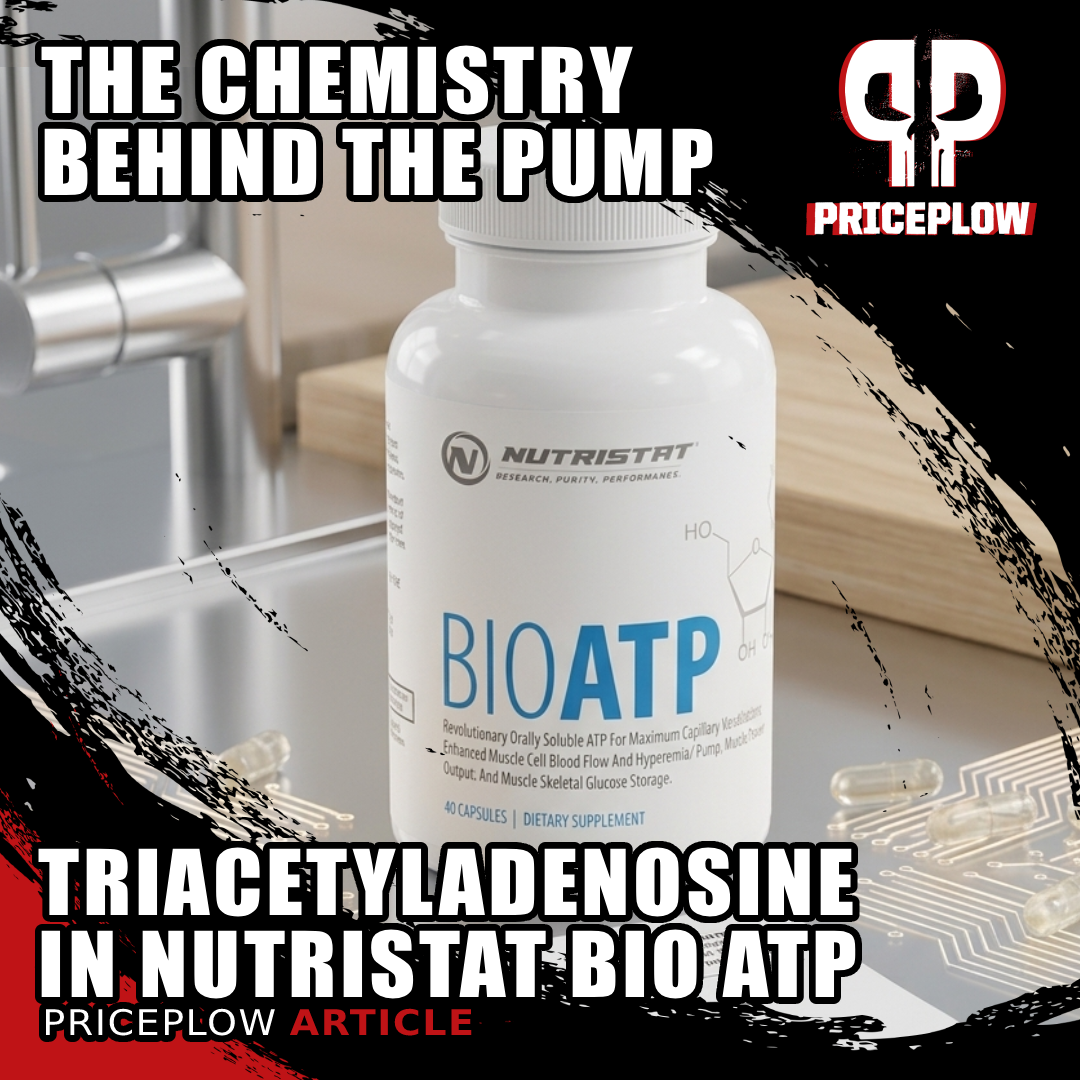
Can you actually get adenosine into working muscle when the free molecule barely survives ten seconds? That's the bet behind triacetyladenosine and Nutristat's Bio ATP.
Patrick Arnold spent three decades chasing the same basic idea: take a molecule the body already knows how to use, then find a clever way to get more of it where it counts. He famously did this with ketones, but one of his lesser-known projects took aim at adenosine, the molecule your muscles release to demand more blood during a hard set.
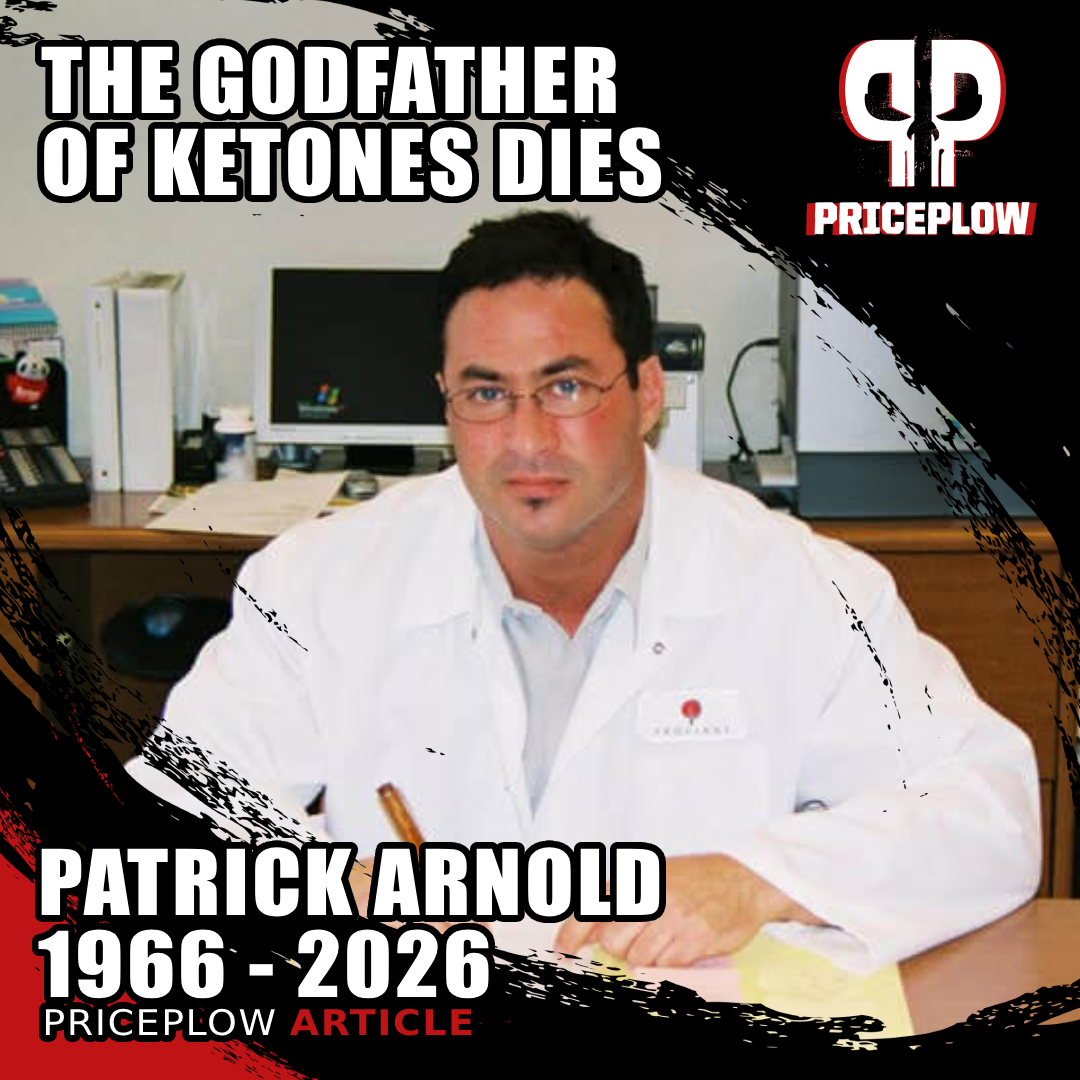
Arnold passed away in May 2026. But before he did, this project came full circle: from a topical spray he sold under his own E-Pharm brand back in 2012, to Nutristat's Bio ATP, a supplement built entirely around his triacetyladenosine chemistry, which he supported in his later years.
This guide is about that chemistry. Triacetyladenosine (TAA) is a single compound: a modified version of adenosine designed to survive long enough in the body to reach working muscle. The pitch is straightforward: adenosine already drives the vasodilation and "pump" you feel during exercise, plus longer-term vascular growth, but the free molecule barely lasts ten seconds in the bloodstream. Triacetylation is Nutristat's push to extend that window when using Bio ATP.
Below, we'll cover what adenosine actually does in trained muscle, the chemistry behind Arnold's modification, what the published research supports and where we could use more, and how Bio ATP and Nutristat's Pre Script put the ingredient to use.
Nutristat Bio ATP – Deals and Price Drop Alerts
Get Price Alerts
No spam, no scams.
Disclosure: PricePlow relies on pricing from stores with which we have a business relationship. We work hard to keep pricing current, but you may find a better offer.
Posts are sponsored in part by the retailers and/or brands listed on this page.
This area is reserved for Team PricePlow's upcoming videos.
Subscribe to our channel and sign up for notifications so you catch it when it goes live!

What Is Adenosine?
Adenosine is best known as a piece of adenosine triphosphate (ATP), the molecule that powers muscle contraction. But adenosine does plenty of work on its own once it's split off from that energy-currency role.
During a contraction, working muscle burns through ATP fast. ATP breaks down to ADP, then to AMP, and under the acidic, low-pH conditions that build up during exercise, an enzyme called ecto-5'-nucleotidase strips the final phosphate off AMP to release free adenosine into the space around the muscle fiber.[1] Researchers have measured this directly: resting interstitial adenosine sits around 220 nanomol per liter, and even light exercise at 10 watts pushes it up over fivefold to roughly 1,140 nanomol per liter.[2]
Once released, adenosine binds to one of four receptor subtypes: A1, A2A, A2B, and A3, each with its own tissue distribution and downstream effect.[3] In skeletal muscle specifically, researchers found A2A and A2B receptors directly on the muscle fibers, while A1, A2A, and A2B show up on the vascular smooth muscle and endothelial cells lining the blood vessels that feed those fibers (but with A1 receptors absent from the muscle fibers themselves).[4]
Their distribution is also important: the receptors driving blood flow and vascular effects sit on the blood vessels, not buried inside the muscle fiber, which puts them in a good position to respond to adenosine arriving from the bloodstream and not just adenosine generated locally during a contraction.
This is the molecule Bio ATP is built around. Nutristat's challenge actually wasn't showing that adenosine matters for exercise... that part is already well established. The real question is whether you can get usable amounts of it into the body in the first place.
Triacetyladenosine: An Adenosine Molecule Reinvented
Free adenosine has a problem: it barely exists. Once it's released into circulation, the enzyme adenosine deaminase converts it to inosine within seconds, and standard adenosine has limited oral bioavailability to begin with. Hospitals actually use this instability on purpose IV adenosine is given as a bolus to reset an abnormal heart rhythm precisely because its effects disappear almost as fast as they appear. But that same property is exactly what makes adenosine hard to use as a dietary supplement.
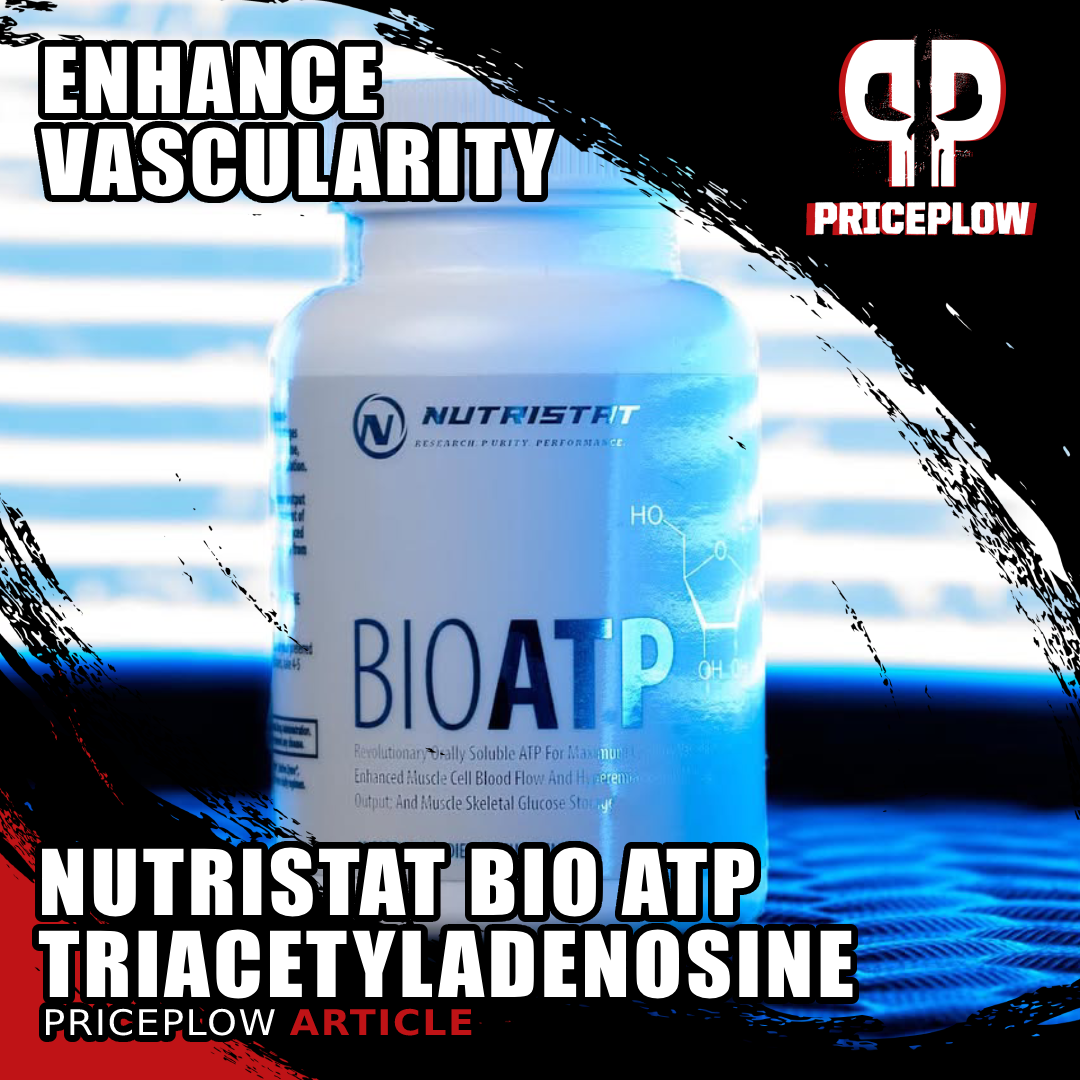
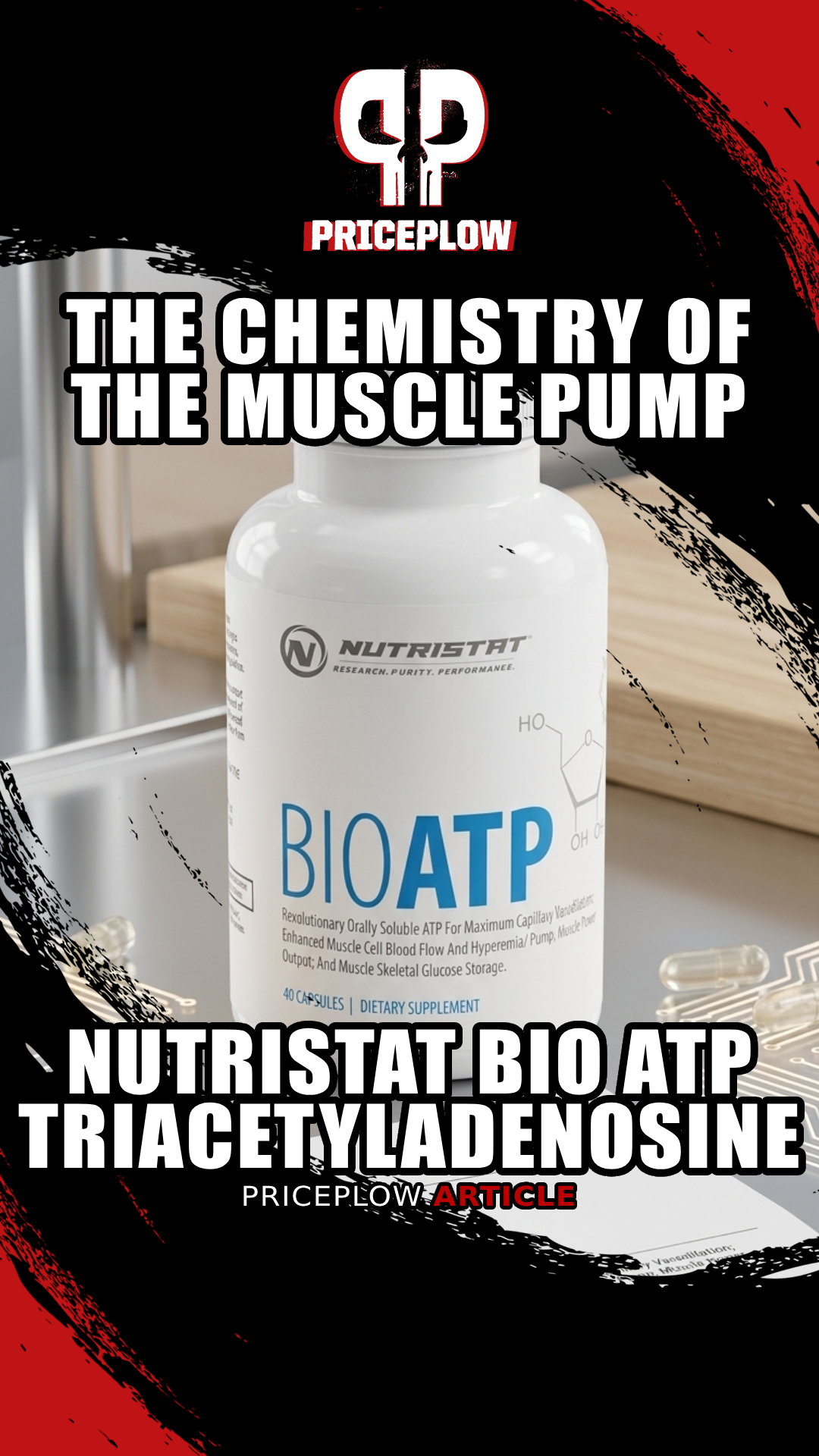
Nutristat introduces Bio ATP featuring triacetyladenosine (TAA), a novel adenosine form that enhances blood flow, promotes muscle fullness, and improves exercise performance. Not just another "ATP" supplement - this one works differently!
This is the problem Arnold's chemistry tries to solve, and the molecule itself isn't new. Triacetyladenosine (CAS 7387-57-7) is adenosine with all three of its free hydroxyl groups, at the 2', 3', and 5' positions on the ribose ring, converted to acetate esters. Chemists have made and used this exact compound since at least 1971, long before it had anything to do with supplements. It's still sold today as a protected-nucleoside building block for oligonucleotide synthesis and antiviral nucleoside research, with pharma-grade versions used for quality control in adenosine manufacturing.
The logic behind repurposing it comes from Arnold's area of chemistry expertise. Esterifying a nucleoside's hydroxyl groups masks their polarity, which can improve membrane permeability and protect the parent molecule from the enzymes that would otherwise break it down. Researchers have already used this exact approach on other nucleosides.[5][6]
Arnold first brought triacetyladenosine to market in 2012, pairing it with arginine ursolic acetate in a topical product called "Pump Spray" under his own E-Pharm brand. Oral capsule and powder versions followed over the next several years, eventually leading to Nutristat's Bio ATP. In his later years after developing exogenous ketones, Arnold turned his attention back to projects like this one and supported Nutristat's development of Bio ATP behind the scenes. He unfortunately passed away in May 2026, and PricePlow's full tribute to his career covers the rest of the story.
How Triacetyladenosine Is Designed to Work
The proposed mechanism follows directly from the logic above, though it's worth saying: nobody has published pharmacokinetic data tracking triacetyladenosine or its breakdown products through the human body after an oral dose. While the ingredient's been safely in market for well over a decade, it won't have creatine-level scientific backing that our most conservative readers require. So what follows is the chemically grounded hypothesis behind Bio ATP, not a demonstrated result.
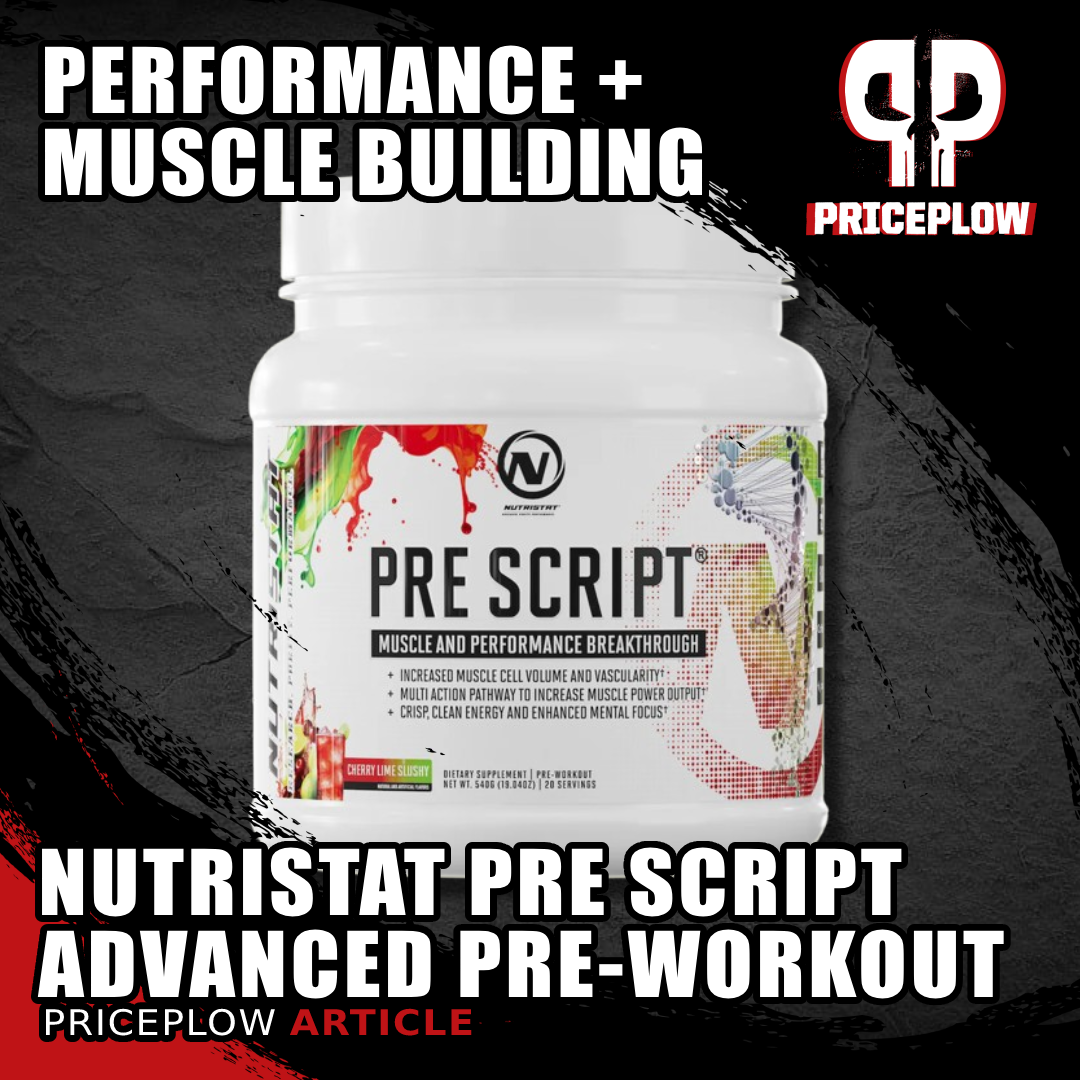
Nutristat Pre Script isn't your typical pre-workout. With 6g pure L-citrulline, 5g Creapure® creatine, and the first-ever inclusion of BioATP® (triacetyl adenosine), it's a complete performance enhancement system that builds muscle while boosting training intensity.
The process is supposed to unfold in four steps:
- First, the three acetate groups mask adenosine's polar hydroxyl groups, which should help the intact molecule cross the gut wall more readily than free adenosine would on its own.
- Second, those same acetate groups are believed to block adenosine deaminase from recognizing and degrading the molecule while it circulates, the same vulnerability that limits free adenosine to single-digit-second action.
- Third, once triacetyladenosine reaches tissue, local esterase enzymes are expected to cleave the acetate groups and release free adenosine where it's needed.
- Fourth, that newly freed adenosine binds to A2A and A2B receptors on the local vasculature, triggering the vasodilation and signaling effects described below.
That third step, however, deserves the most scrutiny. Esterase cleavage of acylated nucleosides isn't automatic or uniform. Research on prodrug esters generally has found that cleavage rates and completeness can vary substantially depending on exactly where the ester sits on the parent molecule, and some esterified compounds resist hydrolysis longer than expected in a cellular environment.[7] Yet none of this rules out the mechanism Nutristat describes. It just means the protect-transport-release story is a reasonable hypothesis built on established prodrug chemistry, not something confirmed for this specific compound.
Regardless, the benefits below are well documented for adenosine itself. Whether triacetyladenosine delivers meaningfully more of it to working muscle than you'd get otherwise is the question, but the reviews and results indicate that something is definitely happening here.
The Research Behind Bio ATP’s Benefits
Every benefit attributed to Bio ATP traces back to research on free adenosine, most of it using intra-arterial infusion rather than an oral dose of anything. That's the evidence available, so it's worth being upfront about what it can and can't tell you about a triacetylated, orally dosed version of the same molecule.
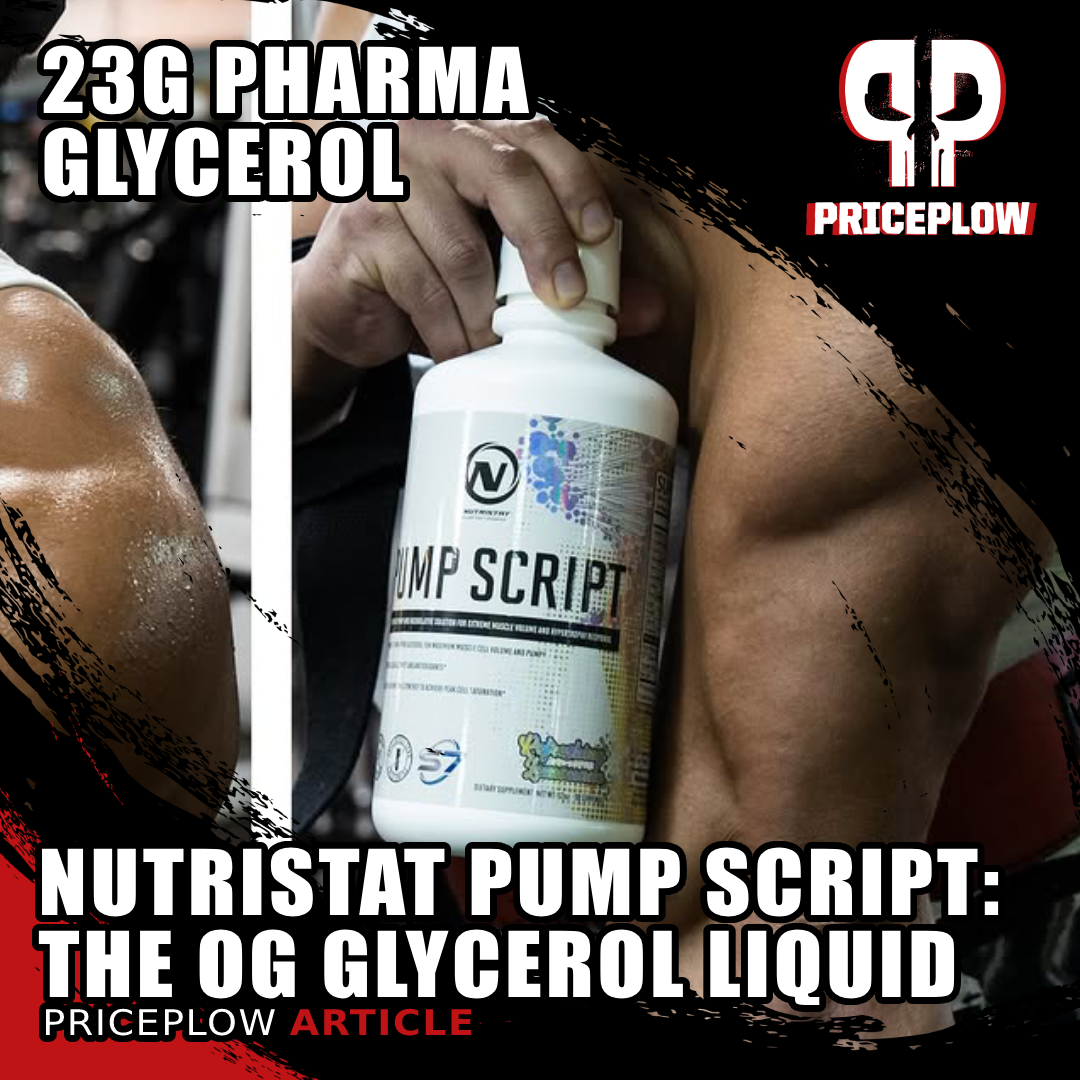
The OG liquid glycerol muscle volumizer is still king. Nutristat's PUMP SCRIPT delivers 23g of pharmaceutical-grade glycerol - 7x more than powdered products - for maximum pumps and performance.
-
Vasodilation and the Muscle Pump
A research study showed that blocking adenosine receptors with theophylline cuts femoral artery blood flow by about 20% during one-legged knee-extensor exercise, but infusing adenosine directly into the femoral artery produces blood flow increases that mimic what exercise itself produces.[8] A broader review puts adenosine's contribution at 20% to 40% of the maintained vasodilation phase during submaximal and maximal muscle contractions.[1]
How adenosine produces this effect is actually more interesting than a single clean pathway. One early study found adenosine-induced vasodilation in the resting forearm wasn't blocked by inhibiting nitric oxide synthase, concluding the effect was independent of nitric oxide.[9] This is good news for those stacking Bio ATP with standard NO-boosting pump ingredients, since you may get an additive effect.
Yet a later study in exercising legs found combined inhibition of nitric oxide and prostaglandins blocked over half of adenosine's vasodilator effect,[10] so they seem to work hand-in-hand in unique ways. A study designed specifically to resolve that split found the actual answer: across 27 subjects, roughly half showed adenosine responses that depended heavily on nitric oxide, and half didn't, even though both groups showed identical hyperemia during actual exercise.[11] Follow-up work measuring adenosine's downstream effects directly confirmed it stimulates nitric oxide and prostacyclin formation in both the muscle interstitium and circulating plasma, with skeletal muscle and endothelial cells each contributing to the nitric oxide signal, though only endothelial cells affected prostacyclin levels.[12]
The practical takeaway: adenosine reliably drives blood flow, but the exact biochemical route varies between people. It's an unusually well-documented case of individual variation.
Of course, infused adenosine doesn't perfectly replicate exercise. Comparing adenosine infusion against actual one-leg exercise at a matched intensity found similar total blood flow but different distribution.[13] Adding more adenosine, however it gets there, isn't automatically the same as exercising harder. But that's also not how we're using it - we're pairing them together with Bio ATP.
-
Vascular Growth and Capillary Density

Beyond the acute pump, adenosine has a role in longer-term vascular adaptation. Acting through A2 receptors, adenosine stimulates the release of vascular endothelial growth factor (VEGF) from muscle and other tissue, and VEGF in turn drives the proliferation of new capillaries. One review estimates adenosine may account for 50% to 70% of hypoxia-driven angiogenesis in some contexts, while cautioning that more research in intact animals is needed to confirm the exact figure.[14] Human muscle data backs up the connection directly: adenosine infusion raised interstitial VEGF roughly fourfold above baseline, and exercise itself raised it about sixfold, with the contraction-induced VEGF release shown to run specifically through A2B receptors.[15]
-
Exercise-Related Glucose Uptake
Adenosine also has a hand in fueling the muscle it's actively vasodilating. Acting through A1 receptors, adenosine can directly stimulate glucose transport into contracting oxidative muscle fibers, and signaling through both A1 and A2 receptors may help slow glycogen breakdown during the same contractions.[16] In practice, that means part of adenosine's job during a workout is making sure the muscle has fuel on hand, not just blood flow.
Anecdotal Reviews
User reports describe the kind of effects you'd expect from a vasodilator: noticeable skin flushing and a strong pump sensation, more pronounced at higher doses, with no widely reported adverse events beyond that. Anecdotal reports aren't a substitute for clinical safety data, but they're the only real-world feedback available on the ingredient so far.
As with any vasodilator-type ingredient, talk to a doctor before adding Bio ATP to your routine if you're managing blood pressure or taking medication that affects blood flow. The same goes for anyone who's pregnant, nursing, or under 18.
Applications and Dosing
Bio ATP delivers 250mg of triacetyladenosine per capsule, with one capsule making up a full serving. Nutristat's directions call for taking it ahead of training, and most user reports describe a 20 to 30 minute pre-workout window, similar to how you'd time a citrulline or arginine-based pump product.
There's no loading phase needed here. Triacetyladenosine is meant to be taken before the sessions where you want it, not built up over weeks, which makes it easy to use selectively rather than as a daily habit.
Nutristat: Research. Purity. Performance.
Triacetyladenosine also shows up as part of Nutristat's Pre Script pre-workout, combined with citrulline, betaine, and creatine in a full formula rather than standing alone. If you'd rather build your own stack around Bio ATP, Nutristat's Pump Script (a glycerol-based liquid volumizer) is a great pairing for compounding pump effects from a different angle, since glycerol works through fluid retention rather than vasodilation.
Supplements Containing Triacetyladenosine
-
Nutristat Bio ATP
Bio ATP is the standalone version: 250mg of triacetyladenosine per capsule, with nothing else in the formula. It's the most direct way to try the ingredient on its own and pair it with whatever pre-workout or pump stack you're already running. We covered the original product launch in our Bio ATP article, including more detail on why adenosine's muscle-specific receptors don't carry the drowsiness associated with adenosine in the brain.
Nutristat Bio ATP – Deals and Price Drop Alerts
Get Price Alerts
No spam, no scams.
Disclosure: PricePlow relies on pricing from stores with which we have a business relationship. We work hard to keep pricing current, but you may find a better offer.
Posts are sponsored in part by the retailers and/or brands listed on this page.
-
Nutristat Pre Script
Pre Script is Nutristat's full pre-workout, built around citrulline, betaine, and Creapure creatine monohydrate, with triacetyladenosine included as part of the formula rather than sold separately. It's the option for anyone who wants Bio ATP's pump component built into a complete pre-workout instead of stacking it themselves.
Nutristat Pre-Script – Deals and Price Drop Alerts
Get Price Alerts
No spam, no scams.
Disclosure: PricePlow relies on pricing from stores with which we have a business relationship. We work hard to keep pricing current, but you may find a better offer.
Posts are sponsored in part by the retailers and/or brands listed on this page.
Where This Leaves Triacetyladenosine
Thank you Patrick Arnold for your contributions to sports nutrition.
Triacetyladenosine sits at an interesting intersection: a fifty-year-old, well-characterized lab compound, attached to genuinely well-studied biology, yet with no published research connecting the two. The adenosine science behind Bio ATP definitely isn't in question. However, whether triacetylation actually gets meaningfully more of it into your muscle tissue than you'd get otherwise is the open question that only a human pharmacokinetic study could answer -- but given the effects we've seen with it, we're confident it does.
Arnold spent his career making these kinds of bets on overlooked chemistry, and triacetyladenosine, now built into Bio ATP and Pre Script, is one of the quieter ones he got to see through before he passed. If you want the rest of his story, PricePlow's tribute covers it in full.