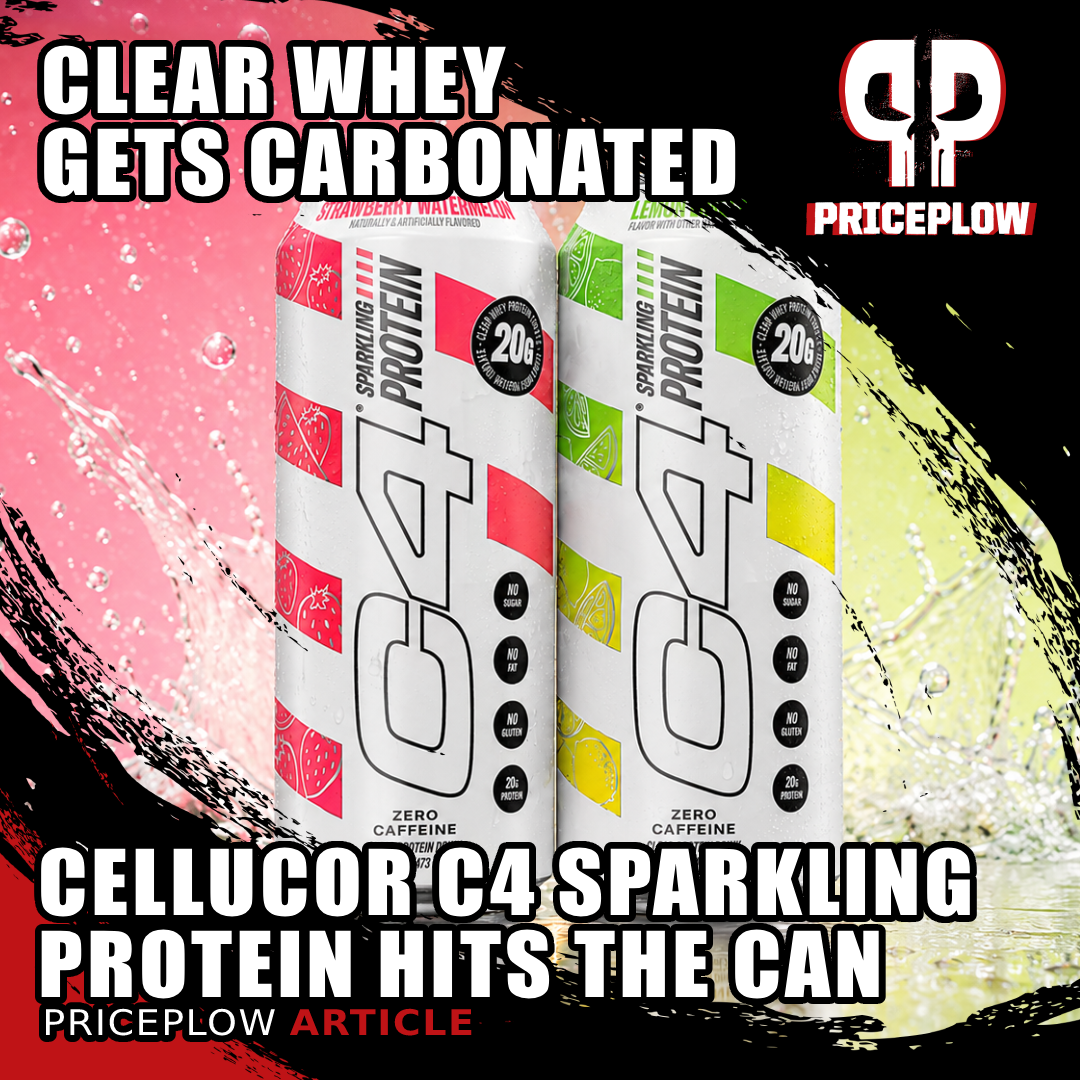
C4 without the caffeine. Cellucor's new C4 Sparkling Protein runs 20g of whey isolate and zero stimulants, so it works late at night as easily as it does post-workout.
Cellucor/Nutrabolt is putting its clear whey technology into a can with some fizz. The new C4 Sparkling Protein packs 20g of ultra-filtered whey protein isolate into a 16 fl oz sparkling beverage with zero sugar, zero fat, and zero caffeine, aimed at anyone chasing a daily protein number who's tired of another thick, cloudy shake.
A New Shape for an Expanding Brand
C4 has spent two decades building its name in pre-workout and energy drinks, and Nutrabolt CEO Doss Cunningham walked through that history, plus Cellucor's recent rebrand, on a recent episode of the PricePlow Podcast. Sparkling Protein moves the C4 name into new territory: a clear, carbonated protein drink built around a "light drinking, hard working" attitude, marketed as easy-to-digest and refreshing instead of being heavy, under a "Clearly Better Protein" tagline.
Sparkling, clear protein drinks are a growing corner of the RTD protein category, built on the idea that a carbonated drink is easier to reach for than a dense, dairy-forward shake. C4 Sparkling Protein keeps its ingredient panel simple: carbonated water, whey protein isolate, a handful of common sweeteners and flavor compounds, and the vitamin blend covered below.
Alongside the 20g of protein, the can carries five vitamins and minerals (biotin, niacin, pyridoxine hydrochloride, cyanocobalamin, and phosphorus), plus a few standard protein-backed claims around helping build and maintain lean muscle and supporting recovery after exercise.
It launches in Strawberry Watermelon and Lemon Lime Fizz, two flavors with a real difference in how they're flavored, covered in more detail below. First, sign up for our Cellucor news alerts, then let's check it out:
Cellucor C4 Sparkling Protein Drink – Deals and Price Drop Alerts
Get Price Alerts
No spam, no scams.
Disclosure: PricePlow relies on pricing from stores with which we have a business relationship. We work hard to keep pricing current, but you may find a better offer.
Posts are sponsored in part by the retailers and/or brands listed on this page.
This area is reserved for Team PricePlow's upcoming videos.
Subscribe to our channel and sign up for notifications so you catch it when it goes live!

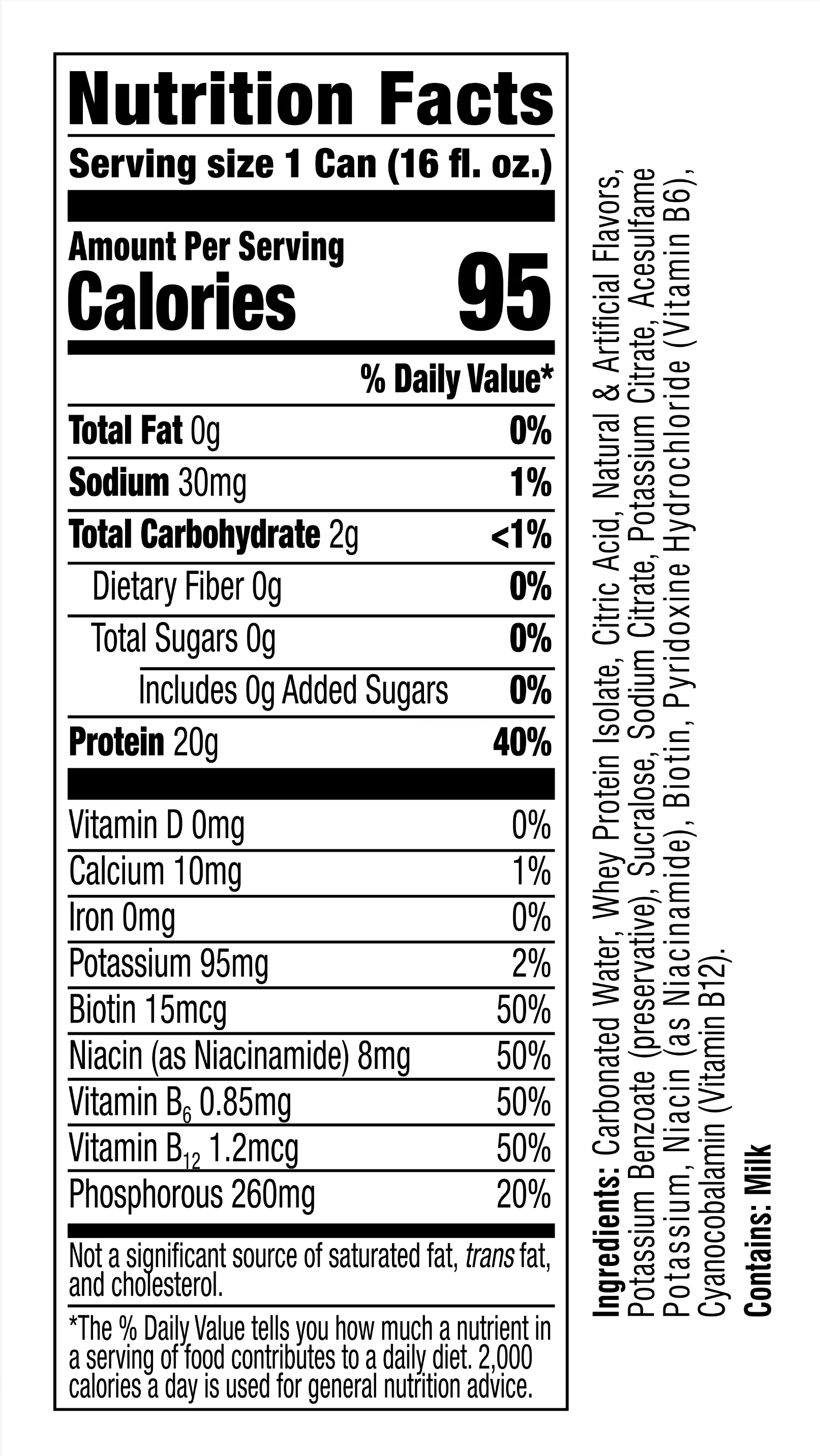
C4 Sparkling Protein Nutrition Facts
-
Calories - 95
-
Total Fat - 0g
-
Sodium - 30mg
-
Total Carbohydrate - 2g
-
Total Sugars - 0g
-
Added Sugar - 0g
-
-
-
Protein - 20g
-
Vitamins and Minerals
-
Calcium - 10mg (1% DV)
-
Potassium - 95mg (2% DV)
-
Biotin - 15mcg (50% DV)
-
Niacin (as Niacinamide) - 8mg (50% DV)
-
Pyridoxine Hydrochloride (Vitamin B6) - 0.85mg (50% DV)
-
Cyanocobalamin (Vitamin B12) - 1.2mcg (50% DV)
-
Phosphorus - 260mg (20% DV)
-
C4 Sparkling Protein Ingredients
Each 16 fl oz can brings the following:
-
Whey Protein Isolate - 20g
Whey Protein Isolate is a highly filtered dairy protein pulled from the liquid whey left behind after cheese and casein production, refined through membrane filtration or ion-exchange processing until it reaches roughly 90% protein by weight, with most of the lactose and fat filtered out.[1] It digests fast, producing a sharp rise in blood amino acids, especially the branched-chain amino acid leucine, which signals the mTOR (mammalian target of rapamycin) pathway that drives muscle protein synthesis.[2] In resistance-trained men, whey taken after a workout significantly boosted phosphorylation of mTOR and its downstream targets when measured two hours post-exercise against placebo.[3]
Dosing here lines up well with what the research supports. A dose-response trial in trained young men found muscle protein synthesis rose about 49% above baseline at 20g of whey and 56% at 40g, not a huge statistical difference between the two, meaning 20g already captures most of what a single serving can do for muscle building in younger lifters.[4]
Comparisons against other protein sources consistently favor whey for its fast, post-meal effect. In older men, 20g of whey produced a higher synthesis rate than an equal dose of casein, tracking with how quickly plasma leucine rose after each.[2] Over longer training blocks, a meta-analysis of 21 randomized trials found whey supplementation paired with resistance training modestly increased lean mass and reliably reduced fat mass compared to placebo in healthy adults, with smaller effects in older or less healthy populations.[5]

Long story short, whey is the king of proteins. The price may be constantly rising, but it's deemed worth it for athletes and dieters alike.
-
Niacin (as Niacinamide) - 8mg
Niacin (vitamin B3), included here as niacinamide, is a water-soluble vitamin the body converts into NAD+ and NADP+, coenzymes involved in hundreds of the redox reactions that drive energy metabolism, including glycolysis and the citric acid cycle.[6] Beyond basic energy production, NAD+ also fuels sirtuins and other enzymes tied to DNA repair and mitochondrial upkeep.[7]
Most of niacin's clinical research, including its well-known cholesterol-lowering effects, uses gram-level doses of nicotinic acid, a different form from the niacinamide used here and roughly 100 times higher than the 8mg (50% DV) in this can.[8] At the amount included in C4 Sparkling Protein, niacin's job is straightforward: covering a meaningful share of daily B3 needs to support normal energy metabolism, not delivering the lipid effects seen in high-dose clinical trials where the flush niacin (nicotinic acid) works best.
-
Biotin - 15mcg
Biotin (vitamin B7) is a water-soluble vitamin that works as a cofactor for five carboxylase enzymes involved in fatty acid synthesis, gluconeogenesis, and amino acid breakdown, and the body can't make it on its own.[9] It's best known to consumers as a hair and nail ingredient, but that reputation outruns the evidence. A review of published cases found biotin supplementation improved hair or nail outcomes only in people with an underlying deficiency or diagnosed condition, not in healthy, biotin-replete individuals, and doses in those cases ran from the hundreds of micrograms up to a monstrous 30,000mcg per day, far beyond what shows up in a normal diet or a fortified beverage.[10]
So basically, the 15mcg (50% DV) here fits the basic dietary-support role biotin is best suited for: filling in a meaningful chunk of the small daily amount the body needs for its normal carboxylase-driven metabolism, not a therapeutic hair or nail dose.
-
Pyridoxine Hydrochloride (Vitamin B6) - 0.85mg
Pyridoxine Hydrochloride, the form of vitamin B6 used here, converts in the body to pyridoxal-5'-phosphate (PLP), the active coenzyme form that participates in more than 140 enzyme reactions spanning amino acid metabolism, neurotransmitter synthesis, and glycogen breakdown.[11]
At the amount here, B6 is standard dietary support, covering part of the roughly 1.3mg to 1.7mg adults need daily for the amino acid and neurotransmitter reactions PLP handles, a role that loosely complements a protein-forward drink even though the dose itself isn't performance-driving.
-
Cyanocobalamin (Vitamin B12) - 1.2mcg
Cyanocobalamin, the form of vitamin B12 used here, is a cobalt-containing vitamin the body needs for two core jobs: recycling methionine through methionine synthase, and breaking down certain fats and amino acids through methylmalonyl-CoA mutase.[12] It's the most stable and least expensive of the four B12 forms used in supplements, and the body converts it into the same active coenzymes as the others once absorbed.[13]
At 1.2mcg (50% DV), the amount in C4 Sparkling Protein is a standard dietary-maintenance dose rather than an energy-boosting one, useful mainly for rounding out what someone isn't already getting from food.
Flavors Available
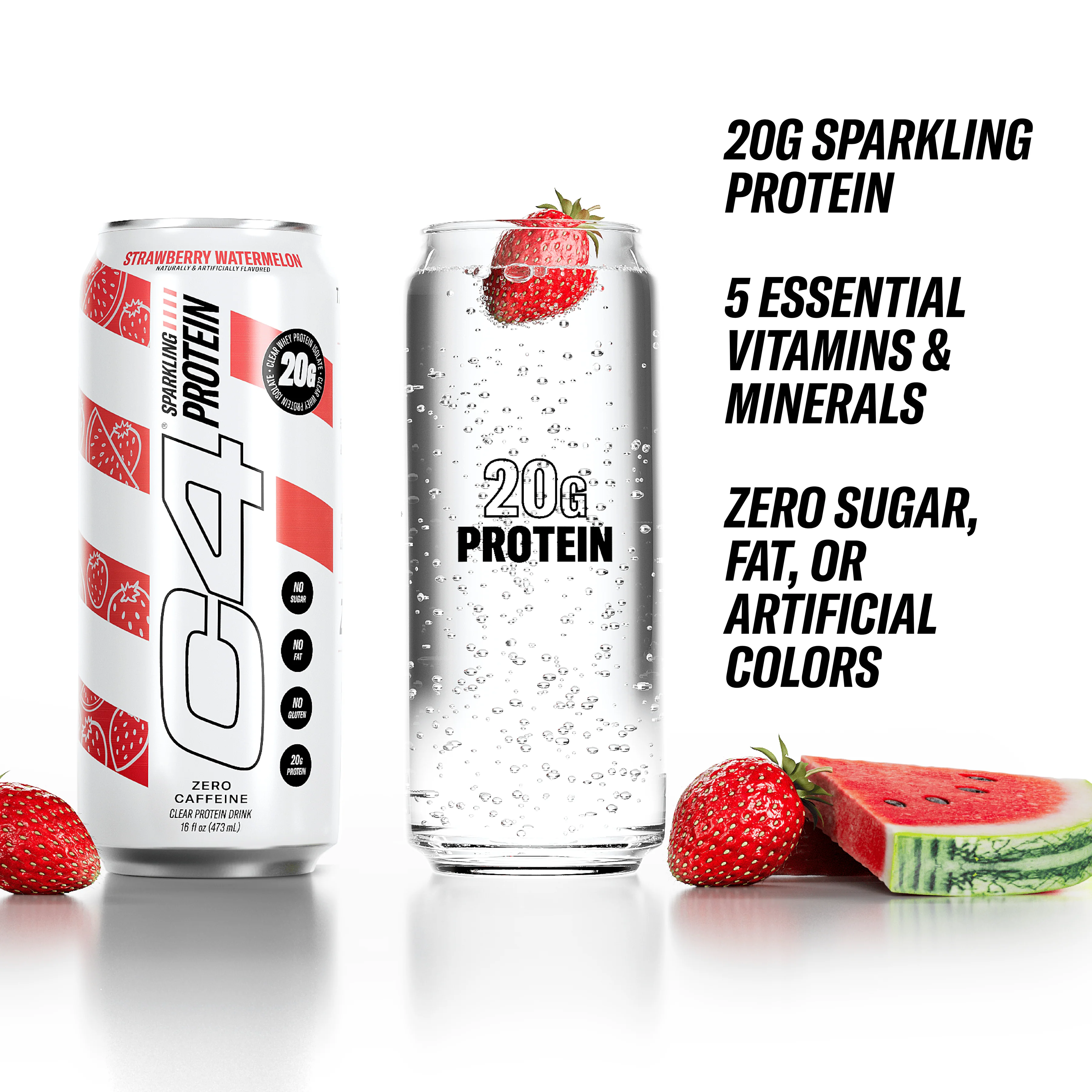
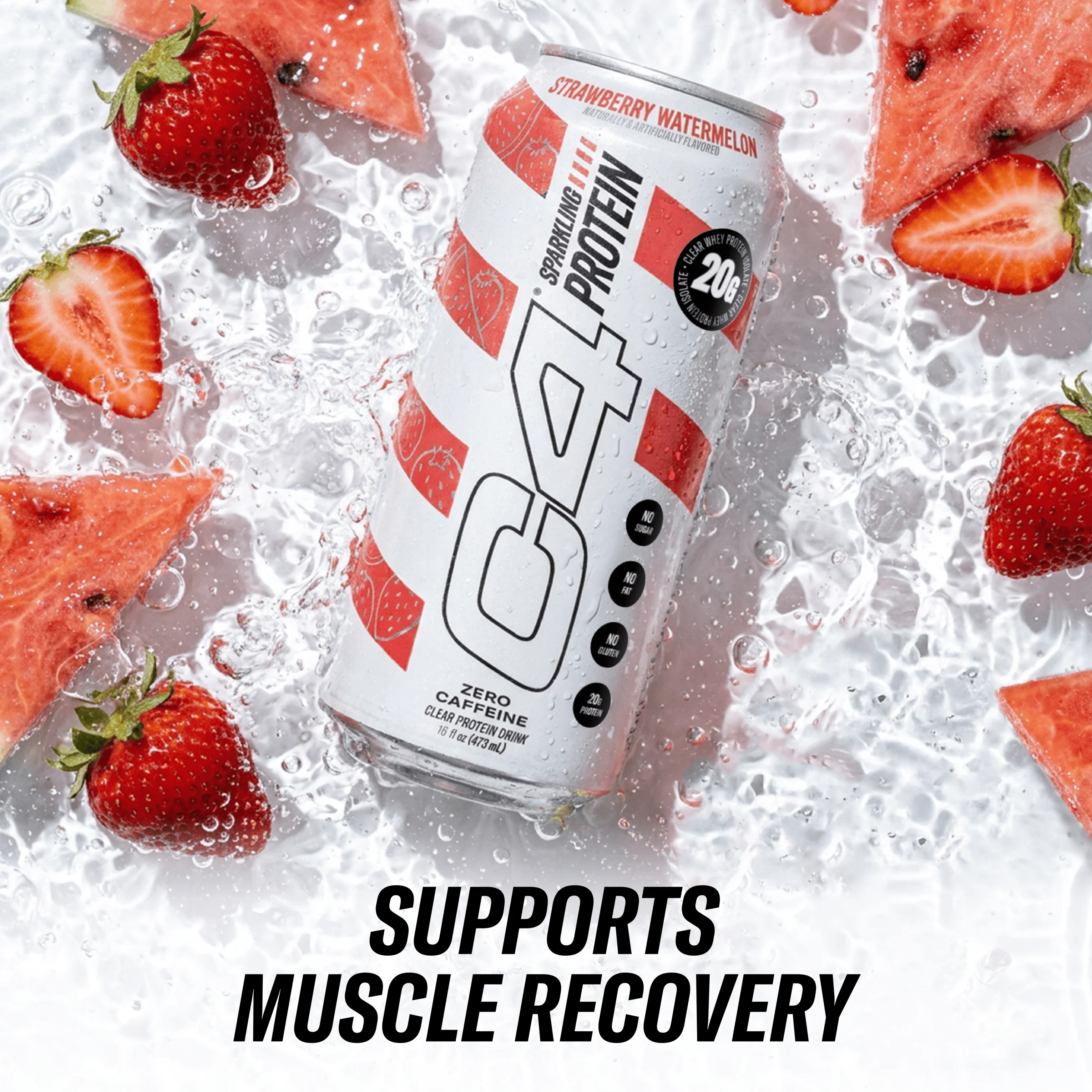
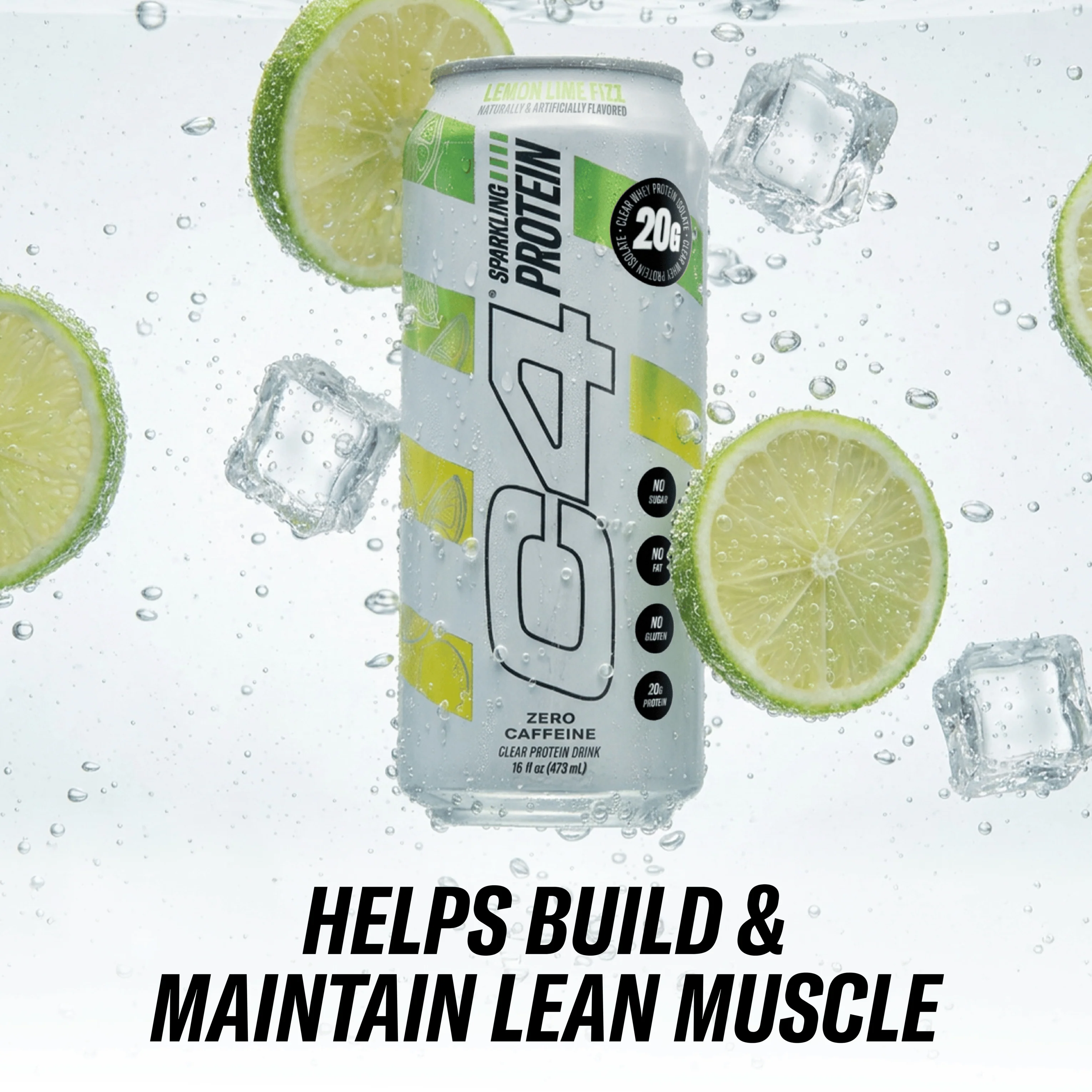
C4 Sparkling Protein launches in two flavors: Strawberry Watermelon and Lemon Lime Fizz. Worth noting for anyone reading ingredient panels closely: Lemon Lime Fizz is naturally flavored end to end, while Strawberry Watermelon uses both natural and artificial flavors, so some may consider that when choosing which to drink.
Stacks Well With
- C4 Energy (Latest Flavor: Mango Fuego): For pre-workout energy alongside post-workout protein, C4's energy drink lineup keeps expanding with new flavors, giving Sparkling Protein a caffeinated counterpart for the other side of a training session.
- C4 Pre-Workout: Anything from the new 2024 Gen5 will get you going before workout, and C4 Sparkling Protein is great to use after.
Who It's For
- Protein-goal chasers who don't want another shake: C4 Sparkling Protein targets anyone hitting a daily protein number who's tired of thick, chalky shakes. 20g in a clear, carbonated can is a different texture and drinking experience entirely.
- Caffeine-sensitive or evening consumers: With zero caffeine, it works as a tasty protein option any time of day, including right before bed, without the stimulant load of C4's energy drink lineup.
Conclusion: A Fizzy Answer to Protein Fatigue
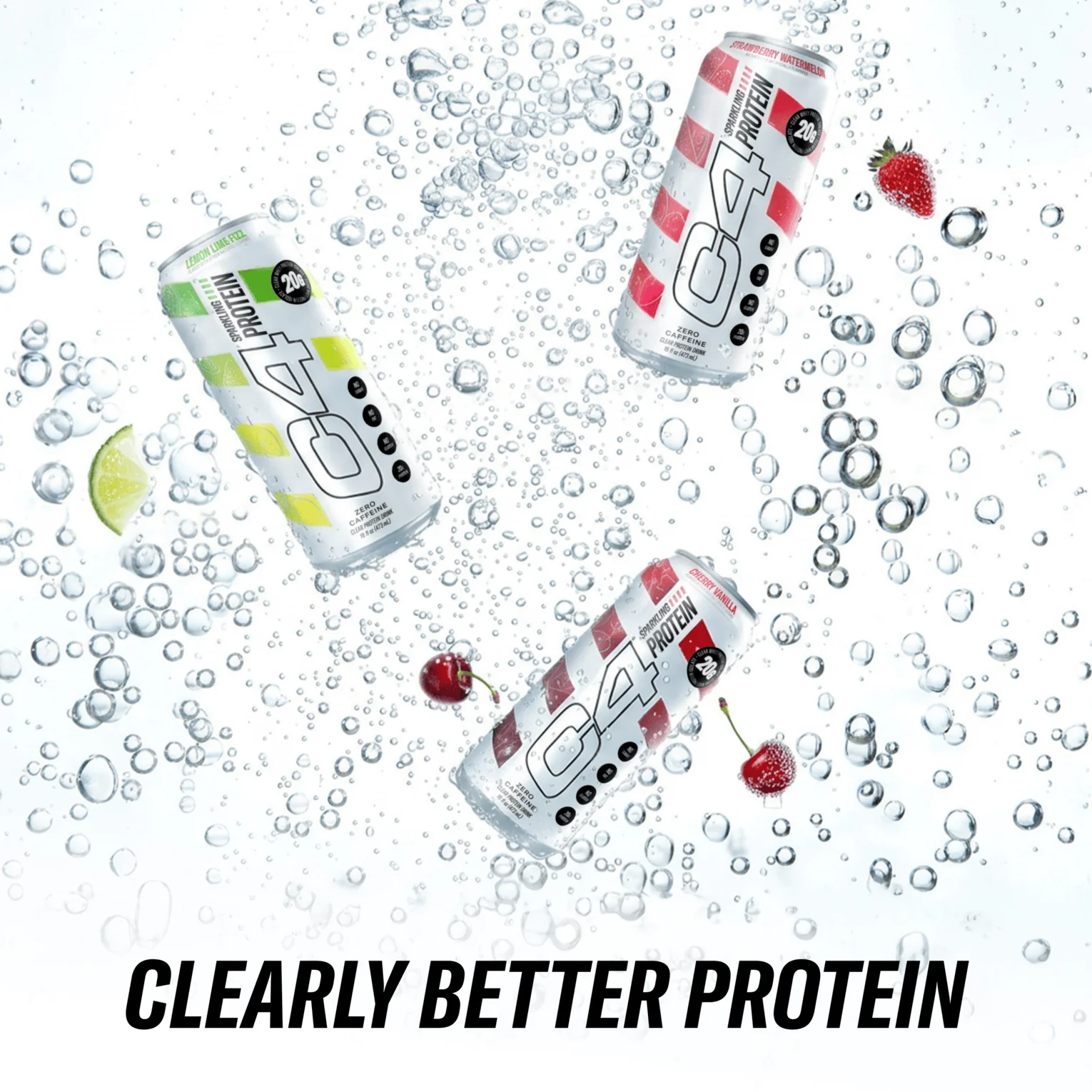
C4 Sparkling Protein takes Cellucor's clear whey technology and adds carbonation, landing in a category that's grown quickly as drinkers look for lighter alternatives to traditional protein shakes. Twenty grams of protein, zero sugar, zero fat, and zero caffeine in a 16 fl oz can is a straightforward pitch, and the ingredient panel backs it up without much excess beyond the sweetening and flavoring system needed to make a clear whey isolate drink taste good.
It also fits into a bigger moment for the brand. Nutrabolt has kept busy across the C4 family, with a steady run of seasonal flavor drops (like C4 Sport Uncle Samberry), and Sparkling Protein extends that momentum into the protein aisle instead of just the energy drink cooler.
Whether Strawberry Watermelon or Lemon Lime Fizz ends up in the cart, check PricePlow for current pricing and availability on C4 Sparkling Protein, and sign up for Cellucor and C4 news alerts to catch whatever flavor comes next.
Cellucor C4 Sparkling Protein Drink – Deals and Price Drop Alerts
Get Price Alerts
No spam, no scams.
Disclosure: PricePlow relies on pricing from stores with which we have a business relationship. We work hard to keep pricing current, but you may find a better offer.
Posts are sponsored in part by the retailers and/or brands listed on this page.

Comments and Discussion (Powered by the PricePlow Forum)