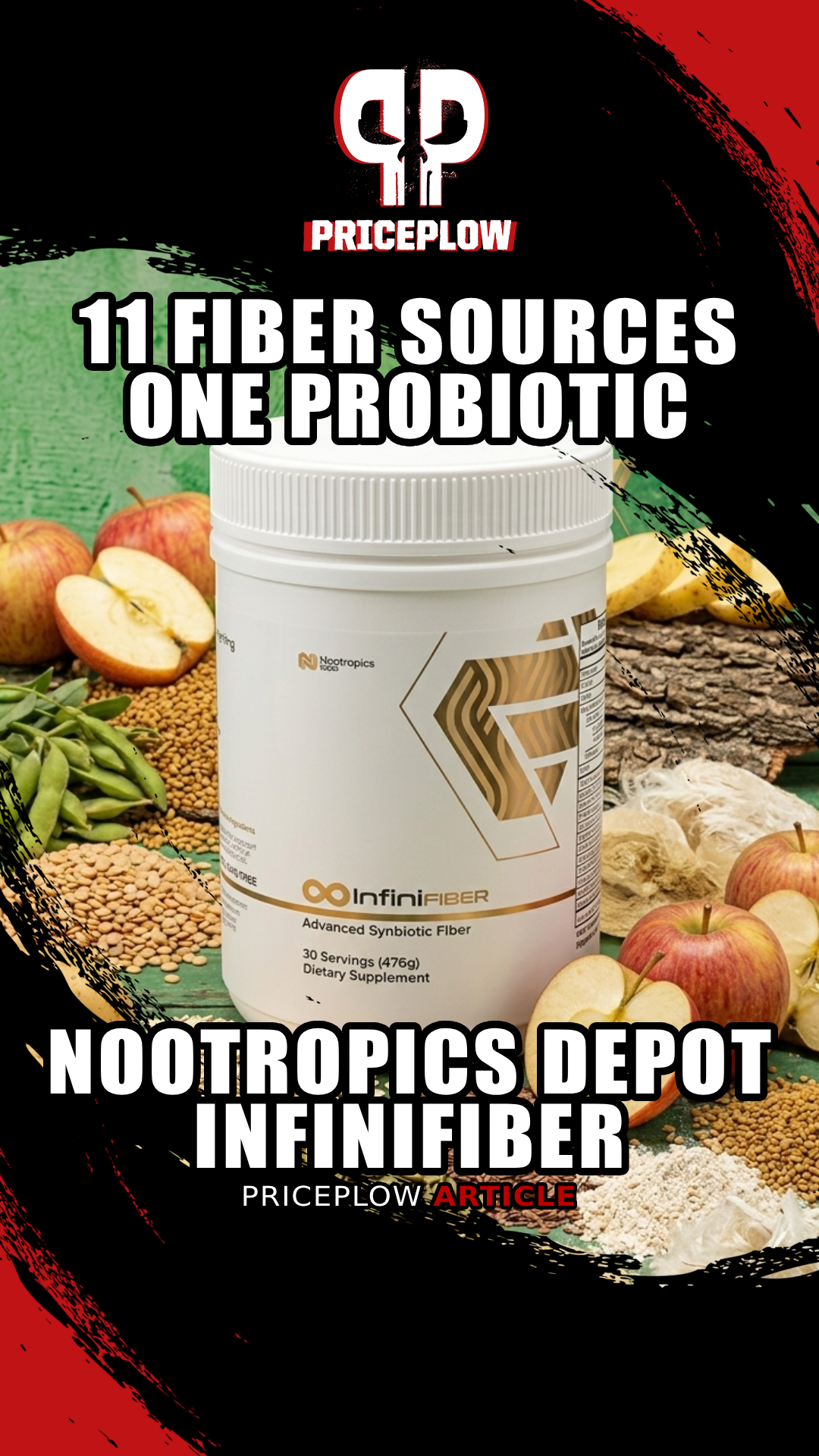
Most fiber supplements use one source and call it gut health. Nootropics Depot InfiniFiber stacks 11 distinct prebiotic fibers across 5 fermentation speeds for full-colon coverage, third-party verified at 12.246g of actual fiber per serving. This is what serious gut health looks like.
Fiber is the most under-consumed macronutrient in the American diet, with roughly 95% of people falling short of recommended intake daily. That gap costs the gut, metabolic health, and even cognitive function over time. But the real problem isn't just quantity, it's also composition. Most fiber supplements drop a single source (psyllium, inulin) into a container and call it gut health. Nootropics Depot didn't accept that premise.
InfiniFiber: What You Get When Nootropics Depot Formulates a Fiber
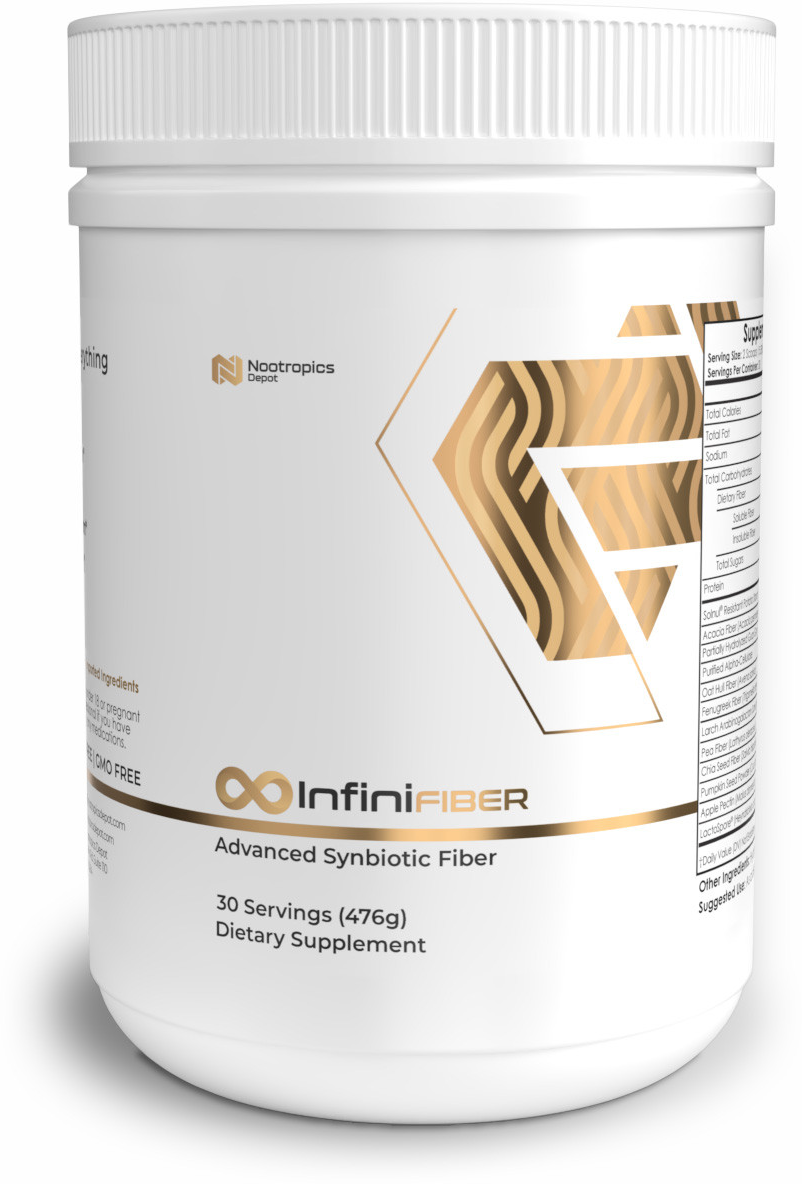
Nootropics Depot InfiniFiber is the company's answer to what a serious fiber supplement should look like: 11 distinct prebiotic fibers plus the LactoSpore® probiotic, engineered across 5 fermentation speeds to feed the entire length of the colon without the bloating that's driven so many people away from fiber supplements. If you caught our Nootropics Depot Against the World, Part 2 podcast episode, InfiniFiber was teased there, and after reviewing the full formula, we can confirm the excitement was warranted.
Nootropics Depot built this formula with the same pharmaceutical-grade rigor we detailed in our feature Inside Nootropics Depot's Pharmaceutical-Grade Labs. Every ingredient was identity-tested through modern methods, and the finished product was then verified by an independent third-party lab, confirming 12.246g of actual dietary fiber per serving against a 12g label claim. That kind of precision is rare in this category.
But even with all that testing, it's the blend of fibers that are so impressive. They were even wise enough to add apple pectin, which we're discovering is one of the most underrated of the bunch. And the research on Solnul only keeps growing.
After all, fiber isn't one thing in your gut. It's an entire class consisting of multiple substrates, each feeding different bacteria at different locations throughout the colon. InfiniFiber was designed to mirror that complexity, and the lab testing backs it up.
Nootropics Depot InfiniFiber - Advanced Synbiotic Fiber – Deals and Price Drop Alerts
Get Price Alerts
No spam, no scams.
Disclosure: PricePlow relies on pricing from stores with which we have a business relationship. We work hard to keep pricing current, but you may find a better offer.
Posts are sponsored in part by the retailers and/or brands listed on this page.
This area is reserved for Team PricePlow's upcoming videos.
Subscribe to our channel and sign up for notifications so you catch it when it goes live!

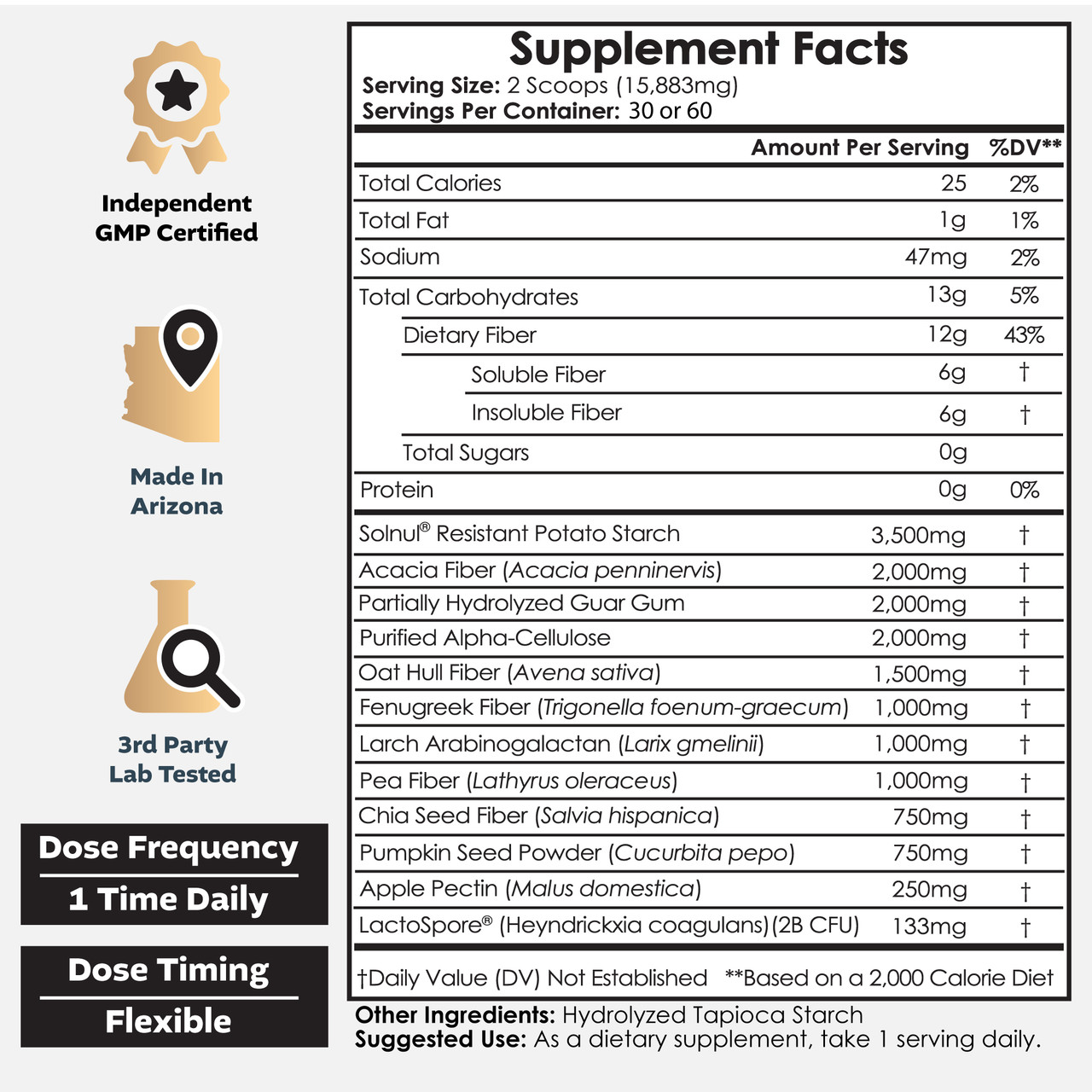
InfiniFiber Nutrition Facts

-
Calories: 25
-
Total Fat: 1g
-
Total Carbohydrates: 13g
-
Dietary Fiber: 12g
-
Soluble Fiber: 6g
-
Insoluble Fiber: 6g
-
-
Total Sugars: 0g
-
-
Protein: 0g
Now for the active profile, which is more exhaustive than any fiber we've seen:
Nootropics Depot InfiniFiber Ingredients
Each 2-scoop (15.883g) serving provides the following:
-
Solnul® Resistant Potato Starch - 3,500mg
Solnul® is a patented[1] resistant potato starch that resists enzymatic digestion in the small intestine, arriving intact in the colon where it serves as a selective substrate for beneficial bacteria. InfiniFiber uses the full 3.5g clinical dose -- the same amount shown in randomized trials to significantly increase Akkermansia muciniphila and Bifidobacterium populations within four weeks and improve both constipation- and diarrhea-associated bowel symptoms.[2][3]
The mechanism runs through cross-feeding: Bifidobacteria ferment the resistant starch first, producing acetate and lactate that fuel downstream species, including Akkermansia and butyrate-producing bacteria deeper in the colon. This positions Solnul as InfiniFiber's anchor for slow, distal fermentation. The 3.5g dose has also been shown to reduce serum free fatty acids and support bile acid metabolism.[4] At the same dose, supplementation reduced serum histamine levels alongside markers of improved gut barrier integrity.[5] Higher Akkermansia abundance also correlates with better insulin sensitivity and improved body composition markers in clinical research on overweight adults.[6]
-
Acacia Fiber (Acacia penninervis) - 2,000mg
Acacia fiber (gum arabic) is a non-viscous soluble fiber fully fermented by colonic bacteria into short-chain fatty acids (SCFAs).[7] Unlike psyllium or beta-glucan, it doesn't gel at typical doses, mixing cleanly into beverages without altering texture -- a key reason it appears in so many multi-fiber formulas.
The fermentation profile skews toward propionate, with acetate and butyrate produced in smaller proportions as the process progresses.[7] Propionate travels to the liver, where it may assist healthy glucose regulation by influencing hepatic gluconeogenesis. Acacia also shows bifidogenic activity, selectively promoting Bifidobacterium and lactic acid bacteria populations.[8]

Fermentation is slow, which accounts for acacia's well-documented tolerability. A randomized crossover trial feeding large 20g to 40g doses to 48 healthy subjects found satiety improved significantly at 15, 30, and 240 minutes, with minimal GI symptoms even at the highest dose.[9] At 2g within InfiniFiber, acacia contributes a mid-speed fermentation layer to the formula's colonic timeline and a propionate-leaning SCFA output that complements Solnul's more acetate- and butyrate-dominant profile.
-
Partially Hydrolyzed Guar Gum - 2,000mg
Partially hydrolyzed guar gum (PHGG) is a low-viscosity, water-soluble galactomannan fiber produced by enzymatic hydrolysis of guar gum seeds. Hydrolysis drops the molecular weight dramatically without changing its fermentability, which removes the viscosity problems of native guar gum while preserving its prebiotic activity.[10] While guar gum is often used for those viscosity purposes, that's definitely not the goal here, and those properties have been removed.
PHGG ferments slowly in the colon, driving selective growth of Bifidobacterium and butyrate-producing bacteria, both of which are closely tied to gut barrier integrity and healthy bowel function.[11] The PAGODA trial (20 healthy volunteers, 5g/day for three weeks) confirmed shifts in both alpha- and beta-diversity alongside increased stool metabolites including butyrate and acetate, with effects concentrated in male participants.[12]
A randomized, double-blind, placebo-controlled trial in healthy subjects (44 volunteers, 5g/day for eight weeks) found that PHGG significantly suppressed mucolytic bacteria associated with gut barrier degradation. Sleep quality and motivation scores improved in the 5g/day group compared to placebo, likely through reduced systemic inflammation and modulation of gut-brain axis signaling.[13]
At 2g, InfiniFiber's PHGG dose contributes to the formula's mid-to-slow fermentation layer, complementing Solnul's resistant starch and acacia's propionate output with a butyrate-forward SCFA profile and bifidogenic activity across the colon.
-
Purified Alpha-Cellulose - 2,000mg

Alpha-cellulose is the structural backbone of plant cell walls: a long-chain, crystalline beta-1,4-glucan polymer that resists both human digestive enzymes and colonic fermentation.[14] Unlike the soluble and partially fermentable fibers in this formula, it contributes primarily through physical mechanisms: adding fecal bulk, increasing water retention in the colon, and accelerating intestinal transit. A controlled study supplementing participants with 4g to 8g of cellulose daily showed dose-dependent increases in fecal weight and improved stool hydration in the normal-defecation group.[15]
The microbiome effects are where things get interesting. Despite limited fermentability, cellulose supplementation meaningfully shifts colonic microbial composition, including increases in Akkermansia and Lachnospiraceae in animal research, genera closely associated with gut barrier integrity and metabolic health.[16] Early cellulose supplementation in mice also produced shifts in colonic mucosal microbiome composition that were associated with reduced colitis susceptibility, though effects were transient after discontinuation.[17]
This one's great for those that aren't eating tons of fibrous veggies. At 2g within InfiniFiber's 12g total, alpha-cellulose fills the insoluble, non-fermentable slot that the other fibers in the formula can't. It supports transit and stool consistency without competing for fermentation substrate in the proximal colon, leaving Solnul®, PHGG, and acacia to do their prebiotic work deeper along the colonic timeline.
-
Oat Hull Fiber (Avena sativa) - 1,500mg
Oat hull fiber is a highly concentrated insoluble fiber derived from the outermost layer of the oat grain. Oat hulls make up roughly 25% or more of whole oat weight by mass, and the processed fiber fraction runs approximately 91% total dietary fiber by dry weight, with the vast majority of that being insoluble.[18] That insoluble character is key here. Oat hull fiber resists fermentation in the colon, contributing primarily through mechanical action: adding fecal bulk, promoting intestinal transit, and supporting normal bowel regularity.[19]
In pig studies using oat hulls as an insoluble fiber source, supplementation increased fecal flow of bile acids, including primary and secondary bile acid fractions, compared to control diets.[20] Oat hull fiber also carries notable levels of ferulic acid and other phenolic compounds (and in amounts substantially higher than in oat bran), contributing antioxidant properties alongside its structural fiber role.[18]

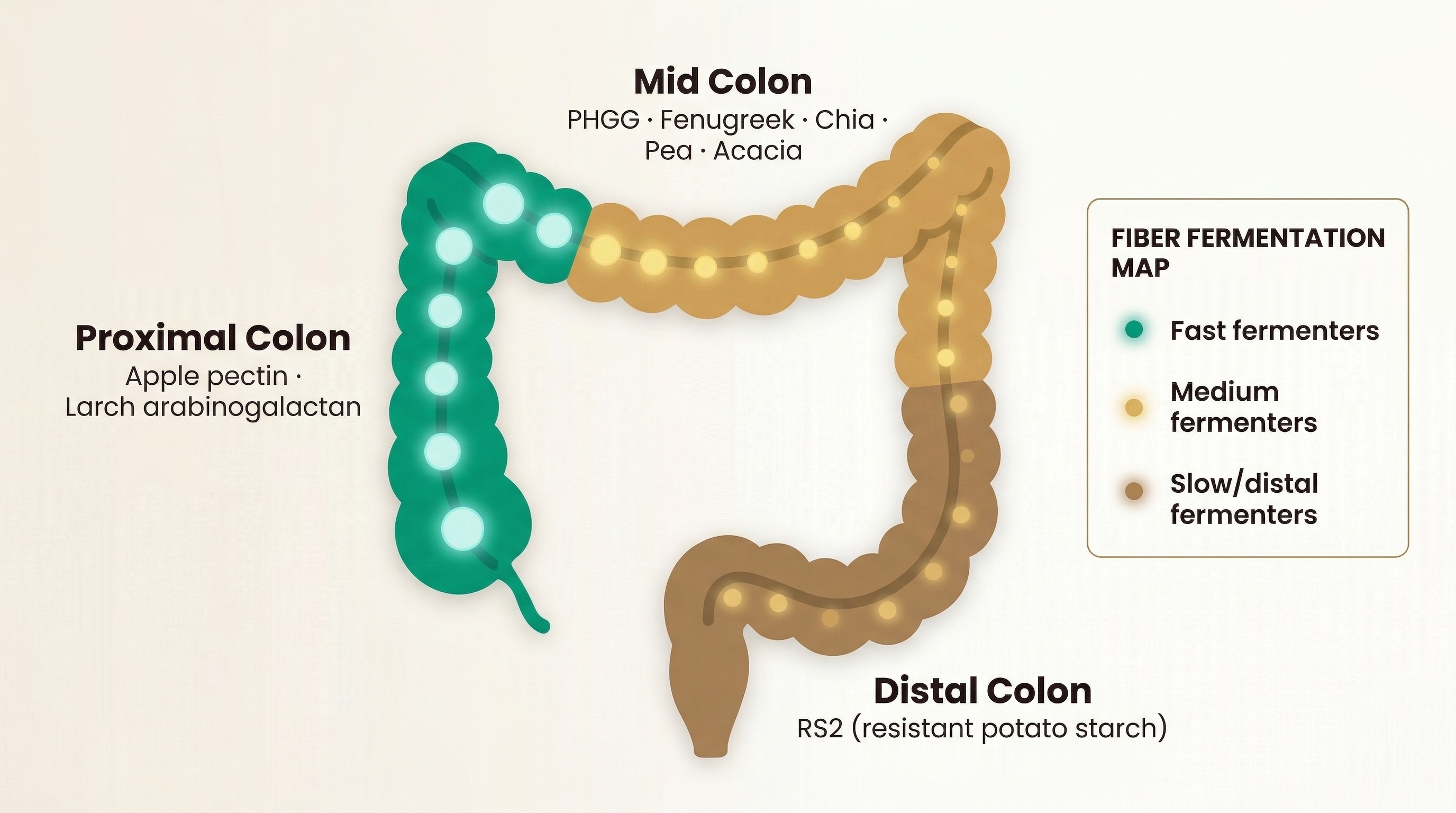
Each fiber in InfiniFiber is matched to a fermentation speed and colon region, with fast fermenters working the proximal colon first while resistant potato starch handles the distal end, spreading fermentation activity across the full gut.
At 1,500mg within InfiniFiber's 12g total, oat hull fiber fills the slow-transit, insoluble lane alongside alpha-cellulose, reinforcing stool consistency and colonic throughput without drawing fermentation substrate away from the formula's prebiotic fibers working deeper in the colon.
-
Fenugreek Fiber (Trigonella foenum-graecum) - 1,000mg
Does your InfiniFiber powder smell pretty good, almost like maple syrup? That's this ingredient right here.
Fenugreek fiber is concentrated from the seed endosperm of T. foenum-graecum, where galactomannan, a soluble polysaccharide with a beta-D-mannosyl backbone branched with galactose side chains, makes up the majority of its fiber content. Galactomannans resist both gastric acid and pancreatic enzymatic hydrolysis, arriving in the colon intact to serve as fermentation substrate.[21]
Once in the colon, fenugreek galactomannan ferments to yield acetic, propionic, and butyric acids, contributing to InfiniFiber's overall SCFA output across all three key metabolites. The viscous nature of galactomannan also slows gastric emptying, a mechanism tied to increased satiety: an 8g dose added to a breakfast meal significantly increased reported satiety in obese subjects, with a trend toward reduced energy intake.[22]
At the broader class level, a 2023 network meta-analysis across 30 studies ranked galactomannans as the top-performing soluble fiber class for supporting healthy blood glucose levels, outranking psyllium, beta-glucans, and inulin in trials on adults with type 2 diabetes.[23]

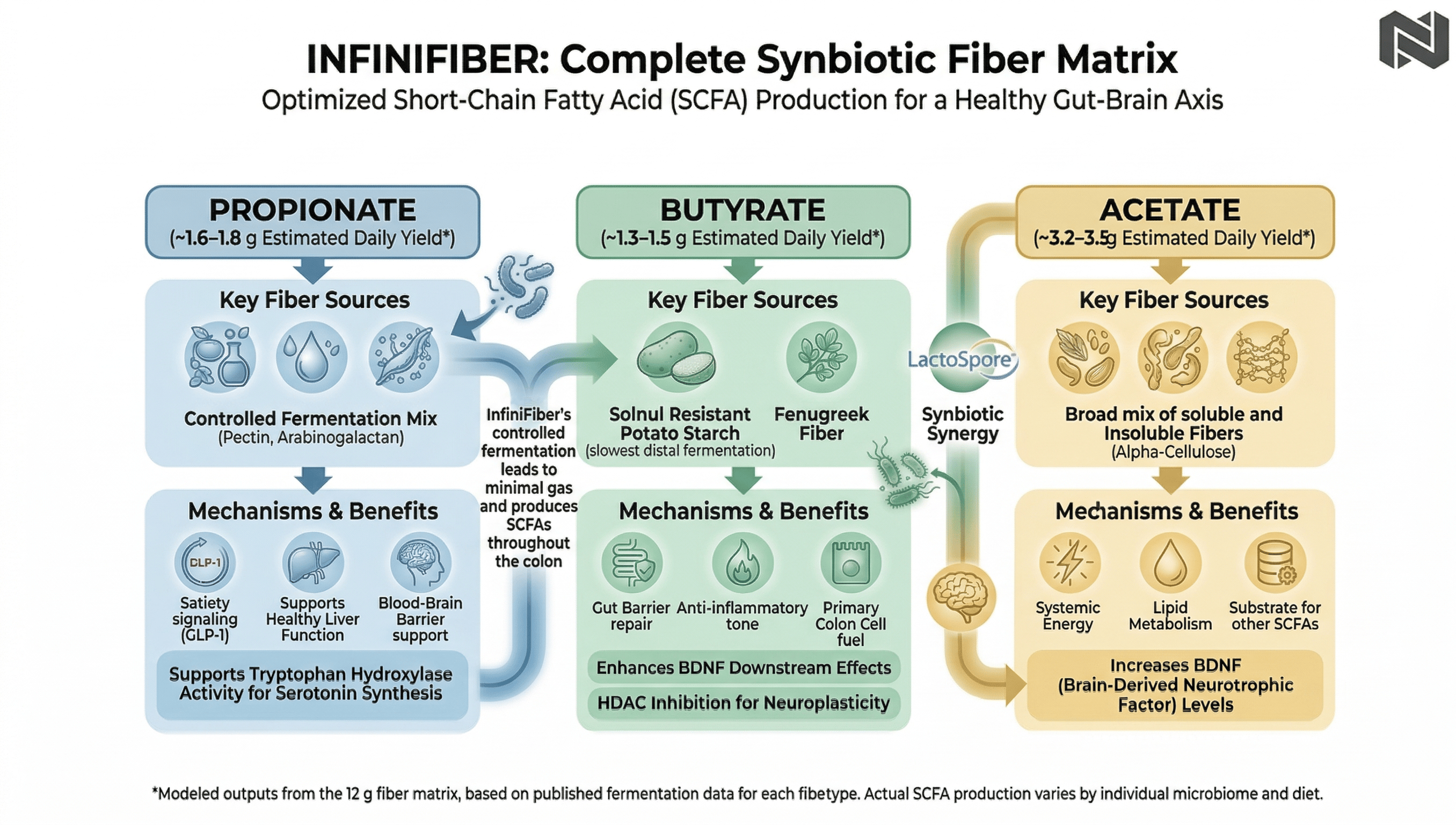
InfiniFiber maps each fiber type to one of three SCFA outputs (propionate, butyrate, and acetate), with downstream effects spanning gut barrier repair, liver function, and brain-derived neurotrophic factor (BDNF) support.
Synergy with LactoSpore
One detail worth flagging: the same research group behind LactoSpore® tested fenugreek galactomannan specifically alongside Bacillus coagulans MTCC 5856 (the LactoSpore® strain in this formula), confirming 71.4% fermentation utilization and competitive inhibition of E. coli in co-culture... pointing to a direct synbiotic relationship between these two InfiniFiber components.[21]
-
Larch Arabinogalactan (Larix gmelinii) - 1,000mg
Larch arabinogalactan is a highly branched polysaccharide extracted from the larch tree, composed of a galactan backbone with galactose and arabinose side chains in roughly a 6:1 molar ratio. It's FDA-recognized as a dietary fiber, dissolves completely in water, and ferments at a slower rate than simpler carbohydrates due to its branched architecture.[24] This makes it an asset in a formula designed around distributed colonic fermentation.
In the colon, fermentation produces butyrate and propionate as the primary SCFAs, with butyrate concentrations exceeding propionate in fecal incubation models. Larch arabinogalactan also selectively increases Bifidobacterium (particularly B. longum) and Lactobacillus populations while decreasing fecal ammonia levels, both of which were confirmed in human trials at 15g and 30g daily doses.[25][24]

Paul Eftang and Matt Harrier of Nootropics Depot dive deep into tongkat ali, lion's mane, Ecklonia cava, cistanche, Cognance, and the supplement industry's testing fraud problem on Episode #206 of the PricePlow Podcast.
Immune-Boosting Effects
Where larch arabinogalactan stands apart from InfiniFiber's other prebiotic fibers is its documented effect on immune function. Supplementation at 4.5g daily over 12 weeks significantly reduced the number of participants who contracted a cold in a randomized, double-blind, placebo-controlled trial (n=199).[26] The proposed mechanism runs through NK cell cytotoxicity and cytokine signaling, including upregulation of IFN-gamma and TNF-alpha, rather than direct antimicrobial action.
At 1g within InfiniFiber's 12g blend, larch arabinogalactan contributes a moderate-speed fermentation layer with a butyrate-forward SCFA profile and a bifidogenic effect that complements Solnul's deeper distal activity... while adding an immune-support dimension none of the other fibers in this formula have been studied to bring.
-
Pea Fiber (Lathyrus oleraceus) - 1,000mg
Pea fiber is concentrated from the outer hull of yellow peas (Pisum sativum), which run approximately 82% dietary fiber by weight. This makes pea hulls one of the denser fiber sources available from pulse crops. The fiber fraction is predominantly insoluble, contributing to fecal bulk and supporting intestinal transit, while a smaller soluble fraction drives fermentation and short-chain fatty acid (SCFA) production.
In animal research on glucose-intolerant rats, pea seed coat supplementation shifted gut microbiota composition at the family level, increasing Lachnospiraceae and Prevotellaceae while decreasing Porphyromonadaceae, and raised serum levels of acetate and propionate compared to high-fat diet controls.[27] The cooked fraction also improved glucose tolerance by approximately 30%, accompanied by increased expression of mucin genes Muc1, Muc2, and Muc4 in ileal epithelium, pointing to a potential role in supporting gut barrier integrity.[27]
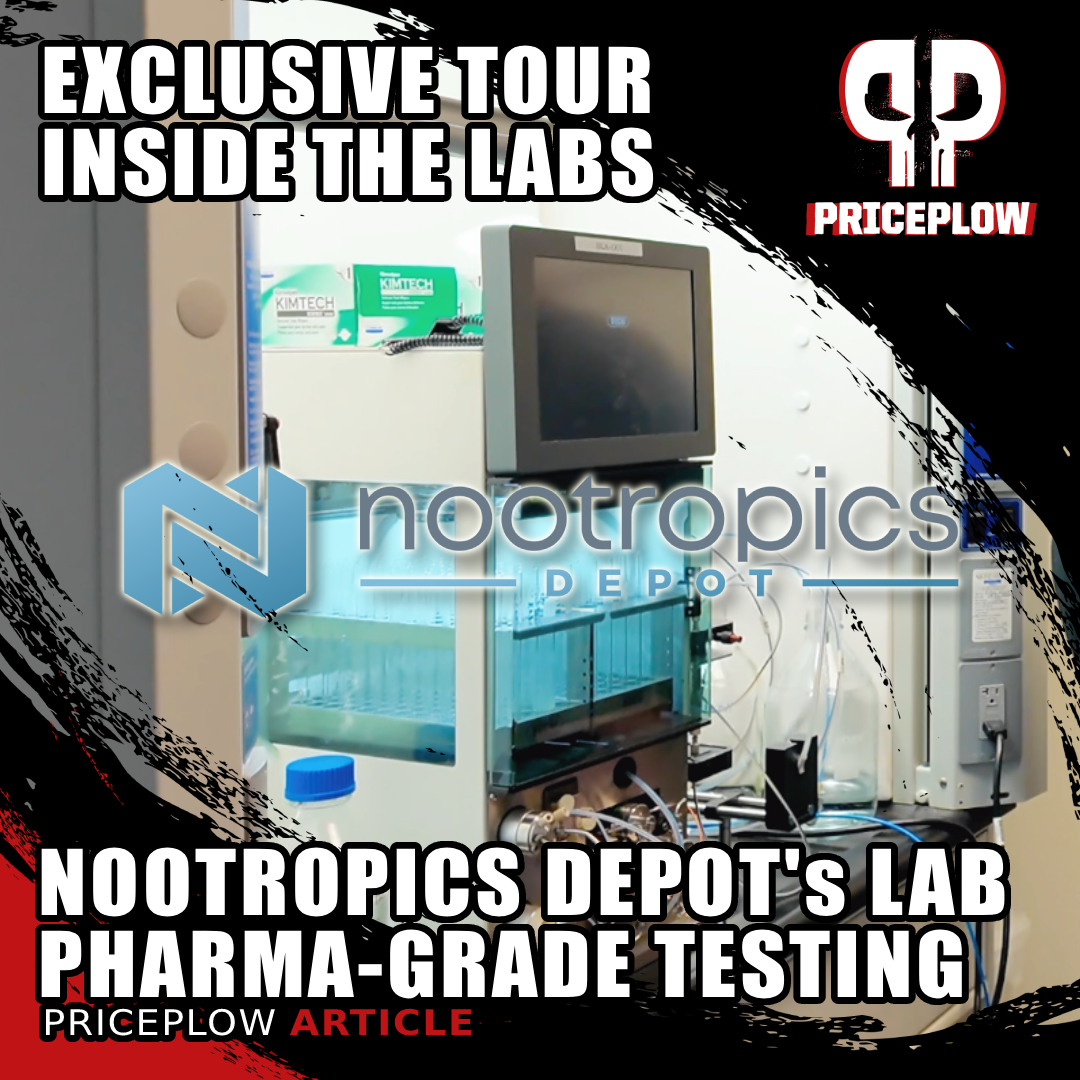
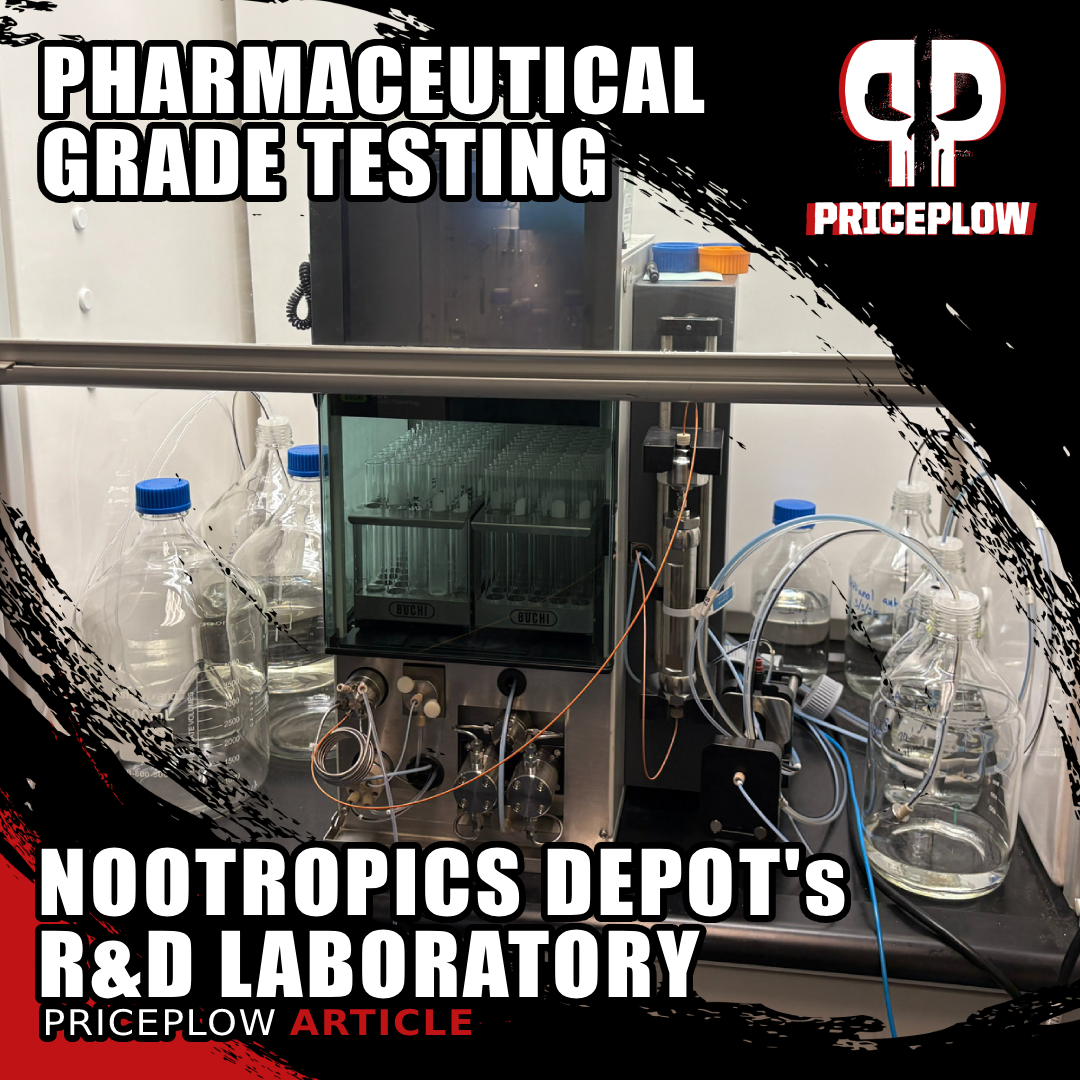
We spent a day inside Nootropics Depot's R&D labs in Tempe. Millions in analytical equipment, cell culture research, and testing methods that expose how most supplements contain far less active ingredients than advertised. This is what real quality control looks like.
In a 12-week randomized, double-blind, placebo-controlled trial in overweight and obese adults (n=44), 15g/day yellow pea fiber reduced body fat mass and lowered glucose AUC during an oral glucose tolerance test, while participants consumed 16% less energy at an ad libitum buffet compared to placebo.[28] In older adults, pea hull fiber at 10g/day in fortified snacks was well tolerated, with only a minority reporting increased GI symptoms, and was noted as potentially appropriate for individuals at risk of unintended weight loss.[29]
At 1g within InfiniFiber's 12g blend, pea fiber contributes a mixed soluble/insoluble profile, adding a propionate- and acetate-leaning SCFA contribution that complements Solnul's and PHGG's butyrate-forward output, while its insoluble fraction adds transit support alongside alpha-cellulose and oat hull fiber.
-
Chia Seed Fiber (Salvia hispanica) - 750mg
Chia seed fiber is concentrated from Salvia hispanica, a seed composed of roughly 34% to 36% dietary fiber by weight, split between soluble mucilaginous fiber and insoluble cellulosic fractions.[30] The soluble fraction forms a viscous gel on contact with water, slowing gastric emptying and blunting the postprandial glycemic response. In a crossover study, whole chia seed added to bread significantly reduced postprandial blood glucose in healthy adults at medium and high doses.[31]
The satiety data from using higher doses is also worth noting. A randomized crossover trial found that 7g and 14g of chia seed added to yogurt both reduced hunger scores and lowered ad libitum energy intake at the subsequent meal compared to the no-chia control.[32] That effect traces back to the gel-forming fiber slowing gastric transit, a mechanism shared with fenugreek galactomannan elsewhere in InfiniFiber's formula.
At 750mg, this isn't a therapeutic dose on its own, but it contributes a distinct fiber type to InfiniFiber's overall profile: a fast-hydrating, gel-forming fraction that complements the slower-fermenting fibers working deeper in the colon.
-
Pumpkin Seed Powder (Cucurbita pepo) - 750mg
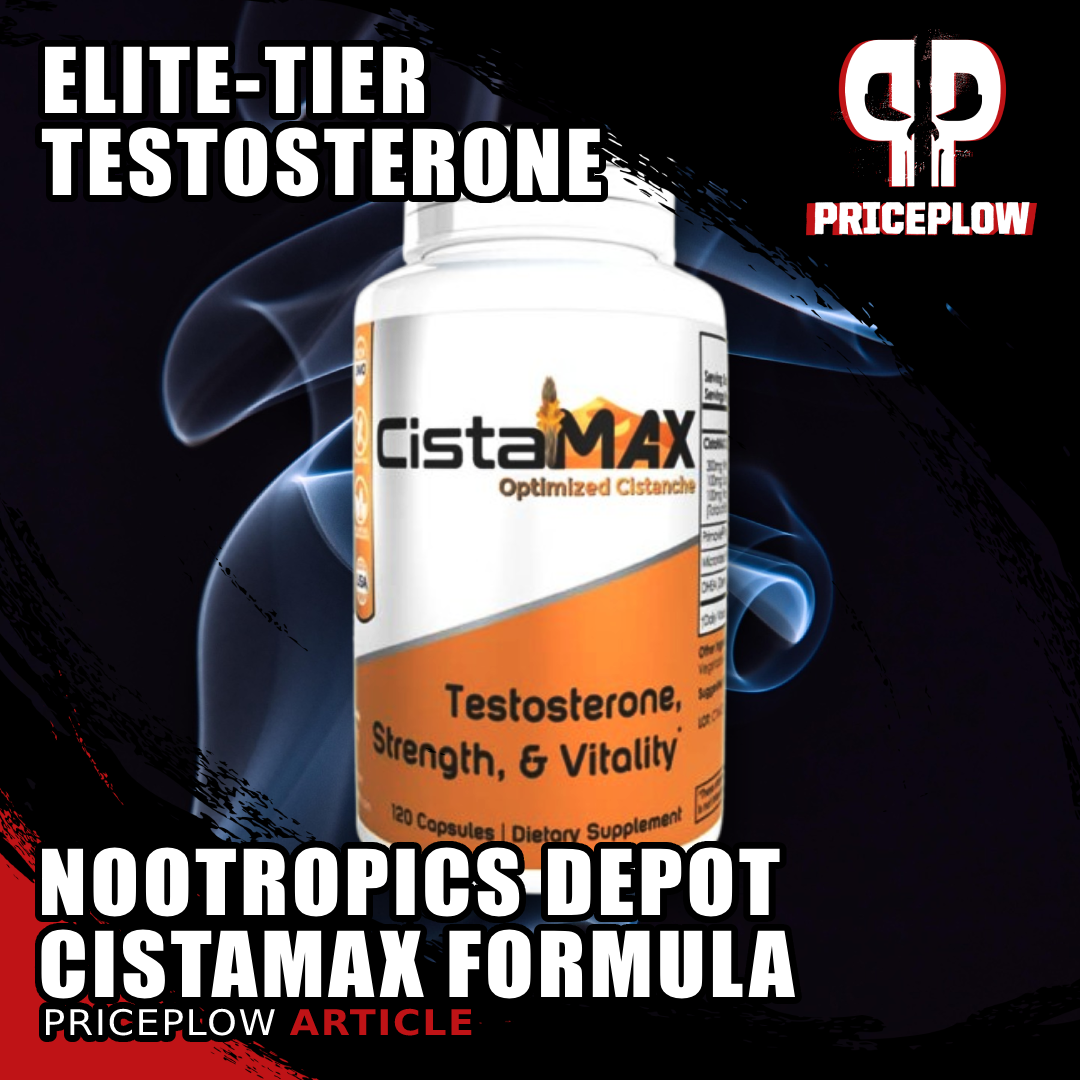
Cistamax from Nootropics Depot combines three cistanche extracts with PrimaVie shilajit, pregnenolone, and DHEA for comprehensive testosterone support. Get 85mg echinacoside per serving plus hormone precursors in one convenient formula. More bioactives, better value than buying separately.
Pumpkin seed powder brings a nutritionally dense profile to InfiniFiber's mix: meaningful fiber content alongside protein, unsaturated fatty acids, and phytochemicals that contribute beyond bulk alone. Raw pumpkin seeds run roughly 6g of total dietary fiber per 100g, skewed heavily toward the insoluble fraction (approximately 5:1 insoluble to soluble), which adds to InfiniFiber's transit and stool-bulking activity at this 750mg inclusion.[33]
The most notable human data comes from a randomized crossover trial in 15 normoglycemic adults, though at a very large dose: adding 65g of crushed pumpkin seed to a carbohydrate-rich mixed meal reduced postprandial glucose response by roughly 35% compared to the control meal (P = 0.025).[33] Researchers pointed to several candidate mechanisms, including alpha-glucosidase inhibition, slowed gastric emptying from the seed's fat and protein content, and potential contributions from polysaccharides, inositol, and zinc. At 750mg, pumpkin seed powder is a supporting contributor rather than a primary active -- but it rounds out InfiniFiber's insoluble fiber layer with a compositionally distinct profile, including antioxidant phenolic compounds, that the structural fibers in this formula don't supply.[34]
-
Apple Pectin (Malus domestica) - 250mg
Apple pectin is a soluble, gel-forming polysaccharide extracted from apple cell walls. It resists digestion in the small intestine, arriving intact in the colon where colonic bacteria ferment it slowly and completely, producing the familiar short-chain fatty acids discussed throughout this article (primarily acetate, with lesser propionate and butyrate).[35]
The microbiome response to pectin is distinct from other fibers in InfiniFiber's lineup. In vitro fermentation research identifies selective growth of Lachnospira eligens, Faecalibacterium prausnitzii, and Bacteroidetes species as uniquely tied to pectic substrates, with Lachnospira stimulation considered a pectin-specific signature.[35] The Chung et al. (2017) work confirmed that E. eligens and F. prausnitzii both utilize apple pectin as a growth substrate and promote IL-10 production in immune cell assays, making for an interesting prebiotic mechanism that none of InfiniFiber's other fibers share.[36]
Most supplement brands trust supplier certificates. Nootropics Depot built pharmaceutical-grade labs to isolate compounds, create industry-first testing methods, and validate effects on human cells. This is why they keep exposing industry-wide quality failures no one else notices.
In a rat model of diet-induced obesity, apple-derived pectin restored the Bacteroidetes-to-Firmicutes ratio, improved gut barrier protein expression (claudin-1, intestinal alkaline phosphatase), and reduced circulating endotoxin levels compared to high-fat diet controls.[37]
At 250mg, this is a supporting dose rather than a standalone therapeutic amount. Its value here is specificity: apple pectin promotes a microbial niche and an SCFA output profile (particularly the acetate-forward fermentation pattern) that complements the butyrate- and propionate-dominant outputs of InfiniFiber's other prebiotic fibers, helping to round out the formula's SCFA coverage across all three key metabolites. We also speculate that there are toxin-binding properties with apple pectin, and it's a major contributor to the famous "apple a day" phrase.
-
LactoSpore® (Heyndrickxia coagulans) (2B CFU) - 133mg
LactoSpore® is a well-documented spore-forming probiotic strain (Bacillus coagulans MTCC 5856) that adds one last dimension to InfiniFiber. Its spore structure gives it a practical edge over conventional probiotics: the spores survive gastric acid, heat processing, and ambient storage conditions that would destroy non-spore-forming strains like Lactobacillus or Bifidobacterium.[38] Once past the stomach, the strain germinates and produces L(+) lactic acid as a primary metabolite, which helps maintain a favorable colonic environment.
Clinically, 2 billion CFU/day (the dose used here) showed significant reductions in bloating, abdominal discomfort, and stool frequency in a randomized, double-blind, placebo-controlled pilot trial in diarrhea-predominant IBS patients over 90 days.[39] A subsequent microbiome study in healthy adults found that supplementation increased relative abundance of Faecalibacterium, Blautia, Megasphaera, and Ruminococcus (which are associated with butyrate production and gut barrier support) while leaving overall microbial diversity intact.[40]

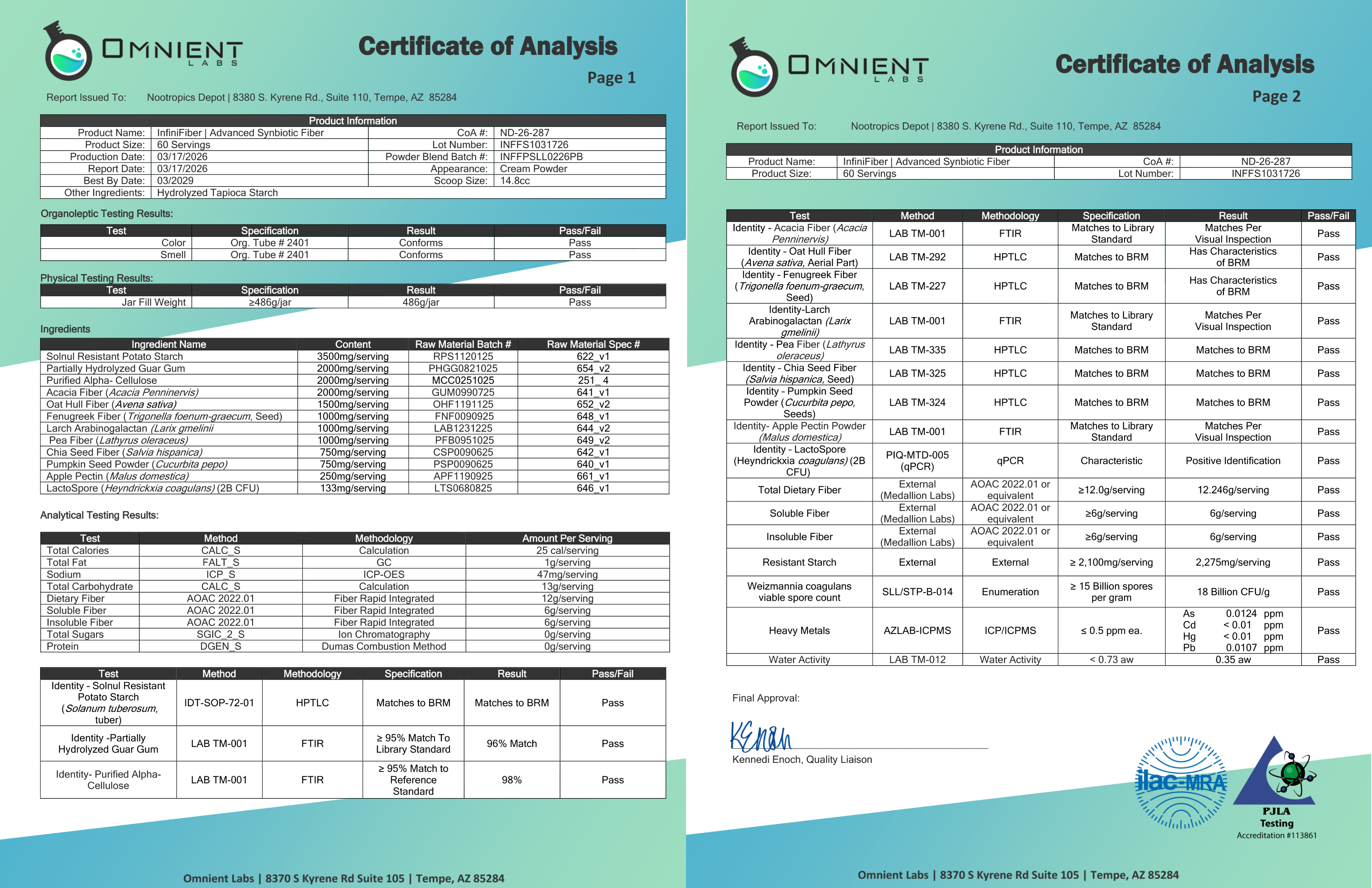
Third-party testing from Omnient Labs confirms InfiniFiber's full ingredient identity, with total dietary fiber coming in at 12.246g per serving against a 12g label claim and viable spore count hitting 18 billion CFU/g against a 15 billion minimum spec.
The synbiotic angle is especially relevant in InfiniFiber's context. In a gut model study, LactoSpore paired with a prebiotic fiber produced greater increases in acetate and butyrate than either component alone, with effects strengthening over three weeks of repeated administration.[41] That synbiotic dynamic plays out across InfiniFiber's entire fiber matrix, and the fenugreek galactomannan section above documents confirmed 71.4% fermentation utilization of that specific substrate by this strain. With 11 fibers available as fermentation substrate, LactoSpore has plenty to work with here.
The only other ingredient in the "other ingredients" area is Hydrolyzed Tapioca Starch.
How to Use
- When to take it: Timing is flexible. At PricePlow, we prefer taking fiber before bed to let fermentation work overnight and have optimal morning bowel movements. However, taking before meals may provide other benefits:
- With or without food: Works with or without food. For those with blood sugar regulation or excessive appetite issues, it's worth trying to use it before snacking or using carb-containing meals.
- Other notes: Consistent daily use matters most here (the microbiome needs regular input to shift). The low fast-fermenting fraction was designed to make starting at a full dose comfortable, and Nootropics Depot's own beta-testers confirmed no GI distress at full serving size right from day one.After our trip to the Nootropics Depot lab, Mike swiped a beta sample serving and split it into two nighttime doses, enjoying it with no issues.
Stacks Well With
- Nootropics Depot Supercritical CO2 Ginger: Ginger supports gut motility and comfort, which pairs naturally with InfiniFiber's fiber load (especially during an adaptation period).
- Nootropics Depot Cistamax: A solid gut health baseline complements Cistamax's testosterone and vitality-focused ingredients well, as hormonal and metabolic pathways benefit from a functioning digestive foundation.
Who It's For
- Daily fiber users who've quit before: The multi-speed fermentation design specifically addresses the bloating that drives people away. With only about 1.9% fast-fermenting fiber, the formula tolerates well even at a full 12g dose.
- Gut health optimizers: Anyone interested in short-chain fatty acid production, Akkermansia populations, or microbiome diversity will appreciate the deliberate 50:50 soluble/insoluble split and the balanced propionate, butyrate, and acetate output profile.
- Anyone eating a modern Western diet: That's most people. A verified 12g daily serving from 11 fiber sources goes a long way toward closing a gap most Americans don't know they have.
- Overeaters: Fiber increases satiety, and this could be used as a hack before getting into the pantry.
Conclusion: Nootropics Depot Built the Fiber Supplement the Category Needed

Paul Eftang and Matt Harrier of Nootropics Depot reveal the full story of their 2021 FDA raid, regulatory battles, and why pharmaceutical-grade testing standards made them a target in Part 1 of our two-part series on Episode #203 of the PricePlow Podcast.
The fiber supplement category has needed a serious product for a long time. Most options are single-source, under-dosed, or built without any real thought given to fermentation kinetics, colonic geography, or tolerability. InfiniFiber cuts none of those corners, and it's unsurprising if you watch our podcasts with Paul and Matt (episodes #203 and #206), and come to the realization that we did: Paul Eftang is very possibly the most intelligent person in the entire dietary supplement industry.
Nootropics Depot designed this formula from first principles: mapping fiber types to fermentation speeds, distributing fermentation activity across colon regions, balancing short-chain fatty acid outputs across all three key metabolites, and verifying the entire product through multiple layers of third-party testing. The external COA (Medallion Labs, AOAC 2022.01) shows 12.246g of actual dietary fiber per serving, with a resistant starch yield of 2,275mg beating the 2,100mg specification. The LactoSpore viable spore count came in at 18 billion CFU/g against a 15 billion minimum. Across the board, the product over-delivers on its own label.
If you're new to Nootropics Depot, their commitment to this level of verification isn't an accident. Our Nootropics Depot Against the World, Part 1: The FDA Raid episode covers the company's backstory and explains why that rigor is baked into everything they make. InfiniFiber is the latest expression of that standard. It's available in 30-serving and 60-serving sizes. Check PricePlow below for current prices and to sign up for Nootropics Depot alerts:
Nootropics Depot InfiniFiber - Advanced Synbiotic Fiber – Deals and Price Drop Alerts
Get Price Alerts
No spam, no scams.
Disclosure: PricePlow relies on pricing from stores with which we have a business relationship. We work hard to keep pricing current, but you may find a better offer.
Posts are sponsored in part by the retailers and/or brands listed on this page.


Comments and Discussion (Powered by the PricePlow Forum)