Vitamin B12 is essential for energy production, nervous system function, and overall metabolic health, but not all B12 forms deliver equal bioavailability or stability. In Episode #196 of the PricePlow Podcast, we welcome back HTBA (HealthTech BioActives) for a comprehensive deep dive into the science behind their MecobalActive methylcobalamin ingredient and the groundbreaking clinical study that validates its efficacy in athletes who are not deficient.
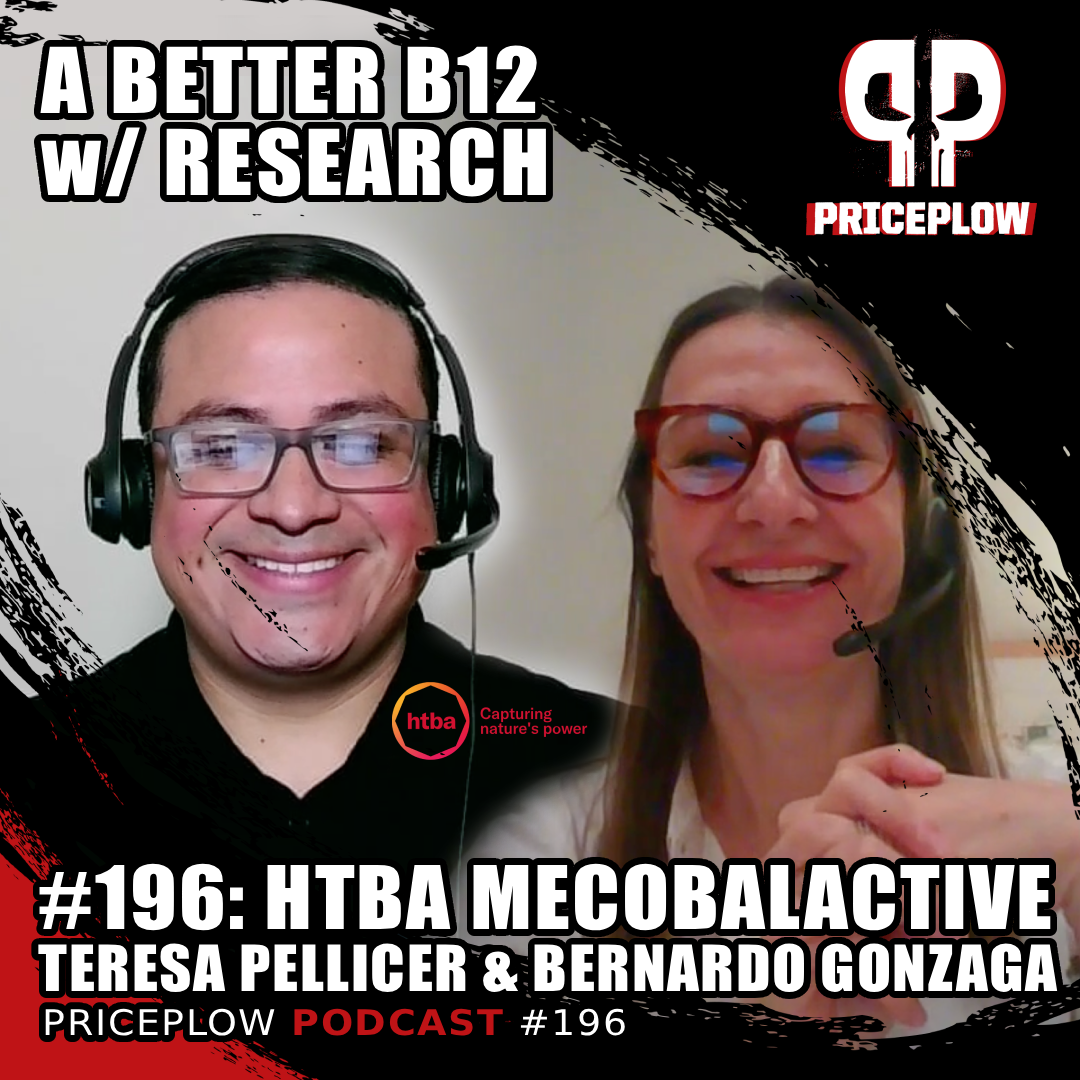
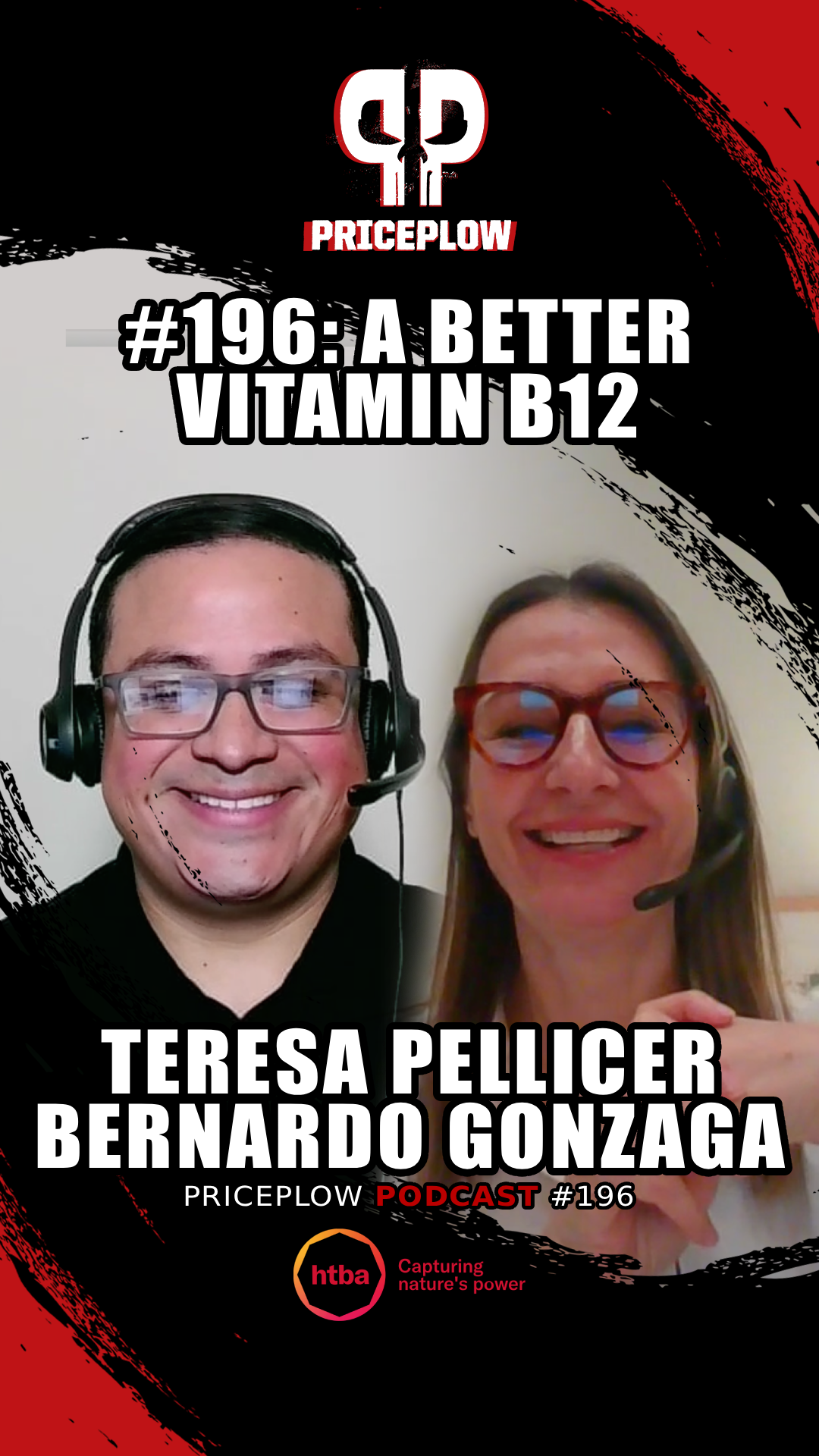
Teresa Pellicer, PhD (Pharmacologist & R&D Manager) and Bernardo Gonzaga (Global Division Manager) from HTBA dive deep into the science behind MecobalActive methylcobalamin, revealing clinical study data that validates superior B12 bioavailability on Episode #196 of the PricePlow Podcast.
Joining us are Teresa Pellicer, PhD, Pharmacologist and R&D Manager in Biotechnology at HTBA, and Bernardo Gonzaga, Global Division Manager for Functional Health Solutions. This conversation builds on Episode #188 with Edwin Gonzalez, where we explored practical applications of MecobalActive in functional foods.
Today, we go deeper into the molecular mechanisms, clinical evidence, bioavailability data, and manufacturing innovations that make MecobalActive a next-generation B12 solution for supplements, functional foods, and beverages. Teresa's expertise in pharmacology and molecular biology shines as she explains why methylcobalamin represents the biologically active form your body actually uses, while Bernardo provides industry context on applications, regulatory considerations, and market opportunities.
Subscribe to the PricePlow Podcast on your favorite platform, and sign up for HTBA news alerts before we dive into the science.
Subscribe to the PricePlow Podcast on Your Favorite Service (RSS)

Apple Podcasts

Spotify

YouTube
https://blog.priceplow.com/podcast/podcast/htba-mecobalactive-vitamin-b12-196
Video: The Science Behind MecobalActive Vitamin B12

Podcast: Play in new window | Download (Duration: 1:19:46 — 77.1MB)
Detailed Show Notes: Teresa Pellicer and Bernardo Gonzaga Discuss MecobalActive B12
-
0:00 - Welcome and Introductions
Mike welcomes Teresa Pellicer, PhD (Pharmacologist and R&D Manager in Biotechnology at HTBA), and Bernardo Gonzaga (Global Division Manager for Functional Health Solutions) to discuss vitamin B12 and the clinical study behind MecobalActive. This episode builds on Episode #188 with Edwin Gonzalez, where they explored practical applications at Master Foods Lab. Today's focus shifts to the deep science -- the molecular mechanisms, bioavailability data, and clinical evidence that validates MecobalActive as a superior methylcobalamin ingredient for supplements, functional foods, and beverages. The team is excited to share decades of research and a study the industry has long needed.
-
2:00 - Teresa's Background in Pharmacology and Molecular Biology
Teresa introduces her role leading biotech projects at HTBA while supporting commercial and marketing teams with B12 expertise. With a background in pharmacology and a PhD in molecular biology and biochemistry, she transitioned from academia to private sector R&D, finding it the perfect environment to apply her knowledge. She also lectures at university, teaching pharmacology to aspiring biotechnologists, which keeps her connected to emerging talent and fresh perspectives.
Teresa expresses genuine excitement about discussing B12 science in depth, noting she can "talk for ages" about the molecular mechanisms she finds so fascinating. Her passion for understanding how ingredients work at the cellular level drives HTBA's research approach.
-
4:15 - Bernardo's Industry Journey and Global Perspective
Bernardo shares his 20-plus years in the supplement industry, spanning retail shops, supply chain, merchandising, sales, and product development before joining HTBA nearly four years ago. Managing the functional health division globally presents unique challenges beyond the domestic U.S. market, requiring deep understanding of varying regulatory landscapes, consumer behaviors, and innovation trends across regions. He emphasizes that most companies don't fully appreciate the complexity of operating globally, especially when balancing scientific rigor with diverse regulatory requirements.
Bernardo's extensive background across multiple industry segments gives him a comprehensive view of how ingredients like MecobalActive can address different market needs and formulation challenges worldwide.
-
6:30 - HTBA Company History and Four Business Divisions
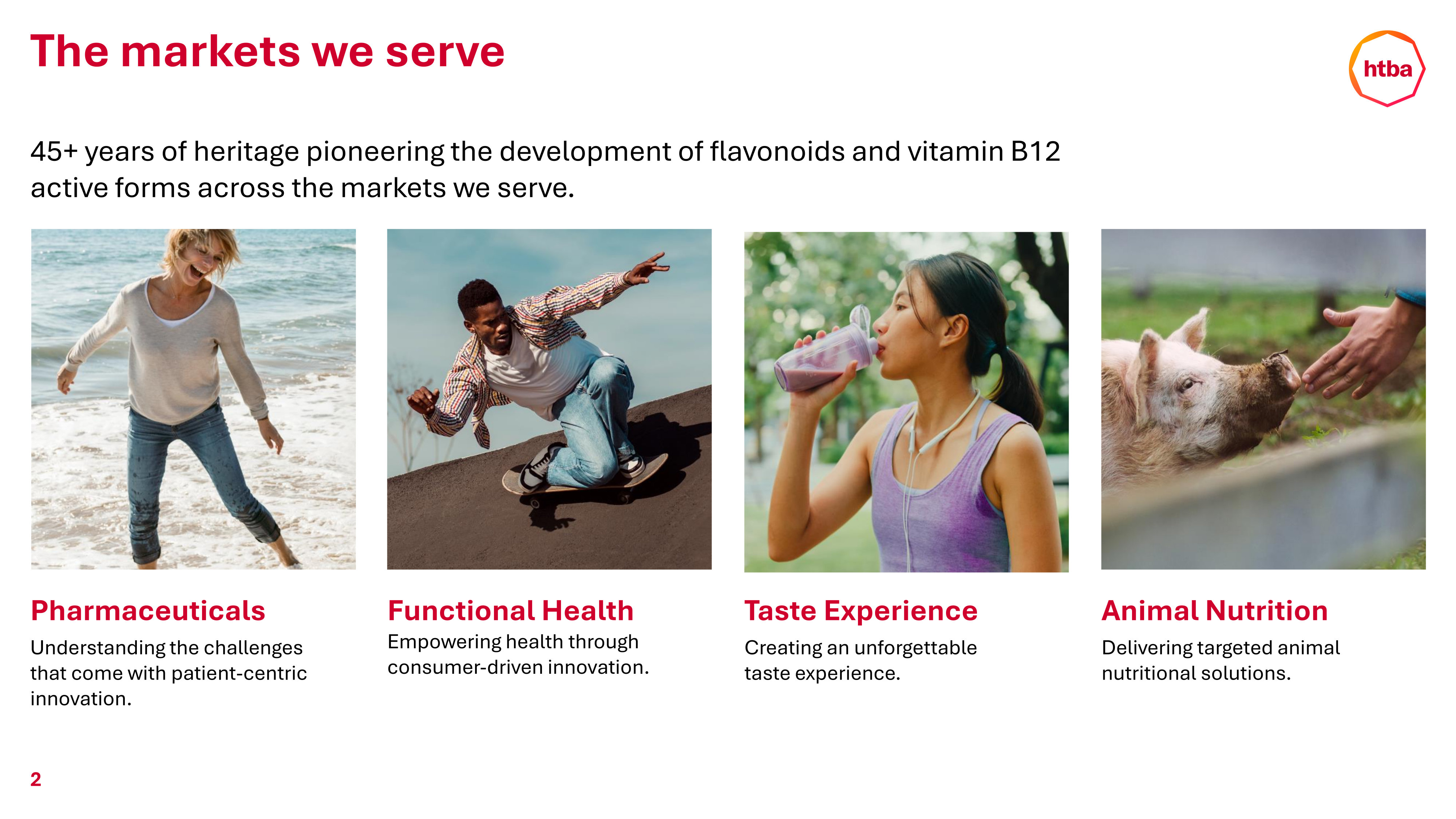
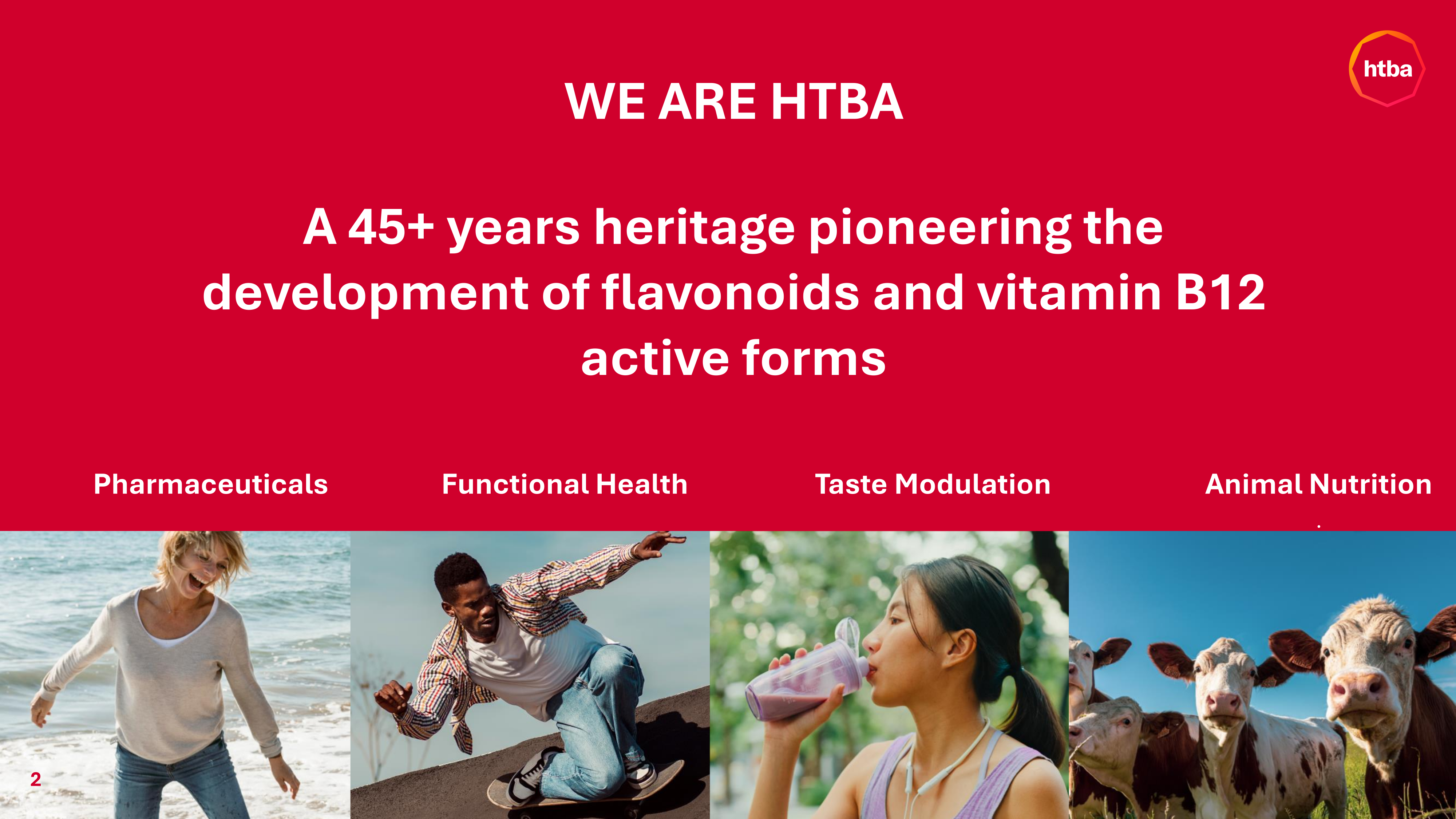
Bernardo explains that HTBA has operated for nearly 50 years, originally founded in Spain as a leader in flavonoids production since the 1970s while also becoming a global leader in vitamin B12 manufacturing. In 2019, the company was acquired by a private equity firm from a European pharmaceutical company and rebranded as HealthTech BioActives. HTBA operates four major business segments: pharmaceutical APIs (active pharmaceutical ingredients), functional health (nutraceuticals, dietary supplements, functional foods and beverages), taste modulation (improving product experience), and animal nutrition.
The pharmaceutical foundation provides credibility and quality standards that elevate their nutraceutical ingredients. Their long history and expertise in both flavonoids and B12 position them as recognized global leaders, even if the HTBA name isn't widely known among consumers.
-
9:15 - Pharmaceutical-Grade Quality for Injectable B12
Ben highlights the credibility that comes from HTBA producing pharmaceutical-grade B12 suitable for injectable applications, noting this sets a much higher quality bar than typical nutraceutical ingredients. Bernardo emphasizes that injectable-grade manufacturing requires exceptional expertise and focus -- it's not something companies can casually enter. This pharmaceutical heritage means HTBA's nutraceutical B12 products benefit from the same rigorous quality processes, manufacturing controls, and purity standards required for drug applications.

HTBA's MecobalActive methylcobalamin delivered 4% more power and 5% faster cognition in just 3 days--in healthy athletes with normal vitamin B12 levels.
The injectable B12 division represents significant business for HTBA globally, demonstrating their technical capabilities and commitment to quality. This background becomes especially relevant when discussing the clinical study design and the reliability of MecobalActive's performance data.
-
11:00 - Sustainability Story: Upcycling Baby Oranges for Bioflavonoids
Ben asks about HTBA's sustainability initiative with citrus bioflavonoids, recalling their first meeting at SupplySide where they discussed this innovation extensively. Bernardo explains that HTBA sources bioflavonoids from baby oranges that naturally fall from trees during the growing season... essentially agricultural waste that would otherwise decompose unused. Rather than harvesting prime fruit meant for consumption, they collect these small, immature oranges from the ground and process them through proprietary extraction methods to produce high-quality flavonoid ingredients.
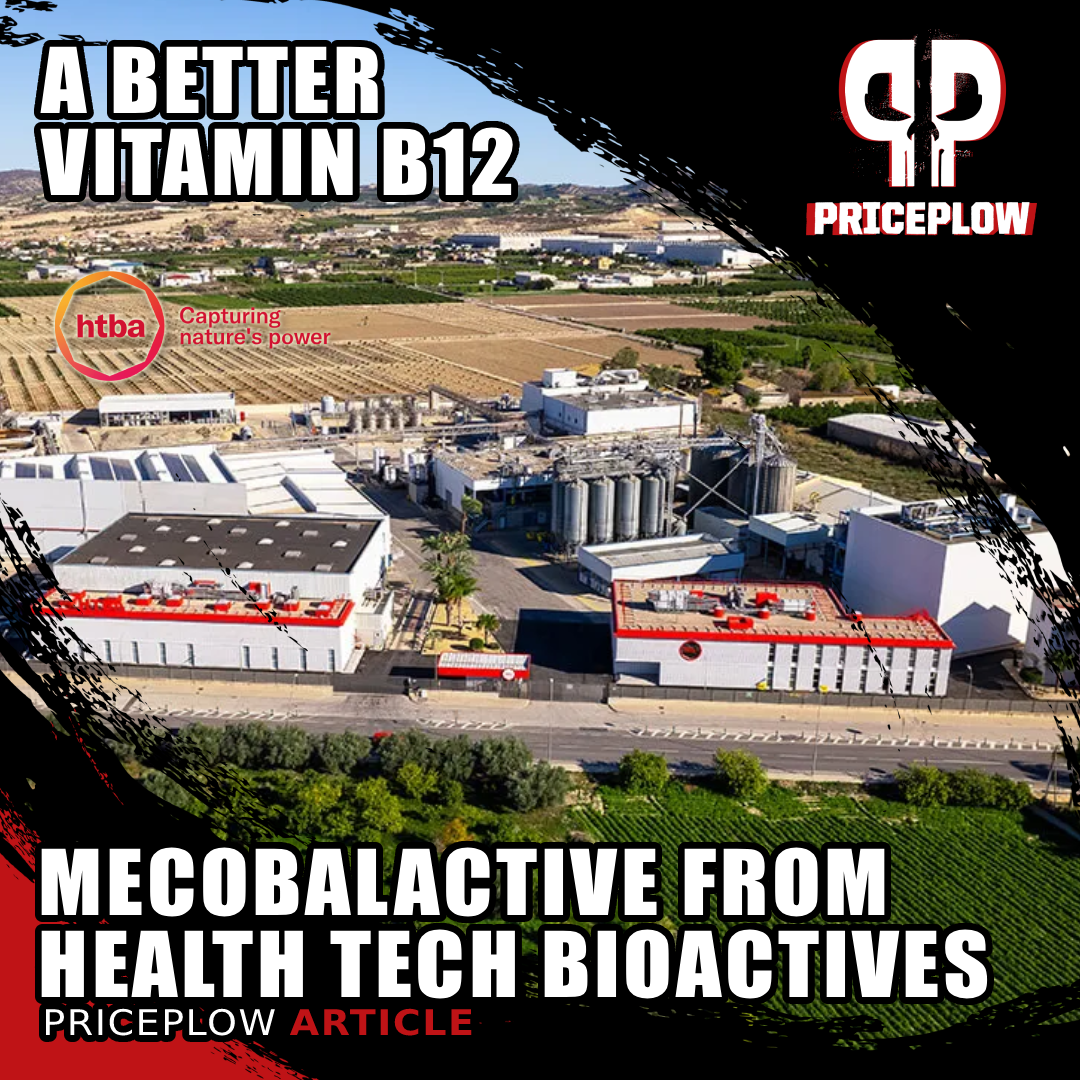
Teresa emphasizes this represents true upcycling, not just recycling, giving a second life to material that would be wasted while creating added value products. Located in southern Spain surrounded by lemon groves, their facility sits in the heart of citrus country, making this sustainable sourcing approach both practical and environmentally responsible.
-
13:45 - ESG Commitment Beyond Environmental Impact
Teresa stresses that HTBA's ESG (Environmental, Social, Governance) commitment extends beyond just environmental sustainability to include genuine social responsibility. By upcycling agricultural byproducts, they avoid competing with the food chain for raw materials, ensuring their ingredient production doesn't impact food availability. This holistic approach reflects the company's values and operational philosophy.
The beautiful facility location in Spain's citrus region provides inspiration and connects their work directly to the natural sources they utilize. Bernardo adds that sustainability isn't just a marketing story for HTBA, it's foundational to who they are as a company and how they approach manufacturing across all their business divisions.
-
16:00 - Why Vitamin B12 Matters for Energy and Health
Teresa begins the B12 discussion by establishing why this vitamin deserves such focused attention. Vitamin B12 plays critical roles in energy production, red blood cell formation, DNA synthesis, and maintaining healthy nervous system function (both central and peripheral). Deficiency leads to serious consequences including anemia, lack of focus, sluggishness, memory issues, and overall fatigue that impacts quality of life.

HTBA brings nearly half a century of vitamin B12 and flavonoid expertise across pharmaceuticals, functional health ingredients, taste modulation, and animal nutrition applications.
Despite B12's importance, deficiency remains surprisingly common, particularly among vegetarians, vegans, elderly populations with reduced stomach acid production, and individuals with certain medical conditions or taking specific medications. The body cannot produce B12 naturally, making dietary intake or supplementation essential. Understanding B12's multiple biological roles helps explain why choosing the right form and ensuring proper bioavailability matters so much.
-
19:30 - The Four Main Forms of Vitamin B12
Teresa explains that vitamin B12 exists in four primary forms, each with different characteristics and biological activities:
- Cyanocobalamin is the synthetic form most commonly used in supplements and fortified foods because it's stable and inexpensive to manufacture, but contains cyanide.
- Methylcobalamin is one of the two biologically active forms the body actually uses, essential for methylation reactions and homocysteine metabolism. This is what MecobalActive utilizes.
- Adenosylcobalamin is the other active form, critical for mitochondrial energy production.
- Hydroxocobalamin is a natural form found in foods that the body can convert to active forms as needed.
The key distinction is that cyanocobalamin must undergo multiple conversion steps in the body, while methylcobalamin and adenosylcobalamin are already in their active forms. This fundamental difference impacts bioavailability, onset of action, and overall efficacy.
-
22:45 - Why Cyanocobalamin Dominates Despite Conversion Requirements
Despite not being a bioactive form, cyanocobalamin has dominated the B12 supplement market for decades primarily due to its exceptional stability and low manufacturing cost. The cyano group (containing small amounts of cyanide) provides chemical stability that allows cyanocobalamin to withstand processing, storage, and various environmental conditions without degrading. This stability makes it attractive for food fortification and mass-market supplements.
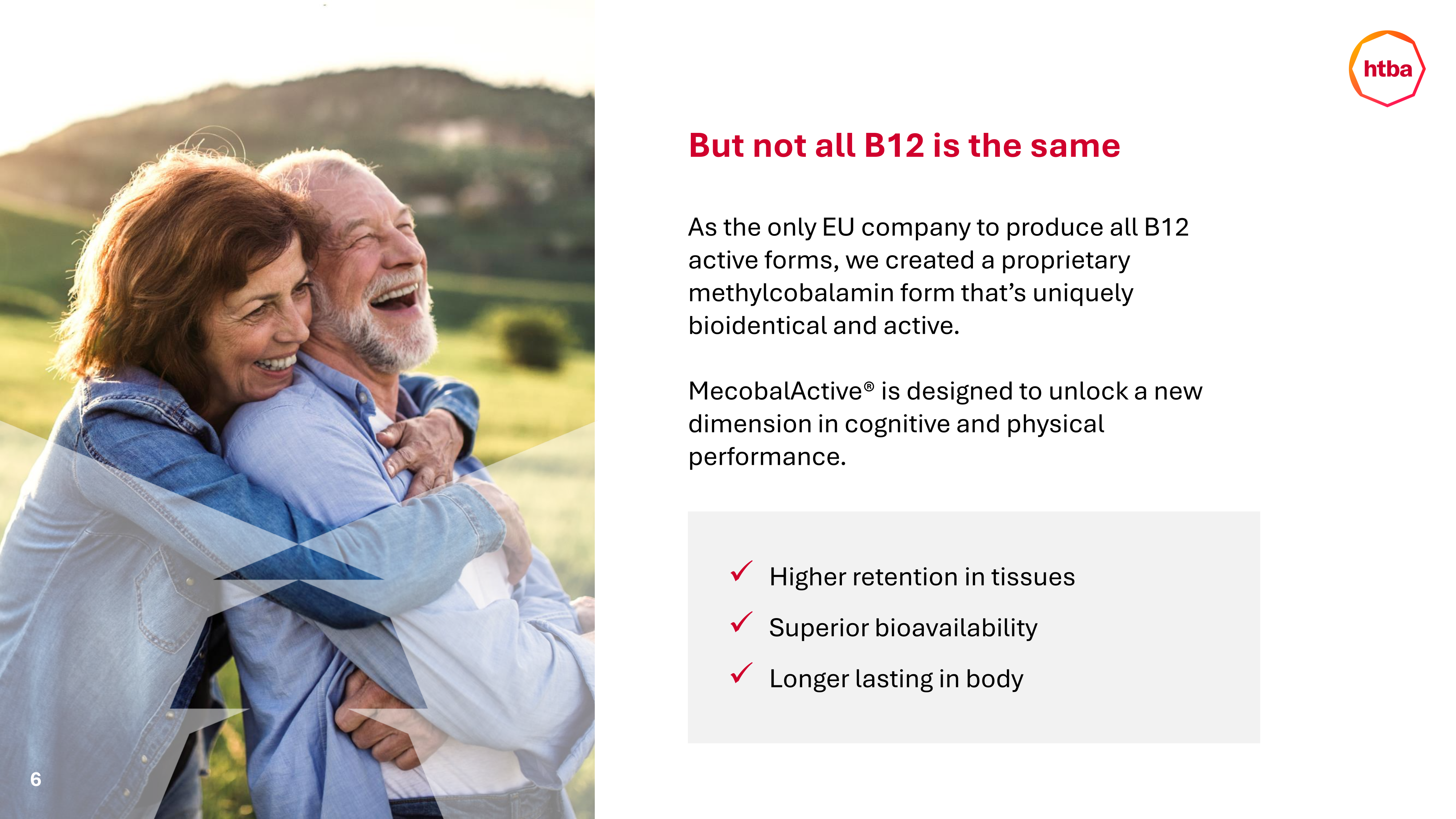
HTBA's proprietary methylcobalamin stays in tissues longer and gets absorbed more efficiently than typical vitamin B12 ingredients.
However, the body still must remove the cyano group and attach different functional groups to convert cyanocobalamin into methylcobalamin or adenosylcobalamin before it can be used. This conversion process requires enzymatic activity and cofactors, meaning not all individuals convert cyanocobalamin efficiently. For people with certain genetic variations, reduced enzyme activity, or health conditions, this conversion step represents a significant limitation.
-
26:15 - MecobalActive: Solving Methylcobalamin's Stability Challenge
Teresa introduces MecobalActive as HTBA's solution to methylcobalamin's historical stability problems. While methylcobalamin offers the advantage of being immediately bioavailable in its active form, it's notoriously unstable and photosensitive, degrading rapidly when exposed to light, heat, moisture, or pH changes. This instability has limited methylcobalamin's use in functional foods and beverages despite its superior biological activity.
MecobalActive represents a breakthrough through proprietary stabilization technology that protects the methylcobalamin molecule while maintaining its bioactivity. This allows formulators to incorporate truly active B12 into a much wider range of applications, from beverages to gummies to fortified foods, without the degradation concerns that previously restricted methylcobalamin use. The stability improvement makes MecobalActive practical for commercial manufacturing at scale.
-
29:45 - The Clinical Study Design and Objectives
Teresa describes the clinical study that validates MecobalActive's superior performance, explaining it was designed to directly compare bioavailability between MecobalActive methylcobalamin and standard cyanocobalamin using gold-standard methodology. The study measured actual blood levels of vitamin B12 over time after single-dose administration, providing objective pharmacokinetic data rather than relying on subjective assessments or indirect markers.
Conducted in healthy volunteers to establish baseline performance without confounding variables, the study tracked B12 concentrations at multiple time points to capture both the rate of absorption and the magnitude of peak concentration achieved. This rigorous approach provides the kind of head-to-head comparison data the industry has lacked, allowing formulators and brands to make evidence-based decisions about which B12 form delivers better results.
-
33:00 - Study Results: Superior Bioavailability and Faster Absorption
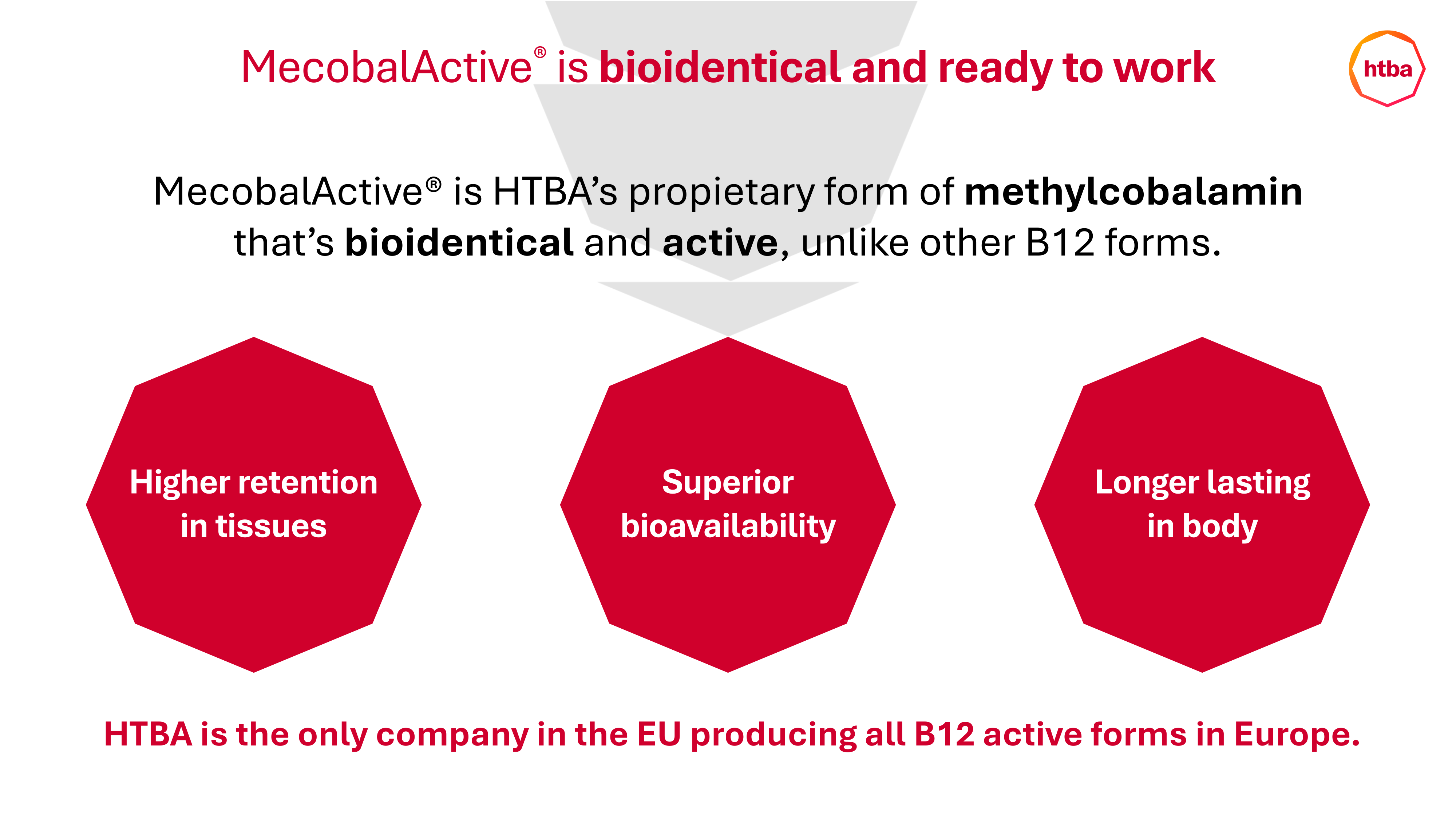
HTBA's proprietary vitamin B12 form delivers superior tissue retention, better absorption, and longer-lasting activity compared to standard options.
The study results demonstrated that MecobalActive methylcobalamin achieved significantly higher peak blood concentrations compared to cyanocobalamin at equivalent doses, confirming superior bioavailability. Additionally, MecobalActive reached peak concentrations faster, indicating more rapid absorption and onset of biological activity. These pharmacokinetic advantages translate to real-world benefits: consumers get more active B12 into their system more quickly from the same dose. Teresa emphasizes these aren't marginal improvements but statistically significant differences that validate methylcobalamin's theoretical advantages in a controlled clinical setting.
The study provides the quantitative evidence needed to support marketing claims and gives formulators confidence in choosing MecobalActive for premium products where efficacy matters. This data fills a critical gap in B12 research and positions MecobalActive as the form of choice for brands focused on performance and results.
-
36:30 - Methylation Pathways and Homocysteine Metabolism
Teresa delves into the biochemical importance of methylcobalamin specifically, explaining its essential role in methylation reactions throughout the body. Methylcobalamin serves as a cofactor for methionine synthase, the enzyme that converts homocysteine back to methionine while simultaneously regenerating tetrahydrofolate from methyltetrahydrofolate. This reaction sits at the intersection of one-carbon metabolism, affecting DNA synthesis, neurotransmitter production, and cardiovascular health. Elevated homocysteine levels correlate with increased cardiovascular risk, making efficient homocysteine metabolism clinically relevant.
By providing methylcobalamin directly rather than requiring the body to convert cyanocobalamin, MecobalActive supports optimal methylation capacity immediately. This becomes particularly important for individuals with MTHFR gene variations or other methylation challenges who may struggle to convert cyanocobalamin efficiently.
-
40:00 - Adenosylcobalamin and Mitochondrial Energy Production
While focusing primarily on methylcobalamin, Teresa also discusses adenosylcobalamin's unique role in mitochondrial energy metabolism. Adenosylcobalamin functions as a cofactor for methylmalonyl-CoA mutase, an enzyme critical for processing certain amino acids and odd-chain fatty acids in the mitochondria. This pathway connects directly to the citric acid cycle and ATP production, explaining B12's fundamental importance for cellular energy.
HTBA's methylcobalamin ingredient brings together mental sharpness and athletic power in one bioidentical vitamin B12 form.
Deficiency in adenosylcobalamin activity leads to methylmalonic acid accumulation, a diagnostic marker for B12 deficiency. While MecobalActive focuses on the methylcobalamin form, Teresa notes that the body can interconvert between active B12 forms to some degree, though providing the specific form needed for methylation reactions offers distinct advantages. The discussion highlights how different B12 forms support different physiological processes.
-
43:45 - Populations at Risk for B12 Deficiency
Teresa identifies several populations particularly vulnerable to B12 deficiency, starting with vegetarians and vegans who lack dietary B12 sources since the vitamin occurs naturally only in animal products. Elderly individuals face increased risk due to reduced stomach acid production (achlorhydria), which impairs B12 liberation from food proteins. People taking certain medications, particularly proton pump inhibitors (PPIs) for acid reflux and metformin for diabetes, may experience impaired B12 absorption over time. Individuals with gastrointestinal conditions like Crohn's disease, celiac disease, or those who've had bariatric surgery may have compromised absorption capacity.
Even apparently healthy individuals may have subclinical deficiency, experiencing fatigue, cognitive fog, or mood changes without recognizing B12 as the underlying cause. These at-risk populations represent significant opportunities for targeted supplementation and fortification strategies.
-
47:15 - Symptoms and Consequences of B12 Deficiency
B12 deficiency manifests through a range of symptoms affecting multiple body systems. Initial signs often include fatigue, weakness, and reduced stamina as energy production becomes impaired. Neurological symptoms develop over time, including numbness or tingling in extremities (peripheral neuropathy), balance problems, cognitive difficulties, memory impairment, and mood changes like depression or irritability.
Hematological effects include megaloblastic anemia, where red blood cells become abnormally large and dysfunctional, reducing oxygen-carrying capacity. Severe, prolonged deficiency can cause irreversible neurological damage, making early detection and correction critical. Teresa emphasizes that because B12 is stored in the liver, deficiency develops gradually over months or years, meaning symptoms may not appear until stores are significantly depleted. This makes proactive supplementation valuable for at-risk populations rather than waiting for deficiency symptoms to emerge.
-
51:00 - Absorption Mechanisms: Intrinsic Factor Pathway

Teresa explains the complex absorption process for vitamin B12, which requires multiple steps and specific proteins. In the stomach, gastric acid and pepsin release B12 from food proteins, then salivary R-protein (haptocorrin) binds B12 to protect it through the acidic stomach environment. In the small intestine, pancreatic enzymes degrade R-protein, releasing B12 to bind with intrinsic factor (IF), a protein secreted by stomach parietal cells. The B12-IF complex travels to the terminal ileum where it binds to specific receptors (cubilin) for absorption into intestinal cells.
This intrinsic factor-mediated pathway represents the primary absorption route but is capacity-limited to about 1.5-2 micrograms per meal. This limitation explains why high-dose oral B12 supplements work despite IF-mediated absorption limits -- passive diffusion through intestinal membranes accounts for approximately 1% absorption of very high doses.
-
54:45 - Passive Diffusion and High-Dose Supplementation
Beyond the intrinsic factor pathway, B12 can be absorbed through passive diffusion across intestinal membranes, though this route is far less efficient at about 1% absorption. This mechanism becomes relevant with high-dose supplementation: if someone takes 1000 mcg, approximately 10 mcg may be absorbed through passive diffusion alone, bypassing the need for intrinsic factor entirely.
This explains why high-dose oral B12 supplements can effectively treat deficiency even in individuals with pernicious anemia (who lack intrinsic factor) or those who've had gastric bypass surgery affecting IF production. Teresa notes that while this seems inefficient, the safety profile of B12 allows for such high-dose strategies without toxicity concerns. MecobalActive's superior bioavailability means brands can achieve therapeutic effects with lower doses compared to cyanocobalamin, potentially reducing cost per effective serving.
-
58:15 - Manufacturing Challenges with Methylcobalamin Stability
Bernardo addresses the practical manufacturing challenges that have historically limited methylcobalamin's use in commercial products. Beyond photosensitivity requiring amber bottles or opaque packaging, methylcobalamin degrades in the presence of moisture, certain pH levels, and common processing conditions like heat during tableting or beverage pasteurization. These stability issues made methylcobalamin impractical for most functional food and beverage applications despite its biological advantages.
As a European pioneer in vitamin B12 active forms, HTBA serves pharmaceuticals, functional health, taste modulation, and animal nutrition markets.
MecobalActive's proprietary stabilization technology overcomes these limitations through specialized processing and protective matrices that shield the methylcobalamin molecule without reducing bioavailability. This innovation opens new application opportunities, allowing brands to incorporate premium B12 into beverages, gummies, and other formats where instability previously prevented methylcobalamin use. The manufacturing solution enables the biological superiority to translate into real products consumers can access.
-
1:01:30 - Applications in Functional Foods and Beverages
Teresa and Bernardo discuss the exciting application possibilities MecobalActive enables in functional foods and beverages, building on the practical demonstration from Episode #188 at Master Foods Lab. Energy drinks, sports nutrition beverages, functional waters, and ready-to-drink supplements can now incorporate truly bioavailable B12 that withstands processing and shelf life requirements. Functional foods like protein bars, fortified snacks, and meal replacements benefit from MecobalActive's stability during manufacturing and storage. The dairy and plant-based milk alternatives market represents another major opportunity, particularly for vegan products where B12 fortification is essential. Gummy supplements, which require specific processing conditions, can now reliably deliver methylcobalamin instead of settling for cyanocobalamin. These expanded applications allow brands to differentiate premium products with superior B12 forms backed by clinical data.
-
1:05:00 - Dosing Considerations and Safety Profile
Teresa addresses dosing strategies for MecobalActive in various applications. The recommended dietary allowance for B12 is quite low (2.4 mcg for adults), but supplemental doses typically range from 100-1000 mcg or higher for therapeutic purposes. MecobalActive's superior bioavailability means effective doses may be lower compared to cyanocobalamin equivalents, though brands often maintain higher doses for consumer expectations and to account for individual absorption variability.
B12 exhibits exceptional safety with no established upper tolerable limit (excess B12 is excreted in urine without toxicity concerns). This safety profile allows flexibility in formulation while the water-soluble nature prevents accumulation risks. For functional foods and beverages, doses around 100-500 mcg per serving provide meaningful nutritional support, while therapeutic supplements may use 1000 mcg or more. The clinical study data helps formulators optimize dosing for desired blood level targets.
-
1:08:30 - Combining B12 with Other B Vitamins and Nutrients
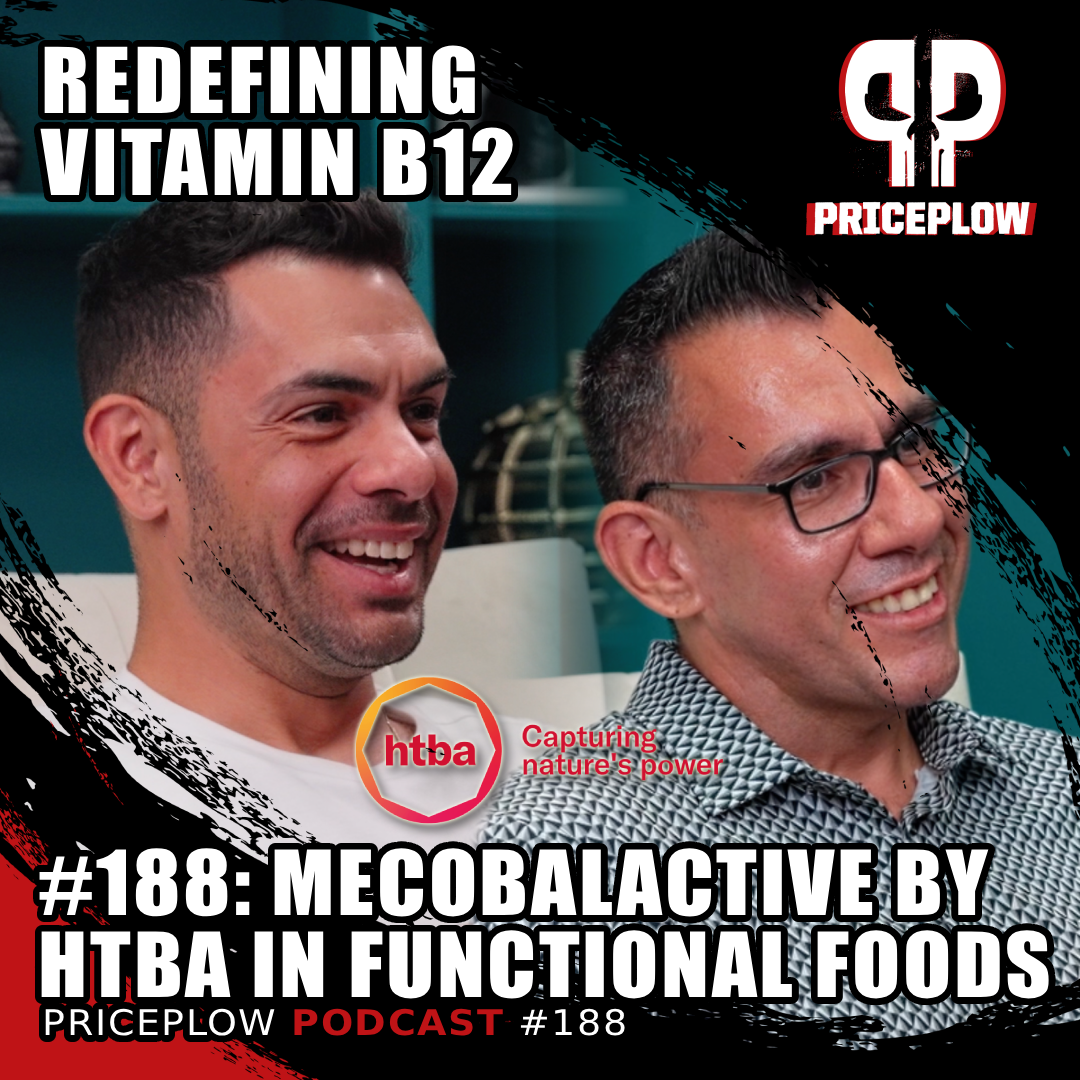
Edwin Gonzalez from Health Tech Bio Actives and Michael Alfaro from Master Foods Lab discuss MecobalActive vitamin B12 and functional food innovation on Episode #188 of the PricePlow Podcast.
The conversation explores synergistic combinations with MecobalActive. B12 works closely with folate (vitamin B9) in methylation reactions, making them natural partners in formulations targeting homocysteine metabolism or prenatal health. Vitamin B6 also participates in these pathways, creating a logical B-complex approach.
For energy-focused products, pairing B12 with other B vitamins (B1, B2, B3, B5) supports comprehensive energy metabolism since multiple B vitamins function as cofactors in ATP production. Teresa notes that methylfolate (5-MTHF) pairs particularly well with methylcobalamin since both are active forms that bypass conversion steps, benefiting individuals with genetic variations affecting methylation.
Magnesium and certain amino acids may also support B12 function. The key is understanding the biological pathways and designing formulations that address complete metabolic needs rather than isolated nutrient supplementation.
-
1:12:00 - Regulatory Landscape Across Global Markets
Bernardo discusses the varying regulatory environments for B12 across different global markets, reflecting his international perspective managing HTBA's functional health division worldwide. In the United States, B12 is generally recognized as safe (GRAS) for food fortification and unrestricted in dietary supplements, with structure/function claims permitted. European markets have more stringent fortification regulations with maximum levels for certain food categories and specific health claims requiring EFSA approval. Asian markets present diverse requirements, with some regions very open to B12 fortification and others requiring extensive documentation.
The pharmaceutical-grade manufacturing capability helps HTBA navigate these varying requirements since the quality standards exceed most regional specifications. Understanding regional preferences (some markets favor natural B12 forms while others prioritize cost and stability with cyanocobalamin) allows HTBA to position MecobalActive appropriately for different opportunities.
-
1:15:45 - Future Directions and Continued Innovation
As the conversation concludes, Teresa and Bernardo express excitement about continued innovation with B12 and other nutrients. The clinical study represents just the beginning -- additional research exploring different populations, delivery formats, and combinations will further validate MecobalActive's benefits. HTBA's investment in their Spanish facility and ongoing R&D commitment signals long-term dedication to advancing ingredient science.

Teresa's passion for understanding molecular mechanisms drives exploration of new applications and optimization strategies. Bernardo emphasizes that while they're proud of current achievements, the goal is continuous improvement in manufacturing, sustainability, and scientific validation. They're grateful for partnerships that help communicate the science to formulators and consumers, with the PricePlow Podcast playing a valuable role in education and awareness.
-
1:17:00 - Invitation to Visit HTBA's Facility in Spain
The team extends a genuine invitation for Mike and Ben to visit HTBA's facility in Spain, offering to show the complete operation from citrus sourcing to B12 manufacturing. Mike shares his positive memories of visiting Valencia in 2005 and enthusiasm for returning, praising Spain's beauty and culture. Teresa emphasizes they'd be thrilled to host and demonstrate firsthand the processes, quality controls, and sustainable practices discussed in the episode.
Located in southern Spain's citrus region, the facility offers both technical education and the opportunity to experience the company culture and natural environment that inspires their work. The invitation reflects HTBA's openness and confidence in their operations while creating potential for deeper collaboration and content opportunities. Bernardo adds that significant facility investments over recent years have created a showcase operation worth seeing.
-
1:18:45 - Where to Follow HTBA and Final Thanks
Mike asks about following HTBA and the team on social platforms. They direct listeners to htba.com and mecobalactive.com for detailed information, with active LinkedIn presence where connection invites are welcome. Teresa expresses genuine excitement about the conversation, noting she watched Episode #188 with Edwin Gonzalez and immediately wanted to participate when offered the opportunity. Recording at 7:30 PM Spain time, she enthusiastically notes they discussed vitamin B12 for over an hour and she "could talk for ages" -- a testament to her passion for the science.

Bernardo thanks PricePlow for creating excellent content and mentions seeing mutual industry friends featured on previous episodes, creating a sense of community. Mike appreciates their enthusiasm and notes how Teresa's love for the ingredient shines through authentically, making it engaging rather than repetitive. The collaborative relationship promises continued partnership and future content opportunities.

Where to Follow Teresa Pellicer, Bernardo Gonzaga, and HTBA
- Teresa Pellicer, PhD on LinkedIn
- Bernardo Gonzaga on LinkedIn
- HTBA Website: htba.com
- MecobalActive Website: mecobalactive.com
- HTBA on LinkedIn
- Sign up for HTBA news alerts on PricePlow
Teresa and Bernardo's passion for vitamin B12 science and commitment to advancing ingredient innovation made this deep dive both educational and engaging. Their clinical study provides the evidence-based validation the industry needs to confidently specify premium B12 forms in formulations targeting energy, cognitive function, and overall health.
Subscribe to the PricePlow Podcast on your favorite platform, sign up for HTBA news on PricePlow, and leave us a review on iTunes and Spotify!
Subscribe to the PricePlow Podcast on Your Favorite Service (RSS)
Apple Podcasts
Spotify
YouTube

Comments and Discussion (Powered by the PricePlow Forum)