Your supplement can leave the factory at full potency and still reach the customer degraded. Moisture, oxygen, and light quietly break down capsules, powders, and gummies on the shelf.
Active ingredients don't become inert just because they've been encapsulated. They react to moisture, oxygen, and light throughout their shelf life, and most degradation produces no obvious warning until it's already advanced. A clumped powder, a rancid softgel, or a discolored capsule is late-stage evidence of a process that started in a warehouse, shipping container, or on a retail shelf.
What Destroys Supplements Too Early, and How Do We Stop It?
Three environmental factors account for the vast majority of supplement degradation:
- Moisture
- Oxidation
- Light
Each threatens different ingredient categories, and each requires a specific packaging response. Getting this right isn't just about shelf-life claims. It's about whether the dose on the label is the dose the consumer gets six or twelve months into a product's life.
We've recently covered how excipients inside capsules affect dosing consistency during manufacturing. Packaging is the downstream half of that equation, protecting what manufacturing built. This article explains the details:
-
Moisture: The Leading Cause of Physical Degradation
Hygroscopic ingredients -- alpha-GPC, beta-alanine, citric acid blends, pre-workout matrices with electrolytes -- absorb atmospheric water vapor and cake, making accurate scooping impossible. Even capsule shells (both gelatin and HPMC) absorb moisture and soften, while tablets can swell or crack.

These aren't edge cases, they're predictable failures when moisture protection falls short, and too many brands and manufacturers have simply come to terms with them as a "cost of doing business". That's not entirely necessary, though.
Bottled products rely on two layers of defense: the container and the induction seal under the cap. Research published in Drug Development and Industrial Pharmacy modeled how humidity enters heat-induction sealed bottles during in-use periods, finding that induction seals reduce humidity exposure significantly between opening events and that silica gel desiccants provide additional protection when properly sized to the container volume.[1] The practical implication: a reliable induction seal isn't optional, and desiccants work best as a complement to a good seal, not a substitute for one.
Blister packaging removes the moisture accumulation problem for individual doses. Alu-Alu (cold-formed aluminum) blisters have near-zero moisture vapor transmission, making them the right choice for moisture-sensitive tablets and capsules in humid export markets or products with long supply chains.
-
Oxygen: The Enemy of Fats and Fat-Soluble Vitamins
Lipid oxidation degrades omega-3 fatty acids, vitamin E, and botanical oils. Oxidized lipids form peroxides and secondary aldehyde compounds. The process is largely invisible until it reaches the rancid stage, which means degradation is already advanced by the time consumers detect it.

A 2022 assessment of 20 commercial omega-3 supplements sold in the French market found that all tested products met GOED (Global Organization for EPA and DHA Omega-3s) peroxide, anisidine, and Totox oxidation limits. But the same study noted wide variability in antioxidant content across brands.[2] Packaging controls one of the most direct variables: headspace oxygen removed at fill via nitrogen flushing, induction sealing that closes off oxygen ingress after production, and oxygen-scavenger inserts for bottled formats.
For blister packaging with highly oxidation-sensitive ingredients, Alu-Alu blisters block oxygen transmission entirely and keep each dose isolated until the consumer opens it.
-
Light: The Overlooked Factor
Riboflavin (vitamin B2) is one of the most photosensitive compounds that appears routinely in supplement formulas, degrading under both UV and visible light. Folate, ascorbic acid, and several botanical pigments are also light-sensitive. Clear PET containers expose these ingredients to retail lighting, warehouse fluorescents, and direct sunlight during shipping.
Amber glass and opaque HDPE containers block a meaningful portion of the UV spectrum. Aluminum blister foil blocks light entirely and doesn't require a separate UV-protective container. Where light sensitivity is a real concern, the packaging material is the control point.


Matching Packaging Format to Product Type
Each product type has a natural fit. Powder tubs and stick packs need moisture-barrier foil liners and reliable heat sealing. Capsules and tablets destined for humid climates or extended transit are candidates for blister packaging over bottling. Gummies, which are hygroscopic by nature, need heat-sealed pouches with desiccants to prevent moisture absorption and sugar bloom.
This article was produced in collaboration with Anxine, a pharmaceutical and packaging equipment manufacturer:
Introducing Anxine
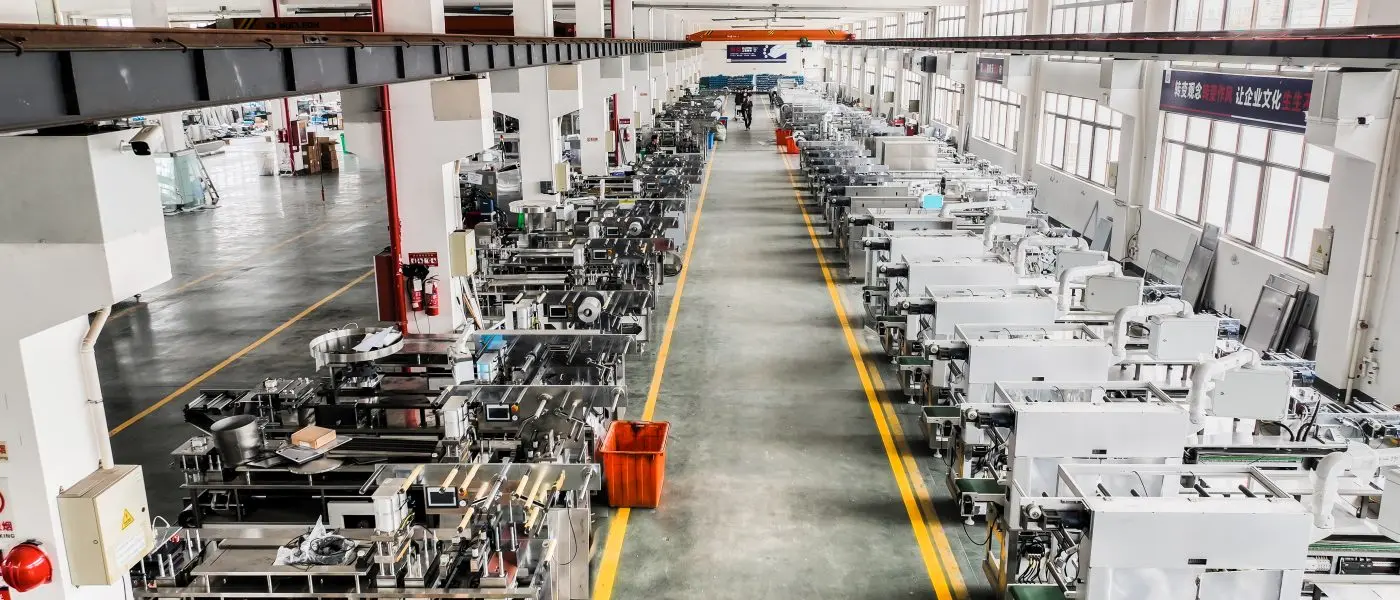
Equipment reliability at the sealing station matters as much as material choice. A blister sealer with inconsistent temperature or pressure produces weak seals that undermine the barrier properties the material was selected to provide. Anxine (Wenzhou Anxine Machinery Co., Ltd.) manufactures blister packaging equipment, pouch filling and sealing systems, and bottle-line capping and induction sealing units for pharmaceutical and nutraceutical manufacturers, with microprocessor-controlled temperature and pressure for consistent seal integrity across production runs. Their equipment supports both Alu-PVC and Alu-Alu blister formats as well as flexible packaging lines for pouches and sachets.
Protect What You Built
A supplement that leaves manufacturing at full potency can still reach the consumer degraded if the packaging doesn't hold. Understanding which environmental threats apply to a specific product type and choosing packaging materials and sealing equipment accordingly is one of the most practical decisions a manufacturer makes.
Keep up with supplement manufacturing and packaging topics via PricePlow below:


Comments and Discussion (Powered by the PricePlow Forum)